- Product Description Description
- Table of Contents TOC
- List of Table & Figure LOT
- Get Free Sample PDF Sample PDF
Market Size, 2025
$4.64 BnMarket Estimate, 2026
$4.98 BnMarket Forecast, 2034
$8.82 BnCAGR, 2026–2034
7.4%Global Transplant Diagnostics Market Report Summary
The global transplant diagnostics market was valued at USD 4.64 billion in 2025 and is projected to grow from USD 4.98 billion in 2026 to USD 8.82 billion by 2034, registering a CAGR of 7.4% from 2026 to 2034. Market growth is driven by increasing organ transplant procedures, rising prevalence of chronic diseases leading to organ failure, and growing demand for precise donor-recipient compatibility testing. Transplant diagnostics play a critical role in pre-transplant screening, post-transplant monitoring, and rejection risk assessment. Advancements in molecular diagnostics, next-generation sequencing (NGS), and immunogenetics technologies are further accelerating market expansion globally.
Key Market Trends
- Increasing adoption of molecular and genetic testing technologies in transplant diagnostics.
- Rising demand for precise donor-recipient compatibility assessment.
- Growing use of next-generation sequencing (NGS) and high-throughput assays.
- Expansion of organ transplantation programs and post-transplant monitoring protocols.
- Strengthening focus on personalized medicine and immunogenetics-based diagnostics.
Segmental Insights
- Based on technology, the molecular assays segment dominated the transplant diagnostics market in 2025 by accounting for a substantial share, driven by high sensitivity, accuracy, and increasing use in histocompatibility testing.
- Based on product, the consumables segment led the market by capturing 52.7% share in 2025, supported by recurring demand for reagents, assay kits, and testing materials used in transplant diagnostics procedures.
- Based on application, the pre-transplantation diagnostics segment was the largest in 2025, accounting for 61.5% market share, driven by the critical need for compatibility testing and donor screening before transplantation procedures.
- Based on transplant type, the kidney transplant diagnostics segment held the majority share of 44.2% in 2025, supported by the high volume of kidney transplant procedures globally.
- Based on end user, the hospitals segment remained the leading category by accounting for 48.6% share in 2025, driven by increasing transplant surgeries and advanced diagnostic laboratory integration within hospital systems.
Regional Insights
The global transplant diagnostics market is witnessing steady growth across major regions, supported by increasing transplant procedure volumes, advancements in diagnostic technologies, and improving healthcare infrastructure.
- North America maintained dominance in 2025 with 41.1% share, driven by advanced transplant care infrastructure, strong healthcare expenditure, and high adoption of molecular diagnostic technologies.
- Europe held the second-largest position with 28.5% share in 2025, supported by established organ donation programs and increasing investment in precision diagnostics.
- Asia-Pacific is projected to register the fastest growth over the forecast period, driven by expanding healthcare access, rising organ transplant procedures, and increasing investments in diagnostic infrastructure.
Competitive Landscape
The global transplant diagnostics market is characterized by strong competition among diagnostic companies, biotechnology firms, and molecular testing solution providers focusing on precision transplant compatibility and monitoring technologies. Market players are emphasizing development of advanced molecular assays, automation of transplant testing workflows, and expansion of immunogenetics product portfolios to strengthen market positioning. Strategic collaborations, acquisitions, and investments in personalized diagnostics are shaping competitive dynamics across the market.
Prominent companies operating in the global transplant diagnostics market include Thermo Fisher Scientific Inc., F. Hoffmann-La Roche Ltd., Bio-Rad Laboratories, Inc., Illumina, Inc., QIAGEN N.V., Immucor, Inc., Abbott Laboratories, and CareDx, Inc.
Global Transplant Diagnostics Market Size
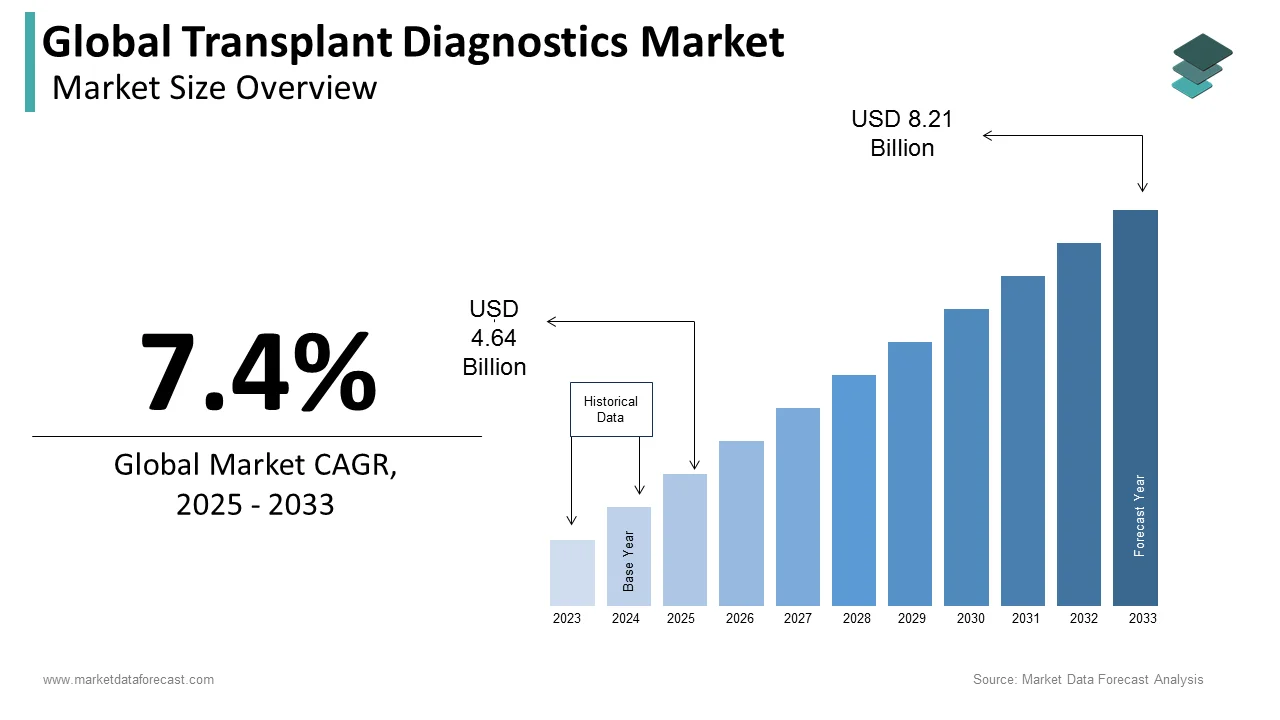
The global transplant diagnostics market was valued at USD 4.64 billion in 2025. The global market is projected to grow from USD 4.98 billion in 2026 to reach USD 8.82 billion by 2034, exhibiting a compound annual growth rate (CAGR) of 7.4% during the forecast period 2026 to 2034.
Transplant diagnostics is a specialized array of laboratory and molecular technologies designed to evaluate donor-recipient compatibility, monitor graft viability, and detect early signs of immunological rejection. The discipline integrates human leukocyte antigen typing, cross-matching protocols, infectious disease screening, and emerging biomarker assays to optimize clinical outcomes across solid organ and hematopoietic stem cell procedures. Global health infrastructure continues to face substantial pressure from expanding transplant waitlists and evolving clinical standards for postoperative surveillance. According to the Global Observatory on Donation and Transplantation, approximately 179,000 solid organ transplants are performed each year globally, yet the World Health Organization estimates this covers less than 10% of the worldwide need, with thousands of candidates removed from waiting lists annually due to deteriorating health or death. The European Directorate for the Quality of Medicines & HealthCare (EDQM) documents that approximately 36,000 to 40,000 solid organ transplants are performed annually across Council of Europe member states, while over 58,000 patients remain on active waiting lists. Clinical research indicates that non-invasive molecular monitoring (such as donor-derived cell-free DNA) effectively identifies allograft injury earlier than traditional methods, potentially reducing the need for surveillance biopsies, though rejection rates themselves are primarily managed through immunosuppressive therapy rather than monitoring protocols. As immunosuppressive regimens grow increasingly complex, diagnostic laboratories must deliver rapid, highly specific results to guide therapeutic adjustments. The convergence of genomic sequencing, multiplex immunoassays, and real-time polymerase chain reaction methodologies has transformed transplant diagnostics into a critical pillar of modern regenerative medicine. Continuous innovation in assay sensitivity and turnaround speed directly influences graft survival metrics and patient quality of life.
MARKET DRIVERS
The accelerating prevalence of irreversible organ failure fuels unprecedented demand for transplant-compatible diagnostic testing
The global burden of chronic end-stage diseases continues to expand at a rapid pace, which compels healthcare systems to scale transplant capacities and corresponding diagnostic workflows, and thereby boosts the growth of the transplant diagnostics market. Renal, hepatic, and pulmonary failures now account for a substantial portion of tertiary care admissions worldwide. According to data from the Global Burden of Disease study, chronic kidney disease affects roughly 10% of the population worldwide, generating a substantial global burden of morbidity and driving demand for active renal replacement therapies. Global epidemiological research documents that liver cirrhosis and related hepatocellular complications constitute a major public health challenge, accounting for approximately 2 million deaths globally each year. These epidemiological trends directly amplify the necessity for precise histocompatibility assessment, viral screening, and immunological profiling before surgical intervention. Transplant centers must process extensive donor-recipient panels while maintaining strict compatibility thresholds to prevent hyperacute rejection. Diagnostic laboratories respond by deploying high-throughput nucleic acid amplification techniques and next-generation sequencing platforms that deliver comprehensive human leukocyte antigen resolution within 48 hours. Clinical validation data indicate that expanded molecular and high-resolution HLA typing significantly enhances virtual cross-matching precision, identifying incompatible donor-recipient pairings more effectively than conventional serological methods. Transplant volumes are rising to meet unmet clinical demand. As a result, diagnostic service providers are experiencing sustained utilization growth across preoperative screening and postoperative monitoring phases.
Integration of non-invasive biomarker assays transforms post-transplant surveillance and rejection monitoring
The integration of noninvasive biomarker assays fundamentally reshapes the paradigms of post-transplant surveillance and rejection monitoring and drives the expansion of the transplant diagnostics market. Traditional graft assessment historically relied on invasive tissue biopsies, which carry procedural risks and provide only localized immunological snapshots. The emergence of cell-free nucleic acid testing and multiplex cytokine profiling has fundamentally altered clinical monitoring paradigms by enabling continuous, systemic evaluation of graft health without surgical intervention. Multicenter clinical validation data demonstrate that donor-derived cell-free DNA assays serve as highly effective, non-invasive markers of allograft injury, detecting acute rejection episodes significantly earlier than conventional monitoring via serum creatinine trajectories. Clinical surveillance registries indicate that implementing liquid biopsy frameworks for routine post-transplant monitoring allows centers to safely reduce the frequency of protocol-driven surveillance biopsies in stable allograft recipients. These molecular platforms identify subtle genomic fragments released by damaged endothelial cells long before functional decline manifests clinically. Laboratories increasingly pair quantitative polymerase chain reaction with digital droplet sequencing to achieve single-molecule detection thresholds. Clinical operations data suggest that integrating non-invasive monitoring protocols into routine post-transplant care supports early clinical intervention, optimizing patient management during the critical post-operative window. Clinical guidelines are increasingly endorsing biomarker-driven surveillance. Hence, diagnostic manufacturers face accelerating demand for validated, standardized assay kits that integrate seamlessly with existing laboratory information systems.
MARKET RESTRAINTS
Escalating procedural expenses and inconsistent reimbursement frameworks limit widespread diagnostic adoption
Advanced molecular testing platforms require substantial capital investment for instrumentation, specialized reagents, and continuous quality assurance protocols, which restricts the growth of the transplant diagnostics market. Many healthcare institutions operate under constrained fiscal budgets that prioritize acute surgical expenditures over comprehensive diagnostic infrastructure. According to Medicare Administrative Contractor guidelines, reimbursement coverage for novel cell-free DNA monitoring assays is tightly tied to specific clinical utility criteria and intended-use protocols, creating a complex reimbursement landscape for transplant recipients across public and private insurance networks. Comprehensive human leukocyte antigen sequencing constitutes a significant diagnostic expense, creating potential financial hurdles for underinsured populations when specialized pre-transplant workups face coverage caps or out-of-network designations. Health economic analyses highlight that structural uncertainties surrounding commercial insurance and public payer compensation models serve as a major factor slowing the institutional adoption of advanced, next-generation histocompatibility assays at regional transplant programs. Diagnostic manufacturers must navigate complex coding structures and demonstrate prolonged cost-effectiveness to secure broad insurance recognition. Laboratory operations data indicate that complex prior authorization workflows and commercial payer appeals frequently extend reimbursement cycles past 90 days, impacting operational cash flows and complicating service expansion plans for specialized diagnostics. The absence of standardized pricing frameworks across international markets further complicates procurement strategies, forcing clinical centers to prioritize essential serological testing over advanced genomic profiling.
Stringent regulatory pathways and extended validation timelines delay the commercialization of novel diagnostic platforms
Heavily supervised regulatory environments hamper the expansion of the Transplant diagnostics market. These frameworks mandate rigorous clinical validation before market entry. Novel molecular assays must demonstrate analytical sensitivity, clinical specificity, and reproducibility across diverse patient demographics before receiving institutional or governmental approval. Under the European Union's In Vitro Diagnostic Regulation (IVDR), compliance certification cycles for high-complexity diagnostic devices can span more than a year due to Notified Body capacity constraints and rigorous requirements for supplementary clinical performance data. Diagnostic developers must conduct multicenter validation trials involving thousands of paired donor-recipient samples to satisfy immunological accuracy standards. The Food and Drug Administration maintains stringent premarket review requirements that demand comprehensive analytical performance documentation and postmarket surveillance commitments. Regulatory science assessments indicate that emerging transplant biomarker assays frequently face delays during their initial regulatory submission cycles because they lack sufficient longitudinal clinical data correlating test results with long-term allograft survival. These extended evaluation periods constrain innovation velocity, increase research and development expenditures, and restrict patient access to next-generation monitoring technologies. Manufacturers must allocate substantial resources toward compliance documentation, which diverts funding from assay optimization and platform scalability initiatives.
MARKET OPPORTUNITIES
Expansion of living donor networks and paired exchange programs generates sustained demand for comprehensive compatibility screening
The growing acceptance of living donation has fundamentally restructured transplant logistics, which offers significant opportunities for the transplant diagnostics market. This shift creates extensive requirements for advanced preoperative immunological evaluation. Paired exchange programs connect incompatible donor-recipient couples across multiple institutions, necessitating highly sensitive cross-matching protocols and rapid histocompatibility resolution to facilitate complex surgical chains. According to national transplant registries, living donor kidney transplantations provide significant survival advantages over deceased donor grafts, with kidney paired exchange networks serving as a vital mechanism to facilitate matches for immunologically incompatible donor-recipient pairs. These expanded donor pools require laboratories to process extensive serological and genomic panels within compressed clinical timelines. Diagnostic providers benefit from recurring testing cycles as participants undergo multiple compatibility evaluations before successful chain completion. Transplant immunology networks increasingly adopt next-generation sequencing to resolve ambiguous human leukocyte antigen alleles that conventional serological methods cannot differentiate. Clinical data from transplant registries demonstrate that utilizing high-resolution molecular screening and virtual cross-matching improves the precision of donor-recipient matching, helping to streamline paired kidney donation chains and reduce the risk of unexpected positive cross-matches. The structural growth of living donation ecosystems establishes a predictable, high-volume demand channel for specialized diagnostic services.
Implementation of artificial intelligence algorithms enhances diagnostic interpretation accuracy and accelerates clinical decision-making
The integration of machine learning architectures into transplant diagnostic workflows addresses longstanding limitations in data complexity management and result standardization, which is expected to fuel the expansion of the transplant diagnostics market. Advanced computational models analyze multidimensional histocompatibility datasets, cytokine expression patterns, and longitudinal biomarker trajectories to generate precise immunological risk profiles. Research published in digital health journals indicates that implementing artificial intelligence and automated algorithms to interpret histocompatibility assays minimizes reader subjectivity, enhances analytical consistency, and optimizes point-of-care decision-making during the donor allocation window. Diagnostic laboratories deploy predictive algorithms to identify subtle epitope mismatches that conventional manual evaluation frequently overlooks. These computational frameworks continuously refine their accuracy by processing millions of historical transplant outcomes and corresponding laboratory parameters. The American Journal of Pathology and related literature document that integrating automated image recognition and deep-learning tools into digital pathology workflows reduces inter-observer variability, supporting higher diagnostic consistency among multidisciplinary transplant teams evaluating allograft tissue biopsies. Cloud-hosted analytical platforms enable remote access to standardized interpretation tools, expanding diagnostic capabilities across regional healthcare networks with limited molecular expertise. The convergence of computational biology and clinical immunology establishes a scalable pathway for consistent, high-precision diagnostic reporting across diverse transplant populations.
MARKET CHALLENGES
Critical shortage of trained molecular pathologists and technical specialists constrains laboratory operational capacity
The severe lack of qualified molecular pathologists and technical specialists limits laboratory output, which challenges the growth of the transplant diagnostics market. The rapid adoption of next-generation sequencing and multiplex molecular assays demands highly specialized personnel. These professionals must be capable of executing complex protocols and interpreting intricate genomic data. Academic institutions and clinical training programs struggle to produce sufficient numbers of qualified molecular diagnostics professionals to meet escalating laboratory requirements. Laboratory industry assessments confirm a growing workforce deficit among highly specialized molecular diagnostics and histocompatibility personnel, creating operational vacancies in regional reference laboratories and intensifying the need for targeted recruitment strategies. Diagnostic platforms require continuous calibration, quality control validation, and advanced bioinformatics management that exceed the capabilities of conventional laboratory staff. Specialized training pipelines for human leukocyte antigen (HLA) typing and advanced molecular diagnostics require rigorous clinical education and hands-on laboratory experience, creating a temporal bottleneck in expanding the workforce of certified histocompatibility technologists. Clinical laboratory data indicate that persistent personnel shortages directly impact operations, frequently correlating with extended result turnaround times and requiring heightened quality management oversight to prevent protocol deviations. The dependency on experienced technicians restricts service scalability, particularly in emerging markets where institutional training infrastructure remains underdeveloped. Manufacturers must therefore invest heavily in automated workflow integration to compensate for persistent personnel deficits.
Biological immune variability and assay discordance compromise diagnostic precision across diverse patient populations
The human immune system exhibits extensive genetic heterogeneity that frequently generates ambiguous cross-matching results and unpredictable biomarker expression patterns, which impede the growth of the transplant diagnostics market. Transplant recipients demonstrate highly individualized immunological responses influenced by prior transfusions, pregnancies, and previous transplant exposures, which complicate standard diagnostic interpretation frameworks. Research indicates that high-resolution HLA typing and antibody screening assays encounter increased rates of allele ambiguity and conflicting interpretation when evaluated across multiethnic patient cohorts, requiring laboratory teams to utilize supplementary confirmatory testing protocols to resolve complex typings. Cell-free DNA monitoring platforms similarly encounter interference from high viral load conditions and concurrent infections that artificially elevate circulating nucleic acid concentrations. Laboratory validation studies document that while baseline immunosuppressive regimens profoundly alter a recipient's underlying biological immune responsiveness and long-term antibody levels, analytical assay performance relies on standardized serum handling and bead-based technologies to ensure precision. Histocompatibility and immunogenetics frameworks emphasize that virtual crossmatching and epitope matching algorithms must regularly adapt to incorporate expanding global databases of population genetics and newly discovered human leukocyte antigen variants. Diagnostic developers must navigate substantial biological noise while maintaining clinical relevance, often resulting in conservative reporting thresholds that delay therapeutic interventions. This inherent immunological complexity demands continuous assay refinement and expanded reference databases to achieve reliable predictive accuracy across global transplant demographics.
REPORT COVERAGE
| REPORT METRIC | DETAILS |
| Market Size Available | 2025 to 2034 |
| Base Year | 2025 |
| Forecast Period | 2026 to 2034 |
| Segments Covered | By Technology, Transplant Type, Application, End-user, Product, and Region |
| Various Analyses Covered | Global, Regional & Country Level Analysis, Segment-Level Analysis, Drivers, Restraints, Opportunities, Challenges; PESTLE Analysis; Porter's Five Forces Analysis, Competitive Landscape; Analyst Overview of Investment Opportunities |
| Regions Covered | North America, Europe, Asia Pacific, Latin America, Middle East & Africa |
| Market Leaders Profiled | CareDx, Pacific Biosciences of California, Illumina, Thermo Fischer Scientific, GenDx, and Immucor. |
SEGMENTAL ANALYSIS
By Technology Insights
The molecular assays segment dominated the transplant diagnostics market and accounted for a substantial share in 2025. This dominance of the segment was driven by the superior resolution and sensitivity these platforms provide for human leukocyte antigen typing and minimal residual disease detection. The widespread adoption of polymerase chain reaction-based methodologies is propelled by their ability to deliver results within clinically actionable timeframes. According to guidelines from the American Society for Histocompatibility and Immunogenetics (ASHI), accredited transplant laboratories utilize advanced molecular assays as the primary method for high-resolution human leukocyte antigen (HLA) typing, reflecting a long-term industry-wide shift away from older serological cell-typing methods. The clinical imperative to reduce graft rejection incidents drives continuous investment in these technologies. Peer-reviewed literature confirms that molecular HLA typing technologies significantly minimize the structural allele ambiguities common to legacy serological testing, directly improving the accuracy of donor-recipient histocompatibility matching. Furthermore, the integration of multiplex panels allows simultaneous screening for multiple pathogens and genetic markers, streamlining preoperative workflows. Clinical safety data show that implementing rigorous infectious disease screening protocols alongside advanced molecular diagnostic assays in transplant centers helps identify latent donor-derived infections, protecting vulnerable recipients from post-transplant complications. These performance advantages ensure molecular assays remain the cornerstone of modern transplant immunology diagnostics.
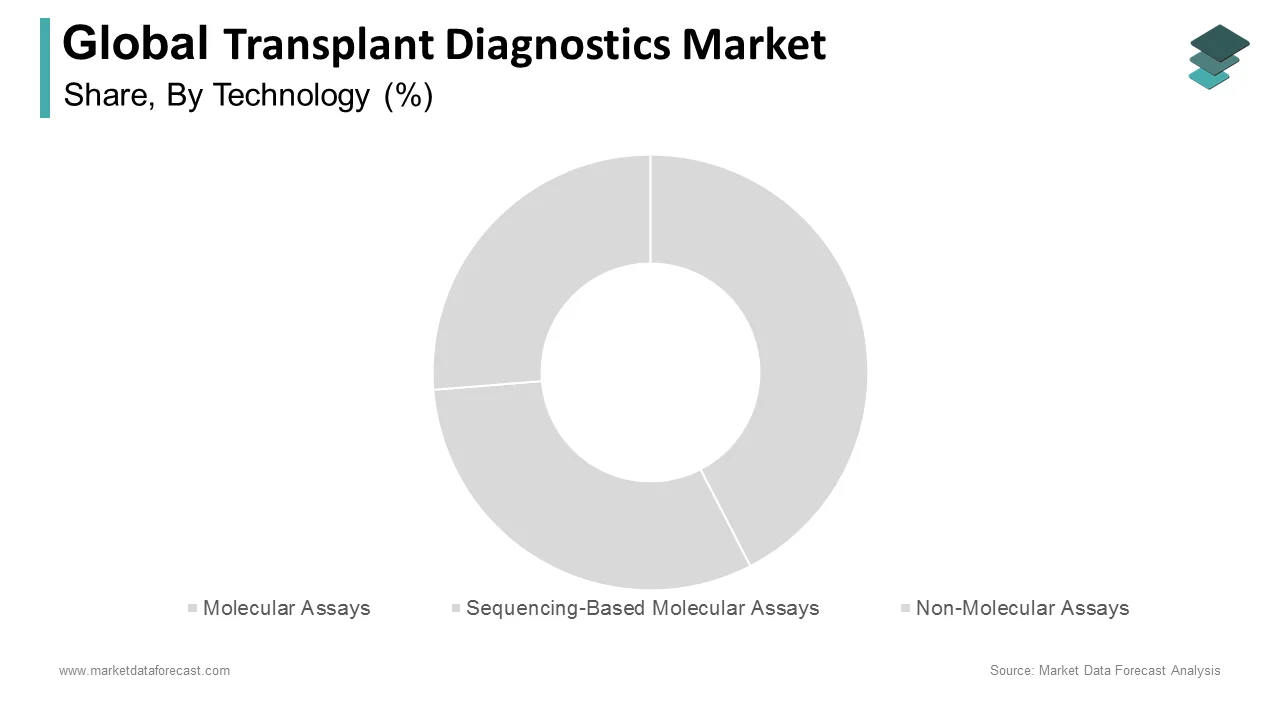
However, the next-generation sequencing segment is anticipated to witness the fastest CAGR of 24.3% from 2026 to 2034. This swift acceleration is fueled by the technology's capacity to deliver comprehensive genomic characterization at unprecedented scale and speed. The ability to resolve complex human leukocyte antigen alleles and detect low-frequency variants provides critical insights for personalized immunosuppressive therapy. According to genomic research frameworks, high-throughput next-generation sequencing platforms enable laboratories to multiplex hundreds of patient samples simultaneously, offering far greater allele resolution and processing efficiency compared to traditional Sanger sequencing workflows. The dramatic historical decline in global DNA sequencing costs has made targeted high-resolution next-generation sequencing economically viable for routine clinical use in pre-transplant histocompatibility workups. Clinical outcome registries indicate that leveraging high-resolution next-generation sequencing to achieve precise allelic matching between stem cell donors and recipients significantly decreases the incidence and severity of acute graft-versus-host disease. External quality assurance documentation demonstrates that clinical laboratories implementing validated next-generation sequencing protocols achieve outstanding diagnostic concordance in HLA allele calling, drastically minimizing typing errors. Clinical guidelines increasingly endorse genomic risk stratification. As a result, demand for these platforms will continue its steep ascent.
By Product Insights
The consumables segment led the transplant diagnostics market and captured a 52.7% share in 2025. This leading position of the segment was attributed to its recurring utilization across all diagnostic workflows. The perpetual need for specialized reagents, primers, probes, and single-use laboratory supplies creates a stable, high-volume demand cycle independent of capital equipment procurement. High-resolution human leukocyte antigen (HLA) typing via next-generation sequencing requires a significant upfront investment in specialized laboratory consumables and reagents, with high-volume regional transplant centers processing thousands of patient and donor samples annually to maintain active waitlists. The shift toward molecular and sequencing-based methodologies further amplifies consumable utilization due to their complex reagent requirements. Financial data from clinical laboratories confirms that shifting to next-generation sequencing platforms increases initial consumables and reagent expenditures relative to legacy serological testing, though it yields vastly superior, high-resolution allelic data that reduces the need for downstream confirmatory assays. The imperative for stringent quality control and contamination prevention mandates the use of certified, single-use components, eliminating reprocessing options. The World Health Organization emphasizes that the availability of standardized reference materials and validated diagnostic frameworks is critical for maintaining assay reproducibility and accuracy across global laboratory networks, particularly for screening transplant-associated infectious diseases. This structural dependency ensures consumables maintain revenue dominance as transplant volumes expand worldwide.
But the software and services segment is likely to experience the fastest CAGR of 21.7% during the forecast period. This expansion of the segment is propelled by the escalating complexity of genomic data interpretation and the need for integrated laboratory information management systems. Advanced bioinformatics platforms are essential for translating raw sequencing data into clinically actionable histocompatibility reports. The vast majority of accredited histocompatibility laboratories utilize dedicated bioinformatics software to interpret complex next-generation sequencing data, execute human leukocyte antigen allele calling, and perform detailed epitope mismatch analysis. The integration of artificial intelligence algorithms for predictive risk modeling further accelerates adoption. Clinical data from prominent academic medical centers demonstrate that integrating advanced, algorithmically assisted interpretation software into histocompatibility workflows minimizes reader subjectivity, enhances analysis consistency, and streamlines reporting timelines. Cloud-based services enable remote access to standardized analytical pipelines, expanding capabilities for smaller regional centers. The College of American Pathologists notes that implementing comprehensive laboratory information systems and integrated software suites optimizes data workflows, allowing molecular diagnostics facilities to maximize sample throughput and improve operational efficiency. Data volumes are experiencing exponential growth. Consequently, the demand for sophisticated computational tools and support services will continue to rise rapidly.
By Application Insights
The pre-transplantation diagnostics segment was the largest in the global market and occupied a 61.5% share in 2025. This prominence of the segment was supported by the critical necessity for comprehensive donor-recipient compatibility assessment before surgical intervention. Moreover, this phase encompasses infectious disease screening, high-resolution human leukocyte antigen typing, and cross-matching protocols that directly determine transplant eligibility and long-term graft survival. According to national transplant guidelines, all solid organ transplant candidates must undergo comprehensive molecular and serological histocompatibility testing during their preoperative evaluation, establishing a standard diagnostic baseline across transplant centers. The clinical imperative to minimize hyperacute rejection risks drives rigorous testing standards. Data from international transplant registries demonstrates that implementing rigorous, high-resolution pre-transplantation screening protocols minimizes cross-match mismatches and drastically reduces the incidence of hyperacute and early immune-mediated graft loss. The growing complexity of immunosuppressive regimens necessitates precise baseline immunological profiling to guide postoperative therapy. Public health guidelines emphasize that universal pre-transplant screening for cytomegalovirus and Epstein-Barr virus status is essential to categorize recipient risk profiles, enabling clinicians to deploy targeted post-operative antiviral prophylaxis to prevent severe clinical infections. These clinical imperatives ensure pre-transplantation diagnostics remain the revenue cornerstone of the transplant diagnostics market.
On the contrary, the post-transplantation diagnostics segment is on the rise and is expected to be the fastest growing segment in the market by witnessing a CAGR of 19.8% between 2026 and 2034 due to the expanding adoption of non-invasive monitoring technologies for early rejection detection and therapeutic drug monitoring. The shift from protocol biopsies to liquid biopsy-based surveillance creates recurring testing opportunities throughout the recipient's lifespan. Research published in transplant immunology journals indicates that donor-derived cell-free DNA testing is increasingly integrated into post-transplant clinical care, providing a non-invasive tool to monitor allograft health during high-risk post-operative periods. The clinical benefit of early intervention drives utilization growth. Data from transplant registries indicates that utilizing advanced molecular and biomarker monitoring protocols supports the early detection of subclinical allograft injury, allowing clinicians to adjust therapies before late acute rejection clinically manifests. The integration of therapeutic drug monitoring with immunological biomarkers further expands testing panels. The American Society of Transplantation and related clinical guidelines support the use of personalized immunosuppressive monitoring and pharmacokinetic testing to maintain therapeutic drug levels, optimize allograft function, and protect patients from drug-induced toxicity. Longitudinal care is becoming the standard. Consequently, the demand for post-transplantation diagnostics will continue its robust expansion.
By Transplant Type Insights
In 2025, the kidney transplant diagnostics segment held the majority share of 44.2% of the global market. This supremacy of the segment was credited to the procedure's status as the most frequently performed solid organ transplant globally. The high prevalence of end-stage renal disease, coupled with well-established living donor programs, generates sustained demand for comprehensive histocompatibility and infectious disease screening. According to data from the Global Observatory on Donation and Transplantation, more than 110,000 kidney transplants are executed annually worldwide, with each requiring highly detailed preoperative compatibility and longitudinal postoperative diagnostic monitoring. The clinical complexity of kidney transplantation, including high sensitization rates among candidates, necessitates advanced molecular typing and cross-matching protocols. Clinical transplant registry data demonstrate that a notable subset of kidney transplant candidates possess preformed donor-specific antibodies, requiring advanced virtual crossmatching and epitope mapping to successfully navigate tissue incompatibility. The expansion of paired exchange programs further amplifies diagnostic utilization. Multi-center data indicate that participating centers in kidney paired exchange programs perform multiple algorithmic compatibility checks and crossmatch assessments to secure a single successful chain match, elevating the overall testing volume required per procedure. These structural factors ensure kidney transplant diagnostics maintain market leadership.
However, the stem cell transplant diagnostics segment is expected to exhibit a noteworthy CAGR of 22.1% over the forecast period. This quick surge of the segment is driven by the increasing application of hematopoietic stem cell transplantation for non-malignant conditions and the adoption of reduced intensity conditioning regimens that broaden patient eligibility. Worldwide registries document that over 90,000 hematopoietic stem cell transplants are performed annually across global healthcare systems to treat complex hematological malignancies and immune disorders. The critical need for high-resolution human leukocyte antigen matching to prevent graft versus host disease drives intensive diagnostic utilization. Guidelines from the European Society for Blood and Marrow Transplantation specify that high-resolution allelic matching is the gold standard for unrelated donor searches, driving international registry laboratories to increasingly adopt next-generation sequencing to resolve typing ambiguities. The growing use of haploidentical donors requires advanced killer cell immunoglobulin-like receptor and minor histocompatibility antigen profiling. Research published in hematology journals confirms that achieving highly precise, high-resolution genomic matching between unrelated stem cell donors and recipients significantly decreases the incidence and severity of acute graft-versus-host disease. Diagnostic demand will continue its rapid ascent. This growth is driven by expanding transplant indications and the paramount need for matching precision.
By End User Insights
The hospitals segment was the top performer in the global market and accounted for a 48.6% share in 2025. This position of the segment was propelled by its role as the primary site for transplant procedures and integrated diagnostic services. Large academic medical centers and tertiary care hospitals house comprehensive transplant programs that require continuous access to histocompatibility testing, infectious disease screening, and therapeutic monitoring. According to national transplant regulations, solid organ transplant procedures in the United States are executed exclusively within comprehensive, hospital-based programs that maintain specialized histocompatibility laboratories or established partnerships with certified reference facilities. The consolidation of transplant services within hospital systems creates centralized procurement and high-volume testing workflows. Financial and administrative analysis confirms that hospital-based transplant programs incur substantial diagnostic costs due to the extensive, high-complexity preoperative screening and long-term longitudinal monitoring required to prevent allograft rejection. The integration of electronic health records with laboratory information systems further streamlines diagnostic ordering and result reporting. National hospital accreditation standards and federal conditions of participation mandate rigorous quality control and proficiency testing for transplant diagnostics to ensure patient safety and high-fidelity compatibility testing. These structural advantages ensure hospitals maintain revenue dominance in the transplant diagnostics market.
On the other hand, the research labs and academic institutes segment is predicted to witness the highest CAGR of 20.4% during the forecast period due to increasing public and private funding for transplant immunology research and the development of novel biomarker assays. According to federal data, the National Institutes of Health allocates significant annual funding to transplantation-related research, driving ongoing innovation in immunology, immunosuppression, and allograft monitoring. Academic centers drive innovation in next-generation sequencing applications, artificial intelligence interpretation algorithms, and non-invasive monitoring technologies. Data from academic health centers indicate that a substantial proportion of pioneering transplant diagnostic methodologies and biomarker discoveries originate within university-affiliated laboratories before undergoing commercial translation. The growing collaboration between academic researchers and diagnostic manufacturers accelerates assay validation and regulatory approval pathways. Research published in leading medical journals demonstrates that collaborative academic consortia and shared data resources significantly accelerate the development, validation, and clinical translation of novel post-transplant biomarker assays. Translational research is rapidly intensifying. As a result, the demand for specialized, research-grade diagnostics will continue its robust growth trajectory.
REGIONAL ANALYSIS
North America Transplant Diagnostics Market Analysis
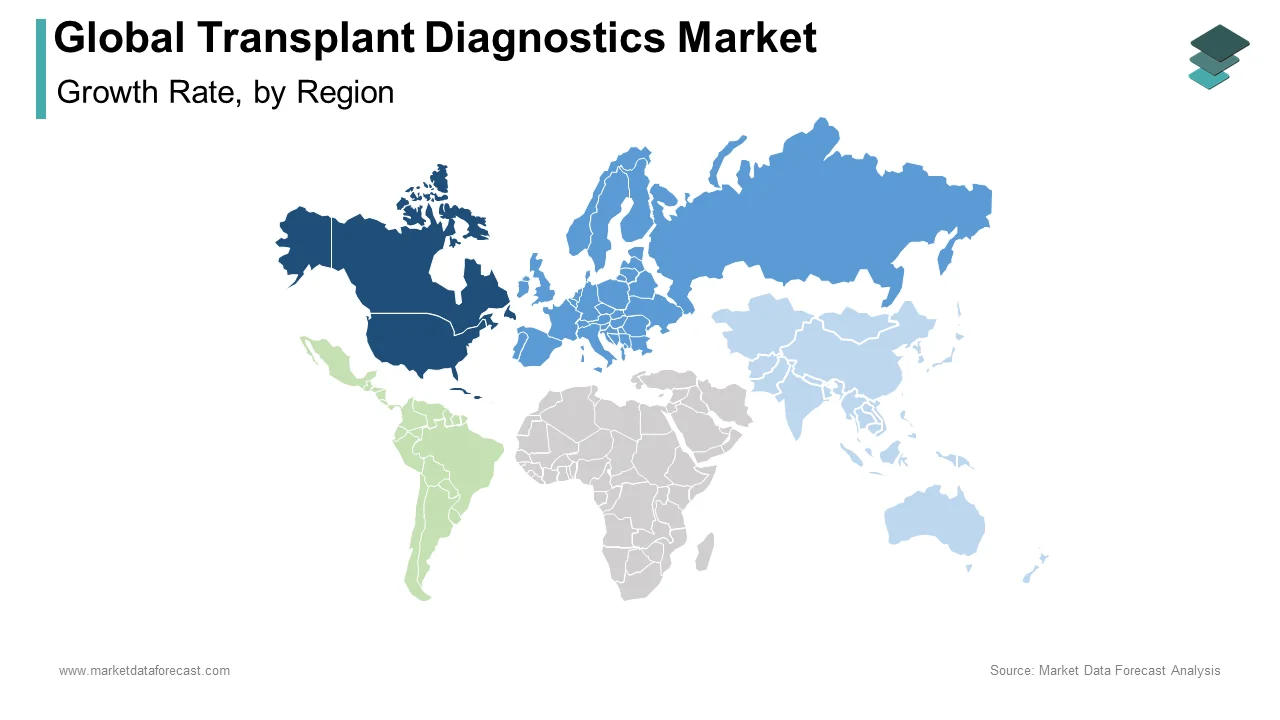
North America maintained the lead in the global transplant diagnostics market and occupied a 41.1% share in 2025. This spearheading of the regional market was fuelled by advanced healthcare infrastructure, robust reimbursement frameworks, and high transplant procedure volumes. The United States performs over 45,000 solid organ transplants annually according to the Organ Procurement and Transplantation Network, with each procedure requiring thorough preoperative crossmatching and extensive lifelong diagnostic monitoring. The presence of major diagnostic manufacturers and pioneering research institutions fosters rapid technology adoption. According to Medicare Administrative Contractor guidelines, reimbursement coverage for advanced molecular transplant monitoring is strictly dictated by specific clinical utility criteria and intent-of-use definitions rather than an open, indication-wide percentage baseline. The integration of electronic health records with laboratory systems streamlines diagnostic workflows across large hospital networks. Continuous investment in biomarker research and artificial intelligence applications further solidifies the region's technological leadership. These structural advantages ensure North America remains the dominant market for transplant diagnostics.
Europe Transplant Diagnostics Market Analysis
Europe was the next prominent region in the transplant diagnostics market and captured a 28.5% share in 2025. This position of the European market was supported by strong public healthcare systems, coordinated transplant networks, and stringent quality standards. The implementation of the European Union In Vitro Diagnostic Regulation has accelerated the adoption of standardized, high-performance testing platforms. According to allocation guidelines, the Eurotransplant centralized matching framework mandates reliable DNA-based HLA match determinants to optimize organ allocation and maximize graft compatibility among registered recipients. National health services in countries like Germany and the United Kingdom provide broad coverage for transplant-related testing, minimizing patient financial barriers. Quality assurance frameworks demonstrate that laboratories implementing next-generation sequencing for histocompatibility and tissue typing must undergo rigorous external proficiency testing to verify allele calling concordance and ensure international diagnostic standardisation. Cross-border collaboration in research and clinical trials further drives innovation. These factors sustain Europe's significant market presence.
Asia Pacific Transplant Diagnostics Market Analysis
Asia Pacific is the fastest-growing regional market due to expanding healthcare access, rising transplant procedure volumes, and increasing investment in diagnostic infrastructure. Government initiatives to reduce organ trafficking have formalized donation systems, creating structured demand for compliant diagnostic testing. The growing medical tourism sector attracts international patients seeking advanced transplant care, further amplifying diagnostic utilization. These dynamic factors drive the region's exceptional growth trajectory.
Latin America Transplant Diagnostics Market Analysis
Latin America holds a noteworthy position in the global market, owing to uneven healthcare access but growing investment in transplant infrastructure. Brazil and Mexico lead regional adoption of advanced diagnostics, with major centers implementing molecular typing protocols. Public health initiatives to expand organ donation registries create structured demand for compatibility testing. However, reimbursement limitations and infrastructure constraints moderate growth compared to more developed regions. Continuous international collaboration and technology transfer initiatives support gradual market expansion.
Middle East and Africa Transplant Diagnostics Market AnalysisThe
Middle East and Africa region is likely to expand in the global market over the forecast period. Within this region, diagnostic adoption is concentrated in high-income nations and specialized referral centers. Countries like Saudi Arabia and the United Arab Emirates have established national transplant programs with integrated diagnostic laboratories. International partnerships and donor funding support technology transfer and workforce training. However, economic constraints and infrastructure limitations restrict broader market penetration. These factors define the region's current market status and growth potential.
COMPETITIVE LANDSCAPE
The competitive landscape of the transplant diagnostics market is characterized by a mix of established multinational corporations and specialized niche players, each leveraging distinct technological advantages and strategic focus areas. Market leaders compete through continuous innovation in assay sensitivity, turnaround time reduction, and workflow integration to address evolving clinical requirements. The emergence of novel biomarkers and non-invasive monitoring technologies has intensified research and development investments across the sector. Companies differentiate themselves through comprehensive product portfolios, robust regulatory approvals, and global distribution networks that ensure reliable supply to transplant centers worldwide. Strategic collaborations with academic institutions and transplant networks facilitate real-world validation and accelerate clinical adoption of new diagnostic approaches. Pricing pressures and reimbursement uncertainties in certain regions necessitate value demonstration through health economic studies and outcomes research. The market also witnesses consolidation through acquisitions as larger entities seek to expand technological capabilities and geographic reach. Continuous focus on quality management and regulatory compliance remains critical for maintaining trust and market access. These dynamics foster a competitive yet collaborative environment, driving overall market advancement and improved patient outcomes in transplant medicine.
EY MARKET PARTICIPANTS
Some of the companies that are playing a dominating role in the transplant diagnostics market include
- CareDx
- Pacific Biosciences of California
- Illumina
- Bio Rad Laboratories
- QIAGEN
- Thermo Fisher Scientific
- GenDx
- Immucor
TOP PLAYERS IN THE MARKET
- Thermo Fisher Scientific maintains a prominent position in the transplant diagnostics market through its comprehensive portfolio of molecular testing platforms and reagent systems. The company's Applied Biosystems brand provides widely adopted polymerase chain reaction and next-generation sequencing solutions for human leukocyte antigen typing and infectious disease screening. Recent strategic initiatives include the launch of integrated workflow systems that combine sample preparation, amplification, and data analysis to streamline laboratory operations. Thermo Fisher has also expanded its bioinformatics capabilities through software updates that enhance allele calling accuracy and reporting efficiency. Collaborations with major transplant networks facilitate real-world validation of new assays, accelerating clinical adoption. The company's global distribution infrastructure ensures a reliable supply of critical consumables to transplant centers worldwide. Continuous investment in research and development focuses on improving assay sensitivity and reducing turnaround times, addressing key clinical needs in transplant immunology.
- Bio Rad Laboratories contributes significantly to the transplant diagnostics market through its specialized immunoassay and molecular testing platforms. The company's ID CORE HLA typing system is extensively utilized for high-resolution histocompatibility assessment, offering robust performance and regulatory approvals across multiple regions. Recent market-strengthening actions include the introduction of automated sample processing modules that reduce manual labor and minimize technical variability. Bio Rad has also enhanced its software suite to support complex data interpretation and seamless integration with laboratory information systems. Strategic partnerships with reference laboratories enable large-scale clinical validation studies that demonstrate the clinical utility of new diagnostic approaches. The company's commitment to quality management and regulatory compliance ensures its products meet the stringent requirements of transplant diagnostics. Ongoing innovation focuses on multiplexing capabilities and assay standardization to improve laboratory efficiency and result comparability.
- QIAGEN plays a vital role in the transplant diagnostics market through its expertise in sample preparation and molecular analysis technologies. The company's QIAamp kits and QuantiFERON assays are widely adopted for infectious disease screening and immune monitoring in transplant recipients. Recent strategic moves include the expansion of its digital PCR portfolio to enable absolute quantification of donor-derived cell-free DNA for non-invasive rejection detection. QIAGEN has also invested in bioinformatics solutions that automate the interpretation of complex genomic data, reducing analyst workload and improving reporting consistency. Collaborations with academic medical centers facilitate the development of novel biomarker assays for personalized immunosuppressive therapy. The company's global technical support network ensures optimal instrument performance and assay validation across diverse laboratory settings. Continuous focus on workflow integration and regulatory submissions strengthens its position in the evolving transplant diagnostics landscape.
TOP STRATEGIES USED BY THE KEY MARKET PARTICIPANTS
Key participants in the transplant diagnostics market prioritize strategic acquisitions to rapidly expand technological capabilities and geographic reach. Companies actively invest in research and development to pioneer novel biomarker assays and enhance existing platform performance. Strategic partnerships with academic medical centers facilitate clinical validation and accelerate regulatory approval pathways. Market leaders focus on workflow integration by developing automated systems that reduce manual labor and minimize technical variability. Expanding bioinformatics capabilities through software innovation enhances data interpretation and reporting efficiency. Companies also prioritize regulatory compliance and quality management to meet stringent global standards. Geographic expansion into emerging markets through localized distribution networks and technology transfer initiatives drives volume growth. Educational programs and technical support services strengthen customer relationships and promote optimal product utilization. These multifaceted strategies collectively reinforce market position and foster sustainable growth in the dynamic transplant diagnostics landscape.
MARKET SEGMENTATION
This research report has segmented and sub-segmented the global transplant diagnostics market based on the technology, transplant type, application, end-user, product & region.
By Technology
- Molecular Assays
- PCR-Based Molecular Assays
- Real-Time PCR
- Sequence-Specific Primer-PCR
- Sequence-Specific Oligonucleotide-PCR
- Other PCR-Based Molecular Assays
- Sequencing-Based Molecular Assays
- Sanger Sequencing
- Next-Generation Sequencing
- Other Sequencing Molecular Assays
- Non-Molecular Assays
By Product
- Consumables
- Instrument
- Reagent
- Software & Services
By Application
- Diagnostic Applications
- Pre-Transplantation Diagnostics
- Infectious Disease Testing
- Histocompatibility Testing
- Blood Profiling
- Post-Transplantation Diagnostics
- Pre-Transplantation Diagnostics
- Research Applications
By Transplant Type
- Heart Transplant
- Kidney Transplant
- Liver Transplant
- Stem Cell Transplant
By End-User
- Labs
- Hospitals
- Transplant Centres
- Research Labs & Academic Institutes
By Region
- North America
- Europe
- Asia Pacific
- Latin America
- Middle East and Africa