- Product Description Description
- Table of Contents TOC
- List of Table & Figure LOT
- Get Free Sample PDF Sample PDF
Market Size, 2025
$7.03 BnMarket Estimate, 2026
$7.50 BnMarket Forecast, 2034
$12.60 BnCAGR, 2026–2034
6.7%Executive Summary: Global Ulcerative Colitis Market
- Market Scope: Comprehensive global analysis of the ulcerative colitis sector, covering product categories, disease types, routes of administration, and regional performance frameworks.
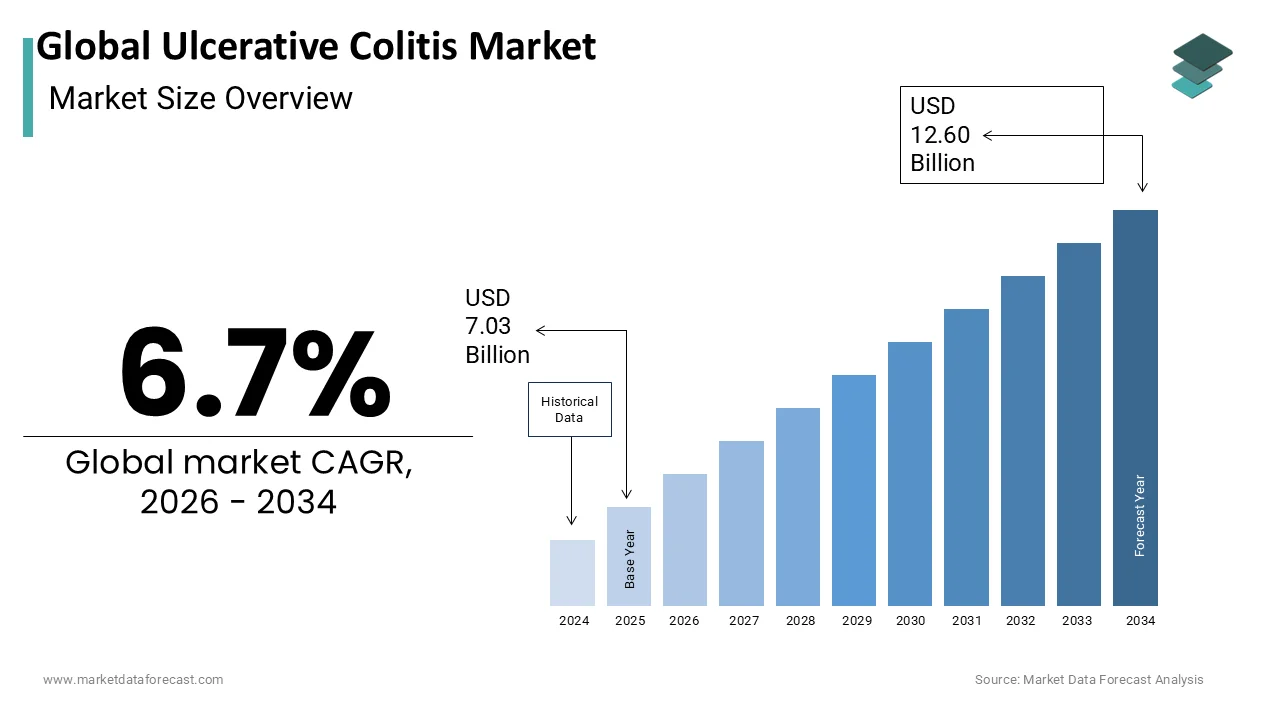
- Market Valuation: Valued at USD 7.03 billion in 2025, estimated at USD 7.50 billion in 2026, and projected to reach USD 12.60 billion by 2034, registering a CAGR of 6.7% from 2026 to 2034.
- Primary Growth Drivers: Growing patient population and rising prevalence of inflammatory bowel disease, increasing healthcare expenditures for chronic disease management, and heavy R&D investments by pharmaceutical companies into novel therapies.
Key Market Segment Metrics (2026–2034)
| Category | Leading Segment Position | Fastest-Growing / Key Growth Segment |
|---|---|---|
| By Product | Biosimilars (held the largest share due to cost-effectiveness and patent expirations of original biologics) | Monoclonal Antibodies (predicted to witness the fastest-growing CAGR driven by high efficacy and targeted approaches) |
| By Type | Proctosigmoiditis (held the leading share owing to high prevalence and rising diagnosis rates) | Ulcerative Proctitis (predicted to register a healthy CAGR backed by early detection and targeted treatments) |
| By Route of Administration | Oral Segment (held the major share because of ease of administration, patient convenience, and first-line utility) | Injectable Segment (rising at a steady CAGR due to rapid onset of action and utility in moderate-to-severe cases) |
| By Region | North America (led the market supported by established infrastructure, high healthcare spending, and broad patient base) | Asia-Pacific (lucrative regional market projected to grow at the fastest CAGR driven by rising disease prevalence and improving access) |
Major Market Players & Market Structure
Market Structure: Highly competitive pharmaceutical landscape defined by strategic cross-industry acquisitions, R&D partnerships, and clinical collaborations to bring advanced biologic and small-molecule therapies to market.
Key Companies: Abbott Laboratories, GlaxoSmithKline, Pfizer, Takeda Pharmaceuticals, AbbVie, Johnson and Johnson, Merck, Sanofi, F. Hoffmann-La Roche, and Shire Pharmaceuticals.
Global Ulcerative Colitis Market Size
The Global Ulcerative Colitis Market was valued at USD 7.03 billion in 2025, is estimated to reach USD 7.50 billion in 2026, and is projected to reach USD 12.60 billion by 2034, growing at a CAGR of 6.7% from 2026 to 2034.
Ulcerative Colitis is a long-lasting condition that causes swelling and open sores, called ulcers, in the inner lining of the large intestine (colon) and rectum. This condition is a form of inflammatory bowel disease characterised by relapsing and remitting courses that significantly impact patients' quality of life. In Europe, the prevalence of this autoimmune disorder is rising due to environmental and genetic factors. According to the European Crohn’s and Colitis Organisation, an estimated 2.5 to 3 million people in Europe are affected by inflammatory bowel disease (IBD). This substantial patient population creates a consistent demand for effective maintenance and induction therapies. Furthermore, as per the study, the incidence and prevalence of inflammatory bowel disease (IBD) are rising rapidly in newly industrialised and emerging regions, driven by factors such as urbanisation, westernisation of diets, and economic development. The market is driven by the need for treatments that not only induce remission but also maintain mucosal healing without severe side effects. Regulatory agencies prioritise drugs that demonstrate long-term safety profiles given the chronic nature of the disease. The integration of biologics and small molecules has transformed treatment paradigms, moving away from traditional corticosteroids. This evolution supports a dynamic landscape where innovation focuses on targeted immune modulation and personalised medicine approaches to address unmet clinical needs.
MARKET DRIVERS
Rising Global Prevalence and Incidence Rates
The escalating global prevalence and incidence of ulcerative colitis significantly drive its global market. This expands the addressable patient population requiring long-term pharmacological intervention. Urbanisation and westernisation of diets in developing regions are identified as key contributors to the rising burden of inflammatory bowel diseases. According to the Centers for Disease Control and Prevention (CDC), an estimated 3.1 million adults in the United States reported receiving a diagnosis of inflammatory bowel disease (IBD) as of 2015, which represented a major increase from previous historical estimates of 2 million adults. This steady growth ensures a robust baseline demand for both novel and established therapies. Besides, as per sources, the incidence and prevalence of inflammatory bowel disease (IBD) have accelerated noticeably across multiple developed and developing nations in Asia over the last several decades, altering what was historically considered a region-specific or Westernised medical issue into a global concern. This geographical expansion opens new markets for pharmaceutical companies previously focused on Western demographics. The chronic nature of the disease necessitates continuous medication adherence, driving recurring revenue streams for manufacturers. Early diagnosis initiatives further contribute to market growth by identifying patients who were previously undiagnosed or misdiagnosed. As healthcare systems improve screening capabilities, more individuals enter the treatment pipeline. The demographic shift towards younger onset cases also implies longer treatment durations per patient. These epidemiological trends collectively sustain and expand the market for ulcerative colitis therapeutics worldwide.
Advancements in Biologic and Small Molecule Therapies
Technological advancements in biologic and small molecule therapies further propel the ulcerative colitis market. This offers more targeted and effective treatment options with improved safety profiles. The shift from broad immunosuppressants to precise mechanisms such as tumour necrosis factor inhibition and integrin blockade has revolutionised patient care. According to research, the Janus kinase (JAK) inhibitor upadacitinib demonstrates significant therapeutic value, with clinical trials and subsequent medical updates noting clinical or endoscopic remission rates around 40% to 43% in certain highly treatment-refractory patient cohorts. This efficacy in refractory cases drives the adoption of advanced treatments among gastroenterologists. Furthermore, the European Medicines Agency has approved several biosimilars in recent years, which increase access to biologic treatments by reducing costs. The International Journal of Molecular Sciences shows that small molecules offer the advantage of oral administration compared to injectable biologics, improving patient compliance and convenience. The ability to tailor therapy based on individual patient response through therapeutic drug monitoring enhances outcomes. Pharmaceutical companies invest heavily in researching next-generation targets such as interleukin pathways to address resistance issues. These innovations reduce the reliance on corticosteroids, which are associated with significant long-term adverse effects. The continuous pipeline of novel agents ensures that clinicians have multiple lines of defence against disease progression. This therapeutic diversity strengthens the market by catering to varied patient needs and disease severities.
MARKET RESTRAINTS
High Cost of Advanced Biologic Therapies
The high cost of advanced biologic therapies primarily restrains the ulcerative colitis market. This limits accessibility for patients in resource-constrained healthcare systems and those with inadequate insurance coverage. Biologic agents often require complex manufacturing processes and cold chain logistics, which contribute to their premium pricing. According to the Kaiser Family Foundation (KFF), high-cost speciality medications, including certain biologic treatments that treat conditions like Crohn's disease and inflammatory bowel disease, frequently feature high annual list prices that can exceed thousands of dollars per patient, contributing heavily to spending programs. This economic barrier prevents many patients from initiating or maintaining optimal therapy, leading to suboptimal disease control. Additionally, the National Institute for Health and Care Excellence in the United Kingdom imposes strict cost-effectiveness thresholds for drug approval, which can delay or restrict access to newer expensive agents. As per the journal Health Affairs, expenditures for speciality drugs account for more than 25 per cent of total US drug spending and have been increasing at more than 13 per cent annually, with high out-of-pocket costs heavily associated with patients abandoning their prescribed therapies. High costs also strain public healthcare budgets, leading to restrictive formularies and prior authorisation requirements that hinder timely treatment initiation. Manufacturers face pressure to justify pricing through real-world evidence of superior outcomes, which is not always immediately available. The financial toxicity associated with these treatments affects patient quality of life beyond the physical symptoms. Consequently, affordability remains a critical hurdle that limits market penetration and overall patient reach despite clinical efficacy.
Patent Expirations and Entry of Biosimilars
Patent expirations and the subsequent entry of biosimilars are a serious impediment for originator brands in the ulcerative colitis market. These factors erode revenue streams and intensify price competition. As patents for blockbuster biologics expire, manufacturers face immediate loss of exclusivity, allowing competitors to introduce lower-cost alternatives. According to industry analyses of Food and Drug Administration (FDA) approved biosimilars, the market introduction of biosimilars for complex biologics can lead to initial wholesale acquisition cost reductions of approximately 20% to 30% relative to the reference originator drugs. This competitive pressure forces originator companies to lower prices or invest heavily in differentiation strategies to retain market share. Moreover, as per research, the introduction of biosimilar alternatives drives significant competition and market share erosion for off-patent reference biologics over the years following their market entry. This rapid decline impacts the return on investment for research and development efforts, discouraging further innovation in certain therapeutic classes. Healthcare providers may switch patients to biosimilars to reduce system costs even if clinical outcomes are comparable. The uncertainty surrounding interchangeability regulations in different regions adds complexity to market dynamics. Originator firms must navigate legal challenges and marketing campaigns to defend their positions. While biosimilars improve access, they disrupt the financial stability of incumbent players. This dynamic creates a volatile environment where revenue predictability is compromised, affecting long term strategic planning for pharmaceutical companies.
MARKET OPPORTUNITIES
Expansion into Emerging Markets with Improving Healthcare Infrastructure
The expansion into emerging landscapes or nations offers a major opportunity for the ulcerative colitis market. This potential grows as improving healthcare infrastructure and rising disposable incomes enhance access to advanced diagnostics and treatments. Countries in Asia Pacific, Latin America, and Eastern Europe are witnessing a surge in inflammatory bowel disease diagnoses due to better awareness and medical facilities. According to the World Bank Group, health financing across many lower-middle and upper-middle-income countries faces serious real-term fiscal pressures, resulting in per capita government expenditures that frequently fall below international minimum benchmarks required for essential health services. This economic progress allows patients to afford biologic therapies that were previously inaccessible. Moreover, as per research, efforts are continuously underway across the Asia-Pacific region to expand training pipelines for specialised medical professionals, which directly helps expand diagnostic access and improve downstream disease management workflows for gastrointestinal conditions. Local governments are implementing national health insurance schemes that cover chronic conditions, including ulcerative colitis. According to reports, the deployment and maintenance of longitudinal patient registries across emerging healthcare markets are actively expanding, helping to improve clinical trial infrastructure, observational data collection, and recruitment outcomes. Pharmaceutical companies can leverage these developments to introduce tiered pricing strategies and local manufacturing partnerships. Educational initiatives aimed at primary care physicians help identify cases earlier, driving demand for therapeutics. The untapped potential in these regions offers significant volume growth opportunities. Adapting corporate strategies to local regulatory and cultural environments serves as a critical prerequisite for expansion. Through this approach, enterprises can successfully establish a permanent presence in rapidly expanding markets.
Development of Personalised Medicine and Biomarker-Guided Therapy
The development of personalised medicine and biomarker-guided therapy is a key growth area for the ulcerative colitis market. This enhances treatment precision and reduces trial-and-error prescribing. Identifying specific genetic and molecular markers allows clinicians to predict patient response to particular drugs, thereby optimising therapeutic outcomes. According to studies, utilising targeted diagnostic screening and pharmacogenomic evaluations offers the potential to significantly optimise treatment choice and increase clinical remission rates by selecting highly effective therapies for patients right from the initiation of care. This approach minimises exposure to ineffective treatments and reduces healthcare costs associated with switching therapies. Furthermore, the Journal of Precision Medicine highlights that biomarkers such as faecal calprotectin levels are increasingly used to monitor mucosal healing and guide dose adjustments. According to sources, tailoring management approaches to individual pediatric profiles remains vital to enhancing overall family satisfaction, improving daily drug compliance, and reducing pediatric disease flare-ups. Pharmaceutical companies are investing in companion diagnostics to support their drug portfolios, creating integrated solutions. Regulatory bodies are encouraging the co-development of drugs and diagnostic tests to facilitate approval. The shift towards value-based healthcare rewards treatments that demonstrate superior efficacy in specific subpopulations. This scientific advancement transforms ulcerative colitis management from a one-size-fits-all approach to a tailored strategy. It opens new revenue streams through diagnostic services and premium-priced targeted therapies.
MARKET CHALLENGES
Complexity of Clinical Trials and Regulatory Hurdles
The complexity of clinical trials and regulatory hurdles is a major challenge to the ulcerative colitis market. This prolongs development timelines and increases costs for new drug approvals. Designing trials for a heterogeneous disease with variable endpoints such as clinical remission, endoscopic improvement, and histologic healing requires large sample sizes and long durations. According to sources, Phase 3 clinical trials for complex immunological and inflammatory bowel disease therapies typically demand multi-year timelines due to rigorous clinical protocols and extensive long-term safety monitoring requirements. This extended timeline delays market entry and revenue generation for innovators. In addition, the European Medicines Agency and the Food and Drug Administration have tightened requirements for post-marketing surveillance and risk evaluation strategies. As per reports, pharmaceutical companies face substantial operational and regulatory compliance costs throughout the drug development and manufacturing lifecycles, heavily impacting overall industry margins. Variability in endpoint definitions across different regulatory jurisdictions complicates global submission strategies. High failure rates in late-stage trials due to lack of efficacy or safety concerns further deter investment. Manufacturers must navigate evolving guidelines on placebo use and rescue therapy, which add layers of complexity. The need for diverse patient populations in trials to meet inclusivity standards also poses logistical challenges. These regulatory and operational burdens slow the pace of innovation and limit the number of new entrants in the market.
Patient Non-Adherence and Lifestyle Management Issues
Patient non-adherence and lifestyle management issues are a significant inhibition to the ulcerative colitis market. This undermines treatment efficacy and leads to disease flares. The chronic and often asymptomatic nature of remission periods leads many patients to discontinue medication prematurely, believing they are cured. According to studies, non-adherence to oral maintenance treatments is a frequent challenge among individuals with ulcerative colitis, contributing to a higher likelihood of disease flare-ups and elevated healthcare utilisation. This behaviour negates the benefits of advanced therapies and complicates clinical outcome assessments. Additionally, dietary triggers and stress significantly influence disease activity, yet managing these lifestyle factors is difficult for patients. As per research, individuals with inflammatory bowel disease frequently report that specific dietary triggers worsen active gastrointestinal symptoms, highlighting the complex role of nutrition in disease management. The psychological burden of living with a chronic invisible illness contributes to mental health issues, which further impact adherence. Healthcare providers struggle to maintain engagement with patients who feel well during remission. The lack of immediate feedback on medication effectiveness reduces motivation for consistent use. Complex dosing regimens for some biologics also contribute to dropout rates. Addressing these behavioural and lifestyle challenges requires comprehensive support systems that go beyond pharmaceutical provision. Without improved adherence, the full potential of new therapies remains unrealised. This deficit ultimately limits both market growth and patient welfare.
REPORT COVERAGE
| REPORT METRIC | DETAILS |
| Market Size Available | 2025 to 2034 |
| Base Year | 2025 |
| Forecast Period | 2026 to 2034 |
| Segments Analysed | By Product, Type, Route of Administration, and Region |
| Various Analyses Covered | Global, Regional & Country-Level Analysis, Segment-Level Analysis, DROC, PESTLE Analysis, Porter's Five Forces Analysis, Competitive Landscape, Analyst Overview on Investment Opportunities |
| Regions Analysed | North America, Europe, Asia Pacific, Latin America, Middle East, and Africa |
| Market Leaders Profiled | Abbott Laboratories, GlaxoSmithKline, Pfizer, Takeda Pharmaceuticals, AbbVie, Johnson and Johnson |
SEGMENTAL ANALYSIS
By Product Insights
In 2025, the monoclonal antibodies segment held the majority share in the ulcerative colitis market because of its superior efficacy in inducing and maintaining remission in moderate to severe cases. The leading position of this segment is bolstered by the ability of these biologics to target specific inflammatory pathways such as tumour necrosis factor alpha and integrins with high precision. According to research, anti-TNF monoclonal antibodies are highly effective at inducing clinical remission and mucosal healing in patients with moderate-to-severe inflammatory bowel disease who have historically failed conventional lines of treatment. This high response rate makes them the preferred choice for gastroenterologists managing complex cases. Additionally, as per the European Crohn’s and Colitis Organisation (ECCO) clinical guidelines, monoclonal antibodies, such as the gut-selective alpha-4-beta-7 integrin antagonist vedolizumab, are strongly recommended as first-line biologic options for managing moderate-to-severe ulcerative colitis. According to reports, the utilisation of vedolizumab for individuals with inflammatory bowel disease is associated with significant real-world improvements, including reductions in disease-related hospitalisation rates and serious complications. These outcomes justify the higher cost through improved quality of life and reduced surgical interventions. The established safety profile of older agents like infliximab further supports their widespread adoption. Pharmaceutical companies continue to invest in next-generation antibodies with improved half-lives and subcutaneous administration routes. This innovation enhances patient convenience and adherence. The robust pipeline of novel targets ensures that monoclonal antibodies remain the cornerstone of advanced ulcerative colitis treatment, driving sustained market leadership.
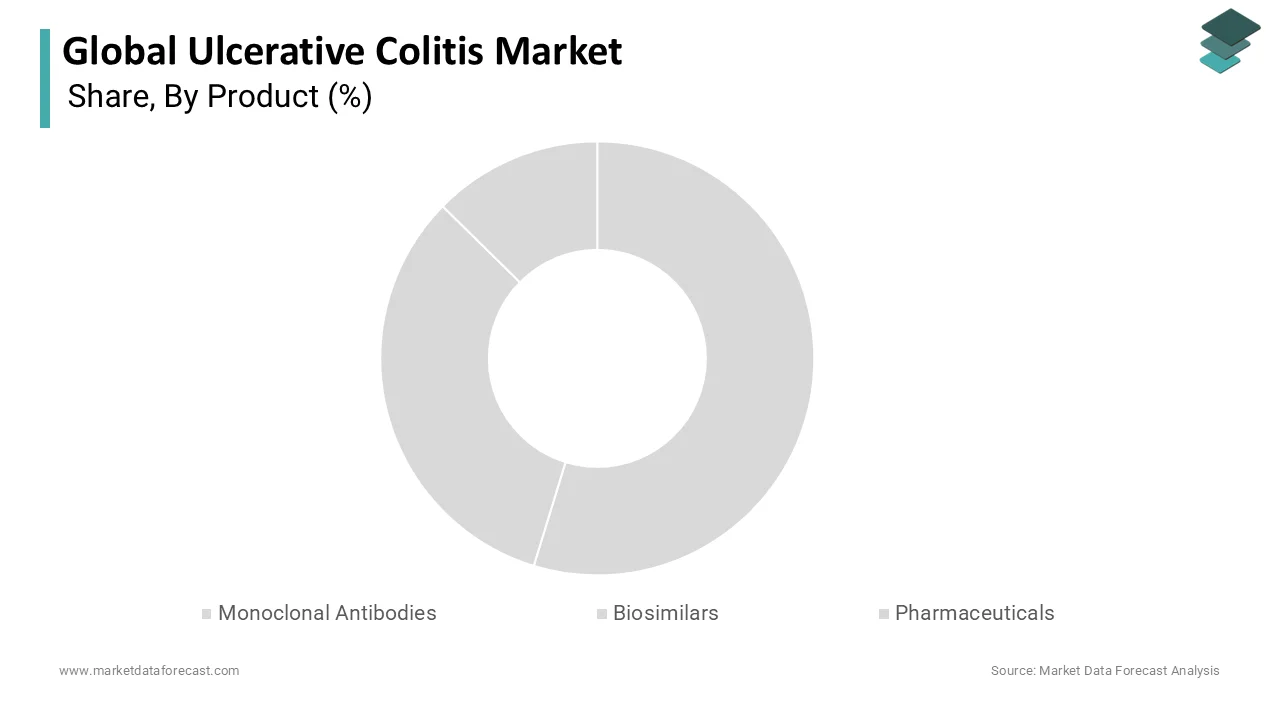
The biosimilars segment is likely to experience the fastest CAGR of 22.5% from 2026 to 2034 due to patent expirations and cost containment pressures. Healthcare systems globally are seeking affordable alternatives to originator biologics to manage rising expenditure on chronic diseases. According to studies, the regulatory approval and commercial introduction of biosimilars for complex anti-TNF molecules (such as infliximab and adalimumab) have significantly enhanced competition, driving down average costs per dose across various European healthcare networks. This significant price advantage drives rapid uptake in both public and private healthcare sectors. Additionally, the World Health Organisation advocates for the use of biosimilars to improve access to essential medicines in resource-limited settings. According to research, biosimilar uptake and market penetration in European countries vary considerably by country and molecule type, influenced heavily by national tendering processes and localised reimbursement frameworks. Physicians are increasingly confident in the interchangeability of biosimilars based on extensive real-world evidence demonstrating comparable efficacy and safety. Regulatory pathways in regions like North America are streamlining approvals, facilitating faster market entry. Manufacturers are launching aggressive marketing campaigns to educate stakeholders about the benefits of biosimilars. The expanding portfolio of biosimilars for newer biologics further accelerates growth. This trend transforms the market landscape by making advanced therapies accessible to a broader patient population while sustaining competitive pressure on pricing.
By Type Insights
The pancolitis segment was the largest in 2025 and occupied a commanding share of the ulcerative colitis market. This supremacy was credited to the disease's severity and the extensive medical intervention required for management. Moreover, this form of the disease affects the entire colon, leading to more frequent flares and a higher risk of complications, such as colorectal cancer. According to sources, patients presenting with extensive colonic involvement or pancolitis carry a significantly heightened long-term risk of severe disease flare-ups and potential colectomy compared to cohorts with localised inflammation, necessitating proactive intervention. The extensive inflammation necessitates the use of systemic treatments including biologics and immunomodulators rather than topical agents. Besides, as per research, individuals diagnosed with extensive colonic involvement or pancolitis constitute a major subpopulation of overall ulcerative colitis cases, demanding close endoscopic tracking. This prevalence ensures consistent demand for high-efficacy drugs. The chronic nature of pancolitis requires long term maintenance therapy to prevent relapse and preserve bowel function. According to reports, the economic and systemic healthcare burden associated with treating pancolitis remains markedly higher than localised forms of the disease, driven by aggressive therapeutic interventions, surveillance, and clinical complications. These economic factors drive investment in effective treatments that can reduce disease burden. Physicians prioritise therapies that offer deep remission and mucosal healing to mitigate long-term risks. Consequently, the clinical complexity and high resource utilisation associated with pancolitis sustain its dominance in the market.
The left-sided colitis segment is expected to exhibit a noteworthy CAGR of 8.5% during the forecast period owing to improved diagnostic capabilities and changing epidemiological patterns. Enhanced endoscopic techniques allow for more precise classification of disease extent, leading to accurate identification of left-sided involvement. According to the study, industrialisation and shifting dietary habits are closely studied as potential factors influencing the rising patterns of left-sided colitis diagnoses globally. This rise expands the addressable market for targeted therapies. Additionally, as per sources, managing colonic inflammation in children requires comprehensive, long-term monitoring strategies to mitigate systemic development impacts and preserve optimal quality of life. The Clinical Gastroenterology and Hepatology journal indicates that patients with left-sided disease often progress to more extensive forms if not adequately treated, driving early intervention. The availability of flexible dosing options for oral and topical medications appeals to this demographic. Physicians are adopting step-up approaches using advanced therapies earlier in the disease course to prevent progression. Awareness campaigns encourage individuals with persistent symptoms to seek diagnosis. These factors contribute to the rapid identification and treatment of left-sided colitis, fueling segment growth.
By Route of Administration Insights
The oral administration segment dominated the ulcerative colitis market and accounted for a substantial share in 2025. This dominance of the segment was driven by patient preference for convenience and non-invasiveness in daily medication routines. Patients strongly favour pills over injections or infusions as they can be taken at home without medical assistance. According to research, individuals with chronic inflammatory diseases often favour oral drug formulations over alternative injection or infusion therapies due to oral convenience, minimal pain, and reduced anxiety regarding needle stick administration. This preference drives high adherence rates, which are critical for maintaining remission. Additionally, the development of advanced small-molecule drugs such as Janus kinase inhibitors has expanded the oral therapeutic arsenal beyond traditional aminosalicylates. As per reports, utilising advanced oral therapies can help optimise healthcare utilisation metrics by mitigating the logistical necessity of routine clinic or hospital visits for clinical administration. This efficiency lowers overall treatment costs for payers and providers. The availability of generic oral medications further enhances accessibility and affordability. Pharmaceutical companies focus on developing once-daily formulations to simplify regimens. The psychological comfort of self-administration empowers patients and improves quality of life. Consequently, the convenience and broad acceptance of oral routes sustain their dominance in the market despite the rise of injectable biologics.
The injectable administration segment is predicted to witness the highest CAGR of 19.8% between 2026 and 2034. This swift growth is fuelled by the increasing prescription of biologic therapies. Most monoclonal antibodies and biosimilars require subcutaneous or intravenous delivery to ensure bioavailability and efficacy. According to studies, the initiation of advanced biologic agents is increasingly recommended during earlier stages of moderate-to-severe disease manifestations to promote long-term mucosal healing and prevent structural complications. This trend directly boosts demand for injectable formats. Additionally, the introduction of home injection devices and auto-injectors has made self-administration feasible and less intimidating for patients. As per research, patients using home-based subcutaneous injectables often express high levels of treatment satisfaction due to enhanced flexibility and reduced travel burdens compared to hospital-based infusions. Healthcare providers are training patients to administer subcutaneous injections safely, expanding the pool of eligible users. The shift from intravenous to subcutaneous formulations for many biologics further drives growth by enabling outpatient care. Insurance coverage for home infusion services supports this transition. The superior efficacy of injectables in refractory cases justifies their use despite inconvenience. These factors collectively accelerate the adoption of injectable therapies in the ulcerative colitis market.
By End User Insights
The hospitals and specialty clinics segment led the ulcerative colitis market and captured a significant share in 2025. These facilities serve as the primary sites for diagnosis, initiation of complex therapies, and management of severe cases. Furthermore, these centers possess the specialized infrastructure and expertise required for administering biologics and performing surgical interventions. According to research, hospital-based gastroenterology departments and health systems play a massive role in conducting the initial diagnostic evaluations and formulating the initial treatment algorithms for chronic conditions. This centralization ensures access to multidisciplinary care, including nutritionists and surgeons. Additionally, as per reports, specialized medical centers handle a substantial volume of biologic prescription workflows to ensure specialized monitoring, proper checking of infusion-related events, and long-term efficacy tracking. According to studies, outpatient departments and integrated health-system specialty programs facilitate a high volume of specialty drug administrations to maintain safety guidelines and verify legal compliance. The integration of electronic health records in these settings facilitates coordinated care and data tracking. Physicians in these centers are early adopters of new therapies,s driving market uptake. Reimbursement policies often favor institutional administration for certain high-risk drugs. The trust patients place in hospital-based specialists reinforces this dominance. Consequently, hospitals and clinics remain the cornerstone of the ulcerative colitis care continuum.
The home care settings segment is estimated to register the fastest CAGR of 15.2% over the forecast period. This rapid expansion is propelled by the shift towards decentralised care and self-management. Patients are increasingly managing their condition at home using oral medications and self-injectable biologics. According to reviews, home-based infusion therapies have expanded significantly over recent years, supported heavily by standardised safety protocols and proactive nursing education. This trend reduces hospital burden and enhances patient comfort. Besides, the World Health Organisation promotes home-based care models to improve accessibility and reduce healthcare costs. The Journal of Telemedicine and Telecare indicates that remote monitoring tools enable physicians to track patient status effectively, supporting home management. The availability of nursing services for home visits further facilitates this transition. Patients report higher satisfaction levels when treated in familiar environments. Insurance providers are incentivising home care through lower copays and dedicated support programs. The rise of digital health platforms connects home users with specialists seamlessly. These factors accelerate the migration of care from institutions to homes, driving rapid segment growth.
COUNTRY LEVEL ANALYSIS
North America Ulcerative Colitis Market Analysis
North America was the prominent region in the global ulcerative colitis market and captured a substantial share in 2025. This prominence was driven by high healthcare expenditure, advanced diagnostic infrastructure, and widespread adoption of biologic therapies. The region benefits from a well-established network of gastroenterology specialists and robust insurance coverage for chronic conditions. According to data from the National Center for Health Statistics (NCHS), an estimated 3.1 million adults in the United States have been diagnosed with ulcerative colitis, which constitutes about 1.2% of the adult population. This high prevalence sustains strong demand for both novel and established treatments. Additionally, the Food and Drug Administration has approved numerous innovative therapies in recent years, accelerating market growth. According to studies, the global deployment of advanced biological therapies for managing active inflammatory diseases has seen massive paradigm growth over recent years, establishing them as key components of clinical management. High awareness among patients and physicians ensures early diagnosis and intervention. The presence of major pharmaceutical companies fosters continuous research and development. Reimbursement policies generally support access to expensive therapies, although prior authorisation remains a hurdle. The trend towards personalised medicine is more advanced in this region, driving adoption of targeted therapies. These factors collectively maintain North America's leadership in the global ulcerative colitis market.
Europe Ulcerative Colitis Market Analysis
Europe was positioned second in the ulcerative colitis market and occupied a significant share in 2025. The European market is characterised by universal healthcare systems and strict regulatory standards. The region is driven by a high prevalence of inflammatory bowel diseases and a strong focus on cost-effective treatment strategies. According to the European Crohn’s and Colitis Organisation (ECCO), an estimated 2.5 to 3 million people in Europe are affected by inflammatory bowel disease (IBD). This large patient population ensures steady demand for therapeutics. In addition, the European Medicines Agency has facilitated the entry of multiple biosimilars, which has reduced treatment costs and improved access. According to research, European healthcare infrastructure demonstrates robust biosimilar volume penetration following patent expiries, driven by proactive national tendering processes and institutional switching programs. National health systems prioritise value-based care, encouraging the use of proven therapies. Patient registries in countries like Sweden and Germany provide valuable real-world data guiding clinical practice. The ageing population increases the burden of chronic diseases, driving demand for effective management. Government initiatives support research into inflammatory conditions. The emphasis on quality of life and patient-centred care influences treatment choices. These dynamics ensure a stable and evolving market landscape in Europe.
Asia Pacific Ulcerative Colitis Market Analysis
Asia Pacific is the fastest-growing region in the ulcerative colitis market due to rising incidence rates, improving healthcare access, and increasing awareness. Countries such as China, India, and Japan are witnessing a surge in diagnoses due to westernisation of lifestyles and better diagnostic capabilities. According to sources, emerging epidemiological trends demonstrate that the documented incidence and prevalence of ulcerative colitis are growing significantly across multiple industrialised and urbanised nations in Asia. This growth creates a vast untapped market for pharmaceutical companies. Moreover, as per the World Bank Group, domestic health financing across various middle-income and emerging countries continues to encounter significant fiscal strain, with real-term public healthcare expenditures falling behind ideal benchmarks required for comprehensive specialised services. According to sources, the absolute numbers of certified gastroenterologists and advanced medical trainees in major Asian urban centres are expanding over time, helping to support enhanced diagnostic capability and chronic care oversight. Local manufacturers are entering the market with affordable biosimilars, enhancing competition. Government health initiatives aim to cover chronic diseases under national insurance schemes. Urbanisation and dietary changes contribute to the rising disease burden. Patient advocacy groups are raising awareness, reducing stigma, and encouraging treatment-seeking behaviour. The large population base offers significant volume potential. These factors position Asia Pacific as a key growth engine for the global ulcerative colitis market.
Latin America Ulcerative Colitis Market Analysis
Latin America is moving ahead steadfastly in the ulcerative colitis market despite uneven healthcare access, driven by a growing demand for advanced therapies. The region faces challenges related to infrastructure limitations yet shows potential due to increasing health awareness. According to the Pan American Health Organisation, non-communicable diseases, including inflammatory bowel diseases, are rising in Latin America due to lifestyle changes. This trend drives interest in better diagnostic and treatment options. As per studies, multilateral institutions emphasise that infrastructure investments and technology-driven upgrades remain core priorities for nations across Latin America looking to modernise baseline service Delivery. Brazil and Mexico are the largest markets due to their population size and economic strength. Local regulations are evolving to facilitate the approval of biosimilars, which can reduce costs. Patient associations are advocating for better access to biologics through public health systems. The expansion of private insurance coverage in urban areas supports demand for premium treatments. International companies are entering the region through partnerships to navigate regulatory complexities. Public health programs are beginning to include inflammatory bowel diseases in chronic care plans. Despite economic volatility, the long term trend towards better healthcare access supports market growth.
Middle East and Africa Ulcerative Colitis Market Analysis
The Middle East and Africa region is expected to grow in the Ulcerative Colitis Market during the forecast period. Gulf Cooperation Council countries exhibit high demand for advanced diagnostic and therapeutic solutions driven by affluent populations and government investments in healthcare. According to research, financial outlays and macro-expenditures allocated toward building robust healthcare infrastructure across several nations in the Middle East have experienced prominent shifts over the last decade. This investment supports the adoption of modern treatments for chronic conditions. In contrast, many African nations face challenges related to limited access to specialists and expensive medications. However, there is growing awareness of inflammatory bowel diseases, which were previously underdiagnosed. As per studies, the clinical tracking, documentation, and epidemiological mapping of gastrointestinal disorders across diverse African populations are expanding due to enhanced diagnostic training and collaborative disease registries. International aid organisations and NGOs play a role in providing basic diagnostic tools. Local manufacturing is nascent but growing in countries like South Africa and Egypt. Regulatory frameworks are evolving to ensure product safety. The region offers opportunities for affordable biosimilars and educational initiatives. As healthcare infrastructure improves, the market is expected to expand gradually.
COMPETITIVE LANDSCAPE
The competition in the Ulcerative Colitis Market is intense and characterized by rapid innovation in biologic and small molecule therapies. Established pharmaceutical giants compete with emerging biotechnology firms to capture share in the moderate to severe disease segment. Patent cliffs for major tumor necrosis factor inhibitors have triggered a wave of biosimilar entries, driving price erosion and forcing originators to differentiate through new indications or formulations. The race to develop oral therapies with efficacy comparable to injectables is reshaping treatment algorithms and patient preferences. Regulatory agencies demand rigorous evidence for mucosal healing and long-term safety, influencing approval timelines and labeling claims. Reimbursement pressures require manufacturers to demonstrate cost-effectiveness through real-world evidence and health economic models. Patient advocacy groups play an influential role in shaping access policies and raising awareness about newer treatments. Consolidation through mergers and acquisitions allows larger companies to broaden their portfolios and reduce development risks. Global expansion strategies focus on high-growth regions like Asia Pacific, where incidence rates are rising. Overall, the market demands continuous scientific advancemen,t strategic agili,ty and strong commercial execution to succeed amidst evolving clinical standards and economconstraintsain
KEY MARKET PLAYERS
Some of the companies that are playing a dominating role in the Global Ulcerative Colitis Market include
- Abbott Laboratories
- GlaxoSmithKline
- Pfizer
- Takeda Pharmaceuticals
- AbbVie Inc.
- Johnson & Johnson
- Merck
- Sanofi
- F. Hoffmann-La Roche
- Shire Pharmaceuticals
TOP LEADING PLAYERS IN THE MARKET
- AbbVie Inc maintains a strong presence in the Ulcerative Colitis Market through its flagship biologic Humira and newer therapies like Skyrizi. The company leverages its extensive immunology expertise to provide comprehensive treatment options for patients with moderate to severe disease. Recently, AbbVie has focused on expanding the indications of its interleukin inhibitors to capture patients who are resistant to tumor necrosis factor therapies. This strategic diversification helps mitigate revenue loss from biosimilar competition affecting older drugs. The firm also invests heavily in real-world evidence studies to demonstrate long-term efficacy and safety. These efforts support favorable reimbursement decisions and clinical guideline updates. AbbVie collaborates with patient advocacy groups to enhance disease awareness and early diagnosis. Its robust pipeline includes novel small molecules targeting different inflammatory pathways. By combining established brands with innovative mechanisms, AbbVie ensures continued leadership in managing complex inflammatory bowel diseases globally.
- Johnson and Johnson contributes significantly to the Ulcerative Colitis Market via its Janssen pharmaceutical division,n which offers Stelara and Tremfya. The company focuses on targeted immune modulation using interleukin inhibitors to achieve mucosal healing and sustained remission. Recently,ntly Johnson and Johnson has advanced its pipeline by initiating late-stage clinical trials for oral small molecules that offer convenient administration routes. This move addresses patient preference for non-injectable treatments, improving adherence and quality of life. The firm emphasizes personalized medicine approaches by identifying biomarkers that predict response to specific therapies. Strategic partnerships with diagnostic companies facilitate the development of companion tests. Johnson and Johnson also expands access through patient assistance programs and global health initiatives. Its commitment to scientific rigor and patient-centric innovation strengthens its competitive position. The integration of digital health tools supports remote monitoring and data collection. These actions reinforce its role as a key provider of advanced therapeutic solutions.
- Takeda Pharmaceutical Company Limited plays a pivotal role in the Ulcerative Colitis Market with its portfolio including Entyvio and investigational agents. The company specializes in gut-selective biologics that minimize systemic side effects, appealing to safety-conscious patients and physicians. Recently, Takeda has accelerated the development of next-generation integrin inhibitors and sphingosine 1-phosphate receptor modulators. These innovations aim to improve efficacy rates in refractory cases where current treatments fail. The firm actively engages in global clinical trials to gather diverse data supporting regulatory approvals in multiple regions. Takeda also focuses on manufacturing scalability to ensure consistent supply of biologics. Collaborations with academic institutions drive research into disease mechanisms and novel targets. The company enhances patient support services to improve treatment initiation and persistence. By prioritizing gut-specific therapies, Takeda differentiates itself in a crowded market. Its strategic focus on high unmet needs ensures sustained relevance and growth in the inflammatory bowel disease sector.
TOP STRATEGIES USED BY KEY MARKET PARTICIPANTS
Key players in the Ulcerative Colitis Market prioritize research and development to discover novel mechanisms of action beyond traditional tumor necrosis factor inhibition. Companies invest in small molecule drugs such as Janus kinase inhibitors and sphingosine-1-phosphate modulators to offer oral alternatives to injectables. Strategic acquisitions of biotech firms with promising pipelines accelerate portfolio expansion and technological capabilities. Biosimilar development is a critical strategy for maintaining competitiveness as patents for blockbuster biologics expire. Manufacturers focus on demonstrating superior efficacy or safety profiles through head-to-head clinical trials. Patient support programs enhance adherence and retention by providing education and financial assistance. Digital health integration allows for remote monitoring and real-time data collection, improving clinical outcomes. Geographic expansion into emerging markets taps into rising incidence rates and improving healthcare infrastructure. Pricing strategies include value-based agreements with payers to justify high costs of advanced therapies. These multifaceted approaches enable companies to navigate regulatory hurdles and meet evolving patient needs effectively.
GLOBAL ULCERATIVE COLITIS MARKET NEWS
- In 2025, InDex Pharmaceuticals Holding AB (publ) partnered with Parexel Biotech to treat moderate to severe left-sided ulcerative colitis.
- In 2025, Salix Pharmaceuticals started working on treating and preventing gastrointestinal diseases, which Bausch Health Companies Inc .owns.
- In June 2025, AbbVie Company completed the acquisition of Allergan to expand its product portfolio and offer patients advanced treatments.
- In May 2025, Takeda Pharmaceutical Company Limited and Shire PLC announced that Takeda had agreed on a proposed offer to acquire all of Shire's outstanding and future common shares. Based on research and studies conducted in 2019, it is evident that mitochondrial genes and function are reduced in ulcerative colitis patients. The activity of the chain that transports the electrons is compromised.
MARKET SEGMENTATION
This research report on the global ulcerative colitis market has been segmented and sub-segmented into the following categories.
By Product
- Monoclonal Antibodies
- Biosimilars
- Pharmaceuticals
By Type
- Proctosigmoiditis
- Ulcerative Proctitis
- Pancolitis
- Left-sided Colitis
By Route of Administration
- Oral
- Injectable
By Region
- North America
- Europe
- Asia-Pacific
- Latin America
- The Middle East and Africa