- Product Description Description
- Table of Contents TOC
- List of Table & Figure LOT
- Get Free Sample PDF Sample PDF
Market Size, 2025
$6.79 BnMarket Estimate, 2026
$7.03 BnMarket Forecast, 2034
$9.31 BnCAGR, 2026–2034
3.58%UK Sportswear Market Report Summary
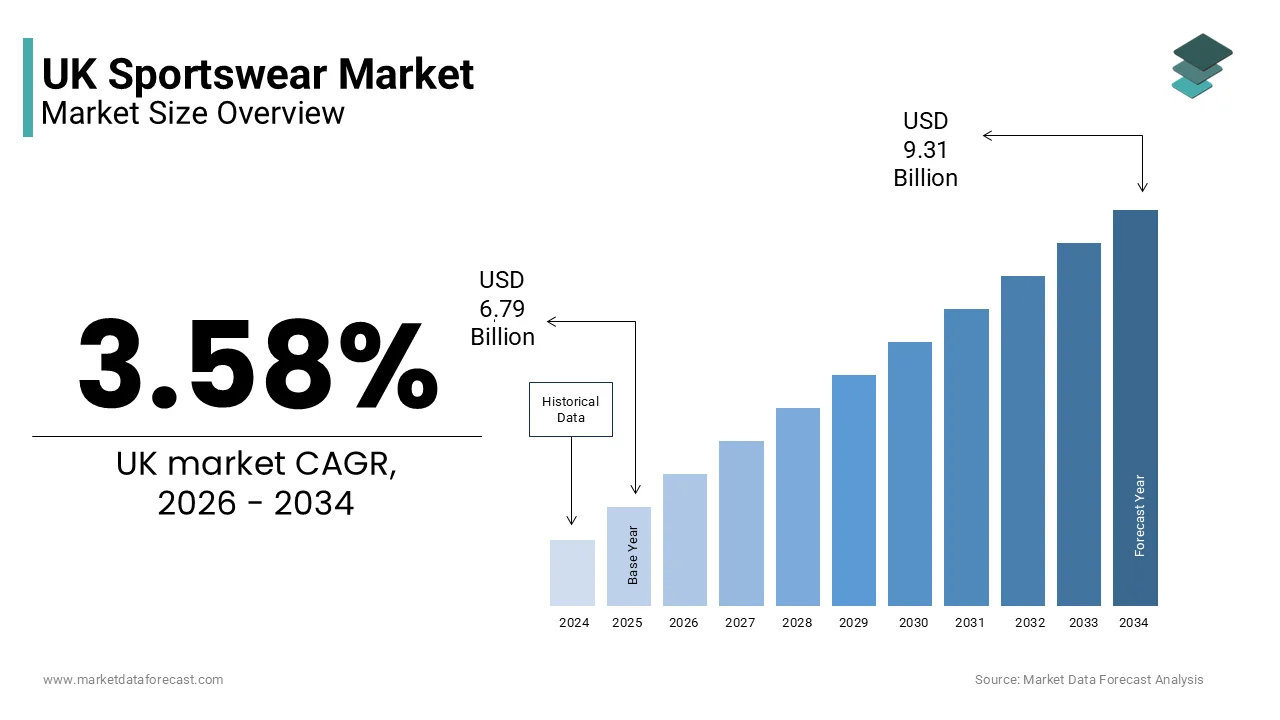
The UK sportswear market was valued at USD 6.79 billion in 2025, is estimated to reach USD 7.03 billion in 2026, and is projected to reach USD 9.31 billion by 2034, growing at a CAGR of 3.58% during the forecast period from 2026 to 2034. The growth of the UK sportswear market is driven by increasing health and fitness awareness, rising participation in sports and recreational activities, and the growing popularity of athleisure fashion. Consumers are increasingly seeking comfortable, performance-oriented, and stylish apparel that can be used for both athletic and casual purposes. The expansion of e-commerce platforms, continuous product innovation, and endorsements by athletes and influencers are further supporting market growth across the United Kingdom.
Key Market Trends
-
Rising adoption of athleisure clothing is blurring the boundaries between sportswear and everyday fashion.
-
Increasing participation in fitness activities, gym memberships, and outdoor sports is driving demand for performance apparel and footwear.
-
Growing consumer preference for sustainable and eco-friendly sportswear products made from recycled materials.
-
Expansion of online retail channels and direct-to-consumer sales strategies is enhancing product accessibility.
-
Increasing collaborations between sportswear brands, athletes, and fashion designers are strengthening brand visibility and consumer engagement.
Segmental Insights
-
Based on product type, the apparel segment dominated the UK sportswear market and accounted for 34.2% of the market share in 2025. The segment's leadership is driven by strong demand for activewear, training apparel, and athleisure clothing among consumers seeking comfort, functionality, and style.
-
Based on end user, the men segment held the largest share of 42.3% of the UK sportswear market in 2025. The segment's dominance is attributed to higher participation in sports activities, growing fitness awareness, and increasing expenditure on premium sportswear products.
-
Based on distribution channel, the retail stores segment occupied 46.3% of the UK sportswear market share in 2025. The segment continues to lead due to consumers' preference for in-store product trials, personalized shopping experiences, and immediate product availability.
Regional Insights
-
The UK sportswear market is experiencing steady growth, supported by increasing fitness consciousness, evolving fashion trends, and growing consumer spending on active lifestyles.
-
England represents the largest market due to its large population base, extensive retail network, and high participation in sports and fitness activities.
-
Scotland is witnessing rising demand for sportswear products driven by growing outdoor recreation and health-focused lifestyles.
-
Wales is experiencing steady market growth supported by increasing interest in fitness activities and sports participation.
-
Northern Ireland is emerging as a growing market due to expanding retail availability and rising awareness of health and wellness.
Competitive Landscape
The UK sportswear market is highly competitive, with global and regional brands focusing on product innovation, sustainability initiatives, digital marketing strategies, and omnichannel retail expansion. Companies are continuously introducing advanced performance fabrics, personalized product offerings, and eco-friendly collections to meet changing consumer preferences and strengthen their market positions. Key players operating in the UK sportswear market include Nike Inc., Adidas AG, Puma SE, Under Armour Inc., New Balance Athletics, Inc., ASICS Corporation, Reebok International Ltd., Lululemon Athletica Inc., JD Sports Fashion plc, Sports Direct International plc, Gymshark Ltd., Umbro, Canterbury of New Zealand, Decathlon UK, and Skechers USA, Inc.
UK Sportswear Market Size
The UK sportswear market size was valued at USD 6.79 billion in 2025, and is projected to reach USD 9.31 billion by 2034 from USD 7.03 billion in 2026, growing at a CAGR of 3.58%.
The sportswear is an apparel footwear and accessories designed for athletic performance leisure activities and casual wear. Consumers increasingly prioritize comfort versatility and style leading to the adoption of sports inspired clothing in everyday settings. The cultural emphasis on health and wellness further fuels demand as individuals engage in regular physical activities ranging from gym workouts to outdoor pursuits. According to Sport England 63% of adults in England participated in at least one sport or physical activity in 2024 highlighting the active lifestyle prevalent across the nation. Environmental consciousness is also shaping the industry with consumers seeking sustainable materials and ethical production practices. The British Retail Consortium notes that 55% of shoppers consider sustainability when purchasing clothing items indicating a shift in consumer values. Technological advancements in fabric innovation such as moisture wicking and temperature regulation enhance product functionality appealing to performance oriented users. The market operates within a dynamic landscape influenced by seasonal trends celebrity endorsements and major sporting events which collectively drive consumption patterns and brand loyalty among diverse demographic groups.
MARKET DRIVERS
Rising Participation In Fitness Activities And Health Conscious Lifestyles
The increasing engagement in fitness activities and the widespread adoption of health conscious lifestyles is fuelling the growth of the United Kingdom sportswear market. Individuals are prioritizing physical well being leading to higher frequency of gym visits running cycles and team sports participation. As per Sport England, the number of adults meeting the chief medical officers guidelines for physical activity reached 17.5 million in 2024, representing a steady increase from previous years. This surge in active behavior directly translates to greater demand for specialized apparel that offers durability comfort and performance enhancement. Consumers are investing in high quality leggings sports bras and training shoes that support various forms of exercise while maintaining aesthetic appeal. The rise of boutique fitness studios and online workout platforms has further normalized the wearing of sportswear beyond traditional gym environments. Social media influencers and fitness enthusiasts play a pivotal role in promoting active lifestyles by showcasing stylish sportswear outfits that inspire followers to adopt similar habits.
Integration Of Athleisure Into Everyday Fashion And Workwear Norms
The seamless integration of athleisure into everyday fashion and evolving workwear norms is additionally escalating the growth of the United Kingdom sportswear market. Consumers increasingly value clothing that transitions effortlessly from professional settings to social engagements and leisure activities without compromising on style or comfort. The relaxation of dress codes in many corporate environments following the pandemic has accelerated this shift allowing employees to incorporate smart casual sportswear items, such as polo shirts, tailored joggers, and sleek sneakers, into their wardrobes. Major fashion retailers have responded by launching dedicated athleisure lines that blend technical fabrics with contemporary designs catering to this dual-purpose demand. Celebrity collaborations and high street brands offering premium sportswear collections have further elevated the status of these garments making them desirable fashion statements. This convergence of comfort and style appeals to a broad demographic including students professionals and parents who prioritize practicality in their clothing choices.
MARKET RESTRAINTS
Economic Volatility And Reduced Disposable Income Impacting Consumer Spending
The economic volatility and reduced disposable income, as consumers become more cautious with their discretionary spending is major factor hindering the growth of the United Kingdom sportwear market. Inflationary pressures and rising cost of living have forced households to prioritize essential expenses over non-essential purchases, such as premium sportswear. Many consumers are delaying replacements of existing sportswear or opting for lower priced alternatives from discount retailers rather than investing in high end brands. This shift in behavior negatively impacts revenue growth for premium sportswear manufacturers, who rely on consistent consumer willingness to pay for quality and brand prestige. Promotional activities and discounts have become necessary tools to stimulate sales but they often compress profit margins and dilute brand equity. The uncertainty surrounding economic stability leads to conservative shopping habits where consumers seek value for money and durability over trendy or luxury items. This environment challenges manufacturers to balance pricing strategies with cost management, while maintaining product quality to retain price sensitive customers in a competitive marketplace.
Supply Chain Disruptions And Increased Operational Costs
Supply chain disruptions and increased operational costs by affecting production timelines and profitability is inhibiting the growth of the United Kingdom sportswear market. Global logistical hurdles raw material shortages and energy price fluctuations have escalated manufacturing expenses for sportswear brands. These heightened costs are often passed on to consumers resulting in higher retail prices that may dampen demand. Additionally, delays in shipment arrivals lead to inventory mismatches where seasonal products arrive late missing peak sales periods. Labor shortages in key manufacturing regions further exacerbate these issues causing production slowdowns and quality control challenges. Brands are compelled to diversify sourcing strategies and invest in local production capabilities to mitigate risks but these adjustments require substantial capital investment and time. The unpredictability of supply chains forces companies to hold larger safety stocks, which ties up working capital and increases storage costs.
MARKET OPPORTUNITIES
Expansion Of Sustainable And Eco Friendly Product Lines
The growing consumer demand for sustainability manufacturers to differentiate themselves through eco-friendly product lines is certainly ascribed to create new opportunities for the growth of the United Kingdom sportswear market. Shoppers are increasingly aware of the environmental impact of fast fashion and seek brands that prioritize ethical sourcing recycled materials and circular economy principles. Consumers expressed willingness to pay more for sustainable clothing items in 2024 indicating a viable for green innovations. Brands can leverage this trend by introducing apparel made from organic cotton recycled polyester and biodegradable fabrics, which appeal to environmentally conscious buyers. Implementing take back schemes and repair services further enhances brand loyalty by demonstrating commitment to reducing waste. Transparency in supply chains through digital passports allows consumers to verify the origin and lifecycle of products building trust and credibility. Collaborations with environmental organizations and certification bodies provide third party validation of sustainability claims enhancing marketing effectiveness.
Growth In Women Specific Sportswear And Inclusive Sizing Offerings
The underserved potential in women specific sportswear and inclusive sizing for brands willing to cater to diverse body types and functional needs is another factor to set up new opportunities for the growth of the United Kingdom sportswear market. Women seek sportswear that addresses specific physiological requirements, such as enhanced support modesty and flattering fits, which generic unisex options often fail to provide. Brands that expand their size offerings to include plus size and petite options can tap into this loyal demographic, who value representation and comfort. Marketing campaigns featuring diverse body types and real athletes resonate strongly with modern consumers fostering emotional connections and brand loyalty. Innovation in fabric technology specifically designed for female physiology, such as moisture management and flexibility further enhances product appeal.
MARKET CHALLENGES
Intense Competition From Private Label And Fast Fashion Retailers
The intense competition from private label brands and fast fashion retailers, who offer trendy and affordable alternatives to established sportswear companies, which is a major challenge for the growth of the United Kingdom sportswear market. Major supermarket chains and high street fashion stores have expanded their activewear ranges leveraging their extensive distribution networks and low cost structures to attract price sensitive consumers. These retailers rapidly replicate popular styles and technologies at lower price points making it difficult for premium brands to justify higher costs. This price war compresses margins for traditional sportswear manufacturers who must invest heavily in research and development to maintain differentiation. Fast fashion giants also contribute to market saturation by frequently updating collections with inexpensive sport inspired items that appeal to younger demographics seeking variety over longevity. The perceived value gap between branded and private label products is narrowing as quality improvements in store brands enhance consumer confidence.
Counterfeit Products And Intellectual Property Infringement
The counterfeit products and intellectual property infringement, undermining brand integrity and revenue streams is also to restrict the growth of the United Kingdom sportswear market. The proliferation of fake sportswear items through online marketplaces and unauthorized sellers deceives consumers and damages the reputation of legitimate brands. These inferior copies often lack the performance features and safety standards of authentic products leading to negative customer experiences that are mistakenly attributed to the original brand. Protecting intellectual property requires substantial legal and monitoring resources, which divert funds from innovation and marketing efforts. The ease of setting up temporary online stores makes enforcement difficult allowing counterfeiters to operate with impunity. Consumers may inadvertently support unethical labor practices by purchasing fake goods further complicating the ethical stance of genuine brands. Combating this issue requires collaborative efforts between brands platforms and authorities to implement stricter verification processes and educate consumers on identifying authentic products.
REPORT COVERAGE
| REPORT METRIC | DETAILS |
| Market Size Available | 2025 to 2034 |
| Base Year | 2025 |
| Forecast Period | 2026 to 2034 |
| CAGR | 3.58% |
| Segments Covered | By Product Type, End User, Distribution Channel, and Region. |
| Various Analyses Covered | Global, Regional and Country-Level Analysis, Segment-Level Analysis, Drivers, Restraints, Opportunities, Challenges; PESTLE Analysis; Porter’s Five Forces Analysis, Competitive Landscape, Analyst Overview of Investment Opportunities |
| Market Leaders Profiled | Nike Inc., Adidas AG, Puma SE, Under Armour Inc., New Balance Athletics, Inc., ASICS Corporation, Reebok International Ltd., Lululemon Athletica Inc., JD Sports Fashion plc, Sports Direct International plc, Gymshark Ltd., Umbro, Canterbury of New Zealand, Decathlon UK, and Skechers USA, Inc. |
SEGMENTAL ANALYSIS
By Product Type Insights
The apparel segment was the largest by holding 34.2% of the United Kingdom sportswear market share in 2025 due to its seamless integration into daily wardrobes through the athleisure trend. Consumers increasingly prioritize garments that offer both functional performance for physical activities and aesthetic appeal for social settings. This versatility drives high frequency purchases as individuals seek updated styles that reflect current trends while maintaining comfort. The availability of diverse categories including leggings hoodies jackets and t shirts ensures broad appeal across all age groups and lifestyles. Major retailers have expanded their collections to include smart casual options such as tailored joggers and performance polos which are acceptable in relaxed work environments. The influence of social media influencers showcasing styled outfits further accelerates demand by providing visual inspiration for consumers. Additionally, the relatively lower price point of individual apparel items compared to technical footwear encourages impulse buying and frequent wardrobe refreshes.
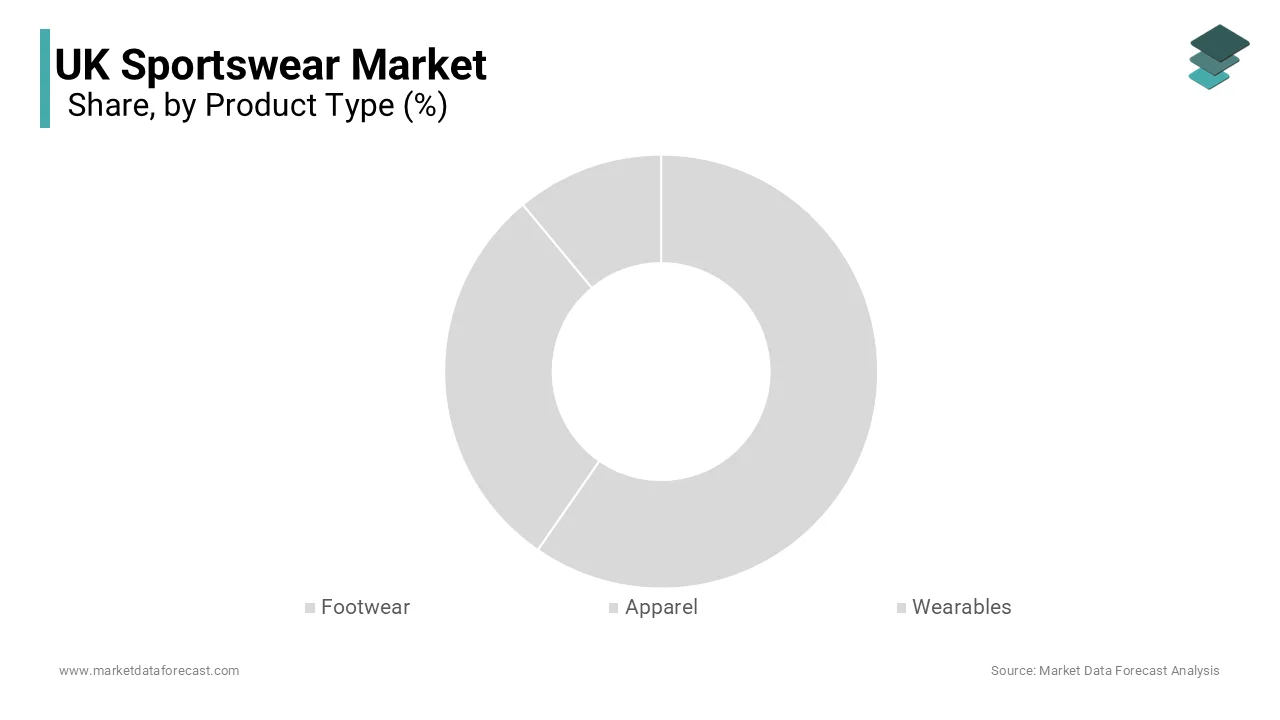
The wearables segment is likely to witness a fastest CAGR of 12.3% during the forecast period with the increasing integration of health monitoring and fitness tracking technologies into everyday accessories. Consumers are prioritizing data driven insights into their physical well-being leading to widespread adoption of smartwatches fitness bands and heart rate monitors. These devices provide real time feedback on metrics, such as steps calories burned sleep quality and heart rate variability empowering users to make informed health decisions. The compatibility of wearables with smartphone applications creates an ecosystem that encourages consistent usage and engagement. The rise of telehealth and remote patient monitoring has further expanded the utility of wearables beyond fitness into medical management attracting older demographics. Insurance companies are also incentivizing usage by offering discounts for active lifestyle verification through tracked data.
By End User Insights
The men segment was accounted in holding 42.3% of the United Kingdom sportswear market share in 2025 with the high participation rates in organized sports and regular fitness activities. Traditional engagement in football rugby cricket and gym workouts creates consistent demand for specialized apparel and footwear designed for performance and durability. This habitual engagement necessitates frequent replacement of gear due to wear and tear ensuring steady revenue streams for manufacturers. Men tend to prioritize functionality and brand reputation when making purchasing decisions often investing in high quality items from established sportswear giants. The culture of supporting professional teams through merchandise purchases further boosts sales particularly during major tournaments and league seasons. Sponsorship deals with popular athletes and clubs reinforce brand loyalty among male fans who emulate their idols by purchasing similar gear. Additionally, the acceptance of sportswear as standard casual wear among men has expanded consumption occasions beyond the gym to include social outings and leisure travel.
The women segment is esteemed to witness a fastest CAGR of 12.3% during the forecast period with the rising female empowerment and increased participation in diverse fitness trends. The stigma surrounding women in sports has diminished significantly leading to greater involvement in activities such as yoga pilates running and weightlifting. This surge in participation creates robust demand for apparel that addresses specific physiological needs, such as support modesty and flattering fits. Brands are responding by expanding their ranges to include inclusive sizing and specialized designs that cater to various body types. Social media platforms play a crucial role in inspiring women by showcasing diverse role models and realistic fitness journeys that encourage adoption. The community aspect of group classes and online challenges fosters a sense of belonging and motivation further driving engagement. Additionally, the influence of female athletes and influencers promotes the idea that sportswear is a symbol of strength and confidence rather than just utility.
By Distribution Channel Insights
The retail stores segment was the largest by occupying 46.3% of the United Kingdom sportswear market in 2025 due to the tactile experience they offer and the immediate availability of products. Consumers value the ability to try on footwear and apparel to assess fit comfort and quality before making a purchase decision. The sensory interaction with materials and the assistance provided by knowledgeable staff enhance customer confidence and reduce return rates. Major sporting goods retailers and department stores invest in immersive store layouts featuring testing zones and interactive displays that engage shoppers and demonstrate product features. The instant gratification of taking purchases home immediately appeals to those who need gear for upcoming events or replacements for worn out items. Promotional events and in store exclusives further drive traffic encouraging impulse buys and brand exploration.
The e- commerce stores segment is likely to grow at an anticipated CAGR of 9.5% during the forecast period with the unparalleled convenience and extensive product variety they offer. Consumers appreciate the ability to browse and purchase items from anywhere at any time avoiding the constraints of store hours and travel. Digital platforms provide access to a global range of brands and niche products that may not be available in local physical stores. Advanced search filters and detailed product descriptions help users find specific items quickly enhancing the shopping experience. The ease of comparing prices and reading customer reviews empowers buyers to make informed decisions and secure the best deals. Subscription services and automated replenishment options for essentials such as socks and base layers add further convenience. Mobile optimization ensures that shopping is accessible on smartphones catering to the on the go lifestyle of modern consumers.
COMPETITIVE LANDSCAPE
The competition in the United Kingdom sportswear market is characterized by intense rivalry among global giants established multi brand retailers and emerging direct to consumer brands. Major players compete aggressively on brand identity product innovation and digital engagement to capture the attention of discerning consumers. The rise of athleisure has blurred the lines between performance wear and casual fashion leading to increased competition from high street retailers who offer trendy alternatives at lower price points. Sustainability has become a key differentiator with brands vying to demonstrate ethical sourcing and environmental responsibility. Price sensitivity among consumers due to economic pressures forces companies to balance premium positioning with value offerings. Exclusive collaborations and limited-edition releases are frequently used to create urgency and drive footfall. The shift toward digital channels has lowered entry barriers for niche brands increasing market fragmentation.
KEY MARKET PLAYERS
Some of the companies that are playing a dominating role in the UK sportswear market are
- Nike Inc.
- Adidas AG
- Puma SE
- Under Armour Inc.
- New Balance Athletics, Inc.
- ASICS Corporation
- Reebok International Ltd.
- Lululemon Athletica Inc.
- JD Sports Fashion plc
- Sports Direct International plc
- Gymshark Ltd.
- Umbro
- Canterbury of New Zealand
- Decathlon UK
- Skechers USA, Inc.
Top Players in the Market
- Nike Inc maintains a dominant presence in the United Kingdom sportswear market through its extensive portfolio of performance footwear apparel and accessories. The company significantly contributes to the local economy by operating flagship stores in major cities and supporting grassroots sports initiatives across the nation. Nike has strengthened its market position by investing in sustainable materials such as recycled polyester and adopting circular design principles in its manufacturing processes. The brand actively engages with UK consumers through high profile sponsorships of premier football clubs and athletes which reinforces its cultural relevance. Nike continues to drive engagement and loyalty among British shoppers, while maintaining its status as a global leader in athletic lifestyle products.
- Adidas AG plays a pivotal role in the United Kingdom sportswear sector by blending athletic performance with streetwear culture to appeal to diverse consumer segments. The company contributes to the market through significant investments in retail infrastructure and partnerships with local creative communities. Adidas has also enhanced its digital capabilities by integrating augmented reality features into its online platform allowing customers to visualize products more effectively. The brand collaborates with prominent UK musicians and designers to create limited edition collections that generate buzz and exclusivity. Adidas fosters a strong connection with younger demographics. These strategic moves ensure that the brand remains competitive and relevant in a rapidly evolving market where style and sustainability are increasingly important factors for consumer decision making.
- JD Sports Fashion plc stands as a leading multi brand retailer in the United Kingdom sportswear market offering a wide range of global and niche brands. The company contributes significantly to the retail landscape by providing accessible shopping options through its extensive network of high street stores and robust e commerce platform. Recent actions to strengthen its market position include the acquisition of smaller regional retailers to expand its physical footprint and consolidate its supply chain efficiency. JD Sports has invested heavily in upgrading its digital infrastructure to improve user experience and streamline logistics for faster delivery times. The retailer focuses on curating exclusive product launches and collaborations that attract sneaker enthusiasts and fashion-conscious consumers. This approach allows the company to maintain its competitive edge and drive growth in both urban and suburban markets across the country.
Top Strategies Used By Key Market Participants
Key players in the United Kingdom sportswear market employ several strategic approaches to maintain competitiveness and drive growth. Digital transformation is central as companies enhance their online platforms and mobile applications to offer seamless shopping experiences. Sustainability initiatives are prioritized with brands adopting recycled materials and circular economy models to meet consumer expectations. Strategic partnerships with local sports teams and influencers help build brand loyalty and cultural relevance. Product innovation focuses on advanced fabric technologies and inclusive sizing to cater to diverse needs. Direct to consumer channels are expanded to reduce reliance on third party retailers and improve profit margins. Omnichannel integration ensures consistency between physical stores and digital touchpoints enhancing customer convenience. These combined strategies enable operators to navigate market dynamics and sustain long term success in a competitive environment.
MARKET SEGMENTATION
This research report on the UK sportswear market is segmented and sub-segmented into the following categories.
By Product Type
- Footwear
- Apparel
- Wearables
By End User
- Men
- Women
- Children
By Distribution Channel
- E-commerce Stores
- Retail Stores