- Product Description Description
- Table of Contents TOC
- List of Table & Figure LOT
- Get Free Sample PDF Sample PDF
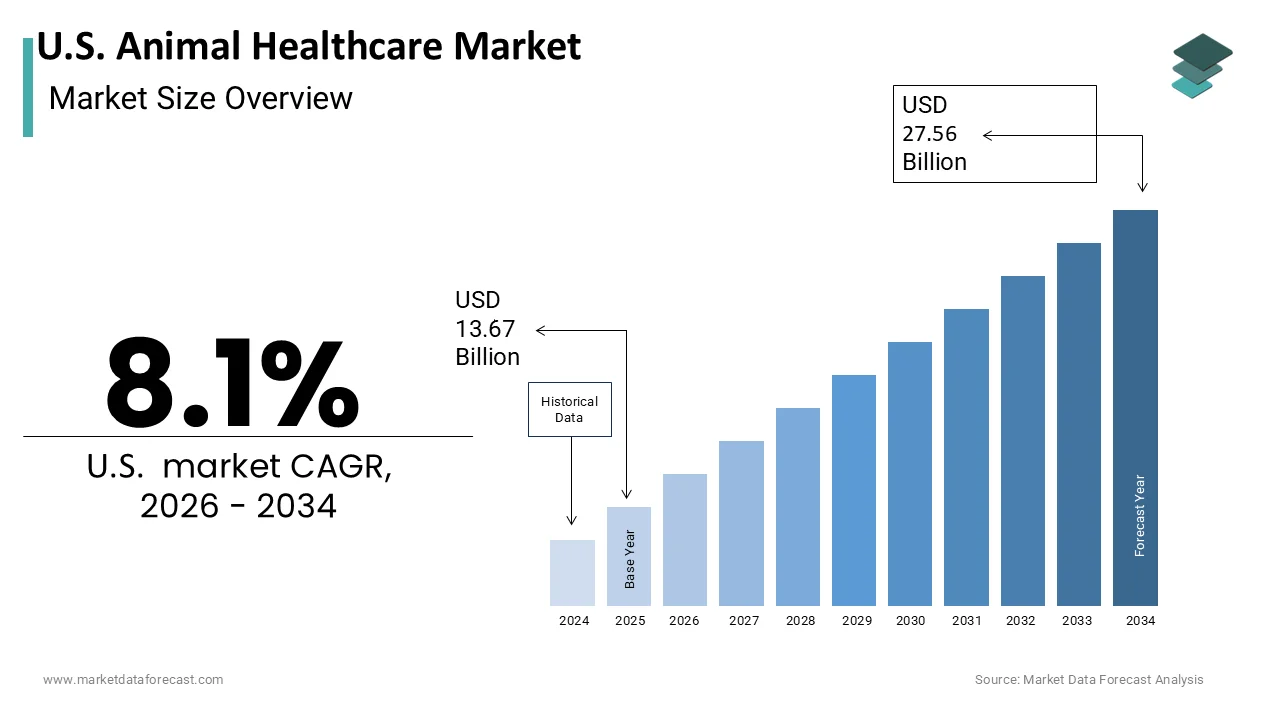
Market Size, 2025
$13.67 BnMarket Estimate, 2026
$14.78 BnMarket Forecast, 2034
$27.56 BnCAGR, 2026–2034
8.1%Executive Summary: U.S. Animal Healthcare Market
- Market Scope: Comprehensive analysis of the United States animal health sector, detailing medical products, diagnostic solutions, and healthcare services for companion animals and livestock.
- Market Valuation: Valued at USD 13.67 billion in 2025, reaching USD 14.78 billion in 2026, and projected to expand to USD 27.56 billion by 2034, growing at a steady CAGR of 8.1% from 2026 to 2034.
- Primary Growth Drivers: Pervasive pet humanization trends, increasing willingness among owners to spend on premium care, and the rising prevalence of chronic diseases in aging companion animals.
Key Market Segment Metrics
| Category | Leading Segment (Base Position) | Fastest-Growing / High-Growth Segment |
|---|---|---|
| By Product | Drugs Segment (held dominant market share in 2025, driven by long-term pharmacological management of chronic conditions like arthritis and diabetes) | Diagnostics Segment (projected at a rapid 8.5% CAGR, fueled by advanced imaging technologies and point-of-care testing devices) |
| By Animal | Companion Animals (held 44.3% market share in 2025, driven by high pet ownership rates and the cultural trend of pet humanization) | Livestock Animals (projected at a 6.2% CAGR, propelled by stringent food safety regulations, disease prevention, and sustainable farming) |
| By End User | Veterinary Hospitals & Clinics (held 22.3% market share in 2025, serving as the central hub for preventive care, surgery, and emergency treatment) | Diagnostic Centers (projected at a fast 9.1% CAGR, driven by the outsourcing of complex testing and specialized reference laboratory services) |
| By Country / Region | California & Texas (major consumer and agricultural markets with high pet ownership and large-scale livestock production) | Florida & New York (high-growth companion animal care hubs with dense urban pet populations and specialized veterinary clinics) |
Major Market Players & Industry Landscape
Market Structure: Highly competitive landscape comprising large multinational corporations and specialized niche players competing on product innovation, research and development, and digital integration.
Key Companies: Zoetis Inc., Elanco Animal Health Incorporated, Merck & Co., Inc., Boehringer Ingelheim International GmbH, Virbac, IDEXX Laboratories, Inc., Dechra Pharmaceuticals PLC, Ceva Santé Animale, Phibro Animal Health Corporation, Vetoquinol S.A., Heska Corporation, and Neogen Corporation.
 Download Free Sample Report
U.S. Animal Healthcare Market Size
The U.S. Animal Health Market is projected to grow from USD 13.67 billion in 2025 to USD 14.78 billion in 2026 and reach USD 27.56 billion by 2034, registering a CAGR of 8.1% during the forecast period from 2026 to 2034.
The animal healthcare is medical products and services designed to maintain the health and well-being of companion animals and livestock. As per data from the American Pet Products Association, approximately 66% of US households own a pet, translating to about 85 million homes,s demonstrating the vast base of potential consumers for animal health products. The expenditure on veterinary services has increased significantly over the past decade, reflecting a willingness among consumers to invest in high-quality care for their animals. The integration of digital health solutions, such as telemedicine and wearable monitoring devices, is further expanding the scope of the market. Regulatory oversight by the Food and Drug Administration ensures the safety and efficacy of animal health products while maintaining high standards within the industry. The shift toward personalized medicine and specialized treatments for chronic conditions in pets mirrors trends seen in human healthcare. As per industry observations,ons the aging pet population is driving demand for geriatric care and management of age-related diseases.
MARKET DRIVERS
Increasing Pet Humanization and Willingness to Spend on Premium Care
The profound trend of pet humanization, where owners increasingly view their pets as integral family members deserving of high-quality medical attention, is majorly fuelling the growth of the United States animal healthcare market. This cultural shift has led to a significant increase in the willingness of consumers to spend on premium healthcare services and products for their companions. The pet owners are increasingly likely to pursue advanced diagnostic procedures and specialized treatments such as chemotherapy and surgery for their animals. The emotional attachment drives demand for preventive care, re including regular vaccinations, dental cleanings, gs and annual check-ups. Consumers are also investing in pet insurance to mitigate the high costs of unexpected medical emergencies, further facilitating access to advanced care. The availability of specialized veterinary services such as oncology,gy cardiology, and orthopedics has expanded the range of treatable conditions, encouraging owners to seek care for complex health issues. This trend is supported by the rising disposable income of millennial and Gen Z pet owners, who prioritize spending on their pets. The perception of pets as companions rather than mere property has transformed the healthcare landscape into one that mirrors human medical standards.
Rising Prevalence of Chronic Diseases in Companion Animals
The increasing prevalence of chronic diseases among companion animals, such as obesity, diabetes, and arthritis, necessitates long-term medical management and treatment. Is additionally escalating the growth of the United States animal healthcare market. As pets live longer due to improved nutrition and veterinary care, they are more susceptible to age-related and lifestyle-induced health conditions. According to the Association for Pet Obesity Prevention, approximately 59% of cats and 56% of dogs in the United States are overweight or obese, creating a significant risk for secondary health issues. This epidemic drives demand for therapeutic diets, weight management programs, and medications to manage associated conditions such as joint pain and metabolic disorders. The aging pet population further exacerbates this trend,d with senior pets requiring frequent monitoring and medication for chronic ailments. Veterinary professionals are increasingly diagnosing conditions such as cancer and heart disease, which require specialized pharmaceuticals and ongoing care. As per clinical data, the incidence of cancer in dogs is estimated to be similar to that in humans, leading to a surge in demand for oncology treatments. The management of these chronic conditions involves regular veterinary visits, diagnostic testing,g and prescription medications, ns which contribute significantly to market revenue. Pet owners are becoming more educated about early detection and prevention, leading to higher adoption of screening tests and preventive medications. The development of new drugs targeting specific chronic conditions further expands the treatment options available.
MARKET RESTRAINTS
High Cost of Advanced Veterinary Services and Treatments
The high cost associated with advanced veterinary services and treatments, which can be prohibitive for many pet owners, is limiting the growth of the United States animal healthcare market. The complexity of modern veterinary medicine involving specialized equipment and trained personnel results in substantial expenses for procedures such as MRI scans, surgery, surgerie,s and intensive care. This high cost barrier prevents a segment of pet owners from seeking timely medical attention, leading to delayed treatments or euthanasia in severe cases. The lack of universal pet insurance coverage means that most owners must pay out of pocket for these expenses, which can strain household budgets. Economic downturns and inflation further exacerbate this issue by reducing disposable income available for non-essential spending, including pet care. The veterinary inflation has outpaced general consumer price indices, making healthcare increasingly unaffordable for middle and lower-income families. The disparity in access to care based on socioeconomic status limits the overall market potential. Many pet owners are forced to choose between their own financial stability and the health of their animals l, leading to difficult ethical decisions. The high cost also discourages preventive care, which can lead to more expensive emergency interventions later. This financial constraint acts as a brake on the adoption of advanced healthcare solutions.
Shortage of Veterinary Professionals and Workforce Constraints
The acute shortage of veterinary professionals and support staff, which limits the capacity of the healthcare system to meet growing demand, is additionally impeding the growth of the United States animal healthcare market. The United States faces a significant deficit in licensed veterinarians, veterinary technicians,s and administrative personnel, el particularly in rural and underserved areas. As per data from the American Veterinary Medical Association, the ratio of veterinarians to pets has not kept pace with the increasing pet population, leading to longer wait times and reduced access to care. This workforce shortage is exacerbated by high levels of burnout and mental health challenges within the profession, resulting in high turnover rates. The rigorous educational requirements and substantial student debt associated with veterinary medicine deter potential entrants from pursuing the career. The limited number of veterinary colleges and residency programs restricts the supply of new professionals entering the field. The shortage also impacts the quality of care as overworked staff may struggle to provide adequate attention to each patient. Rural areas are particularly affected, with many communities lacking any nearby veterinary services.
MARKET OPPORTUNITIES
Expansion of Telemedicine and Digital Health Solutions
The rapid expansion of telemedicine and digital health solutions, which enhance accessibility and convenience for pet owners, is certainly creating new opportunities for the growth of the United States animal healthcare market. The adoption of virtual consultations allows veterinarians to provide triage follow-up care and behavioral advice remotely, reducing the need for in-person visits for minor issues. As per regulatory updates, several states have relaxed restrictions on veterinary telemedicine, enabling broader adoption of these services. This shift is driven by consumer demand for flexible and immediate access to professional advice, particularly for busy pet owners. Digital platforms also facilitate remote monitoring of chronic conditions through wearable devices that track activity, heart rate, te and other vital signs. These technologies provide valuable data that helps veterinarians make more informed treatment decisions. The integration of artificial intelligence in diagnostic tools offers opportunities for early detection of diseases through image analysis and pattern recognition. Telemedicine also extends the reach of veterinary services to rural areas where access to specialists is limited. The convenience of digital prescriptions and home delivery of medications further enhances the customer experience. This digital transformation creates new revenue streams for veterinary practices and technology providers. The ability to offer continuous care through digital channels strengthens the relationship between veterinarians and clients.
Growth in Preventive Care and Wellness Programs
The growing emphasis on preventive care and wellness programs, which shift the focus from treatment to health maintenance,nce is also expected to amplify the growth of the United States animal healthcare market. Pet owners are increasingly recognizing the value of regular check-ups, vaccinations, and preventive medications in avoiding costly and serious health issues later. The wellness plans offered by veterinary clinics are gaining popularity, as they provide bundled services at a predictable monthly cost. These plans typically include annual exams, vaccines, parasite prevention,n and dental cleanings, encouraging consistent engagement with veterinary services. The rise in awareness about zoonotic diseases and public health also drives demand for preventive measures such as flea, ear tick, and heartworm control. Manufacturers are developing innovative preventive products such as long-acting injectables and topical treatments that offer extended protection. The focus on nutrition and weight management as preventive strategies creates opportunities for specialized dietary products and supplements. The pet owners are willing to invest in products that promote longevity and quality of life for their companions. Veterinary practices are expanding their service offerings to include behavioral training and nutritional counseling as part of holistic wellness programs. This proactive approach reduces the incidence of chronic diseases and improves overall animal health.
MARKET CHALLENGES
Regulatory Complexity and Approval Processes
The complex and lengthy regulatory approval process for new drugs and medical devices acts as a barrier to the growth of the United States animal healthcare market. The Food and Drug Administration Center for Veterinary Medicine imposes stringent requirements for safety and efficacy w, which can delay the launch of new products. The average time to approve a new animal drug can take several years, involving extensive clinical trials and documentation. This prolonged timeline increases development costs and delays entry for innovative treatments. The regulatory framework differs significantly from human pharmaceuticals, requiring specialized expertise and resources to navigate. Changes in regulatory policies or guidelines can further complicate the approval process,s creating uncertainty for manufacturers. The requirement for post-market surveillance and reporting adds to the operational burden for companies. As per industry analysis, the high cost of compliance disproportionately affects smaller biotechnology firms with limited resources.s This barrier to entry limits competition and innovation in the market. The global nature of the industry also requires companies to comply with varying regulations in different countries, adding to the complexity. The lack of harmonization between international regulatory standards hinders the efficient distribution of products. Delays in approval can result in missed market opportunities and reduced return on investment.
Supply Chain Disruptions and Raw Material Shortages
The vulnerability of the animal healthcare supply chain to disruptions and raw material shortages, which impact product availability and pricing, is also inhibiting the growth of the United States animal healthcare market. The manufacturing of veterinary pharmaceuticals and diagnostics relies on global supply chains for active pharmaceutical ingredients and specialized components. The recent global events have exposed fragilities in these supply networks, leading to delays and shortages of critical products. The dependence on foreign suppliers for key materials creates risks related to geopolitical tensions and trade restrictions. Natural disasters and logistical bottlenecks further exacerbate supply chain instability, affecting the timely delivery of products to veterinary clinics. The shortage of certain raw materials has led to price increases,s which are passed on to consumers and veterinary practices. This inconsistency disrupts treatment protocols and compromises animal care. Veterinary practices face challenges in managing inventory and ensuring continuity of care for patients with chronic conditions. The lack of transparency in the supply chain makes it difficult to predict and mitigate disruptions. Companies are struggling to diversify their sourcing strategies to reduce dependency on single suppliers.
REPORT COVERAGE
| REPORT METRIC | DETAILS |
| Market Size Available | 2025 to 2034 |
| Base Year | 2025 |
| Forecast Period | 2026 to 2034 |
| Segments Covered | By Product, Animal, End User, and Region. |
| Various Analyses Covered | Global, Regional and Country-Level Analysis, Segment-Level Analysis, Drivers, Restraints, Opportunities, Challenges; PESTLE Analysis; Porter’s Five Forces Analysis, Competitive Landscape, Analyst Overview of Investment Opportunities |
| Countries Covered | California, Texas, Florida, New York, and the rest of the United States |
| Market Leaders Profiled | Zoetis Inc., Elanco Animal Health Incorporated, Merck & Co., Inc., Boehringer Ingelheim International GmbH, Virbac, IDEXX Laboratories, Inc., Dechra Pharmaceuticals PLC, Ceva Santé Animale, Phibro Animal Health Corporation, Vetoquinol S.A., Heska Corporation, Neogen Corporation |
SEGMENTAL ANALYSIS
By Product Insights
The drugs segment accounted for a dominant share of the United States animal healthcare market in 2025 due to the high prevalence of chronic diseases among companion animals, which necessitates long-term pharmacological management. Conditions, such as arthritis, diabetes, heart disease, and cancer, are increasingly common in aging pet populations, driving consistent demand for therapeutic medications. This health burden creates a recurring need for prescriptions,s including non-steroidal anti-inflammatory drugs, insulin, and cardiac medications. The emotional bond between owners and pets encourages them to pursue aggressive treatment plans rather than opting for euthanasia or palliative care alone. Consequently, the volume of prescription drugs dispensed through veterinary clinics and pharmacies remains robust. The development of specialized formulations such as chewable tablets and transdermal gels has improved compliance, ance making it easier for owners to administer daily medications. As per industry analysis, the therapeutic drug market continues to expand as new molecules are approved for specific animal ailments, mirroring advancements in human medicine. The availability of generic versions of popular drugs also enhances accessibility for cost-conscious consumers. This widespread reliance on pharmaceutical interventions for maintaining quality of life ensures that the drugs segment remains the largest contributor to market revenue.
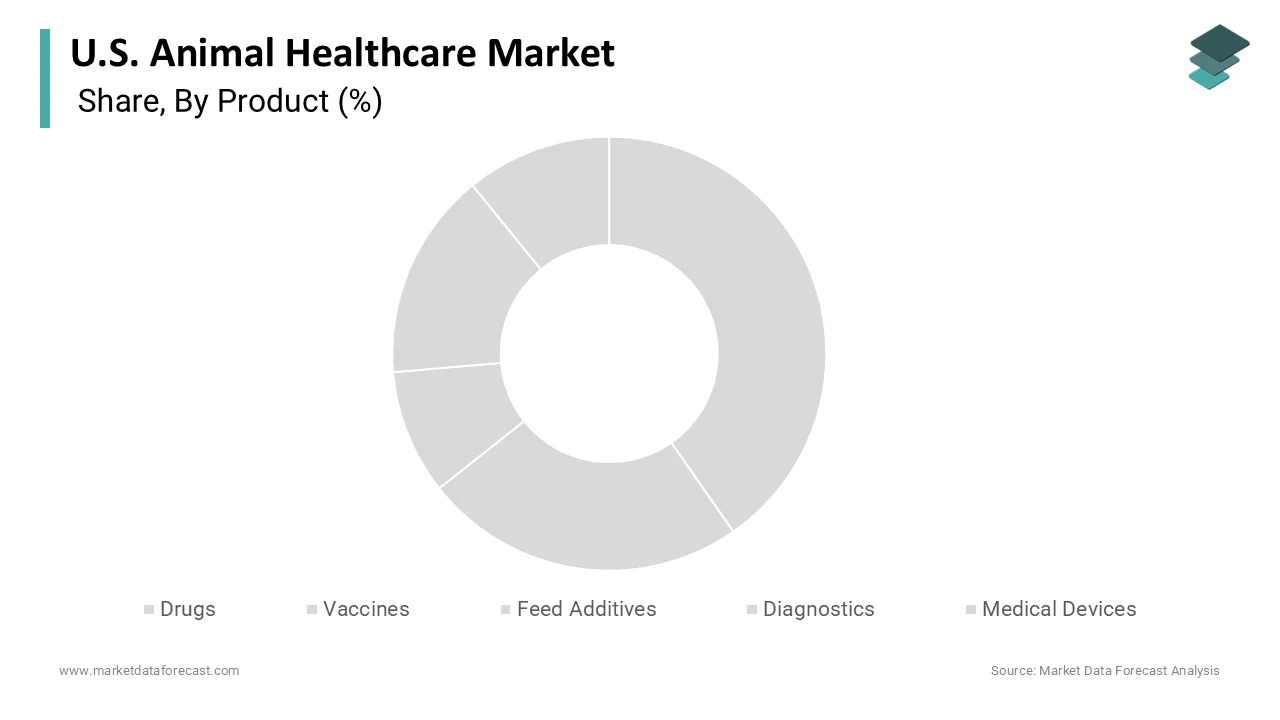
The diagnostics segment is projected to register the fastest CAGR of 8.5% from 2026 to 2034, with the increasing adoption of advanced imaging technologies and point-of-care testing devices in veterinary practices. Veterinarians are increasingly utilizing digital radiography, ultrasound,d and magnetic resonance imaging to achieve accurate diagnoses for complex conditions. Point-of-care tests for blood chemistry, hematology, and urinalysis allow for immediate results, facilitating quicker treatment decisions and improving patient outcomes. The ability to diagnose diseases early enhances the effectiveness of interventions and reduces long-term healthcare costs. Pet owners are willing to pay for comprehensive diagnostic workups, as they seek human-level care for their companions. The integration of laboratory information systems with practice management software streamlines workflow and data sharing. The precision offered by modern diagnostic tools supports personalized medicine approaches in veterinary care. This technological advancement drives the fastest growth in the diagnostics segment.
By Animal Insights
The companion animals segment was the largest by holding 44.3% of the United States animal healthcare market share in 2025, with the high pet ownership rates and the profound trend of humanization. Dogs and cats are increasingly viewed as family members, leading owners to invest heavily in their health and well-being. This vast population base creates a substantial demand for veterinary services, vaccines,n,e s and pharmaceuticals. The emotional attachment drives willingness to spend on premium care, including specialized surgeries and chronic disease management. Owners are more likely to pursue advanced diagnostic procedures and treatments for their pets than in previous decades. The rise in single-person households and delayed parenthood has further intensified the bond between humans and their pets. The availability of pet insurance has also facilitated access to expensive treatments, encouraging higher utilization of veterinary services. The demographic shift toward millennials and Gen Z, who are more likely to view pets as children, en reinforces this trend. These groups are willing to allocate significant portions of their disposable income to pet care. The cultural acceptance of pets in public spaces and housing also supports their integration into daily life.
The livestock animals segment is likely to grow at the fastest CAGR of 6.2% from 2026 to 2034, with the heightened focus on food safety and disease prevention in production animals, such as cattle, swine, and poultry. Consumers are increasingly concerned about the origin and safety of their food, leading to stricter regulations and standards for livestock health. Producers are investing heavily in preventive healthcare to minimize losses and ensure consistent supply chains. The implementation of traceability systems and health monitoring technologies allows for early detection of illnesses and rapid response. The demand for antibiotic-free meat has also spurred the development of alternative health solutions such as probiotics, prebiotics, cs and vaccines. The shift toward sustainable and responsible farming practices is driving the adoption of advanced healthcare protocols. The economic impact of disease outbreaks on livestock producers incentivizes proactive investment in health management. The global trade requirements for animal health certification further compel producers to maintain high standards.
By End User Insights
The veterinary hospitals and clinics segment accounted in holding 22.3% of the United States animal healthcare market share in 2025, with a wide range of services,s including preventive care, re diagnostics, surgery, and emergency treatment, making them central to animal health management. The accessibility and convenience of local clinics encourage regular visits for vaccination check-ups,s and minor ailments. The trust relationship between veterinarians and pet owners fosters loyalty and repeat business. Clinics are equipped with essential diagnostic tools and surgical suites, allowing for immediate intervention. The presence of licensed professionals ensures high standards of care and regulatory compliance. The majority of pet owners prefer visiting their regular veterinarian for most healthcare needs due to familiarity and continuity of care. The expansion of corporate veterinary chains has increased the availability of standardized services across different regions. These organizations invest in marketing and technology to enhance customer experience and operational efficiency. The role of clinics in prescribing medications and recommending products drives significant revenue. The integration of wellness plans and membership programs further stabilizes income streams. The centrality of clinics in the healthcare ecosystem ensures their dominant position.
The diagnostic centers segment is expected to grow at the fastest CAGR of 9.1% from 2026 to 2034, with the outsourcing of complex testing and reference laboratory services by veterinary clinics. While in-house testing handles routine analyses, specialized tests, such as histopathology,y endocrinology, and genetic screening, require sophisticated equipment and expertise available only in dedicated diagnostic centers. The turnaround time for these tests has improved due to logistical efficiencies and automation,n making outsourcing a viable option. The ability to access a wide panel of tests without investing in expensive equipment appeals to smaller practices. The quality assurance and accreditation of diagnostic centers ensure reliable results, ts which are critical for treatment planning. As per the laboratory report,rts the adoption of molecular diagnostics and PCR testing has surged due to their sensitivity and specificity. The collaboration between clinics and diagnostic centers facilitates knowledge sharing and continuing education. The centralization of testing resources improves cost efficiency and standardization.
COMPETITIVE LANDSCAPE
The competition in the United States animal healthcare market is intense and characterized by the presence of large multinational corporations and specialized niche players. Major companies compete based on product innovation, quality,y and breadth of portfolio. Patent expirations drive generic competition, prompting innovators to continuously launch new products. Differentiation is achieved through superior customer service, educational support, and digital integration. Price sensitivity varies between the companion and livestock segments,s influencing competitive dynamics. Regulatory barriers protect established players but also limit new entrants. Brand loyalty among veterinarians plays a crucial role in purchasing decisions. Companies invest heavily in marketing and sales forces to maintain visibility. The rise of private equity-backed consolidators adds pressure on independent practices. Innovation in biologics and diagnostics offers opportunities for differentiation.
KEY MARKET PLAYERS
Some of the companies that are playing a dominating role in the U.S. Animal Healthcare Market include
- Zoetis Inc.
- Elanco Animal Health Incorporated
- Merck & Co., Inc.
- Boehringer Ingelheim International GmbH
- Virbac
- IDEXX Laboratories, Inc.
- Dechra Pharmaceuticals PLC
- Ceva Santé Animale
- Phibro Animal Health Corporation
- Vetoquinol S.A.
- Heska Corporation
- Neogen Corporation
TOP LEADING PLAYERS IN THE MARKET
- Zoetis Inc stands as the global leader in animal health with a dominant presence in the United States market. The company offers a comprehensive portfolio of medicines, vaccines,s and diagnostic products for both companion and livestock animals. Zoetis focuses heavily on research and development to introduce innovative solutions such as monoclonal antibodies for pain management in dogs. Recent actions include the expansion of its manufacturing capabilities and strategic partnerships to enhance digital health offerings. The company invests significantly in veterinary education and customer support programs to strengthen relationships with practitioners. Its robust pipeline ensures a steady flow of new therapies addressing unmet medical needs. These initiatives reinforce its position as a trusted partner for veterinarians and producers.
- Merck and Co. Inc. contributes significantly to the United States animal healthcare market through its animal health division, known as Merck Animal Health. The company provides a wide range of pharmaceuticals, vaccines, and health management solutions for livestock and pets. Recent strategies involve acquiring complementary businesses to expand its portfolio in parasiticides and biologics. Merck focuses on sustainability and responsible antibiotic use,e aligning with regulatory expectations and consumer preferences. The company invests in digital platforms that connect farmers and veterinarians with real-time health data. Its commitment to innovation is evident in the development of novel vaccines for infectious diseases. Merck also engages in extensive training programs for veterinary professionals.
- Elanco Animal Health Incorporated is a major player in the United States animal healthcare market with a strong focus on innovation and sustainability. The company offers a diverse portfolio of products for companion animals and livestock, including pharmaceuticals and feed additives. Recent actions include the acquisition of Kindred Biosciences, which expanded its companion animal portfolio with specialized dermatology and pain management products. Elanco emphasizes digital health solutions and data-driven insights to improve animal care outcomes. The company actively promotes responsible antimicrobial use and environmental stewardship. Its global network supports local markets with tailored solutions. Elanco invests in research to address emerging health challenges such as vector-borne diseases. Strategic collaborations with technology firms enhance its digital capabilities.
TOP STRATEGIES USED BY KEY MARKET PARTICIPANTS
Key players in the United States animal healthcare market primarily employ mergers and acquisitions to expand their product portfolios and geographic reach. Companies invest heavily in research and development to innovate new drugs, vaccines,s and diagnostic tools. Strategic partnerships with technology firms enable the integration of digital health solutions into traditional care models. Focusing on preventive care and wellness programs drives recurring revenue and customer loyalty. Expansion into specialty therapeutics such as oncology and pain management addresses high-value market segments. Regulatory compliance and advocacy efforts ensure favorable policy environments for product approvals. Supply chain optimization enhances efficiency and reduces costs. Educational initiatives for veterinarians and farmers build trust and promote best practices. Sustainability goals guide product development and operational practices.
MARKET SEGMENTATION
This research report on the U.S. animal healthcare market is segmented and sub-segmented into the following categories.
By Product
- Drugs
- Vaccines
- Feed Additives
- Diagnostics
- Medical Devices
By Animal
- Companion Animals
- Dogs
- Cats
- Horses
- Others
- Livestock Animals
- Cattle
- Poultry
- Swine
- Sheep & Goats
- Others
By End User
- Veterinary Hospitals & Clinics
- Diagnostic Centers
- Pharmacies & Drug Stores
- Research Institutes
- Others
By Country
- California
- Texas
- Florida
- New York
- Illinois
- Rest of the United States