- Product Description Description
- Table of Contents TOC
- List of Table & Figure LOT
- Get Free Sample PDF Sample PDF
Market Size, 2025
$14.95 BnMarket Estimate, 2026
$15.67 BnMarket Forecast, 2034
$22.82 BnCAGR, 2026–2034
4.58%U.S. Chewing Gum Market Report Summary
The U.S. chewing gum market was valued at USD 14.95 billion in 2025, is estimated to reach USD 15.67 billion in 2026, and is projected to reach USD 22.82 billion by 2034, growing at a CAGR of 4.58% during the forecast period. Market growth is driven by increasing demand for functional confectionery products, rising consumer preference for sugar free options, and growing focus on oral health and fresh breath solutions. Chewing gum remains a widely consumed product across the United States due to convenience, flavor variety, and evolving health oriented formulations. The increasing popularity of functional gums containing vitamins, caffeine, and dental health benefits is further supporting market expansion.
Key Market Trends
- Rising demand for sugar free and functional chewing gum products is driving market growth.
- Increasing consumer focus on oral hygiene and fresh breath solutions is boosting product consumption.
- Growing popularity of low calorie confectionery products is supporting market expansion.
- Expansion of convenience retail channels and impulse purchase trends is enhancing product accessibility.
- Innovation in functional ingredients, natural sweeteners, and premium flavors is influencing market development.
Segmental Insights
- Based on type, the sugar free chewing gum segment accounted for a significant share of the U.S. chewing gum market in 2025. This dominance is attributed to increasing health consciousness and rising consumer preference for low sugar confectionery products.
- Based on distribution channel, the convenience stores segment held 55.4% of the U.S. chewing gum market share in 2025, driven by strong impulse buying behavior and extensive retail availability.
Regional Insights
- The U.S. chewing gum market is experiencing steady growth across retail and convenience channels, supported by evolving consumer preferences for healthier confectionery products and functional gum formulations. The expansion of premium and natural ingredient based products is further strengthening market development.
Competitive Landscape
The U.S. chewing gum market is highly competitive, with key players focusing on flavor innovation, sugar free product development, and expansion of functional chewing gum portfolios to strengthen their market position. Companies are investing in natural ingredients, oral care benefits, and premium packaging strategies. Prominent players in the U.S. chewing gum market include Mars Wrigley, Mondelez International, Perfetti Van Melle, The Hershey Company, Lotte Corporation, Cloetta AB, Simply Gum, Glee Gum, Peppersmith, and Ferrara Candy Company.
U.S. Chewing Gum Market Size
The U.S. chewing gum market size was valued at USD 14.95 billion in 2025, is estimated to reach USD 15.67 billion in 2026, and is projected to reach USD 22.82 billion by 2034, growing at a CAGR of 4.58% from 2026 to 2034.
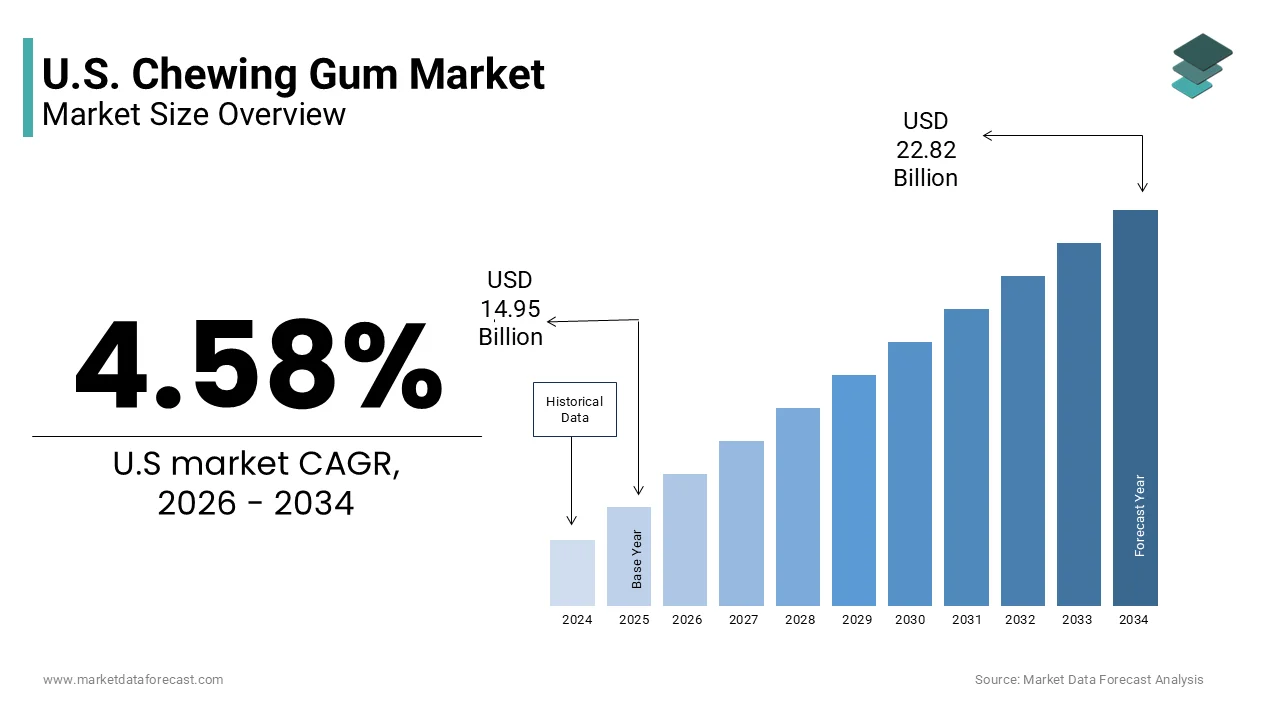
The chewing gum is for mastication without swallowing. Consumer behavior indicates a shift toward premium and health-conscious options. According to the American Dental Association nearly 80% of adults consider oral hygiene a top priority influencing their choice of sugar free gum varieties. The market operates within a highly regulated environment concerning ingredient safety and labeling standards. Retail channels range from traditional convenience stores to online platforms reflecting changing purchasing habits. The cultural significance of gum as a social lubricant and breath freshener remains entrenched in American daily life. Innovation in sustainable packaging and natural ingredients drives modern product development. The physical properties of gum base materials have improved to enhance chew duration and flavor release. This maturation of the product landscape ensures continued relevance despite competition from alternative snacks. The market definition now includes functional wellness attributes alongside traditional enjoyment factors.
MARKET DRIVERS
Rising Preference for Sugar Free and Functional Varieties
The increasing consumer demand for sugar free is majorly fuelling the growth of the United States chewing gum market. Health consciousness has surged among Americans leading to a decline in sugar consumption across all food categories. According to the Centers for Disease Control and Prevention, over 40% of US adults are obese prompting a shift toward low calorie alternatives. Sugar free gum offers a satisfying sensory experience without the associated dental risks of sucrose. The American Dental Association recommends sugar free gum as part of a comprehensive oral hygiene routine due to its ability to stimulate saliva flow. This endorsement drives adoption among health aware consumers. Furthermore, functional gums infused with vitamins caffeine or probiotics appeal to individuals seeking additional benefits beyond breath freshening. Manufacturers respond by expanding their portfolios with specialized formulations targeting specific health needs. The availability of natural sweeteners such as xylitol and stevia enhances the appeal of these products. Consumers perceive sugar free options as guilt free indulgences aligning with broader wellness lifestyles. The integration of functional benefits transforms gum from a mere snack into a tool for personal well-being.
Convenience and Impulse Purchase Behavior
The inherent convenience and strong impulse purchase nature is also promoting the growth of the United States chewing gum market. Gum is predominantly sold through high traffic retail channels such as convenience stores gas stations and checkout counters. According to the National Association of Convenience Stores, impulse purchases account for nearly 30% of total store sales with confectionery being a key category. The small size and low price point of gum packs make them an accessible spontaneous buy for consumers. This accessibility ensures high visibility and frequent acquisition. The portability of gum allows users to carry it easily for on the go consumption during work commutes or social interactions. The average American spends approximately 1 hour per day traveling creating numerous opportunities for impulse buys. Retailers strategically place gum near payment terminals to capitalize on this behavior. The habit forming nature of chewing further reinforces repeat purchases. Many consumers view gum as a daily essential for maintaining fresh breath and focus. The psychological reward of chewing helps manage stress and anxiety in fast paced environments. This behavioral pattern sustains a stable baseline demand regardless of economic fluctuations.
MARKET RESTRAINTS
Declining Social Acceptance and Littering Concerns
The declining social acceptance in public spaces is solely restricting the growth of the United States chewing gum market. Improper disposal of gum results in persistent litter that is costly and difficult to remove from sidewalks and public infrastructure. Several cities and institutions have implemented bans or restrictions on gum chewing to mitigate this issue. Major airports and corporate offices increasingly prohibit gum use to maintain cleanliness. This negative perception discourages consumption in professional and formal settings. The synthetic gum bases are non-biodegradable contributing to long term environmental pollution. Consumers becoming more environmentally conscious may reduce usage to avoid contributing to waste. The stigma associated with visible gum chewing also affects social norms particularly among younger demographics who prioritize etiquette. Retailers may reduce shelf space for gum in response to local regulations or community pressure. The lack of effective recycling programs for used gum exacerbates the problem.
Competition from Alternative Breath Fresheners and Snacks
The intense competition from alternative breath fresheners and healthy snacks is also hindering the growth of the United States chewing gum market. Consumers now have access to a wide variety of products such as mints mouth sprays and dissolvable strips that offer similar benefits without the act of chewing. These alternatives are often perceived as more professional and less messy than gum. Additionally, the rise of healthy snacking options, such as nuts fruits and protein bars provides substitutes for the oral fixation satisfied by gum. The convenience of single serve mint packets fits easily into pockets and purses appealing to busy professionals. The perception that gum chewing is unprofessional in certain workplace environments further drives users toward these alternatives. Marketing campaigns for mints and sprays emphasize sophistication and immediate effectiveness. This diversification of the oral freshness market fragments consumer spending. Gum manufacturers must compete not only with each other but with a broad spectrum of confectionery and personal care products. This competitive pressure limits market share growth and necessitates continuous innovation.
MARKET OPPORTUNITIES
Development of Biodegradable and Natural Gum Bases
The development of biodegradable and natural gum bases is ascribed to bolster the growth of the United States chewing gum market. Environmental concerns regarding plastic pollution have spurred demand for sustainable confectionery products. Traditional gum bases are made from synthetic polymers that persist in the environment for decades. Consumers are willing to pay a premium for eco-friendly packaging and products. Launching fully biodegradable gum allows companies to align with sustainability goals and regulatory trends. Innovations in material science enable the creation of natural bases that mimic the chew quality of synthetic ones. Partnerships with environmental organizations can enhance brand credibility and appeal. Retailers are increasingly seeking sustainable product lines to meet corporate social responsibility targets. The first mover advantage in this niche can establish strong brand loyalty among eco conscious consumers. Educational campaigns highlighting the environmental benefits of natural gum can drive adoption. This shift toward green chemistry opens new avenues for product innovation and market expansion.
Expansion into Functional Wellness and Nootropic Segments
The expansion into functional wellness and nootropic for value addition is additionally to enhance the growth of the United States chewing gum market. Consumers increasingly seek products that provide mental and physical benefits beyond basic nutrition. Chewing gum infused with adaptogens nootropics or electrolytes appeals to health focused individuals seeking performance enhancement. Nootropic gums containing caffeine L theanine or ginseng can improve focus and alertness without the calories of energy drinks. This trend aligns with the busy lifestyles of professionals and students who require convenient cognitive boosts. Stress relief gums featuring CBD or magnesium address the growing demand for anxiety management solutions. The compact format of gum makes it an ideal delivery system for these active ingredients. Collaborations with wellness brands can enhance product credibility and reach. Marketing strategies emphasizing mental clarity and stress reduction resonate with modern consumers. The ability to position gum as a functional tool rather than just a treat elevates its perceived value.
MARKET CHALLENGES
Fluctuating Costs of Raw Materials and Supply Chain Disruptions
The fluctuating costs of raw materials and supply chain disruptions to profitability and operational stability is one of the major challenges for the growth of the United States chewing gum market. The production of chewing gum relies on key ingredients such as natural rubber glycerin and flavorings which are subject to volatile global commodity prices. Geopolitical tensions and climate change affect the supply of natural latex and other agricultural inputs. These uncertainties complicate inventory management and pricing strategies. Transportation costs also contribute to margin pressure as fuel prices fluctuate. Manufacturers must balance cost absorption with price increases to maintain competitiveness. Passing costs to consumers risks reducing demand in a price sensitive market. The complexity of sourcing sustainable and high-quality ingredients that adds another layer of difficulty. Suppliers may struggle to meet strict quality standards amidst resource scarcity. These operational challenges require robust risk management and diversified sourcing strategies. The inability to stabilize input costs can erode profit margins significantly. Companies must invest in supply chain resilience to mitigate these risks.
Regulatory Scrutiny on Ingredient Safety and Labeling
The increasing regulatory scrutiny on ingredient safety and labelling is another attribute to impede the growth of the United States chewing gum market. Government agencies, such as the Food and Drug Administration enforce strict guidelines on food additives and health claims. Compliance with these regulations involves significant time and financial investment. Consumers demand transparency regarding synthetic components such as artificial colors and preservatives. The misleading health claims can lead to legal action and reputational damage. Manufacturers must navigate varying state level regulations regarding packaging waste and recycling. The classification of certain functional ingredients as drugs versus supplements creates ambiguity. This regulatory uncertainty hinders innovation and product launches. Companies must conduct extensive testing to ensure safety and efficacy of new formulations. The cost of compliance reduces resources available for marketing and development. Failure to adhere to evolving standards can result in product recalls and fines. The need for clear and accurate labeling requires careful coordination across supply chains. Regulatory bodies continue to tighten controls on food safety posing ongoing compliance burdens.
REPORT COVERAGE
| REPORT METRIC | DETAILS |
| Market Size Available | 2025 to 2034 |
| Base Year | 2025 |
| Forecast Period | 2026 to 2034 |
| CAGR | 4.58% |
| Segments Covered | By Type, Distribution Channel, and Region. |
| Various Analyses Covered | Global, Regional and Country-Level Analysis, Segment-Level Analysis, Drivers, Restraints, Opportunities, Challenges; PESTLE Analysis; Porter’s Five Forces Analysis, Competitive Landscape, Analyst Overview of Investment Opportunities |
| Countries Covered | California, Washington, Oregon, New York, United States |
| Market Leaders Profiled | Mars Wrigley, Mondelez International, Perfetti Van Melle, The Hershey Company, Lotte Corporation, Cloetta AB, Simply Gum, Glee Gum, Peppersmith, and Ferrara Candy Company |
SEGMENTAL ANALYSIS
By Type Insights
The sugar free chewing gum segment was accounted in holding a significant share of the United States market in 2025 due to heightened consumer awareness regarding oral health and strong endorsements from dental professionals. Consumers increasingly recognize that sugar free options do not contribute to tooth decay, making them a preferred choice for daily consumption. This scientific backing has led to a significant shift in consumer preference away from traditional sugared varieties. As per the Centers for Disease Control and Prevention, nearly 90% of adults have had at least one cavity in their lifetime, driving preventive behaviors such as choosing sugar free confectionery. Dentists frequently recommend sugar free gum as part of a comprehensive oral hygiene routine, further validating its health benefits. The availability of xylitol, a natural sweetener known for its cavity fighting properties, has enhanced the appeal of these products. Major brands have reformulated their portfolios to exclude sugar, aligning with public health guidelines. The perception of sugar free gum as a responsible and healthy habit reinforces its market dominance. Retailers prioritize shelf space for these variants due to higher turnover rates. The consistent messaging from healthcare providers ensures that sugar free gum remains the default choice for health conscious consumers.
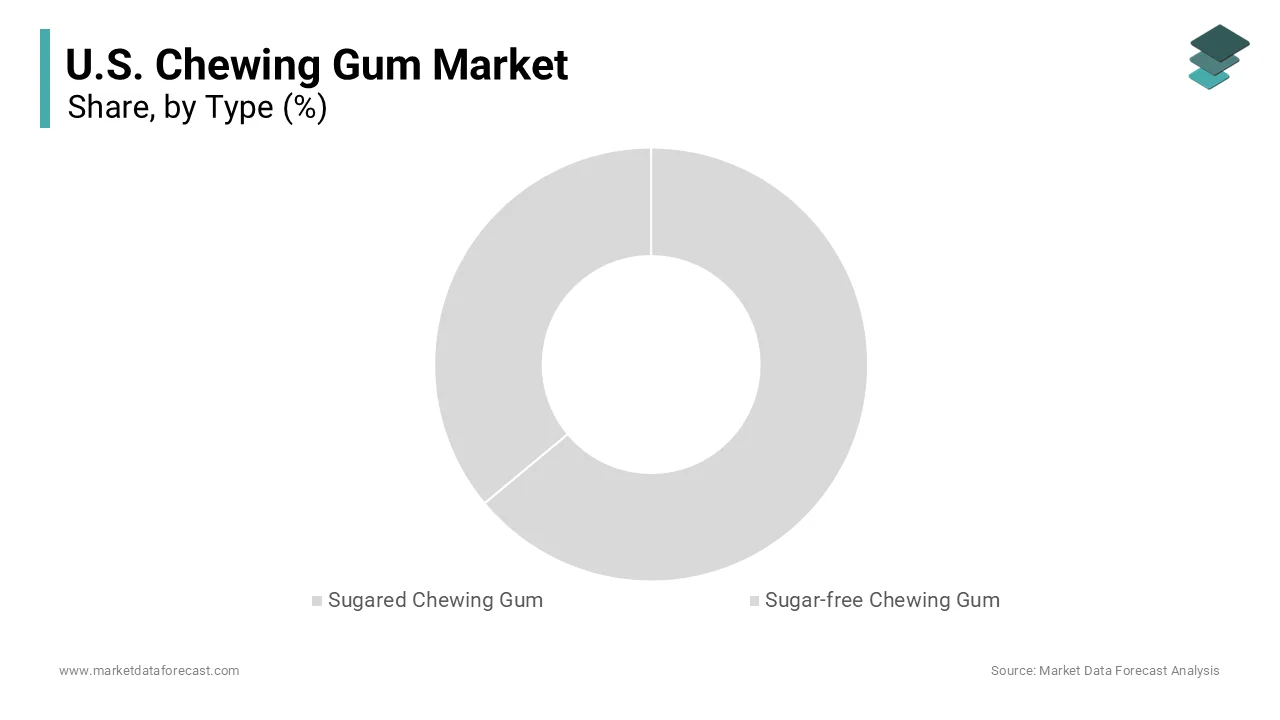
The sugar free chewing gum segment is expected to witness a fastest CAGR of 7.8% from 2026 to 2034. Consumers are increasingly rejecting artificial sweeteners, such as aspartame, in favor of natural alternatives like stevia, monk fruit, and xylitol. This shift has prompted manufacturers to reformulate products to meet the demand for transparency and purity. The removal of artificial additives appeals to health conscious parents who purchase gum for children. Brands that highlight plant based ingredients gain a competitive edge in this evolving landscape. The innovation in natural sweetener technology has improved taste profiles, eliminating the bitter aftertaste associated with earlier generations of sugar free gum. This sensory improvement encourages trial and repeat purchases. Regulatory support for natural labeling further boosts consumer confidence. The trend toward whole food ingredients extends to confectionery, driving the expansion of this segment. Companies investing in clean label formulations capture market share from traditional brands. The dynamic nature of consumer preferences ensures continuous innovation and growth in this category.
By Distribution Channel Insights
The convenience stores segment was the largest by holding 55.4% of the United States chewing gum market in 2025 due to the strong impulse purchase behavior associated with the product. Chewing gum is a classic point of sale item, strategically placed near checkout counters to capture spontaneous buys. The high foot traffic and quick transaction nature of these stores make them ideal for gum sales. As per the Bureau of Labor Statistics, Americans visit convenience stores an average of 2 times per week, providing frequent exposure to gum displays. The small size and low price point of gum packs fit perfectly into the convenience store model. Consumers often add gum to their basket while purchasing fuel or snacks. The visibility of gum at the register triggers immediate desire and recall. Retailers maximize shelf space for high turnover items like gum to optimize revenue per square foot. The accessibility of convenience stores in urban and suburban areas ensures broad market reach. The habit of buying gum during daily commutes or breaks reinforces this channel's dominance. The psychological proximity to payment terminals reduces decision time and increases conversion rates.
The online retail segment is esteemed to grow at an anticipated CAGR of 8.3% from 2026 to 2034 with the overall expansion of e commerce and the tendency for bulk purchasing. Consumers increasingly prefer the convenience of home delivery for household essentials including confectionery. Online platforms allow customers to buy gum in multi packs or variety bundles, offering better value per unit. As per Amazon, sales of snack multipacks increased by 25% in 2024, reflecting this trend. The ability to subscribe to regular deliveries ensures consistent supply and reduces shopping effort. Subscription models provide discounts and automation, appealing to busy households. The wide selection available online exceeds physical store limits, allowing consumers to access niche and international brands. The ease of price comparison enables shoppers to find the best deals. The rise of quick commerce services offering delivery within hours further enhances accessibility. Digital marketing and targeted ads drive discovery of new gum products. The convenience of avoiding checkout lines and carrying heavy bags motivates online adoption.
COMPETITIVE LANDSCAPE
The competition in the United States chewing gum market is characterized by intense rivalry among established global confectionery giants and emerging niche brands. Market leaders compete primarily on brand recognition product innovation and sustainability initiatives rather than price alone. The presence of major corporations creates a consolidated environment where scale and marketing power offer significant advantages. However smaller players gain traction by focusing on organic natural and functional attributes that appeal to specific consumer segments. Continuous investment in research and development is essential for companies to introduce novel flavors and health benefiting formulations. Regulatory compliance regarding ingredient safety and labeling serves as a key differentiator in this competitive landscape. Consumers increasingly prefer brands that demonstrate environmental responsibility and transparency in sourcing. The barrier to entry remains moderate due to established distribution networks but high brand loyalty poses challenges for new entrants.
KEY MARKET PLAYERS
Some of the companies that are playing a dominating role in the U.S. chewing gum market are
- Mars Wrigley
- Mondelez International
- Perfetti Van Melle
- The Hershey Company
- Lotte Corporation
- Cloetta AB
- Simply Gum
- Glee Gum
- Peppersmith
- Ferrara Candy Company
Top Players in the Market
- Mars Wrigley Confectionery stands as a dominant force in the United States chewing gum market with its extensive portfolio of iconic brands. The company leverages strong brand equity through products like Extra Orbit and 5 Gum to maintain consumer loyalty. Mars Wrigley recently invested heavily in sustainable packaging initiatives aiming to make all plastic packaging recyclable or reusable. This commitment aligns with growing environmental concerns among American consumers. The company also focuses on innovation by launching new flavors and functional variants such as energy boosting gums. Strategic marketing campaigns emphasize oral health benefits and fresh breath confidence. Mars Wrigley continues to optimize its supply chain to ensure product availability across diverse retail channels. Their active engagement in digital marketing strengthens connections with younger demographics.
- Perfetti Van Melle plays a significant role in the United States chewing gum market through its popular Mentos and Chupa Chups brands. The company focuses on delivering high quality products that combine fun flavors with reliable performance. Perfetti Van Melle recently expanded its manufacturing capabilities in North America to improve distribution efficiency and reduce lead times. This investment supports the growing demand for its sugar free and fruit flavored gum varieties. The company emphasizes creative advertising strategies that resonate with diverse consumer segments including families and young adults. Perfetti Van Melle also prioritizes corporate social responsibility by supporting community initiatives and environmental sustainability projects. Their focus on product differentiation through unique textures and long lasting flavors enhances consumer appeal.
- Mondelez International contributes significantly to the United States chewing gum market with its well known Trident and Dentyne brands. The company focuses on health conscious innovations by offering sugar free options enriched with xylitol for oral care benefits. Mondelez recently launched new product lines featuring natural ingredients and reduced artificial additives to meet evolving consumer preferences. The company invests in advanced manufacturing technologies to enhance product quality and consistency. Strategic partnerships with retailers ensure prominent shelf placement and visibility in key distribution channels. Mondelez also engages in targeted digital marketing campaigns to reach health aware consumers and promote the benefits of sugar free gum. Their commitment to sustainability includes sourcing responsible raw materials and reducing carbon footprint.
Top Strategies Used by Key Market Participants
Key players in the United States chewing gum market primarily focus on product innovation and sustainability to maintain competitive advantages. Companies invest in research and development to create sugar free and functional gums that appeal to health conscious consumers. Launching new flavors and formats such as liquid filled centers attracts diverse demographic groups. Manufacturers also prioritize eco friendly packaging solutions to address environmental concerns and meet regulatory standards. Expanding distribution networks through online retail platforms enhances accessibility and convenience for shoppers. Strategic marketing campaigns emphasize oral health benefits and lifestyle alignment to build brand loyalty. Partnerships with dental professionals and health organizations validate product claims and boost credibility. These combined strategies enable market participants to adapt to changing consumer preferences and strengthen their overall market presence effectively.
MARKET SEGMENTATION
This research report on the U.S. chewing gum market is segmented and sub-segmented into the following categories.
By Type
- Sugared Chewing Gum
- Sugar-free Chewing Gum
By Distribution Channel
- Supermarkets/Hypermarkets
- Convenience Stores
- Specialty Stores
- Online Retail
By Country
- California
- Washington
- Oregon
- New York
- Rest of the United States