U.S. Sports Nutrition Market Size, Share, Trends & Growth Forecast Report By Product Type, Source, Distribution Channel, and By Country (California, Washington, Oregon, New York & Rest of the United States) – Industry Analysis and Forecast, 2026 to 2034
Market Size, 2025
$18.34 BnMarket Estimate, 2026
$19.68 BnMarket Forecast, 2034
$34.53 BnCAGR, 2026–2034
7.28%U.S. Sports Nutrition Market Report Summary
The U.S. sports nutrition market was valued at USD 18.34 billion in 2025, is estimated to reach USD 19.68 billion in 2026, and is projected to reach USD 34.53 billion by 2034, growing at a CAGR of 7.28% during the forecast period. Market growth is driven by increasing health and fitness awareness, rising participation in sports and gym activities, and growing demand for protein rich nutritional products. Sports nutrition products are widely consumed for muscle recovery, performance enhancement, endurance support, and overall wellness. The increasing popularity of active lifestyles, personalized nutrition, and functional dietary supplements is further supporting strong market expansion across the United States.
Key Market Trends
- Rising consumer focus on fitness, wellness, and active lifestyles is driving market growth.
- Increasing demand for protein rich and performance enhancing nutrition products is boosting market expansion.
- Growing participation in gym workouts, sports activities, and recreational fitness programs is supporting product demand.
- Expansion of retail and e commerce distribution channels is enhancing product accessibility.
- Innovation in clean label, functional, and personalized sports nutrition products is influencing market development.
Segmental Insights
- Based on product type, the sports protein products segment accounted for the largest share of the U.S. sports nutrition market in 2025. This dominance is attributed to strong demand for protein powders, bars, and ready to drink beverages for muscle recovery and performance support.
- Based on source, the animal based proteins segment held the leading share of the U.S. sports nutrition market in 2025, driven by high consumer preference for whey and casein protein products.
- Based on distribution channel, the supermarkets and hypermarkets segment accounted for the dominant share of the U.S. sports nutrition market in 2025, supported by extensive retail presence and increasing shelf availability of sports nutrition products.
Regional Insights
- The U.S. sports nutrition market is expected to maintain strong growth during the forecast period, supported by increasing investment in product innovation, rising consumer education regarding fitness nutrition, and expanding demand for functional health products. The country continues to lead the global sports nutrition industry through advanced research and strong brand presence.
Competitive Landscape
The U.S. sports nutrition market is highly competitive, with key players focusing on protein innovation, clean label formulations, and expansion of functional nutrition portfolios to strengthen their market position. Companies are investing in ready to drink beverages, sports supplements, and performance nutrition research. Prominent players in the U.S. sports nutrition market include Abbott Laboratories, Clif Bar and Co., Glanbia plc, GNC Holdings LLC, GoodSport Nutrition, Hormel Foods Corp., Ingredion Inc., Iovate Health Sciences International Inc., Mondelez International Inc., Nestle SA, NOW Foods, Nutra Solutions USA, Nutrisport Pharmacal Inc., PepsiCo Inc., Post Holdings Inc., Quest Nutrition and Athletics, SDC Nutrition Inc., The Coca Cola Co., Twinlab Consolidated Holdings Inc., and Woodbolt Distribution LLC.
U.S. Sports Nutrition Market Size
The U.S. sports nutrition market size was valued at USD 18.34 billion in 2025, is estimated to reach USD 19.68 billion in 2026, and is projected to reach USD 34.53 billion by 2034, growing at a CAGR of 7.28% from 2026 to 2034.
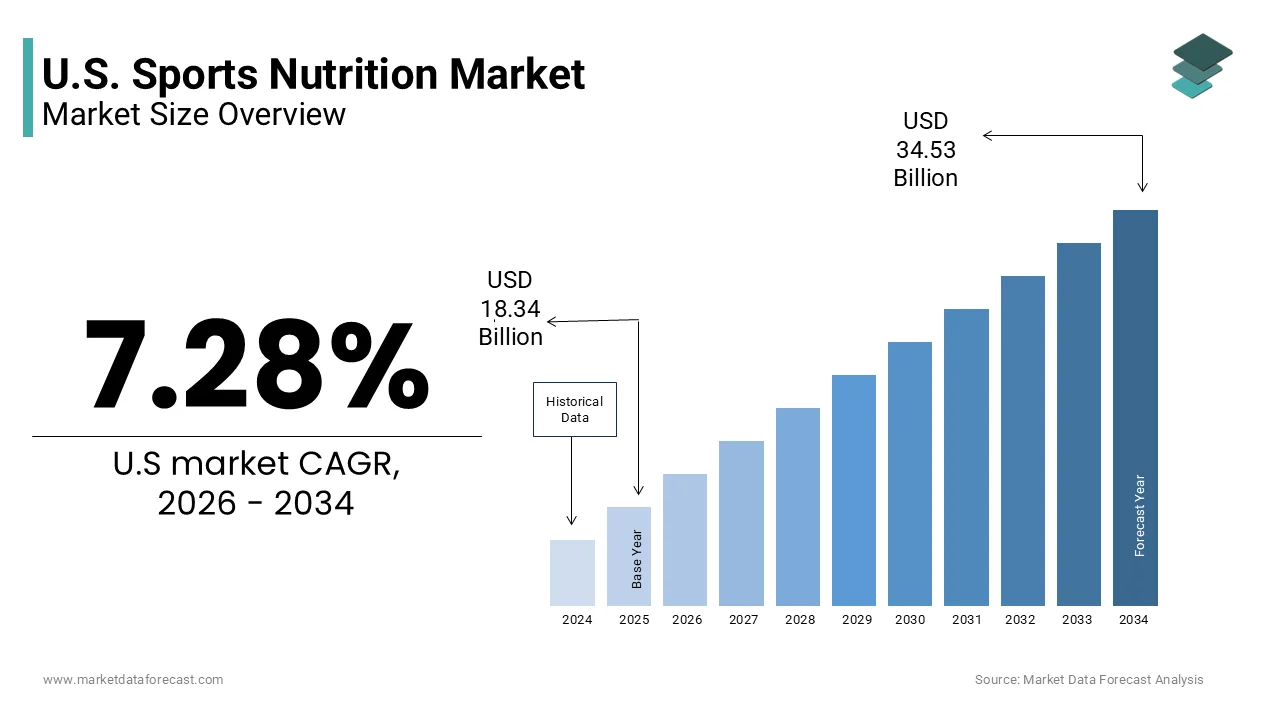
The U.S. is likely to see continued growth in its health and fitness sectors over the next few years as consumers prioritize proactive wellness and performance optimization. According to the Centers for Disease Control and Prevention, approximately 24% of American adults meet the recommended guidelines for both aerobic and muscle-strengthening physical activity, creating a substantial base of potential consumers for performance enhancing nutrition. The landscape is characterized by a shift toward clean label ingredients and transparent sourcing, driven by increased consumer awareness of health and safety. According to the National Institutes of Health, the use of dietary supplements among adults in the U.S. remains high, with a significant portion utilizing them for muscle building and energy enhancement. Regulatory oversight by the Food and Drug Administration ensures product safety while allowing for innovation in formulation. The market operates within a dynamic environment where scientific advancements in nutrition science directly influence product development. Consumer preferences are increasingly leaning toward plant based options and personalized nutrition solutions, reflecting broader trends in the health and wellness industry. This sector continues to evolve as manufacturers address the diverse needs of a growing population engaged in regular physical activity.
MARKET DRIVERS
Rising Participation in Fitness and Recreational Sports
The escalating participation in fitness activities and recreational sports is majorly fuelling the growth of the U.S. sports nutrition market. An increasing number of individuals are engaging in regular exercise routines such as running, cycling, weightlifting, and high intensity interval training to maintain health and improve physical appearance. As per the Physical Activity Council, over 242 million Americans participated in at least one sport or fitness activity in recent years, indicating a robust culture of active living. This widespread engagement creates a consistent demand for nutritional support to fuel workouts and aid in post exercise recovery. Consumers recognize the importance of proper nutrition in achieving fitness goals, leading to higher adoption rates of protein supplements and energy boosters. According to industry surveys, a significant majority of gym goers report using sports nutrition products to enhance their performance and accelerate muscle repair. The proliferation of fitness centers, crossfit boxes, and yoga studios further reinforces this trend by providing communities that prioritize health and wellness. Social media platforms also play a crucial role in promoting fitness lifestyles, influencing consumers to adopt similar habits and purchase related products. The normalization of sports nutrition as part of a daily routine rather than just for elite athletes broadens the market appeal. This cultural shift toward active living ensures sustained growth in demand for diverse sports nutrition offerings across various demographic segments.
Growing Awareness of Protein Intake and Muscle Recovery
The rising awareness regarding the critical role of protein intake and muscle recovery in overall health is further contributing to the U.S. sports nutrition market expansion. Consumers are increasingly educated about the benefits of adequate protein consumption for maintaining lean muscle mass, supporting metabolic health, and preventing age related muscle loss. As per the Dietary Guidelines for Americans, protein is recognized as an essential nutrient that requires careful attention in daily diets, particularly for active individuals. This knowledge drives the demand for convenient and high quality protein sources such as whey, casein, and plant based powders. According to nutritional studies, about 40% of Americans fail to meet their daily protein requirements through food alone, creating a gap that sports nutrition products effectively fill. The emphasis on recovery has also gained traction, with consumers seeking products containing branched chain amino acids and electrolytes to reduce soreness and improve subsequent performance. Health professionals and fitness trainers actively recommend these supplements, lending credibility and encouraging adoption. The perception of sports nutrition as a tool for longevity and healthy aging appeals to older demographics who are increasingly joining gyms. This broadening of the target audience beyond young athletes to include middle aged and senior citizens expands the market potential. The continuous dissemination of scientific evidence supporting the efficacy of these products reinforces consumer confidence and drives repeat purchases.
MARKET RESTRAINTS
Regulatory Ambiguity and Safety Concerns
Regulatory ambiguity and ongoing safety concerns are impeding the growth of the U.S. sports nutrition market. Unlike pharmaceuticals, dietary supplements are not subject to rigorous pre-market approval by the Food and Drug Administration, leading to variability in product quality and purity. As per the Government Accountability Office, previous investigations found that several dietary supplements contained undeclared pharmaceutical ingredients or heavy metals, raising alarms among consumers and healthcare providers. This lack of strict oversight creates skepticism regarding the safety and efficacy of sports nutrition products. High profile cases of adverse effects linked to certain pre workout formulas and weight loss supplements have further eroded trust. According to poison control center data, approximately 23,000 emergency department visits related to dietary supplements occur annually, highlighting potential risks. The complexity of labeling regulations allows for misleading claims that can confuse consumers about the actual benefits and risks of products. Manufacturers face challenges in distinguishing their brands in a market plagued by counterfeit and substandard items. The fear of legal liability and reputational damage prompts some retailers to limit their assortments or impose strict vendor requirements. These regulatory gaps necessitate greater consumer diligence and third party testing, which can increase costs and complicate purchasing decisions. Until more stringent federal regulations are implemented, safety concerns will continue to hinder market growth and consumer confidence.
High Product Costs and Economic Sensitivity
The high cost of premium sports nutrition products is another major restraint, which is limiting accessibility for price sensitive consumers. Quality ingredients such as isolate proteins, organic compounds, and specialized amino acids command higher prices, resulting in retail products that are often expensive compared to conventional food items. As per the Bureau of Labor Statistics, the Consumer Price Index for all urban consumers rose by 3.4% over the 12 months ending in April 2024, causing households to prioritize essential expenditures over discretionary items like supplements. For many individuals, especially students and young adults who form a significant part of the fitness community, the recurring expense of sports nutrition can be prohibitive. According to consumer spending data, economic downturns often lead to reduced purchases of non essential health products as buyers seek cheaper alternatives or discontinue use altogether. The perception of sports nutrition as a luxury item rather than a necessity makes it vulnerable to budget cuts. Private label and generic brands offer lower priced options but may suffer from perceived lower quality, creating a dilemma for value conscious shoppers. The lack of insurance coverage for dietary supplements further exacerbates the financial burden. Manufacturers struggle to balance quality and affordability, often facing margin pressures when attempting to lower prices. This economic sensitivity restricts market penetration among lower income demographics and limits the frequency of purchase among existing users, thereby constraining overall market expansion.
MARKET OPPORTUNITIES
Expansion into Plant Based and Clean Label Products
The expansion into plant-based and clean-label sports nutrition products is a potential opportunity for the U.S. sports nutrition market. A growing segment of the population is adopting vegan or vegetarian diets due to ethical, environmental, and health reasons, driving demand for non-dairy protein sources such as pea, rice, and hemp. As per the Plant Based Foods Association, 70% of U.S. households purchased plant based foods in 2022, indicating a strong market readiness for vegan sports nutrition options. Consumers are increasingly scrutinizing ingredient lists, seeking products free from artificial sweeteners, colors, and preservatives. This trend toward clean labeling appeals to health conscious buyers who prioritize natural and minimally processed ingredients. According to market research, brands that emphasize organic certification and non-genetically modified organism status gain a competitive edge and foster brand loyalty. The development of innovative plant based formulations that match the taste and texture of traditional whey products addresses previous barriers to adoption. Manufacturers can leverage this opportunity by launching dedicated lines that cater to these specific dietary needs. Marketing campaigns that highlight the environmental benefits of plant based production further resonate with eco conscious consumers. By tapping into this expanding niche, companies can diversify their portfolios and capture a dedicated customer base willing to pay a premium for ethical and healthy options.
Integration of Personalized Nutrition and Digital Health
The integration of personalized nutrition with digital health technologies offers a significant opportunity for the sports nutrition market expansion in the U.S. Advances in wearable technology and mobile applications allow for the tracking of individual health metrics such as heart rate, sleep patterns, and activity levels. As per the Consumer Technology Association, the U.S. health and fitness tech market reached 13 billion dollars in revenue recently, providing a wealth of data that can inform personalized supplement recommendations. Companies can leverage this data to create customized nutrition plans that address specific user needs and goals, enhancing the efficacy of their products. According to health tech trends, consumers are increasingly interested in precision nutrition that adapts to their changing physiological states. Subscription based models that deliver personalized supplement packs based on real time data foster long term customer relationships and recurring revenue. Collaborations between sports nutrition brands and health apps enable seamless integration of product usage with fitness tracking. This holistic approach positions sports nutrition as an integral part of a comprehensive wellness strategy rather than an isolated purchase. The ability to provide tailored solutions increases customer satisfaction and retention. By embracing digital innovation, manufacturers can offer value added services that distinguish their brands in a crowded marketplace. This synergy between technology and nutrition creates new avenues for growth and consumer loyalty.
MARKET CHALLENGES
Intense Market Saturation and Brand Differentiation
Intense market saturation and the difficulty of brand differentiation are majorly challenging the growth of the U.S. sports nutrition market. The low barriers to entry have resulted in a plethora of brands offering similar products, making it difficult for new and existing players to stand out. As per industry analyses, there are currently over 85,000 dietary supplement products on the U.S. market, leading to consumer confusion and decision fatigue. The prevalence of private label brands from major retailers further intensifies competition by offering comparable quality at lower prices. According to retail data, shelf space is highly contested, requiring significant marketing investment to secure visibility and attract attention. Established brands face pressure from agile startups that quickly adapt to trending ingredients and flavors, disrupting traditional market dynamics. The reliance on influencer marketing and social media endorsements has become costly and less effective as consumers become skeptical of paid promotions. Differentiating based on scientific efficacy is challenging due to the complex nature of nutritional science and varying individual responses. Manufacturers must continuously innovate in formulation, packaging, and branding to maintain relevance. The risk of brand dilution is high when companies expand too broadly without a clear value proposition. Navigating this crowded landscape requires strategic positioning and substantial resources, posing a persistent challenge for sustainable growth and market share acquisition.
Supply Chain Volatility and Ingredient Sourcing
Supply chain volatility and challenges in sourcing high quality ingredients are further challenging the U.S. sports nutrition market expansion. Many key raw materials such as whey protein, creatine, and exotic botanicals are sourced globally, making them susceptible to geopolitical tensions, trade restrictions, and climate related disruptions. As per the U.S. Department of Agriculture, extreme weather events like droughts in dairy-producing regions have historically caused fluctuations in agricultural output, which lead to shortages and price spikes for essential ingredients. The reliance on single source suppliers for specialized compounds increases vulnerability to supply interruptions. According to logistics reports, transportation bottlenecks and port congestions have historically caused delays in raw material delivery, impacting production schedules. The demand for certified organic and non-genetically modified organism ingredients further complicates sourcing, as the supply of these materials is limited and often more expensive. Manufacturers face the challenge of maintaining consistent product quality and availability amidst these uncertainties. The need to conduct rigorous testing for purity and potency adds time and cost to the procurement process. Any disruption in the supply chain can lead to stockouts and lost sales opportunities, damaging brand reputation. Building resilient supply networks requires significant investment in diversification and inventory management. Addressing these logistical complexities is crucial for ensuring operational stability and meeting consumer demand in a volatile global market.
REPORT COVERAGE
| REPORT METRIC | DETAILS |
| Market Size Available | 2025 to 2034 |
| Base Year | 2025 |
| Forecast Period | 2026 to 2034 |
| CAGR | 7.28% |
| Segments Covered | By Product Type, Source, Distribution Channel, and Region. |
| Various Analyses Covered | Global, Regional and Country-Level Analysis, Segment-Level Analysis, Drivers, Restraints, Opportunities, Challenges; PESTLE Analysis; Porter’s Five Forces Analysis, Competitive Landscape, Analyst Overview of Investment Opportunities |
| Countries Covered | California, Washington, Oregon, New York, United States |
| Market Leaders Profiled | Abbott Laboratories, Clif Bar and Co., Glanbia plc, GNC Holdings LLC, GoodSport Nutrition, Hormel Foods Corp., Ingredion Inc., Iovate Health Sciences International Inc., Mondelez International Inc., Nestle SA, NOW Foods, Nutra Solutions USA, Nutrisport Pharmacal Inc., PepsiCo Inc., Post Holdings Inc., Quest Nutrition and Athletics, SDC Nutrition Inc., The Coca Cola Co., Twinlab Consolidated Holdings Inc., and Woodbolt Distribution LLC. |
SEGMENTAL ANALYSIS
By Product Type Insights
The sports protein products segment dominated the market by capturing the highest share of the U.S. sports nutrition market in 2025. The domination of sports protein products segment in the U.S. market is attributed to their established scientific validation as essential components for muscle recovery and hypertrophy following physical exertion. Protein provides the necessary amino acids required to repair micro tears in muscle tissue caused by resistance training and endurance activities. As per the American College of Sports Medicine, athletes should consume 1.2 to 2.0 grams of protein per kilogram of body weight daily to maximize adaptation to training stimuli and prevent muscle catabolism. The widespread acceptance of protein supplementation among fitness enthusiasts stems from its proven efficacy in enhancing strength gains and body composition. According to nutritional surveys, a significant majority of regular gym goers prioritize protein consumption immediately post workout, creating a habitual demand for convenient sources such as powders and bars. The versatility of protein products allows them to be integrated into various dietary regimes, from bulking to cutting phases. The perception of protein as the most important macronutrient for athletic performance reinforces its market leadership. Manufacturers have capitalized on this by offering diverse formulations that cater to specific timing needs, such as fast absorbing whey for immediate recovery or slow releasing casein for overnight repair. This deep rooted understanding of physiological needs ensures that protein products remain the cornerstone of the sports nutrition industry, driving consistent and high volume sales across all consumer segments.
On the other end, the sports non-protein products segment is estimated to witness a CAGR of 8.4% during the forecast period in the U.S. market owing to the surging demand for pre workout supplements that enhance energy, focus, and endurance during training sessions. Consumers are increasingly seeking competitive edges to maximize the intensity and duration of their workouts. As per industry trends, ingredients such as caffeine, beta alanine, and citrulline malate are gaining popularity for their ability to delay fatigue and improve blood flow. The cultural shift toward high intensity training methods such as CrossFit and HIIT has amplified the need for immediate energy boosts. According to consumer behavior studies, a growing number of athletes rely on pre workout formulas to overcome mental barriers and physical sluggishness. The sensory experience of tingling and increased alertness provided by these products creates a psychological association with effective training. Manufacturers are innovating with nootropic ingredients to support cognitive function, appealing to users who value mental clarity alongside physical performance. The expansion of this segment is also driven by the diversification of product formats, including gummies and shots, which offer novel consumption experiences. The desire for optimized performance drives repeat purchases and brand loyalty. As training becomes more specialized, the demand for targeted non protein solutions continues to accelerate, outpacing traditional protein categories.
By Source Insights
The animal based proteins segment had the largest share of the U.S. sports nutrition market in 2025. The growth of the animal-based protein segment in the U.S. market can be credited to their superior bioavailability and complete amino acid profile, which are essential for optimal muscle synthesis. Whey protein, in particular, is rich in leucine, a key trigger for muscle protein synthesis. As per the Journal of the International Society of Sports Nutrition, whey protein has been shown to result in greater muscle protein synthesis than soy or casein both at rest and after resistance exercise. This scientific advantage has established animal proteins as the gold standard in sports nutrition for decades. Athletes and bodybuilders prefer these sources due to their proven track record in supporting muscle growth and repair. According to clinical studies, the digestibility corrected amino acid score of whey protein is higher than that of most plant sources, ensuring that the body utilizes a greater percentage of the ingested protein. The familiarity and trust in animal based ingredients among consumers reinforce their market leadership. The extensive research backing the efficacy of dairy proteins provides confidence to both users and healthcare professionals. The consistency in quality and performance of animal based products makes them the default choice for serious athletes. This physiological superiority ensures that animal based proteins remain the dominant source in the market despite the rise of alternatives.
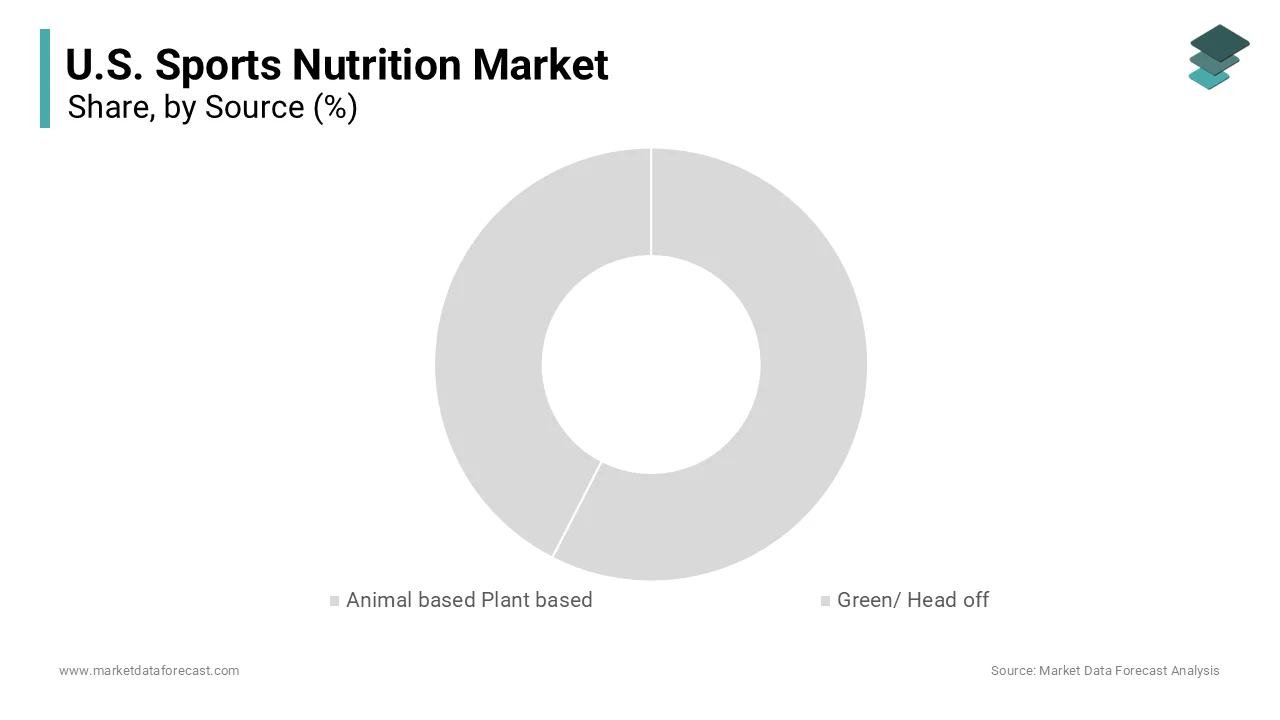
However, the plant-based proteins segment is estimated to showcase a CAGR of 10.4% during the forecast period in the U.S. market owing to the growing ethical and environmental sustainability concerns among consumers. Individuals are increasingly aware of the environmental impact of animal agriculture, including greenhouse gas emissions and water usage. As per the Environmental Protection Agency, the agricultural sector is responsible for 10% of total U.S. greenhouse gas emissions, prompting many to seek eco-friendly alternatives. Plant-based proteins such as pea, rice, and hemp require fewer resources and generate lower carbon footprints. According to consumer surveys, a substantial portion of millennials and Generation Z prioritize sustainability in their purchasing decisions, favoring brands that align with their values. The ethical treatment of animals also drives the shift toward vegan diets, expanding the addressable market for plant based sports nutrition. Manufacturers are leveraging this trend by highlighting the sustainable sourcing and clean production methods of their products. Certifications such as organic and non-genetically modified organism further enhance appeal to environmentally conscious buyers. The narrative of contributing to planetary health through dietary choices resonates strongly with modern consumers. This moral imperative drives adoption and loyalty, which is ensuring that plant based proteins, continue to gain market share. The alignment with global sustainability goals positions this segment for long term growth.
By Distribution Channel Insights
The supermarkets and hypermarkets segment held the leading share of the U.S. sports nutrition market in 2025. The growth of the supermarkets and hypermarkets segment in the U.S. market can be credited to the widespread accessibility and one stop shopping convenience offered by these retail formats and the mass market accessibility and the potential for impulse purchases among general consumers. As per the Food Marketing Institute, 84% of consumers shop at a traditional supermarket at least once a week, providing high foot traffic and exposure for sports nutrition products. The placement of protein bars and ready to drink shakes in checkout aisles and snack sections captures casual buyers who may not visit specialty stores. According to retail analytics, the visibility of sports nutrition items alongside conventional snacks normalizes their consumption and encourages trial. The convenience of purchasing these products during routine grocery trips saves time and effort for busy shoppers. Supermarkets offer a wide variety of brands and price points, catering to diverse budgets and preferences. The trust consumers place in established grocery chains extends to the products sold there, reducing perceived risk. Promotional displays and seasonal offers further drive sales volume. The integration of sports nutrition into the mainstream grocery experience expands the customer base beyond dedicated athletes. This broad reach ensures that supermarkets remain the primary channel for volume sales. The ease of access and familiar shopping environment sustain the leading position of this distribution channel.
The online retail stores segment is predicted to showcase a CAGR of 11.4% during the forecast period in the U.S. market owing to the convenience of home delivery and the popularity of subscription services for recurring purchases. Consumers appreciate the ability to order heavy protein containers and supplements online and have them delivered to their doorstep. As per the U.S. Census Bureau, e-commerce sales in the first quarter of 2024 accounted for 15.9% of total sales, with health and personal care categories seeing significant uptake. Subscription models allow users to automate replenishment, ensuring a steady supply without manual reordering. This model is particularly appealing to busy professionals and athletes who value time saving solutions. According to market data, subscribers exhibit higher lifetime value and lower churn rates compared to one time buyers. The flexibility to modify or pause subscriptions adds to the appeal, accommodating changing consumption patterns. The integration of mobile apps facilitates easy management and tracking of orders, enhancing the user experience. Competitive pricing and exclusive online discounts further incentivize digital purchases. As digital literacy increases and logistics improve, the convenience of online retail continues to drive its rapid growth.
COUNTRY LEVEL ANALYSIS
The U.S. is likely to maintain its global leadership in the sports nutrition market over the next few years through continued investment in research and development and consumer education. As the largest and most mature market globally, the country exhibits high consumption rates and a sophisticated consumer base. The market status is characterized by intense competition, rapid innovation, and a strong culture of fitness and wellness. The U.S. market is fundamentally driven by high fitness participation rates and a pervasive culture of health consciousness. As per the Physical Activity Council, over 77% of Americans age 6 and older participated in at least one outdoor or indoor activity recently, creating a substantial demand for performance enhancing nutrition. The societal emphasis on physical appearance and athletic achievement encourages the use of supplements to optimize results. According to the Centers for Disease Control and Prevention, the high prevalence of chronic diseases has prompted individuals to adopt proactive health measures, including proper nutrition and supplementation. The widespread availability of gyms and fitness centers supports this active lifestyle. The influence of social media and celebrity endorsements further promotes the use of sports nutrition products. This cultural backdrop ensures that the U.S. remains the primary driver of innovation and consumption in the region. The continuous engagement of consumers in fitness activities sustains market growth and stability.
COMPETITIVE LANDSCAPE
The competitive landscape of the U.S. sports nutrition market is characterized by intense rivalry among established multinational corporations and agile niche brands. Incumbent players leverage strong brand equity extensive distribution networks and substantial research capabilities to maintain dominance. However the market is becoming increasingly fragmented as new entrants introduce specialized products targeting specific dietary needs such as vegan keto or allergen free options. Competition is driven by innovation in formulation taste and delivery formats including ready to drink shakes and functional gummies. Price competition remains fierce in the mass market segment while premium brands differentiate through quality transparency and sustainability credentials. Regulatory compliance and third party testing are critical factors influencing consumer trust and brand reputation. Digital marketing and social media influence play significant roles in shaping consumer preferences and driving sales. The rise of private label offerings from major retailers adds pressure on branded manufacturers to justify premium pricing. Overall the market favors companies that can balance scientific rigor with agile marketing and supply chain efficiency to meet diverse consumer needs.
KEY MARKET PLAYERS
Some of the companies that are playing a dominating role in the U.S. sports nutrition market are
- Abbott Laboratories
- Clif Bar and Co.
- Glanbia plc
- GNC Holdings LLC
- GoodSport Nutrition
- Hormel Foods Corp.
- Ingredion Inc.
- Iovate Health Sciences International Inc.
- Mondelez International Inc.
- Nestle SA
- NOW Foods
- Nutra Solutions USA
- Nutrisport Pharmacal Inc.
- PepsiCo Inc.
- Post Holdings Inc.
- Quest Nutrition and Athletics
- SDC Nutrition Inc.
- The Coca Cola Co.
- Twinlab Consolidated Holdings Inc.
- Woodbolt Distribution LLC
Top Players in the US Market
- Glanbia plc maintains a formidable presence in the U.S. sports nutrition market through its Optimum Nutrition and Isopure brands. The company leverages its global supply chain expertise to ensure consistent quality and availability of premium protein products. Recent strategic initiatives include expanding manufacturing capabilities in North America to reduce lead times and enhance product freshness. Glanbia has also invested heavily in digital marketing campaigns targeting fitness enthusiasts on social media platforms. The corporation focuses on innovation by launching clean label variants that appeal to health conscious consumers seeking transparency. By strengthening relationships with key retail partners and e commerce platforms Glanbia ensures broad distribution. These efforts aim to solidify brand loyalty and capture new demographics interested in high performance nutrition solutions while maintaining operational efficiency and sustainable sourcing practices.
- Post Holdings Inc contributes significantly to the market via its BodyArmor sports drink brand which has gained substantial traction among athletes and active individuals. The company focuses on providing hydration solutions with natural ingredients and electrolytes to support performance. Recent actions involve expanding production capacity to meet surging demand and securing long term contracts with major retail chains. Post Holdings has enhanced its marketing efforts by partnering with professional sports leagues and high profile athletes to boost brand visibility. The organization emphasizes sustainability by using recyclable packaging and promoting environmental responsibility. By leveraging its extensive distribution network Post Holdings ensures widespread availability in convenience stores and supermarkets. These strategies enable the company to compete effectively against established beverage giants while capturing market share in the rapidly growing hydration segment.
- Nestlé S.A. plays a pivotal role in the U.S. sports nutrition sector through its Vital Proteins and Pure Protein brands. The company capitalizes on the growing trend of wellness and functional nutrition by offering collagen peptides and protein bars. Recent strategic moves include acquiring innovative startups to diversify its product portfolio and enhance technological capabilities. Nestlé has invested in research and development to create personalized nutrition solutions tailored to individual health goals. The corporation focuses on expanding its direct to consumer channels to build stronger customer relationships. By integrating sports nutrition into its broader health science division Nestlé leverages scientific expertise to validate product efficacy. These initiatives strengthen its market position by appealing to consumers who prioritize evidence based wellness and convenient nutritional support in their daily lives.
Top Strategies Used by Key Market Participants
Key players in the U.S. sports nutrition market primarily employ product innovation and digital engagement strategies to sustain growth. Companies are increasingly launching clean label and plant based options to cater to health conscious consumers seeking transparency and sustainability. This differentiation allows brands to command premium prices and foster loyalty. Another major strategy involves expanding direct to consumer channels through subscription models that ensure recurring revenue and enhance customer retention. Manufacturers invest in influencer marketing and social media campaigns to reach younger demographics and build community. Strategic partnerships with fitness apps and wearable technology providers enable personalized nutrition recommendations. Supply chain optimization and vertical integration help reduce costs and ensure product quality. By balancing scientific credibility with modern marketing techniques key participants strengthen their market positions and adapt to evolving consumer preferences effectively.
MARKET SEGMENTATION
This research report on the U.S. sports nutrition market is segmented and sub-segmented into the following categories.
By Product Type
- Sports Protein Products
- Powder
- Whey And Casein Powder
- Plant based Protein Powder
- Other Sports Protein Powder
- Protein Ready to Drink
- Protein /Energy Bars
- Powder
- Sports Non Protein Products
- Energy Gels
- BCAA Powder
- Creatine Powder
- Other Sports Non Protein Products
By Source
- Animal based
- Plant based
By Distribution Channel
- Supermarkets/Hypermarkets
- Pharmacy/Health Stores
- Online Retail Stores
- Other Distribution Channels
By Country
- California
- Washington
- Oregon
- New York
- Rest of the United States
Frequently Asked Questions
1.What is driving the growth of the U.S. sports nutrition market?
The growth of the U.S. sports nutrition market is driven by increasing health awareness, rising participation in fitness activities, and growing demand for performance enhancing nutritional products.
2.What are sports nutrition products?
Sports nutrition products are dietary supplements and functional foods designed to improve athletic performance, recovery, muscle growth, and overall fitness.
3.Which product types are popular in the U.S. sports nutrition market?
Popular product types include protein powders, ready to drink protein beverages, protein bars, BCAA powders, creatine powders, and energy gels.
4.Why are protein supplements widely consumed in the United States?
Protein supplements are widely consumed because they support muscle recovery, improve strength, and help maintain active lifestyles.
5.What are the major sources used in sports nutrition products?
The major sources used in sports nutrition products are animal based ingredients and plant based ingredients.
6.How is plant based sports nutrition gaining popularity?
Plant based sports nutrition is gaining popularity due to increasing vegan preferences, clean label demand, and growing awareness about sustainable nutrition.
7.Which distribution channels play a major role in the market?
Supermarkets, hypermarkets, pharmacy and health stores, online retail stores, and other distribution channels play a major role in the market.
8.How does e commerce influence the U.S. sports nutrition market?
E commerce increases product accessibility, offers wider product variety, and supports direct to consumer sales growth.
9.What challenges affect the U.S. sports nutrition market?
The market faces challenges such as strict regulatory standards, fluctuating raw material costs, and intense market competition.
10.Who are the major consumers of sports nutrition products?
Major consumers include athletes, bodybuilders, fitness enthusiasts, and individuals focused on weight management and healthy living.
Related Reports
Access the study in MULTIPLE FORMATS
Purchase options starting from
$ 1200
Didn’t find what you’re looking for?
TALK TO OUR ANALYST TEAM
Need something within your budget?
NO WORRIES! WE GOT YOU COVERED!
Call us on: +1 888 702 9696 (U.S Toll Free)
Write to us: sales@marketdataforecast.com