- Product Description Description
- Table of Contents TOC
- List of Table & Figure LOT
- Get Free Sample PDF Sample PDF
Market Size, 2025
$161 MnMarket Estimate, 2026
$173 MnMarket Forecast, 2034
$313 MnCAGR, 2026–2034
7.67%Asia Pacific Prenatal Vitamins Supplements Market Report Summary
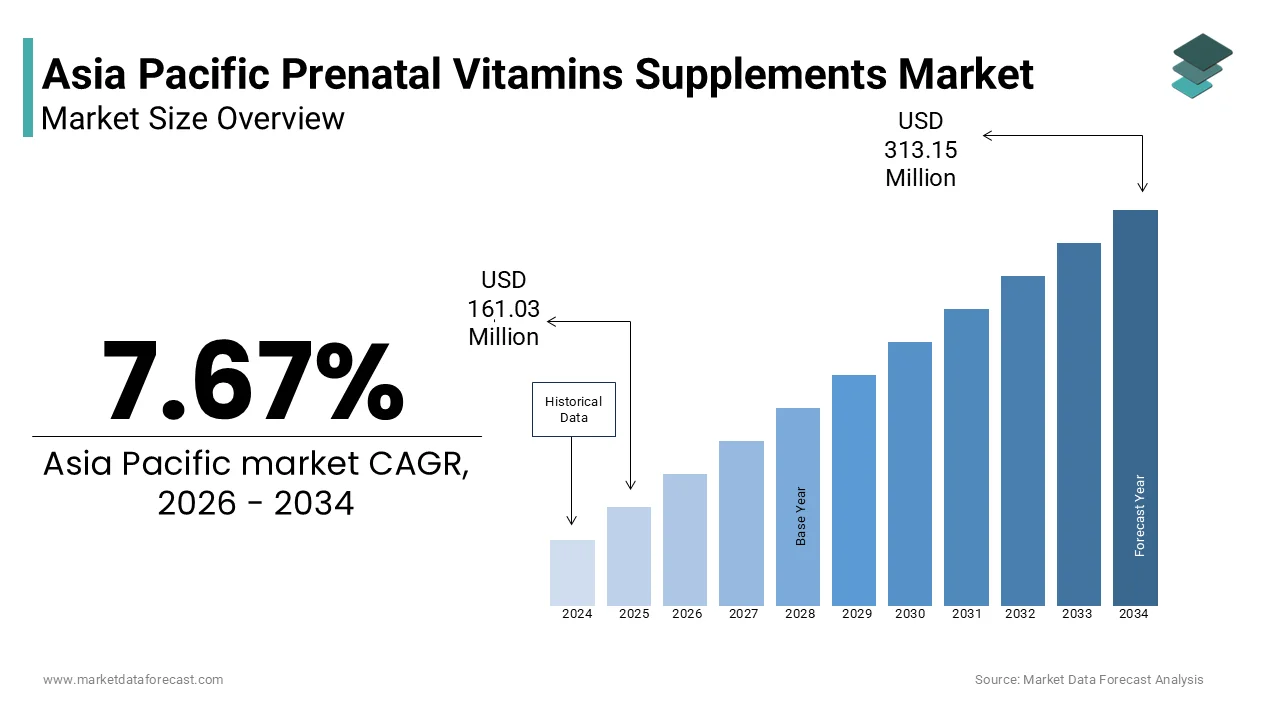
The Asia Pacific prenatal vitamins supplements market was valued at USD 161.03 million in 2025, is estimated to reach USD 173.38 million in 2026, and is projected to reach USD 313.15 million by 2034, growing at a CAGR of 7.67% during the forecast period. Market growth is driven by increasing awareness of maternal health, rising birth rates in key countries, and growing demand for nutritional supplementation during pregnancy. Prenatal vitamins are widely used to support fetal development and maternal well being. The expansion of healthcare access and growing focus on preventive care are further supporting steady market growth across Asia Pacific.
Key Market Trends
- Rising awareness of maternal and fetal health is driving market growth.
- Increasing adoption of prenatal supplements is boosting demand.
- Growing expansion of retail distribution channels is supporting market development.
- Rising healthcare access and medical guidance is enhancing product usage.
- Innovation in supplement formulations is improving product effectiveness.
Segmental Insights
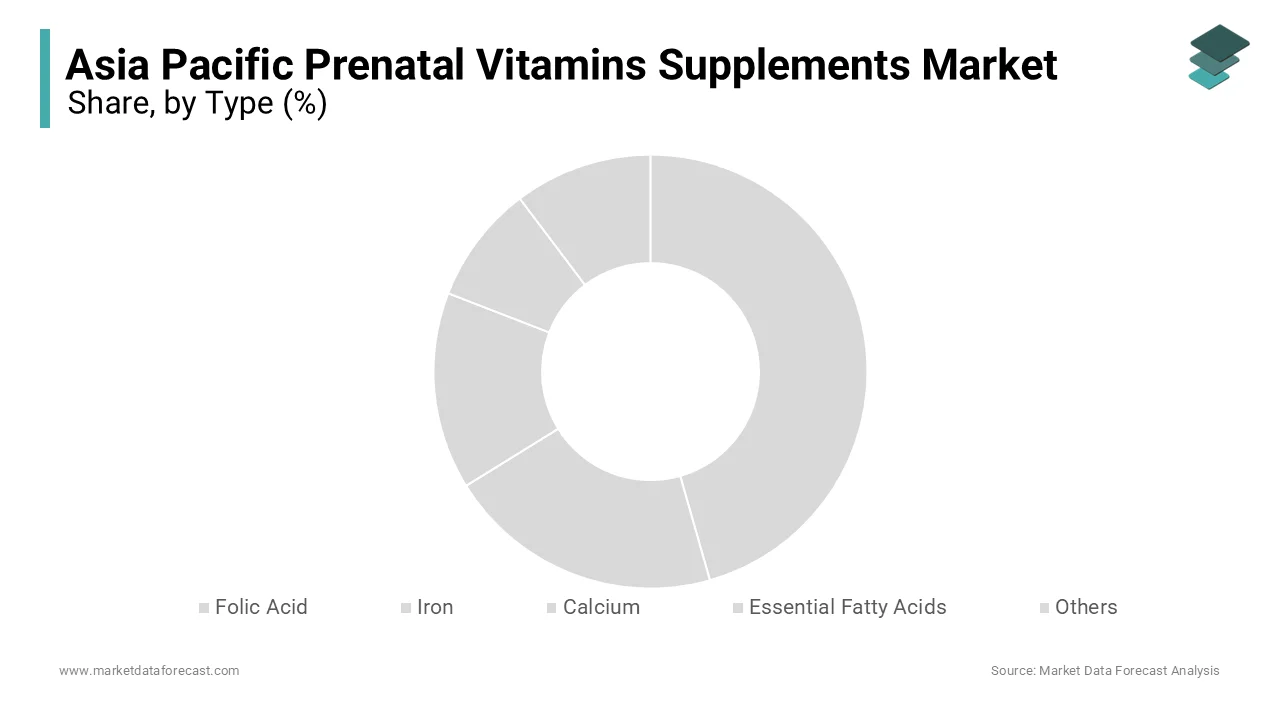
- Based on type, the folic acid segment held 36.3% of the Asia Pacific prenatal vitamins supplements market share in 2025. This dominance is attributed to its critical role in preventing neural tube defects and supporting fetal development.
- Based on sales channel, the retail segment accounted for 54.6% of the Asia Pacific prenatal vitamins supplements market share in 2025, driven by widespread availability and consumer accessibility.
Regional Insights
- The Asia Pacific prenatal vitamins supplements market is experiencing steady growth across key countries, supported by increasing healthcare awareness and consumption trends.
- China was the largest contributor in 2025, driven by large population, improving healthcare infrastructure, and rising demand for maternal nutrition products.
Competitive Landscape
The Asia Pacific prenatal vitamins supplements market is moderately competitive, with key players focusing on product quality, formulation innovation, and expansion of distribution networks to strengthen their market position. Companies are investing in advanced nutritional formulations, branding, and healthcare partnerships. Prominent players in the Asia Pacific prenatal vitamins supplements market include Church and Dwight Co Inc, Country Life, Garden of Life, Rainbow Light, Biotics Research Corporation, MegaFood, Metagenics, Nutramark, New Chapter, Pharmavite, and Twinlab.
Asia Pacific Prenatal Vitamins Supplements Market Size
The Asia Pacific market size was valued at USD 161.03 million in 2025, and the market size is expected to reach USD 313.15 million by 2034 from USD 173.38 million in 2026. The market's promising CAGR for the predicted period is 7.67%.
The Asia Pacific region is expected to showcase significant progress in its maternal health sector over the next few years, fueled by rising consumer awareness and increasing healthcare accessibility. The Asia Pacific prenatal vitamins supplements market encompasses a specialized category of dietary products formulated to support maternal health and fetal development during pregnancy and lactation. These supplements typically contain essential micronutrients such as folic acid, iron, calcium, and docosahexaenoic acid, which are critical for preventing birth defects and ensuring optimal growth. The region represents a dynamic landscape driven by diverse cultural practices, varying healthcare infrastructures, and rising health consciousness among expectant mothers. According to the United Nations Department of Economic and Social Affairs, the Asia Pacific region is home to approximately 60% of the global population, with significant birth rates in countries like India and Indonesia. According to the World Health Organization, anemia affects nearly 40% of pregnant women globally, with a disproportionate burden in South East Asia due to nutritional deficiencies. In response, governments across the region have intensified public health initiatives promoting micronutrient supplementation. For instance, the Ministry of Health in China has implemented national guidelines recommending folic acid supplementation for all women of childbearing age. As per data from the Asian Development Bank, increasing urbanization and disposable incomes are enabling greater access to premium healthcare products. The shift towards delayed parenthood in developed economies like Japan and Australia further amplifies the demand for high quality prenatal care solutions.
MARKET DRIVERS
Rising Awareness of Maternal Nutrition and Fetal Health
The rising awareness regarding the critical role of maternal nutrition in preventing congenital disorders and ensuring healthy fetal development is primarily driving the growth of the Asia-pacific prenatal vitamins supplements market. Expectant mothers are increasingly educated about the importance of specific nutrients, such as folic acid, in reducing the risk of neural tube defects. According to the World Health Organization, adequate intake of folic acid before conception and during early pregnancy can prevent up to 70% of neural tube defects. This scientific consensus has been widely disseminated through public health campaigns and medical consultations across the region. In countries like India and Thailand, government led awareness programs have significantly improved knowledge levels among rural and urban populations alike. As per surveys conducted by the Australian Institute of Health and Welfare, over 85% of pregnant women now understand the necessity of prenatal supplementation. The proliferation of digital health platforms and mobile applications provides easy access to evidence based information, empowering women to make informed decisions. Healthcare providers routinely prescribe or recommend prenatal vitamins during antenatal visits, reinforcing their importance. The emotional desire to provide the best start for their children motivates women to adhere to supplementation regimens. Consequently, the market benefits from a well-informed consumer base that prioritizes quality and efficacy.
Increasing Disposable Income and Urbanization Trends
The steady rise in disposable income, coupled with rapid urbanization across the Asia Pacific region are further boosting the regional market expansion. As economies grow, middle class families have greater financial capacity to invest in preventive healthcare and premium wellness products. According to the Asian Development Bank, the middle class in Asia is expected to reach 1.7 billion people by 2030, representing a substantial consumer base with higher spending power. Urban dwellers typically have better access to modern healthcare facilities, pharmacies, and retail outlets where these supplements are readily available. In cities like Shanghai, Mumbai, and Jakarta, the density of healthcare infrastructure facilitates regular antenatal checkups where doctors recommend specific brands. As per data from the Statistics Korea and the Singapore Department of Statistics, household expenditure on health and personal care has increased by double digits in recent years. This economic shift allows consumers to choose branded and scientifically formulated products over generic alternatives. The convenience of online shopping platforms further enhances accessibility, enabling busy urban professionals to purchase supplements effortlessly. Urban lifestyles often involve higher stress levels and poorer dietary habits, making supplementation a practical solution for nutritional gaps. Retailers capitalize on this trend by offering bundled packages and subscription services. Manufacturers respond by introducing premium formulations with added benefits, such as organic ingredients and enhanced bioavailability.
MARKET RESTRAINTS
Prevalence of Counterfeit and Substandard Products
The widespread presence of counterfeit and substandard prenatal vitamin products are primarily hindering the expansion of the Asia Pacific market, which is eroding consumer trust and posing health risks. In many developing countries within the region, regulatory enforcement is inconsistent, allowing fake products to infiltrate supply chains. According to the World Health Organization, approximately 10% of medical products in low and middle income countries are substandard or falsified. These counterfeit supplements may contain incorrect dosages, harmful contaminants, or no active ingredients at all, leading to potential health complications for pregnant women. Incidents of adverse effects due to poor quality products have been reported in various online forums and news outlets, creating fear among consumers. As per reports from the Central Drugs Standard Control Organisation of India and the National Agency of Drug and Food Control of Indonesia, raids on illegal manufacturing units reveal large quantities of fake vitamins being sold under reputable brand names. The difficulty in distinguishing genuine products from fakes discourages first time buyers and leads to brand switching. Consumers may revert to traditional dietary sources rather than risking supplementation. Regulatory bodies struggle to keep pace with the sophisticated methods used by counterfeiters. Until robust tracking and verification systems are universally implemented, this issue will continue to restrain market potential.
Cultural Reliance on Traditional Dietary Practices
Deep rooted cultural beliefs and reliance on traditional dietary practices often discourage the adoption of synthetic prenatal vitamins supplements in certain parts of the Asia Pacific region, which is further impeding the Asia-pacific prenatal vitamins supplements market expansion. Many communities believe that nutritional needs during pregnancy can be met through specific traditional foods and herbal remedies passed down through generations. According to ethnographic studies published by the National Institutes of Health, pregnant women in rural areas frequently consume bone broths, leafy greens, and specific fruits believed to enhance fetal health while avoiding western style pills. This preference is reinforced by elders and traditional birth attendants who hold significant influence in family decision making. As per data from local health surveys by the Department of Health in the Philippines, a significant portion of pregnant women in remote areas do not take prescribed supplements due to cultural skepticism. The perception that synthetic vitamins are unnatural or potentially harmful persists despite medical advice. Marketing efforts by pharmaceutical companies often fail to resonate with these traditional values, leading to low compliance rates. Healthcare providers face challenges in convincing patients to integrate supplements into their existing dietary routines. The lack of culturally sensitive education materials further exacerbates the gap. While urban areas are more open to modern supplementation, rural markets remain resistant. Without tailored approaches that respect local traditions, market penetration remains limited in these segments.
MARKET OPPORTUNITIES
Expansion of E-Commerce and Digital Health Platforms
The rapid expansion of e-commerce and digital health platforms presents a significant opportunity for the Asia Pacific prenatal vitamins supplements market by enhancing product accessibility and consumer engagement. Online retail channels allow manufacturers to reach consumers in remote areas where physical pharmacy networks are sparse. According to Statista, the e commerce health and wellness sector in Asia Pacific is growing at a double digit rate driven by smartphone penetration and improved logistics. Platforms like Alibaba, JD com, and Amazon offer a wide variety of prenatal products with detailed descriptions and customer reviews, aiding purchase decisions. Digital health apps provide personalized recommendations and reminders for supplement intake, fostering adherence. As per data from telemedicine tracking providers, virtual consultations with obstetricians in China and India often include digital prescriptions for specific vitamin brands. This integration creates a seamless journey from diagnosis to purchase. Social media marketing enables brands to build communities and educate users through interactive content. Influencer partnerships amplify reach and credibility among younger demographics. Subscription models offered by online retailers ensure continuous supply and improve customer retention. The ability to collect user data allows for targeted marketing and product customization. Consumers benefit from competitive pricing and convenience.
Development of Personalized and Premium Formulations
The growing demand for personalized and premium prenatal vitamin formulations offers a lucrative opportunity for manufacturers to differentiate their offerings in the competitive Asia Pacific market. Consumers are increasingly seeking products tailored to their specific health needs, dietary restrictions, and lifestyle preferences. According to international nutritional journal reports, there is a rising trend towards clean label, organic, and non GMO supplements among affluent urban consumers in countries like Japan, Australia, and South Korea. Brands are responding by introducing gummy, vegan, and allergen free options that appeal to modern sensibilities. Genetic testing and health assessments enable the creation of customized vitamin packs addressing individual nutrient deficiencies. As per global industry analytics reports, premium prenatal supplements containing additional ingredients, such as probiotics, omega 3 fatty acids, and choline, are gaining popularity. These value added features justify higher price points and attract health conscious buyers. Collaborations with nutritionists and celebrities enhance brand prestige and trust. Packaging innovation focusing on sustainability and convenience also influences purchasing decisions. The shift towards holistic wellness encourages the inclusion of mental health support ingredients like ashwagandha. Manufacturers who invest in research and development to create scientifically backed premium products can capture high margin segments. It allows brands to build loyalty through superior user experience.
MARKET CHALLENGES
Regulatory Fragmentation across Countries
Navigating the fragmented regulatory landscape across different Asia Pacific countries poses a significant challenge for prenatal vitamins supplements manufacturers in this region. Each country has distinct requirements for ingredient approval, labeling claims, and quality standards, which complicates market entry and expansion. According to the Association of Southeast Asian Nations, while there are efforts towards harmonization, significant differences remain in national regulations. For instance, what is classified as a dietary supplement in one country may be regulated as a pharmaceutical product in another, requiring extensive clinical trials and registration processes. As per legal analyses conducted by the regional regulatory framework bodies, obtaining approvals can take months or even years, delaying product launches. Compliance with multiple regulatory frameworks increases operational costs and administrative burdens for multinational companies. Changes in regulations, such as stricter limits on certain vitamins or minerals, require constant monitoring and formulation adjustments. The lack of mutual recognition agreements means that approval in one market does not guarantee acceptance in another. Small and medium enterprises often lack the resources to manage this complexity, limiting their geographic reach. Inconsistent enforcement further creates uncertainty for businesses. Manufacturers must maintain separate supply chains and packaging for different markets. Harmonization efforts are ongoing, but progress is slow.
Supply Chain Vulnerabilities and Raw Material Sourcing
Dependence on imported raw materials and vulnerabilities in the supply chain present a major challenge for the Asia Pacific prenatal vitamins supplements market. Many key ingredients, such as high purity folic acid and specialized vitamins, are sourced from a limited number of global suppliers primarily in Europe and North America. According to global logistics and procurement reports, disruptions in global logistics due to geopolitical tensions or pandemics can lead to shortages and price volatility. The region’s manufacturing hubs often face delays in receiving raw materials, affecting production schedules. As per data from the World Trade Organization, freight costs have fluctuated significantly, impacting profit margins. Local sourcing of high quality ingredients is limited in many countries, forcing reliance on imports. Quality control issues at the source can result in batch rejections and recalls, damaging brand reputation. Natural disasters in supplier regions can also interrupt supply flows. Manufacturers struggle to maintain consistent inventory levels amidst these uncertainties. The lack of vertical integration means companies have limited control over upstream processes. Currency fluctuations further complicate procurement costs. Ensuring traceability and sustainability of raw materials adds another layer of complexity. Companies must invest in robust risk management strategies and diversified supplier bases. Supply chain resilience remains a critical concern for long term stability.
REPORT COVERAGE
| REPORT METRIC | DETAILS |
| Market Size Available | 2025 to 2034 |
| Base Year | 2025 |
| Forecast Period | 2026 to 2034 |
| CAGR | 7.67% |
| Segments Covered | By Type, Sales Channel, and Region |
| Various Analyses Covered | Global, Regional, & Country Level Analysis; Segment-Level Analysis; DROC; PESTLE Analysis; Porter’s Five Forces Analysis; Competitive Landscape; Analyst Overview of Investment Opportunities |
| Regions Covered | India, China, Japan, South Korea, Australia, New Zealand, Thailand, Malaysia, Vietnam, Philippines, Indonesia, Singapore, and the Rest of Asia-Pacific |
| Market Leaders Profiled | Church & Dwight Co Inc, Country Life, Garden of Life, Rainbow Light, Biotics Research Corporation, MegaFood, Metagenics, Nutramark, New Chapter, Pharmavite, Twinlab, and others. |
SEGMENTAL ANALYSIS
By Type Insights
The folic acid segment led the market and held the dominant share in the Asia-pacific prenatal vitamins supplements market in 2025 due to its universally recognized role in preventing neural tube defects and strong government mandates promoting its use. It is often the first supplement recommended by healthcare providers upon confirmation of pregnancy or even during preconception planning. The widespread implementation of government mandates and public health initiatives aimed at reducing the incidence of birth defects is further contributing to the dominance of the folid acid segment in the Asia-pacific market. Many countries in the Asia Pacific region have established national guidelines that explicitly recommend folic acid supplementation for all women of childbearing age. According to the World Health Organization, daily supplementation with 400 micrograms of folic acid is recommended to prevent neural tube defects, which affect approximately 300000 newborns globally each year. In China, the National Health Commission launched a major public health program providing free folic acid supplements to rural women, resulting in a significant increase in uptake rates. Similarly, the Ministry of Health in India has integrated folic acid distribution into its national anemia control programs, targeting millions of pregnant women. These state sponsored efforts create a massive baseline demand that private sector sales augment. As per data from the Centers for Disease Control and Prevention, public health campaigns have been shown to increase awareness and compliance by over 50% in targeted populations. The standardization of dosage recommendations simplifies procurement for hospitals and pharmacies, ensuring consistent availability. This regulatory support cements folic acid as the cornerstone of prenatal care protocols across the region.
On the other hand, the essential fatty acids segment is projected to register a promising CAGR of 9.2% during the forecast period in the regional market owing to the increasing awareness of their critical role in fetal brain and eye development and the escalating awareness among expectant mothers regarding the importance of essential fatty acids for fetal cognitive and visual development. Docosahexaenoic acid, a key omega 3 fatty acid, is a major structural component of the brain and retina. According to the Food and Agriculture Organization of the United Nations, adequate intake of omega 3 fatty acids during pregnancy is associated with improved neurodevelopmental outcomes in children. Modern parents in the Asia Pacific region are increasingly focused on optimizing their child’s intellectual potential from the womb. As per national dietary and wellness tracking surveys, sales of prenatal supplements containing DHA have surged as consumers seek premium products that offer comprehensive developmental support. Educational campaigns by pediatricians and nutritionists highlight the link between maternal DHA intake and higher IQ scores in offspring. This scientific messaging resonates strongly with educated urban demographics who are willing to invest in high quality supplements. The trend towards delayed parenthood means older mothers are more likely to seek advanced nutritional support. Social media influencers and parenting blogs frequently discuss the benefits of omega 3s, further amplifying demand. This shift from basic survival nutrients to optimization nutrients drives the accelerated growth of the segment.
By Sales Channel Insights
The retail sales segment dominated the market by holding the largest share of the Asia-pacific market in 2025 due to immediate product availability and the ability to consult with pharmacists. This channel remains the preferred choice for many consumers who value tactile inspection and professional advice. The high level of trust consumers place in pharmacist recommendations and the convenience of immediate product access is further boosting the expansion of the retail sales segment in the Asia-pacific market. In many Asia Pacific countries, pharmacists are viewed as accessible healthcare professionals who can provide personalized advice on supplement selection. According to the International Pharmaceutical Federation, community pharmacists play a crucial role in public health education and medication counseling. Pregnant women often seek immediate reassurance and guidance, which pharmacists can provide at the point of sale. As per independent consumer behavior studies across regional pharmacy networks, over 60% of supplement buyers prefer purchasing from pharmacies due to the perceived authenticity and safety of products. The ability to physically inspect packaging, check expiration dates, and read labels enhances consumer confidence. Retail outlets are widely distributed in both urban and semi urban areas, ensuring broad reach. Promotional displays and bundled offers in stores attract impulse buyers. The presence of reputable international and local brands on shelves reinforces trust. For many first time mothers, the recommendation of a trusted local pharmacist outweighs online reviews. This human element and instant gratification sustain the leadership of the retail channel.
However, the online sales channel segment is anticipated to record a CAGR of 13.5% during the forecast period owing to the proliferation of e-commerce platforms, increased smartphone penetration, and the convenience of home delivery. The unparalleled convenience of shopping from home and access to a wider variety of products than physical stores drives the rapid growth of online sales. Expectant mothers often face mobility issues or busy schedules, making online shopping an attractive option. According to Statista, the e commerce penetration rate in the Asia Pacific region is among the highest globally, with millions of active users. Platforms like Alibaba, Lazada, and Amazon offer an extensive range of prenatal vitamins, including niche and imported brands that may not be available locally. As per regional consumer retail surveys, price transparency and the ability to compare products easily influence online purchasing decisions. Customer reviews and ratings provide social proof that helps buyers make informed choices. Subscription services offered by online retailers ensure automatic replenishment, reducing the risk of missed doses. The ability to shop at any time without visiting a store saves time and effort. Discreet packaging and direct delivery enhance the user experience. This convenience factor is particularly appealing to working professionals and urban dwellers. The seamless integration of payment gateways and logistics supports this growth trajectory.
REGIONAL ANALYSIS
China Prenatal Vitamins Supplements Market Analysis
China captured the leading share of the Asia-pacific prenatal vitamins supplements market in 2025 and is likely to experience massive structural changes in its maternal healthcare sector over the next few years, leaning heavily toward premiumized health solutions and multi-child family demands. The implementation of the two child and subsequently three child policies has stimulated demand for maternal healthcare products. According to the National Bureau of Statistics of China, millions of births occur annually, creating a substantial consumer base. The Chinese government actively promotes folic acid supplementation to prevent birth defects through nationwide public health programs. Urban consumers in cities like Beijing and Shanghai exhibit strong preference for premium imported brands perceived as safer and higher quality. As per cross-border commercial data logs, cross border e commerce platforms facilitate the purchase of foreign prenatal vitamins, bypassing local registration hurdles. The growing middle class is willing to spend significantly on ensuring healthy pregnancies. Local manufacturers are upgrading their quality standards to compete with international players. Regulatory reforms by the State Administration for Market Regulation aim to strengthen supervision and restore consumer trust. The integration of traditional Chinese medicine concepts with modern supplements is a unique market trend. Digital health apps are widely used for tracking pregnancy and purchasing supplements. This combination of policy support, economic growth, and digital adoption sustains China’s market leadership.
India Prenatal Vitamins Supplements Market Analysis
India is poised to become a highly dynamic volume-driven market over the next few years, propelled by aggressive public health interventions and expanding urban disposable incomes. India represents a rapidly growing market in the Asia Pacific region characterized by a high birth rate, increasing healthcare awareness, and government initiatives to combat nutritional deficiencies. The country accounts for a significant portion of global births, driving volume demand for affordable prenatal supplements. According to the Ministry of Health and Family Welfare, the National Iron Plus Initiative aims to reduce anemia among pregnant women through widespread supplementation. While public distribution systems provide basic folic acid and iron tablets, there is a burgeoning private market for premium multivitamins. Urban women in metros like Mumbai and Delhi are increasingly adopting western style prenatal care routines. As per data from pharmaceutical retail audits, the organized sector for prenatal vitamins is expanding rapidly. Local pharmaceutical companies dominate the market with cost effective formulations. However, international brands are gaining traction among affluent consumers. The rise of e commerce platforms has improved access to diverse products in tier 2 and tier 3 cities. Cultural shifts towards smaller families allow for greater investment per child. Government campaigns focusing on maternal health continue to drive awareness. The market is price sensitive but volume driven, offering significant growth potential.
Japan Prenatal Vitamins Supplements Market Analysis
Japan is anticipated to maintain a steady and highly premiumized marketplace over the next few years, relying on advanced high-risk pregnancy management and strict purity standards. Japan occupies a mature segment of the Asia Pacific market characterized by an aging population, delayed parenthood, and high demand for premium quality supplements. Although birth rates are declining, the high spending per pregnancy supports market value. According to the Ministry of Health, Labour and Welfare, the average age of first time mothers has risen above 30 years, leading to increased focus on high risk pregnancy management. Japanese consumers are highly discerning, prioritizing safety, purity, and scientific backing. Domestic brands dominate the market due to strict regulatory standards and consumer trust in local manufacturing. As per national health and nutrition survey publications, there is a strong preference for supplements containing DHA and probiotics alongside standard vitamins. The culture of meticulous prenatal care drives consistent consumption throughout pregnancy. Retail pharmacies and drugstores are the primary sales channels, supported by knowledgeable pharmacists. E commerce is growing, but trust in physical stores remains high. Manufacturers focus on small, easy to swallow pills suitable for women with morning sickness. The market is stable with steady demand for specialized formulations. Innovation focuses on holistic wellness and stress reduction. High disposable income supports premium pricing.
South Korea Prenatal Vitamins Supplements Market Analysis
South Korea is expected to emerge as a highly trend-driven and innovation-led market over the next few years, characterized by a massive demand for customized premium nutrition. South Korea is a dynamic market in the Asia Pacific region driven by high internet penetration, sophisticated consumers, and a strong beauty and wellness culture. Expectant mothers view prenatal care as part of overall self care and aesthetic maintenance. According to Statistics Korea, while birth rates are low, the expenditure on prenatal care is among the highest globally. Consumers prefer premium imported brands, particularly from the United States and Europe, perceived as superior in quality. As per regional consumer health publications, gummy and liquid formulations are gaining popularity due to ease of consumption. The influence of K culture and celebrity endorsements plays a significant role in shaping preferences. Online shopping platforms like Coupang dominate sales due to fast delivery and competitive pricing. Social media marketing is highly effective in reaching young mothers. There is a growing trend towards personalized nutrition based on genetic testing. Local manufacturers are innovating with clean label and organic products. Government support for fertility treatments indirectly boosts the prenatal supplement market. The focus on fetal intelligence and beauty drives demand for specialized ingredients. The market is highly competitive and trend driven.
Australia Prenatal Vitamins Supplements Market Analysis
Australia and New Zealand are projected to continue their steady growth trajectory over the next few years, maintaining high standards of regulatory compliance and strong export linkages to mainland Asia. Australia and New Zealand represent developed markets with high regulatory standards, strong healthcare systems, and high consumer awareness. The market is characterized by a preference for natural and organic products. According to the Australian Bureau of Statistics, birth rates remain stable with a significant proportion of women accessing private healthcare. Prenatal vitamins are commonly prescribed by obstetricians and midwives, ensuring high compliance. Consumers trust local brands that adhere to strict Therapeutic Goods Administration regulations. As per industrial health tracking statistics, there is a strong demand for vegan and allergen free supplements, reflecting broader lifestyle trends. Retail pharmacies are the dominant channel, but online sales are growing rapidly. Cross border trade with Asia is significant, with Australian brands exporting heavily to China. The high disposable income allows for premium product adoption. Education levels are high, leading to informed purchasing decisions. Focus on sustainability and ethical sourcing influences brand choice. The market is mature with steady growth driven by product innovation. Professional recommendations remain the key driver of trust.
COMPETITIVE LANDSCAPE
The competition in the Asia Pacific prenatal vitamins supplements market is intense and characterized by a mix of global pharmaceutical giants established local brands and emerging niche players. Multinational corporations leverage their extensive research capabilities and clinical data to position their products as medically superior while local brands compete on price and cultural relevance. The market is fragmented with numerous players vying for attention in diverse regulatory environments. Differentiation is achieved through unique selling propositions such as organic ingredients specific nutrient combinations or innovative delivery formats like gummies. Digital presence and e commerce optimization are critical battlegrounds as consumers increasingly shop online. Brand trust is paramount given the sensitive nature of pregnancy leading companies to invest heavily in safety certifications and transparent sourcing. Price sensitivity varies across the region with developed markets favoring premium products and emerging economies driving volume sales of affordable options. Collaborations with healthcare providers remain a key strategy to influence purchasing decisions. Regulatory compliance and adaptability to local laws determine market access and operational success. Continuous innovation and customer engagement are essential for sustaining competitive advantage in this dynamic landscape.
KEY MARKET PLAYERS
Some of the key players in Asia Pacific prenatal vitamins supplements market are
- Church & Dwight Co Inc
- Country Life
- Garden of Life
- Rainbow Light
- Biotics Research Corporation
- MegaFood
- Metagenics
- Nutramark
- New Chapter
- Pharmavite
- Twinlab
Top Players in the Market
- Blackmores Limited maintains a strong presence in the Asia Pacific prenatal vitamins market through its reputation for natural and high quality supplements. The company offers specialized prenatal formulations that include essential nutrients like folic acid iodine and omega 3 fatty acids. Blackmores recently expanded its digital engagement strategies by launching educational platforms for expectant mothers in China and Southeast Asia. These initiatives strengthen brand loyalty and provide evidence based health information. The company also enhanced its supply chain resilience to ensure consistent product availability across key markets. By partnering with local healthcare professionals Blackmores reinforces trust and credibility. Its focus on sustainability and ethical sourcing appeals to environmentally conscious consumers. These actions solidify its position as a preferred choice for premium prenatal care in the region.
- Elevit a brand under Bayer AG is a leading provider of clinically proven prenatal vitamins in the Asia Pacific region. The company focuses on scientific innovation and medical endorsement to drive consumer confidence. Elevit recently launched new formulations tailored to specific trimesters addressing changing nutritional needs during pregnancy. This targeted approach enhances efficacy and user satisfaction. Bayer has strengthened its distribution network in emerging markets like India and Indonesia through strategic partnerships with local pharmacies. The company also invests heavily in clinical research to validate the benefits of its products. Digital marketing campaigns targeting millennial mothers have increased brand visibility. By collaborating with obstetricians and midwives Elevit ensures professional recommendations. These efforts maintain its status as a trusted medical grade supplement brand across diverse Asian markets.
- Swisse Wellness contributes significantly to the Asia Pacific prenatal vitamins market with its premium science backed nutrition products. The company leverages its strong brand equity in Australia and New Zealand to expand into mainland China and Southeast Asia. Swisse recently introduced plant based prenatal options catering to the growing demand for vegan and clean label supplements. The brand utilizes social media influencers and key opinion leaders to reach younger demographics effectively. Swisse has also optimized its cross border e commerce channels to facilitate seamless purchases for Chinese consumers. Investment in localized packaging and marketing materials enhances cultural relevance. The company prioritizes transparency in ingredient sourcing which builds consumer trust. By combining traditional herbal wisdom with modern nutritional science Swisse differentiates its offerings. These strategic moves reinforce its competitive edge in the dynamic Asia Pacific wellness sector.
Top Strategies Used by Key Market Participants
Key players in the Asia Pacific prenatal vitamins supplements market primarily focus on product innovation and customization to meet diverse consumer needs. Companies develop specialized formulations such as vegan organic and allergen free options to cater to specific dietary preferences. Strategic partnerships with healthcare professionals and obstetricians help build clinical credibility and drive prescriptions. Brands invest heavily in digital marketing and influencer collaborations to engage millennial and Gen Z parents on social media platforms. Expanding e commerce capabilities and cross border trade channels ensures wider accessibility and convenience for consumers. Educational initiatives and content marketing are used to raise awareness about maternal nutrition and brand benefits. Localizing products and packaging to align with cultural preferences enhances market penetration. Mergers and acquisitions allow companies to broaden their portfolios and enter new geographic markets efficiently. Sustainability and ethical sourcing practices are increasingly emphasized to appeal to environmentally conscious buyers.
MARKET SEGMENTATION
This Research Report on the Asia Pacific prenatal vitamins supplements market is segmented and sub-segmented into following categories
By Type
- Folic Acid
- Iron
- Calcium
- Essential Fatty Acids
- Others
By Sales Channel
- Retail Sales
- Direct Selling
- Online Sales
By Country
- India
- China
- Japan
- South Korea
- Hong Kong
- Australia
- New Zealand
- Thailand
- Malaysia
- Vietnam
- Philippines
- Indonesia
- Singapore
- Rest of APAC