- Product Description Description
- Table of Contents TOC
- List of Table & Figure LOT
- Get Free Sample PDF Sample PDF
Market Size, 2025
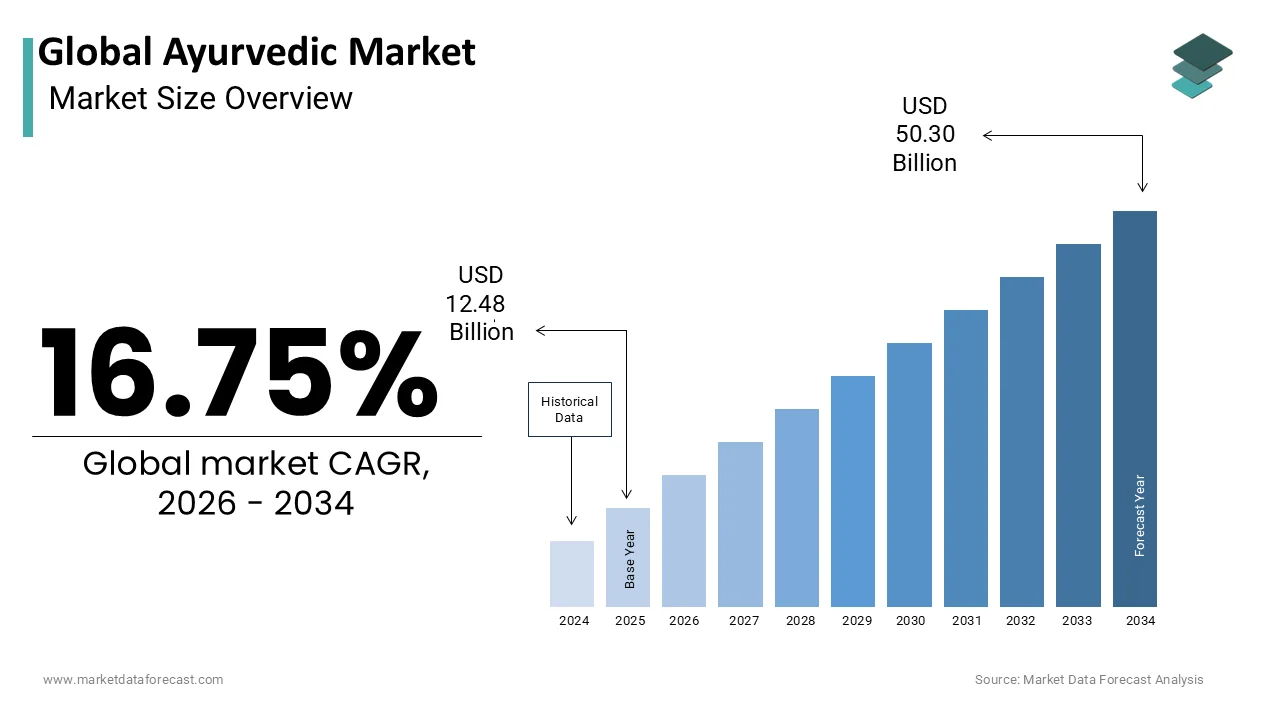
$12.48 BnMarket Estimate, 2026
$14.57 BnMarket Forecast, 2034
$50.3 BnCAGR, 2026–2034
16.75%Global Ayurvedic Market Size, Share & Growth Analysis (2026–2034)
- Market Scope: Comprehensive global market analysis covering product types, application areas, distribution channels, regional frameworks (Asia Pacific, North America, Europe, Latin America, Middle East & Africa), growth drivers, restraints, opportunities, and competitive landscapes.
- Market Valuation: Valued at USD 12.48 billion (2025), estimated at USD 14.57 billion (2026), and projected to reach USD 50.30 billion by 2034, registering a strong CAGR of 16.75% over the forecast period (2026–2034).
- Primary Growth Drivers: Escalating consumer preference for natural and organic wellness solutions, increasing prevalence of chronic lifestyle diseases requiring preventive healthcare, rising demand for clean beauty products, and the expansion of digital/e-commerce platforms. Key restraints include a lack of global standardization, quality control hurdles (e.g., heavy metal concerns), limited clinical trial data, and complex regulatory heterogeneity.
Key Market Segment Metrics (2026–2034)
| Category | Leading Segment (2025 Position) | Fastest-Growing Segment |
|---|---|---|
| By Product Type | Ayurvedic Personal Care Products (occupied a 51.9% share backed by clean beauty standards and daily grooming integration) | Wellness Products (projected to grow rapidly driven by adaptogens, dietary supplements, and lifestyle shift) |
| By Application | Skincare (held a 35.7% share driven by anti-aging, antioxidant properties, and rising demand for natural rejuvenation) | Immunity Boosters (expanding via high post-pandemic health awareness and natural defense building) |
| By Distribution Channel | Pharmacies (accounted for 32.4% share anchored by professional credibility and consumer trust) | Online Stores (predicted to register the highest CAGR via global accessibility, convenience, and subscriptions) |
| By Region | Asia Pacific (captured a leading 55.1% share supported by rich cultural heritage, government backing via AYUSH, and local sourcing) | North America & Europe (growing strongly via booming wellness industries and strict herbal safety frameworks) |
Major Market Players & Competitive Landscape
Market Structure: Highly competitive global marketplace featuring traditional Ayurvedic powerhouses alongside expanding multinational brands competing on ingredient transparency, organic certifications, digital retail penetration, and scientific clinical validation.
Key Companies: Dabur India Ltd., Patanjali Ayurved Ltd., Himalaya Drug Company, Vicco Laboratories, Baidyanath Ayurved Bhawan Pvt. Ltd., Emami Ltd., Hamdard Laboratories, Arya Vaidya Pharmacy (AVP), Charak Pharma Pvt. Ltd., and Zandu Realty Ltd.
 Download Free Sample Report
Global Ayurvedic Market Size
The global ayurvedic market was valued at USD 12.48 billion in 2025, is estimated to reach USD 14.57 billion in 2026, and is projected to reach USD 50.30 billion by 2034, growing at a CAGR of 16.75% from 2026 to 2034.
Ayurvedic refers to anything related to Ayurveda, a traditional, holistic medical system that originated in India over 3,000 to 5,000 years ago. This traditional healing practice utilizes plant-based extracts, minerals,s and animal products to treat various ailments while promoting preventive healthcare and wellness. According to the World Health Organization (WHO), an estimated 80% of the global population uses traditional medicine or herbal remedies, with traditional and complementary medicine practiced across 170 member states. As per the Ministry of Ayush via the Press Information Bureau (PIB), there are 6,998 registered Ayurvedic manufacturing units out of a total of 7,914 licensed Ayush, Unani, and Homoeopathic pharmacies in India. The Central Council for Research in Ayurvedic Sciences (CCRAS) is India's apex organisation for formulating, coordinating, and promoting scientific R&D in Ayurveda through its network of 30 peripheral Ayurvedic research institutes and centers nationwide. The global shift toward chronic disease management has intensified interest in non-invasive therapeutic options. The National Center for Complementary and Integrative Health (NCCIH) revealed that the use of standard complementary health approaches among U.S. adults reached 36.7%, driven largely by an increase in practices like meditation and yoga. Rising prevalence of lifestyle disorders such as diabetes, hypertension, and stress-related conditions drives consumers toward holistic interventions that address root causes rather than merely suppressing symptoms. Regulatory bodies in countries like Germany and Canada have established frameworks for recognizing herbal medicines, facilitating broader acceptance. The integration of Ayurvedic principles with modern diagnostic tools and evidence-based research methodologies is transforming perceptions from mere folklore to credible therapeutic science, attracting investment and scientific scrutiny worldwide.
MARKET DRIVERS
Growing Consumer Preference for Natural and Organic Wellness Solutions
The escalating consumer inclination toward natural and organic wellness is the main reason behind the expansion of the global ayurvedic market. Modern consumers are increasingly skeptical of synthetic pharmaceuticals due to concerns regarding side effects, chemical residues, and long-term health impacts. According to the Organic Trade Association (OTA), U.S. organic sector sales hit $76.6 billion, showcasing robust consumer demand for cleaner ingredients. Ayurvedic products inherently align with this demand as they are predominantly derived from botanical sources such as turmeric, ashwagandha, neem, and amla, which are perceived as safe and gentle. The Food and Agriculture Organization of the United Nations emphasizes that sustainable sourcing of medicinal plants supports biodiversity and environmental conservation, appealing to eco-conscious buyers. Surveys indicate that 73 percent of global consumers are willing to change their consumption habits to reduce their environmental impact, favoring brands with transparent and ethical supply chains. Ayurvedic manufacturers leverage this sentiment by highlighting organic certification,n fair trade practices,s and sustainable harvesting methods. The rise of digital platforms enables direct communication of these values to consumers,s fostering trust and loyalty. Furthermore, the clean beauty movement has propelled Ayurvedic ingredients into mainstream cosmetics and skincare regimes, expanding the market beyond therapeutic applications. This cultural shift toward holistic well-being positions Ayurveda not just as a medical system but as a lifestyle choice encompassing diet, yoga, and mindfulness, ss thereby driving sustained demand across multiple product categories, including supplements, cosmetics, and personal care items.
Increasing Prevalence of Chronic Lifestyle Diseases Drives Preventive Healthcare Adoption
The rising incidence of chronic lifestyle diseases, such as diabetes, cardiovascular disorders, obesity, and mental health issues, necessitates a shift in healthcare, which further boosts the expansion of the ayurvedic market. This requires moving away from curative models toward preventive healthcare, where Ayurveda plays a pivotal role. The World Health Organization states that non-communicable diseases account for 74 percent of all deaths globally, requiring long-term management strategies that conventional medicine often addresses with polypharmacy. Ayurvedic principles focus on restoring metabolic balance and strengthening immunity through personalized dietary plans, detoxification procedures,s and herbal interventions, which appeal to patients seeking sustainable management options. Stress and anxiety disorders have also surged post-pandemic, with the American Psychological Association noting significant increases in mental health consultations. Ayurvedic adaptogens such as Ashwagandha and Brahmi are gaining recognition for their neuroprotective and anxiolytic properties supported by growing scientific validation. Governments in countries like India and Sri Lanka actively promote Ayurveda as a cost-effective preventive measure, reducing the burden on public health systems. Insurance providers in some regions are beginning to cover Ayurvedic treatments, recognizing their potential to lower long-term healthcare costs. This convergence of medical necessity and preventive philosophy drives robust adoption of Ayurvedic solutions among individuals proactively managing their health trajectories.
MARKET RESTRAINTS
Lack of Standardization and Quality Control Issues Undermine Consumer Trust
The absence of uniform standardization and rigorous quality control mechanisms impedes the growth of the Ayurvedic market. These factors significantly hamper market credibility and consumer confidence. Unlike modern pharmaceuticals, which adhere to strict Good Manufacturing Practices and precise dosage specifications, Ayurvedic formulations often vary in potency, purity, and composition due to differences in raw material sourcing and processing techniques. The World Health Organization has raised concerns about the presence of heavy metals such as lead, mercury,y and arsenic in certain traditional Ayurvedic preparations, particularly those involving rasa shastra or mineral-based formulations. A landmark 2008 study published in the Journal of the American Medical Association (JAMA) determined that 20.7% of Ayurvedic medicines purchased online from both U.S. and Indian suppliers contained detectable concentrations of toxic heavy metals. Such incidents erode trust among international consumers and regulatory authorities, leading to stringent import restrictions in markets like the European Union and North America. The varying quality of herbal raw materials due to climatic soil and harvesting conditions further complicates batch consistency. Without standardized biomarkers and analytical protocols, it is challenging to ensure therapeutic equivalence between different brands or batches. The lack of harmonized global standards for labeling ingredient transparency and safety testing creates confusion for consumers and healthcare providers. Regulatory fragmentation across countries means that a product approved in one jurisdiction may be banned in another, limiting global trade opportunities. The perception of Ayurvedic products as unregulated or potentially unsafe remains a significant barrier to their mainstream acceptance and market expansion. This issue will persist until the market adopts universally accepted quality assurance frameworks and third-party certification processes.
Limited Scientific Validation and Clinical Evidence: Restrict Medical Integration
There is limited scientific validation and clinical trial data available for many Ayurvedic treatments, which is a major barrier to global market expansion. This scarcity significantly hinders their acceptance into mainstream healthcare and standard insurance plans. While anecdotal evidence and historical usage support the efficacy of numerous Ayurvedic remedies, modern healthcare systems require randomized controlled trials and peer-reviewed publications to establish safety and effectiveness. The National Institutes of Health notes that only a small fraction of Ayurvedic interventions have undergone rigorous clinical evaluation meeting the standards required for inclusion in evidence-based medical guidelines. This evidence gap makes it difficult for physicians to recommend Ayurvedic treatments confidently, especially for serious conditions where proven therapies exist. Pharmaceutical companies hesitate to invest heavily in drug development from Ayurvedic origins due to the complexity of multi-ingredient formulations and challenges in isolating active compounds for patent protection. The Cochrane Library reviews often conclude that there is insufficient evidence to support the use of specific Ayurvedic herbs for certain conditions, citing methodological flaws in existing studies. This lack of high-quality data limits reimbursement possibilities as insurance providers typically cover only treatments with proven clinical outcomes. Academic institutions in Western countries rarely include Ayurveda in their medical curricula, resulting in low awareness among allopathic practitioners. Without substantial investment in large-scale multicenter clinical trials and mechanistic studies, Ayurveda will struggle to gain legitimacy in the eyes of the global medical community. This scientific deficit confines the market largely to the wellness and complementary sectors rather than enabling full integration into primary healthcare systems.
MARKET OPPORTUNITIES
Expansion into Global Wellness Tourism and Integrated Health Retreats
The burgeoning global wellness tourism industry provides a lucrative opportunity for the Ayurvedic market. This potential can be fully unlocked by establishing integrated health retreats and specialized treatment centers abroad. Countries like India, Sri Lanka, and Thailand have long been destinations for Ayurvedic rejuvenation, ion but there is significant potential to replicate this model in Europe, North America, and other high-income regions. Luxury resorts and spas in these regions are increasingly incorporating Ayurvedic therapies such as Panchakarma, aAbhyangaga and Shirodhara into their service offerings,ngs attracting affluent clients willing to pay premium prices for authentic experiences. The integration of Ayurvedic diagnostics like pulse reading and dosha analysis with modern wellness assessments creates a unique value proposition. Partnerships between Ayurvedic practitioners and local hospitality providers can facilitate regulatory compliance and cultural adaptation, making treatments more accessible to Western audiences. Digital marketing and social media influencers play a crucial role in promoting these retreats, showcasing before and after transformations and testimonials. Government initiatives in India, such as the Heal in India campaign, actively promote medical tourism, including Ayurveda, providing visa facilitation and quality accreditation. Expanding into corporate wellness programs where companies sponsor employee retreats for stress management and burnout prevention offers another revenue stream. By positioning Ayurveda as a luxury wellness experience rather than just medical treatment, the market can tap into the discretionary spending of health-conscious consumers seeking holistic rejuvenation and mental clarity in serene environments.
Digitalization and E-Commerce Platforms Enable Direct Global Consumer Access
The rapid digitalization of healthcare and the proliferation of e-commerce platforms pave the way for brands within the ayurvedic market. This allows them to reach global consumers directly, bypassing traditional distribution barriers. Online marketplaces such as Amazon, Alibaba, and specialized health portals allow small and medium-sized Ayurvedic manufacturers to showcase their products to international audiences without establishing a physical retail presence. Telemedicine platforms integrating Ayurvedic consultations enable remote diagnosis and personalized prescription delivery, bridging the geographic gap between practitioners and patients. Mobile applications providing dosha quizzes, a diet plan, and meditation guides enhance user engagement and brand loyalty while collecting valuable data for product development. Social media campaigns educating consumers about the benefits of specific herbs like Turmeric for inflammation or Ashwagandha for stress drive informed purchasing decisions. Subscription-based models for monthly delivery of herbal supplements ensure recurring revenue and consistent adherence to treatment regimens. Blockchain technology can be employed to verify the authenticity and origin of herbal ingredients, addressing quality concerns and building trust. Collaborations with fitness influencers and wellness bloggers amplify reach among younger demographics who are digitally native and open to alternative health solutions. By leveraging data analytics,s companies can tailor marketing messages and product recommendations to specific consumer segments, optimizing conversion rates. This digital ecosystem democratizes access to Ayurvedic knowledge and products,s fostering a global community of users and accelerating market penetration in regions previously difficult to serve.
MARKET CHALLENGES
Regulatory Heterogeneity and Complex Compliance Requirements Across Regions
Navigating the fragmented and heterogeneous regulatory landscape across different countries is a significant challenge for companies seeking global expansion. This challenge holds back the growth of the global Ayurvedic market. Each jurisdiction has distinct classification criteria for herbal products,t,s ranging from dietary supplements in the United States to traditional herbal medicines in the European Union and proprietary Ayurvedic drugs in India. The European Medicines Agency requires extensive documentation, including proof of traditional use for at least 15 years within the EU or 30 years globally, which many newer formulations cannot provide. In the United States, the Food and Drug Administration regulates Ayurvedic products as dietary supplements, thus prohibiting claims of treating or curing diseases,ses which limits marketing messaging and consumer understanding. China and Japan have their own traditional medicine frameworks that do not automatically recognize Ayurvedic principles, requiring separate registration processes and clinical data. These disparate requirements increase compliance costs and delay market entry, forcing companies to maintain multiple product variants and labeling formats. Intellectual property protection is another hurdle, le as traditional knowledge is often considered the public domain, making it difficult to patent specific formulations or processes. Counterfeit products flooding online markets further complicate brand protection efforts. The lack of mutual recognition agreements between regulatory bodies means that approval in one country does not facilitate entry into another. Companies must invest heavily in legal expertise and regulatory affairs teams to navigate these complexities. Failure to comply with local regulations can result in product recalls, fines,s or bans, damaging brand reputation. This regulatory maze stifles innovation and discourages smaller players from entering international markets, consolidating power among large corporations with resources to manage compliance burdens.
Supply Chain Vulnerabilities and Sustainability Concerns for Medicinal Herbs
Significant supply chain vulnerabilities and sustainability challenges are slowing down the expansion of the Ayurvedic market. These issues stem from a heavy reliance on wild-harvested and agriculturally grown medicinal herbs. Many key ingredients, ts such as Sandalwood,ood Red Sandalwood,ders and certain orchids, are endangered or subject to strict conservation laws due to overexploitation and habitat loss. The Convention on International Trade in Endangered Species lists several Ayurvedic herbs restricting their cross-border movement and requiring special permits, which delays procurement and increases costs. Climate change exacerbates these issues by altering growing conditions,s affecting yield quality and potency of active compounds. The Intergovernmental Panel on Climate Change warns that shifting precipitation patterns and rising temperatures threaten biodiversity hotspots where many medicinal plants originate. Agricultural inconsistencies due to pests, diseases, and unpredictable weather lead to fluctuating raw material prices, impacting profit margins. Lack of organized farming practices results in adulteration, substitution,n or contamination with pesticides and heavy metals, ls compromising product safety. Ensuring traceability from farm to finish is logistically complex, involving numerous intermediaries, smallholder farmers, rs and processors. Sustainable sourcing initiatives require significant investment in contract farming, organic certification, and community development programs, which many small manufacturers cannot afford. Disruptions in supply chains due to geopolitical tensions, trade wars, or pandemics further jeopardize production continuity. Without secure and sustainable supply lines co, companies face stockouts, quality failures, and reputational damage. Addressing these challenges requires collaborative efforts among governments, NGOs, G Os,a nd industry stakeholders to promote conservation agroforestry and ethical harvesting practices, ensuring long-term viability of the Ayurvedic resource base.
REPORT COVERAGE
| REPORT METRIC | DETAILS |
| Market Size Available | 2025 to 2034 |
| Base Year | 2025 |
| Forecast Period | 2026 to 2034 |
| Segments Covered | By Product Type, Application, Distribution Channel, Demographics, Dosha Type,e and Region |
| Various Analyses Covered | Global, Regional & Country Level Analysis, Segment-Level Analysis, DROC, PESTLE Analysis, Porter’s Five Forces Analysis, Competitive Landscape, Analyst Overview on Investment Opportunities |
| Regions Covered | North America, Europe, Asia Pacific, Latin America, Middle East & Africa |
| Market Leaders Profiled | Dabur India Ltd., Patanjali Ayurved Ltd., Himalaya Drug Company, Vicco Laboratories, Baidyanath Ayurved Bhawan Pvt. Ltd., Emami Ltd., Hamdard Laboratories, Arya Vaidya Pharmacy (AVP), Charak Pharma Pvt. Ltd. Zandu Realty Ltd. |
SEGMENTAL ANALYSIS
By Product Type Insights
The ayurvedic personal care products segment was the largest in the global market and occupied a 51.9% share in 2025. Its seamless integration into daily grooming routines and the global shift toward clean beauty standards support the supremacy of this segment. This segment includes skincare, haircare, and oral hygiene formulations that utilize traditional herbs like neem, turmeric,c and amla, which are perceived as gentle and effective alternatives to synthetic chemicals. According to sources, the natural and organic beauty sector has experienced consistent growth,h with consumers increasingly scrutinizing ingredient lists for harmful additives. The familiarity of personal care applications lowers the barrier to entry for new users who may be hesitant to ingest medicinal formulations. Major multinational corporations have launched Ayurvedic-inspired lines leveraging established distribution networks in supermarkets and pharmacies worldwide. The visual and sensory appeal of these products, combined with marketing narratives around ancient wisdom and holistic wellness,s drives impulse purchases and brand loyalty. Regulatory pathways for cosmetics are generally less stringent than for pharmaceuticals, ls allowing faster product launches and innovation cycles. Social media influencers frequently showcase Ayurvedic beauty rituals such as oil pulling and herbal face masks, creating viral trends that boost sales. The high frequency of use ensures recurring revenue streams compared to occasional medicinal purchases. Furthermore, the versatility of ingredients allows for cross-category expansion, enabling brands to offer comprehensive personal care regimes. This widespread acceptance and habitual consumption pattern solidify the dominance of personal care products within the broader Ayurvedic market landscape.
On the contrary, the wellness products segment is on the rise and is expected to be the fastest-growing segment in the market by witnessing a CAGR of 12.5% from 2026 to 2034. This rapid expansion of the segment is propelled by the increasing adoption of holistic lifestyle practices, including yoga, meditation, and dietary supplements that align with Ayurvedic principles. Consumers are moving beyond treating illness to optimizing health and preventing disease, leading to higher demand for adaptogens, digestive aids, and detoxification kits. Products such as ashwagandha capsules, triphala churn, and herbal teas are gaining popularity among urban professionals seeking stress relief and energy enhancement. The rise of corporate wellness programs incorporates Ayurvedic consultations and products, urther driving B2B sales. Digital platforms offer personalized wellness plans based on dosha anal recreatingcustomizedd product bundles that enhance customer engagement. The perception of wellness products as preventive tools rather than curative medicines reduces regulatory hurdles and consumer skepticism. Subscription models for monthly wellness boxes ensure consistent usage and customer retention. As awareness of the mind-body connection grows, individuals are willing to invest in premium wellness solutions that promise long-term vitality and balance. This cultural shift toward proactive health management positions wellness products as the primary growth engine for the Ayurvedic industry.
By Application Insights
In 2025, the skincare segment held the majority share of 35.7% of the Ayurvedic market because of the universal desire for youthful, radiant skin and the adverse effects of environmental pollution. Ayurvedic skincare utilizes potent antioxidants and anti-inflammatory herbs such as sandalwood, licorice, and saffron, which are scientifically proven to combat oxidative stress and hyperpigmentation. The global aaanti-aging landscapes substantial, with individuals willing to pay premiums for products that promise natural rejuvenation without harsh side effects. Ayurvedic formulations often combine multiple herbs to create synergistic effects, addressing issues like acne, dryness, and dullness simultaneously. The ritualistic aspect of Ayurvedic skincare involving massage and steam enhances the user experience, fostering emotional connection to the brand. Celebrity endorsements and dermatologist recommendations validate the efficacy of these traditional remedies b, bridging the gap between folklore and modern science. The availability of diverse formats, including creams,s serums, oils, and masks, caters to different skin types and preferences. Social media platforms are flooded with tutorials on DIY Ayurvedic face packs, increasing grassroots adoption. Furthermore, the transparency of natural ingredients appeals to consumers concerned about long-term safety. This combination of aesthetic benefits, scientific validation, and cultural resonance ensures that skincare remains the most lucrative application area within the Ayurvedic market.
However, the immunity boosters segment is expected to exhibit a noteworthy CAGR of 13.8% during the forecast period. The global pandemic heightened awareness regarding immune system resiliency,e prompting millions of consumers to seek natural ways to strengthen their defense mechanisms. Ayurvedic herbs such as tulsi, si gilo,y, and amla are renowned for their immunomodulatory properties and have become staple household items in many regions. Clinical studies indicate that certain Ayurvedic formulations can enhance white blood cell activity and reduce susceptibility to common infections. The convenience of ready-to-consume syrups, tablets, and powders makes it easy for individuals to incorporate immunity boosters into their daily routine. Governments in countries like India actively promote Ayurvedic immunity protocols during health crises, lending credibility to these products. The trend extends beyond illness prevention to general vitality and energy level, appealing to fitness enthusiasts and the elderly population. E-commerce platforms facilitate easy access to a wide variety of immunity products with detailed descriptions of benefits and usage. Subscription services ensure an uninterrupted supply, which is critical for maintaining immune support. As health consciousness remains elevated post-pandemic, the demand for reliable natural immunity solutions continues to surge, driving robust growth in this segment.
By Distribution Channels Insights
The pharmacies segment dominated the Ayurvedic market and accounted for a 32.4% share in 2025. This dominance of the segment was driven by the inherent trust consumers place in medical establishments for health-related purchases. Patients often seek professional advice from pharmacists before trying new Ayurvedic remedies, especially for chronic conditions requiring specific formulations. The presence of qualified staff who can explain dosage interactions and contraindications adds value that online or retail stores cannot easily replicate. Pharmacies stock reputable brands that adhere to Good Manufacturing Practices, reducing the risk of adulterated or substandard products. The integration of Ayurvedic products alongside conventional medicines facilitates holistic treatment approaches where doctors may recommend complementary therapies. Insurance coverage for certain prescribed Ayurvedic treatments in some regions further drives pharmacy sales. The physical presence of pharmacies in residential areas ensures immediate availability for urgent needs. Loyalty programs and health check-up camps organized by pharmacy chains increase foot traffic and cross-selling opportunities. Elderly patients who constitute a large demographic for Ayurvedic treatments prefer the personal interaction and guidance provided in pharmacy settings. This combination of professional credibility, product safety,y and accessibility cements the position of pharmacies as the primary distribution channel for Ayurvedic healthcare products globally.
But the online stores segment is predicted to witness the highest CAGR of 15.2% between 2026 and 2034. The proliferation of e-commerce platforms allows consumers to access a vast array of Ayurvedic products from across the globe without geographical constraints. Digital natives prefer the convenience of home delivery, competitive pricing, and easy comparison of product reviews and ingredients. Social media marketing and influencer collaborations drive traffic to online stores where targeted ads reach specific demographic segments interested in wellness. The ability to purchase niche or rare Ayurvedic formulations that are not available in local pharmacies attracts discerning buyers. Subscription models offered by online retailers ensure regular delivery of supplements and personal care items, enhancing customer retention. Detailed product descriptions, video demonstrations, a nd on-site and virtual consultations with Ayurvedic practitioners enhance the online shopping experience. Mobile apps provide personalized recommendations based on user profiles and health goals, increasing conversion rates. The transparency of customer reviews helps build trust in brands that may be unknown locally. Logistics improvements have reduced delivery times, making online purchases nearly as convenient as offline ones. During periods of restricted movement, such as a pandemic,s online channels became the primary source for Ayurvedic products, thus accelerating their adoption. This digital transformation continues to reshape the distribution landscape, favoring agile online players.
COUNTRY LEVEL ANALYSIS
Asia Pacific Ayurvedic Market Analysis
Asia Pacific led the global Ayurvedic market and captured a 55.1% share in 2025 because of deep-rooted cultural acceptance of Ayurveda as a primary healthcare system, particularly in India, Sri Lanka, and Nepal. The Indian government, through the Ministry of AYUSH, actively promotes research, education, and international collaboration to standardize and globalize Ayurvedic practices. High population density and increasing disposable incomes in emerging economies drive demand for affordable healthcare solutions. China and Japan are also integrating traditional medicine concepts with Ayurvedic principles, creating hybrid wellness products. Urbanization in Southeast Asia has led to rising lifestyle diseases, es prompting consumers to seek preventive Ayurvedic remedies. Local manufacturing hubs ensure cost-effective production and supply chain efficiency. Tourism initiatives in Thailand and India attract international visitors seeking authentic Ayurvedic treatments, boosting service revenues. Regulatory frameworks in these countries are evolving to support quality control and export standards. The presence of raw material sources reduces dependency on imports, ensuring sustainability. Educational institutions offer specialized degrees in Ayurveda, creating a skilled workforce of practitioners. This strong foundational support, combined with economic growth, positions the Asia Pacific as the undisputed leader in the global Ayurvedic landscape.
North America Ayurvedic Market Analysis
North America was the second-largest in the Ayurvedic market due to the booming wellness industry and increasing scientific validation of herbal efficacy. The United States and Canada have seen a surge in demand for natural supplements and holistic therapies as consumers seek alternatives to conventional medicine. The National Center for Complementary and Integrative Health reports growing funding for research into Ayurvedic herbs v,, validating their therapeutic potential. Major retail chains and online platforms have expanded their Ayurvedic product offering, catering to health-conscious millennials and Gen Z consumers. Yoga studios and wellness centers frequently partner with Ayurvedic brands to offer integrated packages. Regulatory clarity from the Food and Drug Administration regarding dietary supplements facilitates market entry for Indian and international brands. High healthcare costs motivate individuals to invest in preventive Ayurvedic practices to avoid expensive medical procedures. Celebrity endorsements and media coverage have mainstreamed Ayurvedic concepts like doshas and detoxification. The presence of leading pharmaceutical companies investing in Ayurvedic drug development accelerates innovation. Insurance companies are beginning to cover certain holistic treatments, recognizing their cost-effectiveness. This convergence of consumer demand, scientific interest, and regulatory support fuels robust growth in the North American market.
Europe Ayurvedic Market Analysis
Europe maintains a noteworthy position in the Ayurvedic market. This presence is characterized by strict regulatory standards and a strong preference for premium, high-quality products. Countries like Germany, France, and the United Kingdom have established traditions of using herbal medicine, creating a receptive audience for Ayurvedic formulations. The European Medicines Agency provides a pathway for registering traditional herbal medicines,s ensuring safety and quality for consumers. German phytotherapy shares similarities with Ayurveda, a facilitating cross-cultural acceptance of herbal remedies. Consumers in Europe are willing to pay higher prices for certified organic and ethically sourced Ayurvedic products. Spa and wellness tourism in Alpine regions incorporates Ayurvedic treatments, attracting affluent clients. Academic institutions conduct rigorous clinical trials on Ayurvedic herbs, contributing to evidence-based acceptance. Retail pharmacies play a crucial role in distributing trusted Ayurvedic brands with professional guidance. Sustainability and eco-friendliness are key purchasing drivers aligning with Ayurvedic principles of nature harmony. Limited but growing insurance coverage for complementary therapies supports market stability. The focus on quality over quantity ensures that only reputable brands succeed in this discerning market. This structured approach positions Europe as a mature and stable region for high-value Ayurvedic products.
Latin America Ayurvedic Market Analysis
Latin America shows emerging potential in the Ayurvedic market, driven by existing traditions of natural medicine and increasing health awareness. Countries like Brazil, Mexico, Colombia, co and Argentina have rich histories of using herbal remedies, creating cultural affinity for Ayurvedic principles. The Pan American Health Organization promotes integrative medicine approaches, encouraging the inclusion of traditional systems in public. Rising middle-class populations are adopting global wellness trends, including yoga and Ayurvedic diets. Local distributors are partnering with Indian manufacturers to introduce authentic Ayurvedic products to the market. Economic challenges sometimes limit access to premium imported goods, but local production of key herbs is expanding. Digital penetration is increasing, allowing consumers to access information and purchase products online. Government initiatives in some countries support biodiversity conservation, which aligns with sustainable Ayurvedic sourcing. The younger demographic is open to experimenting with alternative therapies for stress and lifestyle management. While still nascent compared to other regions,s the foundational respect for natural healing provides a fertile ground for future growth. Strategic investments in education and distribution infrastructure will be key to unlocking this potential.
Middle East and Africa Ayurvedic Market Analysis
The Middle East and Africa region is expected to grow considerably in the Ayurvedic market during the forecast period due to luxury wellness tourism and niche urban markets. Gulf Cooperation Council countries invest heavily in high-end spas and resorts offering Ayurvedic treatments to affluent residents and tourists. The United Arab Emirates and Saudi Arabia are developing medical tourism hubs that include traditional medicine services. In Africa, limited healthcare infrastructure in rural areas leads to reliance on traditional healers althou, although formal Ayurvedic practice is less common. Urban centers in South Africa and Kenya show growing interest in holistic wellness among expatriate and middle-class communities. Import regulations vary significantly across countries, affecting product availability. Cultural preferences for local traditional medicine sometimes compete with Ayurvedic offerings. However, the global influence of wellness trends is gradually introducing Ayurvedic concepts to wider audiences. Partnerships with international hotel chains bring standardized Ayurvedic services to the region. As economic diversification continues in the Middle East, healthcare spending is expected to rise, supporting market expansion. In Africa, mobile health initiatives may eventually facilitate access to Ayurvedic knowledge and products. This region remains specialized but holds promise for high-value niche growth.
COMPETITIVE LANDSCAPE
The competitive landscape of the Ayurvedic market features a dynamic mix of established legacy brands, agile startups, ps and multinational corporations entering the natural wellness space. Intense rivalry exists among key players who differentiate themselves through product authenticity, scientific validation, and brand storytelling. Legacy companies leverage their historical trust and extensive distribution networks to maintain dominance, while new entrants focus on niche segments such as organic skincare or specialized supplements. Price competition is significant in the mass market segment, prompting companies to optimize supply chains and adopt cost-effective manufacturing techniques. Premium brands compete on quality, transparency,y and sustainability, appealing to discerning consumers willing to pay higher prices for certified organic and ethically sourced products. Regulatory compliance varies across regions, creating barriers to entry for smaller firms lacking resources for international certification. Digital disruption has lowered entry barriers,s allowing direct-to-consumer brands to challenge traditional retailers through targeted online marketing. Partnerships with healthcare providers and wellness centers create additional channels for product promotion and sales. Intellectual property protection remains challenging due to the traditional nature of many formulations, leading to frequent imitation. Consolidation through mergers and acquisitions is increasing as larger entities seek to diversify their portfolios and achieve economies of scale.
KEY MARKET PLAYERS
Some of the companies that are playing a dominating role in the Global Ayurvedic Market include
- Dabur India Ltd.
- Patanjali Ayurved Ltd.
- Himalaya Wellness Company (Himalaya Drug Company)
- Vicco Laboratories
- Baidyanath Ayurved Bhawan Pvt. Ltd.
- Emami Ltd.
- Hamdard Laboratories
- Arya Vaidya Pharmacy (AVP)
- Charak Pharma Pvt. Ltd.
- Zandu Realty Ltd. (Emami Group)
TOP LEADING PLAYERS IN THE MARKET
- Dabur India Limited stands as a pioneering force in the Ayurvedic industry, leveraging its century-old heritage to deliver trusted healthcare and personal care solutions. The company operates extensive manufacturing facilities, adhering to Good Manufacturing Practice,s ensuring product purity and consistency for global consumers. Dabur recently expanded its international footprint by launching specialized product lines tailored to Western preferences in North America and Europe. The firm invests heavily in research and development to validate traditional formulations through modern scientific methods, enhancing credibility among medical professionals. Strategic partnerships with e-commerce platforms have strengthened its direct-to-consumer channels, enabling wider reach. Dabur also focuses on sustainable sourcing of raw materials,s supporting farmer communities and ensuring long-term supply chain stability. These initiatives reinforce its position as a leader committed to blending ancient wisdom with contemporary quality standards while driving growth through innovation and global accessibility.
- Himalaya Wellness Company distinguishes itself through its commitment to herbal authenticity and ethical sourcing practices across its diverse product portfolio. The company utilizes advanced extraction technologies to preserve the potency of active ingredients in herbs like ashwagandha and turmeric. Himalaya recently launched digital health platforms offering personalized wellness consultations, which seamlessly integrate with its product offerings. The firm has expanded its retail presence in key international markets, including the United States and the Middle East, through strategic alliances with major pharmacy chains. Its focus on clinical validation has led to numerous published studies supporting the efficacy of its formulations. Himalaya also emphasizes environmental sustainability by implementing zero-waste manufacturing processes and renewable energy usage. These actions demonstrate its dedication to holistic well-being and ecological responsibility, strengthening brand loyalty among conscious consumers worldwide.
- Patanjali Ayurved Limited has rapidly emerged as a significant player by making Ayurvedic products affordable and accessible to the mass market. The company leverages a vast distribution network reaching rural and urban areas alike,e ensuring widespread availability of its health and hygiene products. Patanjali recently introduced innovative packaging formats and premium product lines to cater to evolving consumer preferences and compete in higher value segments. The firm actively engages in public awareness campaigns promoting the benefits of natural living and preventive healthcare. Strategic collaborations with yoga institutes reinforce its brand identity rooted in traditional Indian wellness practices. Patanjali continues to expand its manufacturing capacity to meet growing domestic and export demand. The company strengthens its market position by combining competitive pricing with strong brand advocacy. Consequently, this strategy drives global mainstream adoption of Ayurvedic lifestyles.
TOP STRATEGIES USED BY KEY MARKET PARTICIPANTS
Key players in the Ayurvedic market primarily employ product innovation and scientific validation strategies to enhance credibility and expand their consumer base. Companies invest heavily in clinical trials and research to substantiate traditional claims with modern evidence, thereby gaining trust from healthcare professionals and regulators. Strategic partnerships with e-commerce platforms and global retail chains facilitate wider distribution and accessibility in international markets. Brands focus on premiumization by launching high-end formulations and luxury wellness services targeting affluent consumers seeking authentic experiences. Sustainability initiatives, including ethical sourcing and eco-friendly packaging, are increasingly used to differentiate brands and appeal to environmentally conscious buyers. Digital marketing and influencer collaborations drive awareness and engagement among younger demographics who are open to holistic wellness trends. Mergers and acquisitions allow larger firms to absorb niche brands and expand their product portfolios quickly. Educational programs and wellness camps help build community loyalty and educate consumers about proper usage. These multifaceted strategies enable companies to navigate regulatory complexities and competitive pressures while fostering long-term growth and brand equity in the evolving global wellness landscape.
GLOBAL AYURVEDIC MARKET NEWS
- In March 2025, the Ministry of Ayush and the Department of Biotechnology in the Indian government signed a Memorandum of Understanding (MoU) for collaboration on research and development projects related to Ayurveda, Yoga, and other traditional systems of medicine in India.
- In July 2025, Marico, a renowned FMCG company, announced that it had purchased a 60% stake in Apcos Naturals Private Limited. The exact amount of the deal was not disclosed. Apcos Naturals Private Limited is the creator of Just Herbs, an Ayurvedic beauty brand.
MARKET SEGMENTATION
This research report on the global ayurvedic market has been segmented and sub-segmented based on product type, application, distribution channel, demographics, dosa type, and region.
By Product Type
- Personal Care Products
- Healthcare Products
- Wellness Products
- Others
By Application
- Skincare
- Haircare
- Oral care
- Digestive care
- Immunity boosters
- Others
By Distribution Channel
- Pharmacies
- Specialty stores
- Online stores
- Supermarkets
- Others
By Demographics
- Children
- Men
- Women
By Dosha Type
- Vata
- Pitta
- Kapha
- Others
By Region
- North America
- Europe
- Asia-Pacific
- Latin America
- Middle East & Africa