- Product Description Description
- Table of Contents TOC
- List of Table & Figure LOT
- Get Free Sample PDF Sample PDF
Market Size, 2025
$2.3 BnMarket Estimate, 2026
$2.37 BnMarket Forecast, 2034
$3.05 BnCAGR, 2026–2034
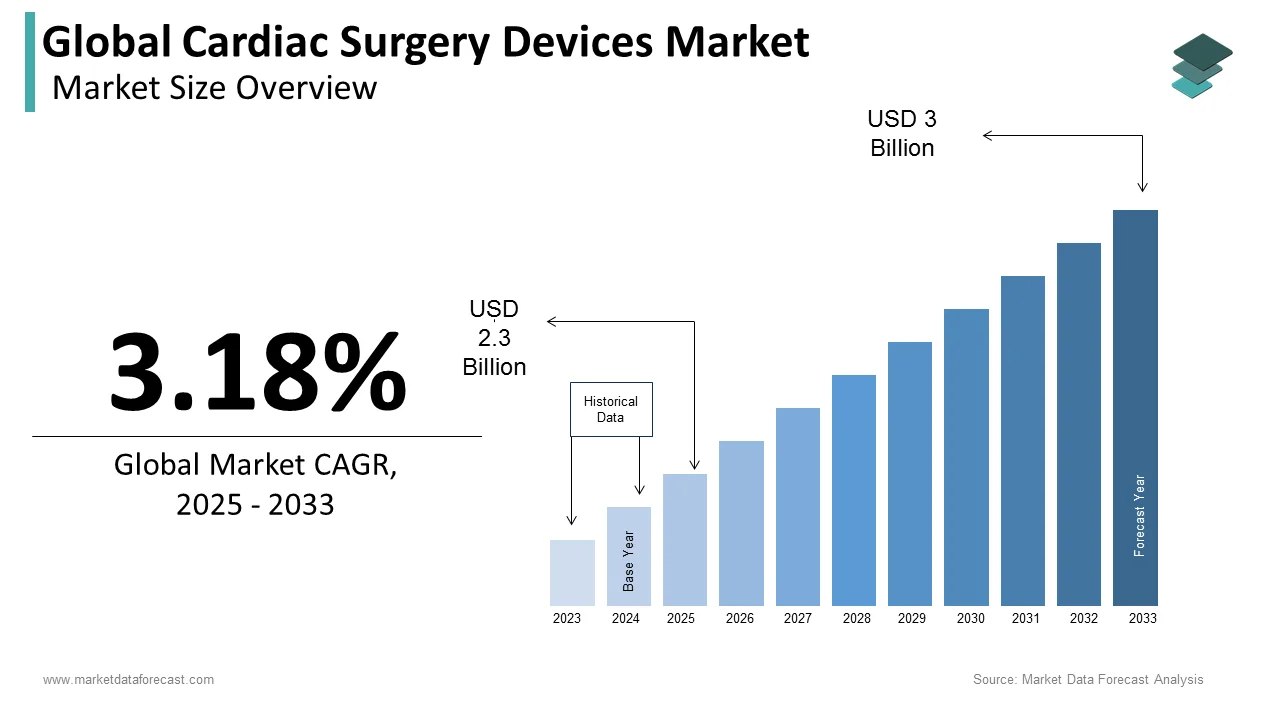
3.18%Global Cardiac Surgery Devices Market Report Summary
The global cardiac surgery devices market was valued at USD 2.3 billion in 2025 and is projected to grow from USD 2.37 billion in 2026 to USD 3.05 billion by 2034, registering a CAGR of 3.18% from 2026 to 2034. Market growth is driven by the increasing prevalence of cardiovascular diseases, rising demand for cardiac surgical procedures, and continuous advancements in cardiac care technologies. Cardiac surgery devices play a critical role in coronary artery bypass grafting, valve replacement surgeries, and other complex cardiothoracic procedures. Growing adoption of minimally invasive surgical techniques, robotic-assisted cardiac surgery, and improvements in perioperative patient outcomes are further supporting market expansion worldwide.
Key Market Trends
- Rising prevalence of coronary artery disease and structural heart disorders globally.
- Increasing adoption of robotic-assisted and minimally invasive cardiac surgeries.
- Growing investments in advanced cardiothoracic surgical infrastructure.
- Expansion of specialized cardiac care centers and surgical networks.
- Continuous innovation in cardiopulmonary bypass systems and cardiac support devices.
Segmental Insights
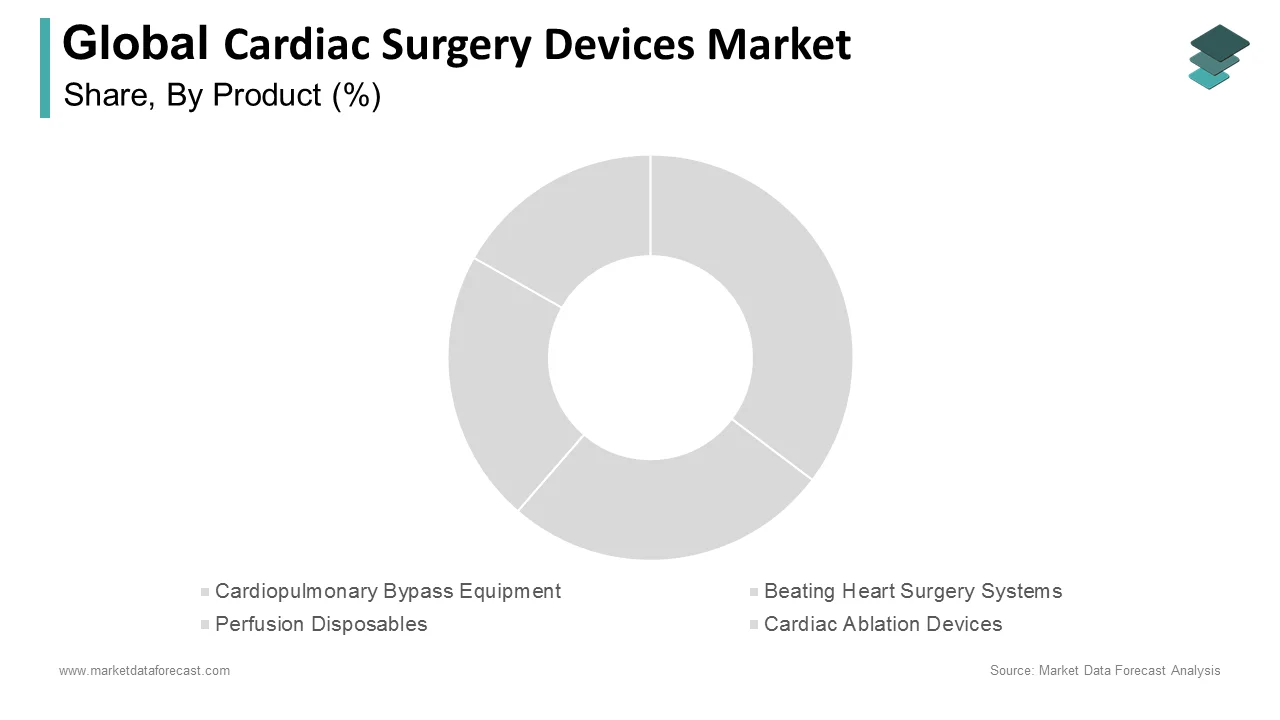
- Based on product type, the cardiopulmonary bypass equipment segment dominated the global cardiac surgery devices market in 2025, driven by its essential role in maintaining circulation and oxygenation during open-heart surgical procedures.
- Based on age group, the adult segment accounted for the largest share of the market in 2025, supported by the higher prevalence of cardiovascular diseases such as coronary artery disease, heart valve disorders, and heart failure among the adult and elderly population.
Regional Insights
The global cardiac surgery devices market is witnessing steady growth across major regions, supported by increasing cardiovascular disease burden, healthcare infrastructure modernization, and technological advancements in cardiac surgery.
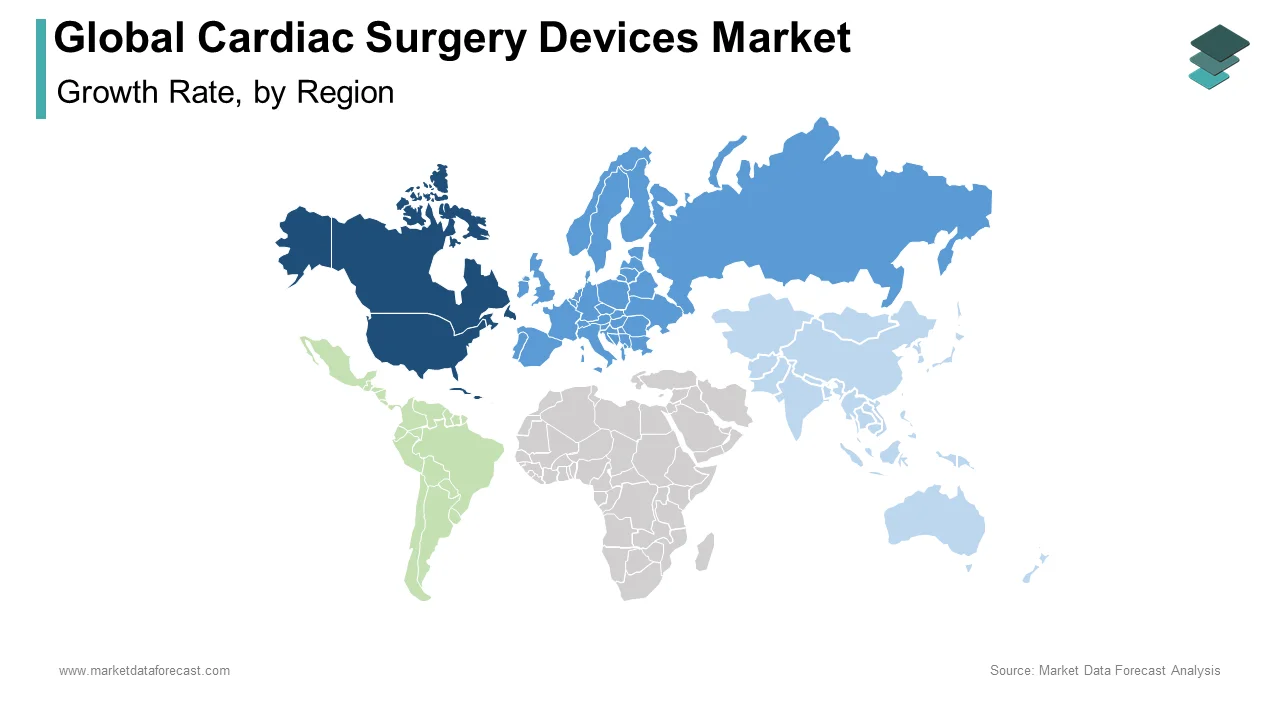
- North America held the dominant position in the global market in 2025 and is expected to maintain its leadership through increasing adoption of robotic-assisted cardiothoracic surgery systems, advanced cardiac care facilities, and strong healthcare expenditure.
- Europe remains a significant regional market and is anticipated to witness continued expansion due to modernization of public healthcare systems, growing investments in cardiac surgical networks, and increasing compliance with advanced medical device regulations.
- Asia-Pacific is projected to experience the fastest growth during the forecast period, driven by expanding middle-class populations, increasing cardiac disease prevalence, and rapid development of specialized cardiac treatment centers across major urban markets.
Competitive Landscape
The global cardiac surgery devices market is characterized by strong competition among medical device manufacturers focusing on innovation, surgical precision, and improved patient outcomes. Market participants are emphasizing the development of advanced cardiac support systems, minimally invasive surgical technologies, and next-generation cardiopulmonary bypass equipment to strengthen market positioning. Strategic partnerships, acquisitions, and investments in cardiovascular research and development are shaping competitive dynamics across the market.
Prominent companies operating in the global cardiac surgery devices market include Trinity Biotech, Abiomed, Inc., Cardinal Health, C. R. Bard, Inc., Medtronic plc, Abbott Laboratories, MedWaves Incorporated, CyberHeart Incorporated, Edwards Lifesciences Corporation, and TransMedics, Inc.
Global Cardiac Surgery Devices Market Size
The global cardiac surgery devices market was valued at USD 2.3 billion in 2025. The global market is projected to grow from USD 2.37 billion in 2026 to reach USD 3.05 billion by 2034, exhibiting a compound annual growth rate (CAGR) of 3.18% during the forecast period 2026 to 2034.
The cardiac surgery devices market is a broad spectrum of specialized medical instruments and implants designed for the surgical treatment of cardiovascular conditions, including coronary artery disease, valvular heart disease, and congenital defects. These devices range from traditional mechanical tools, such as forceps and retractors, to advanced technologies, like heart-lung machines, sternal closure systems, and robotic surgical arms. The clinical necessity for these interventions is underscored by the persistent burden of cardiovascular diseases globally. According to the World Health Organization, cardiovascular diseases remain the leading cause of death worldwide, accounting for an estimated 17.9 million deaths annually, which represents 32% of all global deaths. According to the European Society of Cardiology, cardiovascular diseases are responsible for more than 4 million deaths each year, constituting 45% of all deaths in the region. The aging population significantly contributes to this prevalence, as age is a primary risk factor for degenerative valve diseases and atherosclerosis. As per Eurostat, the share of the population aged 65 and over in the European Union is projected to reach 30% by 2050. This demographic shift necessitates a robust infrastructure for complex cardiac interventions. Technological advancements in minimally invasive techniques and robotic assistance are reshaping surgical protocols, aiming to reduce recovery times and improve patient outcomes. Regulatory bodies, such as the European Medicines Agency, enforce stringent safety standards, ensuring that only high-quality devices reach the operating room.
MARKET DRIVERS
Rising Prevalence of Valvular Heart Diseases
The escalating incidence of valvular heart diseases is majorly fuelling the expansion of the cardiac surgery devices market. Valvular disorders, such as aortic stenosis and mitral regurgitation, require precise surgical intervention, often involving valve repair or replacement using specialized devices. According to the European Society of Cardiology, approximately 2.5% of the general population in Europe suffers from moderate to severe valvular heart disease, with prevalence increasing sharply with age. In individuals over 75 years old, this figure rises to over 10%, creating a substantial patient pool requiring surgical attention. The aging demographic across developed nations ensures a steady increase in the number of procedures performed annually. According to reports from the Society of Thoracic Surgeons, valve surgery volumes have steadily risen over the past decade, driven by improved diagnostic capabilities and extended life expectancy. Patients with untreated valvular disease face high risks of heart failure and mortality, driving the urgent need for effective surgical solutions. The development of transcatheter valve technologies has expanded treatment options, but open-heart surgery remains essential for many complex cases. This sustained clinical demand drives manufacturers to innovate in bioprosthetic and mechanical valve designs, as well as ancillary devices, like annuloplasty rings. Healthcare systems prioritize funding for these critical interventions to reduce long-term hospitalization costs associated with heart failure management.
Advancements in Minimally Invasive Surgical Techniques
The rapid adoption of minimally invasive cardiac surgery techniques is further contributing to the cardiac surgery devices market growth globally. Unlike traditional sternotomy, minimally invasive approaches involve smaller incisions, requiring precision instruments, such as endoscopic cameras, long-shafted forceps, and specialized retraction systems. According to the Journal of Thoracic and Cardiovascular Surgery, minimally invasive valve surgeries account for over 30% of all isolated valve procedures in major European centers. These techniques offer reduced blood loss, shorter hospital stays, and faster recovery times, which are highly valued by patients and healthcare providers. The transition to these methods requires significant investment in new device portfolios that support enhanced dexterity and visibility in confined spaces. Robotic-assisted cardiac surgery is also gaining traction, with systems like the da Vinci Surgical System enabling greater precision. As per data from Intuitive Surgical, the number of robotic cardiac procedures has grown steadily as surgeons become more proficient with the technology. Hospitals are upgrading their operating rooms with hybrid capabilities to support both open and minimally invasive procedures. This technological shift creates continuous demand for next-generation devices that integrate with digital imaging and navigation systems. The clinical benefits of reduced trauma and improved cosmetic outcomes further drive patient preference for these advanced surgical options.
MARKET RESTRAINTS
High Cost of Advanced Surgical Procedures
The substantial financial burden associated with advanced cardiac surgery procedures and the devices used is significantly hampering the global market expansion, particularly in healthcare systems with fixed budgets. Complex cardiac surgeries often require expensive disposable devices, specialized implants, and prolonged intensive care unit stays. According to the European Hospital and Healthcare Federation, the average cost of a coronary artery bypass graft procedure can exceed 20000 euros, depending on the country and complexity. Valve replacement surgeries involving biological prosthetics are even more costly due to the high price of the implants themselves. Reimbursement rates in many European countries do not always cover the full cost of innovative devices, forcing hospitals to balance clinical benefits against economic constraints. Public healthcare systems facing fiscal pressure may delay the adoption of newer, more expensive technologies in favor of established, cheaper alternatives. As per the Organisation for Economic Co-operation and Development, health spending growth has slowed in several European nations, leading to stricter procurement controls. Small and medium-sized hospitals may lack the financial resources to invest in the latest robotic or minimally invasive equipment. This economic barrier limits access to advanced care in certain regions and slows the penetration of premium devices. Manufacturers face pressure to demonstrate clear cost-effectiveness through health economic studies to justify higher prices. The tension between innovation and affordability remains a persistent challenge for market expansion.
Stringent Regulatory Approval Processes
Navigating the complex and rigorous regulatory landscape for medical devices in Europe presents a significant challenge for manufacturers of cardiac surgery devices, which is another notable restraint to the cardiac surgery devices market expansion. The implementation of the European Medical Device Regulation has introduced stricter requirements for clinical evidence, post-market surveillance, and quality management systems. According to the European Commission, manufacturers must provide more comprehensive data demonstrating safety and performance before obtaining CE marking. This transition has extended approval timelines and increased development costs for new cardiac devices. Class III devices, such as heart valves and stents, undergo the most scrutiny, requiring extensive clinical trials that can take several years to complete. As per data from the European Coordination Committee of the Radiological, Electromedical, and Healthcare IT Industry, the number of notified bodies authorized to certify high-risk devices has decreased, creating bottlenecks in the certification process. Small and medium-sized enterprises face particular difficulties in meeting these heightened regulatory demands due to limited resources. The regulation also mandates unique device identification and enhanced traceability, requiring substantial investments in information technology infrastructure. Healthcare institutions must ensure that their equipment complies with ongoing regulatory updates, adding to administrative burdens. Variations in national interpretations of the regulation across member states create additional complexity for companies operating in multiple markets. This regulatory friction slows the introduction of breakthrough technologies and increases the time to market for innovative solutions.
MARKET OPPORTUNITIES
Integration of Robotics and Automation in Surgery
The incorporation of robotics and automation into cardiac surgery presents a substantial opportunity for the expansion of the cardiac surgery devices market. Robotic systems allow for greater dexterity and three-dimensional visualization, enabling surgeons to perform complex repairs through tiny incisions. According to the Journal of Robotic Surgery, robotic-assisted mitral valve repair has shown superior results in terms of reduced blood loss and shorter hospital stays compared to conventional methods. Several European hospitals are expanding their robotic surgery programs, driven by patient demand for minimally invasive options. The technology helps standardize surgical techniques, reducing variability between operators. Market analysts observe growing interest from healthcare providers in adopting robotic platforms to differentiate their services and attract patients. Regulatory approvals for robotic surgical systems in Europe are facilitating wider adoption. Companies are developing specialized instruments tailored for cardiac applications, enhancing the versatility of these platforms. The potential for telemedicine integration allows expert surgeons to assist in remote locations, addressing workforce shortages. As clinical evidence accumulates demonstrating long-term benefits and cost savings through faster recovery, adoption rates are expected to rise. Healthcare payers are increasingly recognizing the economic benefits of reduced complication rates, potentially leading to favorable reimbursement models.
Expansion of Hybrid Operating Rooms
The development and proliferation of hybrid operating rooms offer a strategic opportunity for the cardiac surgery devices market by enabling combined surgical and interventional procedures in a single setting. Hybrid ORs are equipped with advanced imaging technologies, such as angiography systems, alongside traditional surgical tools, allowing for seamless transition between open surgery and catheter-based interventions. According to the European Society of Cardiology, hybrid procedures are increasingly used for complex cases, such as combined coronary artery bypass and valve surgery or aortic arch repairs. This integrated approach reduces the need for multiple surgeries and anesthesia events, improving patient safety and comfort. Hospitals are investing in hybrid infrastructure to offer comprehensive care for high-risk patients who are not candidates for standalone procedures. The demand for compatible devices that can be used in both environments is driving innovation in product design. Manufacturers are creating instruments that are radiopaque and compatible with imaging systems. As per hospital infrastructure tracking reports, the number of hybrid operating rooms in Europe is growing steadily, particularly in tertiary care centers. This trend supports the adoption of advanced stents, grafts, and closure devices that complement surgical techniques. Partnerships between device manufacturers and hospital planners facilitate the optimization of these complex facilities. Expanding hybrid capabilities represents a viable strategy for improving clinical outcomes and operational efficiency in cardiac care.
MARKET CHALLENGES
Complexity of Reimbursement Policies Across Regions
Navigating the fragmented and complex reimbursement landscape for cardiac surgery devices across different European countries poses a significant challenge for manufacturers and healthcare providers. Each country has its own health technology assessment processes and pricing mechanisms, which can vary widely in terms of coverage and payment levels. According to the European Commission, disparities in reimbursement rates create uneven access to advanced cardiac technologies across the European Union. In some countries, innovative devices may face lengthy evaluation periods before being included in the national reimbursement list. This uncertainty discourages investment in new product launches and delays patient access to cutting-edge treatments. Private insurance coverage also varies significantly, creating a two-tier system where wealthier patients may have better access to premium devices. As per the Organisation for Economic Cooperation and Development, pressure to contain healthcare costs leads to frequent renegotiation of prices and volume-based discounts. Manufacturers must engage in extensive health economic modelling to justify the value of their devices to payers. The lack of harmonization increases administrative costs and complicates market entry strategies. Providers must carefully manage their budgets to ensure they can afford the latest devices while staying within reimbursement limits. This financial complexity restricts the widespread adoption of innovative solutions and creates barriers to equitable care.
Risk of Post-Surgical Complications and Infections
The inherent risk of post-surgical complications, including infections, bleeding, and stroke, remains a major challenge to the cardiac surgery devices market growth. Despite advancements in technique and sterilization, cardiac surgery carries a significant risk profile due to the invasiveness of the procedures. According to the European Centre for Disease Prevention and Control, surgical site infections occur in approximately 2% to 5% of cardiac surgery cases, leading to prolonged hospital stays and increased mortality. These adverse events result in substantial additional costs for healthcare systems and can damage the reputation of hospitals and device manufacturers. Regulatory agencies closely monitor adverse event reports, requiring manufacturers to maintain rigorous post market surveillance systems. Any spike in complication rates associated with a specific device can lead to recalls and loss of trust. According to statistics from the Society of Thoracic Surgeons, stroke remains a serious concern, particularly in valve and aortic surgeries, affecting patient quality of life. Manufacturers must continuously innovate to improve device biocompatibility and ease of use to minimize tissue trauma. Training programs for surgeons are essential to ensure proper handling and implantation techniques. The fear of litigation and negative outcomes makes hospitals cautious about adopting unproven technologies. Addressing these safety concerns requires ongoing research, collaboration, and transparency in reporting outcomes to maintain public confidence in cardiac surgical interventions.
REPORT COVERAGE
| REPORT METRIC | DETAILS |
| Market Size Available | 2025 to 2034 |
| Base Year | 2025 |
| Forecast Period | 2026 to 2034 |
| Segments Covered | By Product, Type, Application, Age Group, and Region. |
| Various Analyses Covered | Global, Regional and Country-Level Analysis, Segment-Level Analysis, Drivers, Restraints, Opportunities, Challenges; PESTLE Analysis; Porter’s Five Forces Analysis, Competitive Landscape, Analyst Overview of Investment Opportunities |
| Regions Covered | North America, Europe, Asia Pacific, Latin America, Middle East & Africa |
| Market Leaders Profiled | Trinity Biotech, Abiomed, Inc., Cardinal Health, C. R. Bard, Inc., MedWaves Incorporated, CyberHeart Incorporated, Transmedics, Inc., and Others. |
SEGMENTAL ANALYSIS
By Product Insights
The cardiopulmonary bypass equipment segment captured the largest share of the global market in 2025, as it is essential for maintaining blood circulation and oxygenation during open-heart surgeries. This technology allows surgeons to operate on a still and bloodless heart, which is critical for complex procedures, such as valve replacements and coronary artery bypass grafts. The indispensable role of cardiopulmonary bypass equipment in facilitating complex open-heart surgeries that require a motionless surgical field is majorly propelling the dominance of this segment in the global market. Procedures such as multiple valve repairs, congenital defect corrections, and aortic arch reconstructions cannot be performed safely without temporarily taking over the function of the heart and lungs. According to the Society of Thoracic Surgeons, over 400000 open heart surgeries are performed annually in North America and Europe alone, with the majority relying on cardiopulmonary bypass machines. The reliability and precision of these systems directly impact patient survival rates and postoperative outcomes. Modern bypass consoles integrate advanced monitoring features that regulate blood flow, temperature, and pressure in real time, reducing the risk of complications. As per data from the European Association for Cardio-Thoracic Surgery, the standardization of bypass protocols has significantly reduced perioperative mortality rates in major cardiac centers. Hospitals prioritize investing in high-quality bypass equipment to support their cardiac surgery programs and maintain accreditation standards. The inability to perform these life-saving procedures without such equipment ensures consistent demand, regardless of economic fluctuations. Manufacturers continue to innovate by improving hemocompatibility and reducing inflammatory responses, further cementing the centrality of this technology in cardiac care. The cardiac ablation devices segment is projected to register the highest compound annual growth rate of 9.2% during the forecast period. This rapid expansion is driven by the rising prevalence of arrhythmias and the shift towards minimally invasive treatments. The escalating global prevalence of atrial fibrillation and other cardiac arrhythmias is the primary catalyst for the rapid growth of the cardiac ablation devices segment. Atrial fibrillation is the most common sustained cardiac arrhythmia, affecting millions of people worldwide and increasing the risk of stroke and heart failure. According to the American Heart Association, approximately 12.1 million people in the United States are projected to have atrial fibrillation by 2030, with similar trends observed in Europe and Asia. This growing patient population creates a substantial demand for effective treatment options beyond medication. Catheter ablation has emerged as a preferred curative therapy for many patients, offering long-term symptom relief and improved quality of life. As per data from the European Society of Cardiology, the number of ablation procedures performed annually has increased by over 10% in recent years. The aging population contributes significantly to this trend, as age is a major risk factor for developing arrhythmias. Healthcare systems are expanding their electrophysiology labs to accommodate the rising volume of cases. This clinical demand drives manufacturers to develop more efficient and safer ablation technologies. The shift from palliative drug therapy to curative procedural interventions ensures sustained growth for ablation devices.
On the other hand, the coronary artery bypass graft segment is estimated to register a promising CAGR in the global market during the forecast period owing to the high prevalence of coronary artery disease and the established efficacy of bypass surgery for severe cases. The high prevalence of severe coronary artery disease that is not amenable to percutaneous intervention drives the dominance of the CABG segment. Many patients with multi vessel disease, diabetes, or left main coronary artery stenosis require surgical revascularization to improve survival and relieve symptoms. According to the World Health Organization, ischemic heart disease remains the leading cause of death globally, accounting for 16% of total deaths. In developed nations, the aging population and lifestyle factors, such as obesity and sedentary behavior, contribute to a steady incidence of complex coronary cases. As per data from the Society of Thoracic Surgeons, CABG remains the gold standard for revascularization in patients with complex anatomy, offering superior long term patency rates compared to stenting. The durability of arterial grafts used in CABG provides lasting benefits, reducing the need for repeat interventions. Hospitals maintain robust cardiac surgery programs to meet this consistent demand. The clinical guidelines from major cardiology societies continue to recommend CABG for specific patient profiles, ensuring a stable patient flow. This entrenched clinical practice sustains the high volume of devices used in these procedures, including grafts, anastomotic tools, and stabilizers. The critical nature of the condition ensures that funding and resources are prioritized for these life saving surgeries. The Congenital Heart Defects segment is experiencing the fastest growth, with a compound annual growth rate of 8.5% during the forecast period, driven by improved diagnostic capabilities and advancements in pediatric cardiac surgery. The implementation of improved early diagnosis and screening programs for congenital heart defects is a major driver for the rapid growth of this segment. Pulse oximetry screening and fetal echocardiography now allow for the detection of critical heart defects before or shortly after birth. According to the Centers for Disease Control and Prevention, early detection enables timely surgical intervention, which significantly improves survival rates and long term outcomes. As awareness among obstetricians and pediatricians increases, more infants are referred to specialized cardiac centers for evaluation. This earlier identification expands the window for elective rather than emergency surgeries, allowing for better planning and resource allocation. As per data from the American Academy of Pediatrics, universal newborn screening has led to a rise in the number of diagnosed cases requiring surgical correction. Parents are more informed about treatment options, leading to higher acceptance of surgical interventions. The ability to diagnose complex anomalies prenatally allows for multidisciplinary care planning involving surgeons, cardiologists, and neonatologists. This proactive approach increases the volume of scheduled procedures. Healthcare systems are investing in pediatric cardiac infrastructure to accommodate this growing demand. The focus on improving quality of life for children with heart defects drives continuous innovation in surgical techniques and devices.
By Age Group Insights
The adult age group segment accounted for the major share of the global market in 2025 as the majority of cardiovascular diseases, such as coronary artery disease and valvular disorders, manifest in later life. The high incidence of age related degenerative cardiovascular conditions that require surgical intervention is primarily contributing to the expansion of the adult age group segment in the global market. Diseases such as aortic stenosis, mitral regurgitation, and coronary artery disease typically develop over decades and become symptomatic in middle aged and elderly individuals. According to the European Society of Cardiology, the prevalence of significant valvular heart disease exceeds 10% in individuals over the age of 75. This demographic represents the largest pool of patients requiring valve replacement or repair surgeries. Similarly, the accumulation of atherosclerotic plaque leads to coronary artery disease, which often necessitates bypass surgery in adults. As per data from national health statistics, the majority of cardiac surgeries performed globally are on patients aged 60 and above. The aging population in developed countries ensures a steady and growing demand for these procedures. Adults are also more likely to have comorbidities, such as diabetes and hypertension, which accelerate cardiovascular decline. Healthcare systems are structured to manage this chronic disease burden through surgical interventions. The sheer volume of adult patients compared to pediatric cases ensures that this segment remains the largest consumer of cardiac surgery devices.
However, the newborn age group segment is predicted to expand at a CAGR of 8.3% during the forecast period in the global market, owing to advances in neonatal care and the ability to perform complex surgeries immediately after birth. The rapid advancement in neonatal critical care and surgical techniques is the primary catalyst for the growth of the newborn segment. Medical teams can now stabilize and operate on critically ill neonates with congenital heart defects within the first few days of life. According to the American Heart Association, early surgical intervention for critical congenital heart diseases, such as transposition of the great arteries, has significantly improved survival rates. Specialized neonatal intensive care units equipped with advanced monitoring and support systems enable these high-risk procedures. As per data from pediatric cardiac registries, the number of surgeries performed on neonates has increased as centers gain confidence in managing this vulnerable population. The ability to correct defects before physiological deterioration occurs prevents long-term complications and reduces the need for multiple staged surgeries. Parents are increasingly aware of the benefits of early repair, leading to higher acceptance of immediate surgical options. Technological innovations, such as miniaturized bypass circuits and delicate surgical instruments, have made these procedures safer. The focus on achieving normal physiological development drives the trend towards early intervention. This shift in clinical practice expands the market for devices specifically designed for neonatal use.
REGIONAL ANALYSIS
North America Cardiac Surgery Devices Market Analysis
North America held the dominating share of the global market in 2025 and is poised to maintain its lead in robotic-assisted cardiothoracic integrations over the next few years, backed by substantial private healthcare investments and rapid regulatory clearings for next-generation systems. North America holds the largest share of the global cardiac surgery devices market, driven by advanced healthcare infrastructure, high procedural volumes, and strong reimbursement frameworks. The United States is the primary contributor, with a vast network of specialized cardiac centers and leading medical device manufacturers. According to the American Heart Association, cardiovascular diseases affect nearly half of all adults in the United States, creating a massive patient base for surgical interventions. The presence of key industry players fosters continuous innovation and rapid adoption of new technologies, such as robotic surgery and transcatheter valves. High healthcare spending allows for the utilization of premium devices and advanced surgical techniques. Regulatory pathways through the Food and Drug Administration are well defined although stringent, ensuring safety and efficacy. The aging baby boomer population contributes to the rising incidence of valvular and coronary diseases. Academic medical centers drive clinical research and set standards for best practices. Private insurance coverage facilitates access to elective and urgent cardiac surgeries. The market is characterized by high competition among vendors, leading to product differentiation and service excellence. Technological adoption rates are among the highest globally. This combination of factors ensures North America remains the dominant region in the cardiac surgery devices landscape.
Europe Cardiac Surgery Devices Market Analysis
Europe is expected to witness structural expansions in its regional cardiac networks over the next few years, as public entities balance medical device regulation adherence with tender-based equipment modernizations. Europe occupies a significant position in the global cardiac surgery devices market, characterized by universal healthcare coverage and strong regulatory standards. Countries such as Germany, France, and the United Kingdom have well-established cardiac surgery programs with high procedural volumes. According to the European Society of Cardiology, cardiovascular diseases remain the leading cause of death in the region, driving consistent demand for surgical interventions. The implementation of the Medical Device Regulation has raised quality standards, influencing product development and market entry. Public healthcare systems prioritize cost effectiveness, leading to tender-based procurement processes. However, the aging population in Western Europe ensures a steady growth in valve and coronary surgeries. Eastern European countries are witnessing increasing investments in healthcare infrastructure, improving access to advanced cardiac care. Cross-border collaborations and research initiatives foster innovation and knowledge sharing. The market is mature, with a focus on optimizing outcomes and reducing hospital stays. Minimally invasive techniques are gaining popularity across the continent. Reimbursement policies vary by country but generally cover essential cardiac surgeries. The presence of local and global manufacturers creates a competitive environment. This balanced mix of public support and clinical demand sustains the European market.
Asia Pacific Cardiac Surgery Devices Market Analysis
The Asia Pacific region is anticipated to see an exceptional rise in cardiac facility upgrades over the next few years, fueled by an expanding middle class and specialized center setups across key developing urban hubs. The Asia Pacific region is emerging as the fastest-growing market for cardiac surgery devices, driven by improving healthcare infrastructure, rising medical tourism, and increasing awareness. Countries like China, India, Japan, and Australia are key contributors to this growth. According to the World Health Organization, the burden of cardiovascular diseases is rising rapidly in Asia due to lifestyle changes and urbanization. Governments are investing heavily in building specialized cardiac centers and training medical professionals. Japan has an advanced aging population similar to Europe, driving demand for valve surgeries. China and India offer cost-effective surgical options, attracting patients from neighboring countries. Local manufacturing capabilities are expanding, reducing dependency on imports. Regulatory frameworks are evolving to ensure safety while facilitating market access. The growing middle class has greater access to private healthcare and insurance. Awareness campaigns are encouraging early diagnosis and treatment. The market is characterized by a mix of high-end tertiary care centers and developing rural infrastructure. International device manufacturers are forming partnerships with local distributors to expand reach. This dynamic environment presents significant opportunities for growth and innovation. The region is poised to become a major hub for cardiac care in the coming decades.
Latin America Cardiac Surgery Devices Market Analysis
Latin America is projected to expand its specialized cardiovascular care accessibility over the next few years, relying on targeted public health plans and private facility investments to manage regional structural deficits. Latin America represents a developing market for cardiac surgery devices, with varying levels of healthcare access across different countries. Brazil, Mexico, and Argentina are the largest markets in the region, with growing numbers of cardiac procedures. According to the Pan American Health Organization, cardiovascular diseases are a major public health challenge in Latin America, contributing to significant morbidity and mortality. Public healthcare systems face resource constraints, but the private sector is expanding rapidly, offering advanced surgical options. Medical tourism is emerging as a driver, with patients seeking affordable, high-quality care. Local governments are implementing programs to improve cardiovascular health and infrastructure, aiming to enhance treatment accessibility across urban and suburban care networks.
COMPETITIVE LANDSCAPE
The competition in the global cardiac surgery devices market is intense and characterized by the presence of several large multinational corporations alongside specialized niche players. Major companies compete based on technological innovation, clinical evidence, and comprehensive service support rather than price alone. The market exhibits high barriers to entry due to stringent regulatory requirements, substantial capital investment needs, and the necessity for extensive clinical validation. Innovation serves as the primary differentiator, with firms striving to introduce less invasive alternatives to traditional open heart surgery. Established players leverage their extensive distribution networks and strong brand recognition to maintain customer loyalty and secure hospital contracts. New entrants face challenges in gaining trust from surgeons who prioritize reliability and proven performance in critical care settings. Collaborative efforts between manufacturers and healthcare institutions are common to develop customized solutions that address specific clinical needs. The shift towards value-based healthcare encourages competitors to demonstrate cost-effectiveness and improved patient outcomes through rigorous health economic studies. Continuous investment in research and development is essential to stay ahead in this rapidly evolving technological landscape, where procedural success rates directly influence purchasing decisions.
KEY MARKET PLAYERS
Some of the prominent companies leading the cardiac surgery devices market profiled in the report are
- Trinity Biotech
- Abiomed, Inc.
- Cardinal Health
- C. R. Bard, Inc.
- Medtronic plc
- Abbott Laboratories
- MedWaves Incorporated
- CyberHeart Incorporated
- Edwards Lifesciences Corporation
- Transmedics, Inc.
TOP PLAYERS IN THE MARKET
- Medtronic plc maintains a dominant position in the global cardiac surgery devices market through its comprehensive portfolio of structural heart and surgical solutions. The company actively invests in research and development to advance minimally invasive technologies such as transcatheter valve systems. Medtronic recently expanded its Evolut platform capabilities to treat lower-risk patients, thereby broadening the addressable patient population. The firm collaborates with clinical institutions to generate real-world evidence supporting the safety and efficacy of its devices. Its global distribution network ensures widespread availability of critical care products, including cardiopulmonary bypass circuits. Medtronic also focuses on digital health integration to improve surgical planning and postoperative monitoring. These strategic initiatives reinforce its leadership by addressing unmet clinical needs and enhancing patient outcomes across diverse healthcare settings worldwide.
- Abbott Laboratories contributes significantly to the cardiac surgery sector with its innovative portfolio of vascular and structural heart devices. The company is renowned for its MitraClip system, which offers a minimally invasive solution for mitral regurgitation. Abbott recently received regulatory approvals for next-generation transcatheter valve technologies, expanding its treatment options for aortic and mitral valve diseases. The organization emphasizes clinical education and training programs to support physicians in adopting complex procedural techniques. Abbott leverages its strong presence in emerging markets to increase access to advanced cardiac care. Continuous investment in clinical trials helps validate the long-term benefits of its therapies. By focusing on less invasive alternatives to open heart surgery, Abbott strengthens its competitive position and improves quality of life for patients with severe valvular conditions globally.
- Edwards Lifesciences Corporation specializes in patient-focused innovations for structural heart disease and critical care monitoring. The company is a pioneer in transcatheter aortic valve replacement technology and continues to lead in this high-growth segment. Edwards recently launched updated versions of its Sapien valve platform featuring improved deliverability and hemodynamic performance. The firm actively engages in partnerships with healthcare providers to optimize patient selection and procedural workflows. Edwards also expands its critical care monitoring solutions, which are essential during complex cardiac surgeries. The company prioritizes sustainability and ethical sourcing in its manufacturing processes. By maintaining a sharp focus on structural heart interventions, Edwards drives clinical adoption and sets industry standards for safety and efficacy in cardiac surgical devices worldwide.
TOP STRATEGIES USED BY KEY MARKET PARTICIPANTS
Key players in the cardiac surgery devices market primarily focus on product innovation through extensive research and development to create minimally invasive solutions that reduce recovery times. Companies pursue strategic acquisitions of smaller biotechnology firms to expand their technological portfolios and access novel intellectual property. Regulatory compliance and obtaining approvals for new indications are central to maintaining market relevance and expanding patient eligibility. Manufacturers invest heavily in clinical trials to generate robust data demonstrating superior outcomes compared to traditional surgical methods. Strategic partnerships with hospitals and academic centers facilitate physician training and promote the adoption of advanced techniques. Geographic expansion into emerging markets allows companies to tap into growing patient populations with improved healthcare infrastructure. Digital health integration is increasingly used to enhance preoperative planning and postoperative monitoring capabilities. Pricing strategies often involve value-based models to align with healthcare payer requirements and demonstrate cost effectiveness.
MARKET SEGMENTATION
This research report on the global cardiac surgery devices market has been segmented and sub-segmented into the following categories.
By Product
- Cardiopulmonary Bypass Equipment
- Beating Heart Surgery Systems
- Perfusion Disposables
- Cardiac Ablation Devices
By Application
- Cardiac Arrhythmia
- CABG
- Coronary Heart Disease
- Congenital Heart Defects
- Congestive Heart Failure
By Age group
- New-born (0-30 days)
- Infant (31 days-1 years)
- Children (1-18 years)
- Adult (18+ years)
By Region
- Europe
- Asia Pacific
- Latin America
- Middle East and Africa