- Product Description Description
- Table of Contents TOC
- List of Table & Figure LOT
- Get Free Sample PDF Sample PDF
Market Size, 2025
$1.17 BnMarket Estimate, 2026
$1.26 BnMarket Forecast, 2034
$2.29 BnCAGR, 2026–2034
7.8%Executive Summary: Global Chia Seeds Market
- Market Scope: Comprehensive global analysis of the Salvia hispanica seeds industry covering product types, application verticals, color variants, regional leadership frameworks, and adoption metrics.
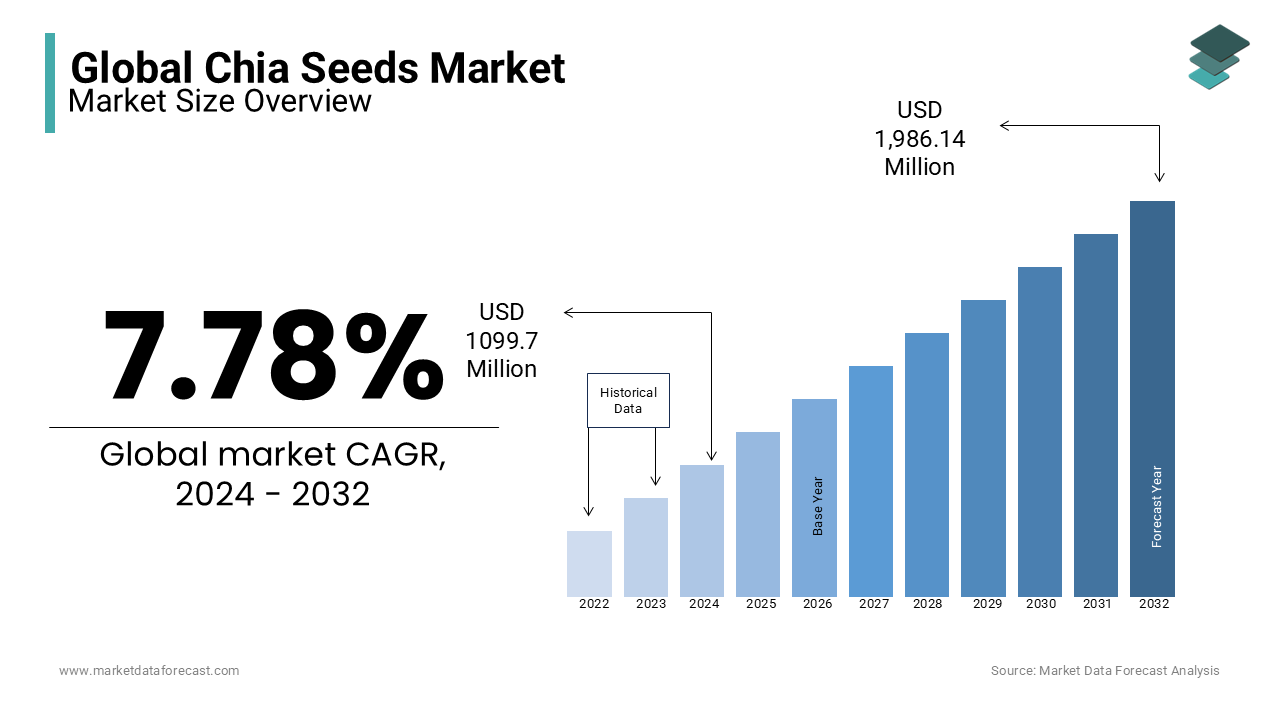
- Market Valuation: Valued at USD 1.17 billion (2025), estimated at USD 1.26 billion (2026), and projected to reach USD 2.29 billion by 2034, growing at a robust CAGR of 7.78% (2026–2034).
- Primary Growth Drivers: Surging prevalence of cardiovascular diseases driving demand for omega-3 rich foods, and the rapid expansion of vegan and plant-based diets boosting ingredient adoption globally.
Key Market Segment Metrics (2026–2034)
| Category | Leading Segment (2025 Position) | Fastest-Growing Segment |
|---|---|---|
| By Product Type | Whole Chia Seeds (dominated in 2025 due to versatility, ease of storage, and minimal processing requirements) | Chia Seed Oil (projected to register the highest CAGR of 8.4% due to cosmetic and pharmaceutical adoption) |
| By Application | Food Industry Segment (led in 2025 with widespread incorporation into bakery, cereals, snacks, and dairy alternatives) | Beverages Segment (fastest-growing application showcasing a CAGR of 10.4%) |
| By Region | North America (leading region driven by high health consciousness and established distribution networks) | Asia Pacific (projected to experience dynamic, fast-paced volume expansion driven by rising health awareness and middle-class growth) |
Major Market Players & Market Structure
Market Structure: Highly competitive global landscape featuring agricultural producers, functional food processors, and wellness brands competing on product purity, certifications (organic and non-GMO), value-added extraction (oils), and supply chain resilience.
Key Companies: Navitas Naturals Organic Chia Seeds, Spectrum Essentials Chia Seeds, Garden of Life Organic Chia Seed, Health Works Chia Seeds, Bob's Red Mill Chia Seeds, Benexia, Nutiva Organic Chia Seed, Terrasoul Superfoods Organic Chia Seeds, TruRoots Organic Chia Seeds, Chiatrition Chia Seeds, Naturkost Übelh, and Glanbia Nutritionals.
Global Chia Seeds Market Size
The size of the global chia seeds market was valued at USD 1.17 billion in 2025. The global market is expected to grow at a CAGR of 7.78% from 2026 to 2034 and be worth USD 2.29 billion by 2034 from USD 1.26 billion in 2026.
The chia seeds market is the cultivation, processing, and distribution of Salvia hispanica seeds, recognized globally for their exceptional nutritional profile and versatility in culinary applications. These tiny black and white seeds are dense in omega-3 fatty acids, dietary fiber, protein, and antioxidants, making them a cornerstone of modern functional nutrition. The market has evolved from a niche health food segment to a mainstream ingredient utilized in beverages, baked goods, dairy alternatives, and snack formulations. According to the Food and Agriculture Organization of the United Nations, global production of chia seeds has expanded significantly, with Mexico and Paraguay remaining primary producers, while countries like Australia and Kenya have emerged as key exporters. The rising prevalence of lifestyle-related diseases has prompted consumers to seek natural preventive solutions. According to the World Health Organization, noncommunicable diseases such as cardiovascular disorders and diabetes account for 74% of all deaths globally, driving the demand for heart-healthy ingredients. Chia seeds offer a plant-based source of alpha linolenic acid, which is crucial for maintaining lipid profiles. In addition, the surge in veganism and flexitarian diets has elevated the status of chia seeds as a viable egg substitute and protein enhancer. Regulatory bodies in major economies have approved novel food status for chia seeds, facilitating their integration into diverse product categories. The shift toward clean-label products further supports market growth as manufacturers replace synthetic additives with natural thickeners derived from chia mucilage. This convergence of health consciousness, dietary trends, and regulatory acceptance defines the current landscape of the chia seeds industry.
MARKET DRIVERS
Surging Prevalence of Cardiovascular Diseases Drives Demand for Omega-3 Rich Foods
The rising incidence of cardiovascular diseases globally is primarily driving the growth of the global chia seeds market. Consumers are actively seeking dietary interventions to manage cholesterol levels and reduce inflammation without relying solely on pharmaceuticals. According to the World Health Organization, cardiovascular diseases remain the leading cause of death globally, taking an estimated 17.9 million lives each year. This stark statistic has heightened public awareness regarding the importance of heart-healthy fats, particularly alpha linolenic acid, which is abundant in chia seeds. According to clinical studies cited by the American Heart Association, regular intake of plant-based omega-3s can contribute to reduced blood pressure and improved arterial function. In regions such as North America and Europe, where sedentary lifestyles and processed food consumption are prevalent, the demand for functional foods that support cardiac health is intensifying. Chia seeds provide a convenient and versatile method to incorporate these essential fatty acids into daily diets through smoothies, oatmeal and salads. The perception of chia seeds as a natural cardioprotective agent is reinforced by nutritionists and healthcare providers who recommend them as part of a balanced diet. Furthermore, the aging population in developed nations is increasingly proactive about preventive healthcare, leading to sustained demand for ingredients that support long-term cardiovascular wellness. This health-driven motivation ensures that chia seeds remain a staple in the portfolios of health-conscious consumers and functional food manufacturers alike.
Rapid Expansion of Vegan and Plant-Based Diets Boosts Ingredient Adoption
The rapid expansion of vegan and plant-based diets across the globe significantly propels the adoption of chia seeds as a versatile and nutrient-dense ingredient, which is further boosting the expansion of the global chia seeds market. As consumers shift away from animal products, they seek reliable plant-based sources of protein, calcium, and essential fatty acids to meet their nutritional needs. According to a survey by The Vegan Society, the number of vegans in the United Kingdom alone has quadrupled between 2014 and 2019, reflecting a broader global trend toward ethical and health-driven dietary choices. Chia seeds serve as an excellent egg replacer in baking due to their ability to form a gel when mixed with water, appealing to both vegan households and commercial bakeries aiming to reduce allergen risks. Additionally, the high protein content of chia seeds, which contains all nine essential amino acids, makes them a valuable supplement for individuals avoiding meat and dairy. The Food and Agriculture Organization of the United Nations emphasizes the need for sustainable protein sources to feed a growing population, and chia seeds fit this criterion efficiently. Their neutral flavor allows seamless integration into a wide variety of plant-based products, including milks, yogurts, and energy bars. Manufacturers are leveraging this trend by launching chia-infused vegan products that cater to the discerning tastes of modern consumers. The alignment of chia seeds with the core values of sustainability and animal welfare further enhances their appeal. This cultural and dietary shift ensures a robust and expanding consumer base for chia seeds in the global food industry.
MARKET RESTRAINTS
Volatility in Raw Material Prices Impacts Production Costs and Affordability
Volatility in raw material prices is a significant restraint on the chia seeds market, which is affecting both manufacturers and end consumers. Chia seeds are primarily grown in specific climatic conditions in countries such as Mexico, Bolivia, and Paraguay, making the supply chain vulnerable to weather fluctuations and geopolitical instability. According to the International Monetary Fund, agricultural commodity prices have experienced significant swings in recent years due to climate change-induced droughts and supply chain disruptions. For instance, severe droughts in South America have occasionally led to reduced yields, causing sharp increases in the cost of raw chia seeds. This price instability forces manufacturers to either absorb the higher costs, thereby reducing profit margins, or pass them on to consumers, which can dampen demand. In price-sensitive markets such as parts of Asia and Africa, the affordability of premium superfoods like chia seeds is limited. According to the World Bank, inflationary pressures on food prices have reduced the disposable income of households in developing nations, which is restricting their ability to purchase non-essential health foods. Furthermore, the lack of standardized pricing mechanisms in the global chia trade exacerbates uncertainty for buyers and sellers. Small-scale farmers often lack the financial resources to withstand price shocks, leading to inconsistent supply volumes. This unpredictability hinders long-term planning for food processors that rely on steady ingredient availability. Consequently, the economic barrier posed by price volatility restricts the mass market penetration of chia seeds and limits their accessibility to higher-income demographics.
Limited Awareness and Misconceptions in Emerging Markets Hinder Penetration
Limited awareness and persistent misconceptions about chia seeds in emerging markets are another substantial restraint to market expansion. While chia seeds are well established in North America and Europe, many consumers in Asia, Africa, and parts of Latin America remain unfamiliar with their benefits or proper usage. According to UNESCO, literacy rates vary significantly across regions, and health literacy, specifically regarding nutritional science, is often low in rural areas. This knowledge gap leads to hesitation in adopting new food ingredients, especially those perceived as exotic or expensive. In some cultures, traditional seeds such as flaxseed or sesame are preferred due to longstanding culinary habits and lower costs. According to the Food and Agriculture Organization of the United Nations, extension services that educate farmers and consumers about alternative crops are often underfunded in developing nations. Misconceptions also arise regarding the safety and side effects of chia seed,s such as fears of digestive discomfort or allergic reactions, which are rarely addressed by local health authorities. The lack of localized marketing campaigns that resonate with cultural preferences further impedes acceptance. Without clear information on how to incorporate chia seeds into traditional dishes, consumers are unlikely to experiment with them. Additionally, the prevalence of counterfeit or low-quality products in informal markets can damage consumer trust. Until comprehensive education and targeted outreach programs are implemented, the potential of the chia seeds market in these high-population regions will remain untapped, limiting global growth prospects.
MARKET OPPORTUNITIES
Innovation in Ready-to-Eat and Convenience Food Segments Offers Growth Potential
Innovation in the ready-to-eat and convenience food segments presents a lucrative opportunity for the chia seeds market as consumers increasingly prioritize health without compromising on convenience. The fast-paced modern lifestyle has driven demand for nutritious snacks and meals that require minimal preparation time. According to industry projections, the global market for healthy snacking is projected to grow steadily as urban consumers seek options that support their wellness goals amidst busy schedules. Chia seeds are ideally suited for this trend due to their ability to enhance texture and nutritional value in products such as energy bars, puddings, breakfast cereal,s and instant oatmeal packs. Manufacturers are developing single-serve chia seed packets and pre-mixed blends that can be easily added to yogurt or smoothies, appealing to on-the-go consumers. The incorporation of chia seeds into gluten-free and keto-friendly products further expands their appeal to specific dietary niches. According to the International Food Information Council, a significant percentage of consumers are actively trying to consume more fiber and protein, making chia-enriched convenience foods highly attractive. Brands are also exploring innovative packaging solutions such as resealable pouches and portion-controlled containers to maintain freshness and ease of use. Collaborations between chia suppliers and major food conglomerates can accelerate the development of new product lines. By positioning chia seeds as a key ingredient in convenient health foods, companies can tap into a broad and growing consumer base seeking practical wellness solutions.
Expansion into Cosmetic and Personal Care Applications Creates New Revenue Streams
The expansion of chia seeds into the cosmetic and personal care industry creates a significant opportunity for global market growth. Chia seed oil is rich in antioxidants andomega-33 fatty acids, which offer moisturizin, anti-inflammatory,y and anti-aging benefits for the skin and hair. According to the Global Wellness Institute, the wellness economy, including personal care and beauty, is a multi-trillion-dollar sector with consumers increasingly seeking natural and organic ingredients. The demand for clean beauty products free from synthetic chemicals is rising particularly among millennials and Gen Z consumers who prioritize transparency and sustainability. Chia seed oil is being incorporated into facial serums, body lotions, shampoos, and conditioners due to its ability to improve skin elasticity and hydrate dry hair. According to the Personal Care Products Council, natural ingredients are among the top drivers of innovation in the beauty industry. The cold-pressed extraction method preserves the nutritional integrity of chia oil, making it a premium ingredient for high-end cosmetic formulations. Manufacturers can leverage the existing supply chain of chia seeds to produce value-added oils and extracts catering to the beauty sector. Partnerships with cosmetic brands can facilitate the introduction of chia-based personal care lines in retail and online channels. This diversification reduces dependency on the food sector and opens up new markets in the lucrative beauty industry. The dual benefit of internal and external wellness associated with chia seeds enhances their brand appeal and market potential.
MARKET CHALLENGES
Supply Chain Vulnerabilities Due to Climate Change Threaten Stability
Supply chain vulnerabilities exacerbated by climate change pose a critical challenge to the expansion of the chia seeds market. Chia plants are sensitive to extreme weather conditions, including drought,s flood,s and temperature fluctuation, which are becoming more frequent due to global warming. According to the Intergovernmental Panel on Climate Change, agricultural productivity in many regions is expected to decline as weather patterns become increasingly unpredictable. Major producing countries such as Mexico and Paraguay have experienced erratic rainfall and prolonged dry spells, affecting crop yields and quality. According to the World Meteorological Organization, the frequency of extreme weather events has increased significantly over the past decade, impacting smallholder farmers who lack resources for irrigation and climate-resilient farming techniques. These disruptions lead to inconsistent supply volume,s causing delays in production and fulfillment for international buyers. The concentration of production in a few geographic regions further amplifies the risk of supply shocks. Any significant crop failure in these key areas can lead to global shortages and price spikes. Additionally, the lack of diversified sourcing options limits the ability of manufacturers to mitigate these risks. Logistics challenges such as port congestion and transportation bottlenecks compound the problem, increasing lead times and costs. Ensuring a stable supply of high-quality chia seeds requires investment in sustainable farming practices and geographic diversification. Until these measures are widely adopted, the market remains exposed to the adverse effects of climate variability.
Regulatory Hurdles and Labeling Requirements Complicate Market Entry
Regulatory hurdles and complex labeling requirements are further challenging the chia seeds market growth. Each country has distinct regulations regarding the approval of novel foods, maximum residue limits, and nutritional claims, which can be cumbersome and costly to navigate. According to the World Trade Organization, non-tariff barriers such as differing food safety standards can impede the flow of agricultural products across borders. In the European Union, for example, chia seeds were granted novel food status with specific conditions on their usage levels in various food categories requiring strict compliance from manufacturers. According to the Food and Drug Administration in the United States, labels must accurately reflect nutritional content, and any health claims must be substantiated by scientific evidence to avoid legal repercussions. Failure to adhere to these regulations can result in product recalls, fines, or bans, damaging brand reputation and financial standing. Small and medium-sized enterprises often lack the resources to manage these regulatory complexities, limiting their ability to expand globally. Additionally, changing regulations such as new organic certification standards or sustainability mandates require continuous monitoring and adaptation. The lack of harmonization in international food laws creates uncertainty and increases operational costs for exporters. Companies must invest in legal expertise and quality assurance systems to ensure compliance. These regulatory burdens can slow down product launches and restrict market access, posing a persistent challenge to industry growth.
REPORT COVERAGE
| REPORT METRIC | DETAILS |
| Market Size Available | 2025 to 2034 |
| Base Year | 2025 |
| Forecast Period | 2026 to 2034 |
| CAGR | 7.78% |
| Segments Covered | By Product Type, Application, Color, And Region |
| Various Analyses Covered | Global, Regional, and Country Level Analysis; Segment-Level Analysis; DROC; PESTLE Analysis; Porter’s Five Forces Analysis; Competitive Landscape; Analyst Overview of Investment Opportunities |
| Regions Covered | North America, Europe, APAC, Latin America, Middle East & Africa |
| Market Leaders Profiled | Navitas Naturals Organic Chia Seeds, Spectrum Essentials Chia Seeds, Garden of Life Organic Chia Seed, Health Works Chia Seeds, Bob's Red Mill Chia Seeds, Benexia, Nutiva Organic Chia Seed, Terrasoul Superfoods Organic Chia Seeds, TruRoots Organic Chia Seeds, Chiatrition Chia Seeds, Naturkost Übelh, and Glanbia Nutritionals. |
SEGMENTAL ANALYSIS
By Product Type Insights
The whole chia seeds segment dominated the market by holding the leading share of the global market in 2025. The growth of the whole segment in the global market can be attributed to their versatility, ease of storage, and minimal processing requirements, which preserve their natural nutritional integrity. Consumers prefer whole seeds for their ability to be easily incorporated into a wide variety of dishes, ranging from smoothies and salads to baked goods, without altering the flavor profile significantly. According to the United States Department of Agriculture, whole chia seeds retain their antioxidant properties and omega-3 fatty acid content more effectively than processed forms when stored correctly. The long shelf life of whole seeds, which can extend up to two years in cool, dry conditions, makes them a preferred choice for both retailers and households. According to the Food and Agriculture Organization of the United Nations, the majority of chia production is exported in whole form, allowing importing countries to process them locally according to specific market needs. This flexibility supports a diverse range of culinary applications and encourages bulk purchasing by food manufacturers. The visual appeal of whole seeds in transparent packaging also drives retail sales as consumers associate the intact seed with purity and quality. Furthermore, whole chia seeds are the primary format used in home cooking and DIY health recipes, which are widely shared on social media platforms. The simplicity of using whole seeds requires no special equipment or preparation knowledge, making them accessible to a broad demographic. This widespread acceptance and utility ensure that whole chia seeds remain the cornerstone of the global chia market, sustaining their leading position through consistent demand across various consumer segments.
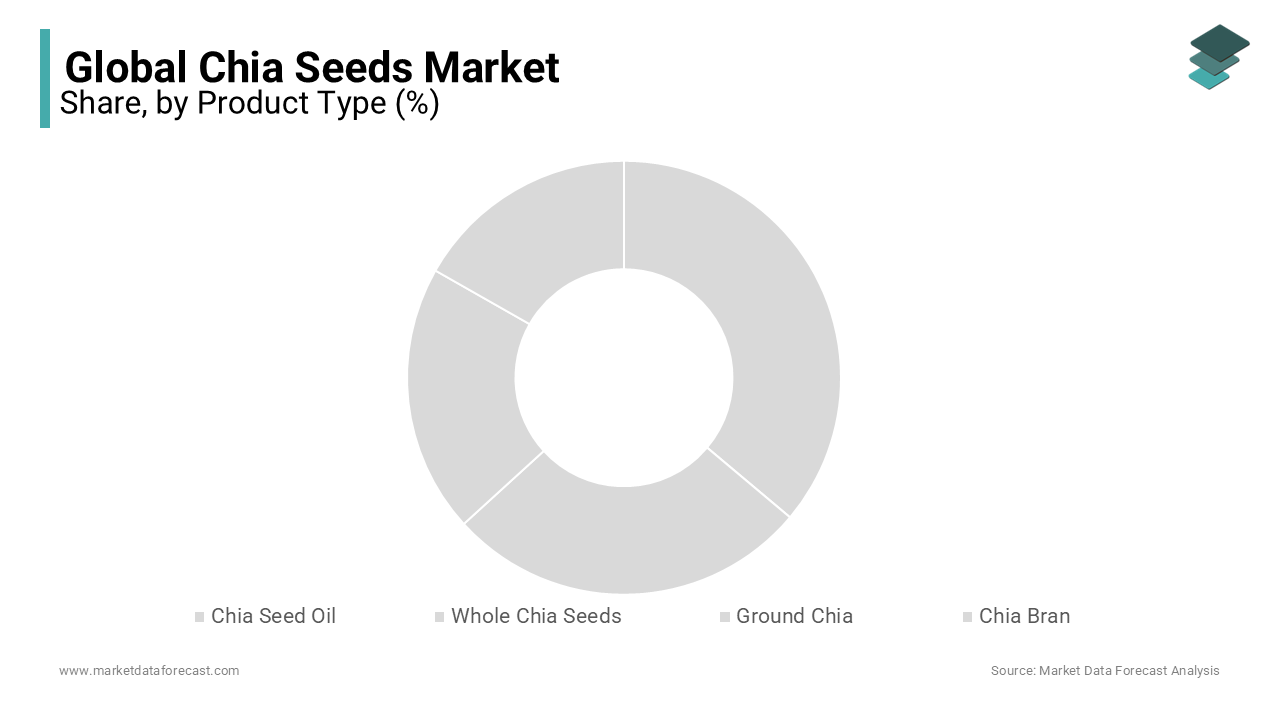
On the other hand, the chia seed oil segment is projected to register the highest CAGR of 8.4% during the forecast period in the global market, owing to its increasing adoption in the cosmetic and pharmaceutical industries. Chia seed oil is rich in alpha linolenic acid and antioxidants, making it a valuable ingredient for skincare and haircare products that target inflammation and aging. According to the Personal Care Products Council, the demand for natural and organic oils in beauty formulations has surged as consumers seek alternatives to synthetic ingredients. The cold-pressed extraction method used to produce chia seed oil preserves its bioactive compound,s enhancing its efficacy in topical applications. According to the Global Wellness Institute, the wellness beauty sector is expanding rapidly with a focus on ingredients that offer both aesthetic and health benefits. Chia seed oil is increasingly used in serum,s moisturizers, and hair treatments due to its lightweight texture and ability to penetrate the skin barrier. Pharmaceutical companies are also exploring chia seed oil for its potential anti-inflammatory properties in supplements and topical therapies. The high value addition associated with chia seed oil compared to whole seeds incentivizes producers to invest in extraction technologies. Furthermore, the growing awareness of the benefits ofomega-33 fatty acids for skin health drives consumer interest in chia oil-based products. This convergence of beauty, wellness, and pharmaceutical applications fuels the rapid growth of the chia seed oil segment, positioning it as the fastest-growing category in the market.
By Application Insights
The food industry segment led the market by holding the leading share of the global market in 2025. The widespread incorporation of chia seeds into bakery products, breakfast cereals, snacks, and dairy alternatives is contributing to the dominance of the food industry segment in the global market. Consumers are increasingly seeking functional ingredients that enhance the nutritional profile of everyday foods without compromising taste or texture. According to the International Food Information Council, a significant majority of consumers are actively trying to add more fiber and protein to their diets, making chia seeds an ideal ingredient for food manufacturers. The ability of chia seeds to act as a binder and thickener allows them to replace eggs and fats in baked goods, appealing to the growing vegan and health-conscious markets. According to food manufacturing data, the launch of new products containing chia seeds has increased steadily, reflecting the ingredient's versatility and consumer acceptance. Breakfast cereal manufacturers are fortifying their offerings with chia seeds to boost fiber content and provide sustained energy release. The dairy alternative sector utilizes chia seeds to improve the texture and stability of plant-based yogurts and puddings. Retailers report strong sales of chia-enriched snacks such as energy bars and crackers, which cater to on-the-go consumers seeking nutritious options. The familiarity of chia seeds in culinary applications reduces the educational burden on marketers, facilitating faster adoption. Food manufacturers benefit from the clean label appeal of chia seeds, which aligns with the trend toward minimally processed ingredients. This broad integration across various food categories ensures that the food industry remains the dominant application segment for chia seeds globally.
On the other hand, the beverages segment is emerging as the fastest-growing application for the chia seeds market and is estimated to showcase a CAGR of 10.4% during the forecast period, owing to the growing popularity of functional drinks and hydration solutions. Chia seeds are increasingly incorporated into juices, smoothies, sports drinks, and ready-to-drink teas due to their ability to provide sustained energy and hydration. According to the Beverage Marketing Corporation, the global functional beverage market is expanding rapidly as consumers seek drinks that offer health benefits beyond basic hydration. Chia seeds add texture and visual interest to beverages, making them appealing to younger demographics who value experiential consumption. According to the Global Nutrition Report, the demand for drinks that support immune health and digestion is rising, prompting manufacturers to formulate chia-infused beverages with added vitamins and probiotics. The trend toward natural energy sources has led to the development of chia seed drinks as alternatives to caffeinated energy drinks. These beverages are marketed as clean energy solutions that provide long-lasting fuel without the crash associated with sugar and caffeine. Ready-to-drink chia beverages are gaining traction in convenience stores and gyms, catering to active lifestyles. The ease of consumption and portability of chia drinks make them ideal for on-the-go consumers. Innovations in flavor combinations, such as chia with fruit juices and herbal extracts, enhance palatability and broaden appeal. This dynamic growth in the beverage sector positions it as the fastest-expanding application segment for chia seeds.
REGIONAL ANALYSIS
North America Chia Seeds Market Analysis
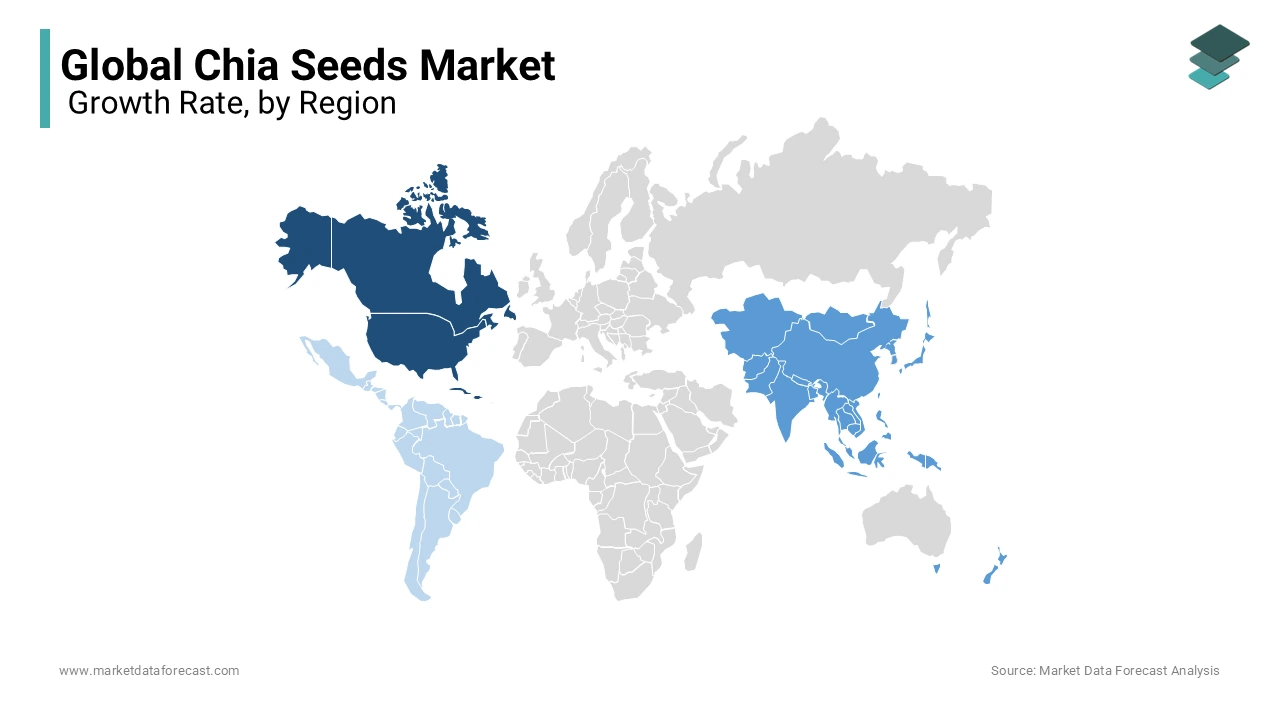
North America is expected to witness robust market development and consumption growth in the global Chia Seeds Market over the next few years, driven by high health consciousness and well-established distribution networks. The United States and Canada are key contributors to this dominance, with consumers actively seeking functional foods to manage lifestyle-related diseases. According to the Centers for Disease Control and Prevention, the prevalence of obesity and diabetes in the United States has spurred demand for high fiber and low glycemic index ingredients like chia seeds. The region boasts a robust network of health food stores, supermarkets, and online retailers that make chia seeds widely accessible. According to the Dietary Guidelines for Americans, recommendations to increase intake of plant-based proteins and healthy fats have influenced consumer purchasing decisions. The presence of major food and beverage manufacturers in North America facilitates the integration of chia seeds into a wide range of processed products. The trend toward veganism and clean eating is particularly strong in this region, further boosting demand. Regulatory approval by the Food and Drug Administration for chia seeds as a safe food ingredient has removed barriers to market entry. High disposable income allows consumers to purchase premium health products, including organic and non-GMO chia seeds. Marketing campaigns by health influencers and nutritionists educate the public on the benefits of chia seeds, sustaining long-term interest. The mature market infrastructure and strong consumer awareness ensure that North America remains the leading region for chia seed consumption and innovation.
Europe Chia Seeds Market Analysis
Europe is anticipated to register a strong expansion and increased integration of healthy ingredients in the global Chia Seeds Market through the next few years, characterized by strict regulatory standards and a strong preference for organic and sustainable products. The European Union granted novel food status to chia seeds, which has facilitated their legal sale and integration into various food categories. According to the European Food Safety Authority, rigorous safety assessments have built consumer trust in the quality and safety of chia seeds available in the market. Countries such as Germany, the United Kingdom, and France are leading consumer-driven by a cultural emphasis on natural and wholesome ingredients. According to Eurostat, the demand for organic food products in Europe has grown steadily, with chia seeds being a popular item in organic sections of supermarkets. The region's focus on sustainability encourages the sourcing of chia seeds from certified ethical suppliers. Health campaigns by national governments promoting healthy eating habits have increased awareness of the benefits of omega 3 fatty acids found in chia seeds. The bakery and confectionery industries in Europe are increasingly incorporating chia seeds into traditional products to enhance their nutritional value. Retailers are expanding their range of chia-based products, including snacks, beverages, and supplements. The high level of health literacy among European consumers supports the adoption of functional foods. Regulatory harmonization across member states simplifies trade and distribution, enabling efficient market penetration. These factors collectively sustain Europe's significant position in the global chia seeds market.
Asia Pacific Chia Seeds Market Analysis
The Asia Pacific region is projected to experience a highly dynamic and fast-paced volume expansion within the global Chia Seeds Market over the next few years, driven by rising health awareness and expanding middle-class populations. Countries such as China, India, Japan, and Australia are witnessing increased adoption of Western dietary trends, including the consumption of superfoods. According to the World Health Organization, the rising incidence of noncommunicable diseases in the Asia Pacific has prompted governments and consumers to seek preventive health solutions. Chia seeds are gaining popularity in urban centers where health-conscious consumers are willing to pay a premium for nutritious ingredients. According to the Asian Development Bank, economic growth in the region has increased disposable income, enabling greater spending on health and wellness products. In Australia, local production of chia seeds has expanded, reducing reliance on imports and lowering costs. In China and India, e-commerce platforms are making chia seeds more accessible to a broader audience through online retail channels. The influence of social media and international health trends accelerates the adoption of chia seeds among younger demographics. Manufacturers are introducing chia-infused products tailored to local tastes, such as chia teas and snacks. Government initiatives promoting healthy lifestyles support market growth. The large population base offers significant potential for future expansion. As awareness continues to spread to rural areas, the Asia Pacific region is poised to become a major contributor to global chia seed demand.
Latin America Chia Seeds Market Analysis
Latin America is poised to fortify its position as the foundational core of the global Chia Seeds Market for the next few years, benefiting from its status as a primary producer of chia seeds. Mexico, Paraguay, and Bolivia are key cultivation hubs providing a steady supply of high-quality seeds for both domestic consumption and export. According to the Food and Agriculture Organization of the United Nations, Latin America accounts for a significant portion of global chia production, leveraging favorable climatic conditions. Domestic consumption is driven by traditional uses of chia seeds in local beverages and dishes, which are deeply rooted in cultural heritage. According to regional trade statistics, the export of chia seeds from Latin America to North America and Europe has strengthened the local economy and encouraged investment in farming infrastructure. Governments in producing countries are supporting farmers with technical assistance and subsidies to improve yield and quality. The growing health consciousness in urban areas of Brazil, Argentina, and Chile is boosting domestic demand for chia seeds. Local manufacturers are developing value-added products such as chia oils and snacks to capture higher margins. The proximity to major export markets reduces logistics costs and enhances competitiveness. Cultural pride in native superfoods promotes the consumption of chia seeds as a symbol of regional identity. These factors ensure that Latin America remains a critical player in the global chia seeds supply chain and market.
Middle East and Africa Chia Seeds Market Analysis
The Middle East and Africa region is on track to reveal significant untapped potential and steady introductory growth in the global Chia Seeds Market over the next few years, representing a nascent but promising segment with growing potential. Health awareness is gradually increasing in countries such as South Africa, the United Arab Emirates, and Saudi Arabia, driven by government initiatives to combat lifestyle diseases. According to the World Bank, rising income levels and urbanization in the region are leading to changes in dietary habits, with a greater interest in international health trends. Chia seeds are introduced primarily through imported health food products and specialty stores catering to expatriate and affluent local populations. According to the Gulf Cooperation Council Standardization Organization, efforts to harmonize food safety regulations are facilitating the entry of new health products into the market. The hot climate in many parts of the region increases the demand for hydrating and energy boosting foods, making chia seeds an attractive option. Online retail platforms are playing a crucial role in making chia seeds accessible to consumers in remote areas. Local distributors are partnering with international brands to introduce chia-infused products tailored to regional preferences. Awareness campaigns by health organizations are educating the public about the benefits of omega 3 fatty acids. While the market is currently small compared to other regions, the increasing focus on preventive healthcare and the expansion of modern retail infrastructure suggest significant growth opportunities in the coming years.
COMPETITION OVERVIEW
The competitive landscape of the Chia Seeds Market is characterized by a mix of large agricultural producers, specialized ingredient suppliers, and emerging niche brands vying for market share. Global competition is intense as companies strive to differentiate their products through quality certifications, sustainable sourcing practices, and innovative formulations. Major players leverage their scale and vertical integration to offer competitive pricing and consistent supply, while smaller firms focus on unique value propositions such as rare varieties or specific health benefits. The market sees frequent entry of new participants, particularly in the organic and non-GMO segments, driven by rising consumer demand for clean-label ingredients. Price competition remains a factor, especially in the bulk commodity sector, prompting producers to optimize operational efficiency. Brand reputation and trust are critical differentiators, with companies investing in transparency and traceability initiatives to build consumer confidence. Regulatory compliance varies by region, requiring companies to adapt their strategies to local standards and labeling requirements. Collaborations between producers and food manufacturers are common, fostering innovation in product development. The availability of substitute seeds such as flax and hemp adds pressure to maintain distinct positioning. Overall, the market is dynamic with continuous innovation and strategic alliances shaping the competitive environment and driving growth.
KEY MARKET PLAYERS
A few major players of the global chia seeds market include
- Navitas Naturals Organic Chia Seeds
- Spectrum Essentials Chia Seeds
- Garden of Life Organic Chia Seed
- Health Works Chia Seeds
- Bob's Red Mill Chia Seeds
- Benexia
- Nutiva Organic Chia Seed
- Terrasoul Superfoods Organic Chia Seeds
- Tru Roots Organic Chia Seeds
- Chiatrition Chia Seeds
- Naturkost Übelh
- Glanbia Nutritionals
Top Strategies Used by Key Market Participants in the Chia Seeds Market
Key players in the Chia Seeds Market primarily employ vertical integration and product diversification strategies to strengthen their positions. Companies are increasingly investing in their own farming operations to secure raw material supply and ensure quality control from seed to shelf. This approach reduces dependency on third-party suppliers and mitigates risks associated with price volatility. Manufacturers are also expanding their product portfolios beyond whole seeds to include value-added items such as chia oil, flour, and ready-to-eat snacks. This diversification caters to evolving consumer preferences for convenience and specialized nutritional benefits. Strategic partnerships with retailers and food manufacturers facilitate broader distribution and market penetration. Brands focus on obtaining organic and non-GMO certifications to appeal to health-conscious consumers willing to pay premium prices. Marketing efforts emphasize the sustainability and ethical sourcing of chia seeds, aligning with global environmental concerns. Digital platforms are utilized to engage directly with consumers and educate them on the versatile uses of chia. These multifaceted strategies enable companies to build brand loyalty and maintain competitiveness in the dynamic global market.
Leading Players in the Global Chia Seeds Market
- The Nutra Company is a leading global supplier of chia seeds and other superfoods with a strong focus on sustainable sourcing and vertical integration. The company operates extensive farming operations in Australia and South America, ensuring consistent quality and supply chain control. Recent actions include the expansion of their processing facilities to increase production capacity for whole seeds and chia oil. They have launched new organic certified product lines to meet the growing demand for clean-label ingredients. The Nutra Company actively collaborates with food manufacturers to develop innovative chia-based formulations for bakery and beverage applications. Their commitment to environmental stewardship is demonstrated through water conservation initiatives and soil health programs. By investing in research and development, they continue to introduce value-added products such as micronized chia flour. These strategic moves strengthen their position as a trusted partner for global brands seeking high-quality and reliable chia seed supplies.
- Agro Industrial Paraguay SA is a major producer and exporter of chia seeds based in Paraguay, leveraging the country's ideal climatic conditions for cultivation. The company plays a critical role in the global supply chain by providing large volumes of high-quality non-GMO chia seeds to international markets. Recent initiatives include the implementation of advanced harvesting technologies to improve yield efficiency and reduce post-harvest losses. They have established strategic partnerships with distributors in North America and Europe to enhance market reach and brand visibility. Agro Industrial Paraguay SA focuses on sustainable agricultural practices, ensuring the long-term viability of its farming operations. The company has also invested in state-of-the-art cleaning and packaging facilities to meet stringent international food safety standards. By offering competitive pricing and consistent quality, they remain a preferred supplier for bulk buyers. Their efforts to promote Paraguayan chia as a premium product help differentiate their offerings in a crowded global market.
- Brenntag SE is a global leader in chemical and ingredient distribution with a significant presence in the food and nutrition sector, including chia seeds. The company facilitates the connection between chia seed producers and end users such as food manufacturers and supplement brands across various regions. Recent actions involve expanding their specialty nutrition portfolio to include a wider range of organic and functional chia products. Brenntag SE leverages its extensive logistics network to ensure the timely and efficient delivery of chia seeds to customers worldwide. They provide technical support and formulation expertise to help clients integrate chia seeds into their product lines effectively. The company has acquired smaller regional distributors to strengthen its local presence and customer relationships. By focusing on sustainability and transparency in its supply chain, Brenntag SE enhances trust among conscientious consumers. Their ability to offer customized solutions and reliable service solidifies their role as a key enabler of growth in the global chia seeds market.
MARKET SEGMENTATION
This research report on the global chia seeds market has been segmented and sub-segmented based on product type, application, color, & region.
By Product Type
- Chia Seed Oil
- Whole Chia Seeds
- Ground Chia
- Chia Bran
By Application
- Nutraceuticals
- Food
- Bakery
- Breakfast Cereals
- Soups & gravies
- Beverages
By Color
- White
- Black
- Brown
By Region
- North America
- Europe
- Asia-Pacific
- Latin America
- Middle East and Africa