- Product Description Description
- Table of Contents TOC
- List of Table & Figure LOT
- Get Free Sample PDF Sample PDF
Market Size, 2025
$2.5 BnMarket Estimate, 2026
$2.75 BnMarket Forecast, 2034
$5.8 BnCAGR, 2026–2034
9.8%Executive Summary: Global Digital Dental X-ray Market
- Market Scope: Comprehensive global digital dental X-ray market overview detailing product formats, imaging methods, clinical applications, end-user settings, and regional adoption dynamics.
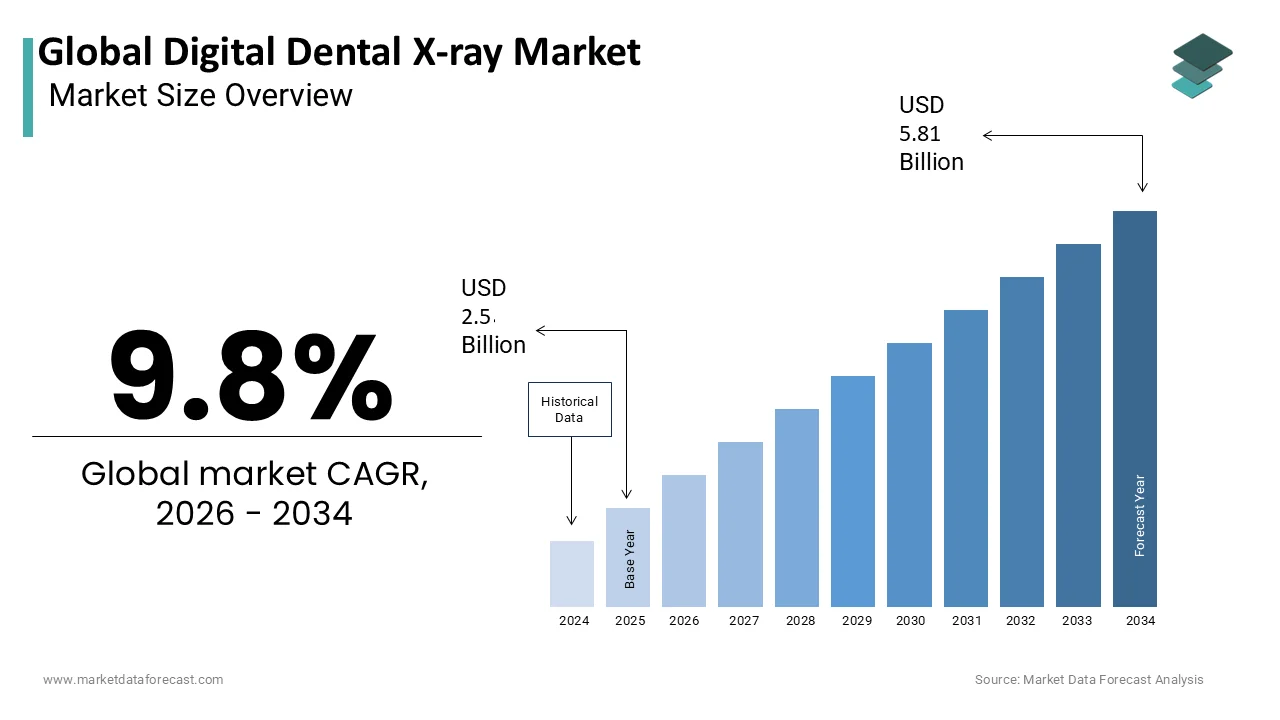
- Market Valuation: Valued at USD 2.50 billion in 2025, reaching USD 2.75 billion in 2026, and projected to scale up to USD 5.81 billion by 2034, registering a steady CAGR of 9.8% (2026–2034).
- Primary Growth Drivers: High global prevalence of dental disorders (caries and periodontal diseases), rising demand for cosmetic dentistry and aesthetic procedures, rapid growth of the aging population, and technological advancements reducing radiation exposure while improving image storage and EHR integration.
Key Market Segment Metrics (2026–2034)
| Category | Leading Segment Position | Fastest-Growing / Core Segment |
|---|---|---|
| By Product | X-ray Systems (holding a promising share for routine examinations, diagnostics, and general treatment planning) | CBCT (Cone Beam Computed Tomography) (witnessing the fastest growth driven by precision needs in implantology, orthodontics, and endodontics) |
| By Method | Extraoral Segment (holding the major share for comprehensive dental screenings, TMJ disorder evaluation, and orthodontic treatment planning) | Intraoral Segment (growing significantly due to demand for localized, high-precision imaging and sensor advancements) |
| By Application | Diagnostic Segment (projected to hold the largest market share owing to preventive care focus and rising dental disease prevalence) | Cosmetic, Therapeutic, and Forensic imaging applications |
| By End-User | Dental Clinics (accounting for the major share due to high patient visit volumes for varied dental care needs) | Dental Labs (registering the fastest CAGR driven by demand for personalized dental prosthetics and clinic collaborations) |
| By Region | North America (dominating global market share via advanced healthcare infrastructure, high geriatric population, and favorable reimbursements) | Asia-Pacific (most lucrative and fast-growing region fueled by rising healthcare expenditure, dental tourism, and digital dentistry adoption) |
Major Market Players & Market Structure
Market Structure: Highly competitive global marketplace featuring prominent medical device and dental imaging corporations investing in high-definition sensors, software integration, and advanced diagnostic systems.
Key Companies: Danaher Corporation, Carestream Health Inc., Sirona Dental Systems, Inc., Planmeca Oy, Dentsply International, Inc., Midmark Corporation, LED Medical Diagnostic, Inc., Vatech Co. Ltd., The Yoshida Dental Mfg. Co., Ltd., and Flow Dental Corporation.
 Download Free Sample Report
Global Digital Dental X-ray Market Size
The global digital dental X-ray market was worth USD 2.5 billion in 2025 and is predicted to be valued at USD 2.75 billion in 2026 and reach USD 5.81 billion by 2034, registering a CAGR of 9.8% during the forecast period from 2026 to 2034.
A digital dental X-ray is a modern imaging method that uses an electronic sensor instead of photographic film to capture detailed pictures of your teeth, gums, and jawbone. This market includes intraoral sensors and extraoral systems such as cone beam computed tomography and panoramic units that offer superior image resolution and reduced radiation exposure. As per the World Health Organization, oral diseases affect nearly 3.5 billion people globally, with untreated dental caries being the most common condition. The widespread prevalence necessitates efficient and accurate diagnostic tools for early detection and treatment planning. Additionally, according to the American Dental Association, about 90% of dental practices in the U.S. use digital radiography. The transition is driven by the need for immediate image availability, which improves patient consultation and case acceptance rates. Regulatory bodies emphasise radiation safety standards, which digital systems meet more effectively than conventional methods. The integration of artificial intelligence in image analysis further enhances diagnostic precision. Healthcare providers are increasingly investing in digital infrastructure to support teledentistry and remote consultations. These technological advancements align with the growing demand for minimally invasive procedures and personalised care. Consequently, the market is expanding rapidly as clinics modernize their equipment to meet contemporary clinical standards and patient expectations for high-quality dental services.
MARKET DRIVERS
Superior Diagnostic Accuracy and Reduced Radiation Exposure
The superior diagnostic accuracy and significantly lower radiation doses provided by digital systems strongly favor the adoption of digital dental X-ray technology, which drives the growth of the digital dental X-ray market. According to the International Commission on Radiological Protection, medical imaging exposures must conform to standard radiation protection principles by utilizing specialized field-of-view optimization to minimize radiation doses to the thyroid and lenses of the eyes during complex dental cone beam computed tomography scans. As per studies, modern digital sensors require up to 80% less radiation than traditional film while producing high-resolution images that can be enhanced digitally. This reduction addresses growing patient concerns about long-term health risks associated with cumulative radiation exposure. According to the Journal of the American Dental Association, digital radiography allows operators to perform mathematical filter operations on pixel grids to optimize brightness and contrast settings manually for targeted caries detection and bone level assessments. Dentists can manipulate brightness and contrast to reveal subtle pathologies that might be missed on film. This capability leads to earlier intervention and better treatment outcomes. Patients are more likely to consent to regular screenings when assured of minimal radiation risk. Regulatory agencies in Europe and North America have tightened safety guidelines encouraging the phase-out of high-dose technologies. The ability to store and retrieve images without degradation ensures consistent quality over time. These clinical advantages make digital X-rays the preferred choice for modern practices prioritizing patient safety and diagnostic precision.
Enhanced Workflow Efficiency and Patient Engagement
Enhanced workflow efficiency and improved patient engagement capabilities further boost the expansion of the digital dental X-ray market. This significantly drives the demand for these X-ray systems in clinical settings. The elimination of chemical processing steps reduces the time required to obtain diagnostic images from several minutes to mere seconds. As per the American Dental Education Association, institutional collaborations are accelerating the adoption of digital workflows and advanced simulation tools to reduce chairside time and enhance the precision of prosthetic fabrications. This immediacy improves case acceptance rates as patients can visually understand their conditions and proposed treatments. Digital files integrate seamlessly with practice management software, enabling easy storage, retrieval, and sharing with specialists or insurance companies. This interoperability reduces administrative burdens and minimises errors associated with manual filing. The ability to send images electronically supports teledentistry initiatives which have gained traction post-pandemic. Patients appreciate the eco-friendly aspect of eliminating chemical waste and film disposal. Clinics can handle higher patient volumes due to faster turnaround times, increasing revenue potential. Training staff on digital systems is straightforward, leading to quicker adoption and fewer operational disruptions. The combination of speed, convenience, and visual communication tools makes digital X-rays an essential asset for competitive dental practices aiming to optimise operational efficiency and enhance the overall patient experience.
MARKET RESTRAINTS
High Initial Capital Investment and Maintenance Costs
The high initial capital investment required for these X-ray systems acts as a significant barrier to the digital dental X-ray market. This is especially true for small and independent practices. Purchasing sensors, computers, and software licenses involves substantial upfront costs that may strain limited budgets. According to the American Dental Association, general dental practices operate with a high overhead benchmark where equipment and depreciation costs eat up 3% to 5% of total collections. Additionally, digital sensors are fragile and susceptible to damage from drops or biting forces, leading to costly replacements. Maintenance contracts and software updates add to the long term operational expenses. Unlike film, which has low recurring costs, digital systems require continuous investment in hardware upgrades and IT support. Rural clinics and those in developing regions often lack the financial resources to transition from affordable film-based methods. The return on investment may take several years to realise, discouraging price-sensitive practitioners. Insurance reimbursement rates for digital imaging do not always offset the higher equipment costs. Financial institutions may perceive dental technology upgrades as risky loans, limiting access to credit. These economic constraints slow down the penetration of digital X-rays in price-sensitive market segments. Until costs decrease or financing options improve, many practitioners will hesitate to replace functional analogue systems.
Technical Complexity and Staff Training Requirements
Technical complexity and the need for specialized staff training constrain the growth of the digital dental X-ray market. This hinders the widespread adoption of digital dental X-ray technology in some clinical environments. Operating digital sensors and managing image data requires a different skill set compared to traditional film processing. As per the Journal of Dental Education, a 6.5% error-driven re-exposure rate occurred among operators during intraoral digital radiography training. Many existing dental assistants and hygienists lack formal education in digital radiography principles and software navigation. Practices must invest time and money in continuous professional development to ensure competence. Resistance to change among experienced staff who are comfortable with analog methods can further impede implementation. Technical glitches such as software crashes or connectivity issues require immediate IT support, which may not be readily available in smaller clinics. The learning curve can temporarily reduce productivity during the transition phase, causing frustration for both staff and patients. Older practitioners may find it difficult to adapt to new interfaces and workflows. Lack of standardized training programs across different manufacturers adds to the confusion. Without adequate support and education, the potential benefits of digital systems remain unrealised. This human resource challenge remains a critical restraint for seamless integration of digital radiography into daily practice.
MARKET OPPORTUNITIES
Integration of Artificial Intelligence for Automated Diagnosis
The integration of artificial intelligence into digital dental X-ray systems offers a lucrative opportunity for the expansion of the digital dental X-ray market. This paves the way for enhancing diagnostic capabilities and clinical decision-making. AI algorithms can analyse radiographs to detect caries, periodontal disease, and other anomalies with high accuracy. According to the Nature Medicine journal, inaccurate AI predictions strongly influence clinical treatment outcomes by adversely affecting radiologist performance across half of the individual pathologies investigated. This technology supports dentists by highlighting areas of concern and prioritising urgent cases. It also serves as a valuable educational tool for junior practitioners and students. AI integration enables predictive analytics, helping clinicians anticipate future oral health issues based on current imaging data. This proactive approach aligns with the shift towards preventive dentistry. Software developers are partnering with hardware manufacturers to embed AI features directly into imaging platforms. This synergy creates added value for customers seeking comprehensive diagnostic solutions. Regulatory bodies are beginning to establish frameworks for AI validation, ensuring safety and efficacy. The ability to process large volumes of data quickly improves workflow efficiency in high-traffic clinics. As AI technology matures, its application in digital radiography will expand, offering new revenue streams through subscription-based software services. This innovation positions digital X-ray providers at the forefront of smart healthcare solutions.
Expansion of Teledentistry and Remote Consultations
The rapid expansion of teledentistry offers significant growth opportunities for the digital dental X-ray market. This enables remote diagnostics and consultations. Digital images can be easily transmitted to specialists or second-opinion providers regardless of geographic location. As per the American Telemedicine Association, virtual platforms are expanding to handle a projected 30% of all dental consultations through digital care, remote diagnostics, and follow-up appointments. This trend is particularly beneficial for rural areas where access to specialist care is limited. Portable digital X-ray units allow community health workers to capture images in remote settings and send them for expert review. This model reduces travel costs and wait times for patients. Insurance companies are increasingly covering teledentistry services, recognising their cost-effectiveness. Manufacturers are developing cloud-based platforms that facilitate secure image sharing and collaboration. These platforms integrate with electronic health records, ensuring continuity of care. The ability to monitor postoperative healing remotely reduces unnecessary follow-up visits. As broadband connectivity improves globally, the reach of teledentistry will expand further. Digital X-ray providers can capitalise on this trend by offering compatible hardware and software solutions tailored for remote care scenarios. This shift transforms dental care delivery, creating new markets for digital imaging technologies.
MARKET CHALLENGES
Data Security and Privacy Concerns
Data security and privacy concerns are a major impediment to the digital dental X-ray market. This is because cyber threats are becoming increasingly sophisticated. Digital images contain sensitive patient information that must be protected under strict regulations such as HIPAA in the United States and GDPR in Europe. According to the Healthcare Information and Management Systems Society, healthcare organisations continue to face severe security challenges due to third-party vendor risks, limited budgets, and a surge in ransomware attacks targeting medical data infrastructure. A breach can result in severe legal penalties, reputational damage, and loss of patient trust. Ensuring robust encryption, secure storage,e and controlled access requires ongoing investment in cybersecurity infrastructure. Small practices often lack the expertise to implement adequate security measures, making them vulnerable targets. Cloud-based storage solutions, while convenient, introduce additional risks related to third-party vendor security protocols. Patients are becoming more aware of data privacy issues and may hesitate to share digital records if security is not guaranteed. Compliance with evolving regulatory standards demands constant vigilance and updates. Any failure in data protection can halt operations and lead to significant financial losses. Manufacturers must prioritise security features in their products, but ultimate responsibility lies with the practice. Balancing ease of access with rigorous security remains a complex and persistent challenge for the industry.
Rapid Technological Obsolescence
Rapid technological obsolescence challenges the digital dental X-ray market. This happens as hardware and software evolve at an accelerated pace. Newer sensors with higher resolution and faster processing speeds frequently replace existing models, rendering older equipment outdated. As per the Institute of Electrical and Electronics Engineers, the Digital Imaging and Communications in Medicine standard has been continuously revised for over thirty years to maintain global software interoperability across evolving digital radiography units. Practices face pressure to upgrade regularly to maintain competitive advantage and compatibility with new software features. This constant need for upgrades creates financial strain and electronic waste management issues. Manufacturers may discontinue support for older models, forcing users to purchase new systems prematurely. Integration issues arise when new hardware does not seamlessly connect with existing practice management software. Dentists struggle to justify frequent replacements when current systems still function adequately for basic needs. The fast pace of innovation can lead to consumer fatigue and hesitation to invest in the latest technology. Recycling old digital sensors is complex due to hazardous materials requiring specialized disposal methods. This environmental and economic burden complicates procurement decisions. Stakeholders must navigate the balance between staying current and managing costs amidst a landscape of relentless technological change.
REPORT COVERAGE
| REPORT METRIC | DETAILS |
| Market Size Available | 2025 to 2034 |
| Base Year | 2025 |
| Forecast Period | 2026 to 2034 |
| Segments Covered | By Product, Method, Application, End-user, and Region |
| Various Analyses Covered | Global, Regional, and Country-Level Analysis, Segment-Level Analysis, Drivers, Restraints, Opportunities, Challenges; PESTLE Analysis; Porter’s Five Forces Analysis, Competitive Landscape, Analyst Overview of Investment Opportunities |
| Countries Covered | North America, Europe, Asia Pacific |
| Market Leaders Profiled | Danaher Corporation; Carestream Health, Inc. |
SEGMENTAL ANALYSIS
By Product Insights
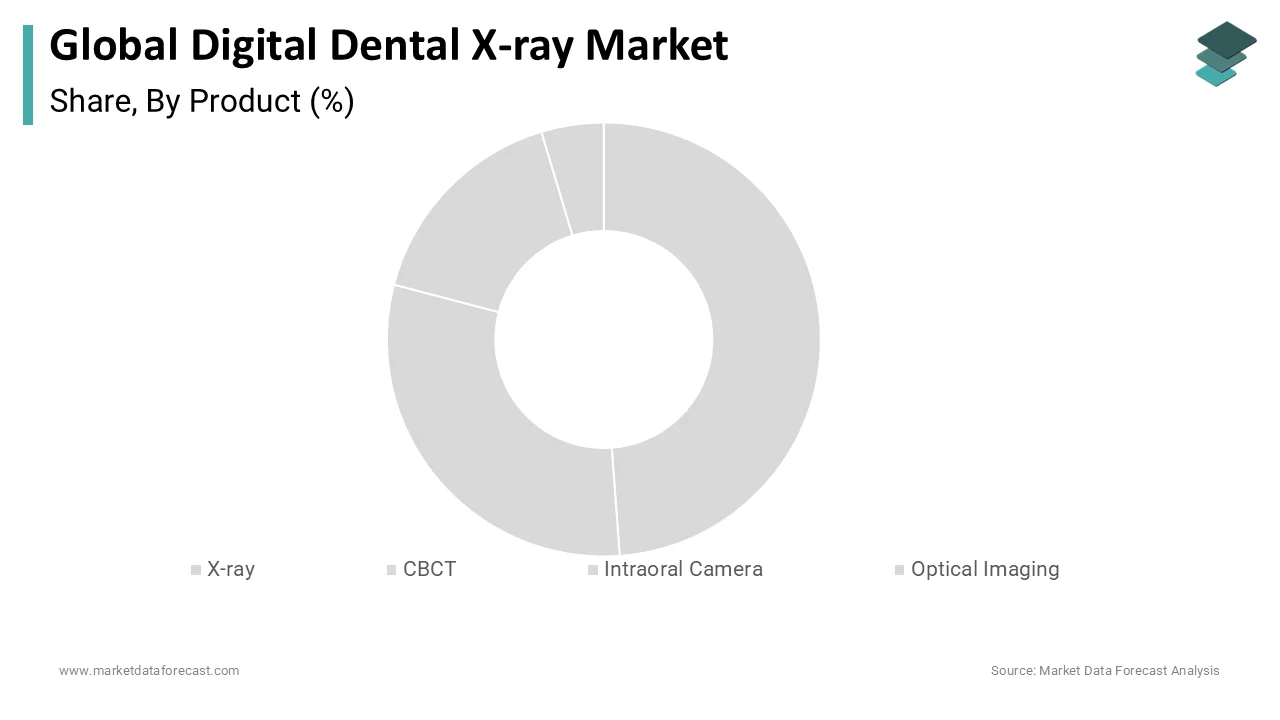
In 2025, the X-ray systems segment held the majority share in the Digital Dental X-ray Market because of its fundamental role in routine dental diagnostics and widespread adoption across general practices. These systems include intraoral sensors and panoramic units, which are essential for detecting caries, periodontal disease, and bone loss. According to the American Dental Association, approximately 90% of dental practices in the United States use digital radiography. This high penetration rate ensures consistent demand for replacement sensors and upgrades to newer technologies. Additionally, as per the World Health Organization, comprehensive clinical systems are integrating routine oral health screenings and community-based dental check-ups into universal health coverage packages to maximize early disease detection. Digital X-rays facilitate these screenings by providing immediate, high-quality images with minimal radiation exposure. The versatility of X-ray systems allows them to be used for a wide range of patient demographics, from children to the elderly. Insurance reimbursement policies generally cover basic digital radiographs, making them financially accessible for patients. Manufacturers continue to innovate by improving sensor durability and image resolution, which sustains market leadership. The established infrastructure for X-ray installation and training supports its dominance over newer modalities. Clinics prioritize X-ray systems as the first step in digital transformation due to their proven clinical utility and cost-effectiveness. This foundational status ensures that X-ray systems remain the largest revenue-generating segment in the market.
The universal adoption of digital X-ray systems in general dentistry practices drives their market domination globally. According to the Journal of the American Dental Association, the transition to a digital X-ray system increases dental clinic workflow efficiency by saving operators 30 to 40 minutes of waiting time per case. This efficiency gain allows dentists to see more patients per day, increasing practice revenue and justifying the initial investment. General practitioners rely on X-rays for daily diagnosis, making them indispensable tools in clinical workflows. The ease of integration with existing practice management software enhances data organization and retrieval. Patients benefit from reduced wait times and immediate visual feedback during consultations. Regulatory bodies worldwide mandate radiation safety standards, which digital X-rays meet more effectively than analog alternatives. The long lifespan of digital sensors compared to other equipment provides a stable return on investment. Training programs for dental assistants focus heavily on digital radiography, ensuring a skilled workforce is available. The widespread availability of spare parts and technical support further reinforces user confidence. As new dental graduates enter the workforce, they are trained exclusively on digital systems, perpetuating this trend. The entrenched position of X-rays in standard operating procedures ensures sustained demand and market leadership despite the emergence of advanced imaging technologies.
The Cone Beam Computed Tomography (CBCT) segment is predicted to witness the highest CAGR of 14.5% from 2026 to 2034. This rapid expansion is propelled by the increasing complexity of dental procedures such as implantology, orthodontics, and endodontics. As per the International Congress of Oral Implantologists, professional dental networks are scaling continuing education requirements and clinical portfolio reviews for over 30,000 members worldwide to advance surgical excellence in implant dentistry. CBCT provides detailed volumetric data that two-dimensional X-rays cannot offer, ensuring accurate implant placement and nerve avoidance. The rise in cosmetic dentistry and full-mouth reconstructions further fuels demand for comprehensive imaging. Dentists are increasingly investing in CBCT units to expand their service offerings and compete with specialists. Technological advancements have reduced the size and cost of CBCT machines, making them accessible to smaller practices. Software improvements allow for better image reconstruction and lower radiation doses, addressing safety concerns. The integration of CBCT data with computer-aided design and manufacturing workflows streamlines treatment processes. Educational institutions are incorporating CBCT training into curricula, preparing future dentists to use this technology. As patient awareness of advanced treatment options grows, the demand for CBCT-guided procedures increases. These factors collectively contribute to the high growth rate observed in the CBCT segment.
The integration of CBCT with surgical planning and guided surgery protocols accelerates its growth in the digital dental X-ray market. According to the Journal of Prosthetic Dentistry, computer-guided flapless implant surgery utilising CT scanning and CAD-CAM technology achieves an overall 98% cumulative survival rate for immediate loading protocols in edentulous jaws. This clinical superiority drives adoption among oral surgeons and periodontists seeking predictable outcomes. CBCT scans allow for virtual placement of implants, avoiding critical anatomical structures such as the inferior alveolar nerve. The resulting surgical guides ensure precise execution, reducing operative time and postoperative complications. Patients prefer minimally invasive approaches facilitated by accurate preoperative planning. The ability to simulate treatment outcomes enhances patient communication and case acceptance. Laboratories use CBCT data to fabricate custom prosthetics with improved fit and function. This digital workflow reduces errors and material waste, lowering overall treatment costs. Manufacturers are developing user-friendly software that automates segmentation and planning tasks. Cloud-based platforms enable collaboration between clinicians and labs regardless of location. The synergy between hardware and software creates a compelling value proposition for providers. As guided surgery becomes the standard of care for complex cases, CBCT usage will continue to surge. This technological convergence positions CBCT as a critical tool in modern restorative dentistry.
By Application Insights
The diagnostic applications segment was the largest in 2025 and occupied a commanding share of the Digital Dental X-ray Market. This supremacy of the segment was credited to the primary need for accurate disease detection and treatment planning. The majority of dental visits involve some form of radiographic examination to identify cavities, gum disease, or other pathologies. According to the Centers for Disease Control and Prevention, untreated tooth decay affects nearly 1 in 4 adults in the United States, necessitating regular diagnostic monitoring. Digital X-rays provide the clarity required to detect early-stage lesions that may not be visible during clinical exams. This early detection prevents progression to more severe conditions requiring extensive intervention. General dentists rely on diagnostic imaging for routine checkups, making it the most frequent application. Insurance companies typically cover diagnostic X-rays as preventive care, encouraging patient compliance. The ability to store and compare historical images aids in tracking disease progression over time. Digital enhancements allow for better visualisation of soft tissue and bone structures. The non-invasive nature of diagnostic imaging makes it acceptable to a broad patient base. Technological improvements in image quality continue to enhance diagnostic confidence. As oral health awareness rises, the frequency of diagnostic visits increases, driving market volume. This fundamental clinical need ensures that diagnostic applications remain the dominant segment.
Preventive care and early detection protocols drive the dominance of diagnostic applications in the digital dental X-ray market. As per the World Health Organization, universal coverage strategies are expanding to include dental check-ups and preventative services in essential healthcare packages to manage major noncommunicable conditions globally. Digital radiography plays a crucial role in these assessments by revealing hidden problems before symptoms arise. According to the American Academy of Pediatric Dentistry, clinical guidelines mandate an individualised, risk-based approach to prescribing pediatric dental radiographs rather than scheduling arbitrary baseline imaging intervals. Early intervention reduces the need for complex and costly treatments later in life. Public health campaigns emphasize the importance of routine screenings, increasing patient turnout for diagnostic services. Digital systems enable quick screening of large populations in community health settings. The low radiation dose of digital sensors encourages frequent monitoring without safety concerns. Dentists use diagnostic images to educate patients about their oral health status, fostering proactive behaviour. Integration with electronic health records facilitates longitudinal tracking of patient health. Preventive diagnostics align with value-based care models that reward health outcomes over procedure volume. This shift towards prevention sustains high demand for diagnostic imaging tools. The focus on maintaining natural teeth through early detection ensures the continued leadership of this application segment.
The cosmetic applications segment is estimated to register the fastest CAGR of 12.8% during the forecast period. This growth is fueled by the rising demand for aesthetic dental procedures such as veneers, crowns, and smile makeovers. As per the American Academy of Cosmetic Dentistry, member dentists generate 25% more overall practice production than non-members through expanded aesthetic offerings. Digital X-rays are essential for assessing underlying tooth structure and bone support before placing aesthetic restorations. CBCT and intraoral cameras provide detailed visuals that help in designing natural-looking smiles. Patients are willing to pay premium prices for high-quality cosmetic results, driving investment in advanced imaging. Digital workflows allow for precise shade matching and contouring using image data. The ability to simulate outcomes using digital previews enhances patient satisfaction and case acceptance. Cosmetic dentists rely on accurate imaging to ensure restorations do not compromise structural integrity. The trend towards minimally invasive cosmetic procedures requires high-resolution imaging for precision. Marketing efforts by dental practices highlight the use of advanced technology to attract discerning clients. As disposable incomes rise and aesthetic consciousness grows, the demand for cosmetic dental imaging will accelerate. This consumer-driven trend propels the rapid expansion of the cosmetic application segment.
The influence of social media and heightened aesthetic consciousness significantly boosts the growth of cosmetic applications in the digital dental X-ray market. Platforms like Instagram and TikTok showcase idealised smiles, creating pressure for individuals to improve their dental appearance. According to the Journal of Cosmetic Dentistry, Digital Smile Design systems function actively as a clinical marketing tool to motivate patients and illustrate comparative pre- and post-treatment visualization slides. High-resolution images from digital X-rays and cameras allow dentists to plan intricate cosmetic cases with precision. Patients expect to see detailed simulations of their potential results before committing to treatment. Digital imaging facilitates this expectation by providing realistic previews. The desire for photogenic smiles drives demand for whitening, alignment, and restoration procedures. Dentists use digital tools to communicate the feasibility of aesthetic goals, managing patient expectations effectively. The competitive nature of the cosmetic dental market pushes providers to adopt the latest imaging technologies. Advanced imaging differentiates practices offering premium aesthetic services. The psychological impact of an improved smile motivates patients to invest in comprehensive cosmetic care. This cultural shift towards valuing dental aesthetics ensures sustained growth in cosmetic imaging applications. The synergy between technology and consumer desire creates a robust growth trajectory for this segment.
By End-user Insights
The dental clinics segment dominated the Digital Dental X-ray Market and accounted for a substantial share in 2025. It remains the main point of care for most patients. Most diagnostic and therapeutic procedures are performed in clinic settings requiring immediate access to imaging equipment. According to the American Dental Association, there are over 200,000 professionally active dentists in the United States alone, most of whom operate private or group practices in their own offices. Each clinic typically possesses at least one digital X-ray unit for daily operations. The direct interaction between dentist and patient in clinics drives the need for chairside imaging solutions. Clinics invest in digital systems to improve workflow efficiency and patient throughput. The competitive landscape among clinics encourages adoption of advanced technologies to attract patients. Reimbursement models are structured around clinic-based services supporting equipment purchases. Staff in clinics are trained specifically on operating digital imaging devices. Maintenance and support services are readily available for clinic-based equipment. The high volume of patients seen in clinics ensures consistent utilisation of X-ray systems. As clinics expand their service lines to include implants and orthodontics, the demand for diverse imaging modalities grows. This central role in healthcare delivery solidifies dental clinics as the dominant end user segment.
The status of dental clinics as the primary point of care and their high patient volumes drive their dominance in the market. As per the World Health Organization, dental healthcare expenditure and service tracking are calculated as dental outpatient curative care rather than inpatient hospital allocations. This structural reality concentrates demand for digital X-ray equipment within clinics. High patient turnover necessitates fast and reliable imaging systems to minimize wait times. Digital X-rays meet this need by providing instant results, facilitating quick decision-making. Clinics serve as the entry point for referrals to specialists who may also require imaging. The financial viability of clinics depends on efficient service delivery, which digital imaging supports. Group practices often standardise their equipment across multiple locations, achieving economies of scale. The proximity of imaging units to treatment chairs enhances clinical convenience. Patient trust is built through transparent communication using digital images in the clinic setting. Regulatory compliance for radiation safety is managed at the clinic level, ensuring proper usage. The sheer number of clinics globally creates a massive installed base of digital X-ray systems. This widespread distribution ensures that clinics remain the largest consumers of digital dental imaging products.
The dental labs segment is anticipated to witness the fastest CAGR of 11.2% between 2026 and 2034. This quick surge is driven by the digitalization of laboratory workflows and the rise of computer-aided design and manufacturing. According to the National Association of Dental Laboratories, the number of dental laboratories in the United States has declined by over 20% due to industry consolidation, while capacity has expanded through the integration of CAD/CAM systems, digital files, and 3D printing. These labs require high-resolution CBCT data from clinics to design custom prosthetics and implants accurately. The shift from analogue impressions to digital files necessitates seamless data exchange between clinics and labs. Labs invest in software that can process and visualise CBCT scans for precise fabrication. The demand for same-day crowns and bridges increases the need for rapid data processing capabilities. Collaboration between clinics and labs is enhanced by shared digital platforms. Labs are expanding their services to include surgical guide production, which relies heavily on CBCT data. The accuracy of digital manufacturing reduces remakes and material waste, improving profitability. As more dentists outsource complex restorative work, labs become critical partners in the digital ecosystem. This interdependence drives labs to acquire advanced imaging processing tools. The transition to fully digital workflows positions dental labs as a rapidly expanding consumer of digital X-ray data and related technologies.
The widespread adoption of Computer-Aided Design and Computer-Aided Manufacturing (CAD/CAM) and digital workflows fuels the growth of dental labs as end users. As per the Journal of Prosthetic Dentistry, total production time encompassing all clinical and laboratory phases drops from a mean of 223.0 minutes in conventional analog setups to 185.4 minutes when utilizing a digital workflow. Labs utilise CBCT data to create virtual models of patient anatomy for designing implants and crowns. This precision ensures better fit and function of final products. The integration of milling machines and 3D printers in labs requires accurate digital inputs from X-ray systems. Labs are investing in infrastructure to handle large data files securely and efficiently. The ability to offer digital services attracts more clinic clients seeking streamlined processes. Standardisation of file formats facilitates interoperability between different software and hardware systems. Labs provide value-added services such as virtual treatment planning, which relies on detailed imaging. The reduction in manual labor through automation improves consistency and quality. Competitive pressure among labs drives continuous investment in digital capabilities. The shift towards personalised medicine requires labs to process complex individual patient data. This technological evolution transforms dental labs from traditional manufacturers to digital service providers, driving their rapid growth in the market.
COUNTRY LEVEL ANALYSIS
North America Dental X-ray Market Analysis
North America led the Digital Dental X-ray Market and captured a significant share in 2025. This leading position of the regional market was attributed to high healthcare expenditure and advanced technological adoption. According to the American Dental Association, about 90% of dental practices in the region use digital radiography, reflecting mature market penetration. High awareness of oral health and strong insurance coverage encourage regular dental visits and diagnostic imaging. The presence of major market players such as Dentsply Sirona and Carestream Health fosters innovation and competition. Regulatory standards set by the Food and Drug Administration ensure the high quality and safety of imaging devices. The aging population increases the demand for restorative and implant procedures requiring detailed imaging. Dental schools in the region train students on the latest digital technologies, ensuring future workforce readiness. The trend towards value-based care promotes efficient diagnostic tools that reduce overall treatment costs. High disposable income allows patients to opt for advanced cosmetic procedures utilising CBCT. The well-established distribution network ensures easy access to equipment and spare parts. North America serves as a trendsetter for digital dental technologies, influencing global standards. Continued investment in research and development maintains the region's leadership position. The market is characterized by replacement demand and upgrades to newer generations of sensors.
Europe Dental X-ray Market Analysis
Europe was the next prominent region in the digital dental X-ray market and held a significant share in 2025. This position of the European market was attributed to stringent regulatory frameworks and high-quality standards. As per the European Federation of Periodontology, new evidence-based guidelines require clinicians to perform comprehensive diagnostic assessments to map multi-stage tooth preservation plans across an aging population experiencing severe periodontitis. Countries like Germany, France, and the United Kingdom lead in adopting advanced imaging technologies. According to the European Parliament and Council, the General Data Protection Regulation mandates that healthcare providers deploy end-to-end encryption frameworks, structural access logs, and strict patient consent protocols to safeguard electronic health registries. Universal healthcare systems in many European countries provide broad access to dental care, driving volume. There is a strong focus on radiation safety with strict adherence to European Union directives. Private practices are increasingly investing in CBCT to compete with specialised clinics. The region sees steady growth driven by the replacement of older analogue systems. Collaborative research initiatives among European universities drive innovation in imaging algorithms. The market is fragmented with numerous local distributors serving specific national markets. Cultural emphasis on aesthetic dentistry boosts demand for high-resolution imaging. Economic stability in Western Europe supports consistent investment in dental infrastructure. Eastern European countries are catching up with gradual adoption of digital technologies. The region balances cost containment with quality assurance in procurement decisions.
Asia-Pacific Dental X-ray Market Analysis
Asia-Pacific is the fastest-growing region in the digital dental X-ray market because of expanding healthcare infrastructure and increasing oral health awareness. In addition, as per the World Health Organization, regional member states are building actionable infrastructure to incorporate basic package oral health interventions directly into local primary healthcare clinics to expand access for underserved populations. Governments in China, India, and Japan are investing heavily in modernising healthcare facilities. The growing middle class has higher disposable income for elective and cosmetic dental procedures. Medical tourism in countries like Thailand and Singapore drives demand for advanced diagnostic tools. Local manufacturers are emerging, offering cost-effective alternatives to imported equipment. The large population base provides immense volume potential for digital X-ray adoption. Urbanisation leads to concentration of dental clinics in cities, accelerating technology uptake. Regulatory environments are evolving to ensure the quality and safety of medical devices. Awareness campaigns by dental associations promote regular check-ups, increasing diagnostic volume. The youth demographic is increasingly conscious of dental aesthetics, driving cosmetic imaging demand. Internet penetration facilitates tele-dentistry and remote consultations requiring digital images. The region offers significant opportunities for market expansion due to low current penetration rates. Strategic partnerships between global and local firms are common to navigate diverse markets.
Latin America Dental X-ray Market Analysis
Latin America exhibits moderate growth in the Digital Dental X-ray Market due to economic recovery and expanding private healthcare sectors. According to the Pan American Health Organisation, regional health ministries are deploying the Basic Package of Oral Care as a standard primary healthcare tool to reduce regional inequalities and provide sustainable public dental services. Brazil and Mexico are the largest markets due to their substantial populations and developed dental industries. Private dental chains are expanding rapidly, adopting digital technologies to standardise care and improve efficiency. Economic volatility affects purchasing power, leading to a preference for cost-effective solutions. Import tariffs and currency fluctuations impact the affordability of high-end equipment. There is a growing trend towards dental tourism, attracting patients from North America seeking affordable care. This sector demands high-quality imaging to meet international standards. Local distributors play a crucial role in providing financing and after-sales support. Government programs aim to improve public oral health, but budget constraints limit large-scale digital adoption. Awareness of digital benefits is increasing among younger dentists trained abroad. The market is price-sensitive, favoring mid-range products with good performance. Regional trade agreements facilitate movement of equipment across borders. Growth is steady but slower compared to Asia Pacific due to economic challenges.
The Middle East and Africa Dental X-ray Market Analysis
The Middle East and Africa region shows emerging potential in the Digital Dental X-ray Market owing to healthcare modernisation initiatives. As per the World Health Organization Regional Office for Africa, regional health ministers have adopted a strategic oral health framework targeting an entitlement to essential oral health services for at least 50% of the population in each country. Gulf Cooperation Council countries like Saudi Arabia and the United Arab Emirates lead in adopting advanced dental technologies. High government spending on healthcare infrastructure supports procurement of digital X-ray systems. The presence of expatriate dentists from Western countries accelerates technology transfer and adoption. In Africa, the market is nascent, with limited penetration outside major urban centres. Non-governmental organizations and donor-funded projects introduce digital equipment in public health programs. The lack of skilled technicians and maintenance support hinders widespread adoption in rural areas. Economic disparities create a dual market with high-end private clinics and under-resourced public facilities. Regulatory frameworks are developing to ensure quality control of medical devices. Awareness of radiation safety is growing, prompting shifts away from analogue methods. Mobile dental units equipped with portable digital sensors reach remote populations. The market offers long-term growth potential as economies develop and healthcare access expands. Strategic investments in training and infrastructure are critical for sustainable growth.
COMPETITIVE LANDSCAPE
The competition in the digital dental X-ray market is characterized by the presence of established multinational corporations and specialized niche players vying for technological leadership. Major companies leverage their extensive research and development capabilities to introduce innovative features such as artificial intelligence-assisted diagnosis and cloud-based data management. Smaller firms compete by offering cost-effective solutions tailored to specific regional needs or clinic sizes. Product differentiation is achieved through superior image resolution, ergonomic desig,n and seamless integration with existing practice management systems. Price competition remains inten,se particularly price-sensitiveive markets where budget constraints influence purchasing decisions. Strategic alliances with software developers and dental associations help companies build strong brand recognition and trust among practitioners. Regulatory compliance and adherence to safety standards are critical factors that shape competitive dynamics. Companies that provide comprehensive after-sales support and training services gain a distinct advantage in customer retention. The rapid pace of technological advancement requires continuous investment to stay relevant. Mergers and acquisitions are common as larger entities seek to expand their product portfolios and geographic reach. This dynamic environment drives constant innovation and improvement in digital dental imaging technologies globally.
KEY MARKET PLAYERS
Some of the companies that are playing a dominating role in the Global Digital Dental X-Ray Market include:
- Danaher Corporation
- Carestream Health, Inc.
- Sirona Dental Systems, Inc.
- Planmeca Oy
- Dentsply International, Inc.
- Midmark Corporation
- LED Medical Diagnostics, Inc.
- Vatech Co., Ltd.
- The Yoshida Dental Mfg. Co., Ltd.
- Flow Dental Corporation
TOP LEADING PLAYERS IN THE MARKET
- Dentsply Sirona contributes significantly to the digital dental X-ray market through its comprehensive portfolio of imaging solutions, including intraoral sensors and cone beam computed tomography systems. The company integrates hardware with advanced software platforms to streamline clinical workflows and enhance diagnostic accuracy. Recent actions include launching next-generation sensor technology with improved durability and image resolution for global markets. Dentsply Sirona also expanded its digital ecosystem by partnering with third-party software providers to offer seamless data integration. These initiatives strengthen their position as a leading provider of connected dental care solutions. The company focuses on education and training programs to help practitioners maximize the utility of their digital imaging tools. Their commitment to innovation ensures they remain at the forefront of technological advancements in oral radiography.
- Carestream Health plays a vital role in the digital dental X-ray market by offering high-quality imaging devices and enterprise content management solutions. The company is known for its robust intraoral sensors and panoramic systems that deliver exceptional image clarity with low radiation doses. Recent efforts involve enhancing their cloud-based imaging platform to facilitate secure data sharing and remote diagnostics. Carestream Health has also introduced ergonomic sensor designs to improve patient comfort during procedures. The company collaborates with dental schools and professional associations to promote best practices in digital radiography. Their focus on interoperability allows seamless integration with various practice management software systems. These strategies reinforce their reputation for reliability and technical excellence in the competitive global marketplace.
- Planmeca is a key contributor to the digital dental X-ray market, specializing in compact and efficient imaging solutions forsmall-l tmedium-sizeded clinics. The company offers a wide range of intraoral and extraoral devices designed for ease of use and space efficiency. Recent actions include the introduction of artificial intelligence-assisted diagnostic tools that help dentists identify pathologies more accurately. Planmeca has also expanded its distribution network in emerging markets to increase accessibility of its products. The company emphasizes sustainable manufacturing practices and energy-efficient device designs. Their user-friendly interfaces reduce the learning curve for dental staff. Planmeca continues to invest in research and development to create innovative solutions that address the evolving needs of modern dental practices worldwide.
TOP MAJOR STRATEGIES USED BY KEY MARKET PARTICIPANTS
Key players in the digital dental X-ray market employ strategic product innovation to enhance image quality and reduce radiation exposure while maintaining competitive pricing structures. Companies focus on integrating artificial intelligence capabilities into their software platforms to assist clinicians in faster and more accurate diagnosis. Partnerships with practice management software providers ensure seamless data flow and interoperability, which improves overall workflow efficiency for dental practices. Expansion into emerging markets through local distributors and targeted marketing campaigns helps capture growth opportunities in regions with increasing healthcare infrastructure investment. Educational initiatives and training programs are prioritized to build brand loyalty and ensure proper utilization of advanced imaging technologies by dental professionals. Continuous improvement in sensor durability and ergonomics addresses user feedback and enhances patient comfort during procedures. These multifaceted strategies enable manufacturers to differentiate their offerings and sustainlong-termm growth in a technologically driven market landscape.
MARKET SEGMENTATION
This research report on the global digital dental X-ray market is segmented and sub-segmented based on the product, method, application, end-user, and region.
By Product
- X-ray
- CBCT
- Intraoral Camera
- Optical Imaging
By Method
- Extraoral
- Intraoral
By Application
- Diagnostic
- Therapeutic
- Cosmetic
- Forensic
By End-user
- Dental Clinics
- Dental Labs
By Region
- North America
- Europe
- Asia Pacific
- Latin America
- The Middle East and Africa