- Product Description Description
- Table of Contents TOC
- List of Table & Figure LOT
- Get Free Sample PDF Sample PDF
Market Size, 2025
$2.32 BnMarket Estimate, 2026
$2.49 BnMarket Forecast, 2034
$4.37 BnCAGR, 2026–2034
7.28%Executive Summary: Europe Sports Medicine Market
- Market Scope: Comprehensive regional sports medicine market analysis covering product categories, injury application types, country leadership frameworks, and regenerative medicine trends.
- Market Valuation: Valued at USD 2.32 billion (2025), estimated at USD 2.49 billion (2026), and projected to reach USD 4.37 billion by 2034, registering a solid CAGR of 7.28% (2026–2034).
- Primary Growth Drivers: Rising recreational sports participation (approx. 40% of EU citizens engaging weekly), an aging active population, digital health monitoring integration, and minimally invasive orthobiologics expansion.
Key Market Segment Metrics (2026–2034)
| Category | Leading Segment (Base Position) | Fastest-Growing Segment |
|---|---|---|
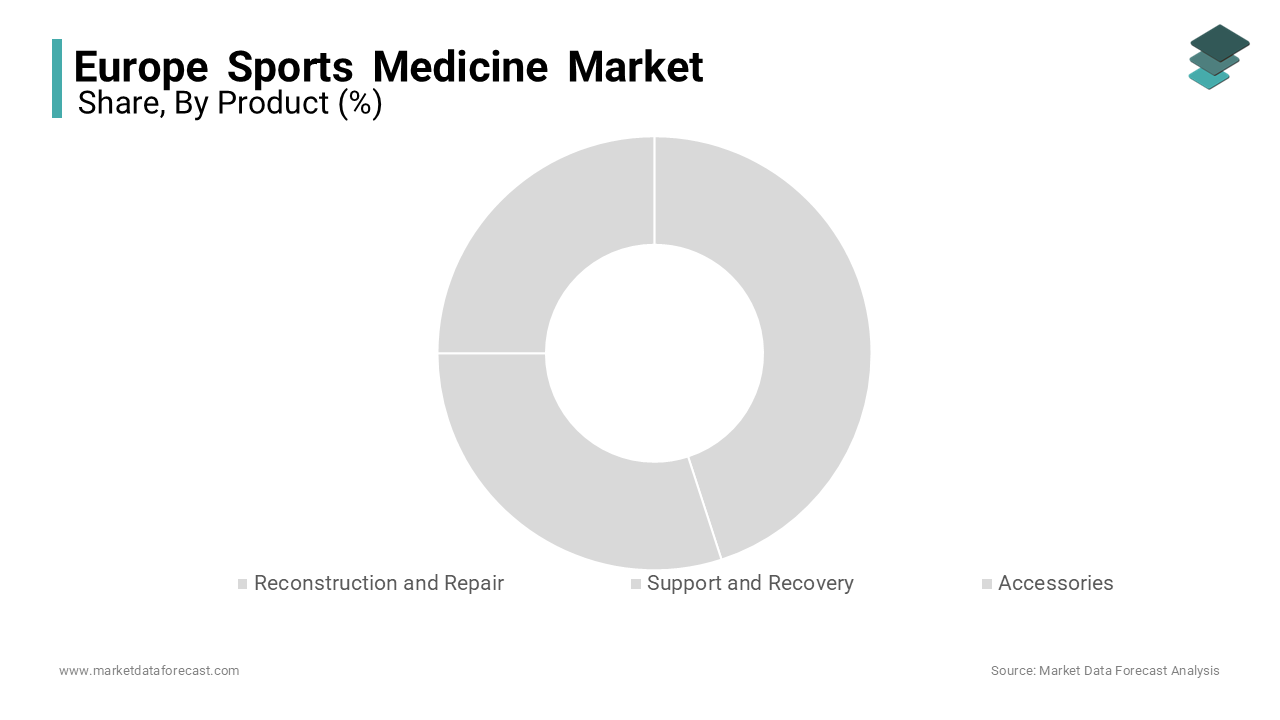
| By Product Type | Reconstruction and Repair Devices (held the majority share of 42.3% in 2025) | Orthobiologics (expected to be the fastest-growing product segment with a CAGR of 9.8%) |
| By Injury Application | Knee Injuries (occupied the largest market share at 38.5% in 2025) | Head Injuries (anticipated to exhibit a noteworthy CAGR of 8.5% due to stricter concussion protocols) |
| By Technology & Treatment | Arthroscopic Implants and Traditional Surgical Repair Technologies | Regenerative Medicine, Biocompatible Implants, and Wearable Recovery Solutions |
| By Region / Country | Germany (outperformed with a 22.7% share in 2025, followed by the UK at 18.4%) | Spain and Western Europe (expanding via healthcare modernization and medical tourism) |
Major Market Players & Market Structure
Market Structure: Highly competitive regional orthopedic and sports medicine landscape where global medical device leaders deploy AI-powered arthroscopic tools, biocompatible implants, and advanced wearable recovery technologies.
Key Companies: Smith & Nephew PLC, Arthrex Inc., Össur hf, Stryker Corporation, Conmed Corporation, Zimmer Biomet Holdings Inc., Breg Inc., Mueller Sports Medicine Inc., Tornier Inc., Skins International Trading AG, Wright Medical Technology Inc., DePuy Mitek Inc., 3M Company Ace Brand, OttoBock Healthcare GmbH, and DJO Global Inc.
Europe Sports Medicine Market Size
The europe sports medicine market size was valued at USD 2.32 billion in 2025. The size of the europe market was worth USD 2.49 billion in 2026 and is estimated to be growing at a CAGR of 7.28% to reach USD 4.37 billion by 2034.
Sports medicine is a specialized branch of healthcare focused on preventing, diagnosing, treating, and rehabilitating injuries related to sports and physical exercise. This specialized medical field integrates orthopedics, physiotherapy, nutrition, and biomechanics to address musculoskeletal disorders affecting both professional athletes and the general active population. The market scope includes surgical instruments, body reconstruction devices, body support and recovery products, and rehabilitation equipment utilized across hospitals, specialty clinics, and sports centers. According to Eurostat, approximately 40 percent of individuals aged 15 and older in the European Union participate in sport or physical exercise at least once a week, creating a substantial base for injury prevention and treatment services. The World Health Organization indicates that musculoskeletal conditions are the second greatest contributor to disability globally, with Europe bearing a significant portion of this burden due to its aging yet active demographic. Aggregated surveillance records from the European Injury Database (IDB) indicate that while sports injuries represent roughly 34% of all leisure and activity-related emergency treatments, they drive several million hospital visits across member states annually, emphasizing the profound institutional necessity for advanced orthopedic care. The integration of digital health technologies such as wearable sensors and telemedicine platforms is transforming patient monitoring and recovery protocols. Regulatory frameworks under the European Medical Device Regulation ensure high safety and performance standards for sports medicine products. This landscape reflects a growing convergence between clinical healthcare and athletic performance optimization, driven by increased public awareness of physical wellness and the rising prevalence of lifestyle related musculoskeletal ailments across the continent.
MARKET DRIVERS
Rising Participation in Recreational and Professional Sports Fuels Demand
The surge in recreational and professional sports participation across the region propels the expansion of the Europe sports medicine market. Governments and health organizations actively promote physical activity to combat sedentary lifestyles and associated chronic diseases, leading to higher engagement in high impact activities that carry inherent injury risks. As monitored by the European Commission's Special Eurobarometer, roughly 40% of EU citizens engage in sports or physical exercise regularly each week, with fitness, running, and cycling remaining the primary individual disciplines driving physical rehabilitation needs. These activities frequently result in soft tissue injuries, ligament tears, and joint stress requiring specialized medical attention. Consensus data published via the International Olympic Committee (IOC) Medical and Scientific Commission reinforces that elite athletes encounter substantial, recurring orthopedic workloads, frequently sustaining multiple acute or overuse trauma events annually, requiring dedicated diagnostic and advanced therapy infrastructure. National football leagues in countries like Germany, England, and Spain report thousands of player injuries annually, driving demand for immediate surgical intervention and accelerated rehabilitation protocols. Amateur sports clubs increasingly invest in on site medical staff and preventive care programs to protect member health and reduce long term healthcare costs. The proliferation of marathon events and triathlons has also contributed to a rise in overuse injuries among middle aged participants who may lack proper conditioning. This broad based increase in physical activity levels across all age groups ensures a steady influx of patients seeking sports medicine expertise, thereby sustaining robust demand for diagnostic imaging, arthroscopic procedures, and regenerative therapies throughout the European healthcare system.
Aging Population Maintains Active Lifestyles Increasing Injury Prevalence
The demographic shift toward an older yet physically active population in the region significantly amplifies the need for sports medicine interventions tailored to age related musculoskeletal degeneration, which further boosts the growth of the Europe sports medicine market. As life expectancy increases, seniors are increasingly engaging in fitness activities such as hiking, swimming, and yoga to maintain mobility and quality of life, yet they remain susceptible to injuries due to decreased bone density and muscle elasticity. According to research, the share of people aged 65 and over in the EU population is projected to reach 30 percent by 2050, creating a large cohort prone to conditions like osteoarthritis and tendonitis exacerbated by physical exertion. The European Society for Clinical and Economic Aspects of Osteoporosis reports that one in three women and one in five men over 50 will experience an osteoporotic fracture, often during low impact physical activities. Sports medicine specialists are increasingly tasked with managing these complex cases that blend age related degeneration with acute traumatic injuries. Joint replacement surgeries and minimally invasive arthroscopic procedures have become common treatments for active seniors seeking to return to their preferred activities. Rehabilitation programs must be adapted to accommodate slower healing rates and comorbidities prevalent in older adults. This demographic trend drives demand for specialized implants, pain management solutions, and personalized physiotherapy plans. Healthcare providers are expanding geriatric sports medicine clinics to address this unique patient profile, ensuring that the aging population can safely continue their active lifestyles while receiving appropriate medical support for injury prevention and recovery.
MARKET RESTRAINTS
High Costs of Advanced Surgical Procedures Limit Accessibility
The substantial financial burden associated with advanced sports medicine surgeries and therapies restricts the expansion of the Europe sports medicine market. This limits market accessibility for many patients across the region. While public healthcare systems in countries like the United Kingdom and France cover essential treatments, lengthy waiting lists often force patients to seek private care for timely intervention, incurring considerable out of pocket expenses. According to the Commonwealth Fund, wait times for elective orthopedic procedures in some European nations can exceed six months, prompting those with financial means to opt for private providers where costs for anterior cruciate ligament reconstruction can range from 8000 to 15000 euros. Regenerative medicine treatments such as platelet rich plasma injections and stem cell therapy are frequently excluded from public reimbursement schemes due to limited evidence of long term efficacy, leaving patients to bear the full cost which can exceed 1000 euros per session. Economic disparities between Western and Eastern European nations further exacerbate access issues, with lower income households in regions like Bulgaria and Romania facing prohibitive costs for specialized care. Insurance coverage variations across member states create fragmentation in patient access, with some policies imposing strict caps on physiotherapy sessions or excluding certain sports related injuries deemed preventable. The high cost of imported advanced medical devices and robotic surgical systems also contributes to elevated procedure fees. These financial barriers restrict the utilization of cutting edge sports medicine solutions to wealthier demographics, limiting overall market penetration and leaving a significant portion of the injured population without optimal care options.
Stringent Regulatory Compliance Burdens Delay Product Launches
Rigorous regulatory requirements under the European Medical Device Regulation impose substantial compliance burdens on the Europe sports medicine market. Therefore, these requirements delay the introduction of new sports medicine products and technologies to the market. The transition from the previous directive to the current regulation has intensified scrutiny on clinical evidence, post market surveillance, and quality management systems, requiring manufacturers to invest heavily in documentation and testing processes. According to the European Commission, the number of notified bodies authorized to certify medical devices decreased significantly during the initial implementation phase, creating bottlenecks in the approval pipeline. Small and medium sized enterprises developing innovative sports medicine devices often struggle to meet these stringent requirements due to limited resources and expertise, stifling innovation and reducing product variety. The requirement for extensive clinical data to demonstrate safety and performance extends development timelines by several years, increasing research and development costs substantially. Manufacturers must also navigate varying national interpretations of regulatory guidelines across different member states, adding complexity to market entry strategies. Delays in obtaining CE marking prevent timely access to advanced treatments for patients, particularly in fast evolving fields like biologics and smart implants. The administrative overhead associated with maintaining compliance diverts resources from innovation and commercialization efforts. This regulatory environment, while ensuring high safety standards, creates barriers to entry that favor large multinational corporations over agile startups, potentially slowing the pace of technological advancement and limiting the availability of novel therapeutic options for sports related injuries in the European market.
MARKET OPPORTUNITIES
Integration of Digital Health Technologies Creates New Service Models
The rapid adoption of digital health technologies offers a transformative opportunity for the Europe sports medicine market. This enables remote monitoring, personalized rehabilitation, and data driven treatment planning. Wearable devices equipped with sensors can track movement patterns, load distribution, and physiological metrics in real time, allowing clinicians to detect early signs of overuse injuries and adjust training regimens proactively. Telemedicine platforms facilitate remote consultations and virtual physiotherapy sessions, improving access to specialist care for patients in rural areas or those with mobility constraints. Artificial intelligence algorithms analyze imaging data to assist in diagnosing complex injuries with greater accuracy and speed, enhancing clinical decision making. Mobile applications guide patients through home based rehabilitation exercises with video demonstrations and progress tracking, improving adherence and outcomes. These digital tools enable a shift from reactive treatment to proactive injury prevention, aligning with value based healthcare models. Partnerships between technology firms and healthcare providers are fostering integrated ecosystems that combine hardware, software, and clinical expertise. This digital transformation not only enhances patient engagement and satisfaction but also opens new revenue streams for sports medicine providers through subscription based monitoring services and data analytics offerings, driving market growth and innovation.
Expansion of Regenerative Medicine Offers Advanced Healing Solutions
The burgeoning field of regenerative medicine unlocks potential for the Europe sports medicine market. This provides biological solutions that accelerate tissue repair and restore function more effectively than traditional methods. Treatments such as platelet rich plasma, autologous conditioned serum, and mesenchymal stem cell injections harness the body’s natural healing mechanisms to repair damaged tendons, ligaments, and cartilage. According to the European Society of Musculoskeletal Radiology, interest in regenerative therapies has surged among orthopedic surgeons and sports physicians due to their potential to delay or avoid surgical interventions. Clinical studies indicate that platelet rich plasma injections can reduce pain and improve function in patients with chronic tendonopathies, offering a viable alternative for athletes seeking faster return to play. The growing body of scientific evidence supporting the efficacy of these biologics is encouraging insurance providers and healthcare systems to consider broader reimbursement coverage. Manufacturing advancements are improving the standardization and quality control of regenerative products, addressing previous concerns about variability and safety. Specialist clinics dedicated to regenerative sports medicine are emerging across major European cities, attracting patients willing to pay premium prices for cutting edge treatments. Research collaborations between academic institutions and biotechnology companies are driving innovation in next generation biologics and tissue engineering scaffolds. This expansion into regenerative therapies diversifies the treatment landscape, offering hope for patients with previously untreatable conditions and positioning Europe as a hub for advanced sports medicine innovation.
MARKET CHALLENGES
Shortage of Specialized Sports Medicine Professionals Hinders Service Delivery
A critical shortage of qualified professionals including orthopedic surgeons, physiotherapists, and sports physicians poses a significant challenge to meeting the growing demand for specialized care in the region, which impedes the growth of the Europe sports medicine market. Training pathways for sports medicine specialization are lengthy and competitive, resulting in a limited supply of practitioners capable of handling complex athletic injuries. According to the European Federation of Sports Medicine Associations, many member countries face deficits in certified sports physicians, particularly in rural and underserved regions. This scarcity leads to extended waiting times for appointments and surgeries, delaying treatment and potentially worsening patient outcomes. The workload pressure on existing professionals contributes to burnout and high turnover rates, further exacerbating staffing challenges. Multidisciplinary care teams required for comprehensive sports injury management are difficult to assemble due to gaps in various specialties including nutrition psychology and biomechanics. Educational institutions struggle to keep curricula updated with rapid advancements in surgical techniques and rehabilitation technologies, leaving graduates less prepared for modern practice demands. Recruitment difficulties are compounded by uneven distribution of resources, with urban centers attracting most talent while peripheral areas remain underserved. Addressing this workforce gap requires coordinated efforts from governments, educational bodies, and professional associations to expand training capacity, offer incentives for rural practice, and promote interprofessional collaboration. The quality and accessibility of sports medicine services will remain constrained. This shortfall persists despite recent technological advancements and increasing patient demand because there are not enough human resources.
Variability in Reimbursement Policies Across Member States Creates Fragmentation
Inconsistent reimbursement policies for sports medicine treatments across European member states create a fragmented market landscape that complicates access and affordability for patients, and thereby slows down the expansion of the Europe sports medicine market. While some countries like Germany and Switzerland offer comprehensive coverage for a wide range of sports related therapies including preventive care and advanced biologics, others impose strict limitations or exclude certain treatments entirely. According to the European Health Consumer Index, disparities in healthcare financing lead to significant variations in out of pocket expenses for similar procedures across borders. Patients in countries with restrictive reimbursement frameworks often face financial barriers to accessing optimal care, leading to delayed treatment or reliance on less effective alternatives. The lack of harmonization hinders the cross border provision of services and limits patient mobility within the European Union. Insurance providers frequently classify sports injuries as lifestyle choices rather than medical necessities, justifying reduced coverage levels. This classification debate creates uncertainty for both patients and providers regarding payment responsibilities. Standardizing reimbursement criteria based on clinical evidence and health economic benefits could improve equity and efficiency. However, achieving consensus among diverse national healthcare systems with differing priorities and budget constraints remains a formidable political and administrative challenge. This fragmentation impedes the development of unified clinical guidelines and best practices, ultimately affecting the overall quality and consistency of sports medicine care delivered across the continent.
REPORT COVERAGE
| REPORT METRIC | DETAILS |
| Market Size Available | 2025 to 2034 |
| Base Year | 2025 |
| Forecast Period | 2026 to 2034 |
| CAGR | 7.28% |
| Segments Covered | By Product, Application and Region |
| Various Analyses Covered | Global, Regional & Country Level Analysis; Segment-Level Analysis; DROC, PESTLE Analysis; Porter’s Five Forces Analysis; Competitive Landscape; Analyst Overview of Investment Opportunities |
| Regions Covered | United Kingdom, France, Spain, Germany, Italy, Russia, Sweden, Denmark, Switzerland, the Netherlands, Turkey, and the Czech Republic |
| Market Leaders Profiled | Smith & Nephew PLC., Arthrex, Inc., Össur hf, Stryker Corporation, Conmed Corporation, Zimmer Biomet Holdings, Inc., Breg, Inc., Mueller Sports Medicine, Inc., Tornier, Inc., Skins International Trading AG, Wright Medical Technology, Inc., DePuy Mitek, Inc., 3M Company Ace Brand, OttoBock Healthcare GmbH and DJO Global, Inc. |
SEGMENTAL ANALYSIS
By Product Insights
In 2025, the reconstruction and repair devices segment held the majority share of 42.3% of the Europe Sports Medicine Market because of the high prevalence of severe musculoskeletal injuries among athletes and active individuals requiring surgical intervention. This category includes screws, plates, pins, and suture anchors essential for fixing fractures and repairing torn ligaments such as the anterior cruciate ligament. The European Society of Sports Traumatology Knee Surgery and Arthroscopy members shows that well over 100,000 annual procedures occur across European states, sustaining a massive, continuous commercial market for advanced orthopedic fixation and anchor devices. The aging population engaging in physical activities further contributes to this demand, as older adults are more prone to complex fractures requiring robust internal fixation solutions. Technological advancements in biocompatible materials have improved device longevity and integration with bone tissue, reducing revision surgery rates and enhancing patient outcomes. Hospitals and specialized orthopedic centers prioritize these devices due to their critical role in restoring joint stability and function. The standardization of surgical protocols across major European healthcare systems ensures widespread adoption of proven reconstruction techniques. Regulatory approvals for next generation implants with enhanced mechanical properties continue to expand the product portfolio available to surgeons. The economic burden of untreated sports injuries on healthcare systems incentivizes investment in effective surgical solutions that facilitate faster return to activity. This segment benefits from strong reimbursement policies in countries like Germany and France where surgical interventions for sports injuries are well covered. The combination of high procedural volume and technological innovation sustains the dominance of reconstruction and repair devices in the regional market landscape.
The high incidence of ligament and tendon injuries among professional and amateur athletes is a key driver for the reconstruction and repair segment. Sports involving sudden changes in direction jumping and contact such as football basketball and handball frequently result in anterior cruciate ligament tears meniscal damage and rotator cuff injuries. According to the Union of European Football Associations, professional football players sustain an average of two injuries per season with ligament injuries accounting for nearly 30 percent of all time loss incidents. These injuries typically require surgical reconstruction using specialized devices to restore anatomical integrity and mechanical stability. Amateur participation in high impact sports has also risen significantly with data from Eurostat indicating that 40 percent of Europeans engage in regular physical exercise increasing the pool of individuals at risk for such injuries. The complexity of these repairs necessitates precise instrumentation and high quality implants to ensure successful outcomes and minimize complication rates. Surgeons rely on advanced suture anchors and interference screws that provide secure fixation while promoting biological healing. The demand for these devices is further amplified by the expectation of rapid recovery among athletes who face pressure to return to competition quickly. Clinical studies demonstrate that modern reconstruction techniques using contemporary devices yield superior functional outcomes compared to older methods reinforcing their adoption. This persistent injury pattern across various sports disciplines ensures a steady and growing demand for reconstruction and repair products throughout the European healthcare sector.
Technological advancements in biocompatible implant materials significantly drive the growth and dominance of the reconstruction and repair segment by improving clinical outcomes and patient satisfaction. Manufacturers have developed novel alloys polymers and composite materials that offer superior strength flexibility and osseointegration properties compared to traditional stainless steel or titanium options. These advanced materials reduce stress shielding effects which can lead to bone resorption and implant loosening over time thereby extending the lifespan of the repair. Ceramic based composites are increasingly used for joint surface repairs due to their wear resistance and similarity to natural bone structure. The development of 3D printed patient specific implants allows for precise anatomical matching particularly in complex revision cases where standard off the shelf devices may not fit adequately. Regulatory bodies such as the notified bodies in Germany and France have streamlined evaluation processes for innovative materials that demonstrate clear clinical benefits accelerating their market entry. Surgeons prefer these advanced options because they facilitate minimally invasive procedures and promote faster biological healing. The competitive landscape encourages continuous research and development leading to a steady pipeline of improved products that meet the evolving needs of sports medicine practitioners and patients seeking optimal recovery trajectories.
The orthobiologics segment is on the rise and is expected to be the fastest growing segment in the market by witnessing a CAGR of 9.8% from 2026 to 2034 due to the increasing preference for minimally invasive treatments that harness the body’s natural healing capabilities to repair soft tissue and cartilage damage without extensive surgery. Products in this category include platelet rich plasma hyaluronic acid stem cells and bone marrow aspirate concentrates which are injected directly into injured areas to stimulate regeneration. Clinical utilization audits show that the administration of orthobiologic joint injections has doubled over recent multi-year cycles, reflecting a global efforts by sports medicine practitioners to employ targeted cellular therapies as non-opioid alternatives to manage pain and defer invasive procedures. The aging athlete demographic particularly benefits from these therapies as they address degenerative conditions like osteoarthritis and chronic tendonitis that do not respond well to traditional mechanical repairs. Regulatory clarity regarding the classification and usage of autologous cell therapies in countries like Switzerland and Germany has facilitated broader clinical adoption. Professional sports teams increasingly incorporate orthobiologics into their injury prevention and recovery protocols to extend player careers and reduce downtime. The perceived safety profile of autologous treatments which use the patient’s own biological material minimizes risks of immune rejection or disease transmission. As clinical evidence supporting the efficacy of these biologics accumulates reimbursement policies are gradually expanding allowing more patients to access these advanced therapies. This convergence of scientific validation regulatory support and patient demand positions orthobiologics as the most dynamic growth engine in the European sports medicine landscape.
The paradigm shift toward minimally invasive regenerative therapies constitutes a major factor for the rapid growth of the orthobiologics segment in Europe. Patients and physicians alike are prioritizing treatments that offer shorter recovery times reduced pain and lower risk of complications compared to open surgical procedures. Platelet rich plasma therapy for example involves drawing a small amount of the patient’s blood processing it to concentrate platelets and injecting it into the injured site to accelerate healing. Clinical practice patterns across Western Europe reveal that over 60% of active sports medicine specialists now routinely utilize Platelet-Rich Plasma (PRP) therapies for managing chronic tendinopathies and mild joint degeneration, relying on ESSR image-guidance protocols to maximize targeted functional recovery. Hyaluronic acid injections remain a staple for knee osteoarthritis management with millions of administrations performed annually across the continent providing lubrication and shock absorption for damaged joints. The appeal of these therapies lies in their ability to be administered in outpatient settings often during a single clinic visit thereby reducing hospital stays and associated healthcare costs. Athletes favor these options because they allow for continued training with minimal interruption unlike post surgical rehabilitation which requires extended rest periods. The development of standardized preparation kits has simplified the procedure making it accessible to a wider range of healthcare providers including general practitioners and physiotherapists. This accessibility combined with positive patient testimonials drives word of mouth referrals further fueling market expansion. As technology improves the concentration and purity of biological factors the therapeutic potential of these injections continues to increase attracting greater investment and clinical interest.
A favorable regulatory environment in key European markets significantly accelerates the adoption and growth of orthobiologic products by providing clear pathways for approval and reimbursement. Countries such as Germany Switzerland and Austria have established progressive frameworks that recognize the therapeutic value of autologous cell therapies while ensuring safety through rigorous quality control standards. The European Medicines Agency provides guidance on advanced therapy medicinal products helping manufacturers navigate the complex regulatory landscape for allogeneic biologics. Reimbursement schemes in several nations have begun to cover specific orthobiologic indications particularly for knee osteoarthritis and chronic wound healing reducing the financial barrier for patients. Private insurance providers are increasingly including these therapies in their coverage packages recognizing their cost effectiveness in delaying or avoiding expensive joint replacement surgeries. The harmonization of standards across borders facilitates cross border trade and knowledge exchange allowing best practices to spread rapidly throughout the region. Clinical trials sponsored by both public and private entities generate robust data that supports regulatory submissions and payer negotiations. This supportive ecosystem encourages innovation and investment in the orthobiologics sector attracting startups and established medical device companies alike. As regulatory clarity improves and more indications gain approval the market potential for orthobiologics expands further solidifying its position as the fastest growing segment in European sports medicine.
By Application Insights
The knee injuries segment was the largest in the Europe Sports Medicine Market and occupied a 38.5% share in 2025. This supremacy of the segment was supported by the high susceptibility of the knee joint to trauma and degeneration in both athletic and general populations. The knee bears significant weight and undergoes complex rotational movements making it vulnerable to ligament tears meniscal damage and cartilage wear. Data tracked by the European Society of Sports Traumatology, Knee Surgery and Arthroscopy (ESSKA) shows localized European incidence rates spanning 30 to 80 cases per 100,000 individuals annually, surging considerably among contact sports participants. Football skiing and basketball are major contributors to these injuries given their demanding requirements for cutting jumping and landing. The prevalence of osteoarthritis in the aging population further amplifies demand for knee related sports medicine solutions as many older adults remain active and experience joint pain. Surgical interventions such as arthroscopic meniscectomy and ligament reconstruction are among the most common orthopedic procedures performed in European hospitals. Rehabilitation protocols for knee injuries are well established and widely implemented ensuring consistent demand for physical therapy services and supportive devices. The economic impact of knee injuries is substantial prompting employers and insurance companies to invest in preventive measures and effective treatment options. Advances in surgical techniques including all inside reconstruction and meniscal preservation have improved outcomes encouraging earlier intervention. The sheer volume of cases combined with the complexity of care required ensures that knee injuries remain the dominant application segment driving revenue and innovation in the European sports medicine sector.
The high prevalence of knee injuries in popular European sports such as football handball and skiing propels the top position of this application segment. Football is the most popular sport in Europe with millions of registered players participating in leagues from youth to professional levels. Longitudinal audits from the UEFA Elite Club Injury Study reveal that while knee injuries constitute roughly 15% of total trauma occurrences in professional male football, they represent a highly devastating injury category that commands a massive proportion of collective team time lost. Handball another widely played sport in Northern and Central Europe involves frequent jumping and pivoting motions that place immense stress on the knee joint leading to high rates of meniscal and ligament damage. Winter sports especially alpine skiing contribute significantly to knee trauma during the winter months with emergency departments in Alpine countries reporting spikes in knee injuries during peak seasons. The cultural importance of these sports ensures a large and consistent patient base requiring specialized sports medicine care. Youth academies and professional clubs invest heavily in medical staff and facilities to manage these injuries effectively highlighting the critical nature of knee health in athletic performance. Public awareness campaigns by sports federations emphasize injury prevention yet the inherent risks of these activities maintain a steady flow of patients. The visibility of high profile athletes undergoing knee surgery further normalizes treatment and encourages amateur players to seek professional care for similar injuries sustaining robust demand for knee specific sports medicine products and services.
Degenerative knee conditions in the active aging population significantly contribute to the leading position of knee injuries in the Europe Sports Medicine Market. As life expectancy increases and health awareness grows more older adults are engaging in physical activities such as walking cycling and hiking to maintain fitness. However age related changes in cartilage elasticity and muscle strength make the knee joint more susceptible to wear and tear leading to conditions like osteoarthritis and meniscal degeneration. According to the European League Against Rheumatism over 50 million Europeans suffer from osteoarthritis with the knee being the most commonly affected joint. Many of these individuals seek sports medicine expertise not just for pain relief but to maintain their active lifestyles and mobility. Non surgical interventions such as viscosupplementation and physical therapy are frequently prescribed to manage symptoms and delay the need for joint replacement. When conservative measures fail surgical options like partial knee replacement or arthroscopic debridement are considered. The desire to remain active drives demand for advanced treatments that offer quicker recovery and better functional outcomes. Healthcare systems recognize the importance of keeping older adults mobile to reduce overall healthcare costs associated with immobility and falls. Consequently resources are allocated toward specialized knee care programs integrating orthopedics physiotherapy and pain management. This demographic trend ensures a sustained and growing demand for knee related sports medicine solutions bridging the gap between traditional geriatric care and athletic performance optimization.
The head injuries segment is expected to exhibit a noteworthy CAGR of 8.5% during the forecast period owing to heightened awareness of concussion risks and long term neurological consequences associated with repetitive head trauma in contact sports. Regulatory bodies and sports federations have implemented stricter protocols for diagnosis management and return to play following head injuries necessitating specialized medical attention. According to the Federation Internationale de Football Association new guidelines mandate mandatory concussion assessments and substitution rules for suspected head injuries in professional matches influencing practices at all levels. Rugby union and ice hockey have also adopted stringent head injury assessment protocols requiring immediate removal from play and medical evaluation. The development of advanced diagnostic tools such as portable balance testing devices and blood biomarkers for traumatic brain injury enhances detection accuracy and speeds up decision making. Public concern over chronic traumatic encephalopathy has prompted increased funding for research and education on head injury prevention and management. Schools and amateur clubs are investing in protective equipment and training coaches to recognize signs of concussion. The legal liability associated with mishandling head injuries drives organizations to adopt best practices and seek expert medical advice. This cultural and regulatory shift transforms head injury management from a reactive approach to a proactive systematic process creating new demand for specialized services technologies and educational programs across the European sports landscape.
Stricter regulatory protocols and safety guidelines mandated by sports federations and health authorities are fuelling the swift expansion of the head injuries segment. Organizations such as World Rugby and the Union of European Football Associations have introduced comprehensive concussion management protocols that require immediate assessment and mandatory rest periods for affected athletes. According to the English Premier League regulations any player showing signs of concussion must be permanently substituted and undergo a graduated return to play protocol supervised by medical professionals. These rules have cascaded down to amateur and youth levels where clubs are increasingly required to have trained first aiders and access to medical advice. National health agencies in countries like France and Germany have issued guidelines recommending baseline cognitive testing for athletes to aid in post injury assessment. The implementation of these protocols increases the number of diagnosed cases as previously minor knocks are now taken seriously and evaluated by professionals. This leads to higher utilization of sports medicine services for assessment monitoring and rehabilitation. Insurance companies are also updating policies to require adherence to these guidelines for coverage eligibility further enforcing compliance. The emphasis on player welfare over competitive advantage marks a significant cultural shift in sports medicine prioritizing long term brain health. As these regulations become more standardized across Europe the demand for specialized head injury management services continues to rise driving market growth.
Advancements in diagnostic and monitoring technologies significantly propel the growth of the head injuries segment by enabling more accurate and timely identification of concussions and traumatic brain injuries. Traditional reliance on symptom reporting is being supplemented by objective measures such as eye tracking devices balance assessment tools and portable electroencephalography units. According to the European College of Sport Science recent studies validate the use of blood biomarkers like glial fibrillary acidic protein to detect brain injury within hours of trauma offering a reliable adjunct to clinical examination. Wearable sensors embedded in helmets or headbands measure linear and rotational acceleration during impacts providing data that helps medical staff assess injury severity immediately on the field. These technologies facilitate early detection allowing for prompt removal from play and initiation of appropriate care protocols reducing the risk of second impact syndrome. Telemedicine platforms enable remote consultation with neurologists for clubs lacking on site specialists ensuring expert guidance is always available. The integration of artificial intelligence algorithms analyzes historical data to predict individual susceptibility to head injuries aiding in personalized prevention strategies. As these technologies become more affordable and accessible they are being adopted by a wider range of sports organizations from professional leagues to school teams. The ability to quantify head impact exposure and monitor recovery progress objectively enhances clinical decision making and patient safety driving demand for these advanced solutions in the European sports medicine market.
REGIONAL ANALYSIS
Germany Sports Medicine Market Analysis
Germany outperformed other countries in the Europe sports medicine market and accounted for a 22.7% share in 2025. This leading position of the country’s market was driven by its robust healthcare infrastructure and strong sporting culture. The country boasts a high density of orthopedic specialists and specialized sports medicine clinics catering to both professional athletes and the general population. According to data tracking from the German Arthroscopy Registry (DART) and associated DGOU bodies, hundreds of thousands of arthroscopic procedures are performed annually in Germany, reflecting a massive demand for minimally invasive surgical interventions. The statutory health insurance system covers a wide range of sports medicine treatments ensuring broad access to care although waiting times for elective procedures can vary. Germany is home to leading medical device manufacturers specializing in orthopedic implants and arthroscopy equipment fostering innovation and local supply chain efficiency. The popularity of football handball and winter sports generates a consistent volume of acute injuries requiring immediate medical attention. Corporate wellness programs increasingly include sports medicine services to reduce employee absenteeism and enhance productivity. The government supports research initiatives through funding bodies like the Federal Ministry of Education and Research focusing on regenerative medicine and digital health applications in sports. Aging demographics contribute to rising cases of degenerative joint diseases driving demand for joint preservation and replacement therapies. The presence of major international sports events and training centers further elevates the profile of sports medicine in Germany attracting medical tourism and fostering expertise exchange. This combination of structural strengths cultural engagement and technological leadership secures Germany’s dominant position in the European market.
United Kingdom Sports Medicine Market Analysis
The United Kingdom followed closely in the Europe sports medicine market and captured a 18.4% share in 2025. This growth of the UK market was attributed to a mix of public and private healthcare provision. The National Health Service provides essential orthopedic and physiotherapy services but long waiting lists for non urgent procedures have spurred growth in the private sector where patients seek faster access to specialists. Driven by organizations like the British Association of Sport and Exercise Medicine (BASEM) and the Faculty of Sport and Exercise Medicine (FSEM) UK, the specialty has seen continuous membership milestones, with FSEM recently surpassing 1,000 officially certified members, indicating the increasing professionalization of specialized sports medical care. Football rugby and cricket are deeply ingrained in British culture generating significant injury burdens that drive market activity. The English Premier League sets global standards for player medical care influencing practices in lower leagues and amateur clubs. Private insurance coverage for sports injuries is relatively common among middle and upper income groups facilitating access to advanced diagnostics and treatments. The UK is a hub for medical research with institutions like University College London leading studies on concussion management and tissue engineering. Regulatory oversight by the Medicines and Healthcare products Regulatory Agency ensures high safety standards for medical devices and biologics. The rise of fitness trends such as marathon running and CrossFit has increased incidence of overuse injuries among adults expanding the patient base beyond traditional athletes. Government initiatives promoting physical activity aim to improve public health but also inadvertently increase injury rates requiring corresponding expansion of sports medicine services. This dynamic interplay between public policy private provision and sporting passion sustains robust market growth in the UK.
France Sports Medicine Market Analysis
France holds a significant portion of the Europe Sports Medicine Market due to a strong tradition of sports participation and comprehensive healthcare coverage. The French healthcare system reimburses a substantial part of sports medicine consultations and treatments making care accessible to a broad demographic. Data published by the French Ministry of Sports indicates that approximately one in four French citizens holds an official sports federation license, demonstrating robust foundational engagement in organized athletic programs. Football tennis and rugby are particularly popular and contribute heavily to the injury caseload requiring specialized orthopedic and physiotherapy services. France hosts numerous international sporting events including the Rugby World Cup and Olympic Games which drive investment in medical facilities and expertise. The country is a leader in regenerative medicine research with several clinics offering advanced orthobiologic treatments under strict regulatory supervision. Private clinics in major cities like Paris and Lyon cater to affluent patients and professional athletes seeking premium care and rapid recovery solutions. The French Society of Arthroscopy promotes best practices in minimally invasive surgery enhancing patient outcomes and reducing hospital stays. Government policies encourage physical activity in schools and workplaces which increases awareness of injury prevention but also raises demand for treatment when injuries occur. The integration of sports medicine into university curricula ensures a steady supply of qualified professionals. This blend of public support private innovation and cultural enthusiasm for sport maintains France’s strong position in the regional market landscape.
Italy Sports Medicine Market Analysis
Italy witnessed steady growth in the European sports medicine market, owing to its passion for football, cycling, and winter sports, alongside a well-developed private healthcare sector. The country has a high concentration of orthopedic surgeons and sports medicine specialists particularly in regions with strong sporting traditions. According to the Italian Federation of Sports Medicine physicians conduct mandatory pre participation screenings for competitive athletes identifying potential risks and preventing injuries. This preventive approach creates a steady demand for diagnostic services such as ultrasound and magnetic resonance imaging. Serie A football clubs are renowned for their medical departments setting high standards for injury management and rehabilitation that influence national practices. The aging population in Italy contributes to rising incidence of osteoarthritis and joint degeneration driving demand for joint preservation surgeries and viscosupplementation. Private insurance and out of pocket payments play a significant role in accessing faster and more specialized care bypassing public system delays. Italy is also a hub for medical device manufacturing particularly in the northern regions producing high quality arthroscopy instruments and implants. Tourism related sports activities such as skiing in the Alps and cycling tours generate seasonal spikes in injury rates requiring flexible medical service capacity. Government incentives for sports infrastructure development indirectly support the sports medicine ecosystem by increasing participation rates. This combination of preventive mandates specialized expertise and manufacturing strength underpins Italy’s stable market presence.
Spain Sports Medicine Market Analysis
Spain is predicted to expand notably in the Europe Sports Medicine Market over the forecast period due to a vibrant sports culture and growing investment in healthcare modernization. Football basketball and tennis are immensely popular generating substantial volumes of acute and overuse injuries requiring professional management. According to the Spanish Council of Sports the number of licensed athletes has increased steadily reaching over 4 million indicating a broad base for sports medicine services. The public healthcare system provides basic orthopedic care but there is a thriving private sector offering specialized sports medicine clinics with shorter waiting times and advanced technologies. Major football clubs like Real Madrid and FC Barcelona operate world class medical facilities that serve as centers of excellence for research and training. The Mediterranean lifestyle encourages outdoor activities year round leading to consistent demand for treatment of sports related ailments. Spain is emerging as a destination for medical tourism in orthopedics attracting patients from other European countries seeking high quality affordable care. Regulatory frameworks are aligning with European standards facilitating the introduction of innovative devices and therapies. The government promotes physical activity as a public health priority which increases awareness of injury prevention and management. Universities offer specialized degrees in sports medicine ensuring a qualified workforce to meet growing demand. Economic recovery in recent years has boosted disposable income allowing more individuals to invest in private healthcare and fitness activities further stimulating market growth in Spain.
COMPETITIVE LANDSCAPE
The competitive landscape of the Europe Sports Medicine Market features a mix of large multinational corporations and specialized regional providers vying for contracts with hospitals and clinics. Market participants differentiate themselves through technological innovation regulatory compliance capabilities and strong relationships with healthcare professionals. Price competition remains intense particularly for standardized arthroscopic instruments prompting many firms to emphasize value added offerings like surgeon training and digital support tools. Barriers to entry include significant capital requirements for research and development and the need for rigorous clinical validation to meet European Medical Device Regulation standards. Established players leverage their scale to negotiate favorable distribution agreements while smaller firms compete on specialized niche products and personalized customer service. Regulatory complexity creates opportunities for companies with strong compliance track records to secure long term agreements with risk averse healthcare providers. Innovation in minimally invasive techniques and regenerative therapies serves as a key differentiator as clinical outcomes influence procurement decisions. The market exhibits moderate consolidation trends as larger entities acquire smaller competitors to expand technological capabilities ensuring continued evolution of competitive dynamics across the region.
KEY MARKET PLAYERS
Some of the companies playing a leading role in the European Sports Medicine Market include
- Smith & Nephew PLC
- Arthrex, Inc.
- Össur hf
- Stryker Corporation
- Conmed Corporation
- Zimmer Biomet Holdings, Inc.
- Breg, Inc.
- Mueller Sports Medicine, Inc.
- Tornier, Inc.
- Skins International Trading AG
- Wright Medical Technology, Inc.
- DePuy Mitek, Inc.
- 3M Company (Ace Brand)
- OttoBock Healthcare GmbH
- DJO Global, Inc.
Top Players in the Europe Sports Medicine Market
Arthrex Inc
Arthrex Inc maintains a strong presence in the Europe Sports Medicine Market through its comprehensive portfolio of arthroscopic instruments and implants. The company focuses heavily on education and training for surgeons ensuring proper utilization of its advanced surgical technologies. Arthrex recently expanded its manufacturing capabilities in Germany to enhance supply chain efficiency and reduce delivery times for European customers. The organization invests significantly in research and development to introduce innovative minimally invasive solutions that improve patient recovery outcomes. Their commitment to quality and surgeon support has established them as a preferred partner for many orthopedic clinics across the continent. Arthrex continues to launch new products specifically designed for complex ligament repairs and cartilage restoration strengthening its competitive edge in the region.
Smith & Nephew plc
Smith & Nephew plc is a key contributor to the Europe Sports Medicine Market with its extensive range of wound management and orthopedic reconstruction products. The company leverages its global expertise to deliver advanced biologics and arthroscopy devices tailored to European regulatory standards. Smith & Nephew has recently focused on digital health integration by launching platforms that assist surgeons in preoperative planning and postoperative monitoring. Their strategic investments in regenerative medicine technologies aim to address the growing demand for non surgical treatment options. The firm actively collaborates with European healthcare providers to optimize clinical pathways and improve patient access to innovative therapies. This approach reinforces their reputation as a leader in sustainable and effective sports medicine solutions.
ConMed Corporation
ConMed Corporation serves the Europe Sports Medicine Market with specialized devices for soft tissue repair and joint stabilization. The company emphasizes product innovation and clinical evidence to support the adoption of its surgical systems among European orthopedic surgeons. ConMed has strengthened its market position by acquiring niche technology firms that complement its existing portfolio with advanced imaging and navigation tools. Recent initiatives include expanding its sales and technical support teams in major European markets to provide better customer service. The corporation focuses on developing cost effective solutions that meet the diverse needs of public and private healthcare systems. Their dedication to improving surgical precision and efficiency continues to drive growth and enhance their standing in the competitive European landscape.
Top Strategies Used by Key Market Participants
Key players in the Europe Sports Medicine Market employ several strategic approaches to maintain competitive advantages and drive growth. Companies increasingly adopt technological integration by utilizing robotic assistance and artificial intelligence for precise surgical planning and execution. This enhances operational efficiency and improves patient outcomes significantly. Strategic acquisitions allow established firms to expand product portfolios and acquire specialized expertise in niche areas such as regenerative medicine. Investment in sustainable practices and eco friendly manufacturing processes helps companies comply with stringent environmental regulations while appealing to socially conscious stakeholders. Workforce development initiatives focus on training surgeons and medical staff to ensure proper utilization of advanced devices and techniques. Diversification of service offerings to include digital health platforms and remote monitoring solutions creates new revenue streams beyond traditional hardware sales. Long term partnerships with hospitals and clinics provide revenue stability and facilitate better resource planning for manufacturers navigating complex regulatory landscapes effectively.
RECENT MARKET DEVELOPMENTS
- In April 2024, Smith & Nephew launched a new line of AI-powered arthroscopic tools designed to enhance surgical precision. This move aims to improve recovery outcomes and strengthen market presence.
- In June 2023, Arthrex partnered with a German sports federation to develop injury prevention programs by aligning with Europe’s focus on safe sports practices.
- In January 2023, Stryker Corporation introduced a range of biocompatible implants by targeting professional athletes and expanding its product portfolio.
- In September 2022, DJO Global acquired a Swedish startup specializing in wearable recovery devices is expanding its digital health capabilities.
- In March 2022, Bauerfeind invested €50 million in a new R&D facility in Poland to accelerate innovation in sports braces and supports.
MARKET SEGMENTATION
This research report on the European sports medicine market has been segmented and sub-segmented into the following categories.
By Product
- Reconstruction and Repair Devices
- Orthobiologics
By Application
- Knee Injuries
- Head Injuries
- Shoulder Injuries
- Elbow and Wrist Injuries
- Back and Spine Injuries
- Hip and Groin Injuries
- Foot and Ankle Injuries
By Country
- UK
- France
- Spain
- Germany
- Italy
- Russia
- Sweden
- Denmark
- Switzerland
- Netherlands
- Turkey
- Czech Republic
- Rest of Europe