- Product Description Description
- Table of Contents TOC
- List of Table & Figure LOT
- Get Free Sample PDF Sample PDF
Market Size, 2025
$205.75 BnMarket Estimate, 2026
$219.12 BnMarket Forecast, 2034
$362.65 BnCAGR, 2026–2034
6.5%Global Protein Therapeutics Market Report Summary
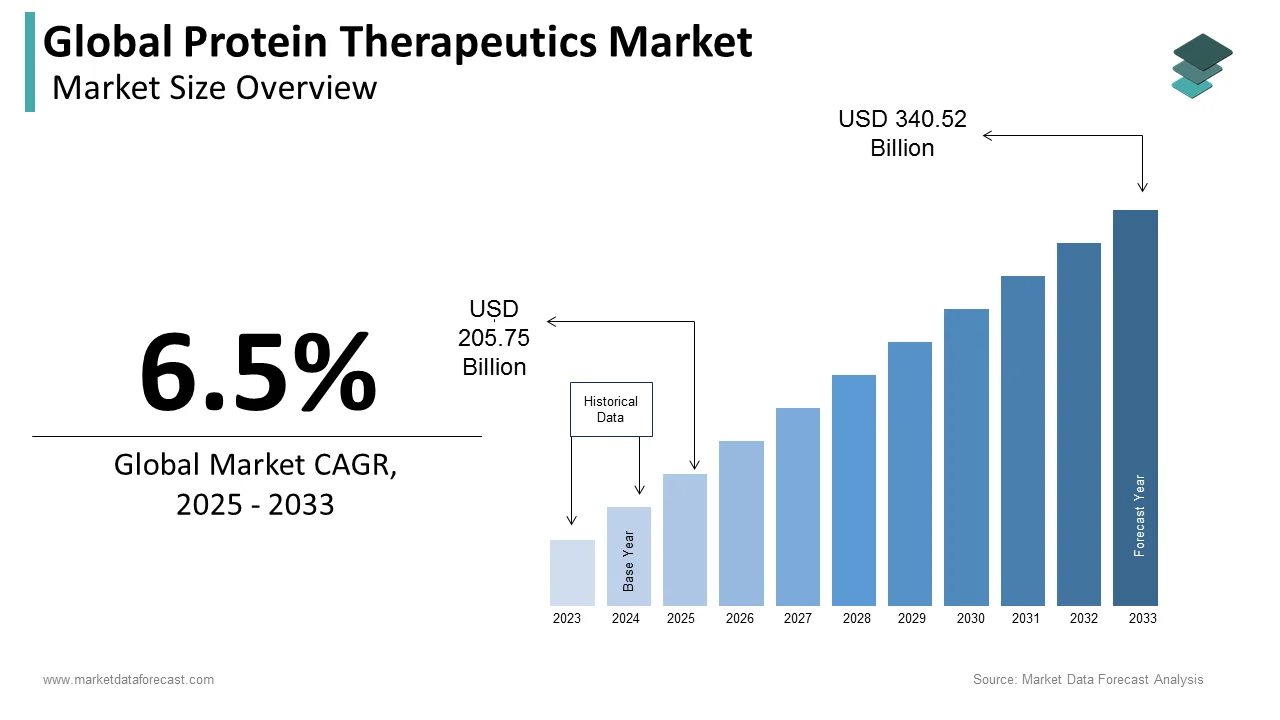
The global protein therapeutics market was valued at USD 205.75 billion in 2025, is estimated to reach USD 219.12 billion in 2026, and is projected to reach USD 362.65 billion by 2034, growing at a CAGR of 6.5% from 2026 to 2034. Market growth is driven by the increasing prevalence of chronic diseases, rising demand for targeted biologic therapies, and advancements in biotechnology and drug development. Protein therapeutics, including monoclonal antibodies, insulin, and growth factors, play a critical role in treating diseases such as cancer, diabetes, and autoimmune disorders. The expansion of biosimilars, growing R&D investments, and increasing regulatory approvals are further fueling market growth globally.
Key Market Trends
- Increasing adoption of biologic and targeted protein-based therapies.
- Rising prevalence of cancer, diabetes, and autoimmune diseases.
- Growth of biosimilars to improve treatment accessibility and reduce costs.
- Advancements in biotechnology and recombinant protein production.
- Expanding pipeline of novel protein therapeutics and personalized medicine.
Segmental Insights
- Based on product, the monoclonal antibodies segment dominated the global protein therapeutics market by capturing 58.2% share in 2025, driven by their effectiveness in treating cancer and autoimmune diseases.
- Based on application, the cancer segment led the market with 42.6% share in 2025, supported by the increasing global burden of oncology conditions.
- Based on therapeutic modalities, the protein therapeutics with enzymatic or regulatory activity segment held the largest share of 48.2% in 2025, driven by their broad therapeutic applications.
Regional Insights
The global protein therapeutics market is witnessing strong growth across major regions due to increasing healthcare demand and innovation in biologics.
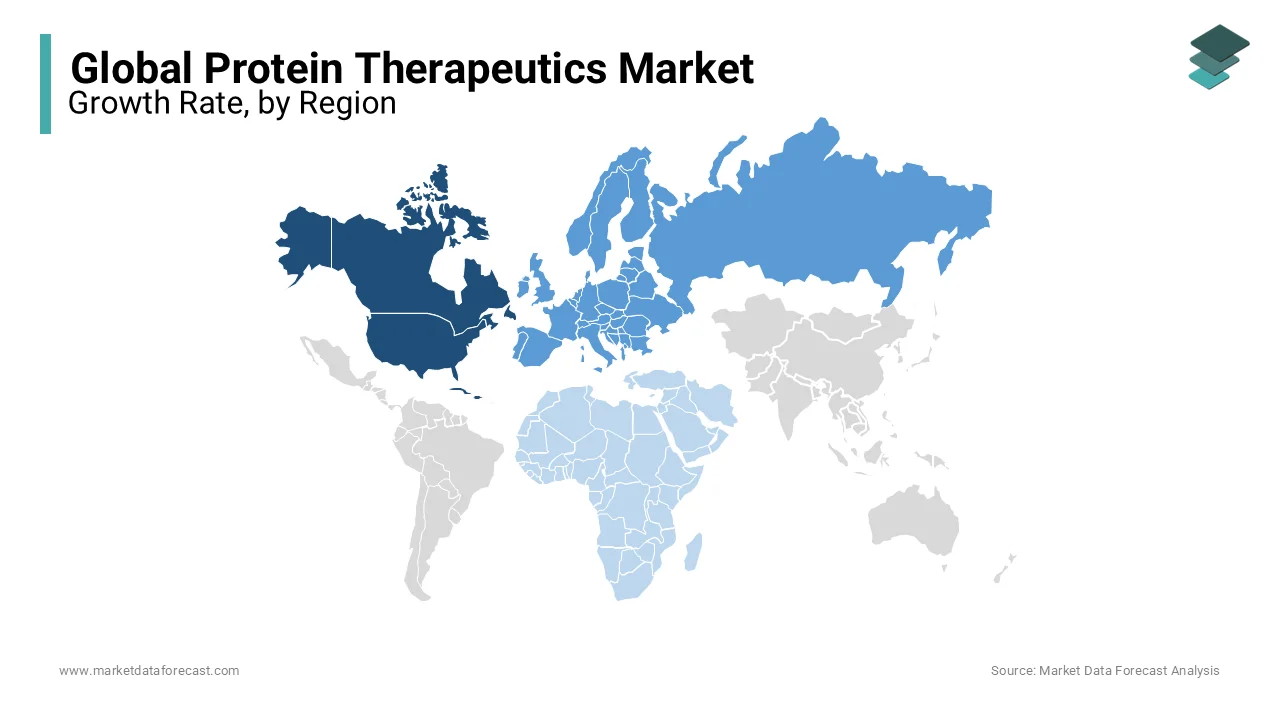
- North America led the market in 2025 with 44.3% share, supported by advanced healthcare infrastructure and strong R&D investments.
- Europe followed with 27.7% share in 2025, driven by robust pharmaceutical industries and regulatory support for biologics.
- Asia-Pacific is expected to register the fastest growth due to large patient populations, improving healthcare infrastructure, and increasing access to advanced therapies.
Competitive Landscape
The global protein therapeutics market is highly competitive, with the presence of major pharmaceutical and biotechnology companies. Market players are focusing on innovation, expanding biologics portfolios, and developing biosimilars to enhance affordability. Strategic collaborations, mergers, and continuous R&D investments are shaping competitive dynamics across the market.
Prominent companies operating in the global protein therapeutics market include Baxter International Inc., Eli Lilly and Company, Roche Holding AG, Abbott Laboratories, Amgen Inc., F. Hoffmann-La Roche Ltd., Novo Nordisk A/S, Pfizer Inc., Johnson & Johnson, Merck & Co., Inc., and Sanofi.
Global Protein Therapeutics Market Size
The size of the Europe hip replacement implants market was valued at USD 205.75 billion in 2025. This market is expected to grow at a CAGR of 6.5% from 2026 to 2034 and be worth USD 362.65 billion by 2034 from USD 219.12 billion in 2026.
Protein therapeutics are a class of medicines composed of engineered proteins used to treat, prevent, or diagnose diseases. This market includes monoclonal antibodies, hormones, enzymes, cytokines, and fusion proteins that offer high specificity and potency compared to traditional small-molecule drugs. The definition extends to next-generation formats such as bispecific antibodies and antibody-drug conjugates that leverage protein engineering for targeted delivery. As per data from the World Health Organization, non-communicable diseases, including cancer and diabetes, account for 74 percent of all deaths globally, creating a massive clinical imperative for these advanced biological interventions. According to the Centers for Disease Control and Prevention, over 38 million people in the United States live with diabetes, a condition heavily reliant on insulin and other protein-based therapies for management. The market operates under stringent regulatory oversight from bodies like the Food and Drug Administration and the European Medicines Agency to ensure purity, stability, and immunogenicity profiles. Projections from Eurostat indicate that the European population is aging significantly, which is expected to expand the demographic of individuals susceptible to chronic conditions that require protein replacement or modulation. Unlike chemical syntheses, the production of these therapeutics involves complex living systems like mammalian cells, necessitating rigorous control over manufacturing environments. This industry represents the convergence of molecular biology and clinical medicine, driving a paradigm shift toward precision medicine where treatments are tailored to specific genetic and proteomic markers.
MARKET DRIVERS
Escalating Global Prevalence of Chronic and Autoimmune Diseases
The relentless rise in the burden of chronic conditions worldwide, such as cancer, autoimmune disorders, and metabolic diseases, is the main driver of the global protein therapeutics market. This often requires long-term management with highly specific biological agents. These diseases involve complex pathophysiological mechanisms that small-molecule drugs frequently fail to address effectively, necessitating the use of monoclonal antibodies and recombinant proteins that can target specific cell surface receptors or signaling pathways with precision. According to the International Agency for Research on Cancer, the estimated number of new cancer cases in 2022 is substantial, with projections for the coming decades indicating a significant rise in the global cancer burden, driving unprecedented demand for oncology-focused protein therapies. The Global Burden of Disease Study reports that autoimmune diseases affect a higher proportion of the global population than previously estimated, with conditions like rheumatoid arthritis and psoriasis requiring continuous blockade of inflammatory cytokines using protein biologics. Furthermore, the increasing incidence of type 1 diabetes, where the body fails to produce insulin, creates a permanent and inelastic demand for recombinant insulin products. Data from the International Diabetes Federation indicates that 1 in 10 adults globally lives with diabetes, underscoring the scale of this driver. The chronic nature of these ailments ensures recurring treatment cycles, fostering a stable and growing revenue stream for manufacturers. As diagnostic capabilities improve and life expectancy increases, the pool of patients requiring these sophisticated interventions expands, solidifying the market trajectory.
Advancements in Protein Engineering and Biosimilar Adoption
Rapidly evolving protein engineering technologies enable the creation of novel therapeutic formats and contribute to the growth of the global protein therapeutics market. These formats offer improved efficacy, reduced immunogenicity, and extended half-lives, alongside the growing acceptance of biosimilars that enhance market accessibility. Innovations such as Fc engineering, PEGylation, and the development of bispecific antibodies allow scientists to design proteins that remain active in the bloodstream longer and penetrate tissues more effectively, addressing previous limitations of first-generation biologics. As per market reviews in Nature Reviews Drug Discovery, the number of approved bispecific antibodies has grown exponentially in recent years, offering new hope for patients with resistant cancers. Simultaneously, the expiration of patents for blockbuster originator biologics has spurred the development of biosimilars, which are highly similar versions of existing proteins that offer cost savings. Data from Medicines for Europe indicates that the adoption of biosimilars in Europe has generated massive cumulative savings for healthcare systems, allowing broader patient access to life-saving treatments. This cost reduction is critical in emerging markets where high prices previously restricted usage. Data from the Association for Accessible Medicines indicates that biosimilar competition drives down overall treatment costs, creating opportunities for healthcare systems to improve patient access and affordability. The synergy between cutting-edge innovation and cost-effective alternatives creates a dual engine for growth, expanding both the depth of therapeutic options and the breadth of patient access globally.
MARKET RESTRAINTS
High Manufacturing Complexity and Supply Chain Vulnerabilities
Intricate production processes coupled with fragile logistics networks are restricting the growth of the global therapeutics market. Unlike small molecules that can be synthesized chemically, protein therapeutics must be produced in living cells, making the process sensitive to minor variations in temperature, pH, and nutrient levels, which can alter the product's structure and efficacy. Building commercial-scale biomanufacturing facilities involves substantial capital investment and long, complex, and costly validation processes. The vaccine supply chain is fragile, with a notable portion of vaccines degrading during transport due to temperature control failures. Furthermore, the reliance on single-use technologies and specialized raw materials like cell culture media creates bottlenecks during periods of surging demand. The Food and Drug Administration has issued numerous warning letters regarding contamination issues in biomanufacturing plants, highlighting the difficulty of maintaining sterility. These logistical and technical challenges lead to high production costs, frequent shortages, and limited scalability, restricting the availability of these critical medicines in resource-limited settings and slowing market penetration despite high clinical demand.
Immunogenicity Risks and Safety Concerns
The inherent risk of immunogenicity slows down the expansion of the global protein therapeutics market. In this scenario, the patient's immune system recognizes the therapeutic protein as a foreign substance and mounts an immune response that can neutralize the drug's efficacy or cause severe adverse reactions. This phenomenon is particularly problematic for proteins derived from non-human sources or those with modified structures, as the formation of anti-drug antibodies can lead to treatment failure or life-threatening conditions like anaphylaxis. Immunogenicity frequently causes regulatory setbacks, such as Complete Response letters, for new protein candidates. The variability in patient immune responses makes it difficult to predict safety profiles, necessitating extensive and costly preclinical and clinical testing to characterize potential risks. Historical incidents involving pure red cell aplasia caused by certain erythropoietin formulations have heightened regulatory scrutiny and physician caution regarding new protein entries. Post-market surveillance is critical for identifying rare immune-mediated events not detected during clinical trials. This uncertainty forces manufacturers to invest heavily in de-immunization strategies and rigorous monitoring programs, inflating development costs and timelines. The fear of adverse immune reactions also influences prescribing patterns, with clinicians sometimes opting for less effective but safer small-molecule alternatives, thereby limiting the market potential for innovative protein therapeutics.
MARKET OPPORTUNITIES
Expansion into Intracellular Targets and Undruggable Pathways
The development of novel modalities such as intrabodies, proteolysis targeting chimeras (PROTACs), and cell-penetrating peptides paves the way for the growth of the global protein therapeutics market. These technologies enable the targeting of intracellular proteins previously considered 'undruggable' by traditional antibodies. Conventional monoclonal antibodies are limited to extracellular targets due to their inability to cross cell membranes, leaving a vast array of disease-driving intracellular signaling proteins inaccessible. However, advances in protein engineering are creating molecules capable of entering cells to degrade specific pathogenic proteins or modulate their function directly. Clinical trials conducted by the biopharmaceutical industry have successfully demonstrated the ability of PROTAC technology to degrade oncogenic proteins, opening new avenues for treating cancers that have developed resistance to standard therapies. Scientific consensus indicates that the vast majority of disease-related proteins are intracellular, representing a massive untapped reservoir for therapeutic intervention. Furthermore, the integration of artificial intelligence in protein design is accelerating the discovery of stable, cell-permeable structures, reducing the time required to develop these complex agents. Data from venture capital flows indicates that investment in intracellular protein targeting startups has seen a significant surge, reflecting strong confidence in this frontier. Unlocking previously inaccessible targets allows the market to expand into new therapeutic areas such as neurodegenerative diseases and viral infections. Consequently, this drives a new wave of innovation and revenue growth.
Growth of Personalized Medicine and Companion Diagnostics
The convergence of protein therapeutics with personalized medicine and companion diagnostics presents a lucrative opportunity to tailor treatments to individual patient genetic profiles, which is expected to accelerate the expansion of the global protein therapeutics market. Such personalization maximizes treatment efficacy and minimizes adverse events. As the understanding of disease heterogeneity deepens, there is a shifting paradigm from one-size-fits-all approaches to precision therapies where protein drugs are administered only to patients likely to respond based on specific biomarkers. Recent regulatory data shows that a substantial proportion of new oncology drug approvals now include a companion diagnostic test, consistent with FDA guidance encouraging the co-development of protein therapeutics and diagnostic assays. This trend is particularly evident in the field of immuno-oncology, where checkpoint inhibitors are prescribed based on PD-L1 expression levels or tumor mutational burden. Medical oncology organizations emphasize that personalized treatment strategies can significantly improve response rates compared to empirical prescribing, creating a compelling value proposition for payers and providers. Additionally, the rise of liquid biopsies allows for real-time monitoring of protein biomarkers, enabling dynamic adjustment of therapeutic regimens. This shift drives a new wave of innovation and revenue growth, while embedding diagnostics into the treatment workflow allows manufacturers to differentiate products, command premium pricing, and foster deeper relationships with healthcare providers, ultimately driving sustained market expansion.
MARKET CHALLENGES
Stringent Regulatory Pathways and Approval Delays
The increasingly rigorous and complex regulatory landscape governing the approval of biologics impedes the growth of the global protein therapeutics market. This often results in prolonged development timelines and escalated costs that strain resources, particularly for smaller biotechnology firms. Regulatory agencies like the Food and Drug Administration and the European Medicines Agency demand exhaustive data on product characterization, manufacturing consistency, and long-term safety due to the inherent complexity and variability of protein molecules. The implementation of stricter guidelines for comparability studies when changing manufacturing processes further complicates the lifecycle management of these drugs, forcing companies to conduct costly bridging trials. Furthermore, the lack of global harmonization in regulatory requirements forces sponsors to navigate disparate submission processes for different regions, duplicating efforts and delaying global launch. The high stakes of regulatory failure, where a single deficiency can halt a program worth billions, create a cautious environment that stifles risk-taking and innovation. Regulatory frameworks need to become more adaptive and streamlined while maintaining safety standards. Until then, the path to commercialization will remain a formidable hurdle.
Patent Cliffs and Intense Biosimilar Competition
The impending expiration of patents for numerous blockbuster protein therapeutics exposes originator companies to fierce competition from biosimilars, and thereby holds back the expansion of the global protein therapeutics market. This competition erodes market share and pricing power, threatening revenue sustainability. The market for major monoclonal antibodies in oncology, autoimmunity, and ophthalmology is witnessing an influx of lower-cost alternatives. This shift is occurring as key patents expire, causing these alternatives to rapidly capture volume. This "patent cliff" forces originators to slash prices or invest heavily in litigation to delay competition, diverting funds from research and development. The legal landscape is further complicated by patent thickets and settlement agreements that create uncertainty for both innovators and biosimilar developers. Additionally, the rapid pace of biosimilar approval in Europe and the United States means that the window for exclusive high-margin sales is narrowing. Companies must constantly innovate and launch next-generation products to stay ahead, but the R&D pipeline cannot always replenish lost revenue fast enough. This relentless competitive pressure challenges the traditional business models of the protein therapeutics industry, demanding new strategies for value creation and market defense.
REPORT COVERAGE
| REPORT METRIC | DETAILS |
| Market Size Available | 2025 to 2034 |
| Base Year | 2025 |
| Forecast Period | 2026 to 2034 |
| Segments Covered | By Product, Application, Therapeutic Modalities, and Region. |
| Various Analyses Covered | Global, Regional and Country-Level Analysis, Segment-Level Analysis, Drivers, Restraints, Opportunities, Challenges; PESTLE Analysis; Porter’s Five Forces Analysis, Competitive Landscape, Analyst Overview of Investment Opportunities |
| Regions Covered | North America, Europe, APAC, Latin America, Middle East & Africa |
| Market Leaders Profiled | Medtronic PLC, Abbott Laboratories, Boston Scientific Corporation, BIOTRONIK SE & Co. KG, LivaNova, Cochlear Limited, MED-EL, Sonova Holding AG, William Demant Holding A/S, and Nurotron Biotechnology Co. Ltd. |
SEGMENTAL ANALYSIS
By Product Insights
The Monoclonal Antibodies segment dominated the global protein therapeutics market and accounted for a 58.2% share in 2025. This dominance of the segment is supported by the unparalleled versatility of these molecules in treating a wide spectrum of diseases ranging from oncology to autoimmune disorders, coupled with their ability to be engineered for high specificity and potency. A main factor sustaining the leadership of monoclonal antibodies is their broad applicability across multiple critical disease states, including cancer, rheumatoid arthritis, psoriasis, and inflammatory bowel disease, where they have become the standard of care due to superior clinical outcomes. Unlike smaller molecules or hormones that often target a single pathway, monoclonal antibodies can be designed to block specific receptors, neutralize cytokines, or recruit immune cells to destroy targets, offering a level of precision that revolutionizes treatment paradigms. Furthermore, the success of checkpoint inhibitors such as pembrolizumab has transformed previously fatal cancers into manageable chronic conditions, driving sustained long-term usage. Research indicates that monoclonal antibodies consistently account for the highest number of new biologic license applications annually. The ability to humanize these antibodies reduces immunogenicity, allowing for repeated dosing without severe adverse reactions, which fosters patient adherence and market stability. This cross-indication utility ensures that monoclonal antibodies remain the financial backbone of the protein therapeutics industry. This segment is further supported by the continuous innovation in antibody engineering, particularly the emergence of bispecific antibodies and antibody-drug conjugates, which extend the therapeutic potential and commercial lifespan of this segment beyond traditional formats. Bispecific antibodies can simultaneously bind two different antigens, effectively bridging immune cells with tumor cells to enhance killing efficiency, a mechanism that has shown remarkable success in hematological malignancies. Additionally, antibody-drug conjugates combine the targeting precision of monoclonal antibodies with the cytotoxic power of chemotherapy, minimizing systemic toxicity while maximizing tumor destruction. The European Medicines Agency has approved several novel bispecific constructs recently, validating their clinical value and encouraging further investment. Moreover, the relentless evolution prevents market saturation and opens new indications, such as neurodegenerative diseases and viral infections, for antibody-based interventions. The strong intellectual property protection surrounding these advanced formats also allows manufacturers to maintain premium pricing, securing the segment's dominant market position against generic competition for the foreseeable future.
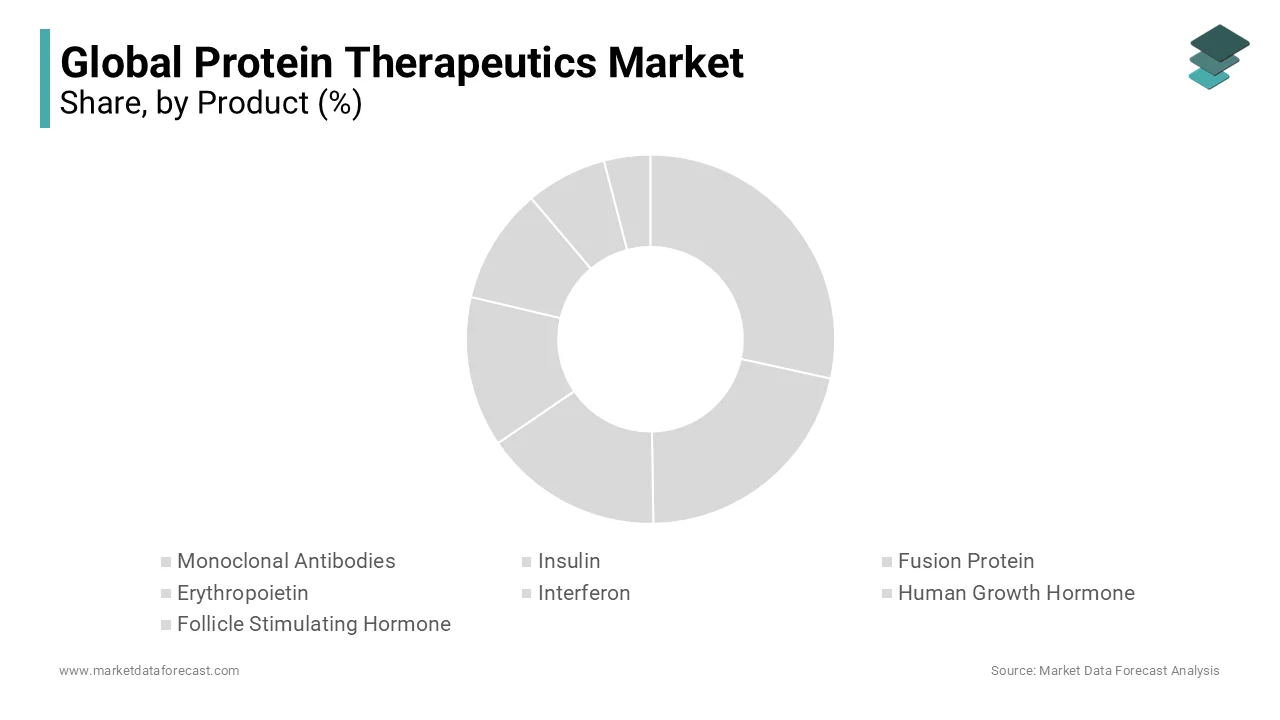
The Fusion Proteins segment is expected to exhibit a noteworthy CAGR of 13.5% from 2026 to 2034 due to the unique ability of fusion proteins to combine the functional domains of different proteins to enhance stability, extend half-life, and create novel mechanisms of action that address unmet medical needs. Also, the exceptional growth rate of fusion proteins is driven by their engineered capacity to fuse therapeutic proteins with the Fc region of immunoglobulins or albumin, significantly extending their circulation time in the body and reducing the frequency of administration required for patients. Traditional protein therapies often suffer from rapid clearance by the kidneys, necessitating frequent injections that burden patients and increase healthcare costs, whereas fusion proteins leverage the neonatal Fc receptor recycling pathway to remain active for weeks. According to sources, fusion proteins like etanercept and aflibercept demonstrate half-lives that are longer than their native counterparts, improving patient compliance and quality of life. This pharmacokinetic advantage is particularly crucial for chronic conditions requiring lifelong management, such as age-related macular degeneration and rheumatoid arthritis. Furthermore, the ability to tailor the fusion partner allows scientists to optimize tissue penetration and bioavailability, making these molecules effective in difficult-to-treat compartments like the eye or the central nervous system. As the demand for convenient, less invasive therapies grows, the adoption of fusion proteins is accelerating, positioning this segment as the most dynamic area of expansion. The segment gains additional momentum from the capability of fusion proteins to create entirely new biological functions by joining distinct protein domains, enabling the targeting of disease pathways that were previously considered undruggable by conventional monoclonal antibodies or small molecules. By fusing a ligand trap domain with an Fc scaffold, researchers can create decoy receptors that sequester pathogenic cytokines or growth factors before they can bind to their natural cellular receptors, effectively shutting down disease signaling cascades. This multi-target approach is increasingly vital in complex diseases like cancer and fibrosis, where redundancy in signaling pathways often leads to resistance against monotherapies. Additionally, the modular nature of fusion protein design allows for rapid iteration and optimization, shortening development timelines for novel indications. Our understanding of protein-protein interactions is deepening, which expands the scope for designing bespoke fusion therapeutics. Consequently, this drives robust growth and establishes this segment as a frontier of innovation in the protein therapeutics market.
By Application Insights
The Cancer application segment led the protein therapeutics market and captured a 42.6% share in 2025. This leading position of the segment is credited to the high mortality rate of malignancies globally, the extensive approval of protein-based oncology drugs, and the shift toward immuno-oncology, which relies heavily on monoclonal antibodies and cytokines to harness the immune system against tumors. A key supporting factor is the escalating global burden of cancer combined with the paradigm shift from cytotoxic chemotherapy to targeted protein therapies and immuno-oncology agents that offer improved survival rates and fewer side effects. With cancer remaining a leading cause of death worldwide, the demand for effective treatments is insatiable, and protein therapeutics have emerged as the most powerful tools in the oncologist's arsenal. Furthermore, the development of antibody-drug conjugates has revitalized treatment options for patients with resistant tumors, driving significant revenue growth. The chronic nature of advanced cancer management, often requiring combination therapies and long-term maintenance dosing, ensures a high volume of drug consumption per patient. This convergence of rising incidence, regulatory support, and superior clinical efficacy cements cancer as the largest application area for protein therapeutics. A further key driver is the disproportionate allocation of research and development funding toward oncology protein therapeutics, fueled by the potential for high returns and the availability of orphan drug incentives that accelerate development timelines. Pharmaceutical companies prioritize cancer research because of the clear biomarkers available for patient stratification, which facilitates the development of personalized medicine approaches that maximize drug efficacy. The Food and Drug Administration's breakthrough therapy designation has expedited the approval of numerous protein therapeutics for rare cancers, allowing companies to bring products to market faster and recoup investments sooner. A study emphasizes that the integration of companion diagnostics with protein therapeutics has enabled precise targeting of mutations, reducing trial failure rates and increasing commercial success probabilities. Additionally, the willingness of payers to reimburse high-cost cancer biologics due to their life-extending benefits supports robust market penetration. This sustained commitment to innovation and the supportive regulatory environment ensures that the cancer segment remains the dominant force in the protein therapeutics landscape.
The Genetic Disorders segment is estimated to register the fastest CAGR of 14.8% during the forecast period, owing to breakthroughs in enzyme replacement therapies, gene-editing adjuncts, and increased regulatory support for treating rare diseases that were historically neglected. The segment is growing quickly, led by the successful development and commercialization of enzyme replacement therapies (ERT) and protein augmentation strategies that directly address the root cause of monogenic diseases by supplying the missing or defective protein. Historically, genetic disorders lacked effective treatments, but advances in recombinant DNA technology now allow for the mass production of functional human enzymes that can be administered to patients to restore metabolic balance. The Food and Drug Administration has approved several groundbreaking ERTs in recent years for conditions like Pompe disease, Gaucher disease, and Fabry disease, transforming them from fatal childhood illnesses into manageable chronic conditions. Research indicates that the number of approved therapies for rare genetic diseases has doubled in the last five years, with protein therapeutics comprising the majority of these approvals. Furthermore, improvements in delivery systems, such as receptor-mediated transcytosis, are enabling these large proteins to cross the blood-brain barrier, opening up treatment possibilities for neurological genetic disorders that were previously inaccessible. The high unmet need and the life-saving nature of these therapies command premium pricing and strong payer support, fueling rapid market growth. As scientific understanding of genetic pathways deepens, the pipeline for protein-based cures continues to expand, driving the segment's accelerated trajectory. An additional driver is the robust framework of regulatory incentives and orphan drug designations provided by governments worldwide to encourage the development of therapies for rare genetic disorders, making it financially viable for companies to invest in this niche but critical area. Policies such as the Orphan Drug Act in the United States and similar regulations in Europe offer market exclusivity for seven to ten years, tax credits for clinical trials, and waiver of user fees, significantly reducing the financial risk associated with developing treatments for small patient populations. The incentives not only accelerate approval timelines but also allow manufacturers to establish monopolistic positions with limited competition, ensuring high profitability despite smaller market sizes. Additionally, patient advocacy groups play a crucial role in fundraising and awareness, further de-risking development. This supportive ecosystem creates a fertile ground for innovation, attracting significant investment and driving the genetic disorders segment to become the fastest-growing application in the protein therapeutics market.
By Therapeutic Modalities Insights
The Protein Therapeutics with Enzymatic or Regulatory Activity segment held the majority share of 48.2% in 2025. This prominence of the segment is attributed to the fundamental role these proteins play in replacing deficient enzymes in metabolic diseases, regulating blood glucose levels in diabetes, and managing hormonal imbalances, which represent some of the most prevalent chronic conditions globally. The primary factor driving the domination of this segment is the indispensable nature of enzymatic and regulatory proteins in managing widespread metabolic and endocrine disorders such as diabetes, lysosomal storage diseases, and hormone deficiencies, where no alternative small molecule therapies exist. Insulin, the quintessential regulatory protein, is essential for the survival of millions of type 1 diabetics and a vast number of type 2 diabetics, creating a massive, inelastic demand base. Similarly, enzyme replacement therapies are the only effective treatment for dozens of rare lysosomal storage disorders, where the absence of a specific enzyme leads to toxic accumulation of substrates and organ failure. A study emphasizes that the prevalence of these rare metabolic diseases collectively affects millions worldwide, and the lifelong dependency on exogenous enzymes creates a stable revenue stream. Furthermore, the development of long-acting insulin analogs and modified enzymes with improved stability has expanded the utility and convenience of these therapies, driving uptake. The sheer scale of the diabetic population, combined with the critical necessity of enzyme therapies for rare diseases, secures this segment's position as the market leader. Further strengthening the segment is the maturity of manufacturing platforms and the extensive clinical track record associated with enzymatic and regulatory proteins, which lowers development risks and facilitates faster regulatory approvals compared to novel modalities. Recombinant technologies for producing insulin, growth hormones, and digestive enzymes have been optimized over decades, resulting in high yields, consistent quality, and cost-effective production scales that newer protein formats struggle to match initially. The Food and Drug Administration has established clear guidance pathways for biosimilars of insulin and other regulatory proteins, fostering a competitive yet stable market environment that encourages innovation while ensuring supply security. Furthermore, the familiarity of clinicians with dosing regimens and safety profiles of these proteins promotes confident prescribing habits. The ability to produce these molecules in various expression systems, including bacteria and yeast, offers flexibility and resilience in supply chains. This combination of proven efficacy, manufacturing efficiency, and regulatory clarity ensures that enzymatic and regulatory proteins remain the dominant therapeutic modality in the protein therapeutics market.
The Protein Therapeutics with Special Targeting Activity segment is anticipated to witness the fastest CAGR of 15.2% over the forecast period. This rapid acceleration is fueled by the rise of bispecific antibodies, antibody-drug conjugates, and targeted cytokines that offer precision medicine capabilities far surpassing traditional non-targeted proteins. The swift expansion of this segment is also propelled by the revolutionary impact of specially targeted proteins in oncology and autoimmune diseases, where the ability to direct therapeutic activity specifically to diseased cells minimizes off-target toxicity and maximizes efficacy. Modalities like bispecific T-cell engagers (BiTEs) and antibody-drug conjugates (ADCs) function by physically linking immune cells to tumor cells or delivering potent cytotoxins directly into cancer cells, mechanisms that have shown dramatic responses in refractory cancers. Furthermore, in autoimmune diseases, targeted cytokines that block specific inflammatory pathways without suppressing the entire immune system are gaining traction for their improved safety profiles. Research shows a surge in approvals for bispecific antibodies in the last three years, validating their clinical superiority. The ability to engineer proteins with dual or triple specificities allows for the simultaneous modulation of multiple disease drivers, addressing the complexity of chronic diseases more effectively than monotherapies. As these technologies mature and manufacturing challenges are overcome, their application is expanding into new therapeutic areas, propelling this segment to the forefront of market growth. A further key driver is the rapid advancement in protein engineering techniques and delivery technologies that enable the creation of highly specialized proteins with enhanced stability, tissue penetration, and binding affinity, overcoming previous limitations of targeted therapies. Innovations such as site-specific conjugation, Fc engineering, and the use of nanobodies allow scientists to design proteins that can penetrate solid tumors, cross the blood-brain barrier, or persist longer in circulation, unlocking new therapeutic possibilities. As per research, new conjugation chemistries have improved the homogeneity and stability of antibody-drug conjugates, reducing premature payload release and increasing the therapeutic index. These engineering feats are critical for targeting intracellular antigens and elusive epitopes that were previously inaccessible. Furthermore, the integration of computational biology and artificial intelligence is accelerating the design of optimal binding interfaces, shortening development cycles for these complex molecules. The ability to customize targeting moieties for individual patient profiles aligns perfectly with the trend toward personalized medicine, driving demand from both clinicians and payers. Technological barriers are falling, causing the scope of special targeting activity to expand. Consequently, it has become the most dynamic and rapidly evolving segment in the protein therapeutics market.
REGIONAL ANALYSIS
North America Protein Therapeutics Market Analysis
North America was the top performer in the global protein therapeutics market and captured a 44.3% share in 2025. The demand for protein therapeutics in North America is supported by its robust biotechnology ecosystem, high healthcare expenditure, favorable reimbursement policies for biologics, and the presence of major pharmaceutical headquarters that drive innovation and early adoption. The United States serves as the primary engine of growth, characterized by a regulatory environment that encourages rapid approval of breakthrough therapies and a payer system that, despite complexities, supports the high costs of life-saving protein drugs. The Centers for Medicare and Medicaid Services provides coverage for a wide range of biologics, ensuring patient access, while private insurance plans often cover newer innovations quickly. Furthermore, the high prevalence of chronic diseases such as cancer and diabetes in the US population creates a substantial domestic demand base. The concentration of top-tier research institutions and venture capital in hubs like Boston and San Francisco accelerates the translation of academic discoveries into commercial products. This confluence of funding, regulatory support, and market demand ensures that North America remains the largest and most influential market for protein therapeutics globally.
Europe Protein Therapeutics Market Analysis
Europe was the second-largest region in the global protein therapeutics market and accounted for a 27.7% share in 2025. This expansion of the European market is propelled by a strong emphasis on cost-effectiveness, centralized regulatory oversight via the EMA, and a growing biosimilar sector that influences market dynamics. The region presents a mature market where universal healthcare systems dictate access, balancing innovation with fiscal responsibility. The European market is distinguished by the European Medicines Agency's rigorous evaluation process, which ensures high safety standards while facilitating pan-European approval, allowing companies to access a large unified market efficiently. Countries like Germany, France, and the United Kingdom are key contributors, maintaining strong public funding for rare disease treatments and cancer care despite economic pressures. A study shows that European nations have some of the highest per capita consumption of biologic medicines, driven by aging populations and comprehensive coverage mandates. The Horizon Europe program provides significant grants for collaborative research in protein engineering and regenerative medicine, fostering innovation across borders. However, varying national pricing and reimbursement negotiations can delay market entry compared to the US, creating a fragmented commercial landscape. Despite these challenges, the region's commitment to equitable access and its strong scientific base ensure steady growth. The increasing focus on real-world evidence to justify pricing further shapes the market, making Europe a critical testing ground for value-based protein therapeutics.
Asia-Pacific Protein Therapeutics Market Analysis
The Asia-Pacific region shows the most exciting growth in the global protein therapeutics market due to the massive populations of China, India, and Japan, improving healthcare infrastructure, rising disposable incomes, and government initiatives to boost local biomanufacturing. While historically a consumer of imported drugs, the region is rapidly becoming a hub for indigenous innovation and production. China and India are at the forefront of this transformation, driven by government strategies like "Made in China 2025" and India's biotechnology vision, which aim to reduce reliance on imports and develop domestic protein therapeutic capabilities. According to sources, the approval timeline for new biologics has been drastically shortened, aligning closer to Western standards and accelerating patient access. In India, the rise of capable biosimilar manufacturers has made protein therapeutics affordable for a larger segment of the population, driving volume growth. Japan, with its super-aged society, drives high demand for protein treatments for cancer and neurodegenerative diseases, maintaining one of the highest per capita usage rates in the world. The increasing prevalence of lifestyle-related diseases and the expanding middle class are willing to pay for better health outcomes. Furthermore, regional trade agreements are facilitating the flow of goods and expertise. Challenges regarding IP protection and regulatory harmonization persist. However, the sheer scale of the population and aggressive investment position Asia-Pacific as the primary growth engine for the future of the protein therapeutics market.
Latin America Protein Therapeutics Market Analysis
Latin America occupies a noteworthy position in the global market, which is driven primarily by Brazil and Mexico, where growing chronic disease burdens, expanding private healthcare sectors, and government efforts to improve access to biologics are beginning to unlock demand. The region benefits from a young but rapidly aging demographic and increasing health awareness, though economic volatility remains a hurdle. Brazil is the dominant force in the region, boasting the largest pharmaceutical market in Latin America and a public health system (SUS) that increasingly incorporates high-cost protein therapeutics for cancer and rare diseases into its formulary. According to sources, the approval process for biologics has been streamlined, encouraging multinational companies to launch new products sooner. The private sector in Brazil and Mexico is quick to adopt the latest protein therapies, driven by a wealthy demographic seeking international standards of care. However, currency fluctuations and import dependencies often inflate prices, limiting access for the broader population. Despite these economic challenges, the growing presence of local manufacturers producing biosimilars is helping to reduce costs and improve availability. The increasing collaboration between Latin American regulators and international bodies is also improving the quality and speed of drug approvals. Economic stability and healthcare reforms in Latin America are driving the adoption of protein therapeutics. The trend is expected to accelerate, particularly within the oncology and metabolic disease sectors.
Middle East and Africa Protein Therapeutics Market Analysis
The Middle East and Africa region is likely to expand in the global protein therapeutics market during the forecast period. However, it is constrained by infrastructure deficits and varying levels of economic development, yet displaying pockets of high potential in Gulf Cooperation Council countries and South Africa, where strategic investments in healthcare modernization are underway. The region represents a long-term frontier where gradual improvements in disease management and local manufacturing could unleash substantial demand. South Africa and the Gulf states serve as the anchors of advancement in the region, with nations like Saudi Arabia and the UAE implementing ambitious vision plans that include massive investments in specialized medical cities and biotechnology parks to localize the production of essential medicines. In South Africa, the private healthcare sector utilizes advanced protein therapeutics, while the public sector struggles with resource limitations but is benefiting from global health initiatives aimed at combating infectious diseases and non-communicable conditions. However, the broader African continent faces significant challenges, with the World Health Organization estimating that access to essential biologics is extremely limited in sub-Saharan regions due to cost and cold chain logistics issues. The rising prevalence of diabetes and cancer in the region creates a critical need for affordable protein solutions. Political stability is improving, and foreign direct investment is increasing, particularly in the Gulf, allowing the Middle East and Africa to transition from a marginal player to a meaningful contributor to the global market. Top-down government mandates and the urgent need to address rising mortality rates from treatable conditions are driving this shift.
COMPETITIVE LANDSCAPE
The competition in the protein therapeutics market is characterized by intense rivalry among large pharmaceutical conglomerates and agile biotechnology firms striving to dominate high-value therapeutic areas like oncology and autoimmunity. Major players compete fiercely on innovation, racing to develop next-generation formats such as bispecific antibodies and antibody drug conjugates that offer superior efficacy over existing standards. The landscape is shifting as patent expirations for blockbuster biologics invite aggressive biosimilar entrants, forcing originators to defend market share through litigation or rapid iteration of improved versions. Rivalry often manifests through strategic collaborations with academic institutions and tech companies to accelerate discovery using artificial intelligence and novel protein engineering techniques. Smaller niche firms differentiate themselves by targeting rare diseases with orphan drug status, gaining exclusivity and high pricing power. Pricing pressure is significant due to payer demands for cost-effectiveness, yet premium pricing remains viable for truly transformative therapies. Regulatory compliance and manufacturing scalability are critical battlegrounds, as any disruption can lead to severe shortages and loss of trust. Ultimately, the competitive dynamic is driven by the ability to deliver differentiated clinical value while navigating complex intellectual property landscapes and evolving reimbursement environments globally.
KEY MARKET PLAYERS
Companies profiled in this report that play a promising role in the global protein therapeutics market are
- Baxter International Inc.
- Eli Lilly and Company
- Roche Holding AG
- Abbott Laboratories
- Amgen Inc.
- F. Hoffmann-La Roche Ltd.
- Novo Nordisk A/S
- Pfizer Inc.
- Johnson & Johnson
- Merck & Co., Inc.
- Sanofi
TOP PLAYERS IN THE MARKET
- Roche Holding AG stands as a global pioneer in protein therapeutics with a dominant portfolio of monoclonal antibodies targeting oncology and immunology. The company revolutionized cancer care through innovations like rituximab and trastuzumab, which set standards for targeted therapy worldwide. Recent actions include significant investments in bispecific antibody platforms and antibody drug conjugates to address resistant tumors. Roche has also expanded its manufacturing capacity in Europe and Asia to ensure supply chain resilience for critical biologics. By acquiring specialized biotech firms focused on novel protein engineering, the firm strengthens its pipeline for next-generation therapies. Their commitment to personalized healthcare integrates diagnostics with protein drugs, enhancing treatment efficacy. This strategic focus on innovation and vertical integration solidifies their leadership in delivering life-saving protein solutions to patients globally.
- Johnson & Johnson is a major force in the protein therapeutics sector, leveraging its Janssen pharmaceutical division to develop blockbuster biologics for autoimmune diseases and hematological malignancies. The company excels in bringing complex proteins like daratumumab to market, addressing unmet needs in multiple myeloma treatment. Recent actions involve strategic partnerships to advance subcutaneous formulations of monoclonal antibodies, improving patient convenience and adherence. Johnson & Johnson has also invested heavily in continuous manufacturing technologies to reduce production costs and increase scalability. The firm actively pursues lifecycle management strategies to extend the commercial viability of its key assets against biosimilar competition. By focusing on high-value therapeutic areas and optimizing delivery mechanisms, the company maintains a robust competitive edge. These efforts demonstrate its dedication to expanding access to advanced protein therapies while driving sustainable growth in the global biopharmaceutical landscape.
- Merck & Co., Inc. plays a pivotal role in the protein therapeutics market, particularly through its groundbreaking immuno oncology agent pembrolizumab, which has transformed cancer treatment paradigms. The company leverages extensive research capabilities to discover and develop novel proteins that unlock the immune system against tumors. Recent actions include expanding indications for existing biologics into earlier lines of therapy and combining them with other modalities for enhanced efficacy. Merck has also strengthened its position by acquiring companies specializing in antibody drug conjugate technology to diversify its oncology portfolio. The firm is investing in digital health tools to monitor patient responses and optimize dosing regimens for protein drugs. By prioritizing clinical excellence and strategic collaborations, Merck continues to lead in developing transformative protein-based medicines. This approach ensures their sustained influence in addressing complex diseases and improving patient outcomes across the globe.
TOP STRATEGIES USED BY KEY MARKET PARTICIPANTS
Key players in the protein therapeutics market primarily employ strategic acquisitions and licensing deals to expand their pipelines with innovative biologics and novel modalities like bispecific antibodies. Companies frequently invest heavily in advanced manufacturing technologies such as continuous processing to improve yield, reduce costs, and ensure supply chain stability for complex proteins. Another major strategy involves pursuing lifecycle management through the development of subcutaneous formulations or combination therapies to extend patent protection and enhance patient convenience. Market participants are also focusing on global expansion by entering emerging markets where demand for biologics is rising rapidly due to increasing healthcare access. Building strong partnerships with diagnostic firms enables the co-development of companion tests for personalized medicine approaches. Additionally, companies are aggressively defending their intellectual property portfolios while navigating the entry of biosimilars through legal and commercial tactics. These strategies collectively enable leaders to maintain competitiveness and drive long-term growth in a dynamic industry.
MARKET SEGMENTATION
This market research report on the global protein therapeutics market has been segmented and sub-segmented based on the product, application, therapeutic modalities, and region.
By Product
- Monoclonal Antibodies
- Insulin
- Fusion Protein
- Erythropoietin
- Interferon
- Human Growth Hormone
- Follicle Stimulating Hormone
By Application
- Metabolic Disorders
- Immunologic Disorders
- Hematological Disorders
- Cancer
- Hormonal Disorders
- Genetic Disorders
- Others
By Therapeutic Modalities
- Protein Diagnostics
- Protein Vaccines
- Protein Therapeutics with Special Targeting Activity
- Protein Therapeutics with Enzymatic Or Regulatory Activity
By Region
- North America
- Europe
- Asia Pacific
- Latin America
- Middle East & Africa