- Product Description Description
- Table of Contents TOC
- List of Table & Figure LOT
- Get Free Sample PDF Sample PDF
Market Size, 2025
$13 BnMarket Estimate, 2026
$14.31 BnMarket Forecast, 2034
$30.75 BnCAGR, 2026–2034
10.04%Global Healthcare CRM Market Report Summary
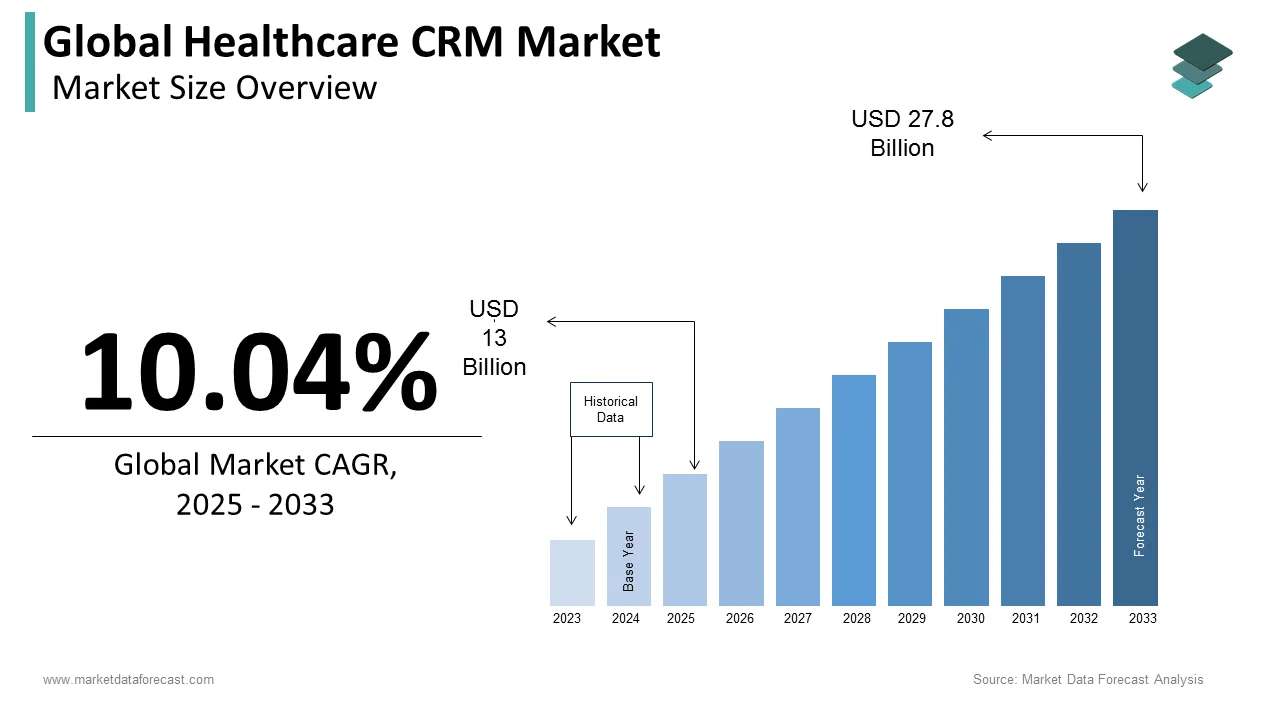
The global healthcare CRM market was valued at USD 13 billion in 2025 and is projected to grow from USD 14.31 billion in 2026 to USD 30.75 billion by 2034, registering a CAGR of 10.04% from 2026 to 2034. Market growth is driven by increasing digital transformation in healthcare, rising demand for patient-centric care, and growing adoption of customer relationship management solutions to improve patient engagement and operational efficiency. Healthcare organizations are increasingly deploying CRM platforms to streamline patient communication, appointment management, care coordination, and marketing activities. The integration of artificial intelligence, cloud computing, and data analytics is further accelerating market expansion.
Key Market Trends
- Increasing adoption of patient-centric CRM platforms to improve engagement and care coordination.
- Growing integration of AI, predictive analytics, and automation into healthcare CRM solutions.
- Rising demand for cloud-based CRM platforms across healthcare organizations.
- Expansion of omnichannel patient communication and personalized healthcare services.
- Increasing focus on data-driven patient relationship management and value-based care.
Segmental Insights
- Based on product, the individual patient relationship management segment dominated the global healthcare CRM market in 2025, driven by increasing emphasis on personalized patient engagement, retention strategies, and long-term care management.
- Based on application, the patient information management segment held the largest market share in 2025, supported by the growing need for centralized patient records, efficient communication, and coordinated healthcare delivery.
- Based on end user, the providers segment accounted for the majority share of the market in 2025, owing to their direct responsibility for patient care, appointment scheduling, patient engagement, and care continuity across healthcare settings.
Regional Insights
The global healthcare CRM market continues to expand across major regions, supported by increasing healthcare digitization, adoption of cloud technologies, and growing investments in patient engagement solutions.
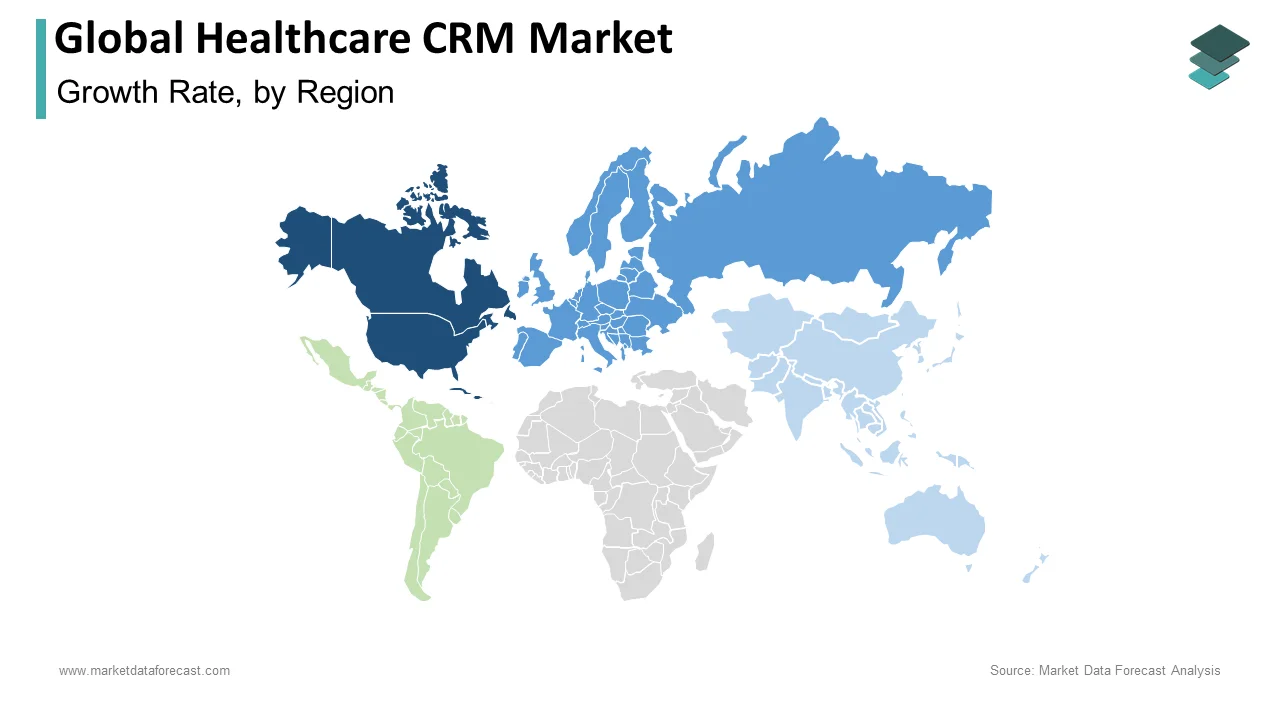
- North America dominated the global market in 2025 by accounting for 40.8% share, driven by advanced healthcare IT infrastructure, widespread adoption of electronic health records (EHRs), increasing investments in digital health, and the presence of leading healthcare technology companies.
- Europe held the second-largest position with 24.1% share in 2025, supported by expanding healthcare digitalization initiatives, increasing focus on patient-centered care, and growing adoption of integrated healthcare information systems.
- Asia-Pacific is projected to register the fastest growth during the forecast period, driven by rapid economic development, expanding middle-class populations, increasing healthcare expenditure, and significant investments in healthcare infrastructure and digital transformation.
Competitive Landscape
The global healthcare CRM market is highly competitive, with leading technology and healthcare IT companies focusing on cloud-based platforms, artificial intelligence, advanced analytics, and integrated patient engagement solutions. Market participants are investing in automation, interoperability, predictive analytics, and personalized healthcare technologies to strengthen their market position. Strategic partnerships, acquisitions, product innovations, and expansion into emerging markets continue to shape the competitive landscape.
Prominent companies operating in the global healthcare CRM market include Amdocs Ltd., Microsoft Dynamics 365, Oracle, IBM, SAP, Accenture Plc, AllScripts Healthcare Solutions Inc., Anthelio Healthcare Solutions, Siemens Healthcare, Accretive Health Inc., Salesforce, NetSuite, Aspect Software, Cerner, Oracle Health, Lawson, Talisma, NICE Systems, Verint Systems, and Veeva.
Global Healthcare CRM Market Size
The global healthcare CRM market was valued at USD 13 billion in 2025. The global market is projected to grow from USD 14.31 billion in 2026 to reach USD 30.75 billion by 2034, exhibiting a compound annual growth rate (CAGR) of 10.04% during the forecast period 2026 to 2034.
Healthcare Customer Relationship Management (CRM) is a specialized technological framework designed to centralize patient data, streamline communication channels, and enhance engagement across the continuum of care. Unlike traditional enterprise software, these platforms prioritize patient-centric interactions by integrating electronic health records, appointment scheduling systems, and personalized marketing tools into a unified interface. The modern healthcare ecosystem is increasingly characterized by consumerism, where individuals expect seamless digital experiences comparable to other service industries. According to official data from the Centers for Medicare & Medicaid Services (CMS), national health expenditures in the United States reached $4.5 trillion in 2022, representing 17.3% of the nation's Gross Domestic Product (GDP). This economic magnitude drives providers to adopt sophisticated CRM solutions to optimize revenue cycles and reduce administrative waste. Also, the World Health Organization (WHO) projects that the global health worker shortage will reach 11 million by 2030, primarily impacting low- and lower-middle-income countries. The shift toward value-based care models further amplifies the need for robust relationship management systems that can track patient outcomes and satisfaction metrics over time. Regulatory frameworks such as the Health Insurance Portability and Accountability Act in the United States mandate strict data privacy standards which modern CRM platforms are engineered to meet. These systems facilitate proactive care management by enabling providers to send automated reminders for preventive screenings, medication adherence, and follow-up visits. The integration of artificial intelligence capabilities allows for predictive analytics that identify high-risk patients requiring immediate intervention. Consequently, Healthcare CRM has evolved from a simple contact database into a strategic asset that supports clinical decision-making, operational efficiency, and long-term patient loyalty in an increasingly competitive medical landscape.
MARKET DRIVERS
Shift Toward Value-Based Care Models Necessitates Enhanced Patient Engagement Tools
The transition from fee-for-service reimbursement structures to value-based care models drives the growth of the Healthcare CRM market. In value-based arrangements, providers are compensated based on patient health outcomes rather than the volume of services rendered, which requires continuous monitoring and engagement beyond episodic visits. According to data released by the Centers for Medicare & Medicaid Services (CMS), health care payments tied to alternative payment models (APMs) comprise approximately 38% of total healthcare reimbursement frameworks. Healthcare Customer Relationship Management platforms enable providers to segment patient populations based on risk factors, chronic conditions, and social determinants of health, allowing for targeted interventions. The American Hospital Association (AHA) notes that reducing the baseline 20% 30-day readmission rate among Medicare beneficiaries remains a national healthcare priority heavily targeted by health equity models. These systems facilitate automated communication workflows such as personalized health education materials, appointment reminders, and post discharge check ins which improve adherence to care plans. The ability to track patient-reported outcomes and satisfaction scores through integrated surveys provides actionable data for quality improvement initiatives. Furthermore, Healthcare Customer Relationship Management tools help coordinate care among multidisciplinary teams by ensuring that all providers have access to up-to-date patient interaction histories. This holistic view prevents fragmented care and reduces duplicate testing, thereby lowering overall healthcare costs. The emphasis on preventive care in value-based models also drives the use of CRM systems to identify gaps in care such as missed vaccinations or screening milestones. By proactively addressing these gaps, providers can improve health outcomes while maximizing reimbursement opportunities. The scalability of cloud-based CRM solutions allows even smaller practices to participate in value-based networks without investing in extensive IT infrastructure. This democratization of technology ensures that patient engagement strategies are accessible across diverse healthcare settings, fostering a more equitable and efficient system.
Rising Consumer Expectations for Digital Healthcare Experiences Drive Adoption
The escalating expectations of patients for convenient, personalized, and digital-first healthcare experiences significantly propel the expansion of the Healthcare CRM market. Modern consumers accustomed to seamless interactions in retail and banking sectors now demand similar levels of service from their healthcare providers, including easy appointment booking, instant access to medical records, and responsive communication channels. The American Medical Association (AMA) shows that clinical adoption of digital health tools has increased significantly across all physician demographics to improve remote monitoring capability and workflows. Healthcare Customer Relationship Management systems address this demand by providing omnichannel engagement capabilities that integrate email, text messages, mobile applications, and web portals into a single cohesive platform. According to research, smartphone ownership among adults in the United States has steadily progressed to reach 91%. These platforms enable providers to deliver personalized content based on patient preferences, medical history, and behavioral data, thereby enhancing satisfaction and loyalty. The ability to automate routine administrative tasks such as insurance verification and pre-visit instructions frees up staff time for more meaningful patient interactions. Additionally, Healthcare Customer Relationship Management tools support telehealth integration by scheduling virtual visits and sending secure links to patients seamlessly. This convenience factor is particularly important for younger demographics who prioritize speed and accessibility in their healthcare choices. Providers who fail to meet these digital expectations risk losing patients to competitors who offer superior user experiences. The competitive pressure to retain patient volumes in saturated markets further incentivizes investment in advanced CRM technologies. By leveraging data analytics within CRM systems, providers can identify patterns in patient behavior and tailor their services accordingly. This proactive approach not only improves patient retention but also enhances the overall reputation of the healthcare organization in the community.
MARKET RESTRAINTS
Data Privacy Concerns and Regulatory Compliance Complexities Impede Implementation
Navigating the intricate landscape of data privacy regulations and compliance requirements hampers the growth of the Healthcare CRM market. Healthcare data is among the most sensitive types of personal information requiring stringent protection measures to prevent unauthorized access and breaches. According to the Office for Civil Rights within the Department of Health and Human Services, there were over 700 reported healthcare data breaches in the United States in a single recent year, affecting millions of individuals. These incidents highlight the vulnerabilities associated with centralized data repositories and increase the scrutiny placed on CRM vendors to ensure robust security protocols. As per guidelines from the General Data Protection Regulation in Europe, healthcare organizations face substantial fines for non-compliance with data protection standards, which can amount to millions of euros or percentages of global turnover. The complexity of adhering to multiple regulatory frameworks across different jurisdictions complicates the deployment of global CRM solutions. Healthcare providers must ensure that their CRM systems are fully compliant with local laws regarding data storage, consent management, and patient rights to access or delete information. The need for regular audits and updates to maintain compliance adds to the operational burden and cost of ownership. Additionally, the fear of reputational damage following a data breach discourages some institutions from migrating patient data to cloud-based CRM platforms. The lack of standardized security certifications across different CRM vendors creates uncertainty for buyers who struggle to assess the true risk profile of each solution. Furthermore, the integration of CRM systems with legacy electronic health records often exposes potential security gaps that hackers can exploit. Addressing these vulnerabilities requires significant investment in cybersecurity infrastructure and specialized personnel, which many smaller healthcare providers cannot afford. The evolving nature of cyber threats means that compliance is a continuous process rather than a one-time achievement, requiring ongoing vigilance and resource allocation.
High Implementation Costs and Integration Challenges with Legacy Systems
The substantial financial investment required for implementing healthcare CRM systems and the technical difficulties associated with integrating them into existing legacy infrastructure are major restraints to the global market. Many healthcare organizations operate on outdated information technology systems that were not designed to interface with modern cloud-based CRM platforms. A study demonstrates that configuration, deployment, and validation compliance integration typically range from $45,000 to over $300,000. This upfront expenditure includes software licensing, hardware upgrades, data migration, and staff training, which can strain the budgets of smaller clinics and rural hospitals. The process of mapping data fields between disparate systems such as electronic health records, practice management software, and billing platforms is often labor-intensive and prone to errors. Incompatibilities in data formats and proprietary interfaces can lead to data silos where critical patient information remains inaccessible within the CRM system. Additionally, the need for custom application programming interfaces to bridge these gaps increases development time and maintenance costs. Healthcare providers also face disruption to daily operations during the implementation phase as staff adjust to new workflows and interfaces. This temporary decrease in productivity can impact patient care and revenue generation, creating resistance to change among clinical and administrative teams. The lack of internal technical expertise to manage complex integrations forces organizations to rely on external consultants, further driving up costs. Moreover, the ongoing subscription fees for cloud-based CRM solutions represent a recurring expense that must be justified through measurable returns on investment. For many healthcare entities, the uncertain timeline for realizing these benefits decides to invest in CRM technology a difficult one amidst other pressing financial priorities.
MARKET OPPORTUNITIES
Integration of Artificial Intelligence and Predictive Analytics Creates New Value Propositions
The incorporation of artificial intelligence and predictive analytics into Healthcare CRM platforms offers substantial opportunities for the global market. This enhances clinical outcomes and operational efficiency. These advanced technologies enable systems to analyze vast amounts of patient data to identify patterns, predict health risks, and recommend personalized interventions. Healthcare Customer Relationship Management systems equipped with machine learning algorithms can predict which patients are likely to miss appointments, allowing providers to send targeted reminders or offer transportation assistance. AI-driven chatbots within CRM platforms can handle routine patient inquiries, triage symptoms, and schedule appointments automatically, freeing up human staff for more complex tasks. These virtual assistants operate twenty-four hours a day, providing consistent support and improving patient satisfaction. Furthermore, predictive analytics can identify high-risk patients who would benefit from early intervention programs, reducing the likelihood of costly emergency room visits and hospitalizations. The ability to segment patients based on predicted health trajectories allows providers to allocate resources more effectively and design proactive care plans. Natural language processing capabilities enable CRM systems to extract valuable insights from unstructured data such as clinical notes and patient feedback forms. This qualitative data enriches the patient profile and supports more nuanced engagement strategies. The continuous learning capability of AI models ensures that predictions become more accurate over time as more data is collected. Healthcare organizations that leverage these intelligent features gain a competitive advantage by delivering smarter, more responsive care. The scalability of cloud-based AI services makes these capabilities accessible to providers of all sizes, fostering innovation across the industry.
Expansion into Telehealth and Remote Patient Monitoring Ecosystems
The rapid expansion of Telehealth Services and Remote Patient Monitoring technologies provides a significant opportunity for vendors to expand their functionality and increase their share of the Healthcare CRM Market. The pandemic accelerated the adoption of virtual care, and this trend has persisted as patients and providers recognize the convenience and efficacy of remote consultations. JAMA Network Open highlights that virtual care modalities have transitioned into a sustained component of modern healthcare, making up 15% to 20% of outpatient encounters within multiple medical specialties. Healthcare Customer Relationship Management systems serve as the central hub for coordinating these virtual encounters by scheduling video appointments, sending secure links, and managing follow-up communications. The National Library of Medicine (NLM) shows that remote patient monitoring (RPM) platforms generate continuous patient datasets that require standardized digital infrastructure to translate into actionable care insights. This integration allows providers to monitor vital signs, medication adherence, and symptom progression in real time, enabling timely interventions. CRM tools can automate alerts when patient data deviates from normal ranges, ensuring that clinicians are notified immediately of potential issues. The ability to bundle telehealth services with traditional in-person care creates a hybrid model that enhances continuity and convenience for patients. Healthcare Customer Relationship Management vendors can partner with remote monitoring device manufacturers to create seamless ecosystems that simplify data flow and interpretation. This convergence of technologies supports the management of chronic conditions such as diabetes, hypertension, and heart failure, which require frequent monitoring. By offering integrated solutions that combine communication, scheduling, and data analytics, CRM providers can address the holistic needs of modern healthcare delivery. The growing reimbursement support for telehealth services from government and private payers further incentivizes providers to invest in these integrated platforms. This market expansion allows CRM vendors to move beyond simple contact management to become essential partners in digital health transformation.
MARKET CHALLENGES
Interoperability Issues and Data Silos Hinder Seamless Patient Views
Achieving true interoperability among diverse healthcare information systems remains a persistent challenge that limits the effectiveness of Healthcare CRM solutions and, in turn, hinders the growth of the global market. Despite advancements in data standards, many electronic health records, practice management systems, and laboratory information systems operate in isolation, creating fragmented patient profiles. The lack of seamless data exchange means that Healthcare Customer Relationship Management platforms often display incomplete or outdated information, which compromises the quality of patient engagement. HIMSS-aligned clinical frameworks emphasize that fragmented data storage models across disparate legacy platforms create operational inefficiencies that increase clinical training burdens and complicate patient care coordination. The absence of universal application programming interface standards forces CRM vendors to develop custom connectors for each legacy system, which is time-consuming and expensive. Variations in data formatting and terminology across different vendors further complicate the integration process, requiring extensive mapping and cleansing efforts. Healthcare organizations often struggle to maintain these integrations as source systems undergo updates or changes, breaking existing connections. The resulting data inconsistencies can lead to errors in patient communication such as sending reminders for completed procedures or missing critical follow-ups. Additionally, the legal and contractual barriers to data sharing between competing healthcare entities exacerbate the interoperability challenge. Patients who receive care from multiple providers often find that their information is not synchronized, leading to frustration and disjointed care experiences. Overcoming these barriers requires industry-wide collaboration and adherence to common data standards, which have been slow to materialize. Until robust interoperability is achieved, Healthcare CRM systems will struggle to reach their full potential. Consequently, they will face limitations in delivering fully coordinated care.
Resistance to Change and Lack of Technical Proficiency Among Staff
The human element of technology adoption is a significant barrier to the successful implementation and utilization of these systems, which further impedes the expansion of the Healthcare CRM market. Many healthcare professionals are accustomed to established workflows and may resist changing their habits to accommodate new digital tools. According to a study published in the Journal of the American Medical Informatics Association, clinician burnout is partly attributed to inefficient electronic health record systems, and adding another layer of technology can exacerbate this issue if not designed intuitively. Staff members often perceive CRM systems as additional administrative burdens rather than aids that simplify their work, leading to low adoption rates. The lack of technical proficiency among older staff members or those with limited exposure to digital tools further hinders effective usage. Healthcare organizations often underestimate the time and resources required to train employees on new CRM functionalities, resulting in superficial understanding and misuse of the system. Resistance is also fueled by concerns that automation might replace human interactions or reduce the quality of patient care. Without clear demonstration of how CRM tools enhance rather than hinder patient relationships, staff remain skeptical. The high turnover rate in healthcare administrative roles means that training efforts must be continuous, which strains organizational resources. Furthermore, the absence of executive sponsorship and clear communication about the benefits of CRM adoption leads to ambiguity and lack of commitment from frontline workers. Addressing these cultural and educational barriers requires a strategic approach that involves staff in the selection process, provides ongoing support, and celebrates early successes. Failure to manage the human side of implementation can render even the most advanced CRM systems ineffective.
REPORT COVERAGE
| REPORT METRIC | DETAILS |
| Market Size Available | 2025 to 2034 |
| Base Year | 2025 |
| Forecast Period | 2026 to 2034 |
| Segments Covered | By Product, Application, End-user, Technology, and Region. |
| Various Analyses Covered | Global, Regional and Country-Level Analysis, Segment-Level Analysis, Drivers, Restraints, Opportunities, Challenges; PESTLE Analysis; Porter’s Five Forces Analysis, Competitive Landscape, Analyst Overview of Investment Opportunities |
| Regions Covered | North America, Europe, Asia Pacific, Latin America, Middle East & Africa |
| Market Leaders Profiled | Amdocs Ltd, Microsoft, Oracle, IBM, SAP, Accenture Plc, AllScripts Healthcare Solutions Inc., Anthelio Healthcare Solutions, Siemens Healthcare, Accretive Health Inc., Salesforce, NetSuite, Aspect Software, Cerner, Lawson, Talisma, Nice Systems, Verint Systems, and Veeva, and Others. |
SEGMENTAL ANALYSIS
By Product Insights
The individual patient relationship management segment dominated the Healthcare CRM market and accounted for a substantial share in 2025. This segment dominated because it addresses the fundamental need for personalized patient engagement and retention. This segment focuses on managing direct interactions with patients throughout their healthcare journey from initial contact to post-treatment follow-up. The dominance of this segment is driven by the increasing emphasis on patient-centric care models and the financial imperative for providers to retain existing patients rather than acquiring new ones.
The critical importance of patient retention in a competitive healthcare landscape is a key driver for the dominance of individual patient relationship management solutions. Acquiring a new patient can cost five times more than retaining an existing one, making loyalty programs and personalized engagement essential for financial sustainability. Healthcare providers utilize individual CRM tools to track patient preferences, communication history, and satisfaction levels, enabling them to deliver tailored experiences that foster loyalty. These systems enable automated birthday greetings, anniversary messages, and personalized health tips, which strengthen the emotional connection between patients and providers. The ability to segment patients based on demographics, health conditions, and behavior allows for targeted marketing campaigns that resonate with specific groups. Furthermore, individual CRM platforms facilitate feedback collection through surveys and reviews, providing actionable insights for service improvement. Providers who actively engage patients through these channels see higher adherence to treatment plans and increased likelihood of positive word-of-mouth referrals. The integration of social media monitoring tools within individual CRM systems allows providers to manage their online reputation and respond promptly to patient concerns. This proactive approach to relationship building ensures that patients feel valued and understood, which is crucial in an era where healthcare choices are increasingly influenced by peer recommendations and online reviews.

The demand for personalized care plans that align with individual patient needs and preferences significantly propels the adoption of individual patient relationship management tools. Modern patients expect healthcare providers to understand their unique medical histories, lifestyle factors, and personal goals when designing treatment strategies. Individual CRM systems aggregate data from electronic health records, wearable devices, and patient-reported outcomes to create comprehensive profiles that support customized care planning. These platforms enable care teams to coordinate efforts, ensuring that all providers involved in a patient's care have access to the same detailed information. The ability to send personalized reminders for medication adherence, exercise routines, and dietary adjustments helps patients stay on track with their health goals. Additionally, individual CRM tools support shared decision-making by providing patients with educational materials tailored to their specific conditions and literacy levels. This empowerment leads to higher engagement and better self-management of health issues. The integration of artificial intelligence algorithms further enhances personalization by predicting individual responses to different treatment options. Providers can thus recommend therapies that are most likely to succeed for each specific patient, reducing trial and error and minimizing side effects. This level of customization not only improves clinical outcomes but also enhances patient satisfaction and trust in the healthcare system.
The referral management segment is likely to experience the fastest CAGR of 12.5% from 2026 to 2034. This rapid expansion of the segment is propelled by the increasing complexity of care coordination and the need to prevent patient leakage across fragmented healthcare networks. As healthcare systems expand through mergers and acquisitions, managing internal and external referrals has become a critical operational priority to ensure continuity of care and revenue capture.
The urgent need to prevent patient leakage within integrated healthcare networks is a major factor in the rapid growth of referral management CRM solutions. When patients are referred outside of a health system for specialized care, the referring provider loses visibility and potential revenue associated with subsequent services. The loss of continuity can lead to fragmented care, duplicated tests, and poor health outcomes. Referral management CRM tools address this issue by tracking referral patterns, identifying high leakage specialties, and facilitating seamless handoffs to in-network specialists. These platforms provide real-time visibility into referral status, allowing care coordinators to intervene if a patient fails to schedule an appointment. The ability to analyze referral data helps administrators negotiate better contracts with payers and identify gaps in specialist coverage. Furthermore, referral management systems streamline the authorization process by integrating with payer portals to verify insurance coverage and obtain pre-approvals efficiently. This reduces administrative burden and accelerates the time to care for patients. The integration of telehealth options within referral workflows also expands the reach of in-network specialists to remote areas, reducing the likelihood of patients seeking care elsewhere. By closing the loop on referrals, healthcare organizations ensure that patients remain within their ecosystem, thereby maximizing lifetime value and improving overall population health metrics.
Stringent regulatory requirements mandating effective care coordination and accountability for patient outcomes drive the accelerated adoption of referral management CRM systems. Value-based payment models hold providers financially responsible for the quality and cost of care delivered across the entire episode of treatment, including services provided by specialists. According to the Centers for Medicare and Medicaid Services, accountable care organizations must demonstrate effective care coordination to qualify for shared savings payments, which incentivizes the use of advanced referral tracking tools. Referral management CRMs ensure that all providers involved in a patient's care have access to relevant clinical information, reducing the risk of errors and adverse events. These systems automate the exchange of clinical documents such as discharge summaries and test results, ensuring that specialists have the necessary context to make informed decisions. The ability to track referral completion rates and follow-up appointments helps providers meet quality metrics related to timely access to care. Additionally, referral management tools support compliance with anti-kickback statutes by ensuring that referral decisions are based on clinical appropriateness rather than financial incentives. The transparency provided by these systems allows auditors to verify that referral patterns align with established clinical guidelines. Furthermore, the integration of patient feedback mechanisms within referral workflows enables providers to monitor the quality of specialist interactions and address any issues promptly. This comprehensive approach to referral management not only ensures regulatory compliance but also enhances the overall efficiency and effectiveness of the healthcare delivery system.
By Application Insights
The patient information management segment led the Healthcare CRM market and captured a significant share in 2025. It forms the foundational layer for all other customer relationship activities, which contribute to the leading position of this segment. This segment involves the centralized storage, organization, and retrieval of patient demographic, clinical, and behavioral data, enabling providers to gain a holistic view of each individual.
The critical need to centralize disparate patient data sources into a single unified view drives the dominance of patient information management applications in Healthcare CRM. Healthcare providers often struggle with data silos where patient information is scattered across electronic health records, billing systems, and scheduling platforms. Patient information management modules within CRM platforms aggregate this data, creating a 360-degree view that includes medical history, insurance details, communication preferences, and social determinants of health. The ability to quickly retrieve accurate information reduces wait times and enhances the patient experience during check-in and consultation processes. Furthermore, centralized data supports advanced analytics capabilities, allowing providers to identify trends and patterns in patient populations. For instance, analyzing demographic data alongside clinical outcomes can reveal disparities in care access or effectiveness among different groups. Patient information management systems also facilitate compliance with data privacy regulations by providing robust access controls and audit trails. Administrators can define role-based permissions, ensuring that only authorized personnel can view sensitive information. The scalability of cloud-based patient information management solutions allows organizations to handle growing volumes of data without significant infrastructure investments. This foundational capability is essential for enabling other CRM functions such as marketing automation and care coordination, making it the most widely adopted application in the market.
The significant improvement in operational efficiency and staff productivity achieved through automated patient information management propels its widespread adoption across healthcare organizations. Manual data entry and verification processes are time-consuming and prone to errors, leading to delays in care delivery and increased administrative costs. Patient information management CRM tools automate data capture from various touchpoints such as online forms, mobile apps, and kiosks, reducing the manual workload for front desk staff. The integration of optical character recognition technology enables quick scanning of insurance cards and identification documents, further speeding up the intake process. Automated data validation checks ensure that information is complete and accurate before it enters the electronic health record, preventing downstream billing issues. Additionally, patient information management systems support self-service portals where patients can update their own details, reducing the burden on call centers. The real-time synchronization of data across departments ensures that billing, scheduling, and clinical teams are working with the most current information. This alignment reduces friction and misunderstandings that often occur when departments rely on outdated records. The cumulative effect of these efficiencies is a smoother operational workflow that enhances both employee satisfaction and patient experience.
The chronic disease management segment is on the rise and is expected to be the fastest-growing segment in the market, witnessing a CAGR of 14.2% during the forecast period owing to the rising prevalence of chronic conditions and the shift toward proactive population health strategies. This segment leverages CRM capabilities to monitor, engage, and support patients with long-term health issues such as diabetes, heart disease, and respiratory disorders.
The escalating global burden of chronic diseases creates an urgent demand for specialized CRM applications that support continuous monitoring and management of these complex conditions. Traditional episodic care models are insufficient for managing these conditions, necessitating a shift toward continuous engagement and support. Chronic disease management CRM tools enable providers to track key health metrics such as blood glucose levels, blood pressure, and weight remotely through connected devices. As per data from the Centers for Disease Control and Prevention, six in ten adults in the United States have at least one chronic disease and four in ten have two or more, highlighting the massive scale of the challenge. These platforms automate regular check-ins, sending personalized messages to encourage medication adherence and healthy behaviors. The ability to identify patients who are falling behind on their care plans allows care teams to intervene early, preventing complications and hospitalizations. Chronic disease management applications also facilitate group care models where patients with similar conditions can participate in virtual support sessions coordinated through the CRM. This peer support enhances motivation and provides practical tips for daily management. The integration of educational content tailored to specific conditions empowers patients to take ownership of their health. Providers can track engagement with these materials and adjust their outreach strategies accordingly. The financial incentive to reduce costly acute episodes further drives adoption as payers and providers share the savings from improved chronic care outcomes. This segment is growing rapidly as healthcare systems recognize that effective chronic disease management is key to sustaining financial viability in value-based care environments.
The seamless integration of remote patient monitoring technologies with Healthcare CRM platforms accelerates the growth of the chronic disease management application segment. Remote monitoring devices generate continuous streams of physiological data that need to be interpreted and acted upon promptly. According to the American Telemedicine Association, the remote patient monitoring market is expected to grow significantly as reimbursement policies expand to cover these services. Chronic disease management CRM systems serve as the interface between raw data from devices and clinical action by aggregating alerts and trends into actionable insights. These platforms prioritize alerts based on severity, ensuring that clinicians focus on the most critical cases first. The automation of routine data review frees up nurse time for high-touch interventions with patients who need additional support. CRM tools can trigger automated workflows such as scheduling a follow-up appointment or sending a medication refill reminder when data indicates a potential issue. The ability to visualize longitudinal data trends helps providers adjust treatment plans proactively rather than reactively. Patients appreciate the convenience of transmitting data from home, which reduces the need for frequent office visits. This convenience improves adherence to monitoring protocols and enhances the overall patient experience. The scalability of cloud-based CRM solutions allows healthcare organizations to manage large populations of chronic disease patients efficiently. As technology advances and device connectivity improves, the integration between remote monitoring and CRM will become even more seamless, driving further adoption in this high-growth segment.
By End User Insights
In 2025, the providers segment held the majority share of the Healthcare CRM market because of its direct responsibility for patient care and engagement. Providers are under increasing pressure to improve patient satisfaction, retain volumes, and optimize operational efficiency, which CRM solutions directly address.
The intense pressure on healthcare providers to improve patient satisfaction scores and retain patient volumes in a competitive market supports their dominance as the primary users of Healthcare CRM systems. Patient satisfaction is closely linked to reimbursement rates under value-based care models and influences consumer choice in open enrollment periods. According to the Hospital Consumer Assessment of Healthcare Providers and Systems program, patient experience scores account for a significant portion of hospital reimbursement penalties and bonuses. Healthcare CRM tools enable providers to collect and analyze patient feedback in real time, allowing them to address issues before they escalate. These systems facilitate personalized communication such as thank-you notes after visits and birthday wishes, which enhance the emotional connection with patients. The ability to manage online reviews and respond to complaints promptly helps protect the provider's reputation. CRM platforms also support loyalty programs that reward patients for consistent engagement and preventive care participation. The integration of scheduling tools ensures that patients can book appointments easily, reducing friction and frustration. Providers use CRM data to identify at-risk patients who may be considering switching to competitors and target them with retention campaigns. The focus on service excellence extends to the entire care team, with CRM tools helping coordinate interactions between doctors, nurses, and administrative staff. This cohesive approach ensures that patients receive consistent and high-quality service at every touchpoint. The financial impact of improved retention is substantial as loyal patients are more likely to follow treatment recommendations and refer family members. Consequently, providers view CRM as a strategic investment in their long-term sustainability and growth.
The need for operational optimization and revenue cycle improvement compels healthcare providers to adopt CRM systems extensively. Inefficient administrative processes lead to claim denials, delayed payments, and increased operational costs, which erode profit margins. Healthcare CRM tools integrate with practice management systems to streamline eligibility verification, pre-authorization, and claims submission. CRM platforms provide visibility into the financial status of patients, allowing staff to discuss payment options and collect copays at the point of service. The ability to segment patients by insurance type and payment history enables targeted financial counseling and assistance programs. Automated reminders for outstanding balances reduce the need for aggressive collection efforts and improve patient relationships. Furthermore, CRM systems help optimize provider schedules by predicting no-show probabilities and filling slots with standby patients. This maximizes utilization of expensive clinical resources and increases revenue per hour. The integration of coding assistance tools within CRM workflows ensures that documentation supports appropriate billing levels, reducing audit risks. Providers also use CRM analytics to identify bottlenecks in patient flow and implement process improvements. The cumulative effect of these optimizations is a more efficient operation that delivers better financial performance. As reimbursement pressures continue to mount, providers rely on CRM technology to maintain profitability while delivering high-quality care.
The health insurance payers segment is expected to exhibit a noteworthy CAGR of 13.8% between 2026 and 2034 due to the shift toward member-centric models and the need to manage risk more effectively. Payers are leveraging CRM to enhance member engagement, improve health outcomes, and reduce unnecessary healthcare spending.
The strategic shift by health insurance payers toward member-centric engagement models fuels the rapid adoption of these systems in this segment. Traditionally transactional relationships are being replaced by proactive partnerships where payers support members in maintaining health and navigating the complex healthcare system. Healthcare CRM platforms enable payers to communicate with members through preferred channels such as mobile apps, email, and text messages, providing personalized health tips and wellness resources. CRM tools allow payers to segment members based on health risks, demographics, and behavior, enabling targeted interventions for high-risk populations. The ability to track member interactions across multiple touchpoints provides a comprehensive view of engagement levels and satisfaction. Payers use this data to refine their communication strategies and offer relevant benefits such as gym memberships or nutrition counseling. The integration of chatbots within CRM systems provides 24/7 support for common inquiries, reducing call center volumes and improving response times. Members appreciate the convenience and personalization, which enhances their perception of the insurer's value. Furthermore, CRM platforms facilitate the management of provider networks by tracking referral patterns and quality metrics. This information helps payers guide members to high-value providers who deliver better outcomes at lower costs. The focus on member retention is critical in competitive insurance markets where switching costs are low. By delivering superior engagement experiences, payers can differentiate themselves and build long-term loyalty among their subscriber base.
The critical need for advanced risk management and population health analytics propels payers to invest heavily in Healthcare CRM technologies. Accurate risk assessment is essential for setting premiums, reserving capital, and designing effective care management programs. Healthcare CRM systems aggregate clinical claims and social determinant data to create detailed risk profiles for individual members and populations. These platforms enable care managers to prioritize outreach to members with complex conditions, ensuring that resources are allocated efficiently. The ability to track the effectiveness of interventions allows payers to refine their programs and demonstrate return on investment. CRM tools also support compliance with regulatory requirements for quality reporting and risk adjustment coding. The integration of predictive analytics helps identify members who are likely to develop chronic conditions, enabling early prevention efforts. Payers can partner with providers to share these insights, fostering collaborative care models that improve outcomes. The scalability of cloud-based CRM solutions allows payers to process vast amounts of data in real time, supporting dynamic decision-making. Furthermore, the ability to simulate different scenario outcomes helps executives plan for future trends and regulatory changes. This strategic use of CRM technology transforms payers from passive bill payers into active partners in health management. The resulting improvements in population health and cost containment drive the rapid growth of this segment in the Healthcare CRM market.
REGIONAL ANALYSIS
North America Healthcare CRM Market Analysis
North America was the top performer in the global Healthcare CRM market and occupied a 40.8% share in 2025. This prominence of the North American market was driven by advanced healthcare infrastructure, stringent regulatory requirements, and high adoption of digital health technologies. The region benefits from a well-established framework for value-based care, which incentivizes providers and payers to invest in patient engagement tools. The presence of major Healthcare CRM vendors and technology giants in the region fosters innovation and competition. According to data from the Office of the National Coordinator for Health Information Technology (ONC), 96% of non-federal acute care hospitals in the United States have successfully adopted certified electronic health record (EHR) technology. The aging baby boomer population increases the demand for chronic disease management and coordinated care services, which CRM platforms facilitate effectively. Regulatory mandates such as the 21st Century Cures Act promote interoperability and patient access to data, further driving CRM adoption. The high level of health insurance coverage and consumer awareness about digital health options also contribute to market growth. Providers in North America are increasingly focusing on patient experience as a key differentiator, leading to widespread implementation of CRM systems. The robust IT infrastructure and high internet penetration rates support the deployment of cloud-based CRM solutions. Additionally, the strong emphasis on data security and privacy under the Health Insurance Portability and Accountability Act ensures that vendors prioritize compliance in their offerings. The mature market environment allows for sophisticated customization and integration with existing healthcare IT ecosystems. Strategic partnerships between technology firms and healthcare organizations continue to drive innovation in areas such as artificial intelligence and predictive analytics. The region remains the primary testing ground for new CRM features before global expansion.
Europe Healthcare CRM Market Analysis
Europe was the next prominent region in the global Healthcare CRM market and captured a 24.1% share in 2025. This expansion of the segment was propelled by government initiatives to modernize healthcare delivery and improve efficiency. The regional market is known for diverse healthcare systems and a strong emphasis on data privacy and patient rights. In addition, the Organisation for Economic Co-operation and Development (OECD) shows that average health spending represents approximately 9.3% of gross domestic product (GDP) across OECD member nations. The implementation of the General Data Protection Regulation has raised the bar for data security, influencing the design and deployment of Healthcare CRM solutions. As per the European Commission, many member states are investing in digital health strategies that include patient portals and electronic health records. The aging population in countries such as Germany, Italy, and France creates persistent demand for chronic disease management and home care coordination tools. Public healthcare systems in nations like the United Kingdom and Sweden are increasingly adopting CRM to manage patient flows and reduce waiting times. The focus on cross-border healthcare within the European Union encourages the development of interoperable CRM standards. Private healthcare providers in Western Europe are competing on service quality, driving adoption of customer engagement tools. The growing trend of medical tourism in countries like Spain and Hungary also stimulates demand for multilingual and culturally sensitive CRM solutions. Regulatory harmonization efforts under the European Health Data Space initiative aim to facilitate data sharing, which will further boost CRM integration. The presence of established IT service providers in the region supports local customization and implementation. Awareness of digital health benefits among European consumers is rising, leading to higher expectations for personalized care. Governments are promoting telehealth and remote monitoring, which rely on CRM for coordination. The market is characterized by a mix of public and private investment driving steady growth.
Asia-Pacific Healthcare CRM Market Analysis
Asia-Pacific is the fastest-growing region in the Healthcare CRM market due to swift economic development, expanding middle class populations, and significant investments in healthcare infrastructure. This is happening as countries such as China, India, Japan, and Australia accelerate digital transformation in healthcare. According to the Asian Development Bank, healthcare infrastructure investment in the region has increased substantially, with billions of dollars allocated to building new hospitals and upgrading existing ones. The rising prevalence of chronic diseases such as diabetes and cardiovascular conditions creates urgent demand for patient engagement and management tools. Also, the World Health Organization (WHO), acute hospital bed capacity per 1,000 population in several developing South Asian nations remains significantly below global high-income baselines. Government initiatives in countries like China and India encourage private sector participation in healthcare delivery through favorable policies for digital health adoption. The growing medical tourism industry in countries such as Thailand, Singapore, and Malaysia drives demand for world-class patient experience management solutions. Local Healthcare CRM vendors are emerging to cater to specific regional needs, including language support and mobile-first designs. The high smartphone penetration rate in the region makes mobile-based CRM applications particularly effective for reaching patients. Regulatory frameworks in several Asian countries are evolving to support electronic health records and data privacy, which facilitates CRM integration. The young demographic profile in some countries contrasts with aging populations in others, creating diverse demand patterns that CRM models can flexibly address. International vendors are entering the market through joint ventures with local partners to navigate regulatory and cultural nuances. The focus on improving maternal and child health outcomes through government programs creates specific demand for targeted engagement tools. Despite infrastructure challenges in some areas, the long-term potential for healthcare growth in Asia-Pacific supports robust market expansion.
Latin America Healthcare CRM Market Analysis
Latin America grew steadily in the global Healthcare CRM market owing to uneven healthcare infrastructure and increasing efforts to improve access to medical services. The region faces challenges related to economic volatility and currency fluctuations, which impact technology investments but also create opportunities for providers seeking to optimize operations. According to the Pan American Health Organization, healthcare spending in Latin America varies significantly across countries, with some nations allocating less than 5 percent of gross domestic product to health services. This limited public funding drives private healthcare providers to seek efficiency gains through CRM adoption to retain patients and maximize revenue. As per the Inter-American Development Bank, private healthcare facilities in countries like Brazil and Mexico are increasingly turning to digital solutions. The high out-of-pocket expenditure in the region makes patient retention critical for private providers who rely on direct payments. Healthcare CRM tools help these providers offer personalized services and flexible payment options that appeal to middle-class patients. The growing middle class in urban areas increases demand for private healthcare services, driving competition among providers to offer advanced patient experiences. International Healthcare CRM vendors are entering the market through partnerships with local distributors who understand the regulatory and cultural nuances. The focus on improving maternal and child health outcomes through government programs creates specific demand for targeted engagement tools. Regulatory reforms in several Latin American countries are streamlining approval processes for digital health solutions, making adoption easier. The increasing use of mobile phones for health information access supports the deployment of mobile-first CRM strategies. Despite economic challenges, the long-term potential for healthcare growth in Latin America supports gradual market expansion. Providers are recognizing that investing in patient relationships is essential for sustainability in a competitive market.
Middle East and Africa Healthcare CRM Market Analysis
The Middle East and Africa region is anticipated to expand notably in the Healthcare CRM market during the forecast period. This regional growth is largely driven by rapid development in the GCC countries, which offsets the infrastructure gaps found across sub-Saharan Africa. The Middle East accounts for a growing share of the market, driven by government visions to transform healthcare systems and reduce reliance on medical tourism abroad. According to the World Bank, healthcare expenditure in Gulf countries such as Saudi Arabia and the United Arab Emirates has increased substantially as part of broader economic diversification strategies. These nations are investing billions of dollars in building world-class hospitals and medical cities that utilize CRM for managing patient experiences and international referrals. As per the African Development Bank, healthcare infrastructure in sub-Saharan Africa remains underdeveloped, with significant shortages of basic diagnostic and therapeutic devices. However, mobile health initiatives are gaining traction in African countries, leveraging SMS based CRM tools to reach remote populations. International donors and development agencies increasingly support digital health projects that include patient registration and follow-up systems. The political stability in Gulf countries attracts global Healthcare CRM vendors who establish regional headquarters to serve the Middle East market. Regulatory frameworks in the Middle East are becoming more standardized, facilitating the adoption of international best practices. In Africa, the lack of reliable electricity and internet connectivity poses challenges for cloud-based CRM solutions, leading to preferences for offline-capable mobile applications. The growing awareness of healthcare importance post-pandemic drives increased investment in digital infrastructure across the region. The focus on combating infectious diseases through targeted outreach programs creates demand for specialized CRM functionalities. Despite challenges, the long-term potential for healthcare modernization in the Middle East and Africa supports gradual market expansion.
COMPETITIVE LANDSCAPE
The competitive landscape of the Healthcare Customer Relationship Management market is characterized by intense rivalry among established enterprise software giants, specialized health technology firms, and emerging digital health startups. Major players compete primarily on interoperability, clinical integration, and user experience rather than price alone. The market features a mix of broad platform providers offering comprehensive suites and niche vendors focusing on specific applications like referral management or chronic disease support. Competition is further intensified by the rapid pace of technological innovation, which requires continuous investment in artificial intelligence and cloud capabilities. Companies differentiate themselves through deep integration with electronic health records and unique data analytics features that drive measurable clinical outcomes. The entry of consumer tech companies leveraging familiar interfaces poses additional pressure on traditional healthcare vendors to improve usability. Regulatory compliance and data security standards have become critical competitive differentiators as providers prioritize risk mitigation. Strategic alliances between technology firms and healthcare systems are reshaping dynamics by creating integrated ecosystems. Fragmentation in certain regions allows local players to compete effectively through personalized service. Overall competition drives continuous improvement in functionality and user-centric design, benefiting healthcare organizations globally.
KEY MARKET PARTICIPANTS
Some of the companies that are playing a dominating role in the global healthcare CRM market include
- Amdocs Ltd
- Microsoft Dynamics 365
- Oracle
- IBM
- SAP
- Accenture Plc
- AllScripts Healthcare Solutions Inc.
- Anthelio Healthcare Solutions
- Siemens Healthcare
- Accretive Health Inc.
- Salesforce
- NetSuite
- Aspect Software
- Cerner
- Oracle Health
- Lawson
- Talisma
- Nice Systems
- Verint Systems
- Veeva
TOP PLAYERS IN THE MARKET
- Salesforce Health Cloud significantly influences the global landscape by providing a comprehensive patient relationship management platform that unifies clinical and nonclinical data. The company actively integrates artificial intelligence through its Einstein analytics to predict patient needs and streamline administrative workflows for providers. Recent strategic enhancements focus on interoperability with electronic health records to ensure seamless data exchange across disparate systems. Salesforce continues to expand its ecosystem through partnerships with specialized health technology firms to offer tailored solutions for value-based care. Their commitment to security and compliance ensures trust among healthcare organizations managing sensitive patient information globally. This continuous innovation solidifies their role as a foundational technology provider in modern healthcare engagement strategies without relying on legacy infrastructure limitations.
- Microsoft Dynamics 365 contributes to the global market by leveraging its extensive cloud infrastructure and integration with existing enterprise tools like Teams and Outlook. The platform emphasizes unified data models that connect patient engagement with operational and financial systems within healthcare organizations. Recent actions include enhancing AI capabilities through Azure Health Data Services to support predictive analytics and personalized care coordination. Microsoft actively collaborates with electronic health record vendors to improve interoperability and reduce data silos for providers. Their focus on security and compliance frameworks addresses critical regulatory concerns for global healthcare entities. By embedding CRM functionalities directly into familiar productivity tools, they reduce adoption barriers and enhance staff efficiency. This integrated approach strengthens their position as a versatile solution for complex healthcare environments requiring scalable and secure customer relationship management capabilities.
- Oracle Health plays a pivotal role in the global market by combining clinical electronic health record expertise with robust customer relationship management functionalities. The company focuses on creating unified platforms that bridge the gap between clinical care delivery and patient engagement operations. Recent initiatives involve integrating advanced analytics and population health tools to support value-based care transitions for providers worldwide. Oracle actively enhances interoperability standards to facilitate seamless data exchange across diverse healthcare ecosystems. Their emphasis on cloud migration enables healthcare organizations to access scalable CRM solutions without heavy on-premises infrastructure burdens. By aligning CRM capabilities directly with clinical workflows, they ensure that patient interactions are informed by real-time medical data. This clinical-centric approach differentiates their offering and strengthens their relevance in markets prioritizing integrated care delivery models over standalone marketing tools.
TOP STRATEGIES USED BY KEY MARKET PARTICIPANTS
Key players in the Healthcare Customer Relationship Management market predominantly employ strategic partnerships and technological integration to strengthen their competitive positioning. Companies frequently collaborate with electronic health record vendors to create seamless data flows that enhance patient engagement capabilities. Another major strategy involves embedding artificial intelligence and predictive analytics into platforms to enable proactive care management and personalized communication. Market participants increasingly focus on interoperability standards to ensure compatibility across diverse healthcare IT ecosystems, reducing implementation barriers. Additionally, firms are expanding their geographic footprint by localizing solutions for regional regulatory requirements and language preferences. Sustainability and data privacy have become central to corporate strategies, with companies emphasizing compliance certifications to build trust. These multifaceted approaches allow key players to differentiate their offerings and build long-term relationships with healthcare providers seeking comprehensive solutions beyond simple contact management. Strategic acquisitions of niche technology providers further accelerate innovation and expand functional portfolios to address emerging market needs effectively.
MARKET SEGMENTATION
This research report on the global healthcare CRM market has been segmented and sub-segmented based on product, application, end-user, technology & region.
By Product
- Individual
- Referral
- Individual and referral
By Application
- Community Outreach
- Community Health Education
- Services Outreach/Promotion
- Financial Donor Management
- Case Coordination
- Patient Information Management
- Pre-Authorizations / Eligibility
- Referrals
- Others
- Case Management
- Chronic Disease Management
- Clinical Trials Relationship Management
- Relationship Management
By End-User
- Payers
- Providers
- Life Science Companies
By Technology
- Cloud-Based
- Mobile
- Social
- Collaborative
- Predictive
By Region
- North America
- Europe
- Asia Pacific
- Latin America
- MEA