- Product Description Description
- Table of Contents TOC
- List of Table & Figure LOT
- Get Free Sample PDF Sample PDF
Market Size, 2025
$109 MnMarket Estimate, 2026
$122 MnMarket Forecast, 2034
$316 MnCAGR, 2026–2034
12.58%Latin America Acai Berry Market Report Summary
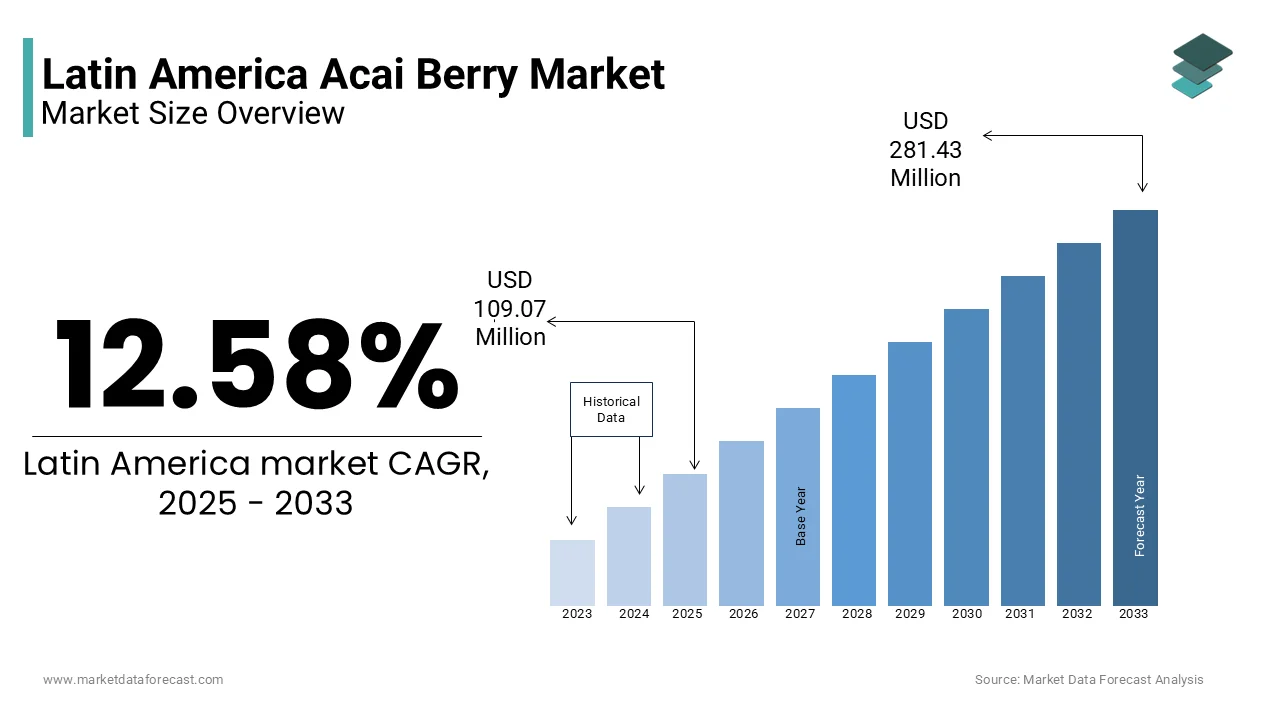
The Latin America acai berry market was valued at USD 109.07 million in 2025, is estimated to reach USD 122.79 million in 2026, and is projected to reach USD 316.85 million by 2034, growing at a CAGR of 12.58% during the forecast period. Market growth is driven by increasing demand for superfoods, rising health consciousness, and strong regional production of acai berries. The fruit is widely consumed due to its high antioxidant content, nutritional benefits, and versatility in food and beverage applications. Growing export demand, along with increasing use in functional foods, dietary supplements, and beverages, is further supporting rapid market expansion across Latin America.
Key Market Trends
- Rising demand for superfoods and functional foods is driving market growth.
- Increasing consumer awareness of antioxidant rich foods is boosting acai berry consumption.
- Growing use of acai in beverages, smoothies, and dietary supplements is supporting market expansion.
- Expansion of retail and export channels is enhancing product availability.
- Rising popularity of plant based and health focused diets is accelerating demand.
Segmental Insights
- Based on application, the food and beverages segment was the largest and held 66.9% of the Latin America acai berry market share in 2025. This dominance is attributed to widespread use in juices, smoothies, desserts, and health drinks.
- Based on product form, the pulp segment accounted for 74.1% of the Latin America acai berry market share in 2025. The segment’s growth is driven by convenience, ease of use, and high demand in beverage and food preparations.
- Based on distribution channel, the hypermarkets and supermarkets segment dominated with 46.1% of the Latin America acai berry market share in 2025, supported by strong retail presence and consumer accessibility.
Regional Insights
- The Latin America acai berry market is experiencing rapid growth across the region, supported by strong production and increasing consumption.
- Brazil was the largest contributor, accounting for 84.4% of the Latin America acai berry market share in 2025, driven by abundant raw material availability, established cultivation practices, and high domestic and export demand.
Competitive Landscape
The Latin America acai berry market is moderately competitive, with key players focusing on product quality, supply chain expansion, and export capabilities to strengthen their market position. Companies are investing in sustainable sourcing, processing technologies, and branding strategies. Prominent players in the Latin America acai berry market include The Berry Company Limited, Açaí Berry Foods, Sambazon Inc, Organique Acai USA, Acai Roots Inc, and Nossa Fruits SAS.
Latin America Acai Berry Market Size
The Latin America acai berry market size was valued at USD 109.07 million in 2025, and the market size is expected to reach USD 316.85 million by 2034 from USD 122.79 million in 2026. The market's promising CAGR for the predicted period is 12.58%.
The Latin American acai berry market is distinct from global trade dynamics as it encompasses both domestic consumption patterns and export-oriented production primarily centered in the Brazilian Amazon. The region serves as the primary source of global supply, with Brazil accounting for over 85% of worldwide acai production according to the Food and Agriculture Organization of the United Nations. The market definition includes various product forms such as frozen pulp, powder, oil, and fresh berries catering to local culinary traditions and international health food demands. In Brazil alone, annual production is estimated to reach 2 million metric tons in 2026, reflecting deep cultural integration as per data from the Brazilian Institute of Geography and Statistics. The sector supports livelihoods for thousands of smallholder farmers who rely on sustainable harvesting practices. Regulatory frameworks in countries like Brazil and Peru emphasize environmental preservation linking economic activity with conservation efforts. The market structure is characterized by a mix of informal local markets and formal industrial processing units. Urbanization trends in major cities such as Sao Paulo and Lima have transformed acai from a regional staple into a national commodity. The interplay between traditional usage and modern commercialization defines the current landscape. Infrastructure development in remote harvesting areas remains critical for maintaining supply chain efficiency. This dual nature of subsistence and commerce creates a unique economic environment where cultural heritage intersects with global agribusiness trends.
MARKET DRIVERS
Deep-Rooted Cultural Consumption Habits Drive Consistent Domestic Demand across Urban and Rural Areas
The intrinsic cultural significance of acai berry in Latin American diets is a major factor propelling the growth of the Latin American acai berry market. Unlike other regions where acai is viewed as an exotic superfood, in countries like Brazil and parts of the Amazon basin, it is a daily dietary staple consumed by millions. According to the Brazilian Ministry of Agriculture, the average per capita consumption in northern states such as Para is significantly high, with the fruit being a primary calorie source for local populations. This habitual consumption ensures a baseline demand that is resilient to external economic fluctuations. The versatility of acai allows it to be paired with savory dishes like fish or sweet accompaniments like cassava flour and sugar catering to diverse taste preferences. In recent years, this tradition has migrated southward to affluent urban centers such as Rio de Janeiro and Sao Paulo where it has been reimagined as a healthy lifestyle choice. The proliferation of specialized acai bars in these metropolitan areas has further normalized its consumption among younger demographics. As per NielsenIQ data, household consumption of acai grew by approximately 15% annually, driven by this urban adoption. The social aspect of consuming acai, often in groups or as a post-exercise meal, reinforces its presence in daily routines. This cultural embedding reduces marketing costs for local producers who benefit from inherent consumer familiarity. The transition from rural sustenance to urban wellness trend expands the total addressable market while maintaining strong local loyalty.
Government Initiatives Promoting Sustainable Agroforestry Enhance Production Capacity and Farmer Income
Strategic government policies aimed at preserving the Amazon rainforest through sustainable economic activities significantly boost acai production capabilities, which is further driving the acai berry market growth in Latin America. Authorities in Brazil and Peru recognize acai cultivation as a viable alternative to deforestation driven by cattle ranching or illegal logging. According to the Amazon Environmental Research Institute, agroforestry mini-plantations for acai can generate a net income per hectare that is 140 to 200 times greater than degraded cattle pastureland. This economic incentive encourages local communities to maintain standing forests, thereby securing long-term supply chains. The Brazilian government has implemented programs such as the National Plan for Agroecology and Organic Production which provides technical assistance and credit lines to smallholder farmers. These initiatives help improve harvesting techniques and post-harvest handling, reducing waste and increasing yield quality. In the state of Para, which produces the vast majority of Brazil’s acai, public investments in rural infrastructure have facilitated better access to markets. As per the State Department of Agriculture of Para, productivity levels have improved significantly over recent years due to these support mechanisms. Furthermore, certification schemes for organic and fair trade acai open access to premium international markets enhancing profitability. By aligning environmental conservation with economic development, these policies create a stable and expanding production base. The focus on sustainability also appeals to global buyers seeking ethically sourced ingredients further stimulating domestic production incentives.
MARKET RESTRAINTS
Vulnerability to Climate Change and Extreme Weather Events Threatens Crop Yields
The high susceptibility of acai berries to climatic variations and extreme weather phenomena in Latin America is a significant impediment to the regional market growth. Acai palms thrive in specific humid tropical conditions and are sensitive to changes in rainfall patterns and temperature. According to the Intergovernmental Panel on Climate Change, the Amazon region is experiencing increased frequency of droughts and floods which directly impact fruit set and maturation. Prolonged dry seasons can reduce berry size and pulp content leading to lower quality outputs. Conversely, excessive rainfall during harvest periods complicates logistics and increases the risk of fungal infections. In 2024, extreme climate phenomena and a lack of pollinators resulted in a significant drop in production between 30% and 40% as reported by the Brazilian Confederation of Agriculture. These fluctuations create supply instability affecting both local prices and export commitments. Smallholder farmers who lack irrigation systems or financial reserves are disproportionately affected, forcing some to abandon plantations. The unpredictability of yields makes long-term planning difficult for processors and exporters. Additionally, rising temperatures may shift suitable growing zones northward requiring adaptation strategies that are currently underdeveloped. The lack of resilient crop varieties exacerbates this vulnerability. As climate risks intensify, the cost of production may rise due to the need for mitigation measures. This environmental fragility poses a persistent threat to market consistency and growth potential, requiring urgent attention from agricultural researchers and policymakers.
Inadequate Rural Infrastructure and Logistical Bottlenecks Increase Operational Costs
Poor infrastructure in remote harvesting regions is another major restraint to the regional market expansion. Most acai production occurs in isolated communities along riverbanks in the Amazon basin where road networks are scarce or non-existent. According to the World Bank, logistics costs in the Brazilian Amazon can be up to 40% higher than in developed agricultural regions due to reliance on boat transport. This dependency on waterways makes supply chains vulnerable to seasonal water level changes and fuel price volatility. Perishable frozen pulp requires rapid transit to processing facilities but delays are common due to limited cold storage infrastructure in rural areas. As per the National Confederation of Transport in Brazil, approximately 20% of perishable goods are lost due to inadequate handling and transport conditions. These inefficiencies erode profit margins for farmers and increase final prices for consumers. The lack of reliable electricity in remote villages also hinders immediate processing or freezing of harvested berries, compromising quality. Investment in rural roads, ports, and energy grids has been insufficient to keep pace with production growth. Consequently, producers face higher operational expenses which limit their competitiveness in global markets. Improving infrastructure is essential to reduce waste and enhance market accessibility but requires substantial capital and coordinated government action. Until these logistical challenges are addressed, they will continue to constrain market expansion and efficiency.
MARKET OPPORTUNITIES
Expansion into Value Added Cosmetic and Pharmaceutical Applications Offers High Margin Opportunities
Diversifying beyond food applications into the cosmetic and pharmaceutical sectors is a lucrative opportunity for market participants. Acai oil is rich in antioxidants and essential fatty acids making it highly desirable for skincare and hair care formulations. The global natural cosmetics industry is expanding rapidly with Latin American brands leveraging indigenous ingredients to create premium products. According to the Brazilian Beauty Hygiene and Perfumery Industry Association, the natural and organic cosmetics segment remains a prominent trend in the Brazil cosmetics market, which was valued at 4.56 billion USD in 2024. Manufacturers can develop high-value extracts and oils for anti-aging creams, serums, and lotions targeting both domestic and international consumers. This shift allows companies to capture higher margins compared to commoditized frozen pulp. Collaborations with research institutions can validate scientific claims regarding skin health benefits, enhancing product credibility. In Peru, initiatives to promote biodiversity-based industries have supported startups focusing on acai derived beauty products. The rise of clean beauty trends globally favors transparent and sustainably sourced ingredients like acai. By investing in extraction technologies and branding, companies can position themselves as leaders in the bioeconomy. This diversification reduces dependency on seasonal food demand fluctuations. Furthermore, the pharmaceutical potential of acai for supplements addressing inflammation and oxidative stress offers another avenue for growth. Developing standardized extracts for clinical use can open doors to regulated health markets. This strategic pivot towards high-value applications enhances overall market resilience and profitability.
Development of Certified Organic and Fair Trade Export Channels Enhances Global Competitiveness
Expanding certified organic and fair trade export channels provide a significant opportunity to the Latin American acai berry market. Global consumers, particularly in North America and Europe, are increasingly demanding ethically sourced and environmentally friendly products. According to the Research Institute of Organic Agriculture, global sales of organic food reached 135 billion euros, with Latin America being a key supplier. Obtaining organic certification allows producers to command higher prices and build long-term relationships with discerning buyers. Fair trade certification further appeals to socially conscious consumers by ensuring fair wages and working conditions for farmers. In Brazil, cooperatives have successfully organized smallholders to achieve collective certification, reducing individual costs. As per the Fair Trade USA report, imports of certified fair trade fruits from Latin America increased by 12% in the last year. These certifications serve as quality signals differentiating Latin American acai from competitors. Governments and NGOs can support this transition by providing training and subsidies for certification processes. Developing direct trade relationships with international retailers bypasses intermediaries increasing producer income. The emphasis on traceability and sustainability aligns with corporate social responsibility goals of multinational buyers. By prioritizing quality and ethics, Latin American producers can secure a dominant position in the high-end global market. This strategy not only boosts exports but also promotes sustainable development in producing regions.
MARKET CHALLENGES
Standardization of Quality and Safety Regulations Remains a Persistent Challenge
The lack of uniform quality and safety standards across Latin American countries creates inconsistencies that hinder the Latin American acai berry market growth. While Brazil has established technical regulations for acai pulp, other producing nations like Peru and Colombia have varying or less enforced guidelines. According to the Pan American Health Organization, discrepancies in food safety protocols can lead to rejection of shipments and loss of consumer trust. Contamination risks from poor handling practices, such as microbial growth in improperly stored pulp, are ongoing concerns. The absence of standardized grading systems makes it difficult for buyers to assess quality consistently. This ambiguity complicates trade negotiations and limits access to strict regulatory markets like the European Union. As per the Brazilian Agricultural Research Corporation, efforts to harmonize standards within the Mercosur bloc have progressed slowly due to differing national priorities. Small producers often lack resources to implement rigorous quality control measures, leading to variable product quality. The informal nature of much of the local trade further exacerbates this issue, making traceability challenging. Without comprehensive standardization, the market struggles to project a unified image of reliability. Establishing region-wide protocols for harvesting, processing, and labeling is essential for enhancing competitiveness. Until these regulatory gaps are addressed, the market will face barriers to scaling up and integrating fully into global supply chains.
Balancing Commercial Expansion with Environmental Conservation Poses Complex Ethical Dilemmas
Managing the tension between increasing production demands and environmental preservation is further challenging the regional market expansion. As global demand for acai rises, there is pressure to expand cultivation areas which can lead to monoculture practices threatening biodiversity. According to the World Wildlife Fund, intensive acai farming may disrupt local ecosystems and reduce habitat for native species if not managed sustainably. The shift from diverse agroforestry systems to single-crop plantations can degrade soil health and increase vulnerability to pests. Consumers and NGOs are increasingly scrutinizing the environmental footprint of superfood production, demanding proof of sustainable practices. Producers face the dilemma of maximizing yields while adhering to strict ecological standards. Certification schemes help, but monitoring compliance in remote areas is difficult and costly. As per the Amazon Conservation Association, illegal expansion into protected areas remains a risk despite regulatory efforts. The carbon footprint associated with transporting acai from remote Amazonian regions to global markets also draws criticism. Companies must invest in verifiable sustainability initiatives to maintain their social license to operate. Failure to address these environmental concerns can result in reputational damage and loss of market access. Navigating this complex landscape requires collaboration between industry, government, and civil society. Ensuring that economic gains do not come at the expense of ecological integrity is crucial for long-term viability.
REPORT COVERAGE
| REPORT METRIC | DETAILS |
| Market Size Available | 2025 to 2034 |
| Base Year | 2025 |
| Forecast Period | 2026 to 2034 |
| CAGR | 12.58% |
| Segments Covered | By Applications, Product Form, Distribution Channel, and Region |
| Various Analyses Covered | Global, Regional, & Country Level Analysis; Segment-Level Analysis; DROC, PESTLE Analysis; Porter’s Five Forces Analysis; Competitive Landscape; Analyst Overview of Investment Opportunities |
| Regions Covered | Brazil, Mexico, Argentina, Chile & Rest of Latin America |
| Market Leaders Profiled | he Berry Company Limited, Açaí Berry Foods, Sambazon Inc, Organique Acai USA, Acai Roots, Inc, Nossa Fruits SAS |
SEGMENTAL ANALYSIS
By Application Insights
The food and beverages segment dominated the market by capturing 66.9% of the regional market share in 2025. The dominance of F&B segment in the Latin American market is deeply rooted in the cultural fabric of Brazil where acai is a staple food rather than a novelty. The traditional preparation of acai as a thick pulp served with cassava flour, fish, or sugar ensures consistent daily consumption across millions of households. According to the Brazilian Institute of Geography and Statistics, acai is a fundamental part of the regional diet in the north, with households often prioritizing it in their monthly food budget. This entrenched habit provides a stable revenue base that is immune to fleeting health trends. Furthermore, the urbanization of this tradition in cities like Sao Paulo and Rio de Janeiro has transformed acai into a popular fast food option. The proliferation of specialized acai bars which numbered in the thousands in Brazil alone as per the Brazilian Association of Franchises demonstrates the commercial viability of this model. These establishments cater to young professionals and students seeking quick, nutritious meals. The versatility of acai allows it to be integrated into juices, ice creams, and snacks, broadening its appeal. The visual appeal of the vibrant purple fruit also drives social media engagement, further boosting sales. Unlike other applications, food consumption requires minimal processing making it accessible to lower income demographics. This widespread accessibility, combined with cultural acceptance, ensures that the food and beverage segment remains the primary driver of market volume and value in the region.
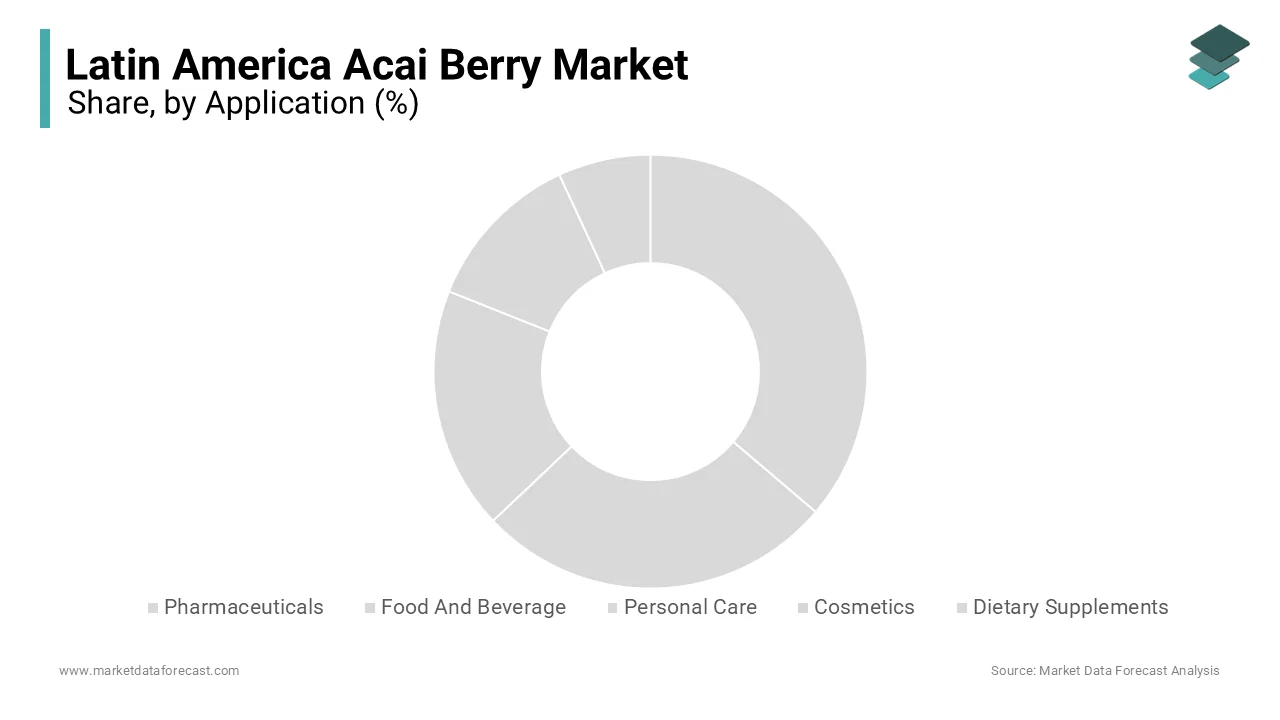
On the other end, the personal care or cosmetics segment is estimated to grow at a CAGR of 14.4% over the forecast period in the Latin American market owing to the escalating demand for natural and organic skincare products, particularly those with anti-aging properties. Acai berry oil is rich in antioxidants and essential fatty acids which are highly valued for their ability to combat oxidative stress and improve skin elasticity. In Brazil, the natural cosmetics market grew significantly in 2024 according to the Brazilian Beauty Hygiene and Perfumery Industry Association. Consumers are increasingly scrutinizing ingredient lists and preferring plant-based actives over synthetic chemicals. Acai fits this trend perfectly offering a scientifically backed natural alternative for serums, creams, and masks. The rising prevalence of skin concerns due to high UV exposure in tropical Latin American countries further accelerates adoption. Brands are leveraging clinical studies to validate the efficacy of acai extracts, thereby enhancing consumer confidence. Moreover, the premium positioning of acai based skincare allows for higher profit margins, encouraging manufacturers to invest heavily in research and development. The integration of acai into local beauty routines has also influenced neighboring markets such as Chile and Argentina, creating a ripple effect of demand across the region. This segment benefits from the global clean beauty trend which prioritizes transparency and sustainability.
By Product Form Insights
The pulp segment led the market by accounting for 74.1% of the Latin American market share in 2025. The growth of the pulp segment in this regional market is attributed to the consumer perception that frozen pulp retains the highest levels of nutrients and authentic flavor compared to dried or powdered forms. In Brazil and other producing countries, frozen acai pulp is widely available in supermarkets and specialty stores. According to the Brazilian Supermarket Association, supermarket sales increased by 9.3% in 2024, reflecting strong demand for minimally processed food options. The texture of reconstituted pulp is ideal for preparing traditional dishes and smoothie bowls which are popular culinary applications in the region. Consumers value the convenience of frozen pulp which requires only blending with other ingredients to create a ready-to-eat meal. This ease of use appeals to busy urbanites who seek healthy yet quick food solutions. Furthermore, the vibrant purple color of acai pulp enhances the visual appeal of dishes, making it a favorite for social media sharing which drives viral marketing and consumer interest. The availability of organic certified frozen pulp also caters to the growing segment of health-conscious buyers who prioritize purity and quality. These factors collectively sustain the dominance of the pulp segment in the regional market. The established cold chain infrastructure in major cities supports the distribution of this perishable product ensuring consistent quality.
However, the dried segment is anticipated to grow at the fastest CAGR of 15.5% over the forecast period in this regional market owing to the increasing popularity of convenient and shelf-stable snack options among health-conscious consumers. Freeze-dried acai powder and granules offer extended shelf life without the need for refrigeration, making them ideal for regions with limited cold chain infrastructure such as rural areas in Peru and Colombia. According to the Food Industry Latin America report, the snack food market in the region is expanding with a notable shift towards healthy alternatives. Dried acai can be easily incorporated into breakfast cereals, yogurt bars, and baking mixes, appealing to consumers seeking versatile ingredients. The lightweight nature of dried products also reduces shipping costs and carbon footprint aligning with sustainability goals. Furthermore, the concentration of nutrients in dried form appeals to fitness enthusiasts and athletes who require portable energy sources. The ease of storage and usage encourages frequent purchases and repeat consumption. As per NielsenIQ, sales of dried health products on online grocery platforms increased significantly in 2024, highlighting the growing preference for convenient health solutions. This trend is expected to continue driving the rapid expansion of the dried segment. The ability to export dried products easily also opens up international markets for Latin American producers.
By Distribution Channel Insights
The hypermarkets and supermarkets segment constituted the leading distribution channel in 2025 with 46.1% of the regional market share. The growth of the hypermarkets and supermarkets segment in this regional market is driven by consumer trust in the quality assurance processes of major retail chains which often conduct rigorous testing of imported and local goods. In countries like Brazil and Chile, shoppers prefer purchasing perishable items such as frozen acai pulp from reputable supermarkets where temperature control is guaranteed. According to the Brazilian Supermarket Association, retail revenues in 2024 increased by 9%, reflecting consumer confidence in these channels. The immediate availability of products allows consumers to inspect packaging and expiration dates before purchase, reducing perceived risk. Additionally, the presence of knowledgeable staff and promotional displays educates shoppers about the benefits of acai, encouraging impulse buys. The one-stop shopping experience offered by hypermarkets appeals to busy families who prioritize convenience and efficiency. Loyalty programs and discounts further incentivize repeat purchases within these established retail environments. As per Nielsen data, consumer interest in organic and health food sections in retail outlets rose by 8%, indicating sustained interest. This combination of trust, convenience, and accessibility solidifies the leading position of hypermarkets and supermarkets in the distribution landscape. The wide geographic coverage of these chains ensures broad market reach.
On the other hand, the online distribution segment is experiencing the fastest growth and is expected to exhibit a CAGR of 17.2% over the forecast period owing to the unparalleled convenience and wide product variety available on digital platforms. Consumers can access a diverse range of acai products including rare formulations and bulk sizes that may not be available in physical stores. In Latin America, the penetration of internet users reached approximately 70% in 2023 as per the International Telecommunication Union, facilitating greater access to e-commerce sites. The ability to compare prices, read reviews, and verify certifications empowers consumers to make informed decisions. Home delivery services eliminate the need for travel, saving time and effort which is highly valued by urban professionals. The rise of mobile commerce apps has further simplified the purchasing process enabling seamless transactions with just a few clicks. According to Mercado Libre, online sales of health products on its platforms grew by 25% in 2024, highlighting the strong digital demand. The availability of detailed product descriptions and usage guides online helps educate consumers and reduces barriers to trial. This digital convenience and accessibility are key drivers propelling the online segment to the forefront of market growth. The ability to reach remote areas where physical retail is limited also contributes to this rapid expansion.
REGIONAL ANALYSIS
Brazil Acai Berry Market Analysis
Brazil held the dominant position in the Latin America acai berry market in 2025 with 84.4% of the regional market share. The growth of Brazil in Latin America market is driven by deep cultural integration, massive domestic consumption, the traditional dietary habit of consuming acai as a staple food in the northern region that has spread nationwide. According to the Brazilian Institute of Geography and Statistics, annual production is estimated to reach 2 million metric tons in 2026, reflecting profound market penetration. The proliferation of acai bars in urban centers like Sao Paulo and Rio de Janeiro has transformed the fruit into a popular fast food option. The government’s support for sustainable agroforestry practices further boosts production capacity. As per the Brazilian Ministry of Agriculture, exports of acai have been a significant part of the agricultural trade. The well-developed cold chain infrastructure ensures consistent quality and availability. The young demographic is particularly influential driving trends through social media and health consciousness. The availability of organic and fair trade certified products appeals to premium segments. Brazil’s role as the primary producer gives it a competitive advantage in cost and supply stability. The integration of acai into local cuisine ensures steady demand regardless of economic fluctuations. This unique combination of cultural significance and industrial capacity solidifies Brazil’s leadership in the regional market.
Mexico Acai Berry Market Analysis
Mexico occupies a growing position in the Latin America Acai Berry Market driven by rising health consciousness and urbanization. The market status is characterized by increasing adoption of superfoods among the middle class in major cities. The primary driving factor is the influence of western health trends and the growing prevalence of lifestyle diseases. According to the National Institute of Public Health in Mexico, obesity rates remain high with a large portion of the adult population being overweight or obese, prompting consumers to seek healthier dietary alternatives. The expansion of health food stores and organic markets in Mexico City and Guadalajara facilitates access to acai products. E-commerce platforms play a crucial role in distributing acai powders and supplements to a wider audience. As per NielsenIQ, sales of organic food products in Mexico grew by 12% in 2023, indicating a shifting preference towards clean eating. The young population is increasingly interested in fitness and wellness driving demand for acai based smoothies and snacks. Local manufacturers are beginning to incorporate acai into existing product lines such as juices and bars. The proximity to the United States also influences consumer preferences and import dynamics. Despite being a non-producer Mexico’s large consumer base offers significant growth potential. The government’s promotion of healthy eating habits further supports market expansion. These factors position Mexico as a key emerging market in the region.
Argentina Acai Berry Market Analysis
Argentina holds a moderate but steadily growing position in the Latin America acai berry market due to its strong European cultural ties and health trends. The high level of health awareness among urban populations in Buenos Aires and Cordoba is further propelling the market growth in Argentina. According to the Argentine Chamber of Supermarkets, sales of natural and organic products increased by 9% in 2023. Acai is primarily consumed in the form of supplements and premium smoothies in specialized health cafes. The economic situation has led consumers to prioritize value for money favoring locally produced or regionally sourced alternatives when available. However the demand for imported high quality acai remains strong among affluent segments. The fitness industry is robust with a large portion of the population engaging in regular exercise, thereby driving demand for post workout nutrition. As per Fitness Argentina, membership in gyms reached a significant scale in 2024, creating a captive audience for energy boosting superfoods. The regulatory framework for food labeling is strict ensuring transparency and building consumer confidence. The appreciation for natural ingredients aligns with the global clean label trend. These elements combine to make Argentina a niche but valuable market for premium acai products.
COMPETITIVE LANDSCAPE
The competition in the Latin America Acai Berry Market is characterized by a mix of international giants and localized producers striving for dominance. Established global brands leverage their reputation for quality and sustainability to capture premium segments while local players compete on price and accessibility. The market sees intense rivalry in product innovation with companies constantly launching new formats such as powders capsules and ready to eat snacks to attract diverse consumer groups. Digital marketing plays a pivotal role as brands invest in social media campaigns and influencer partnerships to educate consumers and build loyalty. Supply chain efficiency is another critical competitive factor with firms investing in cold chain infrastructure to ensure product freshness. Regulatory compliance varies across countries requiring companies to adapt their strategies to meet local standards. Strategic alliances with retailers and e commerce platforms are common as firms seek to expand their reach. The focus on organic certification and ethical sourcing further differentiates competitors. This dynamic environment drives continuous improvement in product quality and customer service fostering a vibrant and evolving market landscape where sustainability is key.
KEY MARKET PLAYERS
Key Players In the Latin America acai berry market are
- The Berry Company Limited
- Açaí Berry Foods
- Sambazon Inc
- Organique Acai USA
- Acai Roots Inc
- Nossa Fruits SAS
Top Players in the Market
- Sambazon Inc is a pioneering entity in the global acai industry with deep roots in the Latin American supply chain. The company sources organic acai directly from the Brazilian Amazon ensuring sustainable harvesting practices that support local communities. Sambazon has significantly influenced global markets by establishing high quality standards for frozen pulp and ready to eat products. Recently the company strengthened its position by expanding distribution networks in key Latin American urban centers and enhancing its cold chain logistics. They actively engage in educational campaigns to promote the health benefits of acai among consumers. Sambazon also invests in community development projects which secure long term supply stability and enhance brand reputation. Their commitment to fair trade principles resonates with ethically conscious buyers. By introducing innovative packaging solutions they improve product convenience and shelf appeal. These strategic initiatives reinforce their leadership and ensure consistent availability of premium acai products across diverse markets while maintaining ecological balance.
- Wild Harvest Ltd is a prominent supplier of organic ingredients including acai berry powder and extracts serving the food and beverage sector in Latin America. The company focuses on providing certified organic products to manufacturers of supplements and functional foods across the region. Wild Harvest has recently invested in advanced processing technologies to preserve the nutritional integrity of acai during drying and packaging. This technological advancement allows them to offer superior products that meet stringent quality standards in international markets. They have expanded their customer base by collaborating with local distributors in Brazil and Peru to improve market penetration. Wild Harvest prioritizes transparency in supply chain management which builds trust with business partners. Their recent launch of specialized acai blends tailored for specific health benefits demonstrates innovation capability. These efforts enable them to maintain a strong competitive edge and meet evolving demands. By focusing on sustainability they attract environmentally conscious clients. Their robust infrastructure supports consistent delivery and quality assurance.
- Navitas Organics is a leading provider of superfood ingredients with a growing presence in the Latin American acai berry market. The company offers a diverse range of acai products including powders capsules and snack bites catering to various consumer preferences. Navitas has recently enhanced its market position by launching targeted digital marketing campaigns in Brazil and Mexico to raise awareness about the health benefits of acai. They have formed strategic alliances with e commerce platforms to ensure wide accessibility of their products. The company emphasizes regenerative agriculture practices which appeal to sustainability focused buyers. Navitas continuously innovates by introducing new product formats such as energy bars and smoothie mixes that align with modern consumption habits. Their focus on educational content helps consumers understand how to incorporate acai into daily diets. These comprehensive strategies strengthen brand equity and drive growth in the rapidly expanding health and wellness sector. They prioritize ethical sourcing to support local farmers.
Top Strategies Used by the Key Market Participants
Key players in the Latin America Acai Berry Market primarily employ product innovation and strategic partnerships to consolidate their positions. Companies frequently develop new formulations such as ready to eat snacks and beauty supplements to cater to diverse consumer needs. Expanding distribution networks through collaborations with local distributors and e commerce platforms is another critical strategy. This approach ensures wider availability and accessibility of products in remote and urban areas alike. Brands also invest heavily in digital marketing and influencer collaborations to educate consumers and build brand awareness. Emphasizing sustainability and ethical sourcing practices helps companies differentiate themselves and appeal to environmentally conscious buyers. Additionally participating in regional trade fairs and health expos allows firms to showcase their offerings and establish B2B connections. These multifaceted strategies enable market participants to navigate regulatory complexities and cultural preferences effectively while driving sustained growth and consumer engagement in the competitive landscape.
MARKET SEGMENTATION
This Research Report on Latin America acai berry market is segmented and sub segmented into following categories
By Application
- Pharmaceuticals
- Food And Beverage
- Personal Care
- Cosmetics
- Dietary Supplements
By Product Form
- Dry
- Pulp
By End-User
- Convenience Stores
- Hypermarket
- Supermarkets
- Online
- Drugstores
- Drugstores
By Country
- Brazil
- Argentina
- Mexico
- Rest of Latin America