- Product Description Description
- Table of Contents TOC
- List of Table & Figure LOT
- Get Free Sample PDF Sample PDF
Market Size, 2025
$326 MnMarket Estimate, 2026
$368 MnMarket Forecast, 2034
$980 MnCAGR, 2026–2034
13.01%Asia Pacific Acai Berry Market Report Summary
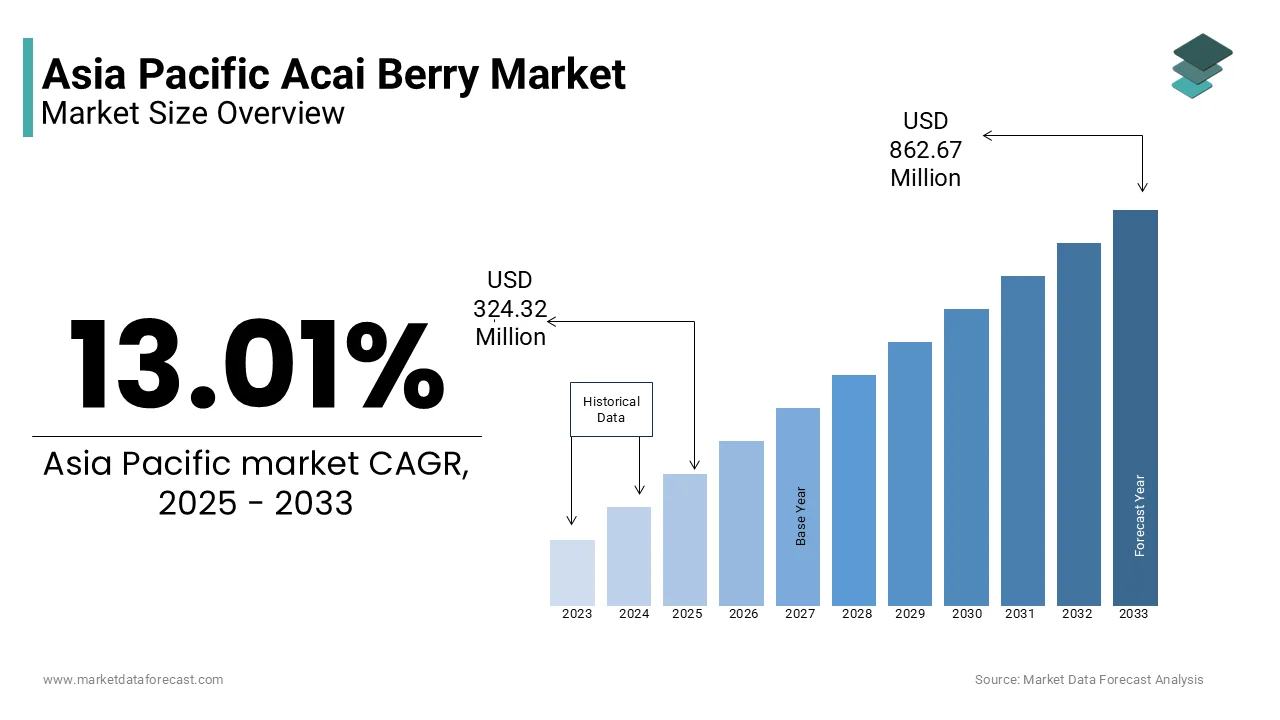
The Asia Pacific acai berry market was valued at USD 326.09 million in 2025, is estimated to reach USD 368.51 million in 2026, and is projected to reach USD 980.36 million by 2034, growing at a CAGR of 13.01% during the forecast period. Market growth is driven by increasing consumer demand for superfoods, rising health consciousness, and growing popularity of functional and antioxidant rich food products. Acai berries are widely recognized for their high nutritional value, including antioxidants, vitamins, and healthy fats, making them popular in smoothies, supplements, and health foods. The expansion of health focused lifestyles and growing awareness of plant based nutrition are further supporting rapid market growth across the region.
Key Market Trends
- Rising demand for superfoods and functional foods is driving the adoption of acai berry products.
- Increasing consumer focus on health, wellness, and immunity is boosting market growth.
- Growing popularity of smoothies, dietary supplements, and energy foods is supporting demand.
- Expansion of retail and e commerce channels is improving product accessibility.
- Rising awareness of antioxidant rich foods is enhancing consumer interest.
Segmental Insights
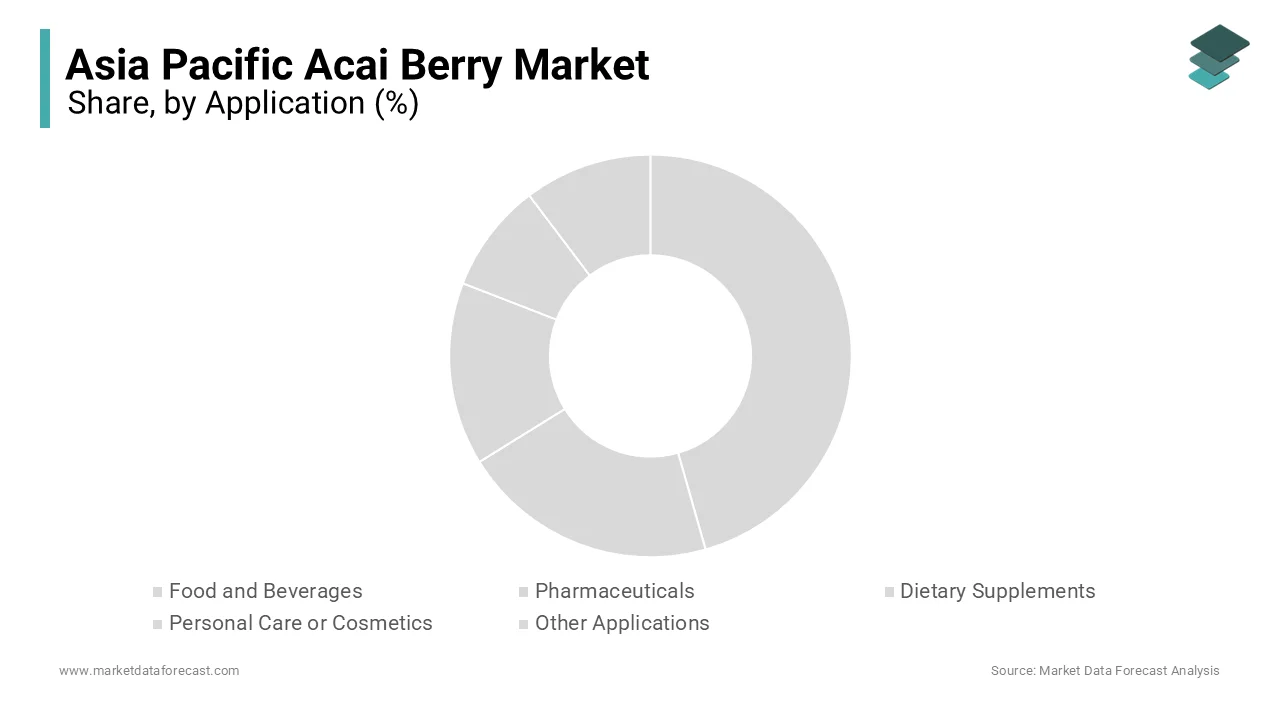
- Based on application, the food and beverages segment was the largest and held 44.9% of the Asia Pacific acai berry market share in 2025. This dominance is attributed to widespread use in smoothies, juices, desserts, and health focused food products.
- Based on product form, the pulp segment accounted for 54.5% of the Asia Pacific acai berry market share in 2025. The segment’s growth is driven by its convenience, versatility, and direct use in food and beverage preparations.
- Based on distribution channel, the hypermarkets and supermarkets segment dominated with 41.1% of the Asia Pacific acai berry market share in 2025, supported by strong retail presence, product availability, and consumer convenience.
Regional Insights
- The Asia Pacific acai berry market is experiencing rapid growth across key countries, supported by rising health awareness and expanding retail infrastructure.
- China held a prominent position in the Asia Pacific acai berry market in 2025, driven by increasing demand for imported superfoods, growing middle class population, and rising adoption of healthy dietary habits.
Competitive Landscape
The Asia Pacific acai berry market is moderately competitive, with key players focusing on product quality, branding, and expansion of distribution networks to strengthen their market position. Companies are investing in organic sourcing, innovative product offerings, and marketing strategies to attract health conscious consumers. Prominent players in the Asia Pacific acai berry market include AcaiExotic, Acairoots, Nativo Acai, Sambazon, Vision America International, Amazon Forest Trading, Energy Foods International, Organique Acai USA, Tropical Acai, and Zola.
Asia Pacific Acai Berry Market Size
Asia Pacific acai berry market size was valued at USD 326.09 million in 2025, and the market size is expected to reach USD 980.36 million by 2034 from USD 368.51 million in 2026. The market's promising CAGR for the predicted period is 13.01%.
According to the Food and Agriculture Organization of the United Nations, global demand for superfoods has risen by 15% annually over the last decade, which is influencing import dynamics in Asian economies. In Australia alone, the health food sector has expanded significantly, with organic product sales reaching 2.6 billion Australian dollars in recent years, as per Organic Trade Association data. The market definition extends beyond raw imports to include value-added products, such as smoothie bowls, supplements, and cosmetic formulations. Consumer awareness regarding chronic disease prevention through diet drives initial adoption rates. The regulatory landscape varies across the region, with strict food safety standards in Japan and evolving import protocols in Southeast Asian nations. This complex ecosystem requires stakeholders to navigate diverse cultural dietary habits while maintaining product integrity during long-distance logistics. The integration of acai into local culinary traditions marks a shift from a niche exotic item to a mainstream wellness ingredient.
MARKET DRIVERS
Rising Prevalence of Lifestyle-Related Diseases Fuels Demand for Antioxidant-Rich Dietary Supplements
The rising burden of non-communicable diseases across the Asia Pacific region is one of the major factors propelling the growth of the Asia-pacific acai berry market. Chronic conditions, such as cardiovascular diseases, diabetes, and obesity, are reaching epidemic proportions in many Asian nations, prompting consumers to seek preventive healthcare solutions through nutrition. According to the World Health Organization, non-communicable diseases account for nearly 60% of all deaths in the South-East Asia Region. This alarming statistic has triggered a paradigm shift in consumer behavior, where individuals proactively incorporate functional foods into their daily routines. Acai berries are particularly sought after due to their high concentration of anthocyanins and polyphenols, which are scientifically linked to reduced oxidative stress and improved heart health. In China, the middle-class population, which exceeds 400 million people, according to the National Bureau of Statistics of China, is increasingly willing to pay a premium for imported health products that promise longevity and vitality. The government initiatives promoting healthy aging further amplify this trend. For instance, Japan’s Super Smart Society initiative emphasizes health tech and nutrition integration, creating a fertile ground for high-quality superfood imports. Consumers are no longer satisfied with basic sustenance but demand ingredients with proven biochemical benefits. This health consciousness is not limited to urban centers but is gradually permeating tier-two and tier-three cities where disposable incomes are rising. The correlation between health anxiety and purchasing power creates a robust demand foundation for acai-based supplements and food items.
Expansion of the Organized Retail Sector and E-Commerce Platforms Enhances Product Accessibility
The rapid modernization of retail infrastructure and the explosive growth of digital commerce platforms significantly lower barriers to entry for exotic superfoods like acai berries, which is further contributing to the expansion of the Asia-pacific acai berry market. Traditional retail channels in many Asia Pacific countries were previously ill-equipped to handle perishable frozen pulp or specialized powdered forms of niche fruits. However, the proliferation of modern supermarkets and hypermarkets has changed this dynamic. According to NielsenIQ, the modern trade sector in Southeast Asia has grown by 8% year-on-year, providing better shelf space for imported health foods. More critically, the e-commerce boom has revolutionized distribution. In India, the online grocery market is projected to reach 12 billion US dollars by 2025, according to a report by Bain and Company. This digital shift allows specialized vendors to reach consumers in remote areas who previously had no access to Amazonian produce. Platforms like Alibaba in China and Rakuten in Japan offer dedicated sections for international health foods, ensuring cold chain integrity during last-mile delivery. Social commerce also plays a pivotal role, where influencers demonstrate recipe usage, thereby educating consumers and driving impulse purchases. The seamless integration of payment gateways and logistics networks ensures that fresh or freeze-dried acai products can be delivered within days of ordering. This accessibility transforms acai from a luxury item available only in metropolitan hubs to a convenient purchase for health-conscious individuals across the broader region.
MARKET RESTRAINTS
High Dependency on Imports and Volatile Supply Chains Restrict Market Stability
The complete reliance on imports from South America, primarily Brazil that introduces significant vulnerability to supply chain disruptions is primarily hampering the acai berry market expansion in Asia-pacific. Since acai palms do not thrive in the climatic conditions of most Asia Pacific countries, local cultivation is virtually non-existent. This geographical disconnect means that any fluctuation in production in the Amazon basin directly impacts availability and pricing in Asian markets. According to the Brazilian Ministry of Agriculture, Livestock and Food Supply, environmental factors, such as irregular rainfall patterns, have caused yield variations of up to 20% in recent harvest seasons. These fluctuations lead to price volatility that can deter consistent consumer adoption. Furthermore, the long logistical route involving sea freight increases the risk of spoilage, especially for frozen pulp, which requires uninterrupted cold chain maintenance. Any breach in temperature control during transit can compromise the nutritional integrity and taste of the product, leading to high rejection rates at ports. Import tariffs and changing trade policies also add layers of complexity. For example, shifting bilateral trade agreements between Asian nations and South American countries can result in sudden duty hikes. The carbon footprint associated with long-distance transportation also conflicts with the sustainability values of many target consumers. This ethical dilemma can dampen brand loyalty among environmentally conscious buyers who prefer locally sourced alternatives. The lack of domestic production capabilities means the market remains perpetually exposed to external geopolitical and environmental shocks.
Limited Consumer Awareness and Cultural Dietary Preferences Hinder Widespread Adoption
Despite growing health consciousness, a significant portion of the Asia Pacific population remains unfamiliar with the taste, texture and preparation methods of acai berries, which is further impeding the regional market expansion. Traditional diets in countries like China, India, and Thailand are deeply rooted in local ingredients and culinary practices that do not naturally incorporate Amazonian fruits. The distinct earthy and slightly bitter flavor profile of unsweetened acai can be off-putting to consumers accustomed to sweeter or more familiar fruit tastes. According to a survey by Mintel, nearly 45% of consumers in Southeast Asia cite unfamiliarity with exotic superfoods as a barrier to trial. This knowledge gap necessitates substantial investment in consumer education and marketing, which increases operational costs for market entrants. Without proper guidance on how to integrate acai into daily meals, many consumers view it as a novelty rather than a staple. Additionally, there is a strong preference for fresh, local fruits, which are perceived as more authentic and nutritious compared to processed or frozen imports. In rural areas where traditional medicine holds sway, herbal remedies are often preferred over Western-style superfood trends. The cultural inertia favoring established dietary habits means that penetration rates remain low outside of urban elite circles. Misinformation regarding the actual health benefits versus marketing hype also creates skepticism. Consumers are increasingly discerning and demand scientific validation before committing to regular consumption. This hesitation slows down the mass market adoption required for sustainable growth in the region.
MARKET OPPORTUNITIES
Integration of Acai into Traditional Wellness and Beauty Regimes Offers New Growth Avenues
The adaptation of acai berry extracts for the booming natural cosmetics and traditional wellness sectors across Asia Pacific is a promising opportunity for the regional market. The region has a deep-seated cultural appreciation for herbal and natural beauty solutions, making acai’s antioxidant properties highly relevant. The anti-aging and skin-brightening effects of acai oil align perfectly with consumer demands in countries like South Korea and Japan, where the beauty industry is valued at over 50 billion US dollars, according to the Korea Cosmetic Industry Association. Manufacturers can innovate by incorporating acai extract into serums, creams, and hair care products targeting specific local skin concerns. This diversification reduces dependency on the food and beverage segment, which is subject to stricter taste preferences. Furthermore, the integration of acai into traditional medicine frameworks, such as Ayurveda in India or Traditional Chinese Medicine, presents a unique positioning strategy. By framing acai as a complementary element to existing wellness practices, brands can enhance credibility and acceptance. The rise of clean beauty trends, where consumers scrutinize ingredient lists for natural and sustainable sources, further supports this avenue. Collaborations with local wellness centers and spas can introduce acai treatments to a wider audience. This B2B approach allows for controlled introduction and education in a professional setting. The versatility of acai oil in formulating non-greasy, fast-absorbing skincare products makes it an ideal candidate for the humid climates prevalent in much of Southeast Asia. This strategic pivot opens revenue streams beyond dietary supplements.
Development of Localized Product Formats and Flavor Profiles Drives Market Penetration
Creating product variants that cater to local palates and consumption habits represents a vital opportunity for market expansion. Instead of importing standard frozen pulp, which requires blending equipment and specific recipes, companies can develop ready-to-eat snacks, beverages, and confectionery items infused with acai. For instance, in Japan, where convenience store culture is dominant, acai-flavored onigiri or energy bars could gain traction. According to Statista, the snack food market in Asia Pacific is expected to grow at a compound annual growth rate of 5%, driven by urbanization and busy lifestyles. By embedding acai into familiar formats, manufacturers can bypass the learning curve associated with preparing smoothie bowls. Sweetening agents popular in the region, such as honey or local fruits, can be used to mask the natural bitterness of acai and is making it more appealing to first-time users. In India, the development of acai-infused chai or yogurt blends could leverage existing consumption patterns. These localized innovations reduce the perceived effort required to consume the product. Partnerships with local food and beverage giants can accelerate distribution and brand recognition. Such collaborations allow for co-branding opportunities that lend credibility to the exotic ingredient. The focus should be on convenience and taste familiarity while retaining the health halo of acai. This approach transforms acai from an exotic import into a localized everyday ingredient, thereby expanding the total addressable market significantly.
MARKET CHALLENGES
Ensuring Cold Chain Integrity Throughout Complex Logistics Networks Remains a Persistent Challenge
Maintaining the quality of frozen acai pulp during transit across the vast and varied geography of the Asia Pacific region is a significant challenge to the regional market growth. The product is highly perishable and requires consistent temperatures below -18°C to prevent degradation of nutrients and texture. However, infrastructure gaps in many developing nations within the region compromise this requirement. According to the Asian Development Bank, less than 30% of perishable goods in some Southeast Asian countries are transported under proper cold chain conditions. This lack of infrastructure leads to significant post-harvest losses and quality inconsistencies upon arrival. Temperature excursions during loading, unloading, or last-mile delivery can render the product unsafe or unpalatable. The high cost of establishing and maintaining dedicated cold chain logistics eats into profit margins, making the final product expensive for consumers. In island nations, such as Indonesia and the Philippines, the multi-modal transport involving ships, trucks, and small boats increases the risk of handling errors. Monitoring systems for real-time temperature tracking are not universally adopted by logistics providers in the region. This opacity makes it difficult for importers to verify product quality and hold carriers accountable. The financial burden of spoiled shipments is often passed on to consumers, further limiting market accessibility. Until logistics infrastructure improves significantly, the market will struggle to achieve consistent quality standards necessary for building long-term consumer trust and brand loyalty.
Navigating Diverse and Stringent Regulatory Frameworks Complicates Market Entry
The Asia Pacific region is characterized by a fragmented regulatory landscape where each country has distinct food safety standards, labeling requirements, and import protocols for novel foods, which is further challenging the expansion of the Asia-pacific acai berry market. This heterogeneity creates substantial compliance burdens for exporters and distributors. For example, Japan’s Food Sanitation Act imposes rigorous testing for pesticide residues and additives, which may differ from standards in Australia or New Zealand. According to the ASEAN Secretariat, harmonization of food regulations within the bloc remains incomplete, leading to varying approval timelines for new ingredients. In China, the registration process for imported health food materials can take several months and requires extensive documentation, including clinical trials in some cases. These bureaucratic hurdles delay market entry and increase operational costs. Small and medium-sized enterprises often lack the resources to navigate these complex legal landscapes effectively. Changes in regulations can occur with little notice, forcing companies to constantly adapt their compliance strategies. The classification of acai as a novel food in certain jurisdictions may require additional safety assessments before it can be sold. Labeling laws regarding health claims are also strictly enforced to prevent misleading consumers. Any violation can result in product recalls and reputational damage. The lack of a unified regulatory framework means that companies must treat each country as a separate market with unique compliance needs. This fragmentation inhibits economies of scale and slows down the regional expansion of acai berry products.
REPORT COVERAGE
| REPORT METRIC | DETAILS |
| Market Size Available | 2025 to 2034 |
| Base Year | 2025 |
| Forecast Period | 2026 to 2034 |
| CAGR | 13.01% |
| Segments Covered | By Application, Product Form, Distribution Channel, and Region |
| Various Analyses Covered | Global, Regional, & Country Level Analysis; Segment-Level Analysis; DROC; PESTLE Analysis; Porter’s Five Forces Analysis; Competitive Landscape; Analyst Overview of Investment Opportunities |
| Regions Covered | India, China, Japan, South Korea, Australia, New Zealand, Thailand, Malaysia, Vietnam, Philippines, Indonesia, Singapore, and the Rest of Asia-Pacific |
| Market Leaders Profiled | AcaiExotic, Acairoots, Nativo Acai, Sambazon, Vision America International, Amazon Forest Trading, Energy Foods International, Organique Acai USA, Tropical Acai, Zola, and others. |
SEGMENTAL ANALYSIS
By Application Insights
The food and beverages segment dominated the market by capturing 44.9% of the regional market share in 2025. The dominance of food and beverages segment in this regional market is primarily driven by the widespread incorporation of acai into smoothie bowls, juices, and dairy alternatives, which align with the region's strong café culture and demand for convenient, healthy snacks. In urban centers across China and Australia, the proliferation of health-focused cafes has normalized the consumption of acai-based dishes. According to Euromonitor International, the food service industry in Asia Pacific witnessed a 12% growth in healthy menu offerings in 2023, reflecting a shift in consumer dining preferences. The versatility of acai pulp allows it to be seamlessly integrated into traditional and modern recipes, appealing to a broad demographic. Furthermore, the rise of functional beverages has propelled demand, as manufacturers launch acai-infused waters and energy drinks targeting young professionals. As per Nielsen data, sales of functional drinks in Southeast Asia increased by 9% year-on-year, indicating a robust market for nutrient-dense liquid nutrition. The visual appeal of acai products also drives social media engagement, which further stimulates trial and repeat purchases among millennials and Generation Z consumers. This segment benefits from lower regulatory hurdles compared to pharmaceuticals, allowing for faster product launches and wider distribution through mainstream retail channels.
However, the personal care or cosmetics segment is anticipated to witness a promising CAGR of 12.2% over the forecast period in this regional market owing to the escalating demand for natural and organic skincare products, particularly those with anti-aging properties. Acai berry oil is rich in antioxidants and essential fatty acids, which are highly valued for their ability to combat oxidative stress and improve skin elasticity. In South Korea, a global leader in beauty innovation, the natural cosmetics market grew by 10% in 2023, according to the Korea Cosmetic Industry Association. Consumers are increasingly scrutinizing ingredient lists and preferring plant-based actives over synthetic chemicals. Acai fits this trend perfectly, offering a scientifically backed natural alternative for serums, creams, and masks. The rising prevalence of skin concerns due to pollution and UV exposure in densely populated Asian cities further accelerates adoption. Brands are leveraging clinical studies to validate the efficacy of acai extracts, thereby enhancing consumer confidence. Moreover, the premium positioning of acai-based skincare allows for higher profit margins, encouraging manufacturers to invest heavily in research and development. The integration of acai into K-Beauty routines has also influenced neighboring markets, such as China and Japan, creating a ripple effect of demand across the region.
By Product Form Insights
The pulp segment led the market by accounting for 54.5% of the Asia-pacific market share in 2025 due to the consumer perception that frozen pulp retains the highest levels of nutrients and authentic flavor compared to dried or powdered forms. In countries like Australia and Japan, where cold chain infrastructure is well developed, frozen acai pulp is widely available in supermarkets and specialty stores. According to the Australian Bureau of Statistics, imports of frozen fruits increased by 7% in 2023, reflecting strong demand for minimally processed options. The texture of reconstituted pulp is ideal for preparing smoothie bowls and desserts, which are popular culinary applications in the region. Consumers value the convenience of frozen pulp, which requires only blending with other ingredients to create a ready-to-eat meal. This ease of use appeals to busy urbanites who seek healthy yet quick food solutions. Furthermore, the vibrant purple color of acai pulp enhances the visual appeal of dishes, making it a favorite for social media sharing, which drives viral marketing and consumer interest. The availability of organic certified frozen pulp also caters to the growing segment of health-conscious buyers who prioritize purity and quality. These factors collectively sustain the dominance of the pulp segment in the regional market.
On the other hand, the dried segment is anticipated to grow at the fastest CAGR of 13.5% over the forecast period owing to the increasing popularity of convenient and shelf-stable snack options among health-conscious consumers. Freeze-dried acai powder and granules offer extended shelf life without the need for refrigeration, making them ideal for regions with limited cold chain infrastructure, such as parts of Southeast Asia and rural India. According to the Food Industry Asia report, the snack food market in the region is expanding by 6% annually, with a notable shift towards healthy alternatives. Dried acai can be easily incorporated into breakfast cereals, yogurt bars, and baking mixes, appealing to consumers seeking versatile ingredients. The lightweight nature of dried products also reduces shipping costs and carbon footprint, aligning with sustainability goals. Furthermore, the concentration of nutrients in dried form appeals to fitness enthusiasts and athletes who require portable energy sources. The ease of storage and usage encourages frequent purchases and repeat consumption. As per NielsenIQ, sales of dried superfood powders in online grocery platforms increased by 15% in 2024, highlighting the growing preference for convenient health solutions. This trend is expected to continue driving the rapid expansion of the dried segment.
By Distribution Channel Insights
The hypermarkets and supermarkets segment dominated the market by capturing 41.1% of the regional market share in 2025. The dominance of hypermarkets and supermarkets segment in this regional market is driven by consumer trust in the quality assurance processes of major retail chains, which often conduct rigorous testing of imported goods. In countries like Japan and Australia, shoppers prefer purchasing perishable items, such as frozen acai pulp, from reputable supermarkets where temperature control is guaranteed. According to the Japan Supermarket Association, sales of imported health foods in large retail outlets increased by 5% in 2023 and reflecting consumer confidence in these channels. The immediate availability of products allows consumers to inspect packaging and expiration dates before purchase, reducing perceived risk. Additionally, the presence of knowledgeable staff and promotional displays educates shoppers about the benefits of acai, encouraging impulse buys. The one-stop shopping experience offered by hypermarkets appeals to busy families who prioritize convenience and efficiency. Loyalty programs and discounts further incentivize repeat purchases within these established retail environments. As per Nielsen data, foot traffic in premium supermarket sections dedicated to organic and health foods rose by 7%, which is indicating sustained interest. This combination of trust, convenience, and accessibility solidifies the leading position of hypermarkets and supermarkets in the distribution landscape.
On the other side, the online distribution segment is estimated to grow at a CAGR of 15.5% over the forecast period in the Asia-pacific acai berry market owing to the unparalleled convenience and wide product variety available on digital platforms. Consumers can access a diverse range of acai products, including rare formulations and bulk sizes, that may not be available in physical stores. In Southeast Asia, the penetration of internet users reached 75% in 2023, as per the International Telecommunication Union, facilitating greater access to e-commerce sites. The ability to compare prices, read reviews, and verify certifications empowers consumers to make informed decisions. Home delivery services eliminate the need for travel, saving time and effort, which is highly valued by urban professionals. The rise of mobile commerce apps has further simplified the purchasing process, enabling seamless transactions with just a few clicks. According to Alibaba Group, online sales of imported health foods on its platforms grew by 20% in 2024, highlighting the strong digital demand. The availability of detailed product descriptions and usage guides online helps educate consumers and reduces barriers to trial. This digital convenience and accessibility are key drivers propelling the online segment to the forefront of market growth.
REGIONAL ANALYSIS
China Acai Berry Market Analysis
China held a prominent position in the Asia Pacific acai berry market by accounting for the highest share of the regional market in 2025 due to its vast population and rising health consciousness among the expanding middle class. The rapid adoption of Western superfood trends facilitated by robust e-commerce infrastructure and the government’s Healthy China 2030 initiative that encourages preventive healthcare and nutritious diets are further contributing to the dominance of China in the Asia-pacific market. According to the National Health Commission of China, chronic disease prevention has become a national priority, influencing consumer choices towards antioxidant-rich foods. The growing disposable income allows consumers to afford premium imported products like acai berries. In tier-one cities, such as Shanghai and Beijing, the demand for organic and functional foods has surged by 15% annually, as per Euromonitor International. The proliferation of health-focused cafes and juice bars in urban areas further stimulates consumption. Cross-border e-commerce platforms enable direct access to international brands, bypassing traditional retail barriers. The young demographic, particularly millennials and Generation Z, are active on social media where acai bowls are popularized as trendy and healthy meals. This cultural acceptance, combined with economic capability, creates a fertile ground for market expansion. Additionally, the increasing awareness of "beauty from within" drives demand for acai in both dietary and cosmetic forms. The integration of acai into traditional Chinese medicine concepts as a cooling and detoxifying agent also enhances its appeal. These factors collectively position China as a key growth engine in the regional market.
Japan Acai Berry Market Analysis
Japan stands as a mature and sophisticated market within the Asia Pacific acai berry market due to the high consumer standards and a strong preference for quality. The market status reflects a deep integration of health and wellness into daily life, with a focus on longevity and disease prevention. The aging population is a significant driver, as elderly consumers seek nutritional supplements to maintain vitality and prevent age-related ailments. According to the Ministry of Health, Labour and Welfare in Japan, the proportion of people aged 65 and older reached 29% in 2023, creating substantial demand for functional foods. Acai berries are valued for their antioxidant properties, which are believed to support cardiovascular health and cognitive function. The well-developed retail infrastructure ensures wide availability of high-quality acai products in supermarkets and convenience stores. Japanese consumers are willing to pay a premium for certified organic and sustainably sourced ingredients. The beauty industry also plays a crucial role, with acai oil being a popular ingredient in anti-aging skincare products. As per the Japan Cosmetic Industry Association, the natural cosmetics segment grew by 8% in 2024, reflecting this trend. The cultural emphasis on presentation and aesthetics makes visually appealing acai dishes popular in cafes and restaurants. Strict food safety regulations ensure product integrity, building consumer trust. These factors sustain steady growth and maintain Japan’s status as a key market for premium acai products.
Australia Acai Berry Market Analysis
Australia is expected to hold a leading position in the Asia Pacific acai berry market during the forecast period due to its early adoption of superfood trends, strong health culture, high per-capita consumption and a well-established retail network for organic and natural products. The widespread awareness of the link between diet and health among Australian consumers are also propelling the Australian market expansion. According to the Australian Bureau of Statistics, expenditure on health-related food products increased by 10% in 2023, indicating strong demand. The vibrant café culture in cities like Melbourne and Sydney has popularized acai bowls as a staple breakfast or snack option. The presence of numerous health food stores and farmers' markets provides easy access to fresh and frozen acai products. Australians are also highly environmentally conscious, preferring brands that demonstrate sustainable sourcing practices. The tropical climate in northern regions supports the consumption of refreshing fruit-based dishes, enhancing the appeal of acai. The fitness industry is robust, with a large portion of the population engaging in regular exercise, thereby driving demand for post-workout nutrition. As per Fitness Australia, membership in gyms and fitness centers reached 2 million in 2024, creating a captive audience for energy-boosting superfoods. The regulatory framework for food labeling is strict, ensuring transparency and building consumer confidence. These elements combine to make Australia a mature and influential market in the region.
India Acai Berry Market Analysis
India represents an emerging and high-potential market in the Asia Pacific acai berry market owing to the urbanization and changing lifestyle patterns. The rising incidence of lifestyle diseases, such as diabetes and obesity that prompts consumers to seek healthier dietary alternatives is also driving the Indian acai berry market growth. According to the Indian Council of Medical Research, non-communicable diseases account for 60% of all deaths in India, highlighting the urgency for preventive nutrition. The expanding middle class, with higher disposable incomes, is willing to experiment with international superfoods. E-commerce platforms have played a pivotal role in making acai products accessible beyond metropolitan cities. In metros like Mumbai and Delhi, health-conscious consumers are increasingly incorporating acai into smoothies and salads. The influence of global wellness trends via social media accelerates adoption among younger demographics. The Ayurvedic tradition in India values natural healing, creating a receptive environment for plant-based supplements. As per NielsenIQ, sales of organic food products in India grew by 20% in 2023, indicating a shifting preference towards "clean eating." However, challenges such as price sensitivity and limited awareness in rural areas persist. Despite these hurdles, the upward trajectory of health consciousness and digital penetration positions India as a significant growth market for the future.
South Korea Acai Berry Market Analysis
South Korea holds a dynamic position in the Asia Pacific Acai Berry Market, largely influenced by its powerful beauty and wellness industries. The market status is defined by innovative product formulations and a strong culture of self-care. The primary driving factor is the intense focus on skincare and anti-aging solutions among Korean consumers. According to the Korea Cosmetic Industry Association, the domestic beauty market is valued at over 15 billion US dollars, with a significant share attributed to natural ingredients. Acai berry extracts are widely used in serums, masks, and creams due to their high antioxidant content. The food sector also benefits from the "Hallyu wave," where healthy eating is portrayed as part of a desirable lifestyle. Convenience stores and cafes frequently feature acai-based snacks and beverages, catering to busy urbanites. The young population is highly digitally savvy and influenced by celebrity endorsements and social media trends. As per Statista, online grocery sales in South Korea increased by 12% in 2024, facilitating easy access to niche health products. The government’s support for the health industry through research and development grants further fosters innovation. Consumers are discerning and demand high-quality products.
COMPETITIVE LANDSCAPE
The competition in the Asia Pacific Acai Berry Market is characterized by a mix of international giants and localized distributors striving for dominance. Established global brands leverage their reputation for quality and sustainability to capture premium segments while local players compete on price and accessibility. The market sees intense rivalry in product innovation with companies constantly launching new formats such as powders capsules and ready to eat snacks to attract diverse consumer groups. Digital marketing plays a pivotal role as brands invest in social media campaigns and influencer partnerships to educate consumers and build loyalty. Supply chain efficiency is another critical competitive factor with firms investing in cold chain infrastructure to ensure product freshness. Regulatory compliance varies across countries requiring companies to adapt their strategies to meet local standards. Strategic alliances with retailers and e commerce platforms are common as firms seek to expand their reach. The focus on organic certification and ethical sourcing further differentiates competitors. This dynamic environment drives continuous improvement in product quality and customer service fostering a vibrant and evolving market landscape.
KEY MARKET PLAYERS
Key Players In the Asia Pacific acai berry market are
- AcaiExotic
- Acairoots
- Nativo Acai
- Sambazon
- Vision America International
- Amazon Forest Trading
- Energy Foods International
- Organique Acai USA
- Tropical Acai
- Zola
Top Players in the Market
- Sambazon Inc stands as a pioneering force in the global acai berry industry with significant influence across the Asia Pacific region. The company specializes in sourcing organic acai from the Amazon and distributing frozen pulp and ready to eat products internationally. In recent years Sambazon has strengthened its position by expanding distribution partnerships with major retail chains in Australia and Japan. The brand emphasizes sustainable harvesting practices which resonate strongly with environmentally conscious consumers in developed Asian markets. Sambazon actively participates in trade shows and health expos to educate retailers and consumers about the benefits of acai. Their commitment to fair trade principles enhances brand loyalty among ethical shoppers. By introducing convenient single serve packs they cater to the busy urban lifestyle prevalent in metropolitan areas. These strategic initiatives ensure consistent visibility and availability of their premium products thereby reinforcing their leadership status in the competitive landscape of healthy superfoods.
- Wild Harvest Ltd is a prominent supplier of organic ingredients including acai berry powder and extracts serving the food and beverage sector in Asia Pacific. The company focuses on providing high quality certified organic products to manufacturers of supplements and functional foods. Recently Wild Harvest has invested in advanced processing technologies to preserve the nutritional integrity of acai during drying and packaging. This technological advancement allows them to offer superior products that meet the stringent quality standards of markets like Japan and South Korea. They have also expanded their customer base by collaborating with local distributors in Southeast Asia to improve market penetration. Wild Harvest prioritizes transparency in supply chain management which builds trust with business partners. Their recent launch of specialized acai blends tailored for specific health benefits demonstrates their innovation capability. These efforts enable them to maintain a strong competitive edge and meet the evolving demands of health conscious consumers across the region.
- Navitas Organics is a leading provider of superfood ingredients with a robust presence in the Asia Pacific acai berry market. The company offers a diverse range of acai products including powders capsules and snack bites catering to various consumer preferences. Navitas has recently enhanced its market position by launching targeted digital marketing campaigns in China and India to raise awareness about the health benefits of acai. They have also formed strategic alliances with e commerce platforms to ensure wide accessibility of their products. The company emphasizes regenerative agriculture practices which appeal to sustainability focused buyers. Navitas continuously innovates by introducing new product formats such as energy bars and smoothie mixes that align with modern consumption habits. Their focus on educational content helps consumers understand how to incorporate acai into daily diets. These comprehensive strategies strengthen their brand equity and drive growth in the rapidly expanding health and wellness sector across Asian countries.
Top Strategies Used by the Key Market Participants
Key players in the Asia Pacific Acai Berry Market primarily employ product innovation and strategic partnerships to consolidate their positions. Companies frequently develop new formulations such as ready to eat snacks and beauty supplements to cater to diverse consumer needs. Expanding distribution networks through collaborations with local distributors and e commerce platforms is another critical strategy. This approach ensures wider availability and accessibility of products in remote and urban areas alike. Brands also invest heavily in digital marketing and influencer collaborations to educate consumers and build brand awareness. Emphasizing sustainability and ethical sourcing practices helps companies differentiate themselves and appeal to environmentally conscious buyers. Additionally participating in regional trade fairs and health expos allows firms to showcase their offerings and establish B2B connections. These multifaceted strategies enable market participants to navigate regulatory complexities and cultural preferences effectively while driving sustained growth and consumer engagement in the competitive landscape.
MARKET SEGMENTATION
This Research Report on the Asia Pacific acai berry market is segmented and sub-segmented into the following categories.
By Application
- Food and Beverages
- Pharmaceuticals
- Dietary Supplements
- Personal Care or Cosmetics
- Other Applications
By Product Form
- Pulp
- Dried
By Distribution Channel
- Hypermarkets or Supermarkets
- Convenience Stores
- Pharmacies or Drugstores
- Online
By Country
- India
- China
- Japan
- South Korea
- Australia
- New Zealand
- Thailand
- Malaysia
- Vietnam
- Philippines
- Indonesia
- Singapore
- Rest of Asia-Pacific