- Product Description Description
- Table of Contents TOC
- List of Table & Figure LOT
- Get Free Sample PDF Sample PDF
Market Size, 2025
$645.5 MnMarket Estimate, 2026
$711.8 MnMarket Forecast, 2034
$1556 MnCAGR, 2026–2034
10.27%Global Melatonin Market Report Summary
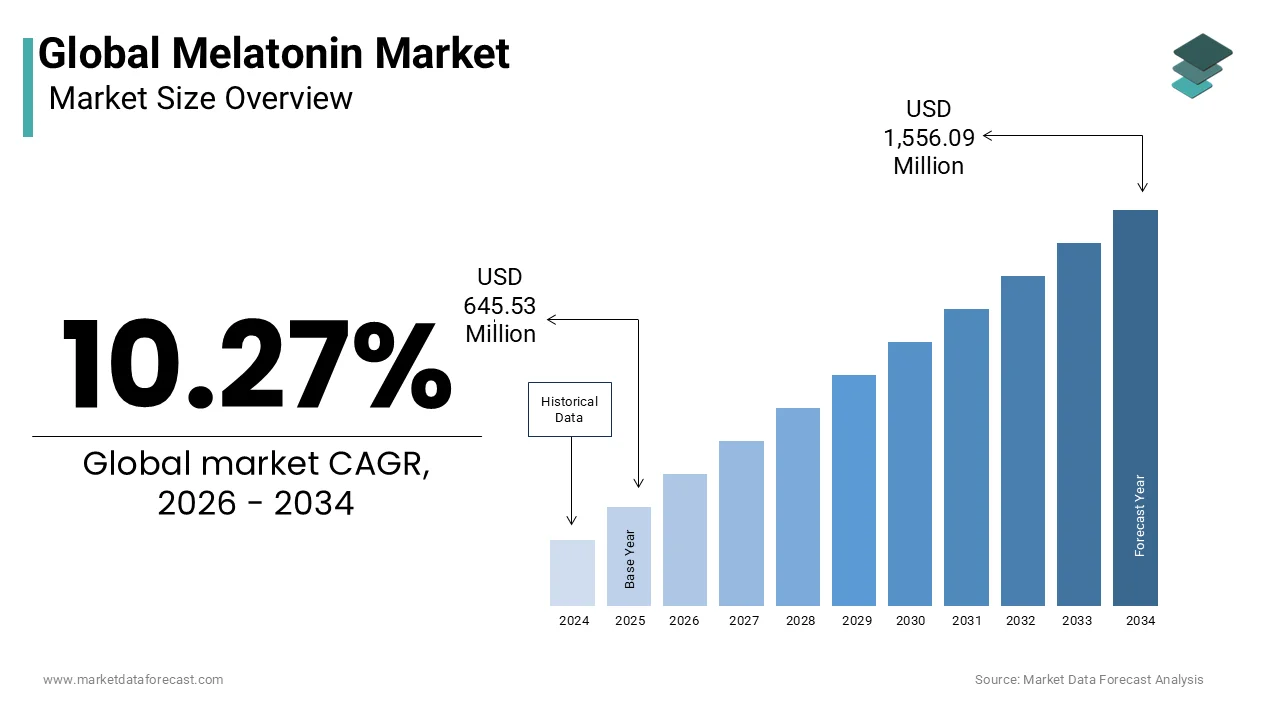
The global melatonin market was valued at USD 645.53 million in 2025, is estimated to reach USD 711.83 million in 2026, and is projected to reach USD 1,556.09 million by 2034, growing at a CAGR of 10.27% during the forecast period. Market growth is driven by increasing awareness of sleep health, rising prevalence of sleep disorders, and growing demand for natural wellness supplements. Melatonin is widely used to support sleep regulation, stress management, and overall well-being. The expansion of preventive healthcare and dietary supplement consumption is further supporting strong global market growth.
Key Market Trends
- Rising prevalence of sleep disorders and insomnia is driving market growth.
- Increasing consumer awareness regarding sleep health is boosting demand.
- Growing adoption of dietary supplements and wellness products is supporting market expansion.
- Expansion of e commerce and retail supplement channels is enhancing product accessibility.
- Innovation in supplement formulations and delivery formats is influencing market development.
Segmental Insights
- Based on type, the synthetic melatonin segment held the dominant share of the global melatonin market in 2025. This dominance is attributed to cost effectiveness, consistent quality, and large scale commercial production.
- Based on application, the dietary supplement segment accounted for 51.7% of the global melatonin market share in 2025, driven by rising consumer preference for sleep support and wellness supplements.
Regional Insights
- The global melatonin market is experiencing strong growth across regions, supported by rising health awareness and supplement adoption.
- North America was the leading contributor, accounting for 37.9% of the global melatonin market share in 2025, driven by high awareness of sleep health, widespread supplement usage, and advanced healthcare infrastructure.
Competitive Landscape
The global melatonin market is highly competitive, with key players focusing on product innovation, formulation development, and expansion of distribution networks to strengthen their market position. Companies are investing in gummies, tablets, capsules, and fast release sleep support products. Prominent players in the global melatonin market include Natrol, LLC, Aspen Australia, Nature’s Bounty, Pfizer, Biotics Research Corporation, Pharmavite LLC, Jamieson, Rexall Sundown Inc., Solgar Inc., and NCFI Polyurethanes.
 Download Free Sample Report
Global Melatonin Market Size
The global melatonin market size was valued at USD 645.53 million in 2025 and is projected to reach USD 1,556.09 million by 2034 from USD 711.83 million in 2026, growing at a CAGR of 10.27%.
Melatonin is a natural hormone produced by the pineal gland in the brain that regulates the body's sleep-wake cycle (circadian rhythm). This market includes dietary supplements pharmaceutical drugs and functional food products designed to address insomnia jet lag and circadian rhythm disorders. As per the Centers for Disease Control and Prevention approximately one third of American adults report not getting enough sleep highlighting the widespread prevalence of sleep deprivation that drives demand for sleep aids. The regulatory landscape varies significantly across regions with melatonin classified as a prescription drug in some countries and an over the counter supplement in others. Consumer awareness regarding the side effects of traditional sedatives has shifted preference toward natural alternatives like melatonin. The industry is characterized by diverse product formats including tablets capsules gummies and sublingual sprays catering to varying consumer preferences. Technological advancements in extended release formulations have improved the efficacy of melatonin by mimicking the body's natural secretion patterns. The market is influenced by lifestyle factors such as increased screen time and shift work which disrupt natural melatonin production. Regulatory bodies such as the European Food Safety Authority continue to evaluate safety standards and dosage limits ensuring consumer protection. The integration of melatonin into wellness routines reflects a broader trend toward preventive health and self care. This dynamic environment fosters innovation in delivery mechanisms and combination therapies.
MARKET DRIVERS
Rising Prevalence Of Sleep Disorders And Insomnia
The escalating prevalence of sleep disorders and chronic insomnia contributes to the growth of the melatonin market. Modern lifestyles characterized by high stress levels irregular work schedules and excessive exposure to blue light from electronic devices have significantly disrupted natural circadian rhythms. As per the World Health Organization sleep disturbances affect up to 40 percent of the global population leading to increased reliance on pharmacological and natural interventions. Melatonin offers a non addictive alternative to benzodiazepines and other prescription sedatives which are associated with dependency and adverse side effects. The aging population is particularly susceptible to sleep issues due to the natural decline in endogenous melatonin production with age. Clinical studies have demonstrated the efficacy of exogenous melatonin in reducing sleep latency and improving sleep quality in older adults. Healthcare providers increasingly recommend melatonin as a first line treatment for mild to moderate insomnia before resorting to stronger medications. The growing diagnosis of sleep apnea and restless leg syndrome further expands the potential user base for sleep aids. Public health campaigns emphasizing the importance of sleep hygiene have raised awareness about the consequences of sleep deprivation including impaired cognitive function and weakened immune response. This heightened awareness drives consumers to seek effective solutions such as melatonin supplements. The accessibility of these products through online and retail channels facilitates easy acquisition. The persistent nature of sleep disorders ensures sustained demand for melatonin based interventions.
Increasing Adoption Of Natural And Herbal Remedies
The increasing consumer preference for natural and herbal remedies over synthetic pharmaceuticals boosts the expansion of the melatonin market. Individuals are becoming more health conscious and skeptical of the long term effects of conventional sleeping pills which often cause grogginess and cognitive impairment. As per the National Center for Complementary and Integrative Health the use of dietary supplements for sleep improvement has risen steadily with millions of adults incorporating natural compounds into their nightly routines. Melatonin is perceived as a safer and more holistic option because it is a hormone naturally produced by the human body. This perception reduces the psychological barrier to adoption compared to synthetic drugs. The trend toward clean label products encourages manufacturers to formulate melatonin supplements with additional natural ingredients such as valerian root chamomile and magnesium. These combination products appeal to consumers seeking comprehensive wellness solutions rather than single ingredient fixes. The availability of organic and non genetically modified organism certified melatonin products further attracts environmentally and health conscious buyers. Social media influencers and wellness advocates frequently promote natural sleep aids amplifying their visibility and acceptance. Retailers respond to this demand by expanding their natural health sections and offering a wider variety of melatonin formats. The alignment with the broader wellness movement ensures that melatonin remains a preferred choice for sleep management. The focus on natural origins enhances brand loyalty and trust.
MARKET RESTRAINTS
Stringent Regulatory Frameworks And Classification Variations
Stringent regulatory frameworks and the inconsistent classification of melatonin across different jurisdictions are major restraints on the global melatonin market. In many European countries and parts of Asia melatonin is classified as a prescription only medicine requiring medical supervision for access. As per the European Medicines Agency melatonin is approved as a medicinal product for specific indications such as primary insomnia in patients aged 55 and older limiting its availability as an over the counter supplement. This regulatory fragmentation complicates international trade and market expansion for manufacturers who must navigate diverse compliance requirements. In contrast countries like the United States classify melatonin as a dietary supplement allowing unrestricted over the counter sales which creates disparities in market accessibility. The lack of harmonized regulations leads to confusion among consumers and healthcare providers regarding the safety and legality of melatonin products. Strict dosage limits and labeling requirements in certain regions increase operational costs for companies seeking global presence. The need for clinical trials and regulatory approvals for medicinal classification delays product launches and increases investment risks. Unauthorized online sales of unregulated melatonin products further undermine legitimate markets and pose safety risks. These regulatory hurdles restrict market growth in high potential regions where prescription requirements limit consumer access. The complexity of compliance discourages smaller players from entering regulated markets. This fragmentation hinders the standardization of product quality and safety globally.
Potential Side Effects And Lack Of Long Term Safety Data
Concerns regarding potential side effects and the lack of comprehensive long term safety data slow down the expansion of the melatonin market. While generally considered safe for short term use prolonged consumption of melatonin may lead to adverse effects such as headaches dizziness nausea and daytime drowsiness. As per the Mayo Clinic there is limited scientific evidence on the long term impacts of daily melatonin supplementation particularly in children and pregnant women. Healthcare professionals often hesitate to recommend melatonin for extended periods due to these uncertainties. Reports of hormonal imbalances and interactions with other medications such as blood thinners and immunosuppressants raise safety concerns among medical practitioners. The absence of standardized dosing guidelines leads to variability in product potency and efficacy causing inconsistent user experiences. Some studies suggest that excessive melatonin intake may suppress the body's natural production of the hormone potentially leading to dependency. The lack of rigorous post market surveillance in regions where melatonin is sold as a supplement means that adverse events may go unreported. Consumer skepticism regarding the purity and accuracy of labeled ingredients in unregulated products further dampens trust. These safety concerns limit the recommendation of melatonin by healthcare providers for chronic sleep issues. The need for more extensive clinical research creates uncertainty that restrains market confidence. Until long term safety is established adoption may remain cautious among vulnerable populations.
MARKET OPPORTUNITIES
Development Of Innovative Delivery Formats And Combinations
The development of innovative delivery formats and combination therapies paves the way for growth in the melatonin market. Traditional tablets and capsules are being supplemented by more convenient and appealing forms such as gummies sprays patches and dissolvable strips. As per Mintel the launch of melatonin gummies has surged in recent years driven by their ease of consumption and pleasant taste particularly among younger demographics. These novel formats improve patient compliance and make sleep aids more accessible to individuals who struggle with swallowing pills. Manufacturers are also exploring transdermal patches that provide controlled release of melatonin throughout the night mimicking natural physiological patterns. Combination products that integrate melatonin with other sleep promoting ingredients such as cannabidiol L theanine and herbs offer enhanced efficacy and multifaceted benefits. These synergistic formulations address multiple aspects of sleep disruption including anxiety and relaxation. The customization of dosages and flavors allows brands to target specific consumer segments such as athletes travelers or shift workers. Innovation in packaging such as single serve packets enhances portability and hygiene. The expansion into functional beverages and snacks opens new distribution channels beyond pharmacies. These product innovations differentiate brands in a crowded market and drive premium pricing. The focus on user experience and convenience attracts new customers. This opportunity fosters continuous product evolution and market expansion.
Expansion Into Pediatric And Geriatric Care Segments
The expansion into pediatric and geriatric care segments offers lucrative opportunities for the melatonin market. This growth is driven by the unique sleep challenges faced by these populations. Sleep disorders are prevalent among children with attention deficit hyperactivity disorder and autism spectrum disorders where melatonin is often used off label to improve sleep onset. As per the American Academy of Pediatrics clinical guidelines support the use of melatonin for children with neurodevelopmental disorders under medical supervision creating a structured demand. The aging population experiences natural declines in melatonin production making supplementation essential for maintaining healthy sleep patterns. Geriatric care facilities and home care providers are increasingly incorporating melatonin into routine care plans to reduce the use of heavier sedatives. The development of specialized formulations with appropriate dosages for children and elderly adults addresses safety and efficacy concerns. Partnerships with healthcare providers and institutions facilitate the integration of melatonin into professional care protocols. Educational campaigns targeting caregivers and parents raise awareness about the benefits and safe usage of melatonin. The growing emphasis on non pharmacological interventions in elder care supports the adoption of natural sleep aids. Regulatory approvals for specific pediatric and geriatric indications in various regions further validate clinical use. This targeted approach expands the market beyond general adult consumers. The focus on vulnerable populations drives specialized product development and professional endorsement.
MARKET CHALLENGES
Counterfeit Products And Quality Control Issues
The prevalence of counterfeit products and quality control issues is a barrier to the integrity and growth of the melatonin market. As melatonin is widely available as an over the counter supplement in many regions the market is flooded with unregulated products of varying quality. As per a study published in the Journal of Clinical Sleep Medicine independent testing revealed that the actual melatonin content in supplements varied significantly from labeled amounts with some containing serotonin which poses serious health risks. This lack of consistency undermines consumer trust and poses safety hazards. The absence of strict manufacturing standards in some jurisdictions allows substandard products to enter the supply chain. Counterfeit items often mimic reputable brands making it difficult for consumers to distinguish between authentic and fake products. These quality issues can lead to adverse health outcomes and legal liabilities for legitimate manufacturers. The difficulty in enforcing regulations across online marketplaces exacerbates the problem allowing unsafe products to reach consumers globally. Brand reputation suffers when consumers experience ineffective or harmful results from counterfeit goods. Industry associations struggle to implement uniform quality standards across diverse markets. The cost of implementing rigorous testing and certification processes increases operational expenses for compliant companies. This challenge necessitates greater regulatory oversight and consumer education. Ensuring product authenticity remains a persistent hurdle for market stakeholders.
Limited Reimbursement and Insurance Coverage
Limited reimbursement and insurance coverage for melatonin products is a major challenge to accessibility and affordability within the melatonin market. In most healthcare systems melatonin is classified as a dietary supplement or an over the counter medication meaning it is not covered by public or private insurance plans. As per the Kaiser Family Foundation out of pocket spending on supplements continues to rise as consumers bear the full cost of these products without financial assistance. This lack of coverage restricts access for low income individuals who may benefit from melatonin therapy but cannot afford regular purchases. The exclusion from reimbursement lists reduces the incentive for healthcare providers to prescribe melatonin compared to covered prescription alternatives. Patients often perceive uncovered supplements as less credible or secondary to prescribed treatments. The variability in coverage policies across different insurance providers creates confusion and administrative burdens for consumers. In regions where melatonin is prescription only the cost may be partially covered but strict eligibility criteria limit access. The financial burden of long term supplementation discourages consistent usage among chronic sufferers. Advocacy efforts to include melatonin in formulary lists face resistance due to its status as a natural compound. This economic barrier limits market penetration and volume growth. The lack of financial support hinders widespread adoption in managed care settings.
REPORT COVERAGE
| REPORT METRIC | DETAILS |
| Market Size Available | 2025 to 2034 |
| Base Year | 2025 |
| Forecast Period | 2026 to 2034 |
| CAGR | 10.27% |
| Segments Covered | By Type, Application, and Region. |
| Various Analyses Covered | Global, Regional, & Country Level Analysis; Segment-Level Analysis; DROC, PESTLE Analysis; Porter’s Five Forces Analysis, Competitive Landscape; Analyst Overview of Investment Opportunities |
| Regions Covered | North America, Europe, Asia Pacific, Latin America, Middle East & Africa. |
| Market Leaders Profiled | Natrol, LLC, Aspen Australia, Nature's Bounty, Pfizer, Biotics Research Corporation, Pharmavite LLC, Jameison, Rexall Sundown Inc., Solgar Inc., NCFI Polyurethanes, and Others. |
SEGMENTAL ANALYSIS
By Type Insights
The synthetic melatonin segment held the majority share of the global market in 2025. This supremacy of the segment is credited to its cost effectiveness purity and scalability in production. Synthetic melatonin is chemically identical to the natural hormone but is produced through industrial synthesis ensuring consistent quality and availability. While natural melatonin is sourced from plant or animal tissues, synthetic melatonin is the market leader. Its dominance is primarily driven by lower production costs. The industrial synthesis of melatonin allows for large scale manufacturing that meets the high global demand without the ethical and logistical constraints associated with animal extraction. As per the United States Pharmacopeia synthetic melatonin offers a high degree of purity and consistency which is critical for pharmaceutical and supplement manufacturers who must adhere to strict quality standards. The ability to produce synthetic melatonin in bulk reduces the per unit cost making it accessible to a broader consumer base. This economic advantage enables manufacturers to offer competitive pricing in the retail sector driving higher sales volumes. The scalability of synthetic production ensures that supply can quickly adjust to fluctuations in demand preventing shortages. Regulatory agencies favor synthetic melatonin due to its predictable composition and lack of potential contaminants found in natural extracts. The standardized nature of synthetic melatonin facilitates easier formulation into various delivery formats such as tablets gummies and sprays. This operational efficiency supports the widespread adoption of synthetic melatonin in both over the counter supplements and prescription medications. The reliability of supply chains for synthetic ingredients further strengthens its market position. Manufacturers prefer synthetic sources for their stability and long shelf life. The high purity and broad regulatory acceptance of synthetic melatonin drive its dominance in the market. Synthetic production methods allow for the elimination of impurities and allergens that may be present in natural extracts. This regulatory clarity encourages manufacturers to use synthetic melatonin to ensure compliance with international safety standards. Consumers and healthcare providers trust synthetic melatonin for its consistent potency which is crucial for therapeutic efficacy. The absence of animal derived components makes synthetic melatonin suitable for vegan and vegetarian populations expanding its market reach. Clinical trials and studies predominantly use synthetic melatonin establishing a robust body of evidence supporting its safety and effectiveness. This scientific backing reinforces its preference in medical and pharmaceutical applications. The standardization of synthetic melatonin facilitates accurate dosing which is essential for treating sleep disorders. Regulatory bodies in Europe and Asia also accept synthetic melatonin for various indications further promoting its global usage. The transparency of the manufacturing process builds consumer confidence. The focus on safety and consistency ensures that synthetic melatonin remains the preferred choice for industry stakeholders.
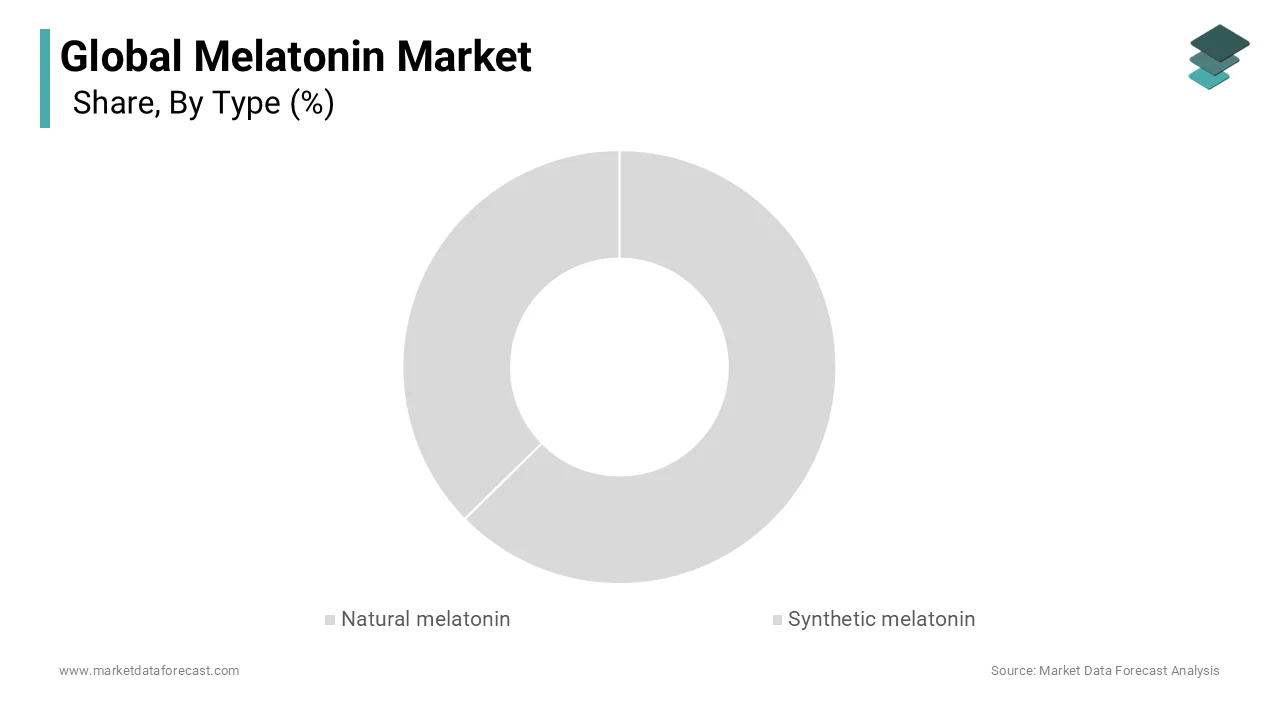
The natural melatonin segment is on the rise and is expected to be the fastest growing segment in the market by witnessing a CAGR of 12.2% from 2026 to 2034 owing to the increasing consumer preference for clean label and organic products. The compound annual growth rate for natural melatonin is projected to be higher than synthetic due to rising health consciousness. Natural melatonin is growing rapidly because consumers are increasingly seeking organic and plant based alternatives to synthetic compounds. The clean label movement has influenced purchasing decisions with individuals preferring ingredients derived from natural sources such as tart cherries walnuts and algae. As per the Organic Trade Association sales of organic dietary supplements have increased significantly reflecting a broader trend toward natural wellness solutions. Natural melatonin appeals to consumers who are wary of synthetic chemicals and prefer products that align with holistic health philosophies. The perception that natural ingredients are safer and more compatible with the body drives demand for plant based melatonin supplements. Marketing campaigns emphasizing the natural origin of these products resonate with health conscious demographics. The availability of certified organic natural melatonin products further enhances their appeal to environmentally aware buyers. Retailers are expanding their natural health sections to accommodate this growing demand. The trend toward transparency in sourcing encourages manufacturers to highlight the botanical origins of their melatonin. This shift in consumer behavior supports the rapid expansion of the natural segment. The focus on purity and naturalness differentiates these products in a crowded market. Ethical considerations and the demand for vegan friendly options are key drivers of growth for the natural melatonin segment. Historically some natural melatonin was derived from animal sources which raised ethical concerns among vegans and vegetarians. However advancements in extraction technology now allow for the production of vegan natural melatonin from plant sources such as corn rice and mustard seeds. As per The Vegan Society the number of people identifying as vegan has grown substantially increasing the demand for cruelty free supplements. Natural plant based melatonin offers an ethical alternative that aligns with the values of this growing demographic. Consumers are willing to pay a premium for products that are certified vegan and ethically sourced. The labeling of natural melatonin as cruelty free enhances its marketability and brand loyalty. Manufacturers are responding by obtaining certifications from recognized ethical organizations to validate their claims. The emphasis on sustainability and ethical production practices attracts socially responsible consumers. This value driven purchasing behavior supports the fast growth of the natural segment. The alignment with ethical lifestyles ensures sustained demand. The focus on compassion and environmental responsibility drives market expansion.
By Application Insights
The dietary supplement segment was the largest segment in the melatonin market and occupied a share of 51.7% share in 2025. It held this position because it represents the most common and accessible form of consumption for the general population. This segment includes tablets capsules gummies and liquids available over the counter. Melatonin’s status as an over-the-counter product, ensuring easy access without a prescription, drives its dominance in the dietary supplement segment. Consumers frequently engage in self medication for mild sleep issues preferring the convenience of supplements over visiting a healthcare provider. As per the Council for Responsible Nutrition a significant percentage of adults in the United States use dietary supplements for sleep support with melatonin being one of the top choices. The ease of purchase in pharmacies supermarkets and online platforms drives high volume sales. The variety of formats such as chewable gummies and fast dissolving strips appeals to diverse consumer preferences including children and elderly individuals. The lower cost compared to prescription medications makes supplements an attractive option for budget conscious buyers. Marketing efforts by supplement brands emphasize natural sleep support and wellness further boosting consumer interest. The flexibility in dosing allows users to adjust intake based on personal needs. The cultural acceptance of supplements as part of a healthy lifestyle supports consistent demand. The lack of regulatory barriers in key markets facilitates rapid product innovation and launch. This accessibility ensures that dietary supplements remain the primary application for melatonin. The integration of melatonin into wellness and preventive health routines significantly drives the dominance of the dietary supplement segment. Consumers increasingly view sleep hygiene as a cornerstone of overall health and incorporate melatonin into their nightly rituals. As per the Global Wellness Institute the wellness economy is expanding with sleep tourism and sleep optimization gaining traction among health conscious individuals. Melatonin supplements are marketed not just as a cure for insomnia but as a tool for enhancing restorative sleep and recovery. This positioning appeals to athletes professionals and individuals seeking to optimize their performance and well being. The combination of melatonin with other wellness ingredients such as magnesium and L theanine creates comprehensive sleep solutions that attract broader audiences. Social media and influencer marketing promote the use of melatonin as part of a holistic self care regimen. The emphasis on prevention rather than treatment aligns with modern health paradigms. Retailers capitalize on this trend by placing melatonin products alongside vitamins and fitness supplements. The perception of melatonin as a wellness enhancer rather than a drug reduces stigma and encourages regular use. This cultural shift supports the sustained leadership of the dietary supplement segment.
The medical industry segment is expected to exhibit a noteworthy CAGR of 11.5% during the forecast period. This quick surge of the segment is driven by increasing clinical recognition and regulatory approvals for prescription melatonin. The compound annual growth rate for this segment is robust as healthcare providers prescribe melatonin for specific medical conditions. Also, the medical industry segment is expanding quickly due to the increasing clinical validation of melatonin for treating specific sleep disorders and neurological conditions. Regulatory agencies in various countries have approved prescription melatonin for indications such as delayed sleep phase syndrome and insomnia in older adults. As per the European Medicines Agency prolonged release melatonin is approved for the treatment of primary insomnia characterized by poor quality of sleep in patients aged 55 years or older. This official recognition encourages healthcare providers to prescribe melatonin as a first line therapy. Clinical studies continue to demonstrate the efficacy of melatonin in improving sleep quality and reducing latency in patient populations. The inclusion of melatonin in clinical guidelines enhances its credibility and adoption in medical practice. Hospitals and clinics are incorporating melatonin into treatment protocols for patients with circadian rhythm disruptions. The development of specialized pharmaceutical formulations with controlled release mechanisms supports medical applications. Insurance coverage for prescription melatonin in some regions improves patient access. The focus on evidence based medicine drives the growth of the medical segment. The professional endorsement of melatonin expands its use beyond self medication. The expansion of melatonin use into pediatric and neurological care is a key driver of growth for the medical industry segment. Healthcare providers increasingly prescribe melatonin for children with neurodevelopmental disorders such as autism spectrum disorder and attention deficit hyperactivity disorder who suffer from sleep disturbances. As per the American Academy of Pediatrics clinical reports support the use of melatonin in pediatric populations under medical supervision to manage sleep onset issues. The growing awareness of sleep problems in children with special needs drives demand for medically supervised melatonin therapy. Neurologists and pediatricians recommend melatonin as a safer alternative to traditional sedatives for long term management. The development of pediatric specific formulations with appropriate dosages facilitates safe administration. Clinical trials are exploring the potential of melatonin in managing other neurological conditions such as Alzheimer's disease and Parkinson's disease. This research expands the therapeutic scope of melatonin in the medical field. The collaboration between researchers and pharmaceutical companies accelerates the development of new medical applications. The focus on specialized care supports the rapid growth of the medical segment. The professional guidance ensures safe and effective usage.
REGIONAL ANALYSIS
North America Melatonin Market Analysis
North America led the global melatonin market and captured a 37.9% share in 2025. This expansion of the region is propelled by high consumer awareness and widespread over the counter availability. The United States is the primary contributor to regional growth. North America holds its leading position due to the liberal regulatory framework in the United States where melatonin is classified as a dietary supplement allowing unrestricted over the counter sales. As per the National Institutes of Health millions of Americans use melatonin regularly making it one of the most popular sleep aids in the country. The high level of consumer awareness regarding sleep health drives consistent demand. The presence of major supplement manufacturers and retailers ensures wide product availability and variety. The cultural acceptance of self medication for minor health issues supports market growth. The aging population in North America contributes to higher consumption rates. The robust e commerce infrastructure facilitates easy access to melatonin products. Marketing campaigns by leading brands educate consumers about the benefits of melatonin. The focus on wellness and preventive health reinforces market dominance. The region leads in product innovation and format diversity. The strong distribution network ensures market penetration.
Europe Melatonin Market Analysis
Europe holds a significant share of the global melatonin market because of varying regulatory landscapes and increasing prevalence of sleep disorders. Germany France and the United Kingdom are key markets. It holds a strong market presence in the melatonin sector, notwithstanding the widespread classification of the product as a prescription medicine in many of its countries. As per the European Sleep Research Society sleep disorders affect a substantial portion of the European population driving demand for effective treatments. The approval of prescription melatonin for specific indications in countries like France and Germany supports medical segment growth. The increasing awareness of sleep hygiene among Europeans boosts demand. The aging demographic in Europe contributes to higher consumption. The trend toward natural remedies influences consumer preferences. The presence of established pharmaceutical companies drives market development. Regulatory harmonization efforts may further expand market access. The focus on clinical efficacy supports professional endorsement. The region balances medical and supplement usage. The emphasis on quality and safety drives market standards.
Asia Pacific Melatonin Market Analysis
Asia Pacific is the fastest growing region in the global melatonin market. China Japan and India are key contributors. It is witnessing robust growth due to rapid urbanization and stressful lifestyles that contribute to sleep disturbances. As per the World Health Organization the prevalence of sleep disorders is rising in Asian countries due to work pressure and digital device usage. The growing middle class has increased purchasing power for health supplements. The cultural shift toward wellness and self care drives demand. The expansion of e commerce platforms facilitates product access. The increasing awareness of sleep health among younger demographics supports market growth. Government initiatives promoting health and wellness encourage supplement usage. The presence of local manufacturers reduces costs and improves availability. The region offers significant growth potential. The focus on preventive health drives adoption. The expanding retail sector supports market expansion.
Latin America Melatonin Market Analysis
Latin America is an emerging player in the melatonin market due to increasing health awareness and the adoption of Western wellness trends. Brazil and Mexico are key markets. As per the Pan American Health Organization non communicable diseases including sleep disorders are gaining attention in the region. The growing middle class is investing in health supplements. The availability of melatonin in major pharmacies supports market access. The influence of global brands introduces new products. The cultural emphasis on family and well being drives demand. The expansion of digital retail channels enhances accessibility. The region offers opportunities for market expansion. The focus on affordable health solutions supports growth. The increasing urbanization drives lifestyle related sleep issues. The market is in early stages but shows promise.
Middle East and Africa Melatonin Market Analysis
The Middle East and Africa region is likely to grow significantly in the melatonin market from 2026 to 2034. South Africa and the United Arab Emirates are key locations. As per the World Bank urbanization rates are increasing driving lifestyle changes that affect sleep patterns. The affluent population in Gulf countries adopts global wellness trends. The availability of imported supplements supports market presence. The growing awareness of health and wellness drives initial demand. The expansion of healthcare infrastructure facilitates market development. The region offers niche opportunities for premium products. The focus on quality and branding drives adoption. The market is small but growing. The potential for expansion exists as awareness increases. The adaptation to local preferences is essential.
COMPETITIVE LANDSCAPE
The competitive landscape of the melatonin market is characterized by a mix of established pharmaceutical companies and numerous dietary supplement manufacturers. Major players compete on product quality branding and innovation to capture consumer attention in a saturated environment. The rise of private label offerings from large retail chains has intensified price competition forcing national brands to emphasize value and differentiation. Innovation in delivery formats such as gummies and fast dissolving strips provides a competitive edge for companies seeking to stand out. Regulatory compliance and certification are critical for market access and consumer trust. The influence of digital marketing and influencer endorsements shapes consumer perceptions and drives trial. Consolidation activities allow larger firms to expand portfolios and eliminate smaller competitors. Market dynamics require continuous adaptation to changing consumer preferences and health trends. Brand loyalty is influenced by perceived efficacy and safety. This highly competitive environment forces companies to innovate constantly. Maintaining relevance requires strategic focus on quality and customer engagement.
Key Market Players
The major key players in the global melatonin market are
- Natrol, LLC
- Aspen Australia
- Nature’s Bounty
- Pfizer
- Biotics Research Corporation
- Pharmavite LLC
- Jamieson
- Rexall Sundown Inc.
- Solgar Inc.
- NCFI Polyurethanes
Top Players in the Market
- Natrol LLC is a prominent manufacturer of dietary supplements with a strong presence in the global melatonin market. The company offers a wide range of melatonin products including fast dissolve tablets gummies and time release capsules. Recent actions include expanding its product line with plant based and vegan friendly formulations to cater to health conscious consumers. Natrol has invested in advanced manufacturing technologies to ensure product purity and consistency. The company actively engages in educational campaigns to raise awareness about sleep hygiene and the benefits of melatonin. Partnerships with retail chains enhance product visibility and accessibility. These efforts strengthen its position as a trusted brand in the sleep aid sector. The focus on innovation and quality drives customer loyalty. Natrol continues to explore new delivery formats to meet diverse consumer needs. This strategic approach ensures sustained growth and market relevance.
- Nature Made is a leading provider of vitamins and supplements known for its high quality melatonin products. The brand emphasizes scientific backing and rigorous testing to ensure safety and efficacy. Recent initiatives involve launching organic certified melatonin supplements to align with clean label trends. Nature Made has expanded its distribution network to include online platforms and specialty health stores. The company collaborates with healthcare professionals to promote evidence based usage of melatonin. Investments in sustainable packaging reflect its commitment to environmental responsibility. These actions enhance its reputation as a reliable and ethical brand. Nature Made focuses on transparency by providing detailed ingredient information. The emphasis on trust and quality attracts discerning consumers. This strategy supports long term brand equity and market expansion. The company continues to innovate to meet evolving health needs.
- Gnosis S.p.A. is a key player in the melatonin market specializing in natural ingredients and patented formulations. The company produces high purity melatonin derived from natural sources for pharmaceutical and supplement applications. Recent actions include developing innovative delivery systems such as sublingual sprays and transdermal patches. Gnosis has strengthened its research and development capabilities to create proprietary blends with enhanced bioavailability. The company partners with global manufacturers to supply premium melatonin ingredients. Compliance with international regulatory standards ensures market access in diverse regions. These efforts position Gnosis as a leader in specialized melatonin solutions. The focus on scientific innovation drives differentiation. Gnosis continues to expand its portfolio with targeted sleep health products. This approach supports growth in the medical and premium supplement segments. The commitment to quality and efficacy strengthens its competitive stance.
Top Strategies Used by Key Market Participants
Key players in the melatonin market employ diverse strategies to maintain competitiveness and drive growth. Product innovation is central as companies introduce new formats such as gummies and sprays to attract younger demographics. Strategic partnerships with retailers and healthcare providers enhance distribution and credibility. Sustainability initiatives focus on eco friendly packaging and natural sourcing to appeal to environmentally conscious buyers. Digital marketing campaigns leverage social media to educate consumers about sleep health. Companies prioritize quality assurance and regulatory compliance to build trust. Expansion into emerging markets leverages growing health awareness. These combined approaches help operators navigate regulatory complexities while ensuring long term profitability in a dynamic industry landscape.
MARKET SEGMENTATION
This research report on the global melatonin market has been segmented and sub-segmented based on type, application, and region.
By Type
- Natural melatonin
- Synthetic melatonin
By Application
- Dietary supplement
- Construction industry
- Medical industry
- Others
By Region
- North America
- Europe
- Asia Pacific
- Latin America
- Middle east and Africa