- Product Description Description
- Table of Contents TOC
- List of Table & Figure LOT
- Get Free Sample PDF Sample PDF
Market Size, 2025
$826 MnMarket Estimate, 2026
$863 MnMarket Forecast, 2034
$1,235 MnCAGR, 2026–2034
4.57%North America Applesauce Market Report Summary
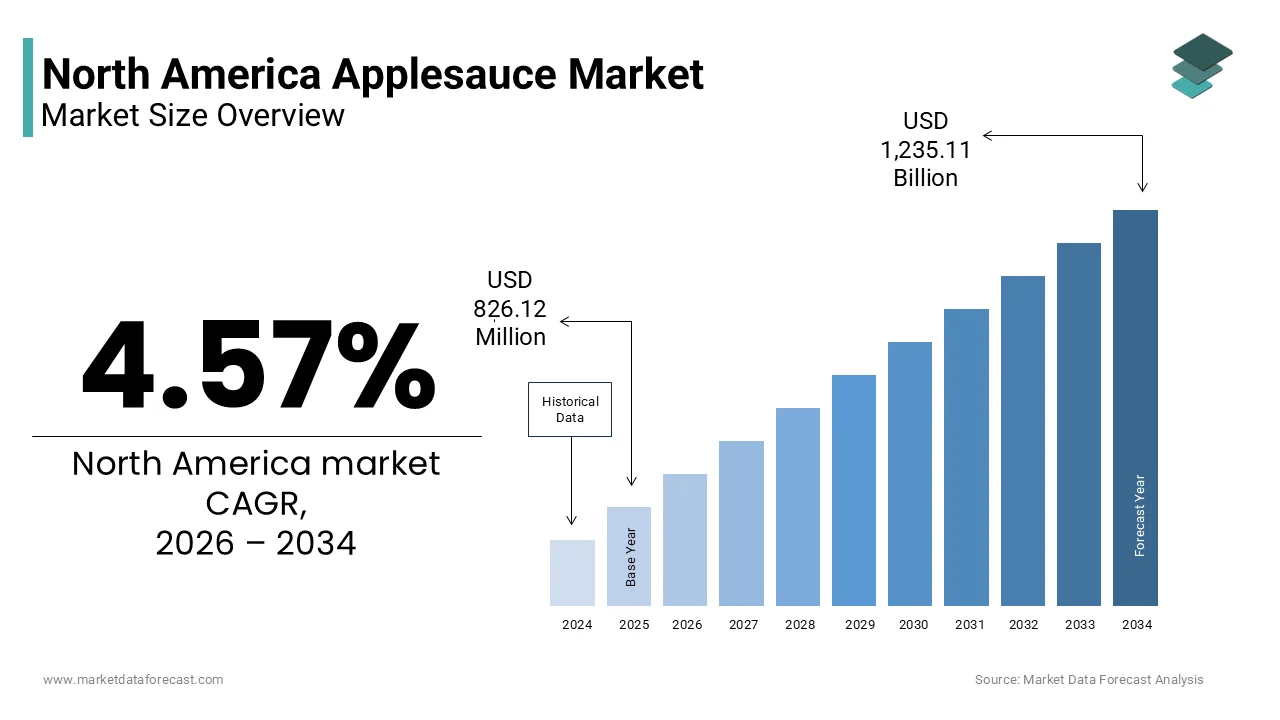
The North America applesauce market was valued at USD 826.12 million in 2025, is estimated to reach USD 863.87 million in 2026, and is projected to reach USD 1,235.11 million by 2034, growing at a CAGR of 4.57% during the forecast period. Market growth is driven by increasing demand for convenient and healthy snack options, rising awareness of natural and low sugar products, and growing consumption among children and health conscious consumers. Applesauce is widely preferred due to its nutritional value, ease of consumption, and versatility in both snacks and cooking applications. The expansion of ready to eat food products and innovative packaging formats is further supporting steady market growth across North America.
Key Market Trends
- Rising demand for healthy and convenient snack options is driving market growth.
- Increasing preference for low sugar and natural food products is boosting demand.
- Growing consumption among children and health conscious consumers is supporting market expansion.
- Expansion of innovative packaging formats such as squeeze pouches is enhancing product appeal.
- Rising availability through supermarkets and organized retail channels is improving accessibility.
Segmental Insights
- Based on product type, the unsweetened applesauce segment held 54.3% of the North America applesauce market share in 2025. This dominance is attributed to increasing demand for low sugar and natural food options.
- Based on packaging type, the plastic jars segment held a significant share of the North America applesauce market in 2025, driven by cost efficiency, durability, and convenience for household use.
- Based on distribution channel, the supermarkets and hypermarkets segment accounted for 34.3% of the North America applesauce market share in 2025, supported by wide product availability and consumer convenience.
Regional Insights
- The North America applesauce market is experiencing steady growth across key countries, supported by rising health awareness and consumption trends.
- The United States was the largest contributor, accounting for 83.2% of the North America applesauce market share in 2025, driven by strong retail infrastructure, high consumer awareness of healthy eating habits, and widespread product availability.
Competitive Landscape
The North America applesauce market is moderately competitive, with key players focusing on product innovation, natural formulations, and expansion of distribution networks to strengthen their market position. Companies are investing in organic products, convenient packaging, and branding strategies. Prominent players in the North America applesauce market include Materne North America Corp GoGo squeeZ, Vermont Village Artisan Cannery, White House, Santa Cruz Natural Incorporated, Mott’s General Mills, Musselman’s, and Andros Group Old Virginia.
North America Applesauce Market Size
The North America applesauce market size was valued at USD 826.12 million in 2025 and is projected to reach USD 1,235.11 million by 2034 from USD 863.87 million in 2026, growing at a CAGR of 4.57%.
The applesauce is the processed apple puree products that serve as a versatile staple in household diets, across the United States and Canada. Applesauce is defined not merely as a snack but as a critical ingredient in baking a sugar substitute in health-conscious cooking and a primary weaning food for infants. According to the United States Department of Agriculture, the United States produces approximately 10 billion pounds of apples annually with a significant portion designated for processing into products like applesauce juice and concentrates. This abundant domestic supply ensures market stability and cost efficiency for manufacturers. The cultural significance of applesauce extends to its role in school lunch programs and institutional feeding where it is valued for its nutritional profile and ease of consumption. As per the Dietary Guidelines for Americans, increasing fruit intake is a key public health objective and applesauce provides an accessible way to meet these recommendations for children and elderly populations, who may struggle with whole fruit textures.
MARKET DRIVERS
Rising Demand for Clean Label and Organic Baby Food Products
The escalating demand for clean label and organic baby food products as parents increasingly prioritize natural and nutrient dense options for infant nutrition is propelling the growth of North America applesauce market. Applesauce is a foundational first food due to its mild flavor smooth texture and high digestibility making it an ideal introduction to solid foods. According to the survey, sales of organic baby food in North America have grown consistently with parents willing to pay a premium for products free from synthetic pesticides and additives. This trend is driven by heightened awareness regarding the potential health risks associated with conventional farming practices and artificial ingredients. As per the Centers for Disease Control and Prevention, proper nutrition during infancy is crucial for long term health outcomes prompting caregivers to scrutinize ingredient lists rigorously. Manufacturers are responding by launching certified organic applesauce pouches and jars that highlight non genetically modified organism status and absence of added sugars. The convenience of resealable pouches further appeals to busy parents who seek healthy on the go solutions. Retailers are expanding their organic baby food aisles to accommodate this growing segment reflecting the shift in consumer preferences. The trust established through transparent sourcing and rigorous quality control measures reinforces brand loyalty, among millennial and Gen Z parents.
Versatility as a Healthy Ingredient Substitute in Home Baking
The versatility of applesauce as a healthy ingredient substitute in home baking significantly, as consumers seek to reduce sugar and fat intake without compromising taste or texture, which is additionally fuelling the growth of North America applesauce market. Health-conscious individuals and those managing dietary restrictions, such as diabetes or heart disease increasingly use unsweetened applesauce to replace butter oil and refined sugar in recipes for muffins, cakes, and breads. The heart Association reducing saturated fat and added sugar intake is essential for cardiovascular health leading many households to adopt healthier cooking modifications. Applesauce provides moisture and natural sweetness by allowing for significant calorie reduction while maintaining the structural integrity of baked goods. The dietary fiber intake is generally low among Americans and incorporating applesauce into daily meals helps bridge this gap due to its pectin content. The rise of social media platforms featuring healthy recipe hacks has amplified awareness of this culinary application encouraging experimentation among home cooks. Food bloggers and nutritionists frequently recommend applesauce as a simple swap for traditional fats promoting its utility beyond a standalone snack. This functional benefit expands the usage occasions for applesauce beyond snacking to regular meal preparation. The availability of bulk packaging options further supports this driver by catering to frequent bakers who require larger quantities.
MARKET RESTRAINTS
Consumer Perception of High Sugar Content in Conventional Varieties
The consumer perception of high sugar content in conventional applesauce varieties, as health conscious shoppers increasingly avoid products with added sweeteners is hindering the growth of North America applesauce market. Many traditional applesauce brands contain added sugars or high fructose corn syrup to enhance flavor, which contradicts modern dietary guidelines advocating for reduced sugar consumption. The added sugars contribute to excess calorie intake and are linked to obesity and metabolic disorders prompting consumers to read labels. This scrutiny has resulted in a decline in sales for standard sweetened applesauce products as shoppers switch to fresh fruit or unsweetened alternatives. The stigma associated with processed fruit products being less healthy than whole fruits further dampens demand among educated consumers. Parents are particularly cautious about introducing high sugar foods to children fearing the development of poor eating habits early in life. Manufacturers face the challenge of reformulating products to maintain palatability without added sugars which can alter taste profiles and consumer acceptance. The lack of clear differentiation between naturally occurring sugars and added sugars on packaging also causes confusion and hesitation among buyers.
Competition from Fresh Fruit and Alternative Snack Formats
Intense competition from fresh fruit and alternative snack formats, as consumers prioritize convenience and novelty in their snacking choices is additionally degrading the growth of North America applesauce market. The widespread availability of pre-cut fresh fruit cups and ready to eat fruit slices offers a perceived healthier and fresher alternative to processed applesauce. According to the United Fresh Produce Association, consumption of fresh fruit has remained stable or increased as supply chain improvements make fresh produce more accessible year round. Consumers often view fresh fruit as superior in terms of nutritional value and sensory experience compared to cooked and pureed alternatives. The variety of healthy snack options has expanded significantly giving consumers numerous choices beyond traditional fruit purees. The convenience of single serve fresh fruit packs appeals to the same demographic that traditionally purchased applesauce pouches. Furthermore, the rise of freeze dried fruit snacks offers a crunchy texture and concentrated flavor that attracts younger consumers seeking novel experiences. This fragmentation of the snack category dilutes the dominance of applesauce as a go to healthy option. Retailers allocate limited shelf space to competing categories which can marginalize applesauce products.
MARKET OPPORTUNITIES
Innovation in Functional and Fortified Applesauce Blends
The innovation in functional and fortified applesauce blends by transforming the product into a vehicle for enhanced nutrition and wellness benefits is creating new opportunities for the growth of North America applesauce market. Manufacturers can incorporate additional superfoods vitamins and minerals into applesauce to address specific health needs, such as immune support digestion and energy boosting. Consumers are increasingly seeking functional foods that offer benefits beyond basic nutrition driving demand for value added products. Adding ingredients like chia seeds, flaxseed, probiotics or vitamin C can differentiate applesauce in a crowded market and appeal to health focused demographics. Blending applesauce with other fruits, such as berries or tropical varieties can create unique flavor profiles that attract adventurous eaters and break the monotony of traditional apple flavors. These innovations can target specific segments such as athletes seniors or individuals with dietary restrictions. For instance, adding protein powder can create a post workout snack while incorporating fiber can aid digestive health. Retailers are eager to stock innovative products that align with current health trends providing shelf space for differentiated offerings.
Expansion into Sustainable and Eco Friendly Packaging Solutions
The expansion into sustainable and eco-friendly packaging solutions, as environmental consciousness influences purchasing decisions among modern consumers is additionally to enhance the growth of North America applesauce market. Traditional plastic pouches and jars contribute to landfill waste prompting a demand for recyclable compostable or biodegradable packaging alternatives. Companies that transition to plant based pouches or recyclable materials can enhance their brand image and appeal to environmentally conscious shoppers. Consumers are increasingly likely to choose brands that demonstrate a commitment to sustainability influencing their loyalty and purchase behavior. Innovations in packaging technology, now allow for durable and convenient eco-friendly options that maintain product freshness and safety. Retailers are prioritizing suppliers with strong sustainability credentials providing competitive advantage to early adopters. Government regulations regarding single use plastics are becoming stricter in various North American jurisdictions further incentivizing this shift. Communicating these sustainability efforts through clear labeling and marketing campaigns can resonate with values driven consumers. Partnerships with recycling organizations can further enhance credibility and consumer trust.
MARKET CHALLENGES
Volatility in Apple Supply Due to Climate Change and Weather Events
The volatility in apple supply due to climate change and unpredictable weather by disrupting production consistency and increasing raw material costs is one of the major challenges for the growth of North America applesauce market. Apple crops are highly sensitive to temperature fluctuations frost hail and drought, which can significantly impact yield and quality. According to the study, extreme weather events have become more frequent threatening orchard productivity in key growing regions, such as Washington and New York. These disruptions lead to supply shortages and price spikes for processing apples affecting profit margins for manufacturers. Manufacturers face the difficulty of securing consistent supplies of high quality apples at stable prices necessary for large scale production. Crop insurance and hedging strategies offer some protection but do not fully mitigate the risk of severe weather impacts. The reliance on specific apple varieties for sauces such as McIntosh or Golden Delicious limits flexibility in sourcing when these crops fail. Supply chain interruptions can lead to production delays and inventory shortages affecting retailer relationships and consumer availability. Long term adaptation strategies such as developing drought resistant varieties require significant investment and time.
Regulatory Pressures Regarding Labeling and Health Claims
The regulatory pressures regarding labeling and health claims, as authorities enforce stricter standards for nutritional information and marketing communications is also to inhibit the growth of north America applesauce market. Governments are implementing tighter regulations on sugar content labeling and health claims to combat misinformation and protect consumer health. According to the study, new labeling requirements mandate the declaration of added sugars separately from total sugars, which can negatively impact the perceived healthiness of conventional applesauce products. As per the research, strict guidelines govern the use of terms such as natural or healthy requiring rigorous substantiation to prevent misleading claims. Compliance with these evolving regulations requires substantial investment in legal expertise packaging redesign and reformulation. Non-compliance can result in fines product recalls and reputational damage which can be devastating for brands. The complexity of navigating different regulatory frameworks across the United States and Canada adds operational burden for companies operating in both markets. Consumers are becoming more litigious and vocal about misleading labels increasing the risk of lawsuits. Manufacturers must balance accurate labeling with appealing marketing messages which can be challenging when restrictions limit certain claims. The constant evolution of regulatory standards requires continuous monitoring and adaptation straining resources.
REPORT COVERAGE
| REPORT METRIC | DETAILS |
| Market Size Available | 2025 to 2034 |
| Base Year | 2025 |
| Forecast Period | 2026 to 2034 |
| CAGR | 4.57% |
| Segments Covered | By Composition, Packaging, Distribution Channel, and Region |
| Various Analyses Covered | Global, Regional, & Country Level Analysis; Segment-Level Analysis; DROC, PESTLE Analysis; Porter’s Five Forces Analysis; Competitive Landscape; Analyst Overview of Investment Opportunities |
| Regions Covered | The United States, Canada and Rest Of North America |
| Market Leaders Profiled | Materne North America Corp (GoGO sqeezy), Vermont Village Artisan Cannery, White House, Santa Cruz Natural Incorporated, Motts General Mills, Musselman's and Andros Group (Old Virginia) |
SEGMENTAL ANALYSIS
By Product Type Insights
The unsweetened applesauce segment was accounted in holding 54.3% of the North America Applesauce Market share in 2025 due to the growing consumer preference for natural foods with no added sugars. Parents and health-conscious individuals are increasingly aware of the detrimental effects of excessive sugar consumption on dental health and metabolic function. According to the Centers for Disease Control and Prevention, more than 70% of adults in the United States consume too much added sugar daily prompting a shift towards naturally sweet alternatives. Unsweetened applesauce relies solely on the natural fructose found in apples making it an ideal choice for those monitoring their glycemic index. As per the American Heart Association, reducing added sugar intake is a critical strategy for preventing heart disease and obesity which drives demand for clean label products. The rise in diabetes prevalence further accelerates this trend as patients seek low glycemic food options that do not spike blood sugar levels. Retailers are expanding shelf space for unsweetened varieties reflecting this sustained demand.
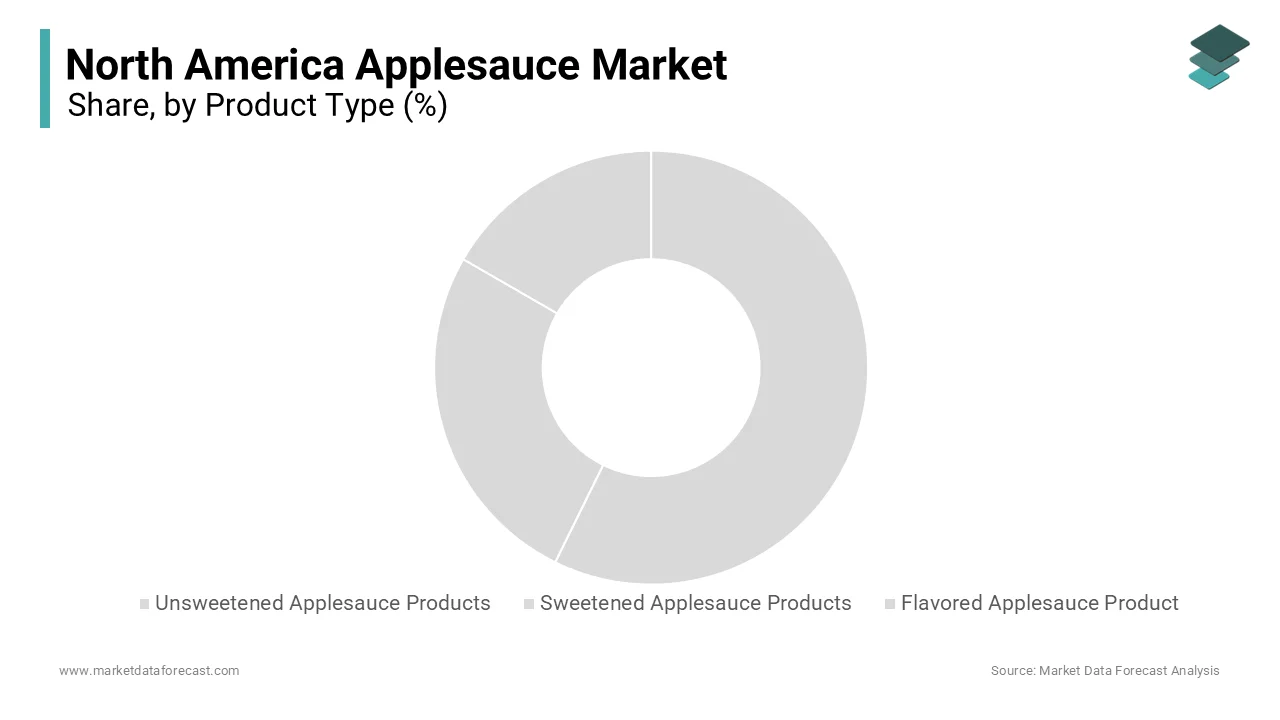
The flavored applesauce segment is likely to witness a fastest CAGR of 9.2% from 2026 to 2034 with the innovation in flavor profiles that combat palate fatigue and attract adventurous consumers. Manufacturers are introducing blends such as apple cinnamon apple berry and apple tropical fruit to create unique taste experiences that differentiate their offerings from traditional plain varieties. This desire for variety is particularly strong among younger demographics who view food as an experience rather than just sustenance. The addition of spices like cinnamon nutmeg or ginger not only enhances flavor but also adds perceived health benefits, such as anti-inflammatory properties. These functional attributes resonate with health-conscious shoppers looking for added value. Retailers support this growth by featuring flavored options in prominent displays and promotional campaigns. The ability to market these products as gourmet or artisanal that allows brands to command premium prices.
By Packaging Type Insights
The plastic jars segment held a significant share of the North America Applesauce Market in 2025 due to their cost efficiency durability and convenience for household consumption. They offer a practical solution for families who consume applesauce regularly as they are lightweight shatterproof and easy to store. The plastic packaging remains the most widely used material for food containers due to its low production costs and versatility in design. Plastic jars allow for larger volume sizes which are economical for bulk buyers and institutions such as schools and daycare centers. As per the study, school lunch programs often prefer plastic jars for their ease of handling and reduced risk of breakage compared to glass alternatives. The resealable nature of many plastic jar lids helps maintain freshness after opening, which is a key consideration for consumers who do not finish the product in one sitting. Manufacturers benefit from the lower shipping weights of plastic which reduces logistics costs and carbon footprint associated with transportation. Retailers favor plastic jars because they stack efficiently on shelves maximizing display space. The transparency of plastic allows consumers to see the product quality before purchase enhancing trust.
The squeeze packs segment is lucratively to grow at a fastest CAGR of 11.2% during the forecast period with the unparalleled convenience and portability for on the go consumption. These flexible pouches are designed for single serve use making them ideal for busy families commuters and active individuals who need quick and mess free snacks. Squeeze packs eliminate the need for spoons or bowls allowing consumers to eat directly from the package, which is particularly appealing for children and toddlers. The resealable caps on many squeeze packs allow for partial consumption and later use reducing waste and enhancing flexibility. Retailers place these products near checkout counters and in impulse buy zones capitalizing on their grab and go appeal. The compact size of squeeze packs also makes them easy to pack in lunchboxes backpacks and gym bags. This alignment with modern mobile lifestyles drives rapid adoption and repeat purchases. Manufacturers continue to innovate with ergonomic designs and vibrant graphics to attract attention on crowded shelves.
By Distribution Channel Insights
The supermarkets and hypermarkets segment was the largest by occupying 34.3% of the north America applesauce market share in 2025 due to their extensive product availability and the convenience of one stop shopping for households. These retail giants offer a wide variety of applesauce brands flavors and packaging sizes under one roof allowing consumers to compare options and make informed choices. The prominent shelf placement of applesauce in the baby food fruit or snack aisles ensures high visibility and accessibility for shoppers. Supermarkets leverage their purchasing power to offer competitive pricing and promotional deals such as buy one get one free which drive volume sales. The ability to bundle applesauce with other complementary items like bread or yogurt enhances basket size and customer loyalty. Established relationships with major manufacturers ensure consistent stock levels and timely replenishment. The trust consumers place in large retail chains regarding product quality and safety further reinforces their preference for this channel.
The online shops segment is esteemed to witness a fastest CAGR of 8.2% from 2026 to 2034 with the rapid expansion of e-commerce grocery platforms and home delivery services. The convenience of ordering groceries online and having them delivered to the doorstep has become increasingly popular among busy consumers. The e-commerce sales for food and beverage stores have grown substantially in recent years reflecting a permanent shift in shopping habits. Online platforms offer a wider selection of niche and organic applesauce brands that may not be available in local physical stores. The adoption of online grocery shopping has accelerated with consumers appreciating the time savings and ease of comparison shopping. Subscription services for recurring deliveries of staple items like applesauce provide added convenience and often include discounts. The ability to read detailed product descriptions and customer reviews helps consumers make informed decisions. Retailers are investing in advanced logistics and cold chain capabilities to ensure product quality during transit.
REGIONAL ANALYSIS
The United States Applesauce Market Analysis
The United States was the largest contributor in the North America Applesauce Market by accounting for 83.2% of share in 2025 with the mature retail landscape and high consumer awareness regarding healthy eating habits. The United States is one of the world's largest apple producers with states like Washington, New York, and Michigan, leading in output. This abundant domestic supply supports a robust processing industry that produces high quality applesauce for both domestic and export markets. The public health initiatives promoting fruit consumption have positively influenced demand for convenient fruit options like applesauce. The popularity of organic and non-genetically modified organism certified products is rising among American consumers driving innovation in the sector. School lunch programs and institutional feeding services contribute significantly to volume sales. The competitive landscape features a mix of established national brands and emerging private label offerings. Consumer preference for convenience and health continues to shape product development and marketing strategies.
Canada Applesauce Market Analysis
Canada applesauce market held second position by capturing 13.4% of share in 2025 with a well-developed agricultural sector and high standards for food safety and labeling. Canadian consumers are increasingly prioritizing organic and locally sourced products which drives demand for premium applesauce varieties. The influence of health consciousness is evident in the growing sales of unsweetened and functional applesauce blends. Retailers are expanding their offerings of eco-friendly packaging options to meet environmental expectations. The proximity to the United States market facilitates trade and knowledge exchange fostering innovation. Government support for sustainable agriculture practices encourages farmers to adopt environmentally friendly methods.
COMPETITIVE LANDSCAPE
The competition in the North America applesauce market is characterized by a mix of established national brands and growing private label offerings from major retailers. Large food corporations leverage their extensive distribution networks and brand recognition to maintain strong shelf presence in supermarkets and online platforms. Private label brands compete aggressively on price and quality attracting cost conscious consumers who seek value without compromising on taste or nutrition. Competitive intensity is heightened by the increasing demand for organic and non genetically modified organism certified products which drives innovation in sourcing and processing. Companies differentiate themselves through sustainable packaging solutions clean label formulations and unique flavor combinations that appeal to health conscious shoppers. The rise of e commerce has expanded the competitive landscape allowing niche brands to reach wider audiences directly. Retailers play a crucial role by promoting their own labels while stocking popular national brands. Price promotions and bundle deals are common tactics used to drive sales volume.
KEY MARKET PLAYERS
Few of the notable players in the North American applesauce market are
- Materne North America Corp (GoGo squeeZ)
- Vermont Village Artisan Cannery
- White House
- Santa Cruz Natural Incorporated
- Mott’s (General Mills)
- Musselman’s
- Andros Group (Old Virginia)
Top Players in the Market
- TreeHouse Foods Inc is a leading manufacturer of private label foods including a significant portfolio of applesauce products in North America. The company supplies major retail chains with high quality unsweetened and flavored applesauce options that meet diverse consumer needs. Recent actions include optimizing its supply chain to enhance efficiency and reduce costs while maintaining product quality standards. TreeHouse Foods invests in sustainable sourcing practices for apples to align with growing environmental concerns among shoppers. The company strengthens its market position by expanding its production capacity for organic and non genetically modified organism certified applesauce varieties. Their strategic partnerships with apple growers ensure a stable supply of raw materials. This commitment to quality sustainability and operational excellence solidifies their role as a key player in the global and regional applesauce markets.
- Seneca Foods Corporation is a prominent processor of fruits and vegetables with a strong presence in the applesauce market through its well known brands. The company produces a wide range of applesauce products including organic unsweetened and cinnamon flavored varieties for retail and food service sectors. Recent initiatives focus on enhancing product freshness and nutritional value through advanced processing technologies. Seneca Foods actively promotes its commitment to sustainable agriculture by working closely with local farmers in key growing regions. The company strengthens its market position by introducing innovative packaging solutions that improve convenience and reduce environmental impact. Their investment in research and development leads to new flavor combinations that appeal to changing consumer tastes. Seneca Foods also expands its distribution network to reach broader audiences across North America.
- Conagra Brands Inc is a major food company with a diverse portfolio that includes popular applesauce brands such as Hunt s. The company leverages its extensive distribution network to make applesauce products widely available in supermarkets and online platforms across North America. Recent actions involve reformulating products to reduce added sugars and meet clean label demands from health conscious shoppers. Conagra Brands invests in marketing campaigns that highlight the versatility and nutritional benefits of applesauce for families. The company strengthens its market position by adopting sustainable packaging materials and improving supply chain transparency. Their focus on innovation leads to the introduction of convenient single serve pouches that cater to busy lifestyles. Conagra Brands also collaborates with retailers to promote private label alternatives alongside its branded offerings.
Top Strategies Used by Key Market Participants
Key players in the North America Applesauce Market primarily employ product innovation and sustainability initiatives to strengthen their competitive positioning. Companies increasingly invest in research and development to create healthier options such as unsweetened organic and functional blends that appeal to health conscious consumers. Strategic shifts towards eco friendly packaging like recyclable pouches and jars address environmental concerns and meet regulatory requirements. Expansion into e commerce channels enhances accessibility and convenience for modern shoppers who prefer online grocery shopping. Partnerships with local apple growers ensure stable supply chains and support sustainable agricultural practices. Marketing efforts focus on educating consumers about the nutritional benefits and versatility of applesauce in cooking and snacking. Additionally, firms diversify their portfolios by introducing unique flavor profiles and premium varieties to capture niche market segments and differentiate from competitors offering standard commodity products.
MARKET SEGMENTATION
This research report on the North American applesauce market is segmented and sub-segmented into the following categories.
By Product Type
- Unsweetened Applesauce Products
- Sweetened Applesauce Products
- Flavored Applesauce Product
By Packaging Type
- Plastic Cup
- Plastic Jar
- Tin Jar
- Squeeze Pack
By Distribution Channel
- Specialized Stores
- Supermarket/Hypermarket
- Retail Stores
- Online Shops
By Country
- The U.S.
- Canada
- Rest of North America