- Product Description Description
- Table of Contents TOC
- List of Table & Figure LOT
- Get Free Sample PDF Sample PDF
Market Size, 2025
$16.09 BnMarket Estimate, 2026
$16.64 BnMarket Forecast, 2034
$21.79 BnCAGR, 2026–2034
3.43%North America Flavored Syrups Market Size, Trends, and Forecast (2025–2034)
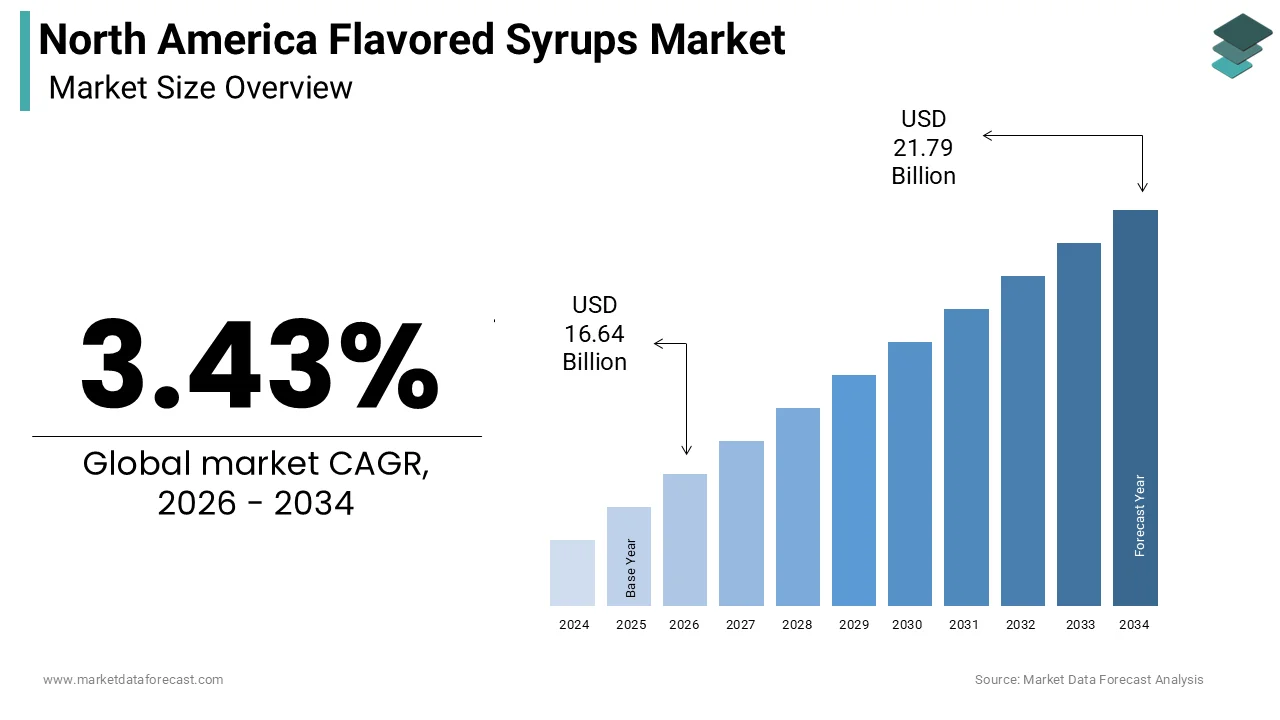
The North American flavored syrups market size was calculated at USD 16.09 billion in 2025, is estimated at USD 16.64 billion in 2026, and is anticipated to reach USD 21.79 billion by 2034, registering a compound annual growth rate (CAGR) of 3.43% during the forecast period from 2026 to 2034. Driven by the surging popularity of specialty coffee, home barista culture, and food service menu customization trends, the regional market continues steady expansion.
Key Executive Metrics (At-a-Glance)
- 2025 Base Valuation: USD 16.09 Billion
- 2026 Current Valuation: USD 16.64 Billion
- 2034 Forecast Valuation: USD 21.79 Billion
- Compound Annual Growth Rate (CAGR): 3.43% (2026–2034)
- Dominant Flavour Segment: Vanilla
- Fastest-Growing Flavour Segment: Fruit Flavors (6.5% CAGR)
- Dominant Flavour Type Segment: Sweet
- Fastest-Growing Flavour Type Segment: Savoury (7.2% CAGR)
- Dominant Application Segment: Beverages
- Fastest-Growing Application Segment: Dairy and Frozen Desserts (6.8% CAGR)
Core Market Drivers
- Specialty Coffee & Home Barista Culture: Rising consumer preference for espresso-based drinks and artisanal home brewing driving retail syrup demand.
- Food Service Expansion & Customization: Restaurants and cafes incorporating syrups into diverse beverage and dessert offerings to attract younger demographics.
Primary Market Restraints & Challenges
- Health Consciousness & Sugar Reduction: Public health initiatives and consumer shifts toward low-sugar alternatives restricting traditional high-calorie syrup sales.
- Raw Material Price Volatility: Fluctuations in agricultural commodities like sugar and fruits impacting manufacturing profit margins.
North America Flavored Syrups Market Segmentation Breakdown
| Segment Category | Leading Sub-Segment | Fastest-Growing Sub-Segment |
|---|---|---|
| By Flavour | Vanilla | Fruit Flavors (6.5% CAGR) |
| By Flavour Type | Sweet | Savoury (7.2% CAGR) |
| By Application | Beverages | Dairy and Frozen Desserts (6.8% CAGR) |
Major Industry Players Profiled
Key corporations shaping the North American flavored syrups market include Hershey, Tate & Lyle, Kraft Heinz Company, Monin Inc, Kerry Group Plc, Sonoma Syrup, Cedarvale Maple Syrup, and Sensient Technologies Corporation.
 Download Free Sample Report
North America Flavoured Syrups Market Size
The size of the North American flavored syrups market was expected to be worth USD 16.09 billion in 2025 and is anticipated to be worth USD 21.79 billion by 2034, from USD 16.64 billion in 2026, growing at a CAGR of 3.43% during the forecast period.
Flavored syrups are concentrated, sweet liquids made by dissolving sugar (or a sweetener) in water and infusing it with natural or artificial flavorings. These products serve as versatile ingredients in coffee shops, bakeries, restaurants, and household kitchens, allowing consumers to customise taste profiles without altering texture significantly. The region exhibits a strong culture of beverage consumption, particularly regarding coffee and carbonated drinks, which drives steady demand for flavor enhancement solutions. According to the National Coffee Association (NCA), approximately 66% of adults in the United States drink coffee daily, creating a substantial base for syrup usage in home and commercial settings. As per sources, the restaurant sector is heavily driven by experiential dining occasions that delivery cannot replicate, while independent operators face a shifting landscape where higher-income households continue to pursue premium dining and customized drink menus. The rise of home barista culture further amplifies retail sales as individuals invest in equipment and ingredients to replicate café-quality beverages at home. Regulatory bodies such as the Food and Drug Administration maintain strict guidelines on ingredient labelling and safety standards, influencing product formulation and marketing claims. Health consciousness among consumers is reshaping preferences toward low-sugar and natural ingredient options, prompting manufacturers to innovate with alternative sweeteners. The supply chain relies heavily on agricultural outputs, including fruits, herbs, and sugar crops, making it sensitive to climatic variations and trade policies. This dynamic environment requires continuous adaptation from industry participants to meet evolving consumer expectations while maintaining operational efficiency and regulatory compliance.
MARKET DRIVERS
Surging Popularity of Specialty Coffee And Home Barista Culture Drives Retail Demand
The exponential growth of speciality coffee consumption and the proliferation of home barista setups drive the growth of the North America flavored syrups market. Consumers are increasingly moving away from standard drip coffee toward complex espresso-based drinks such as lattes, cappuccinos, and macchiatos, which often require flavored enhancements for variety and personalization. According to the Specialty Coffee Association (SCA) reports alongside global industry trends, the specialty coffee shop market is expanding at a compound annual growth rate of over 9%, heavily influencing home brewing habits as enthusiasts seek to replicate professional-quality beverages. As per a study, soluble alternatives and specialty coffee enhancers have maintained strong retail momentum, indicating a robust infrastructure for syrup usage in domestic settings. This trend is further amplified by social media platforms where influencers share recipes and techniques for creating artisanal drinks using various syrup flavors such as vanilla, caramel, and hazelnut. Retailers respond by expanding their shelf space for premium syrup brands offering exotic and seasonal varieties that appeal to adventurous palates. The convenience of having a wide range of flavors at home allows consumers to experiment without the high cost of frequent cafe visits. Manufacturers capitalise on this by launching limited edition flavors and bundle packs that encourage trial and repeat purchases. The emotional connection consumers form with their morning rituals reinforces brand loyalty and ensures consistent demand for high-quality flavored syrups that deliver authentic taste experiences.
Expansion of the Food Service Industry And Menu Customization Trends Fuel Commercial Sales
The revitalization and expansion of the food service industry, coupled with the growing demand for menu customization, significantly boost the commercial consumption of these syrups across the region, which in turn fuels the expansion of the North American flavored syrups market. Restaurants, cafes, and quick-service establishments are increasingly incorporating flavored syrups into diverse offerings beyond coffee, including cocktails, mocktails, smoothies, pancakes, and dessert toppings to differentiate their menus and attract diverse customer segments. According to the National Restaurant Association, the food service industry in the United States is projected to reach an all-time high of $1.55 trillion in sales, reflecting immense consumer spending on dining out and takeaway options. As per research, customized drink menus and experiential dining preferences are driving operators to stock a wide variety of syrup flavors to capture high-value younger demographics. The rise of health-conscious dining has also led to the inclusion of sugar-free and natural syrup options catering to diabetic and calorie-aware customers. Beverage innovation in the cocktail sector sees mixologists using artisanal syrups made from herbs, spices, and fruits to create unique signature drinks that command premium prices. Fast food chains integrate flavored syrups into breakfast items and frozen desserts, enhancing flavor profiles and increasing average transaction values. The operational ease of using syrups allows kitchen staff to maintain consistency and speed during peak hours. This widespread integration across multiple menu categories ensures steady bulk procurement from food service distributors, sustaining robust commercial demand for flavored syrup manufacturers.
MARKET RESTRAINTS
Growing Health Consciousness And Sugar Reduction Initiatives Restrict Traditional Product Sales
Increasing health awareness and stringent government initiatives aimed at reducing sugar consumption are major constraints on the traditional segment of the North America flavored syrups market. This relies heavily on high fructose corn syrup and refined sugar. Consumers are actively seeking healthier alternatives due to the rising prevalence of obesity, diabetes, and cardiovascular diseases, leading to a decline in demand for conventional high-calorie syrups. According to the Centers for Disease Control and Prevention (CDC), more than 40% of adults in the United States live with obesity, prompting public health initiatives that discourage excessive sugar intake. As per the World Health Organization (WHO), dietary guidelines recommend limiting free sugars to less than 10% of total energy intake, directly influencing consumer purchasing decisions and prompting product reformulation efforts. Many municipalities have implemented sugar taxes on sweetened beverages, which indirectly affect syrup sales used in soda fountains and mixed drinks. Although manufacturers are developing sugar-free variants using artificial sweeteners or natural substitutes like stevia and monk fruit, these alternatives often face consumer skepticism regarding taste and safety. The aftertaste associated with some sugar substitutes can deter loyal customers who prefer the authentic mouthfeel of sugar. Regulatory scrutiny on labelling claims such as 'natural' or 'healthy' adds complexity to marketing strategies requiring rigorous substantiation. This shift in consumer behaviour forces companies to invest heavily in research and development to create palatable low-sugar options while managing higher production costs associated with premium ingredients.
Volatility In Raw Material Prices And Supply Chain Disruptions Impact Profit Margins
Fluctuations in the prices of key raw materials, such as sugar, fruits, and flavoring agents, combined with ongoing supply chain disruptions, create financial instability for manufacturers in the North American flavored syrups market. The production of flavored syrups depends heavily on agricultural commodities, which are susceptible to weather conditions, climate change, and geopolitical tensions affecting global trade flows. According to the United States Department of Agriculture (USDA), domestic sugar supplies are tightly managed under tariff-rate quotas (TRQs) and suspension agreements, which inherently trigger price volatility when domestic harvest yields fluctuate. As per the U.S. Bureau of Labor Statistics (BLS), the Producer Price Index for final demand rose by 6.5% over a 12-month period, driven by volatile commodity and energy costs that continue to squeeze profit margins for food manufacturing producers. Supply chain bottlenecks caused by labour shortages and logistical delays further exacerbate these challenges, leading to inconsistent inventory levels and increased lead times. Manufacturers often struggle to pass these increased costs onto price-sensitive consumers without risking loss of market share to private-label competitors. The reliance on imported natural flavors and extracts exposes companies to currency exchange rate fluctuations, adding another layer of financial risk. Small and medium-sized enterprises are particularly vulnerable as they lack the bargaining power to secure favorable contracts with suppliers. These economic pressures necessitate strategic sourcing and efficient inventory management, but remain persistent obstacles that hinder stable growth and profitability in the flavored syrup sector.
MARKET OPPORTUNITIES
Innovation In Natural And Organic Flavor Profiles Creates New Market Niches
The growing consumer preference for clean-label products offers a significant opportunity for manufacturers in the North American flavored syrups market. This trend enables them to develop and market natural and organic-flavored syrups that align with health and wellness trends. Shoppers are increasingly scrutinising ingredient lists and avoiding artificial colours, preservatives, and synthetic flavours, driving demand for transparent and wholesome product offerings. According to the Organic Trade Association (OTA), sales of organic food and beverages in the United States reached a historic high of over $62 billion, indicating a highly robust market for certified organic sweetening agents and ingredients. Manufacturers can capitalise on this trend by sourcing organic cane sugar, agave nectar, and real fruit purees to create premium syrup lines that command higher price points. Innovations in extraction technologies allow for the preservation of delicate flavor notes from herbs, spices, and botanicals, enabling the creation of unique and sophisticated profiles such as lavender, ginger, or turmeric. Collaborations with local farmers for sourcing fresh ingredients can enhance brand storytelling and appeal to environmentally conscious consumers. Retailers are eager to stock these differentiated products to attract discerning shoppers looking for quality and authenticity. Brands can build strong loyalty among health-oriented demographics by focusing on transparency and sustainability. These consumers are willing to pay a premium for products that support their lifestyle values and dietary restrictions.
Expansion Into Functional Beverages And Wellness Oriented Applications Offers Growth Potential
The integration of flavored syrups into functional beverages and wellness-oriented applications provides a lucrative avenue for the expansion of the North American flavored syrups market. This is because consumers are seeking products that provide additional health benefits beyond basic hydration or sweetness. There is a rising interest in beverages fortified with vitamins, minerals, adaptogens, and probiotics, which can be effectively delivered through specialized syrup formulations. According to the Global Wellness Institute (GWI), the global wellness economy is valued at a record peak of $6.8 trillion, with healthy eating, nutrition, and weight loss serving as primary, high-innovation sectors driving clean-label beverage formulation. Manufacturers can develop syrups infused with ingredients like collagen, vitamin C, zinc, or electrolytes that cater to specific health needs, such as skin health, immune support, or hydration. These functional syrups can be marketed for use in water smoothies or teas, appealing to fitness enthusiasts and health-conscious individuals. Partnerships with gyms, wellness centers, and nutritionists can help promote these products to target audiences who value performance and recovery. The versatility of syrups allows for easy incorporation into daily routines, making them an attractive format for delivering functional benefits. By positioning flavored syrups as tools for holistic well-being, companies can tap into a rapidly growing segment that prioritizes health optimization and personalized nutrition.
MARKET CHALLENGES
Intense Competition From Private Label Brands And Price Sensitivity Challenge Market Share
Intense competition from private-label brands offered by major retailers is challenging the growth of the North American flavored syrups market. These store brands often undercut national brands on price while maintaining acceptable quality standards. Large grocery chains and warehouse clubs have expanded their private label portfolios to include a wide range of syrup flavors, leveraging their distribution power and cost advantages to capture price-sensitive consumers. As per the Private Label Manufacturers Association (PLMA), modern retailer-owned brands have significantly improved their packaging aesthetic and product formulation quality, positioning themselves as highly competitive alternatives to premium national brands in the beverage condiment space. This competitive pressure forces national brands to engage in frequent promotions and discounts, eroding profit margins and brand equity. Consumers who perceive little difference in taste between premium and private label options are likely to switch based on price alone, especially in economic downturns. The low barrier to entry for basic syrup production allows numerous small players to enter the market, further fragmenting consumer attention. Established companies must continuously invest in marketing and innovation to justify price premiums, but face diminishing returns as shoppers become more value-oriented. This dynamic creates a challenging environment where maintaining market share requires constant vigilance and strategic pricing adjustments to remain competitive against aggressive retail counterparts.
Regulatory Complexity And Labeling Requirements Hinder Product Innovation And Launch Speed
Navigating the complex regulatory landscape and adhering to stringent labeling requirements are significant obstacles to the North American flavored syrups market. This makes it difficult for flavored syrup manufacturers to introduce new products quickly and efficiently. Different jurisdictions within North America have varying rules regarding ingredient disclosure, allergen warnings, and health claims, which complicate the development of standardized products for regional distribution. According to the Food and Drug Administration (FDA), modernized nutrition labeling regulations require explicit, mandatory declarations of "Added Sugars" and distinct daily value calculations on packaging, which places strict analytical testing protocols on multi-ingredient syrup formulations. As per the Canadian Food Inspection Agency (CFIA), strict cross-border trade guidelines mandate comprehensive bilingual English/French text and rigid product compositional criteria, requiring specific formatting for imported sweetening products. Compliance with these regulations requires substantial legal and technical resources, increasing time to market and development costs. Missteps in labeling can lead to costly recalls and reputational damage, deterring companies from experimenting with novel ingredients or bold health claims. The ambiguity surrounding terms such as 'natural' or 'clean label' creates uncertainty for marketers who fear regulatory backlash if definitions are interpreted strictly. Additionally, changing regulations on artificial sweeteners and food additives require continuous monitoring and potential reformulation of existing products. This regulatory burden slows down innovation cycles and limits the ability of companies to respond rapidly to emerging consumer trends. Smaller manufacturers may lack the resources to navigate these complexities effectively, putting them at a disadvantage compared to larger corporations with dedicated compliance teams.
REPORT COVERAGE
| REPORT METRIC | DETAILS |
| Market Size Available | 2025 to 2034 |
| Base Year | 2025 |
| Forecast Period | 2026 to 2034 |
| CAGR | 3.43% |
| Segments Covered | By Flavour, Flavour Type, Application, and Region |
|
Various Analyses Covered | Global, Regional & Country Level Analysis; Segment-Level Analysis; DROC, PESTLE Analysis; Porter’s Five Forces Analysis; Competitive Landscape; Analyst Overview of Investment Opportunities |
| Regions Covered | North America, Europe, APAC, Latin America, Middle East & Africa |
| Market Leaders Profiled | Hershey, Tate & Lyle, Kraft Heinz Company, Monin Inc, Kerry Group Plc, Sonoma Syrup, Cedarvale Maple Syrup, And Sensient Technologies Corporation |
SEGMENTAL ANALYSIS
By Flavour Insights
The vanilla segment dominated the North American flavored syrups market and accounted for a substantial share in 2025. This dominance of the segment was driven by its universal appeal and versatility across a wide spectrum of culinary and beverage applications. It serves as a foundational flavor profile that complements rather than overwhelms other ingredients, making it indispensable in coffee shops, bakeries, and households. The ubiquitous nature of vanilla ensures its consistent demand across diverse food and beverage categories, ranging from lattes and milkshakes to ice creams and pastries. Its ability to enhance sweetness without adding distinct competing flavors makes it the default choice for consumers seeking familiar and comforting taste experiences. According to the International Dairy Foods Association (IDFA), vanilla remains the top-selling ice cream flavor in the United States, favored by a leading share of consumers, which directly correlates with high syrup usage in dessert preparations. As per the National Coffee Association (NCA), vanilla ranks as a premier flavor additive in specialty coffee drinks, driven by younger consumers who heavily prioritize custom syrup additions and flavored formulations. This dual dominance in both hot and cold beverage sectors, as well as frozen desserts, creates a robust baseline demand that sustains market leadership. Retailers prioritize vanilla variants in their inventory, knowing it appeals to the broadest demographic, including children and adults. The flavor’s compatibility with seasonal trends allows it to serve as a base for limited edition offerings such as pumpkin spice or peppermint mocha, further extending its relevance throughout the year. Manufacturers benefit from economies of scale in producing vanilla syrups due to high volume turnover, reducing per-unit costs, and maintaining competitive pricing.
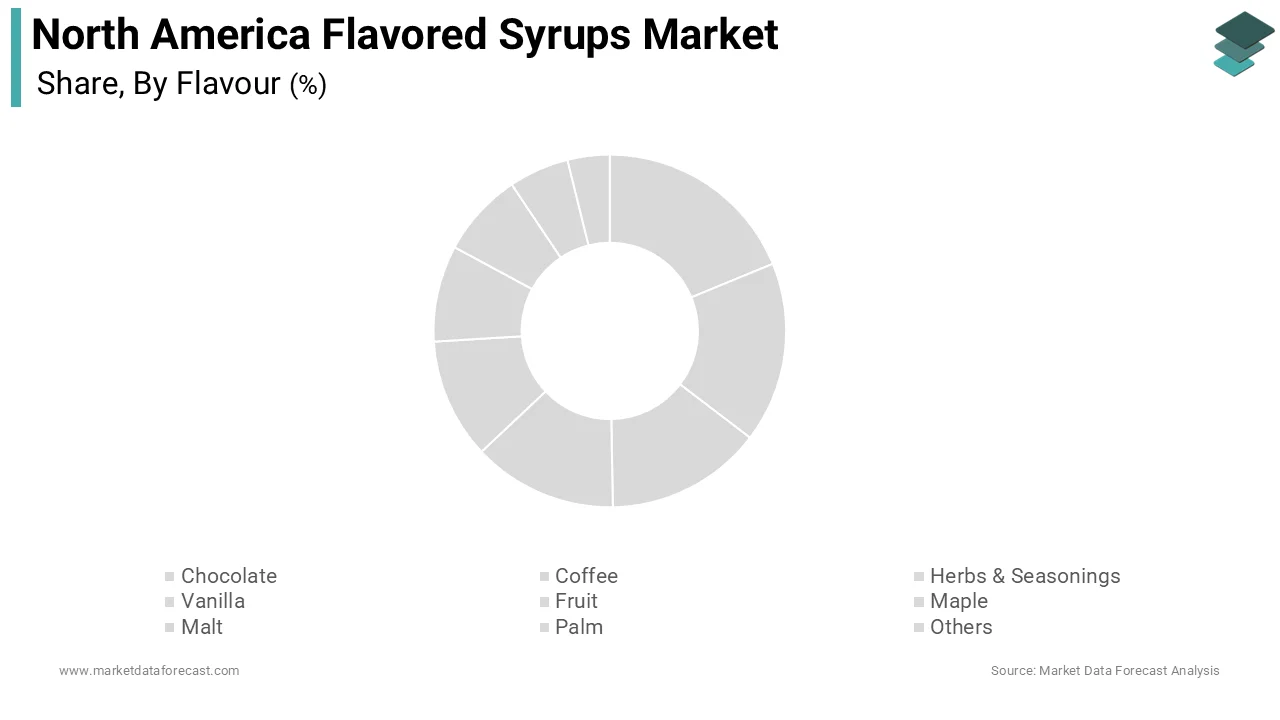
Unlike exotic or seasonal flavors that may suffer from supply volatility or fleeting popularity, vanilla offers stability in both sourcing and consumer acceptance. While natural vanilla bean prices fluctuate, the widespread use of synthetic vanillin and blended extracts allows manufacturers to maintain consistent quality and affordability for mass-market syrups. According to the Flavor and Extract Manufacturers Association (FEMA), the manufacturing and standardisation of vanilla flavoring agents have achieved high industrial efficiency, supporting steady supply chains that meet massive commercial demands across North America. The reliability encourages food service operators to keep vanilla syrup as a staple item on their counters, ensuring constant visibility and availability. Consumers perceive vanilla as a safe and classic choice, reducing the hesitation associated with trying new or unfamiliar flavors. The emotional connection to nostalgia and comfort food further reinforces its status as a market leader. Even as health trends shift toward natural ingredients, vanilla adapts well, with clean-label versions gaining traction. This adaptability, combined with steady demand, ensures that vanilla remains the cornerstone of the flavored syrup industry, driving sustained revenue and market share.
The Fruit flavors segment is predicted to witness the highest CAGR of 6.5% from 2026 to 2034 due to the rising demand for natural-tasting beverages and the popularity of fruit-infused cocktails and mocktails.
Consumers are increasingly gravitating toward fruit-flavored syrups as they seek refreshing and perceived healthier alternatives to rich and heavy flavors like chocolate or caramel. The association of fruit flavors with freshness and vitality aligns with current wellness trends, encouraging their use in sparkling waters, smoothies, and teas. According to the Beverage Marketing Corporation (BMC), sales of fruit-flavored ready-to-drink beverages have maintained a strong marketplace footprint, reflecting a broader consumer transition toward fruity profiles in liquid consumption. The preference drives cafes and restaurants to expand their fruit syrup offerings, including berry, citrus, and tropical varieties, to cater to health-conscious patrons. The versatility of fruit syrups allows for creative mixology in both alcoholic and non alcoholic beverages, appealing to a wide age range. Summer seasons see significant spikes in demand for flavors like strawberry, mango, and peach as consumers seek cooling and hydrating drink options. Manufacturers respond by introducing real fruit puree-based syrups that offer authentic taste and visual appeal, enhancing the premium perception of these products.
The introduction of exotic and tropical fruit flavors such as passion fruit, dragon fruit, and lychee is capturing the interest of adventurous consumers looking for unique sensory experiences. Social media trends and global travel influences have exposed North American consumers to international flavours, driving demand for diverse fruit syrup options. As per the Specialty Food Association (SFA), exotic fruit products like yuzu, passion fruit, and dragon fruit have seen rapid retail distribution growth on store shelves, as shoppers seek novel tastes to experiment with at home. The trend encourages syrup manufacturers to innovate with rare and unique fruit blends that differentiate their brands in a crowded marketplace. Limited edition releases of exotic fruit syrups create urgency and buzz among consumers eager to try new flavors before they disappear. The visual appeal of vibrant fruit-coloured syrups also enhances the aesthetic of beverages, making them popular choices for social media sharing. Restaurants leverage these unique flavors to create signature drinks that attract customers seeking Instagram-worthy experiences. This continuous cycle of innovation and discovery fuels rapid growth in the fruit segment as it constantly reinvents itself to stay relevant and exciting.
By Flavour Type Insights
The sweet segment led the North American flavored syrups market and captured a significant share in 2025. This is because sweetness is the primary characteristic associated with syrups, making them fundamental taste enhancers in beverages, desserts, and breakfast items.
The inherent desire for indulgence and comfort drives the overwhelming preference for sweet-flavoured syrups, which provide immediate sensory satisfaction and emotional relief. Sweetness triggers dopamine release in the brain, creating a pleasurable experience that consumers seek, especially during stressful times or as a treat. According to the American Psychological Association (APA), psychological stress deeply alters eating patterns, typically driving an individual’s appetite toward highly palatable, sugar-dense foods. As per the National Confectioners Association (NCA), the vast majority of consumers enjoy sweet treats at least once a week, highlighting the heavily entrenched role of confectionery and sweetness in standard daily diets. This psychological driver ensures that sweet syrups remain a staple in pantries and coffee shops regardless of economic conditions. The versatility of sweet syrups allows them to be used in a wide variety of applications, from pancakes and waffles to sodas and cocktails. Manufacturers capitalize on this by offering a range of sweetness levels and flavor intensities to cater to different preferences. The cultural association of sweetness with celebration and hospitality further reinforces its dominance in social dining and gifting occasions. Despite health concerns, the emotional reward of sweetness continues to outweigh restraint for many consumers, ensuring robust sales volumes.
Sweet-flavored syrups exhibit unparalleled versatility, serving as key ingredients in baking, cooking, and beverage preparation, which broadens their utility and market reach. They are essential in creating glazes for meats, marinades for fruits, and toppings for desserts, making them indispensable in professional and home kitchens. According to instructional pastry frameworks from The Culinary Institute of America (CIA), liquid sweeteners and simple sugar syrups serve as vital foundational elements in professional baking to regulate chemical moisture retention and carry dense flavor profiles simultaneously. In addition, the multifunctionality ensures that sweet syrups are purchased in larger quantities and more frequently than specialised flavour types. The ease of use allows amateur cooks to achieve professional results, encouraging higher household penetration. Retailers promote sweet syrups through recipe ideas and pairing suggestions, further educating consumers on their diverse uses. The ability to customise sweetness levels in drinks and dishes empowers consumers to tailor their meals to personal preferences. This adaptability secures the leading position of sweet-flavoured syrups as they remain relevant across changing culinary trends and dietary habits.
The savoury segment is estimated to register the fastest CAGR of 7.2% during the forecast period, owing to culinary experimentation and the integration of sweet and savoury elements in modern cuisine.
The rise of fusion cuisine and culinary experimentation has led to the adoption of savoury-flavoured syrups such as balsamic, garlic, and herb infusions in mainstream cooking. Chefs and home cooks are exploring the balance of sweet and savory profiles to create complex and sophisticated dishes that challenge traditional palates. According to the James Beard Foundation culinary trend archives, contemporary chefs continuously push flavor boundaries by utilizing complex reductions, botanical infusions, and sweet-savoury glazes to elevate modern meat and vegetable presentations. The trend is fueled by food television and online cooking tutorials that demonstrate innovative uses for savoury syrups, inspiring viewers to replicate these techniques at home. Manufacturers are responding by launching artisanal savoury syrup lines that cater to this growing niche. The ability of savoury syrups to add depth and umami to dishes makes them valuable tools for enhancing simple ingredients. This culinary evolution transforms syrups from mere sweeteners into versatile condiments, expanding their application scope and driving rapid market expansion.
Health-conscious consumers are seeking savoury-flavored syrups as alternatives to traditional sweet syrups to reduce sugar intake while still enjoying flavorful meals. Savoury syrups often contain herbs, spices, and vinegar, which offer health benefits such as anti-inflammatory properties and improved digestion. According to the Global Wellness Institute (GWI) macro-wellness sectors, healthy eating trends have driven a sharp rise in consumer demand for low-sugar, functional, and clean-label condiments. The shift is particularly evident among millennials and Gen Z consumers who view food as medicine and seek ingredients that support overall well-being. Savoury syrups allow for flavorful cooking without excessive calories, making them attractive to weight watchers and diabetic individuals. The perception of savoury flavors as more sophisticated and adult-oriented also appeals to demographics looking to elevate their dining experiences. This convergence of health benefits and culinary appeal positions savoury-flavored syrups as a high-growth category with significant potential for future expansion.
By Application Insights
In 2025, the beverages segment held the majority share of the North American flavored syrups market. The pervasive culture of coffee consumption and the popularity of customized soft drinks and mixed beverages have contributed to the supremacy of this segment.
The extensive network of coffee shops and the consumer expectation for personalized drinks drive massive demand for flavored syrups in the beverage sector. Customers frequently request specific flavor combinations in their lattes, cappuccinos, and iced coffees, making syrups essential for service delivery. According to the National Coffee Association (NCA), a dominant majority of daily coffee drinkers choose to customize their beverage profile using milk, sweeteners, or flavor additives, establishing a highly reliable retail market for specialty syrups. Also, the customization trend extends beyond coffee to tea smoothies and lemonades, where syrups provide easy and consistent flavoring. The speed and convenience of using syrups allow baristas to serve high volumes of customized drinks efficiently during peak hours. Home consumers also emulate this behavior, purchasing similar syrups for personal use, further boosting retail sales. The social aspect of sharing unique drink creations on social media fuels demand for new and exotic syrup flavors. This deep integration of syrups into beverage culture ensures their continued dominance as the primary application segment.
The expansion of the ready-to-drink beverage market and the emergence of functional drinks provide new avenues for flavored syrup utilization in industrial and commercial settings. Beverage manufacturers use concentrated syrups as bases for producing bottled teas, juices, and energy drinks, ensuring consistent flavor profiles across large batches. According to Beverage Industry Magazine and global tea market indices, the ready-to-drink tea landscape is expanding at a stable growth rate, with fruit-infused and sweetened variations strongly driving consumer volume. The demand for functional beverages infused with vitamins and adaptogens also relies on syrups to mask the unpleasant tastes of active ingredients while delivering appealing flavors. This industrial application adds significant volume to the beverage segment beyond direct consumer use. The scalability of syrup-based production allows manufacturers to quickly launch new flavors in response to market trends. The efficiency and consistency offered by syrups make them the preferred choice for beverage formulators driving sustained growth in this application area.
The dairy and frozen desserts segment is anticipated to witness the fastest CAGR of 6.8% between 2026 and 2034. This swift expansion of the segment is propelled by the premiumization of ice cream and the popularity of artisanal yoghurt and gelato.
The trend toward premium and artisanal ice cream and frozen desserts is driving demand for high-quality flavored syrups that offer authentic and intense taste experiences. Consumers are willing to pay more for desserts made with natural ingredients and unique flavor combinations such as salted caramel, honey lavender, or bourbon vanilla. According to the International Dairy Foods Association (IDFA), flavor remains the absolute premier indicator driving ice cream purchase decisions, with recent marketplace trends reflecting an aggressive pivot toward premiumization and decadent novelty treats. Gelato shops and frozen yogurt establishments use syrups to create rotating seasonal flavors that attract repeat customers. The ability of syrups to blend smoothly into frozen bases without crystallizing makes them ideal for these applications. Manufacturers are developing specialized syrup formulations that withstand freezing temperatures while maintaining flavor integrity. This focus on quality and innovation in the dessert sector fuels rapid growth in syrup consumption for dairy and frozen applications.
The proliferation of frozen yogurt and smoothie bars across North America contributes significantly to the growth of flavored syrups in the dairy and frozen dessert segment. These establishments rely on a wide variety of syrups to offer customizable topping and flavor options that appeal to health-conscious and younger demographics. As per sources, the footprint of frozen yogurt operations has settled into a mature, stable pattern, where brand survival depends directly on offering extensive self-serve syrup bars and unique fruit-topping selections. The self-serve model of many frozen yogurt shops encourages customers to experiment with multiple syrup combinations, increasing per-transaction volume. Seasonal promotions and limited-time offers featuring new syrup flavors drive foot traffic and sales. The visual appeal of colourful syrups also enhances the customer experience, making the product more enticing. This dynamic and interactive consumption model ensures steady and growing demand for flavored syrups in the dairy and frozen dessert sector.
REGIONAL ANALYSIS
United States Flavored Syrups Market Analysis
The United States was the top performer in the North America flavored syrups market and accounted for a 75.1% share in 2025. This supremacy of the US market was driven by its large population, robust food service industry, and strong coffee culture. The country is home to major global coffee chains and independent cafes that significantly influence syrup consumption trends. According to the National Coffee Association (NCA), coffee consumption in the United States remains historically high, with hundreds of millions of cups served daily, heavily supporting the widespread integration of commercial flavored syrups in both home and foodservice environments. As per the U.S. Bureau of Labor Statistics (BLS), the food preparation and serving sector employs millions of workers across the nation, while overall industry sales, which drive extensive commercial syrup usage, are projected by industry data to reach landmark trillions in total consumer spending. The presence of leading syrup manufacturers and distributors ensures wide availability and continuous innovation in flavors and formats. Consumer preference for customization and convenience drives retail sales of home-use syrups. The diverse culinary landscape encourages experimentation with various flavor profiles from classic vanilla to exotic fruits. Regulatory standards set by the Food and Drug Administration ensure product safety and quality, fostering consumer trust. The mature market structure supports steady growth through product differentiation and premiumization strategies. High disposable income allows consumers to indulge in premium and artisanal syrup products. The strong influence of social media and food trends accelerates the adoption of new flavors. This combination of factors solidifies the United States as the primary engine of growth in the North America flavored syrups market.
Canada Flavored Syrups Market Analysis
Canada occupies a significant position in the North American flavored syrups market due to urbanization and the expansion of specialty coffee shops in major cities like Toronto, Vancouver, and Montreal. The regional market is known for a growing coffee culture and increasing demand for natural and organic products. According to research, the food services and drinking places sector has demonstrated resilient post-pandemic revenue growth, aligning with elevated consumer expenditure on dining out and premium beverage options. As per the Canadian Food Inspection Agency (CFIA), strict federal labeling regulations legally require mandatory food labeling disclosures, including the updated front-of-package warning symbols for foods high in sugar, sodium, or saturated fat, enforcing rigorous marketplace transparency for all commercial syrup products. The preference for local and sustainable ingredients supports the growth of artisanal syrup brands that use Canadian maple and berries. Retailers are expanding their selection of natural and sugar-free syrups to meet evolving consumer preferences. The cold climate drives demand for hot beverages where syrups are commonly used. Government initiatives promoting healthy eating influence product formulation, leading to reduced sugar options. The bilingual market requires packaging that meets both English and French standards, adding complexity but ensuring broad reach. Cross-border trade with the United States facilitates access to diverse flavors and technologies. The steady economic growth and rising disposable income support premium product adoption. These factors contribute to a stable and growing market environment in Canada.
COMPETITION OVERVIEW
The competitive landscape in the North America flavored syrups market features intense rivalry between established multinational corporations and agile niche artisans vying for dominance in both commercial and retail segments. Large players leverage extensive distribution networks and brand recognition to secure contracts with major coffee chains and grocery retailers, while smaller companies compete through unique flavor profiles and premium positioning. Price competition is moderate as consumers often prioritize quality and authenticity over cost, particularly in the specialty coffee and craft cocktail sectors. Innovation serves as a key differentiator, with companies continuously launching new flavors inspired by global culinary trends and seasonal demands. Private label brands from major retailers pose a significant threat by offering lower-priced alternatives that mimic popular national brands. Regulatory compliance regarding labeling and ingredient safety creates barriers to entry for smaller firms lacking resources for rigorous testing. Digital marketing and social media engagement play crucial roles in building brand awareness and connecting with younger demographics. Supply chain efficiency and sustainability practices are becoming critical factors in maintaining competitiveness as consumers and businesses increasingly value transparency and environmental responsibility. This dynamic environment requires continuous adaptation and strategic investment to retain market relevance and drive long-term growth.
KEY MARKET PLAYERS
A few major players in the North American Flavored Syrups Market include
- Hershey
- Tate & Lyle
- Kraft Heinz Company
- Monin Inc
- Kerry Group Plc
- Sonoma Syrup
- Cedarvale Maple Syrup
- Sensient Technologies Corporation
Top Strategies Used by Key Market Participants
Key participants in the North America flavored syrups market prioritize product innovation by developing natural, organic, and sugar-free variants to align with evolving health consciousness and clean label trends among consumers. Companies invest heavily in expanding distribution channels through partnerships with major coffee chains, grocery retailers, and e-commerce platforms to enhance product visibility and accessibility. Strategic acquisitions of niche artisanal brands allow larger players to diversify their portfolios and tap into emerging flavor trends such as exotic fruits and botanical infusions. Sustainability initiatives, including eco-friendly packaging and responsible sourcing of raw materials, are increasingly adopted to meet corporate social responsibility goals and appeal to environmentally aware shoppers. Marketing efforts focus on digital engagement and educational content for baristas and home enthusiasts to build brand loyalty and inspire creative usage scenarios. Collaborations with influencers and culinary experts help promote new flavors and drive trial among target demographics. These combined strategies enable vendors to maintain a competitive advantage and sustain growth in a dynamic and fragmented market environment.
Leading Players in the North America Flavored Syrups Market
- Monin Beverage maintains a strong presence in the North American flavored syrups market by offering an extensive portfolio of premium and artisanal flavors tailored for coffee shops, bars, and restaurants. The company focuses on high-quality ingredients and sustainable sourcing practices to appeal to discerning consumers and professional baristas. Recently, Monin Beverage expanded its production facility in Springfield,d Massachusetts, to increase capacity for natural fruit purees and organic syrup lines. This strategic investment enhances supply chain reliability and reduces lead times for key commercial clients. The firm also launched a digital education platform for hospitality professionals, providing training on mixology and flavor pairing techniques. These initiatives strengthen brand loyalty among industry experts and drive consistent demand for their diverse product range across the competitive food service sector.
- Torani contributes significantly to the North American flavored syrups landscape through its innovative flavor development and strong retail distribution network. The company is known for introducing unique and seasonal flavors that capture consumer interest and drive impulse purchases in grocery stores. Torani recently partnered with major coffee chains to create exclusive syrup blends that enhance menu differentiation and customer engagement. They also invested in eco-friendly packaging solutions, including recyclable bottles and reduced plastic usage, to align with environmental sustainability goals. The firm expanded its direct-to-consumer e-commerce platform, allowing customers to access limited-edition flavors and bulk purchasing options. These actions reinforce Torani's reputation as a trendsetter in the flavored syrup industry while addressing growing consumer demand for convenience and responsible business practices.
- Givaudan supports the North American flavored syrups market by leveraging its global expertise in flavor creation and sensory science to develop sophisticated and authentic taste profiles. The company works closely with beverage manufacturers and food service operators to create customized syrup solutions that meet specific regional preferences and dietary requirements. Givaudan recently opened an innovation center in New Jersey focused on natural flavor extraction and clean label formulations. This facility enables rapid prototyping and testing of new syrup concepts using advanced analytical technologies. The firm also collaborated with local agricultural suppliers to source fresh fruits and herbs, ensuring consistent quality and supporting community economies. These efforts enhance Givaudan's ability to deliver high-performance flavor systems that help clients differentiate their products in a crowded marketplace.
MARKET SEGMENTATION
This research report on the North American flavored syrups market is segmented and sub-segmented into the following categories.
By Flavour
- Chocolate
- Coffee
- Herbs & Seasonings
- Vanilla
- Fruit
- Maple
- Malt
- Palm
- Others
By Flavour Type
- Salty
- Sour
- Mint
- Savoury
- Sweet
By Application
- Dairy & Frozen Desserts
- Bakery
- Confectionery
- Beverage
- Others
By Region
- US
- Canada
- Rest of North America