- Product Description Description
- Table of Contents TOC
- List of Table & Figure LOT
- Get Free Sample PDF Sample PDF
Market Size, 2025
$23.89 BnMarket Estimate, 2026
$27.31 BnMarket Forecast, 2034
$79.56 BnCAGR, 2026–2034
14.30%Global Rice Noodles Market Report Summary
The global rice noodles market was valued at USD 23.89 billion in 2025, is estimated to reach USD 27.31 billion in 2026, and is projected to reach USD 79.56 billion by 2034, growing at a CAGR of 14.30% during the forecast period. Market growth is driven by increasing global demand for Asian cuisine, rising preference for gluten free food options, and growing consumption of convenient meal solutions. Rice noodles are widely valued for their versatility, ease of preparation, and suitability for diverse dietary preferences. The expansion of international food culture and retail availability is further supporting strong global market growth.
Key Market Trends
- Rising popularity of Asian cuisine globally is driving market growth.
- Increasing demand for gluten free and alternative grain products is boosting consumption.
- Growing preference for convenient and quick meal solutions is supporting market expansion.
- Expansion of retail and food service channels is enhancing product availability.
- Innovation in product formats and flavors is influencing consumer preferences.
Segmental Insights
- Based on product type, the stick rice noodle segment dominated the global rice noodles market in 2025. This dominance is attributed to its widespread use in traditional Asian dishes and global culinary adoption.
- Based on cooking method, the conventional segment accounted for 61.4% of the global rice noodles market share in 2025, driven by strong consumer preference for traditional preparation methods.
- Based on distribution channel, the offline segment held 71.4% of the global rice noodles market share in 2025, supported by extensive availability across supermarkets, hypermarkets, and specialty stores.
Regional Insights
- The global rice noodles market is experiencing strong growth across regions, supported by rising consumption and cultural influence.
- Asia Pacific was the largest contributor, accounting for 51.6% of the global rice noodles market share in 2025, driven by deep rooted culinary traditions, high consumption levels, and strong production base.
Competitive Landscape
The global rice noodles market is moderately competitive, with key players focusing on product innovation, expansion of distribution networks, and brand positioning to strengthen their market presence. Companies are investing in new product development, gluten free offerings, and international expansion. Prominent players in the global rice noodles market include Thai President Foods Public Company Limited, NONGSHIM CO., LTD., Nasoya Foods USA, LLC, Nona Lim, LLC., McCormick & Company, Inc., Lotus Foods, Inc, Annie Chun’s, Inc, Embridge Foods, Inc, and Natural Earth Products, Inc..
Global Rice Noodles Market Size
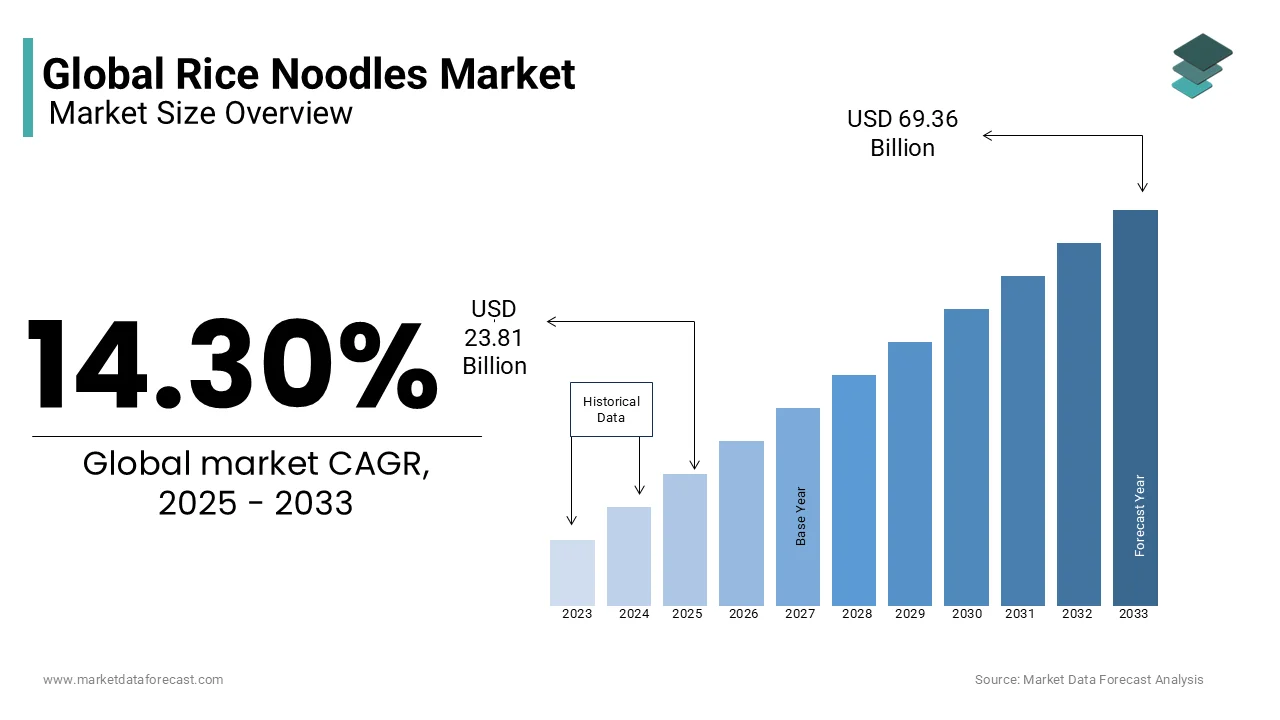
The global rice noodles market size was valued at USD 23.89 billion in 2025, and the global market size is expected to reach USD 79.56 billion by 2034 from USD 27.31 billion in 2026. The market's promising CAGR for the predicted period is 14.30%.
Rice noodles encompasses a diverse array of food products derived primarily from rice flour and water, serving as a staple carbohydrate source across Asia and gaining significant traction globally. These noodles are characterized by their translucent appearance, delicate texture, and neutral flavor profile, which allow them to absorb sauces and broths effectively. The production process involves soaking, grinding, steaming, and extruding rice batter into various shapes such as sticks, sheets, or vermicelli. According to the Food and Agriculture Organization of the United Nations, rice is a major and critical staple food for half of the world's population, providing a robust foundational demand for rice based derivatives. The market is deeply rooted in culinary traditions of countries like Vietnam, Thailand, China, and India, where dishes such as Pho, Pad Thai, and Rice Vermicelli are cultural icons. As per the USDA and world rice market data, global production is raised to a record 533.8 million metric tons in the 2024/25 period, ensuring ample raw material availability for noodle manufacturers. The definition of this market extends beyond traditional fresh noodles to include dried, instant, and frozen variants that cater to modern convenience needs. Consumer preference for gluten free alternatives has further expanded the relevance of rice noodles in Western diets. Regulatory standards in major exporting nations strictly monitor heavy metal content and pesticide residues to ensure safety. The versatility of rice noodles in both hot and cold preparations makes them indispensable in diverse culinary applications. This sector represents a critical intersection of traditional agriculture and modern food processing technologies.
MARKET DRIVERS
Surging Global Preference For Gluten Free Dietary Options Fuels Demand
The riising prevalence of celiac disease and gluten sensitivity worldwide is one of the major factors driving the expansion of the global rice noodles market. Consumers diagnosed with these conditions must strictly avoid wheat, barley, and rye, making rice noodles an ideal staple alternative. According to a systematic review and meta-analysis, the pooled global prevalence of celiac disease is approximately 1.4% based on seroprevalence, with millions remaining undiagnosed. This substantial patient population drives consistent demand for safe, certified gluten free products. Furthermore, the broader wellness trend has led many individuals without medical diagnoses to adopt gluten free diets perceived as healthier or lighter. Rice noodles are naturally free from gluten, requiring no complex modification during processing, which appeals to clean label advocates. In North America and Europe, retail shelves are increasingly stocked with rice based pasta and noodle options. The European Society for Paediatric Gastroenterology Hepatology and Nutrition notes a rising incidence of gluten related disorders, prompting earlier dietary interventions. Manufacturers respond by obtaining rigorous certifications such as the Gluten Free Certification Organization seal to build trust. The neutral taste of rice noodles allows them to seamlessly replace wheat noodles in familiar dishes like stir fries and soups. This adaptability encourages trial among non Asian consumers who are exploring international cuisines. Social media influencers and nutritionists frequently recommend rice noodles as part of balanced meal plans. The alignment with health conscious lifestyles ensures that rice noodles remain a preferred choice for those seeking dietary restrictions without compromising on culinary satisfaction.
Rapid Urbanization And Demand For Convenient Ready To Eat Meals Drive Growth
The accelerating pace of urbanization and the subsequent shift in lifestyle patterns significantly boost the consumption of convenient rice noodle products, which is further contributing to the global rice noodles market growth. Urban dwellers often face time constraints due to demanding work schedules, leading to a higher reliance on ready to eat and easy to prepare food options. According to the United Nations Department of Economic and Social Affairs, 68% of the world population is projected to live in urban areas by 2050, with Asia and Africa driving much of this growth. This demographic shift creates a vast consumer base for instant rice noodles and pre packaged meal kits. Instant rice noodle cups and bowls offer preparation times of under five minutes, appealing to students, young professionals, and busy families. The improvement in dehydration and freeze drying technologies has enhanced the texture and flavor retention of instant rice noodles, making them more palatable than earlier versions. In countries like China and Indonesia, the instant noodle market is massive, with rice variants gaining share due to perceived health benefits over fried wheat noodles. Retailers expand their convenience food aisles to include diverse rice noodle flavors, from spicy tom yum to mild chicken broth. E commerce platforms facilitate bulk purchases and subscription models for these staples. The portability of cup noodles also supports consumption in office settings and during travel. This convenience factor transforms rice noodles from a traditional ingredient into a modern solution for fast paced living, sustaining robust sales volumes.
MARKET RESTRAINTS
Volatility In Raw Material Prices Impacts Production Costs
The fluctuation in global rice prices is a significant restraint to the stability and profitability of the rice noodle market. Rice is an agricultural commodity subject to variations in weather conditions, pest outbreaks, and government export policies, leading to unpredictable cost structures for manufacturers. According to the Food and Agriculture Organization of the United Nations, the All Rice Price Index declined by 3.0% in March 2026, following a period where climate events such as El Niño affected major producing regions. When rice prices surge, manufacturers face increased input costs that may not be fully passable to price sensitive consumers. This margin compression forces companies to either absorb losses or risk reducing product quality by blending with cheaper starches, which can damage brand reputation. Small and medium sized enterprises are particularly vulnerable as they lack the hedging capabilities of larger corporations. In countries like Thailand and Vietnam, which are major exporters, domestic policy changes aimed at securing local food security can restrict supply availability for industrial users. Currency fluctuations in key producing nations further complicate international trade dynamics. High storage costs for maintaining adequate raw material inventories add to financial burdens. These economic pressures can lead to inconsistent pricing for end consumers, potentially dampening demand. Manufacturers must navigate these uncertainties through strategic sourcing and long term contracts, but the inherent instability of agricultural markets remains a persistent challenge for operational efficiency and profit maximization.
Stringent Food Safety Regulations And Contamination Concerns Hinder Trade
Strict regulatory frameworks regarding food safety and potential contamination present substantial barriers to the global expansion of the rice noodle market. Rice plants are known to absorb arsenic from soil and water more readily than other crops, raising health concerns among regulatory bodies and consumers. According to the European Food Safety Authority, new maximum levels for inorganic arsenic in certain food products come into force as of October 2025 to protect public health, particularly for vulnerable groups like infants. Compliance with these stringent limits requires rigorous testing and quality control measures, increasing production costs for manufacturers. Instances of non compliance can lead to product recalls, import bans, and significant reputational damage. In the United States, the Food and Drug Administration monitors arsenic levels closely, influencing consumer perception and purchasing decisions. Additionally, issues related to adulteration with unauthorized additives such as bleaching agents or preservatives have sparked scandals in some Asian markets, eroding consumer trust. Exporters must navigate a complex web of international standards, including ISO certifications and Hazard Analysis Critical Control Point systems. The need for transparent supply chains and traceability adds logistical complexity. Smaller producers often struggle to meet these high compliance standards, limiting their access to premium international markets. These regulatory hurdles necessitate continuous investment in technology and training, acting as a brake on rapid market penetration for less capitalized players.
MARKET OPPORTUNITIES
Expansion into Plant Based And Vegan Culinary Applications Offers Growth Potential
The rising global adoption of plant based and vegan diets is a lucrative opportunity for the rice noodle market to expand its consumer base. Rice noodles are inherently vegan, making them an ideal carbohydrate component in meat free meals. According to The Vegan Society, research indicates that approximately 25.8 million people globally tried veganism in January 2025 alone, with major markets like the United Kingdom and Germany seeing high rates of plant based consumption. Chefs and food manufacturers are increasingly incorporating rice noodles into innovative vegan dishes, such as plant based pho or pad thai with tofu and vegetables. The neutral flavor of rice noodles allows them to complement diverse plant based proteins and sauces without overpowering them. Ready to eat meal kits featuring rice noodles and vegetable proteins are gaining popularity among flexitarians seeking to reduce meat consumption. Retailers are creating dedicated vegan sections where rice noodle products are prominently displayed. Marketing campaigns highlighting the ethical and environmental benefits of plant based eating further drive demand. The versatility of rice noodles in cold salads and warm stir fries aligns well with the varied textures sought in vegan cuisine. Collaborations between noodle manufacturers and plant based protein brands can create synergistic product offerings. This trend extends beyond niche markets into mainstream dining, offering sustained growth opportunities. By positioning rice noodles as a staple in the plant based pantry, manufacturers can tap into a rapidly expanding and loyal consumer segment.
Innovation In Packaging And Shelf Stable Technologies Enhances Market Reach
Advancements in packaging technologies and shelf stable preservation methods offer significant opportunities for the rice noodle market to reach wider geographical areas and reduce waste. Traditional fresh rice noodles have a short shelf life, limiting their distribution radius. However, new retort packaging and modified atmosphere packaging techniques extend shelf life while maintaining texture and flavor. According to the Food Institute, emerging innovations in eco friendly and rice based packaging are being developed in 2026 to enhance sustainability and preserve freshness. These technologies enable manufacturers to export rice noodle products to distant markets in Europe and North America with greater confidence in quality retention. Single serve portable packaging appeals to on the go consumers, enhancing convenience. Biodegradable and recyclable packaging options align with growing environmental consciousness, attracting eco friendly buyers. Brands that adopt sustainable packaging differentiate themselves in a crowded marketplace. Improved drying techniques also produce instant rice noodles with better rehydration properties, mimicking the texture of fresh noodles. These technological advancements reduce food loss in the supply chain and improve consumer satisfaction. Online retail channels benefit from durable packaging that withstands shipping stresses. By leveraging these innovations, companies can expand their footprint beyond traditional Asian grocery stores into mainstream supermarkets globally. This accessibility drives volume growth and introduces rice noodles to new culinary contexts.
MARKET CHALLENGES
Intense Competition From Alternative Gluten Free Substitutes Challenges Market Share
The rice noodle market faces stiff competition from a growing array of alternative gluten free carbohydrate sources, which challenges its dominance in the health food sector. Consumers now have access to noodles made from quinoa, corn, chickpeas, lentils, and konjac, each offering unique nutritional profiles. According to recent market reports, the market for free from foods has grown by an impressive 329% since the start of the millennium, as increased public awareness of food allergies drives a boom in gluten free options. Chickpea and lentil noodles, for instance, offer significantly higher protein content than rice noodles, attracting fitness enthusiasts and those managing blood sugar levels. Konjac noodles, being virtually calorie free, appeal to weight watchers. This diversification fragments the gluten free market, forcing rice noodle manufacturers to compete on more than just absence of gluten. Rice noodles are primarily carbohydrate dense with lower protein and fiber content, which may be perceived as less nutritious compared to legume based alternatives. Manufacturers must invest in product development, such as fortifying rice noodles with protein or fiber, to remain competitive. Marketing efforts must clearly articulate the specific benefits of rice noodles, such as digestibility and traditional authenticity. Price competitiveness is also crucial, as some alternative noodles command higher premiums. The constant influx of novel ingredients requires agile innovation strategies to retain consumer interest and market relevance in a dynamic landscape.
Supply Chain Disruptions And Logistical Bottlenecks Impact Availability
Global supply chain disruptions and logistical bottlenecks pose significant challenges to the consistent availability and cost efficiency of rice noodles. The industry relies on complex international supply chains for raw materials, packaging, and finished goods distribution. According to the Federal Reserve Bank of New York, the Global Supply Chain Pressure Index is being monitored closely in 2025 and 2026 as transportation cost data and manufacturing indicators reflect ongoing global supply conditions. These disruptions lead to delays in shipment and increased freight costs, affecting profit margins. For perishable fresh rice noodles, timely delivery is critical, and any logistical delay can result in significant spoilage and waste. Dried and instant varieties are less perishable but still face inventory management challenges due to unpredictable lead times. Dependence on specific geographic regions for rice production, such as Southeast Asia, creates vulnerability to regional disruptions like natural disasters or political instability. Container shortages and rising fuel costs further exacerbate transportation expenses. Manufacturers struggle to maintain consistent stock levels in retail outlets, leading to lost sales opportunities. Small businesses lack the bargaining power to secure priority shipping, making them more susceptible to supply gaps. Building resilient supply chains through diversification of suppliers and local sourcing initiatives is costly and time consuming. These logistical hurdles hinder the ability of companies to respond quickly to demand spikes, impacting customer satisfaction and brand reliability in a competitive market environment.
REPORT COVERAGE
| REPORT METRIC | DETAILS |
| Market Size Available | 2025 to 2034 |
| Base Year | 2025 |
| Forecast Period | 2026 to 2034 |
| CAGR | 14.30% |
| Segments Covered | By Product Type, Cooking Method, Distribution Channel, and Region |
| Various Analyses Covered | Global, Regional and Country Level Analysis; Segment-Level Analysis; DROC; PESTLE Analysis; Porter’s Five Forces Analysis; Competitive Landscape; Analyst Overview of Investment Opportunities |
| Regions Covered | North America, Europe, APAC, Latin America, Middle East & Africa |
| Market Leaders Profiled | Thai President Foods Public Company Limited, NONGSHIM CO., LTD., Nasoya Foods USA, LLC, Nona Lim, LLC., McCormick & Company, Inc., Lotus Foods, Inc, Annie Chun’s, Inc, Embridge Foods, Inc, Natural Earth Products, Inc. |
SEGMENTAL ANALYSIS
By Product Type Insights
The stick rice noodle segment dominated the market in 2025 and is expected to maintain its top market position across the globe for the next few years due to its essential role in popular Asian culinary exports. The stick rice noodle segment commands the largest share of the global Rice Noodle Market, accounting for approximately 45% of total revenue. This dominance is primarily driven by the integral role stick noodles play in iconic regional dishes such as Vietnamese Pho and Thai Pad See Ew. The physical structure of stick noodles allows them to hold up well in hot broths and stir fry applications without becoming mushy, making them a preferred choice for both home cooks and commercial restaurants. According to the Ministry of Agriculture and Rural Development of Vietnam, the country exports hundreds of thousands of tons of rice products annually, with stick noodles forming a significant portion due to high international demand for authentic Pho ingredients. The cultural export of these cuisines has globalized the consumption of stick noodles, particularly in North America and Europe where Asian restaurant chains are proliferating. Consumers associate stick noodles with authentic culinary experiences, driving consistent repeat purchases. The production technology for stick noodles is well established, allowing for efficient mass production and cost effectiveness. Retailers prioritize this segment due to its high turnover rate in both dried and fresh formats. The adaptability of stick noodles to various flavor profiles ensures broad consumer appeal across different age groups. Furthermore, the rise of cooking shows and online recipes featuring traditional Asian dishes has educated global consumers on the specific use of stick noodles, reinforcing their market position. This cultural and culinary entrenchment ensures that stick noodles remain the cornerstone of the rice noodle industry.
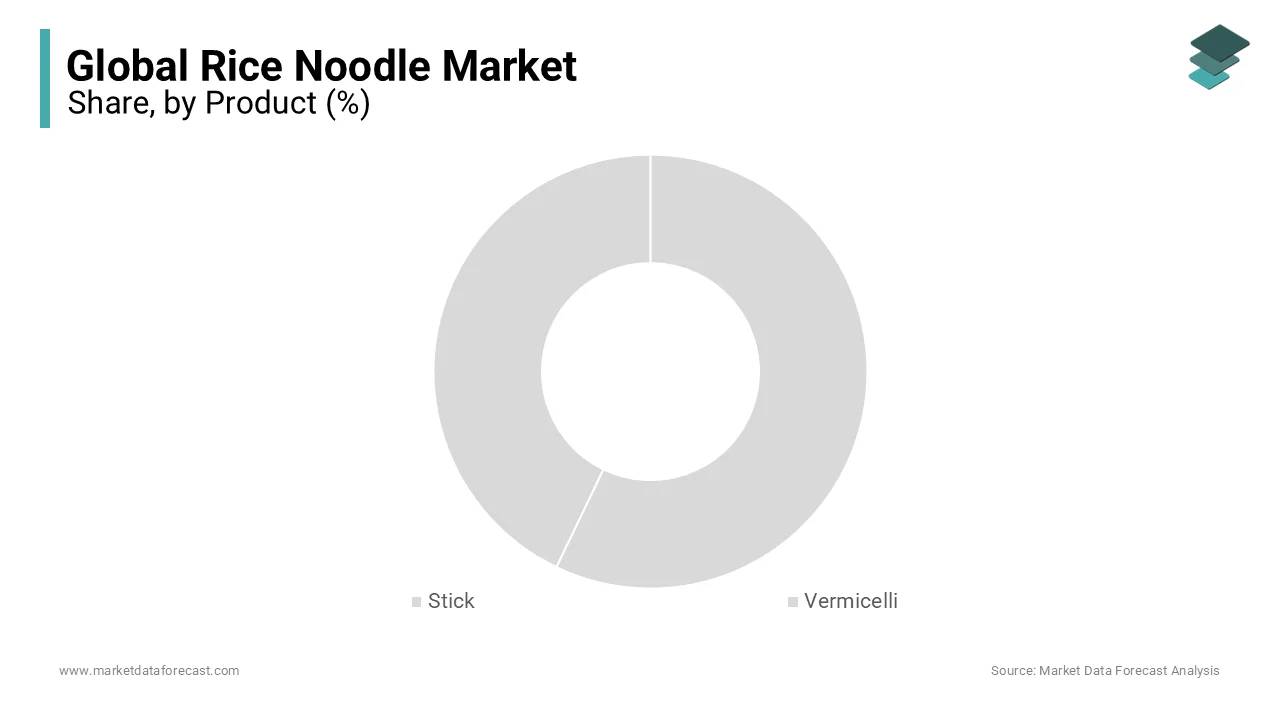
The vermicelli rice noodle segment is set to experience the most rapid growth during the forecast period as health conscious consumers increasingly seek lighter meal bases. The vermicelli rice noodle segment is projected to register the highest compound annual growth rate of 6.8% during the forecast period. This accelerated growth is fueled by the increasing popularity of light, healthy meals such as cold noodle salads and spring rolls, which prominently feature vermicelli. Consumers are shifting away from heavy carbohydrate loads toward lighter alternatives that offer texture without excessive calories. According to the International Food Information Council, approximately 54% of consumers followed a specific diet or eating pattern in 2024, with many actively seeking low calorie and gluten free options for lunch and snacks. Vermicelli noodles are thin and delicate, making them ideal for absorbing dressings in cold dishes popular in Western markets. The rise of Vietnamese cuisine, particularly Bun Cha and Goi Cuon, has introduced vermicelli to a broader audience seeking fresh and vibrant meal options. Manufacturers are responding by offering single serve packs of vermicelli tailored for quick salad preparation. The ease of cooking, often requiring only soaking in hot water, appeals to busy professionals. In addition, vermicelli is increasingly used in fusion dishes, blending Asian textures with Mediterranean or American flavors. This versatility expands its usage occasions beyond traditional dinner settings. The perception of vermicelli as a diet friendly option further boosts its appeal among health conscious demographics. Retail expansion of Asian inspired ready to eat salads in supermarkets also drives volume sales. These factors combine to make vermicelli the fastest expanding product type in the global market.
By Cooking Method Insights
The conventional segment led the market by capturing 61.4% of the global market share in 2025. This dominance is attributed to the superior texture and authentic taste profile of fresh or dried noodles that require traditional boiling or soaking methods. Consumers and chefs alike prefer conventional noodles for their ability to maintain elasticity and chewiness, which are critical for dishes like stir fries and soups. According to the National Restaurant Association, ethnic cuisines like Southeast Asian are among the top global flavors, with restaurants relying heavily on conventional rice noodles for menu authenticity. These establishments prioritize quality over convenience, driving bulk purchases of conventional products. Home cooks who enjoy preparing elaborate meals also favor conventional noodles for their versatility and lack of preservatives often found in instant variants. The perception of conventional noodles as a wholesome, minimally processed food item aligns with clean label trends. In Asia, wet markets and local grocery stores predominantly stock fresh conventional noodles, ensuring high accessibility and daily consumption. The cultural habit of preparing meals from scratch remains strong in many households, sustaining demand for raw ingredients. Additionally, conventional noodles are often perceived as healthier because they do not undergo the frying or extensive processing associated with some instant options. This health perception reinforces their status as a staple ingredient. The widespread availability of conventional noodles in various thicknesses and forms further cements their leadership in the market.
On the other side, the instant rice noodle segment is poised for significant expansion as the demand for quick and easy meal kits accelerates among the global urban workforce. This surge is driven by the escalating demand for ultra convenient, ready to eat meal solutions among urban populations. Instant rice noodles, available in cup or bowl formats, offer preparation times of less than three minutes, appealing to students, office workers, and travelers. According to the World Instant Noodles Association, global demand for instant noodles reached 120.2 billion servings in 2023, with rice based variants gaining traction due to their gluten free status and perceived health benefits compared to fried wheat noodles. Manufacturers are innovating with premium flavors and non fried drying techniques to enhance nutritional profiles and taste. The expansion of e commerce platforms facilitates the distribution of multi pack instant noodle bundles, reaching consumers who prefer bulk buying. In regions with high work intensity, such as East Asia and North America, instant rice noodles serve as a quick lunch option. The introduction of spicy and exotic flavors attracts younger demographics seeking novel taste experiences. Moreover, the portability of instant cups makes them ideal for on the go consumption. Marketing campaigns emphasizing speed and convenience resonate with time poor consumers. As lifestyle pace accelerates, the reliance on instant food solutions grows, positioning instant rice noodles as a key beneficiary of this trend. The combination of convenience, health perception, and flavor innovation drives this segment's rapid expansion.
By Distribution Channel Insights
The offline segment dominated the market by holding 71.4% of the global market share in 2025 due to the extensive network of supermarkets, hypermarkets, Asian specialty stores, and traditional wet markets that provide immediate access to products. Consumers often prefer to physically inspect fresh rice noodles for quality and freshness before purchase, a tactile experience that online channels cannot replicate. According to NielsenIQ, physical stores remain the dominant channel for FMCG sales, with a vast majority of grocery shoppers still visiting brick and mortar locations for their primary food needs. In Asia, wet markets remain a primary source for daily food purchases, ensuring high volume sales for local producers. Supermarkets in Western countries have expanded their ethnic food aisles, making rice noodles more visible and accessible to mainstream shoppers. The impulse purchase behavior associated with food shopping also benefits offline channels. Promotional displays and in store sampling events effectively drive trial and adoption of new rice noodle brands. Established relationships between manufacturers and retail chains ensure consistent shelf presence and supply chain efficiency. For many consumers, especially older demographics, offline shopping remains the default mode for grocery procurement. The immediacy of obtaining products for same day meal preparation is a critical advantage. While online shopping is growing, the sheer volume of transactions in physical stores keeps the offline channel as the primary revenue generator for the industry.
However, the online segment is likely to witness the highest CAGR in the global market during the forecast period as digital food shopping becomes a standard practice for many households globally. This rapid expansion is driven by the increasing penetration of e commerce platforms and the convenience of home delivery services. Consumers are increasingly comfortable purchasing packaged food items, including dried and instant rice noodles, through digital channels. According to Statista, the number of users in the online food delivery market is expected to reach 2.5 billion by 2028, facilitated by improved logistics and faster delivery times. Online platforms offer a wider variety of niche and imported rice noodle brands that may not be available in local stores, attracting discerning consumers. Subscription models for regular deliveries of staple foods add to the convenience factor, ensuring households never run out of essential items. The ability to compare prices and read customer reviews online helps buyers make informed decisions. During periods of restricted movement or busy schedules, online shopping provides a safe and efficient alternative to physical stores. Social media marketing and influencer endorsements often direct traffic to online retailers, boosting sales. Major e commerce players have invested in cold chain logistics, enabling the sale of fresh rice noodles in select urban areas. The integration of digital payment systems and user friendly interfaces further enhances the shopping experience. As digital literacy increases and internet access expands, the online channel is poised to capture a larger share of the market.
REGIONAL ANALYSIS
Asia Pacific Rice Noodle Market Analysis
The Asia Pacific held the dominant position in the global rice noodle market by accounting for 51.6% of the global market share in 2025. The Asia-pacific market is characterized by deep cultural integration, where rice noodles are a daily staple for millions of consumers. Countries like Vietnam, Thailand, China, and India drive substantial consumption through traditional dietary habits. According to the Food and Agriculture Organization of the United Nations, Asia accounts for 90% of global rice production and consumption, providing a robust raw material base for noodle manufacturing. The region benefits from established supply chains and low production costs, making it a hub for both domestic consumption and exports. Urbanization in emerging economies is shifting consumption patterns toward packaged and instant rice noodles, driven by convenience needs. Government support for agricultural modernization enhances production efficiency. The proliferation of street food culture and local eateries sustains demand for fresh noodles. Export oriented policies in countries like Thailand and Vietnam facilitate global reach for regional brands. Rising disposable incomes allow consumers to explore premium and organic rice noodle options. The presence of major international and local manufacturers fosters competition and innovation. Cultural tourism also promotes regional cuisines, indirectly boosting noodle consumption. As the birthplace of rice noodles, Asia Pacific remains the epicenter of market activity, setting trends that influence global preferences. The sheer volume of consumption ensures its continued leadership in the global landscape.
North America Rice Noodle Market Analysis
North American markets are projected to see steady growth in the next few years as the health and wellness trend continues to prioritize gluten free alternatives. The growth of North America is majorly driven by health consciousness and the popularity of Asian cuisines. The market status is defined by a strong demand for gluten free and non GMO food options, where rice noodles serve as a preferred alternative to wheat pasta. According to the Celiac Disease Foundation, the prevalence of celiac disease is approximately 1 in 100 people worldwide, which has increased awareness and demand for safe alternatives in the United States. The proliferation of Asian restaurants, particularly Vietnamese and Thai establishments, has normalized rice noodle consumption among mainstream consumers. Retailers have expanded their ethnic food sections, offering a wide variety of rice noodle types. The trend toward clean label and organic products supports premium pricing for high quality brands. E commerce platforms facilitate access to specialized and imported rice noodle products. Consumer education regarding the benefits of rice based diets drives steady growth. The presence of key market players who innovate with convenient packaging and healthy formulations strengthens market dynamics. Immigration patterns continue to diversify the culinary landscape, introducing new rice noodle dishes. The focus on health and wellness ensures that rice noodles remain a staple in health conscious households. Strategic marketing campaigns highlighting versatility and nutrition further propel market expansion. North America’s mature retail infrastructure and high purchasing power support sustained growth in value terms.
Europe Rice Noodle Market Analysis
European countries are anticipated to experience growing rice noodle adoption over the next few years as consumers diversify their palates and embrace plant based lifestyles. The European maket is influenced by increasing consumer interest in exotic flavors and gluten free diets. According to the European Food Safety Authority, the number of Europeans limiting their meat intake has increased, which aligns with the demand for plant based meal components like rice noodles. Regulatory standards for food safety and labeling are strict, ensuring high quality products for consumers. The rise of veganism and vegetarianism has boosted demand for plant based meal components, including rice noodles. Major supermarket chains in countries like the United Kingdom, Germany, and France have expanded their Asian food offerings. The convenience of instant rice noodles appeals to busy urban professionals. Cultural exchange and travel have exposed Europeans to authentic Asian dishes, driving home cooking trends. Import regulations facilitate the entry of high quality rice noodles from Asia. Local manufacturers are beginning to produce rice noodles to cater to regional tastes. The emphasis on sustainability and ethical sourcing influences purchasing decisions. Online retail channels are gaining traction, offering diverse product selections. Government initiatives promoting healthy diets support the inclusion of rice based products. As consumer palates diversify, Europe presents significant growth potential for innovative and premium rice noodle brands. The market is evolving from a niche segment to a mainstream option in many households.
Latin America Rice Noodle Market Analysis
Latin American nations are likely to become increasingly important players in the global rice noodle market over the next few years as urbanization drives new food preferences. The urbanization and the increasing influence of global food trends in major cities are further propelling the Latin American market expansion. According to the Economic Commission for Latin America and the Caribbean, the urban population in the region has reached over 80% in many countries, where rising middle class populations are exploring diverse culinary options including Asian cuisines. Rice is a staple food in many Latin American countries, facilitating acceptance of rice based products like noodles. The presence of Asian immigrant communities in countries like Brazil and Peru has introduced authentic rice noodle dishes to local populations. Supermarkets in urban centers are stocking more international food items, improving accessibility.
COMPETITIVE LANDSCAPE
The competition in the rice noodle market is characterized by a mix of large multinational corporations and numerous small to medium sized enterprises. This fragmented landscape fosters intense rivalry as companies strive to differentiate themselves through product quality, branding, and innovation. Multinational players leverage their extensive distribution networks and financial resources to expand globally, while local producers capitalize on traditional recipes and regional preferences. The barrier to entry is relatively low for small scale producers, leading to a saturated market in certain regions. However, achieving global scale requires significant investment in branding, compliance, and supply chain management. Companies compete on factors such as taste, texture, convenience, and health benefits. Innovation in packaging and formulation serves as a key differentiator. Strategic alliances and acquisitions are common as firms seek to consolidate their positions and access new technologies. The emphasis on sustainability and ethical sourcing further intensifies competition, as consumers become more discerning about product origins. This dynamic environment drives continuous improvement and adaptation among market participants, ensuring a vibrant and evolving industry landscape.
KEY MARKET PLAYERS
Some of the key players in the rice noodles market are
- Thai President Foods Public Company Limited
- NONGSHIM CO., LTD.
- Nasoya Foods USA, LLC
- Nona Lim, LLC.
- McCormick & Company, Inc.
- Lotus Foods, Inc
- Annie Chun’s, Inc
- Embridge Foods, Inc
- Natural Earth Products, Inc.
Top Players in the Market
- Thai Union Group is a global seafood company that has significantly expanded its footprint in the Rice Noodle Market through strategic acquisitions and product diversification. The company contributes to the global market by leveraging its extensive distribution network to introduce authentic Asian noodle dishes to international consumers. Thai Union owns brands that produce ready to eat meals featuring rice noodles, capitalizing on the growing demand for convenient and healthy options. Recent actions include investing in sustainable sourcing practices and enhancing product innovation to meet evolving consumer preferences. The company focuses on clean label ingredients and non GMO verification to build trust with health conscious buyers. By integrating rice noodles into its broader portfolio of convenience foods, Thai Union strengthens its position as a key player in the global food industry. These initiatives ensure consistent quality and availability, reinforcing its commitment to delivering premium culinary experiences across diverse markets.
- Acecook Vietnam is a leading manufacturer of instant noodles and rice based products, playing a pivotal role in the Asia Pacific region. The company contributes to the global market by exporting high quality instant rice noodles to various countries, promoting Vietnamese culinary traditions. Acecook focuses on continuous innovation in flavor profiles and packaging technologies to enhance consumer convenience and satisfaction. Recent actions include expanding production capacity and implementing advanced food safety standards to ensure product integrity. The company actively engages in community development programs and environmental sustainability initiatives, strengthening its brand reputation. By offering a wide range of rice noodle products, from vermicelli to stick noodles, Acecook caters to diverse consumer tastes. Its strong presence in domestic and export markets allows it to influence trends and set quality benchmarks. These efforts solidify its position as a trusted provider of authentic and convenient rice noodle solutions globally.
- Daito Corporation is a prominent Japanese food manufacturer known for its high quality rice processing technologies and diverse product offerings. The company contributes to the global market by supplying premium rice noodles and related ingredients to food service providers and retail chains worldwide. Daito emphasizes precision in manufacturing to achieve superior texture and consistency in its rice noodle products. Recent actions include developing new product lines that cater to health conscious consumers, such as low sodium and organic options. The company invests in research and development to improve shelf life and nutritional value without compromising taste. By partnering with international distributors, Daito expands its reach into emerging markets where demand for Asian cuisine is rising. Its commitment to quality and innovation ensures that it remains a competitive force in the global rice noodle industry. These strategic moves enhance its brand equity and drive sustainable growth in a dynamic market environment.
Top Strategies Used by the Key Market Participants
Key players in the Rice Noodle Market employ diverse strategies to maintain competitive advantage and drive growth. Product innovation is central, with companies developing gluten free, organic, and non GMO variants to meet health conscious demands. Expansion into emerging markets through strategic partnerships and local manufacturing facilities enhances accessibility and reduces costs. Brands focus on premiumization by introducing artisanal and authentic regional flavors to differentiate their offerings. Digital marketing and e commerce integration allow direct engagement with consumers and broader reach. Sustainability initiatives, including eco friendly packaging and responsible sourcing, appeal to ethical buyers. Companies also invest in supply chain optimization to ensure consistent quality and timely delivery. Collaborations with restaurants and chefs help promote culinary versatility and brand visibility. These comprehensive strategies enable participants to adapt to changing consumer preferences and strengthen their global market position effectively.
MARKET SEGMENTATION
This research report on the global rice noodles market has been segmented and sub-segmented based on Product, Cooking Method, Distribution channel, & region.
By Product Type
- Stick
- Vermicelli
By Cooking Method
- Instant
- Conventional
By Distribution Channel
- Online
- Offline
By Region
- Europe
- North America
- Middle East
- Latin America
- Asia Pacific