- Product Description Description
- Table of Contents TOC
- List of Table & Figure LOT
- Get Free Sample PDF Sample PDF
Market Size, 2025
$26.4 BnMarket Estimate, 2026
$27.8 BnMarket Forecast, 2034
$42.7 BnCAGR, 2026–2034
5.5%Global Spices and Seasonings Market Summary
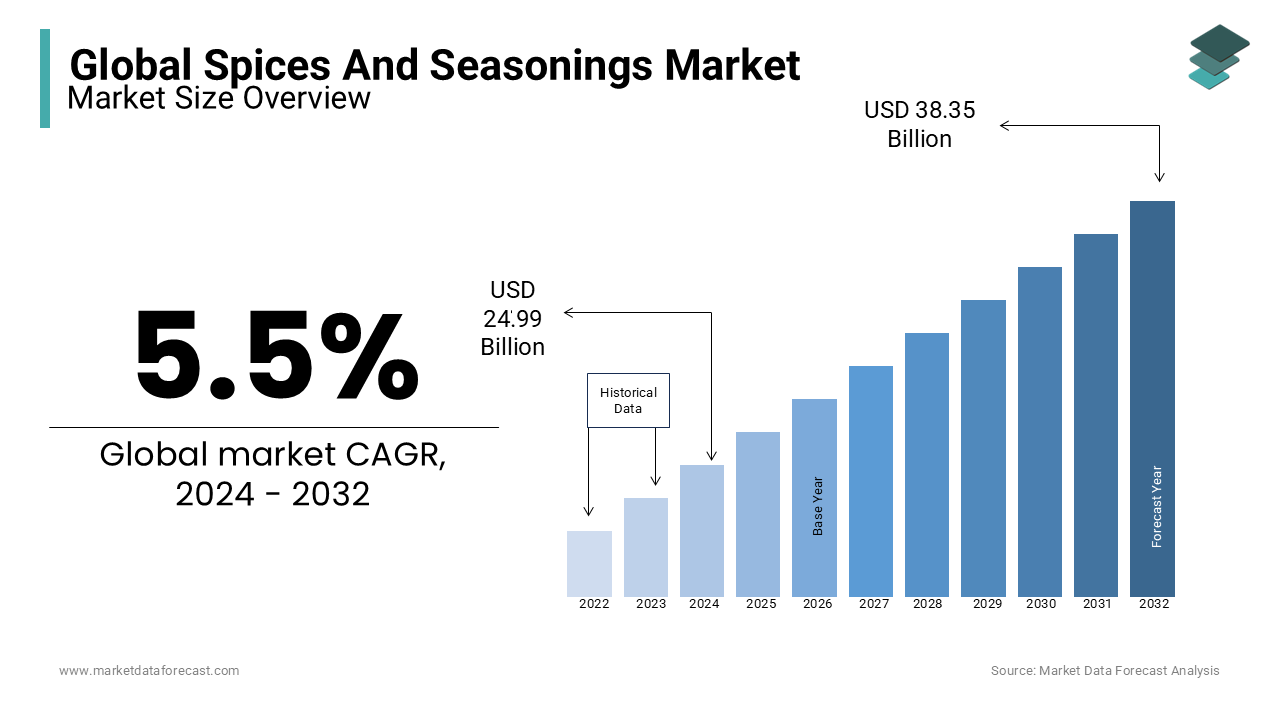
The global spices and seasonings market was valued at USD 26.38 billion in 2025, is projected to reach USD 27.83 billion in 2026, and is expected to grow significantly to USD 42.74 billion by 2034, registering a CAGR of 5.51% between 2026 and 2034. Market expansion is driven by increasing demand for flavorful and ethnic cuisines, rising consumption of convenience foods, and growing consumer interest in natural, clean-label seasonings. Rapid globalization of food cultures, growth of the food processing industry, and expanding retail availability of spice blends further support the market’s global momentum.
Key Market Trends
- Rising popularity of ethnic, specialty, and fusion cuisines worldwide.
- Growing shift toward natural, additive-free, and organic seasonings in both household and foodservice sectors.
- Expansion of processed meat, snacks, and ready-to-eat foods, boosting spice utilization.
- Increased demand for customized spice blends tailored to regional taste preferences.
- Strong export opportunities from emerging spice-producing nations.
Segmental Insights
- Based on type, pepper is widely recognized as the leading category due to its extensive culinary applications and high global consumption.
- Based on application, the meat & poultry segment is expected to remain the most dominant, driven by rising consumption of processed, marinated, and seasoned meat products.
Regional Insights
- Europe is the largest market, followed by North America, supported by high consumption levels and strong demand for imported spices.
- Europe’s reliance on foreign suppliers makes it a highly attractive destination for exporters from emerging spice-producing countries.
- Asia Pacific continues to grow due to strong production capabilities and rising use of traditional spices in packaged foods.
Competitive Landscape
The global spices and seasonings market is moderately competitive, with major players focusing on product innovation, supply chain optimization, and expansion into high-growth markets. Clean-label formulations, premium spice blends, and sustainable sourcing are key strategic priorities.
Key players in the global spices and seasonings market include:
The Kraft Heinz Company, Kerry Group, B&G Foods, Sensient Natural Ingredients, McCormick & Company, Associated British Foods, Olam International Limited, Ajinomoto Co., Inc., Dohler Group, and Everest.
Global Spices and Seasonings Market Size
The Global Spices and Seasonings market size was valued at USD 26.38 billion in 2025. The global market size is expected to reach USD 42.74 billion in 2034 from USD 27.83 billion in 2026, with a CAGR of 5.51% between 2025 and 2034.
Spices and Seasonings encompasses a diverse array of aromatic plant substances, including seeds, fruits, roots, barks, and leaves, used to flavor, color, and preserve food. This sector also includes blended seasonings and herb mixes designed to enhance culinary experiences across various cuisines. The market is fundamentally driven by the intrinsic human desire for flavorful nutrition and the cultural significance of food preparation. According to the Food and Agriculture Organization of the United Nations, spices play a critical role in reducing food waste by masking spoilage odors and extending shelf life through natural antimicrobial properties. Furthermore, the World Health Organization emphasizes the medicinal value of many spices, such as turmeric and ginger, which contain bioactive compounds known to reduce inflammation and boost immunity. As per the United States Department of Agriculture, household expenditure on spices and seasonings has risen consistently, reflecting a shift towards home cooking and gourmet experimentation. The definition extends beyond traditional whole and ground spices to include organic blends, ethnic mixes, and clean label ingredients free from artificial additives. Consumer preferences are increasingly influenced by health consciousness, leading to demand for low sodium and sugar free seasoning alternatives. The industry operates within a complex global supply chain where sourcing transparency and sustainability are becoming paramount. Regulatory bodies strictly monitor pesticide residues and microbial contamination, ensuring product safety. This dynamic landscape positions spices not merely as culinary adjuncts but as essential components of healthy, sustainable, and culturally rich dietary patterns worldwide.
MARKET DRIVERS
Rising Global Prevalence of Lifestyle Diseases and Health Consciousness
The rising incidence of lifestyle related diseases, such as hypertension, diabetes, and obesity is a significant factor driving the growth of the spices and seasonings market. Consumers are actively seeking healthier alternatives to salt, sugar, and artificial flavor enhancers to manage these conditions without compromising taste. Spices such as turmeric, cinnamon, and garlic are renowned for their anti-inflammatory and blood sugar regulating properties. According to the World Health Organization, noncommunicable diseases kill 41 million people each year, equivalent to 74% of all deaths globally, prompting an urgent shift towards preventive nutrition. The American Heart Association recommends using herbs and spices to reduce sodium intake, which is a major contributor to high blood pressure. As per the Centers for Disease Control and Prevention, about 90% of Americans aged 2 years and older consume too much sodium, largely from processed foods, driving demand for homemade meals seasoned with natural ingredients. This health driven demand is further amplified by the growing popularity of functional foods where spices are valued for their therapeutic benefits. Nutritionists and dietitians increasingly advocate for spice rich diets to enhance metabolic health and immune function. The perception of spices as natural preservatives also appeals to consumers avoiding synthetic additives. Consequently, manufacturers are innovating with specialized blends targeting specific health needs, such as heart health or digestion. This alignment with medical advice and public health campaigns validates the product's utility, encouraging regular consumption and market expansion.
Cultural Diversification and Growing Interest in Ethnic Cuisines
The increasing globalization and cultural exchange have fueled a profound interest in ethnic cuisines, which is further contributing to the spices and seasonings market expansion. Consumers are increasingly adventurous in their culinary choices, seeking to replicate international flavors at home. According to the United Nations Department of Economic and Social Affairs, international migration and tourism have facilitated the spread of culinary traditions, making dishes like Indian curries, Mexican tacos, and Thai stir fries mainstream in Western households. The National Restaurant Association reports that ethnic cuisines continue to be a top trend in the food service industry, influencing home cooking habits. As per NielsenIQ, sales of international spice blends have outpaced traditional single spices, reflecting this desire for convenience and authenticity. Social media platforms and cooking shows further amplify this trend by exposing audiences to diverse culinary techniques and ingredient combinations. The availability of ready to use spice mixes lowers the barrier to entry for home cooks unfamiliar with complex flavor profiles. Retailers respond by expanding their international food aisles, offering a wide variety of regional spices. This cultural appreciation transforms spices from basic commodities into essential tools for culinary exploration. The demand for authenticity drives imports from traditional producing regions, supporting global trade. As consumers seek to connect with different cultures through food, the market for diverse and exotic spices continues to grow robustly.
MARKET RESTRAINTS
Volatility in Raw Material Prices and Supply Chain Disruptions
The inherent volatility in raw material prices caused by climatic uncertainties and geopolitical instability is primarily hampering the growth of the spices and seasonings market. Spices are agricultural products highly susceptible to weather conditions, such as droughts, floods, and unseasonal rains, which can devastate crops. According to the Food and Agriculture Organization of the United Nations, climate change is expected to increase the frequency of extreme weather events, threatening global spice production, particularly in key regions like India, Vietnam, and Indonesia. These disruptions lead to sudden supply shortages and price spikes, affecting profitability for manufacturers and retailers. The World Bank highlights that commodity price volatility poses a major risk to food security and economic stability in developing nations. Additionally, geopolitical tensions and trade restrictions can disrupt supply chains, causing delays and increased logistics costs. For instance, conflicts in major transit routes can hinder the timely delivery of perishable goods. As per the International Trade Centre, smallholder farmers who produce the majority of the world’s spices often lack the resources to mitigate these risks, leading to inconsistent quality and quantity. Manufacturers struggle to maintain stable pricing for consumers while absorbing fluctuating input costs. This unpredictability complicates long term planning and inventory management. Consequently, the market faces margin pressures and potential supply gaps that can dampen consumer confidence and limit growth opportunities in price sensitive segments.
Strict Regulatory Standards and Food Safety Concerns
Stringent regulatory standards regarding food safety and contamination are also hindering the expansion of the spices and seasonings market. Spices are prone to contamination by pathogens such as Salmonella and E. coli, as well as chemical contaminants like pesticide residues and heavy metals. According to the European Food Safety Authority, spices and herbs are among the food categories most frequently notified for safety concerns in the Rapid Alert System for Food and Feed. Compliance with these rigorous standards requires extensive testing and quality control measures, which increase operational costs for producers and exporters. The United States Food and Drug Administration implements strict import alerts and inspections for spices, ensuring they meet safety criteria before entering the market. As per the Centers for Disease Control and Prevention, nearly 1 million people in the United States get sick from eating contaminated spices and herbs every year, prompting heightened scrutiny and regulatory enforcement. Non compliance can result in product recalls, fines, and reputational damage, which are detrimental to brand equity. Small and medium enterprises often lack the financial resources to implement advanced safety protocols, limiting their market access. Additionally, varying regulations across different countries create complexity for global traders, requiring multiple certifications and adaptations. These barriers raise entry costs and slow down product launches. Consumer awareness of food safety issues further intensifies pressure on manufacturers to ensure purity. Consequently, the market faces ongoing challenges in balancing cost efficiency with rigorous safety compliance.
MARKET OPPORTUNITIES
Expansion of Organic and Clean Label Product Lines
The growing consumer preference for organic and clean label products is a significant opportunity for the spices and seasonings market. Shoppers are increasingly scrutinizing ingredient lists, seeking products free from synthetic pesticides, additives, and irradiation. According to the Research Institute of Organic Agriculture, global organic farmland has expanded significantly, with spices being a key category due to their high value and health associations. The United States Department of Agriculture organic certification provides a trusted label that commands premium pricing and fosters consumer loyalty. As per NielsenIQ, sales of organic packaged foods, including spices, have grown consistently, outpacing conventional counterparts. Manufacturers can capitalize on this trend by sourcing directly from certified organic farms and emphasizing transparency in their supply chains. Clean label seasonings that use natural ingredients for flavor enhancement, rather than artificial MSG or preservatives, appeal to health conscious demographics. Retailers are dedicating more shelf space to organic sections, reflecting this demand. Marketing campaigns highlighting the environmental and health benefits of organic farming resonate with eco conscious consumers. Additionally, the rise of e commerce facilitates direct to consumer sales, allowing brands to educate shoppers about their sourcing practices. By aligning with the clean label movement, companies can differentiate their products and capture higher margins. This shift towards purity and sustainability offers a robust pathway for market expansion and brand differentiation.
Innovation in Convenient and Functional Spice Blends
Innovation in convenient and functional spice blends offers a lucrative opportunity for the spices and seasonings market, which is catering to busy lifestyles and specific health needs. Consumers seek easy to use solutions that simplify cooking while delivering nutritional benefits. According to the International Food Information Council, approximately 52% of consumers say convenience is a top priority for modern shoppers, driving demand for ready to use seasoning mixes. Manufacturers are developing blends tailored for specific dietary requirements, such as keto, paleo, or low sodium diets. As per the Global Wellness Institute, the wellness economy is valued at $5.6 trillion and values functional foods that support health goals, creating demand for spices with added benefits like immunity boosting or digestive aid properties. Ready to cook kits and marinades reduce preparation time, appealing to working professionals and young families. Collaborations with chefs and nutritionists help create unique flavor profiles that stand out in crowded markets. Packaging innovations, such as resealable pouches and single serve sachets, enhance convenience and freshness. Retailers promote these innovative products through prominent displays and recipe suggestions. The integration of technology in packaging, such as QR codes linking to cooking videos, further engages consumers. By focusing on convenience and functionality, brands can attract new customer segments and increase usage frequency. This strategic innovation transforms spices from basic ingredients into essential lifestyle products, driving sustained growth.
MARKET CHALLENGES
Adulteration and Quality Integrity Issues
Adulteration remains a persistent challenge in the spices and seasonings market, which is undermining consumer trust and posing health risks. Unscrupulous suppliers often mix inferior or non edible substances with high value spices to increase volume and profits. According to the United States Pharmacopeia, spice adulteration is a significant economic fraud issue, with cases involving lead chromate in turmeric and Sudan dyes in chili powder. These contaminants pose serious health hazards, including toxicity and allergic reactions. The Food and Drug Administration regularly issues warnings and recalls for adulterated spice products, highlighting the severity of the problem. As per the European Commission Rapid Alert System for Food and Feed, roughly 50% of analyzed samples of certain herbs and spices were suspected of being adulterated, with many notifications relating to undeclared allergens and illegal dyes in imported spices. Detecting adulteration requires sophisticated testing methods, which are costly and not always accessible to smaller producers. This lack of transparency damages brand reputation and discourages consumers from purchasing certain spice varieties. Regulatory agencies struggle to monitor the vast and fragmented supply chain effectively. International trade complications arise when exporting countries fail to meet importing nations' safety standards. Consumers become skeptical of product quality, leading to decreased sales for legitimate businesses. Ensuring purity requires rigorous supply chain oversight and investment in traceability technologies. Until effective measures are universally adopted, adulteration will continue to threaten market integrity and consumer confidence.
Climate Change Impact on Agricultural Yield and Quality
Climate change poses a major challenge to the spices and seasonings market, by affecting the yield and quality of spice crops globally. Rising temperatures, changing rainfall patterns, and extreme weather events disrupt growing conditions for sensitive plants. According to the Intergovernmental Panel on Climate Change, agricultural productivity in tropical regions, where most spices are grown, is highly vulnerable to climate variability. Droughts can reduce essential oil content in herbs, diminishing flavor potency, while excessive rain promotes fungal infections. The Food and Agriculture Organization of the United Nations reports that climate induced stressors are already impacting crop yields in major producing countries like India and Vietnam. As per the World Bank, more than 80% of the world's food is produced by smallholder farmers, who dominate spice production and lack the resources to adapt to these changes through irrigation or resistant varieties. This leads to inconsistent supply and fluctuating quality, affecting downstream manufacturers. Changing growing seasons complicate harvest planning and logistics. Additionally, pests and diseases thrive in warmer climates, further threatening crop health. These agricultural challenges increase production costs and reduce profitability. Manufacturers face difficulties in securing consistent raw materials meeting quality standards. Long term sustainability of spice cultivation is at risk, requiring urgent investment in climate resilient farming practices. Without adaptation strategies, the market will face ongoing supply instability and quality degradation.
REPORT COVERAGE
| REPORT METRIC | DETAILS |
| Market Size Available | 2025 to 2034 |
| Base Year | 2025 |
| Forecast Period | 2026 to 2034 |
| CAGR | 5.51% |
| Segments Covered | By Type, Application, and Region |
| Various Analyses Covered | Global, Regional and Country Level Analysis; Segment-Level Analysis; DROC; PESTLE Analysis; Porter’s Five Forces Analysis; Competitive Landscape; Analyst Overview of Investment Opportunities |
| Regions Covered | North America, Europe, APAC, Latin America, Middle East & Africa |
| Market Leaders Profiled | The Kraft Heinz Company, Kerry Group, B&G Foods, Sensient Natural Ingredients, McCormick & Company, Associated British Foods, Olam International Limited, Ajinomoto Co., Inc, Dohler Group, Everest |
SEGMENTAL ANALYSIS
By Type Insights
The pepper segment led the market by accounting for 19.1% of the global market share in 2025. The dominance of pepper segment in the global market is driven by its status as the most widely traded spice globally and its ubiquitous presence in cuisines across all continents. Black pepper is often referred to as the king of spices, due to its ability to enhance the flavor of virtually any savory dish. According to the International Pepper Community, global production of pepper exceeds 500,000 metric tons annually, with Vietnam, India, and Brazil being the largest producers. The versatility of pepper in both whole and ground forms makes it indispensable in household kitchens and industrial food processing. As per the United States Department of Agriculture, pepper accounts for the highest volume of spice imports in North America, reflecting its consistent demand. The spice contains piperine, which not only adds heat but also enhances the bioavailability of other nutrients, such as curcumin from turmeric. This functional benefit further cements its role in health conscious diets. Retailers maintain extensive shelf space for various pepper varieties, including black, white, and green, ensuring high visibility and accessibility. The stable supply chain and established agricultural practices for pepper cultivation contribute to its market leadership. Unlike more volatile niche spices, pepper offers consistent availability and pricing, making it a staple commodity. Its deep integration into global culinary traditions ensures that demand remains inelastic and robust, regardless of economic fluctuations.
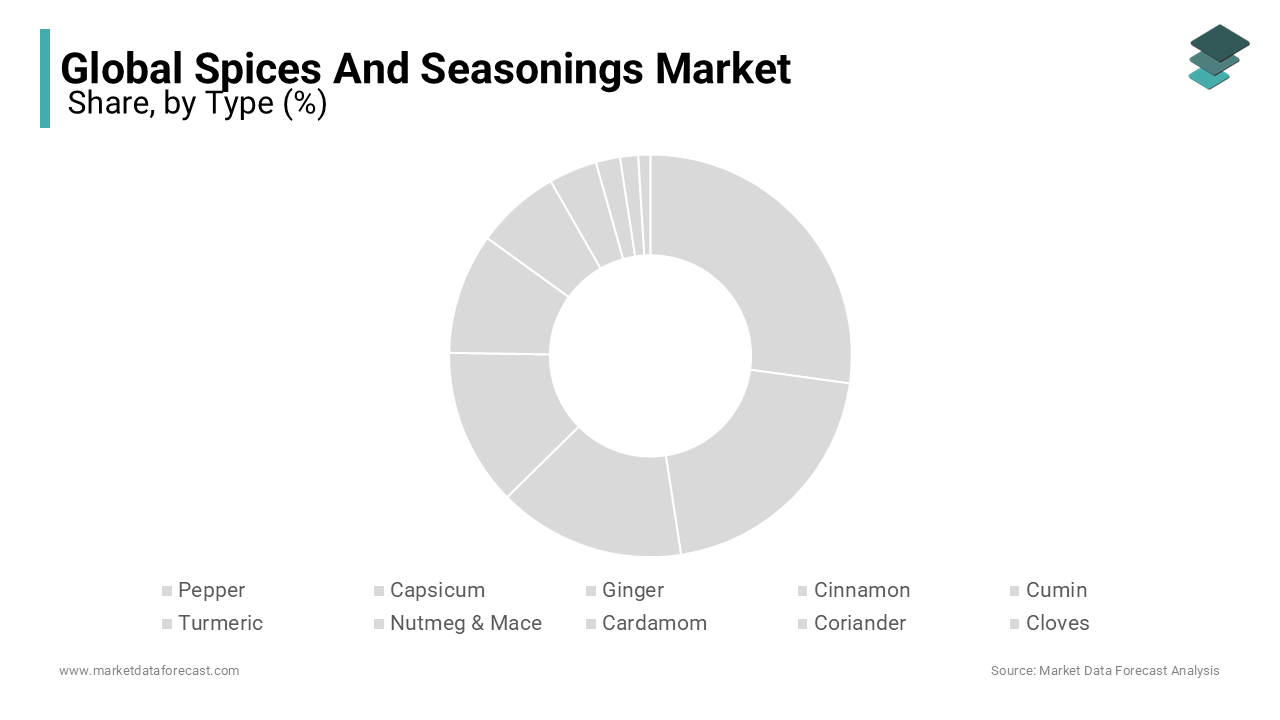
However, the turmeric segment is a promising segment and is estimated to register a CAGR of 10.4% over the forecast period in the global spices and seasonings market during the forecast period owing to the increasing scientific validation of curcumin, the active compound in turmeric, for its potent anti-inflammatory and antioxidant properties. Consumers are increasingly incorporating turmeric into their daily diets to manage chronic conditions, such as arthritis and metabolic syndrome. According to the National Institutes of Health, more than 15,000 peer reviewed articles have been published on curcumin, highlighting the therapeutic potential of curcumin in reducing markers of inflammation and oxidative stress. The rise of the wellness industry has popularized golden milk and turmeric lattes, driving demand in the beverage sector. As per the Global Wellness Institute, the global wellness economy values preventive health measures, significantly boosting sales of functional ingredients like turmeric. The food and beverage industry is innovating with turmeric fortified products, including snacks, juices, and supplements. Retailers are expanding their organic and specialty spice sections to accommodate this surge in interest. Marketing campaigns emphasizing the natural healing properties of turmeric resonate strongly with health conscious demographics. The shift towards plant based remedies and holistic health practices further supports this growth trajectory. Additionally, the cosmetic industry is utilizing turmeric for its skin brightening effects, creating cross sector demand. This multifaceted utility ensures that turmeric remains the fastest growing spice segment.
By Application Insights
The meat & poultry segment led the market by holding 33.5% of the global market share in 2025.the growth of the meat and poultry segment in the global market is attributed to the critical role spices play in masking off flavors, enhancing taste, and preserving meat products. Spices such as pepper, garlic powder, and paprika are essential in marinades, rubs, and processed meat formulations. According to the Food and Agriculture Organization of the United Nations, global meat production is estimated to reach 374 million tonnes by 2030, necessitating effective seasoning solutions. The antimicrobial properties of many spices help extend the shelf life of meat products, reducing food waste. As per the North American Meat Institute, the use of natural antioxidants from spices is increasing as manufacturers seek to replace synthetic preservatives. Consumer preference for flavorful and convenient meat options drives the demand for pre seasoned products. Retailers offer a wide variety of meat specific spice blends, catering to diverse culinary preferences. The growth of the quick service restaurant sector further amplifies demand for consistent and high quality seasoning mixes. Industrial meat processors rely on standardized spice formulations to ensure product uniformity and brand loyalty. The intrinsic link between meat preparation and spicing ensures that this segment remains the largest application area. Innovation in clean label meat seasonings also supports continued growth, as consumers seek transparency in ingredient lists.
On the other hand, the snacks & convenience food segment is estimated to experience a promising CAGR of 9.2% over the forecast period in the global market owing to the rapid urbanization and changing lifestyles that favor quick and easy meal options. Consumers are increasingly seeking flavorful snacks, such as chips, crackers, and extruded products, that offer intense taste experiences. According to NielsenIQ, the global snack food market is expanding, with savory snacks growing at a significant rate and flavored variants driving the majority of sales growth. Spice manufacturers are developing innovative seasoning coatings that adhere well to snack surfaces and provide bold flavors. As per the International Food Information Council, about 25% of consumers report snacking multiple times a day, which is a top priority for modern shoppers, leading to higher consumption of ready to eat foods. The rise of e commerce facilitates the distribution of niche and exotic snack flavors to broader audiences. Manufacturers are experimenting with global flavor profiles, such as sriracha, kimchi, and peri peri, to attract adventurous eaters. Health conscious snacking trends are also driving demand for baked and air fried snacks seasoned with natural herbs and spices. Retailers are dedicating more shelf space to premium and artisanal snack options. This dynamic environment encourages continuous innovation in seasoning technologies and flavor combinations. The alignment of spices with the convenience food trend ensures sustained high growth for this application segment.
REGIONAL ANALYSIS
Asia Pacific Spices and Seasonings Market Analysis
Asia Pacific accounted for the largest share of 44.7% of the global market in 2025. Asia-pacific is home to major spice producing countries, such as India, China, and Vietnam, which dominate global supply chains. According to the Spices Board, India exported over 1.5 million tons of spices and spice products during the 2023 2024 period, and is the largest producer, consumer, and exporter of spices in the world, accounting for nearly half of global spice trade. The cultural significance of spices in Asian cuisines ensures consistent domestic demand. Rising disposable incomes and urbanization are driving the consumption of processed and packaged spices. As per the Food and Agriculture Organization of the United Nations, the region benefits from favorable climatic conditions for cultivating a wide variety of spices. Government initiatives supporting agricultural exports further strengthen the market position. The growing middle class is increasingly adopting western eating habits while retaining traditional spice usage. E commerce platforms are expanding access to diverse spice products in rural and urban areas. The region serves as the primary sourcing hub for global spice companies, ensuring competitive pricing and availability. Challenges include climate change impacts on crop yields and quality consistency. However, the deep rooted culinary traditions and expanding population ensure long term market stability and growth. Asia Pacific remains the central engine of the global spice industry.
North America Spices and Seasonings Market Analysis
North America occupied a substantial share of the global spices and seasonings market in 2025. The high demand for organic and clean label spices due to health conscious consumers is boosting the North American market expansion. The United States is the largest importer of spices globally, relying heavily on supplies from Asia and Latin America. According to the United States Department of Agriculture, total spice imports into the United States have reached a value of over $2 billion annually, and consumer preference for ethnic cuisines has surged, driving demand for authentic spice blends. The prevalence of lifestyle diseases has prompted a shift towards using spices as salt substitutes. As per the National Restaurant Association, roughly 75% of consumers say they enjoy exploring new flavors, which is a dominant trend in the food service industry, influencing home cooking habits. Retailers are expanding their organic spice sections to meet growing demand. The region is a hub for innovation in spice extraction and formulation technologies. Strict regulatory standards ensure high product quality and safety. The growing popularity of home cooking and gourmet experiences further boosts market growth. Challenges include supply chain disruptions and price volatility. However, the strong purchasing power and diverse demographic profile support sustained demand. North America remains a key market for premium and value added spice products.
Europe Spices and Seasonings Market Analysis
Europe represents a mature and sophisticated market for spices and seasonings globally. Europe is driven by stringent food safety regulations and a strong preference for organic and sustainable products. Germany, France, and the United Kingdom are the largest consumers, importing significant volumes of spices from around the world. According to the European Spice Association, the European Union imports more than 500,000 tonnes of spices and herbs annually, and the demand for ethically sourced and fair trade spices is rising among European consumers. The influence of multicultural populations has diversified culinary preferences, increasing demand for exotic spices. As per the European Commission, strict limits on pesticide residues and contaminants shape import requirements and production standards. The region is a leader in spice processing and blending technologies. Retailers focus on transparency and traceability in their supply chains. The growth of the plant based diet trend supports the use of spices for flavor enhancement. Challenges include high compliance costs and competition from private label brands. However, the commitment to quality and sustainability ensures steady market growth. Europe remains a critical market for high value and certified organic spices.
Latin America Spices and Seasonings Market Analysis
Latin America is predicted to account for a notable share of the global spices and seasonings market during the forecast period owing to the rich culinary traditions and abundant local spice production. Mexico, Brazil, and Peru are key players, known for their unique chili peppers and indigenous herbs. According to the Inter American Institute for Cooperation on Agriculture, the region is a major exporter of capsicum and other tropical spices. Domestic consumption is driven by the integral role of spices in traditional dishes. Urbanization and economic growth are increasing demand for packaged and branded spices. As per the Economic Commission for Latin America and the Caribbean, rising middle class incomes are shifting preferences towards convenient and premium products. Local manufacturers are investing in modern processing facilities to improve quality and shelf life. Export opportunities are expanding due to global interest in Latin American flavors. Challenges include infrastructure limitations and regulatory inconsistencies across countries. However, the vibrant food culture and agricultural potential offer significant growth opportunities. Latin America is emerging as an important supplier and consumer in the global spice market.
Middle East and Africa Spices and Seasonings Market Analysis
The Middle East and Africa region is expected to exhibit a steady CAGR in the global spices and seasonings market during the forecast period owing to the traditional culinary practices that heavily rely on aromatic spices, such as cumin, coriander, and cardamom. Countries like Egypt, Morocco, and South Africa are notable producers and consumers. According to the Food and Agriculture Organization of the United Nations, the region has a long history of spice trade and usage. Growing populations and urbanization are increasing demand for processed food products. As per the African Union Agenda 2063, agricultural development initiatives are supporting spice cultivation and export capabilities. The hospitality and tourism sectors drive demand for high quality spices in hotels and restaurants. Import dependence remains high for certain spices not locally produced. Challenges include political instability and logistical barriers affecting trade flows. However, the cultural importance of spices ensures consistent domestic demand. Emerging markets in the Gulf Cooperation Council countries are driving premiumization trends. The region offers potential for growth as infrastructure improves and trade agreements expand.
COMPETITIVE LANDSCAPE
The competition in the Spices and Seasonings Market is highly fragmented and intense characterized by a mix of multinational corporations and numerous local regional players. Large companies leverage their global distribution networks economies of scale and strong brand recognition to dominate mainstream retail channels. They compete on product innovation quality consistency and supply chain reliability. Smaller local producers differentiate themselves through authentic regional flavors artisanal quality and direct community connections. Price competition is significant particularly in commodity spices where margins are thin. Innovation in clean label organic and sustainable packaging serves as a key differentiator for premium brands. Regulatory compliance regarding food safety and labeling creates barriers to entry and operational complexities. Mergers and acquisitions are common strategies for consolidation and market expansion. Digital platforms enable niche brands to reach broader audiences bypassing traditional retail gatekeepers. Consumer preference for transparency and ethical sourcing influences competitive dynamics. Companies must continuously adapt to changing culinary trends and health consciousness to maintain relevance. This dynamic environment requires agility innovation and strategic foresight to sustain growth and profitability in the evolving global spices landscape.
KEY MARKET PLAYERS
Some of the notable companies in the global spices and seasonings market are
- The Kraft Heinz Company
- Kerry Group
- B&G Foods
- Sensient Natural Ingredients
- McCormick & Company
- Associated British Foods
- Olam International Limited
- Ajinomoto Co., Inc.
- Dohler Group
- Everest
Top Players in the Market
- McCormick and Company Incorporated stands as a global leader in the spices herbs and seasonings industry with a vast portfolio of consumer and industrial brands. The company leverages its extensive supply chain network to source high quality ingredients from around the world ensuring consistent flavor profiles. Recent actions include strategic acquisitions of emerging flavor brands to diversify its product offerings and appeal to changing consumer tastes. McCormick invests heavily in research and development to create innovative seasoning blends that cater to health conscious and ethnic cuisine preferences. The company strengthens its market position through robust digital marketing campaigns and partnerships with retail giants. By focusing on sustainability and responsible sourcing McCormick enhances its brand reputation. Its ability to adapt to global culinary trends while maintaining operational efficiency ensures long term growth and leadership in the competitive global spices landscape.
- Kerry Group plc is a prominent player in the taste and nutrition sector providing specialized spice and seasoning solutions to food manufacturers globally. The company focuses on delivering customized flavor systems that enhance the sensory experience of processed foods and meals. Recent actions involve expanding its production facilities in key markets to improve supply chain resilience and meet growing demand. Kerry Group actively collaborates with customers to develop clean label and natural seasoning options aligning with health trends. The company utilizes advanced proprietary technologies to optimize flavor delivery and stability in various food applications. By prioritizing innovation and customer centric solutions Kerry Group strengthens its competitive edge. Its commitment to sustainability and ethical sourcing further bolsters its reputation among global food brands. This strategic approach enables Kerry Group to maintain a strong presence in the dynamic B2B spices and seasonings market.
- Ajinomoto Co Inc is a major global corporation known for its expertise in amino acids and seasoning products including spices and savory blends. The company plays a crucial role in enhancing umami flavors in food products through its proprietary technologies and ingredient innovations. Recent actions include launching new plant based seasoning lines to cater to the rising demand for vegetarian and vegan options. Ajinomoto expands its footprint in emerging markets by establishing local production units and distribution networks. The company invests in sustainable agriculture practices to secure raw material supplies and reduce environmental impact. By leveraging its scientific expertise Ajinomoto develops functional seasonings that offer health benefits beyond taste. Strategic partnerships with food service providers and retailers enhance brand visibility. These initiatives strengthen its market position and drive growth in the diverse and evolving global spices and seasonings industry.
Top Strategies Used by the Key Market Participants
Key players in the Spices And Seasonings Market primarily focus on vertical integration to control supply chains and ensure consistent quality of raw materials. Companies invest heavily in research and development to create innovative clean label and organic product lines. Strategic acquisitions of niche brands allow expansion into diverse flavor profiles and geographic markets. Partnerships with local farmers promote sustainable sourcing and community engagement. Digital marketing and e commerce platforms enhance direct consumer engagement and brand loyalty. Expansion into emerging markets capitalizes on rising disposable incomes and changing dietary habits. Compliance with strict food safety regulations builds trust and mitigates risks. These strategies collectively enable participants to navigate volatility and maintain competitiveness in a fragmented global industry.
MARKET SEGMENTATION
This research report on the global spices and seasonings market has been segmented and sub-segmented based on type, application, and region.
By Type
- Pepper
- Capsicum
- Ginger
- Cinnamon
- Cumin
- Turmeric
- Nutmeg & Mace
- Cardamom
- Coriander
- Cloves, and Others
By Application
- Meat & Poultry
- Snacks & Convenience Food
- Soups
- Sauces and Dressings
- Bakery & Confectionery
- Frozen Products
By Region
- North America
- Europe
- Asia Pacific
- Latin America
- Middle East Africa