- Product Description Description
- Table of Contents TOC
- List of Table & Figure LOT
- Get Free Sample PDF Sample PDF
Market Size, 2025
$867 MnMarket Estimate, 2026
$916.85 MnMarket Forecast, 2034
$1,434 MnCAGR, 2026–2034
5.75%Executive Summary: Surface Plasmon Resonance Market
- Market Scope: Comprehensive global market analysis covering products, applications, regional leadership frameworks, and label-free biomolecular interaction metrics for surface plasmon resonance (SPR).
- Market Valuation: Valued at USD 867 million (2025), estimated at USD 916.85 million (2026), and projected to reach USD 1,434 million by 2034, registering a robust CAGR of 5.75% (2026–2034).
- Primary Growth Drivers: Increasing healthcare expenditure, rising chronic disease incidences, rapid adoption of label-free detection techniques in biotech and pharma, expanding clinical research funding, and microfluidics/imaging advancements. Market challenges include system costs and operational complexities, while opportunities lie in drug discovery applications, single-cell analysis systems, and expanding research infrastructure in emerging economies.
Key Market Segment Metrics (2026–2034)
| Category | Leading Segment (2025 Position) | Fastest-Growing Segment |
|---|---|---|
| By Product / Application | Sensor system segment (expected to hold the maximum market share as advanced optical label-free biosensors) | Drug discovery segment (predicted to attain the highest CAGR supported by pharmaceutical drug-cell interaction analysis) |
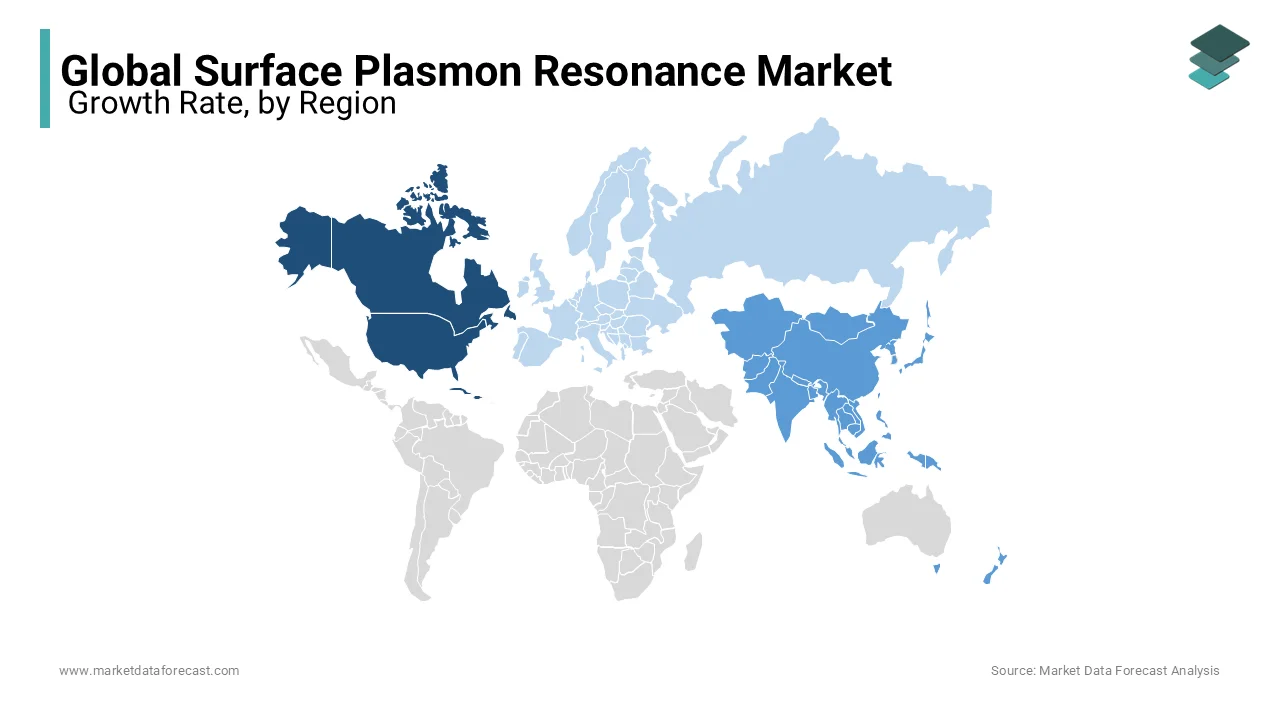
| By Region | North America (held the largest share in 2025 and anticipated to continue dominating due to high-end research funding) | Asia-Pacific (predicted to grow at an aggressive CAGR fueled by geriatric population growth and improved diagnosis in China, India, Japan, and South Korea) |
Major Market Players & Market Structure
Market Structure: Highly competitive global analytical instrumentation landscape centering on technological innovations in microfluidics, single-cell kinetic measurements (e.g., SPRm microscopy systems), and strategic seminar and technical support initiatives.
Key Companies: AMETEK Inc., General Electric Co., Bio-Rad Laboratories Inc., Biosensing Instrument Inc., Horiba Ltd., Nicoya, and Carterra, Inc.
Global Surface Plasmon Resonance Market Size
The size of the global surface plasmon resonance market was worth USD 867 million in 2025. The global market is anticipated to grow at a CAGR of 5.75% from 2026 to 2034, reaching USD 1,434 million by 2034, up from USD 916.85 million in 2026.

Surface plasmon resonance is an optical phenomenon utilized extensively for real-time, label-free detection of molecular interactions. This technology enables researchers to monitor binding events between biomolecules, such as proteins and nucleic acids, without requiring fluorescent or radioactive labels. The mechanism relies on measuring changes in the refractive index near a metal surface when molecules bind to it. As per recent scientific literature, over 80% of pharmaceutical companies now incorporate this technology into their drug discovery pipelines due to its high sensitivity and accuracy. This increased investment directly supports the adoption of advanced analytical tools, including surface plasmon resonance systems. Academic institutions worldwide have expanded their capabilities, with more than 1500 universities now possessing dedicated biosensor facilities, as stated by the International Association of Universities. The technology finds critical applications in vaccine development where rapid characterization of antigen-antibody interactions is essential. Recent advancements in miniaturization have enabled portable devices suitable for point-of-care diagnostics. These developments underscore the pivotal role of surface plasmon resonance in modern life sciences research and clinical diagnostics infrastructure across developed economies.
MARKET DRIVERS
Rising Prevalence of Chronic Diseases Drives Demand for Advanced Diagnostic Tools
The escalating burden of chronic diseases globally is majorly accelerating the growth of the surface plasmon resonance market. Cardiovascular diseases remain the leading cause of death worldwide, accounting for approximately 17.9 million deaths annually, as reported by the World Health Organization. Cancer incidence continues to rise, with an estimated 19.3 million new cases diagnosed in 2020, according to Global Cancer Observatory data. These statistics necessitate robust diagnostic platforms capable of detecting biomarkers at early stages. Surface plasmon resonance technology offers unparalleled sensitivity in identifying low-abundance proteins associated with disease progression. The technology enables real-time monitoring of drug target interactions, which accelerates therapeutic development timelines. Diabetes affects over 537 million adults globally according to International Diabetes Federation figures, creating demand for precise glucose monitoring solutions. Neurodegenerative disorders, such as Alzheimer's disease, impact nearly 55 million people worldwide, as stated by Alzheimer Disease International. Early detection through sensitive biosensors can significantly improve patient outcomes. Regulatory agencies increasingly require comprehensive characterization of biological therapeutics, which surface plasmon resonance facilitates efficiently. The growing emphasis on personalized medicine further amplifies demand for technologies that provide detailed molecular interaction profiles. Healthcare systems prioritize preventive diagnostics, driving adoption of advanced analytical instruments in clinical laboratories.
Expansion of Biopharmaceutical Research and Development Activities
The biopharmaceutical sector demonstrates robust growth trajectories that directly fuel demand for surface plasmon resonance instrumentation. The expansion of biopharmaceutical research and development activities is propelling the growth of the surface plasmon resonance market. Global biopharmaceutical research and development expenditure reached 244 billion USD in 2023, according to research. Monoclonal antibody therapies constitute a significant portion of this investment, with over 100 approved products currently available, as per FDA records. Surface plasmon resonance plays an indispensable role in characterizing antibody-antigen interactions during drug development phases. The technology provides quantitative data on binding affinity kinetics and specificity, which are critical regulatory requirements. Each biosimilar requires extensive comparability studies, where surface plasmon resonance serves as a gold standard analytical method. Vaccine development activities intensified following recent global health crises, with over 200 candidates in clinical trials, as reported by the World Health Organization. Protein-protein interaction studies form the foundation of rational drug design strategies employed by major pharmaceutical corporations. Contract research organizations expanding their service portfolios now routinely include surface plasmon resonance analysis. Academic-industrial collaborations focusing on novel therapeutic targets generate continuous demand for high-throughput screening capabilities.
MARKET RESTRAINTS
High Instrumentation Costs Limit Market Penetration in Emerging Economies
The substantial capital investment requirements for widespread adoption of surface plasmon resonance systems, particularly in resource-constrained settings is hindering the growth of the surface plasmon resonance market. Advanced configurations with automated sample handling capabilities exceed 500000 USD, which places them beyond the reach of many academic institutions and small enterprises. Maintenance contracts add recurring expenses averaging 15000 to 25000 USD annually, as per the study. Developing nations allocate limited budgets for scientific equipment, with average laboratory instrumentation spending remaining below 50000 USD per facility, according to the study. The total cost of ownership includes specialized reagents, sensor chips, and trained personnel, which further escalates the financial burden. Small and medium-sized biotechnology companies often lack sufficient capital to justify such investments despite recognizing technological benefits. Public research funding in low-income countries remains inadequate, with average government expenditure on research and development at 0.5% of GDP, as per the study. Limited availability of technical support infrastructure in remote locations compounds operational challenges. Financial constraints force many potential users to rely on centralized core facilities, creating hurdles and delaying research progress.
Technical Complexity and Requirement for Specialized Expertise
The operational sophistication associated with surface plasmon resonance systems demands highly trained personnel, which limits accessibility for many potential users. The technical complexity and requirement for specialized expertise is another factor impeding the growth of the surface plasmon resonance market. Proper instrument operation requires understanding of optical physics, surface chemistry, and data interpretation methodologies. Data analysis involves complex kinetic modeling that necessitates advanced statistical knowledge beyond basic laboratory skills. Misinterpretation of results can lead to erroneous conclusions, compromising research validity and regulatory submissions. Academic curricula rarely include comprehensive biosensor training, leaving graduates unprepared for immediate instrument operation. Experimental design requires careful consideration of immobilization strategies, buffer conditions and mass transport effects, which demand extensive experience. Sample preparation protocols must be optimized for each application, adding time and complexity to workflows. Automated systems reduce but do not eliminate the need for expert oversight, particularly when troubleshooting anomalous results.
MARKET OPPORTUNITIES
Integration with Microfluidics and Lab on Chip Platforms Presents Growth Avenues
The emergence of surface plasmon resonance with microfluidic technologies for miniaturized diagnostic devices is anticipated to foster new opportunities for the growth of the surface plasmon resonance market. Lab-on-chip systems enable sample volume reduction from milliliters to microliters, decreasing reagent consumption by 90%, according to a study. Microfluidic channels facilitate controlled laminar flow, enhancing mass transport efficiency and reducing analysis time to under 5 minutes. Smartphone-based detection platforms leverage integrated optics for field-deployable diagnostics, particularly valuable in remote healthcare settings. Environmental monitoring applications expand beyond clinical use, with water quality assessment requiring real-time contaminant detection capabilities. Food safety regulations mandate rapid pathogen screening, where portable surface plasmon resonance devices offer advantages over traditional culture methods. Integration with artificial intelligence algorithms enables automated pattern recognition, improving diagnostic accuracy. Multiplexing capabilities allow simultaneous detection of multiple analytes, increasing throughput and information density.
Emerging Applications in Environmental Monitoring and Food Safety
The expanding regulatory requirements for environmental protection and food safety for surface plasmon resonance technology deployment are also driving growth opportunities for the growth of the surface plasmon resonance market. Water contamination affects 2 billion people globally, according to United Nations Water reports, driving demand for sensitive pollutant detection methods. Pesticide residues in food products must comply with maximum residue limits established by regulatory bodies, such as the European Food Safety Authority. Traditional analytical methods like chromatography require extensive sample preparation and skilled operators, whereas surface plasmon resonance offers rapid screening capabilities. Heavy metal detection in industrial effluents presents another application area with strict discharge regulations enforced worldwide. Allergen identification in processed foods requires sensitive methods capable of detecting trace amounts below 1 part per million. Surface plasmon resonance biosensors achieve detection limits suitable for regulatory compliance while providing results within minutes. Agricultural runoff monitoring helps prevent eutrophication events that damage aquatic ecosystems. Soil contamination assessment benefits from portable devices enabling field measurements without laboratory transport delays. Climate change impacts on water quality increase urgency for continuous monitoring networks.
MARKET CHALLENGES
Standardization and Reproducibility Issues Across Different Platforms
Lack of universal standardization protocols for data comparability across different surface plasmon resonance instruments and laboratories poses a major challenge for the growth of the surface plasmon resonance market. Variations in sensor chip surface chemistry immobilization techniques and buffer compositions lead to inconsistent results even when analyzing identical samples. Regulatory submissions require demonstration of method validation, which becomes complicated when no universally accepted reference standards exist. Different manufacturers employ proprietary algorithms for data fitting and kinetic analysis, producing divergent parameter estimates from the same raw data. The absence of certified reference materials for complex biological interactions hinders quality control efforts. Method transfer between instruments from different vendors often requires complete revalidation, consuming considerable time and resources. Scientific publications frequently omit detailed experimental parameters, making replication of studies difficult for other researchers. Quality assurance programs struggle to establish meaningful benchmarks without standardized operating procedures. Harmonization efforts by international organizations progress slowly with limited consensus on best practices. Regulatory agencies encounter difficulties evaluating submissions based on non-standardized methodologies.
Limited Throughput Compared to Alternative High Screening Technologies
The instruments typically process samples sequentially rather than in parallel, creating throughput limitations for large-scale screening applications is additionally hindering the growth of ht esurface plasmon resonance market. Conventional systems analyze one interaction at a time, requiring several minutes per measurement cycle. High throughput screening campaigns in drug discovery evaluate hundreds of thousands of compounds, demanding rapid data acquisition capabilities. Surface plasmon resonance throughput ranges from 50 to 200 samples per day depending on configuration, as per manufacturer specifications. This disparity restricts application primarily to secondary screening and detailed characterization rather than primary hit identification. Parallel processing instruments exist but cost significantly more and still lag behind optical plate reader capacities. Sample injection systems require cleaning cycles between analyses, adding dead time to overall workflow. Buffer optimization for each new target molecule consumes additional time before actual screening begins. Fragment-based drug discovery approaches generate large compound libraries where low throughput becomes prohibitive. Academic researchers conducting systematic interaction mapping face project timeline extensions due to instrumental limitations. Contract research organizations charge premium rates for surface plasmon resonance services reflecting the time-intensive nature of experiments. Automation improvements have enhanced efficiency, but fundamental physical constraints limit maximum achievable throughput.
REPORT COVERAGE
| REPORT METRIC | DETAILS |
| Market Size Available | 2025 to 2034 |
| Base Year | 2025 |
| Forecast Period | 2026 to 2034 |
| Segments Covered | By Product, Application, and Region. |
| Various Analyses Covered | Global, Regional and Country-Level Analysis, Segment-Level Analysis, Drivers, Restraints, Opportunities, Challenges; PESTLE Analysis; Porter’s Five Forces Analysis, Competitive Landscape, Analyst Overview of Investment Opportunities |
| Regions Covered | North America, Europe, APAC, Latin America, Middle East & Africa |
| Market Leaders Profiled | AMETEK, Inc., General Electric Co., Malvern Panalytical, Cytiva, Bio-Rad Laboratories Inc., Reichert Technologies, Biosensing Instrument Inc., Horiba Ltd., and Others. |
SEGMENTAL ANALYSIS
By Product Insights
The sensor system segment accounted for 48.1% of the surface plasmon resonance market share in 2025, with the core analytical component essential for detecting molecular interactions. Pharmaceutical companies prioritize high-precision sensors to ensure regulatory compliance during drug development phases. The global demand for advanced biosensors is driven by the need for real-time kinetic data, which traditional methods cannot provide efficiently. Replacement cycles for sensor modules occur every three to five years, generating consistent recurring revenue streams for manufacturers. Technological advancements, such as multi-channel detection capabilities, have increased the average selling price of premium sensor systems to over 200000 USD. Academic research institutions invest heavily in upgrading their sensor infrastructure to support collaborative projects with industrial partners. The integration of surface plasmon resonance sensors with automated liquid handling systems has further solidified their dominance by enhancing throughput and reducing human error. Regulatory guidelines from agencies like the FDA mandate rigorous characterization of biological therapeutics using validated sensor platforms. This regulatory requirement ensures sustained demand regardless of economic fluctuations.
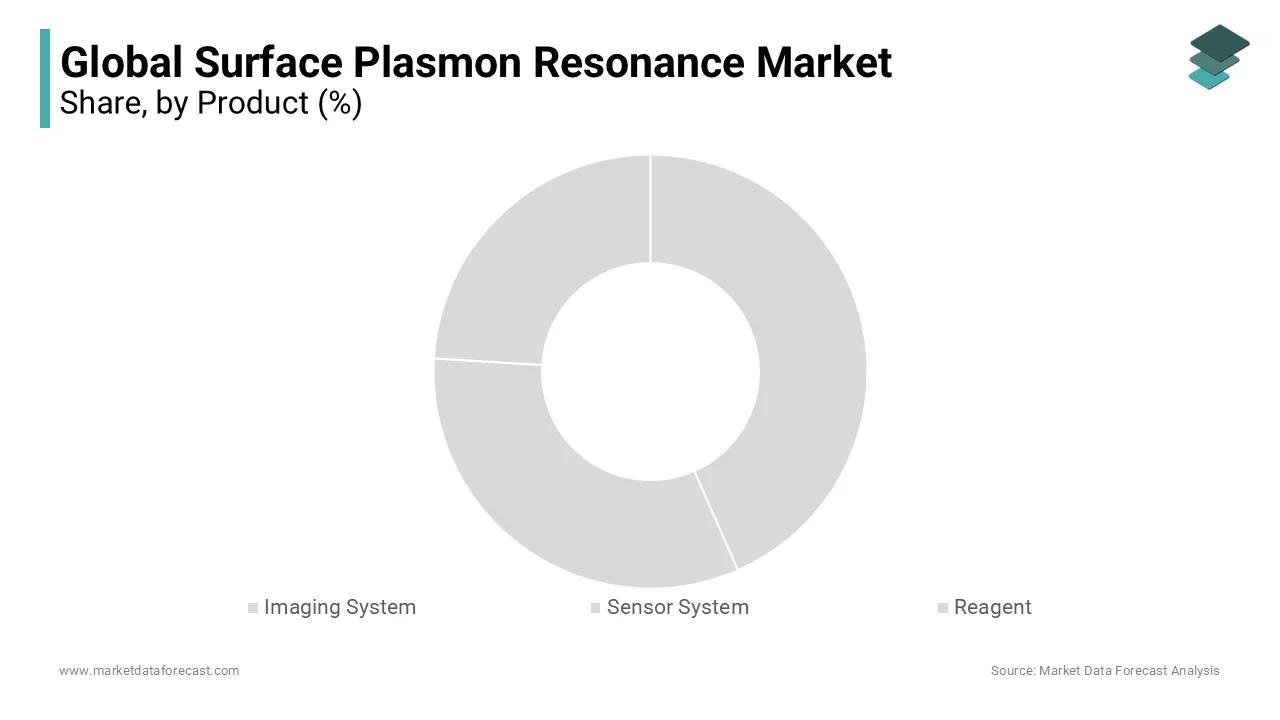
The reagent segment is estimated to grow at the fastest CAGR of 8.5% during the forecast period due to the recurring nature of consumable purchases. Each surface plasmon resonance experiment consumes specific quantities of specialized chemicals and disposable sensor surfaces, creating a steady demand cycle. The expansion of contract research organizations globally has amplified reagent consumption as these entities process high volumes of client samples daily. Sensor chip technology advancements have introduced specialized surfaces for different analyte types, requiring researchers to maintain diverse inventory stocks. Emerging applications in environmental monitoring and food safety further expand the user base beyond traditional pharmaceutical settings. Generic buffer formulations are being replaced by optimized proprietary solutions that enhance sensitivity and reduce background noise. The shift towards high-throughput screening increases the volume of reagents consumed per project timeline. Manufacturers focus on developing cost-effective bulk packages to cater to large-scale industrial users.
By Application Insights
The drug discovery application segment was the largest, accounting for 54.3% of the surface plasmon resonance market share in 2025, with the role of label-free binding analysis in identifying and optimizing potential drug candidates. Pharmaceutical companies utilize surface plasmon resonance extensively during hit identification, lead optimization, and preclinical development stages to characterize target ligand interactions. Surface plasmon resonance enables determination of binding affinity, kinetics, and stoichiometry, which are essential parameters for regulatory submissions. The rise of biologics, including monoclonal antibodies and fusion proteins, has increased reliance on this technology since these large molecules require detailed interaction profiling. Small molecule drug discovery also benefits from surface plasmon resonance through fragment-based screening approaches that identify weak binding interactions. The average drug development timeline spans 10 to 15 years, making early-stage characterization crucial for reducing late-stage failures. Contract research organizations specializing in drug discovery have integrated surface plasmon resonance into their standard service offerings to attract pharmaceutical clients. Regulatory agencies such as the European Medicines Agency require comprehensive biophysical characterization data for new molecular entities.
The biosensor application segment is projected to witness the fastest CAGR of 9.2% during the forecast period, with the expanding clinical diagnostic and point-of-care testing markets. Surface plasmon resonance technology is increasingly adapted for direct detection of disease biomarkers in clinical samples without extensive sample preparation. Recent advancements in miniaturization have enabled the development of handheld surface plasmon resonance instruments suitable for field deployment in resource-limited settings. Infectious disease outbreaks have amplified the need for rapid diagnostic tools capable of providing results within minutes rather than days. Surface plasmon resonance biosensors offer high specificity and sensitivity comparable to laboratory-based enzyme-linked immunosorbent assays but with faster turnaround times. The prevalence of chronic diseases such as diabetes and cardiovascular disorders drives demand for continuous monitoring solutions. Wearable biosensors incorporating plasmonic detection principles are emerging as viable options for real-time health tracking. Government initiatives promoting preventive healthcare encourage adoption of advanced diagnostic technologies in primary care settings. The integration of surface plasmon resonance with microfluidics allows for multiplexed detection of multiple biomarkers from small sample volumes. Food safety regulations mandating rapid pathogen detection further contribute to biosensor market expansion.
REGIONAL ANALYSIS
North America Surface Plasmon Resonance Market Analysis
North America was the top performer in the global surface plasmon resonance market by holding 30.5% of the share in 2025, with the extensive pharmaceutical research activities and advanced healthcare infrastructure. Major pharmaceutical companies headquartered in this region, including Pfizer and Johnson and Johnson, invest heavily in drug discovery technologies. The presence of leading instrument manufacturers, such as Cytiva and Malvern Panalytical, facilitates easy access to the latest technological advancements. Academic institutions in North America possess well-funded laboratories equipped with state-of-the-art surface plasmon resonance systems supporting both basic and applied research. The Food and Drug Administration's stringent regulatory requirements for biologics characterization mandate the use of validated analytical methods, including surface plasmon resonance. Collaborative research programs between universities and industry partners accelerate technology adoption and method development. The high prevalence of chronic diseases in the population drives demand for innovative therapeutic solutions requiring detailed molecular characterization. Insurance coverage for advanced diagnostic procedures supports integration of biosensor technologies in clinical settings. Strong intellectual property protection encourages innovation and commercialization of novel surface plasmon resonance applications.
Europe Surface Plasmon Resonance Market Analysis
Europe surface plasmon resonance market was positioned next, holding 28.3% of the share in 2025, with robust regulatory frameworks and substantial public research funding. Countries such as Germany, France, and the United Kingdom host major pharmaceutical manufacturing hubs that rely on surface plasmon resonance for quality control and product development. The European Medicines Agency guidelines emphasize comprehensive biophysical characterization of therapeutic proteins, driving consistent demand for analytical instruments. Academic research networks facilitate knowledge sharing and standardization of surface plasmon resonance methodologies across institutions. The region exhibits strong growth in biosimilar development with several manufacturers seeking regulatory approval for generic versions of blockbuster biologics. Surface plasmon resonance serves as a critical tool for demonstrating comparability between originator and biosimilar products. Food safety authorities enforce strict limits on contaminants requiring rapid and accurate screening technologies. The presence of specialized contract research organizations provides outsourced analytical services to smaller biotechnology firms. Government incentives for green chemistry and sustainable manufacturing processes encourage adoption of label-free detection methods that reduce chemical waste.
Asia Pacific Surface Plasmon Resonance Market Analysis
The Asia Pacific surface plasmon resonance market growth is steadily growing in coming years with rapid industrialization, increasing healthcare expenditure, and expanding pharmaceutical manufacturing capabilities. Government initiatives, such as Made in China 2025, prioritize the development of high-end scientific equipment, reducing dependency on imports. Local manufacturers are investing in research and development to produce cost-effective surface plasmon resonance systems tailored. The rising prevalence of chronic diseases in densely populated countries drives investment in drug discovery and diagnostic technologies. Japan maintains a strong position in advanced materials research utilizing surface plasmon resonance for nanotechnology applications. South Korea focuses on semiconductor and biosensor integration, leveraging its expertise in electronics manufacturing. An increasing number of clinical trials conducted in the region requires local analytical support services, reducing turnaround times for multinational pharmaceutical companies. Public-private partnerships facilitate technology transfer and capacity building in emerging economies.
Latin America Surface Plasmon Resonance Market Analysis
Latin America surface plasmon resonance market growth is likely to grow with the improving healthcare infrastructure and increasing awareness of advanced diagnostic technologies. Brazil and Mexico lead the market due to their relatively developed pharmaceutical industries and research institutions. Government health programs aim to expand access to quality medical care, driving investment in diagnostic laboratories. The region faces challenges related to budget constraints and limited availability of trained personnel, which slows adoption rates compared to developed markets. International collaborations with North American and European institutions facilitate technology transfer and training programs for local scientists. The growing burden of infectious diseases such as dengue and Zika virus creates demand for rapid diagnostic tools based on biosensor technologies. Agricultural sector applications for pesticide monitoring and soil analysis represent emerging opportunities for surface plasmon resonance devices. Local distributors partner with global manufacturers to provide technical support and maintenance services, improving customer confidence. Economic fluctuations impact purchasing decisions, causing variability in annual equipment sales. Universities in major cities establish core facilities equipped with surface plasmon resonance instruments to support regional research communities.
Middle East and Africa Surface Plasmon Resonance Market Analysis
The Middle East and Africa surface plasmon resonance market is likely to grow with the strategic investments in healthcare and research infrastructure in select countries. Gulf Cooperation Council nations, particularly Saudi Arabia and the United Arab Emirates, invest heavily in developing world-class medical cities and research parks. Vision 2030 initiatives in Saudi Arabia allocate billions of dollars towards healthcare transformation, including the establishment of advanced diagnostic centers. South Africa leads the African continent in biomedical research capacity, hosting several internationally recognized research institutes. The region relies primarily on imported instruments due to a lack of local manufacturing capabilities, creating dependence on global suppliers. Limited availability of trained technicians poses operational challenges requiring extensive training programs provided by manufacturers. Infectious disease surveillance programs utilize biosensor technologies for rapid detection of pathogens in remote areas. International aid organizations support capacity building efforts by donating equipment and providing technical assistance to public health laboratories. The growing prevalence of lifestyle-related diseases increases demand for advanced therapeutic solutions requiring detailed molecular characterization. Regional conferences and workshops promote awareness of surface plasmon resonance applications among healthcare professionals.
COMPETITIVE LANDSCAPE
The competitive landscape of the surface plasmon resonance market is characterized by intense rivalry among established multinational corporations and emerging niche players focusing on specific application segments. Innovation remains the primary differentiator as companies strive to offer superior sensitivity, throughput, and ease of use in their instruments. Price competition is moderate since customers prioritize performance and reliability over cost savings for critical research applications. Intellectual property protection plays a crucial role, with manufacturers securing patents for novel sensor designs and data analysis algorithms. Service quality, including technical support, maintenance, and training, significantly influences customer loyalty and repeat purchases. Strategic alliances between instrument manufacturers and reagent suppliers create bundled offerings that enhance value propositions for end users. Regulatory compliance capabilities serve as a key competitive factor, particularly in pharmaceutical and clinical diagnostic sectors where validation requirements are stringent.
KEY MARKET PLAYERS
Some of the companies that are playing a dominating role in the global surface plasma resonance market include
- AMETEK Inc.
- General Electric Co.
- Malvern Panalytical
- Cytiva
- Bio-Rad Laboratories Inc.
- Reichert Technologies
- Biosensing Instrument Inc.
- Horiba Ltd.
TOP PLAYERS IN THE MARKET
- Cytiva maintains a prominent position through its extensive portfolio of Biacore instruments, which are widely recognized as industry standards for biomolecular interaction analysis. The company continuously innovates by integrating artificial intelligence capabilities into its software platforms to enhance data interpretation and user experience. Recent strategic initiatives include expanding global service networks to ensure rapid technical support and instrument maintenance for research facilities worldwide. Cytiva focuses on developing high-throughput systems that cater to the growing demands of pharmaceutical companies engaged in large-scale drug discovery programs. Their commitment to sustainability is evident in the design of energy-efficient instruments and reduced waste generation through optimized reagent usage.
- Malvern Panalytical strengthens its market presence by leveraging its expertise in material characterization and combining it with advanced optical detection technologies. The company offers versatile surface plasmon resonance solutions that address both life sciences and material science applications effectively. Recent product launches feature modular designs allowing users to customize configurations based on specific research requirements and budget constraints. Malvern Panalytical invests heavily in customer training programs to bridge the skills gap and ensure optimal utilization of sophisticated instrumentation. Strategic partnerships with contract research organizations enable broader market reach and facilitate technology adoption among smaller biotechnology firms. The company emphasizes robust data security features in its software suites to protect sensitive intellectual property during collaborative research projects.
- Reichert Technologies contributes significantly by providing cost-effective and reliable surface plasmon resonance systems tailored for academic and industrial laboratories. The company focuses on user-friendly interfaces that simplify operation and reduce the learning curve for new users. Recent advancements include the development of compact instruments suitable for space-constrained environments without compromising analytical performance. Reichert Technologies actively engages in educational outreach programs to promote awareness of label-free detection benefits among emerging researchers. Their customer-centric approach involves regular software updates and feature enhancements based on direct user feedback and evolving scientific needs.
TOP STRATEGIES USED BY KEY MARKET PARTICIPANTS
Key players in the surface plasmon resonance market primarily focus on continuous product innovation to maintain competitive advantage and meet evolving customer needs. Companies invest substantially in research and development to create instruments with higher sensitivity, faster throughput, and enhanced automation capabilities. Strategic collaborations with academic institutions and pharmaceutical companies enable joint development of specialized application protocols and validation studies. Expansion into emerging countries through localized manufacturing and distribution partnerships helps capture growth opportunities in regions with increasing research investments. Mergers and acquisitions allow established players to integrate complementary technologies and broaden their product portfolios efficiently. Customer education and training programs are prioritized to address the technical complexity barrier and ensure successful instrument implementation.
MARKET SEGMENTATION
This report on the global surface plasmon resonance market has been segmented and sub-segmented based on product, application, and region.
By Product
- Imaging System
- Sensor System
- Reagent
By Application
- Drug Discovery
- Material Science
- Biosensor
By Region
- North America
- Europe
- Asia Pacific
- Latin America
- The Middle East and Africa