- Product Description Description
- Table of Contents TOC
- List of Table & Figure LOT
- Get Free Sample PDF Sample PDF
Market Size, 2025
$192.8 BnMarket Estimate, 2026
$205.2 BnMarket Forecast, 2034
$337.3 BnCAGR, 2026–2034
6.41%Global Tomato Market Report Summary
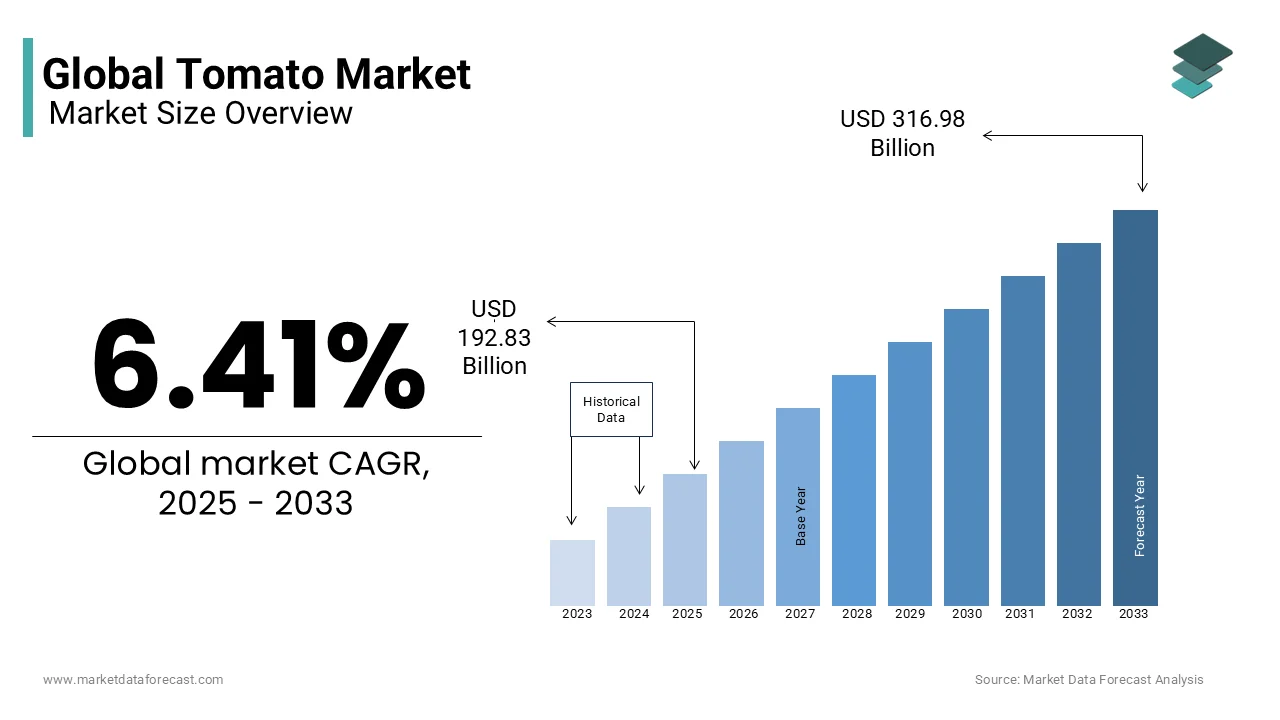
The global tomato market was valued at USD 192.82 billion in 2025, is estimated to reach USD 205.18 billion in 2026, and is projected to reach USD 337.28 billion by 2034, growing at a CAGR of 6.41% during the forecast period. The growth of the global tomato market is driven by increasing consumer demand for fresh and processed tomato products, rising consumption of convenience foods, and the expanding food processing industry. Growing awareness of the nutritional benefits of tomatoes, including their rich vitamin, antioxidant, and lycopene content, is further supporting market growth. In addition, advancements in greenhouse cultivation, improved farming practices, and increasing demand from the foodservice and retail sectors are contributing to the market's steady expansion.
Key Market Trends
-
Rising demand for processed tomato products, particularly sauces, pastes, and ready-to-use ingredients, driven by the growing popularity of convenience foods.
-
Increasing adoption of advanced cultivation techniques, including greenhouse and precision farming, to improve tomato yield and quality.
-
Growing consumer preference for healthy, natural, and nutrient-rich foods is boosting the consumption of fresh tomatoes worldwide.
-
Expansion of organized retail, supermarkets, and online grocery platforms is improving the accessibility of fresh and processed tomato products.
-
Rising investments in sustainable farming practices and efficient supply chain management are enhancing tomato production and reducing post-harvest losses.
Segmental Insights
- Based on product, the sauces segment dominated the global tomato market in 2025. The segment's leadership is attributed to the widespread use of tomato sauces across households, restaurants, and the food processing industry, supported by the growing demand for convenience and ready-to-cook food products.
- Based on type, the Roma tomatoes segment held the largest share of the global tomato market in 2025. Roma tomatoes are widely preferred for processing due to their firm texture, low moisture content, and rich flavour, making them ideal for sauces, pastes, and canned products.
- Based on category, the conventional segment accounted for the largest share of the global tomato market in 2025. The dominance of this segment is driven by its higher production volumes, cost-effectiveness, widespread availability, and strong demand from commercial food manufacturers and retailers.
Regional Insights
- The Europe tomato market accounted for the largest share of the global market in 2025 and is expected to maintain steady growth over the forecast period. The region's growth is supported by strong tomato production, high consumer demand for fresh and processed tomato products, well-established food processing industries, and advanced agricultural practices.
- North America is expected to witness moderate growth in the tomato market over the coming years, driven by increasing demand for processed foods, expanding greenhouse cultivation, technological advancements in farming, and growing consumer preference for healthy and convenient food products.
Competitive Landscape
The global tomato market is highly competitive, with leading companies focusing on expanding production capacity, improving processing technologies, strengthening supply chain efficiency, and developing value-added tomato products to meet evolving consumer demand. Strategic investments in sustainable farming practices, product innovation, and international distribution networks are helping market participants strengthen their global presence. Prominent players in the global tomato market include The Morning Star Company, COFCO Tunhe Tomato Co. Ltd., Xinjiang Chalkis Company Ltd., Ingomar Packing Co., ConAgra Brands Inc., Olam International, Los Gatos Tomato Products, China Haohan Group Limited, Campbell Soup Company, and Toma-Tek (Neil Jones Food Company).
Global Tomato Market Size
The global tomato market size was valued at USD 192.82 billion in 2025 and is projected to grow from USD 205.18 billion in 2026 to USD 337.28 billion by 2034, growing at a CAGR of 6.41% during the forecast period.
Tomato stands as a cornerstone of global agricultural production and culinary tradition and serve as both a fresh vegetable and a processed ingredient across diverse cuisines. Botanically classified as Solanum lycopersicum, this fruit has transcended its origins in South America to become an indispensable component of European diets and agricultural economies. The market encompasses a vast spectrum of products ranging from fresh table tomatoes to industrial varieties destined for sauces, pastes, and juices. In Europe, the cultivation and consumption patterns reflect deep cultural integration, with Mediterranean countries leading in both production volume and per capita intake. According to the European Commission, the European Union produces approximately 18 million metric tons of tomatoes annually, with Spain, Italy, and Poland accounting for significant shares of this output. The crop supports extensive supply chains involving millions of farmers, processors, and retailers. Consumer preferences have shifted toward premium varieties such as cherry, heirloom, and organic tomatoes, driven by health consciousness and flavor diversity. According to the Food and Agriculture Organization of the United Nations, tomatoes contribute substantially to daily vitamin C and lycopene intake, which is reinforcing their nutritional importance. The sector faces evolving dynamics due to climate variability, labor availability, and changing retail landscapes. Modern agricultural practices including greenhouse cultivation and precision farming are reshaping production efficiency. This market remains vital for food security and rural livelihoods across the continent while adapting to sustainability mandates and consumer demands for transparency and quality assurance in food sourcing.
MARKET DRIVERS
Rising Health Consciousness and Nutritional Awareness Driving Demand
Consumer awareness regarding the health benefits of tomatoes has surged significantly, which is one of the major factors driving the expansion of the global tomato market. Tomatoes are rich sources of lycopene, vitamin C, potassium, and antioxidants, which are linked to reduced risks of cardiovascular diseases and certain cancers. As per the World Health Organization, noncommunicable diseases account for 74% of all deaths globally, prompting individuals to adopt diets rich in functional foods like tomatoes. In Europe, the prevalence of lifestyle related illnesses has increased dietary scrutiny, with 60% of consumers actively seeking nutrient dense foods as per surveys regarding European consumer trends. The recognition of lycopene as a powerful antioxidant has elevated tomato consumption beyond traditional culinary uses into preventive healthcare regimes. Medical journals published by the National Institutes of Health indicate that regular tomato intake correlates with improved heart health and lower blood pressure levels. This scientific validation has influenced purchasing behavior, particularly among middle aged and elderly demographics who constitute 22% of the European population as per Eurostat figures. Retailers have responded by expanding organic and specialty tomato sections, catering to this informed consumer base. The trend is further amplified by social media campaigns and nutritionist endorsements that highlight tomato based recipes for wellness. Consequently, demand for high quality, pesticide free, and locally sourced tomatoes has intensified, pushing producers to adopt sustainable farming practices. This shift not only boosts sales volumes but also commands premium pricing, thereby enhancing profitability across the supply chain while aligning with broader public health objectives promoted by European health authorities.
Expansion of Processed Food Industry Fuelling Industrial Tomato Demand
The robust growth of the processed food sector is further contributing to the tomato market expansion globally, which is creating sustained demand beyond fresh consumption. Tomatoes form the base for numerous processed products including ketchup, pasta sauces, soups, and ready meals, which are staples in modern European households. According to FoodDrinkEurope, the processed food industry represents the largest manufacturing sector in the European Union, which is generating over 1 trillion euros in annual turnover. Within this segment, tomato based products hold a substantial share due to their versatility and long shelf life. The convenience culture prevalent in urban centers has accelerated the adoption of ready to eat meals, with 45% of consumers globally purchasing processed foods at least twice a week as stated by the International Food Information Council. Industrial tomatoes, characterized by higher solid content and uniform ripening, are specifically bred for processing efficiency and yield optimization. Major food manufacturers in Italy and Spain process millions of tons of tomatoes annually to meet domestic and export demands. The rise in dual income households has reduced time available for cooking from scratch, further propelling reliance on processed alternatives. Additionally, the hospitality sector including restaurants and catering services relies heavily on standardized tomato products for consistency in flavor and cost management. For instance, the European sauce and condiment market is projected to grow at a compound annual growth rate of 4.9% through 2030. This expansion necessitates a steady supply of industrial grade tomatoes, encouraging contractual farming arrangements between processors and growers. Such partnerships ensure quality control and stable pricing, thereby stabilizing the market while supporting large scale agricultural operations dedicated to processing varieties.
MARKET RESTRAINTS
Climate Change and Extreme Weather Events Disrupting Production Stability
Climate change poses a severe restraint on tomato production by introducing unpredictability in weather patterns that directly impact crop yields and quality. Tomatoes are sensitive to temperature fluctuations, requiring specific thermal conditions for optimal growth and fruit set. According to the European Environment Agency, Europe has experienced a 1.9°C increase in average temperatures since the preindustrial era, leading to more frequent heatwaves and droughts. These extreme conditions cause blossom drop, sunscald, and reduced fruit size, severely affecting commercial viability. In Southern Europe, where a significant portion of tomato cultivation occurs, water scarcity has become acute. According to the European Commission, irrigation demands for tomatoes have increased by 20% in Mediterranean regions due to prolonged dry spells. Conversely, Northern Europe faces challenges from excessive rainfall and flooding, which promote fungal diseases such as late blight and bacterial wilt. These pathogens can devastate entire harvests, with losses estimated at 30 to 50% in affected fields as per data from the Plant Health Europe network. Farmers incur additional costs for protective infrastructure such as greenhouses and drainage systems, squeezing profit margins. Furthermore, erratic weather disrupts planting schedules and harvest timelines, leading to supply chain inconsistencies. The Intergovernmental Panel on Climate Change warns that without adaptive measures, crop productivity in Europe could decline by up to 25% by 2050. This uncertainty discourages investment in long term agricultural projects and forces growers to rely on expensive insurance policies. The cumulative effect is higher production costs and volatile market prices, which ultimately burden consumers and reduce the competitiveness of European tomatoes against imports from regions with more stable climates.
Labor Shortages and Rising Operational Costs Squeezing Profit Margins
The persistent labor shortages and escalating input costs that collectively erode profitability for producers is another significant impediment to the growth of the global tomato market. Tomato harvesting remains largely labor intensive, particularly for fresh market varieties that require careful handling to prevent damage. According to a report by the European Economic and Social Committee, the agricultural sector in Europe suffers from a structural deficit of seasonal labor, exacerbated by aging farmer populations and limited appeal among younger demographics. Seasonal labor dependencies have been further complicated by post Brexit immigration restrictions and pandemic related mobility issues, leaving many farms understaffed during critical harvest windows. This shortage forces growers to pay premium wages, with labor costs constituting up to 40% of total production expenses, as noted by the Agricultural Economics Research Institute. Simultaneously, the prices of essential inputs such as fertilizers, energy, and pesticides have surged dramatically. As per the European Central Bank, fertilizer prices increased by 150% in 2022 due to geopolitical tensions and supply chain disruptions. Energy costs for greenhouse operations have also doubled in several member states, impacting year round production capabilities. These financial pressures compel small and medium sized farms to consolidate or exit the market, which is reducing overall production capacity. Larger entities invest in automation technologies, but the high capital expenditure limits widespread adoption. Consequently, the cost structure of tomato production has become increasingly unsustainable for traditional farming models. This economic strain translates into higher retail prices, potentially dampening consumer demand and shifting preference toward cheaper imports. The imbalance between rising costs and price sensitivity creates a precarious environment for domestic producers, threatening the long term viability of the European tomato sector amidst global competition.
MARKET OPPORTUNITIES
Adoption of Precision Agriculture and Smart Farming Technologies
The integration of precision agriculture technologies presents a promising opportunity for the global tomato market. Advanced tools such as Internet of Things sensors, drones, and artificial intelligence driven analytics enable farmers to monitor crop health, soil moisture, and nutrient levels in real time. According to the European Innovation Partnership for Agricultural Productivity and Sustainability, precision farming can reduce water usage by 30% and fertilizer application by 20% while maintaining or improving yields. In tomato cultivation, these technologies facilitate targeted irrigation and pest management, minimizing resource waste and environmental impact. For instance, smart greenhouse systems equipped with automated climate control optimize growing conditions, extending production seasons and improving fruit quality. The European Commission highlights that digital agriculture could increase farm incomes by 15% through cost savings and yield improvements. Startups and agtech companies are developing specialized solutions for tomato growers, including robotic harvesters and disease detection algorithms. These innovations address labor shortages by automating repetitive tasks and enhancing operational precision. Furthermore, blockchain technology offers traceability solutions that allow consumers to verify the origin and farming practices of their tomatoes, aligning with transparency demands. As per a study by Wageningen University, farms adopting precision technologies report a 25% reduction in pesticide use, appealing to environmentally conscious buyers. Government initiatives such as the Horizon Europe program provide funding for research and development in smart farming, which is accelerating technology adoption. By leveraging these advancements, tomato producers can achieve higher productivity, reduce ecological footprints, and differentiate their products in competitive markets. This technological evolution not only strengthens resilience against climate variability but also positions European tomatoes as premium, sustainably produced goods in global trade.
Growth of Organic and Sustainable Certification Markets
The expanding demand for organic and sustainably certified tomatoes offers a lucrative avenue for the global tomato market expansion. European consumers are increasingly prioritizing environmental stewardship and ethical sourcing in their purchasing decisions. According to the Research Institute of Organic Agriculture, the European organic food market reached 54.7 billion euros in 2023, with vegetables representing a significant portion of this growth. Organic tomatoes command prices 20 to 30% higher than conventional counterparts, reflecting consumer willingness to pay for perceived health and environmental benefits. Certification schemes such as EU Organic Label and GlobalGAP provide standardized frameworks that assure quality and compliance with strict pesticide and fertilizer restrictions. Retailers like Aldi and Lidl have expanded their organic produce sections, dedicating shelf space to certified tomatoes to capture this growing segment. The European Green Deal aims to convert 25% of agricultural land to organic farming by 2030, creating policy support and financial incentives for growers transitioning to organic methods. This regulatory push encourages investment in organic infrastructure and training programs. Additionally, sustainable practices such as integrated pest management and crop rotation enhance soil health and biodiversity, contributing to long term farm viability. Consumer surveys conducted by Nielsen indicate that 73% of Europeans are willing to change their consumption habits to reduce environmental impact. This sentiment drives demand for tomatoes grown using regenerative agriculture techniques that sequester carbon and protect ecosystems. Producers who obtain sustainability certifications can access niche markets and establish brand loyalty among eco conscious consumers. By aligning with these values, the tomato industry can tap into a resilient and growing customer base that prioritizes planetary health alongside personal wellness to ensure sustained market relevance and profitability.
MARKET CHALLENGES
Pest and Disease Management Complexities in Intensive Cultivation
Managing pests and diseases in intensive tomato cultivation is a significant challenge to the expansion of the global tomato market due to the crop's susceptibility to a wide array of biological threats. Tomatoes are vulnerable to numerous pathogens including tomato yellow leaf curl virus, fusarium wilt, and bacterial spot, which can cause substantial yield losses. According to the European and Mediterranean Plant Protection Organization, viral diseases alone affect over 40% of tomato crops in Southern Europe, where warm climates favor vector proliferation. Whiteflies and aphids serve as primary vectors for these viruses, and their resistance to conventional insecticides complicates control efforts. The repeated use of chemical pesticides has led to the emergence of resistant pest strains, necessitating higher doses and more frequent applications. This cycle increases production costs and raises concerns about residue levels in final products. Regulatory bodies such as the European Food Safety Authority have tightened restrictions on several active substances, limiting the toolkit available to farmers. For example, the ban on neonicotinoids has removed a key class of insecticides, forcing growers to seek alternative integrated pest management strategies. Biological controls using beneficial insects are gaining traction but require specialized knowledge and consistent monitoring. Furthermore, soil borne diseases persist in monoculture systems, demanding costly soil sterilization or crop rotation practices that reduce land utilization efficiency. The complexity of managing these biological threats requires continuous investment in research and extension services. Smallholder farmers often lack access to advanced diagnostic tools and expert advice, making them particularly vulnerable to outbreaks. This challenge underscores the need for resilient crop varieties and holistic management approaches that balance efficacy with environmental safety, ensuring sustainable production amidst evolving biological pressures.
Supply Chain Fragmentation and Post-Harvest Losses
The tomato supply chain suffers from significant fragmentation and inefficiencies that result in substantial post-harvest losses, which is another significant challenge to the global market growth. Tomatoes are highly perishable, with a shelf life of only 7 to 14 days under optimal conditions, making logistics critical. According to the Food and Agriculture Organization of the United Nations, approximately 30% of fresh produce is lost or wasted globally, with tomatoes ranking among the most affected due to their delicate nature. In Europe, fragmented distribution networks involving multiple intermediaries between farmers and retailers exacerbate handling damage and delay delivery times. Each transfer point increases the risk of bruising, temperature abuse, and exposure to contaminants. Cold chain infrastructure remains inconsistent across regions, with inadequate refrigeration facilities in transit and storage leading to accelerated spoilage. According to the estimations of the European Logistics Association, poor cold chain management contributes to 15% of post-harvest losses in the vegetable sector. Small scale producers often lack direct access to major retail channels, forcing them to sell through local wholesalers who offer lower prices and less quality control. This disconnect prevents farmers from capturing full value and discourages investment in quality improvement. Additionally, stringent cosmetic standards imposed by supermarkets lead to the rejection of perfectly edible but visually imperfect tomatoes, which is further contributing to waste. Initiatives to shorten supply chains through farm to table models and digital platforms are emerging but remain limited in scale. Addressing these structural inefficiencies requires coordinated investments in infrastructure, standardization of handling protocols, and stronger collaboration among stakeholders. Without such improvements, the industry will continue to grapple with avoidable losses that diminish economic returns and environmental sustainability.
REPORT COVERAGE
| REPORT METRIC | DETAILS |
| Market Size Available | 2025 to 2034 |
| Base Year | 2025 |
| Forecast Period | 2026 to 2034 |
| CAGR | 6.41% |
| Segments Covered | By Product, Type, Category, and Region |
| Various Analyses Covered | Global, Regional & Country Level Analysis, Segment-Level Analysis, DROC, PESTLE Analysis, Porter’s Five Forces Analysis, Competitive Landscape, Analyst Overview on Investment Opportunities |
| Regions Covered | North America, Europe, APAC, Latin America, Middle East & Africa |
| Market Leaders Profiled | The Morning Star Company, COFCO Tunhe Tomato Co.LTD., Xinjiang Chalkis Company Ltd, Ingomar Packing Co, ConAgra Brands Inc, Olam International, Los Gatos Tomato Products, China Haohan Group Limited, Campbell Soup Company, Toma-Tek (Neil Jones Food Company), and others. |
SEGMENTAL ANALYSIS
By Product Insights
The sauces segment dominated the market by commanding for the major share of the global market in 2025 due to its ubiquitous presence in culinary traditions across diverse cultures. Tomato sauce serves as a foundational ingredient in Italian, Mexican, Indian, and Middle Eastern cuisines, which is driving consistent high volume demand. For instance, the demand for pasta sauce is growing significantly, with tomato based variants constituting over 85% of this category. The versatility of tomato sauce allows it to function as a standalone condiment, a cooking base, or a meal component, ensuring its integration into daily dietary habits. In Europe, where pasta consumption remains high, the average household purchases tomato sauce products at least twice a month as per data from consumer retail research. The dominance is further reinforced by the expansion of quick service restaurants and ready meal sectors that rely heavily on standardized tomato sauces for flavor consistency. Major food manufacturers invest significantly in product innovation, introducing variants such as arrabbiata, marinara, and pesto infused tomato sauces to cater to evolving taste preferences. The shelf stability of packaged tomato sauces also contributes to their market leadership, allowing for extended distribution networks and reduced spoilage compared to fresh produce. Additionally, the rise of home cooking trends during recent years has boosted retail sales of premium and artisanal tomato sauces. Consumers are increasingly seeking authentic, region specific flavors, prompting brands to launch specialty lines that highlight heritage recipes. This cultural embeddedness combined with convenience and variety solidifies the position of sauces as the leading product segment in the tomato market.
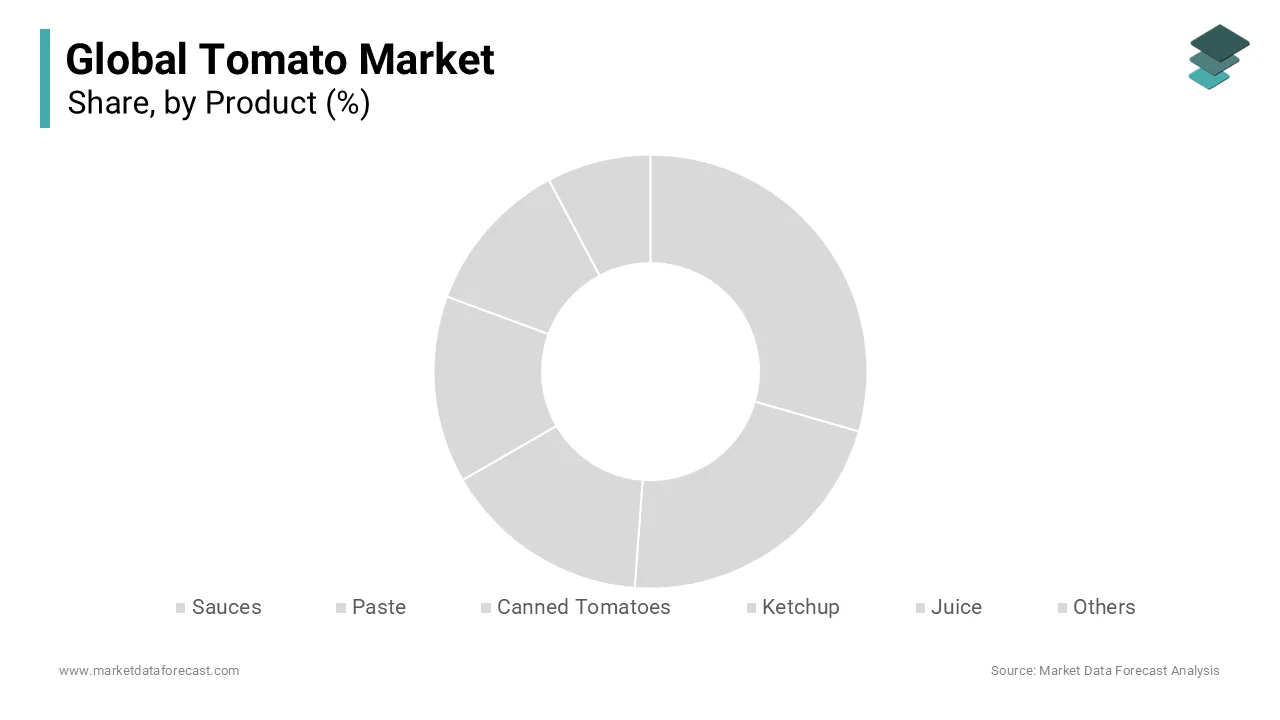
On the other side, the tomato juice segment is emerging as the fastest growing segment and is estimated to showcase a CAGR of 5.4% over the forecast period owing to the rising consumer focus on functional beverages and health oriented drinking habits. Tomato juice is rich in lycopene, vitamins A and C, and potassium, making it an attractive option for individuals seeking nutrient dense hydration without added sugars. For instance, the demand for vegetable based juices has increased by 15% annually in developed markets as consumers shift away from high sugar fruit juices. The convenience factor plays a crucial role, with busy professionals and health conscious individuals preferring ready to drink tomato juice as a quick nutritional supplement. Marketing campaigns emphasizing heart health and antioxidant benefits have further stimulated demand, particularly among middle aged demographics. Innovations in packaging, such as single serve bottles and eco-friendly cartons have enhanced portability and appeal to younger consumers. Furthermore, the integration of tomato juice into wellness shots and detox blends has opened new usage occasions beyond traditional breakfast consumption. Retailers are expanding their cold pressed and organic juice sections, dedicating significant shelf space to tomato based offerings. The trend toward clean label products with no artificial preservatives aligns perfectly with tomato juice formulations, attracting premium pricing and loyal customer bases. This convergence of health benefits, convenience and product innovation positions tomato juice as the most dynamic growth avenue in the tomato processing sector.
By Type Insights
The roma tomatoes segment dominated the market by holding the major share of the global market in 2025 due to their superior suitability for processing and culinary applications requiring low moisture content. Also known as plum tomatoes, Roma varieties possess thick flesh, fewer seeds, and higher solid content, making them ideal for producing sauces, pastes, and canned products. According to data from international trade and agricultural departments, Roma tomatoes account for nearly 60% of industrial tomato production in major growing regions including California and Italy. Their structural integrity allows them to withstand mechanical harvesting and processing without disintegrating, ensuring high yield efficiency for manufacturers. The consistent flavor profile and acidity levels of Roma tomatoes provide standardization essential for large scale food production. In commercial kitchens and households alike, Roma tomatoes are preferred for cooking because they reduce down quickly and impart a rich, concentrated taste. The economic advantage for growers lies in the higher price premiums commanded by processing varieties compared to fresh table tomatoes. Contract farming agreements between processors and growers often specify Roma types due to their predictable harvest windows and uniform ripening characteristics. Additionally, the global popularity of Italian cuisine has entrenched Roma tomatoes as the default choice for authentic sauces and pizzas. Supply chain efficiencies have been optimized around this variety, with dedicated logistics and storage facilities ensuring minimal post-harvest loss. The dominance of Roma tomatoes is thus underpinned by their functional attributes, economic viability for producers, and deep integration into the global processed food infrastructure, making them the backbone of the industrial tomato sector.
On the other end, the heirloom tomatoes segment is predicted to register a CAGR of 6.5% over the forecast period in the global market owing to the increasing consumer demand for unique flavors, visual diversity, and sustainable agricultural practices. Unlike hybrid varieties, heirloom tomatoes are open pollinated and preserve genetic diversity, offering a wide spectrum of colors, shapes, and taste profiles ranging from sweet to tangy. According to the Slow Food Movement, sales of heirloom varieties in farmers markets and specialty grocery stores have increased by 25% annually in North America and Europe. Chefs and culinary enthusiasts prize heirlooms for their complex flavors and aesthetic appeal, driving demand in the hospitality sector. The narrative of preserving agricultural heritage and supporting biodiversity resonates strongly with environmentally conscious consumers who view heirloom purchases as a contribution to sustainable farming. Social media platforms have amplified this trend, with visually striking heirloom tomatoes gaining popularity among food influencers and home cooks. Retailers are responding by dedicating premium shelf space to heirloom collections, often labeling them with stories about their origin and farming methods. Although heirloom tomatoes have lower yields and shorter shelf lives, their high retail prices compensate for these drawbacks, incentivizing small scale farmers to cultivate them. The growth is also supported by community supported agriculture programs that connect consumers directly with growers specializing in rare varieties. This combination of culinary excellence, environmental ethics, and marketing appeal positions heirloom tomatoes as the most rapidly expanding segment in the fresh tomato market.
By Category Insights
The conventional segment led the market by capturing the leading share of the global market in2025 due to its affordability, widespread availability, and established supply chains. Conventional tomatoes benefit from decades of agricultural optimization, including high yield hybrid varieties, efficient pesticide use, and streamlined distribution networks. According to the Food and Agriculture Organization of the United Nations, conventional farming methods enable producers to meet the massive global demand for tomatoes at competitive prices, making them accessible to all income groups. The economies of scale achieved by large commercial farms allow for lower production costs, which translate into affordable retail prices. Supermarkets and grocery chains prioritize conventional tomatoes because of their consistent size, color, and shelf life, which reduce waste and simplify inventory management. In developing regions, where price sensitivity is high, conventional tomatoes remain the primary choice for daily consumption. The infrastructure for conventional farming, including irrigation systems, fertilizers, and labor practices, is deeply entrenched and supported by government subsidies in many countries. While consumer awareness of organic options is growing, the price differential remains a significant barrier for mass adoption. Conventional tomatoes also dominate the industrial processing sector, where cost efficiency is paramount for producing sauces, ketchup, and pastes. The reliability of supply and standardized quality ensure that conventional tomatoes continue to serve as the backbone of the global food system. Despite the rise of alternative categories, the sheer volume and economic necessity of conventional production secure its leading position in the market for the foreseeable future.
However, the organic segment is projected to grow at a promising CAGR of 8.5% over the forecast period owing to the rising consumer concerns regarding pesticide residues, environmental sustainability, and personal health. Organic tomatoes are cultivated without synthetic fertilizers, pesticides, or genetically modified organisms, appealing to health conscious buyers who prioritize clean eating. As per Nielsen data, 73% of global consumers are willing to pay more for products that claim to be environmentally friendly or healthy, a sentiment that strongly favors organic produce. Regulatory support in regions like the European Union, where the Farm to Fork Strategy aims to increase organic farming land to 25% by 2030, provides financial incentives and technical assistance to growers transitioning to organic methods. Retailers are expanding their organic offerings, with major chains like Whole Foods and Aldi dedicating significant shelf space to certified organic tomatoes. The transparency offered by organic certification labels builds trust and loyalty among consumers who seek assurance about farming practices. Additionally, the rise of online grocery shopping has made organic tomatoes more accessible, allowing consumers to easily compare certifications and origins. Younger demographics, particularly millennials and Gen Z, are driving this trend as they align their purchasing decisions with ethical and environmental values. The premium pricing associated with organic tomatoes offers higher profit margins for farmers, encouraging further investment in organic infrastructure. This convergence of health awareness, regulatory support and consumer ethics positions organic tomatoes as the most dynamic growth segment in the market.
REGIONAL ANALYSIS
Europe Tomato Market Analysis
Europe accounted for the major share of the global market in 2025 and is expected to maintain steady growth in tomato production and consumption for the next few years due to continued investment in greenhouse technologies and sustainable agriculture. Europe holds a prominent position in the global tomato market, characterized by high per capita consumption and advanced agricultural technologies. The region is both a major producer and consumer, with Mediterranean countries like Spain, Italy, and Greece leading in cultivation. According to the European Commission, the European Union produces approximately 18 million metric tons of tomatoes annually, with Spain accounting for nearly 25% of this output. The European market is driven by strong culinary traditions that integrate tomatoes into daily meals, alongside a growing demand for premium and organic varieties. The European Green Deal and Farm to Fork Strategy are reshaping the sector by promoting sustainable farming practices and reducing pesticide use. Consumers in Northern Europe, including Germany and the United Kingdom, are increasingly importing fresh tomatoes during winter months, creating a robust intra regional trade network. The presence of strict food safety regulations ensures high quality standards, influencing production methods across the continent. Greenhouse cultivation is widespread in the Netherlands and Belgium, allowing for year round production and reduced reliance on seasonal imports. The region also hosts major processing companies that export tomato products globally, leveraging brand reputation for quality. However, climate change poses challenges, with water scarcity in the south affecting yields. Despite these pressures, Europe remains a key influencer in global tomato trends, particularly in organic certification and sustainable packaging innovations. The market is mature but continues to evolve through technological adoption and shifting consumer preferences toward health and sustainability.
North America Tomato Market Analysis
North America is likely to experience moderate growth in the tomato market over the coming years as investments in automated harvesting and climate resilient farming increase production stability. North America represents a significant and mature market for tomatoes, driven by high consumption rates and a well developed processing industry. The United States is one of the largest tomato producers globally, with California and Florida serving as primary growing regions. According to the United States Department of Agriculture, the US produces over 13 million metric tons of tomatoes annually, combining both fresh market and processing varieties. The market is bolstered by strong domestic demand for processed tomato products such as salsa and ketchup, which are staples in the North American diet. Canadian and Mexican imports play a crucial role in maintaining year round supply, particularly during the off season in the United States. Innovation in controlled environment agriculture, particularly in vertical farming, is gaining momentum to meet the demand for locally grown, pesticide free produce. Sustainability remains a key priority, with increasing adoption of water efficient irrigation systems to mitigate drought impacts. Consumer trends reflect a strong preference for specialty and heirloom varieties, particularly in urban retail markets. Retail consolidation continues to influence price dynamics, with large supermarket chains driving demand for standardized quality and supply reliability. The region remains a vital component of the global tomato trade, leveraging technological leadership to address labor challenges and ensure long term market competitiveness.
COMPETITIVE LANDSCAPE
The competition in the global tomato market is intense and multifaceted, characterized by a mix of large multinational corporations, regional cooperatives, and small scale local producers. Large processors compete on efficiency, scale, and technological advancement, leveraging automated systems to reduce costs and ensure consistent quality. Regional players often differentiate themselves through superior flavor profiles, organic certifications, and direct relationships with local farmers. The market is fragmented in the fresh segment but consolidated in the processed sector, where a few key entities dominate global supply chains. Price competition remains fierce, particularly for industrial tomatoes used in sauces and pastes, prompting continuous efforts to optimize production costs. Innovation drives differentiation, with companies introducing novel varieties, sustainable packaging, and value added products to capture consumer interest. Regulatory compliance regarding food safety and environmental standards adds complexity, favoring established players with resources to manage these requirements. Trade dynamics influence competition, with tariffs and export restrictions affecting market access. Emerging markets present growth opportunities but also introduce new competitors who benefit from lower labor costs. Overall, the competitive landscape requires participants to balance cost efficiency with quality, sustainability, and innovation to maintain relevance and profitability in a rapidly evolving global environment.
KEY MARKET PLAYERS
Some of the key players in the global tomato market are
- The Morning Star Company
- COFCO Tunhe Tomato Co. Ltd.
- Xinjiang Chalkis Company Ltd.
- Ingomar Packing Co.
- ConAgra Brands Inc.
- Olam International
- Los Gatos Tomato Products
- China Haohan Group Limited
- Campbell Soup Company
- Toma-Tek (Neil Jones Food Company)
Top Players in the Market
- The Morning Star Company stands as a pivotal entity in the global tomato processing sector, specializing in the production of tomato paste, crushed tomatoes, and other industrial ingredients. Headquartered in California, this private corporation operates massive facilities that process millions of tons of tomatoes annually, serving major food manufacturers worldwide. The company focuses heavily on sustainable agricultural practices and has invested significantly in water conservation technologies to address regional scarcity issues. Recent actions include expanding its renewable energy capabilities by installing solar panels across its processing plants to reduce carbon footprints. They have also strengthened relationships with growers through long term contracts that ensure stable supply chains. By prioritizing operational efficiency and environmental stewardship, The Morning Star Company maintains its leadership position without relying on public market metrics. Their commitment to quality control and innovation in processing techniques allows them to meet the stringent demands of global clients while supporting local farming communities through fair pricing models and technical assistance programs.
- Ingomar GmbH is a leading European player in the tomato industry, renowned for its high quality tomato concentrates and purees used in both retail and industrial applications. Based in Germany, the company sources raw materials from Mediterranean regions including Italy and Spain, ensuring optimal flavor profiles and consistency. Ingomar has recently enhanced its market position by investing in advanced filtration technologies that improve product clarity and shelf life. The company actively participates in sustainability initiatives by reducing plastic usage in packaging and promoting recyclable materials. They have expanded their product portfolio to include organic and non genetically modified options to cater to evolving consumer preferences. Strategic partnerships with local farmers help secure reliable raw material supplies while supporting rural economies. Ingomar emphasizes transparency in its supply chain, providing detailed traceability information to buyers. Their focus on innovation and quality assurance has solidified their reputation as a trusted supplier in the competitive European market, enabling them to serve diverse culinary and industrial needs effectively.
- Conserve Italia is a prominent cooperative in the tomato sector, representing thousands of farmers across Italy and focusing on the production of tomato derivatives such as peeled tomatoes, sauces, and juices. The organization integrates agricultural production with industrial processing, ensuring vertical integration that enhances quality control and cost efficiency. Conserve Italia has recently launched initiatives to promote biodiversity by cultivating heirloom tomato varieties that offer unique flavors and nutritional benefits. They have invested in modernizing their processing facilities to increase energy efficiency and reduce waste. The cooperative actively engages in educational programs for farmers, teaching sustainable farming techniques and precision agriculture methods. By leveraging collective bargaining power, Conserve Italia secures better prices for its members while maintaining competitive rates for buyers. Their commitment to social responsibility and environmental sustainability strengthens their brand image in global markets. Recent expansions into Asian and North American markets demonstrate their strategic intent to diversify revenue streams and reduce dependency on traditional European markets, thereby enhancing resilience against regional economic fluctuations.
Top Strategies Used by Key Market Participants
Key players in the tomato market employ several strategic approaches to maintain competitiveness and drive growth. Vertical integration is a primary strategy, where companies control multiple stages of the supply chain from farming to processing and distribution. This approach ensures quality consistency and reduces dependency on external suppliers. Sustainability initiatives are increasingly central, with firms investing in water conservation, renewable energy, and eco friendly packaging to meet regulatory requirements and consumer expectations. Product diversification allows companies to cater to niche markets by offering organic, heirloom, and specialty tomato products that command premium prices. Technological adoption involves using precision agriculture tools and automated processing equipment to enhance efficiency and reduce labor costs. Strategic partnerships and collaborations with retailers and food service providers help secure long term contracts and expand market reach. Geographic expansion enables firms to tap into emerging markets with growing middle classes and changing dietary habits. Brand building through transparency and traceability initiatives fosters consumer trust and loyalty. These strategies collectively enable market participants to navigate challenges such as climate change and labor shortages while capitalizing on opportunities in health conscious and environmentally aware consumer segments.
MARKET SEGMENTATION
This research report on the global tomato market has been segmented and sub-segmented based on, product, type, category, and region.
By Product
- Sauces
- Paste
- Canned Tomatoes
- Ketchup
- Juice
- Others
By Type
- Cherry Tomatoes
- Grape Tomatoes
- Roma Tomatoes
- Beefsteak Tomatoes
- Heirloom Tomatoes
- Tomatoes On The Vine
- Green Tomatoes
- Others
By Category
- Conventional
- Organic
By Region
- North America
- Europe
- Asia-Pacific
- Latin America
- Middle East and Africa