- Product Description Description
- Table of Contents TOC
- List of Table & Figure LOT
- Get Free Sample PDF Sample PDF
Market Size, 2025
$60.65 BnMarket Estimate, 2026
$63.61 BnMarket Forecast, 2034
$98.22 BnCAGR, 2026–2034
5.58%UK Fast Food Market Size, Growth, Trends & Forecast (2026–2034)
The UK fast food market size was valued at USD 60.65 billion in 2025, reached USD 63.61 billion in 2026, and is projected to reach USD 98.22 billion by 2034, growing at a compound annual growth rate (CAGR) of 5.58% from 2026 to 2034. Driven by the proliferation of digital ordering platforms, fast-paced urban lifestyles, and rising demand for quick-service convenience, the national market demonstrates steady and resilient expansion.
Key Executive Metrics (At-a-Glance)
- 2025 Base Valuation: USD 60.65 Billion
- 2026 Current Valuation: USD 63.61 Billion
- 2034 Forecast Valuation: USD 98.22 Billion
- Compound Annual Growth Rate (CAGR): 5.58% (2026–2034)
- Largest Product / Type Segment: Burger and Sandwich (Held 38.4% market share in 2025 due to universal appeal and menu versatility)
- Fastest-Growing Product / Type Segment: Asian and Latin American Food (Projected at a CAGR of 6.6% driven by culinary exploration and health perception)
- Largest Service Type Segment: Home Delivery (Occupied 48.7% share in 2025 backed by digital app proliferation)
- Fastest-Growing Service Type Segment: Drive-Through (Projected at a leading CAGR of 16.4% due to demand for contactless efficiency)
- Dominant Regional Market: England (Captured 84.3% market share in 2025 driven by high urban density and major metropolitan hubs like London)
Core Market Drivers & Growth Triggers
- Digital Integration: Ubiquitous mobile ordering applications and delivery networks (Deliveroo, Uber Eats, Just Eat) expanding geographical reach and order volumes.
- Urban Time Poverty: Busy work schedules, long commutes, and single-person households driving heavy reliance on quick, convenient meal solutions.
Primary Market Restraints & Challenges
- Health Scrutiny & Regulation: Heightened health consciousness, mandatory calorie labeling, and anti-obesity strategies deterring frequent consumption of processed foods.
- Cost Pressures: Inflationary spikes in raw ingredients, energy bills, and national living wage obligations compressing operator profit margins.
UK Fast Food Market Segmentation Breakdown
| Segment Category | Largest Segment Focus | Fastest-Growing Segment Focus |
|---|---|---|
| By Type | Burger and Sandwich (38.4% share in 2025 via deep cultural integration and premiumization) | Asian and Latin American Food (CAGR of 6.6% fueled by multicultural demographics and health perceptions) |
| By Service Type | Home Delivery (48.7% share in 2025 anchored by robust digital platform adoption) | Drive-Through (CAGR of 16.4% driven by demand for speed, safety, and automotive convenience) |
| By Region | England (84.3% share in 2025 driven by metropolitan centers like London, Manchester, and Birmingham) | Scotland & Northern Ireland (Steady growth fueled by tourism, student hubs, and local takeaway traditions) |
Major Industry Players Profiled
Key corporations shaping the UK fast food market include McDonald's, KFC, Burger King, Subway, Domino's Pizza, Pizza Hut, Greggs, Nando's, Pret A Manger, Five Guys, Papa John's, Taco Bell, LEON, German Doner Kebab, and Chicken Cottage.
UK Fast Food Market Size
The UK fast food market size was valued at USD 60.65 billion in 2025, and is projected to reach USD 98.22 billion by 2034 from USD 63.61 billion in 2026, growing at a CAGR of 5.58%.
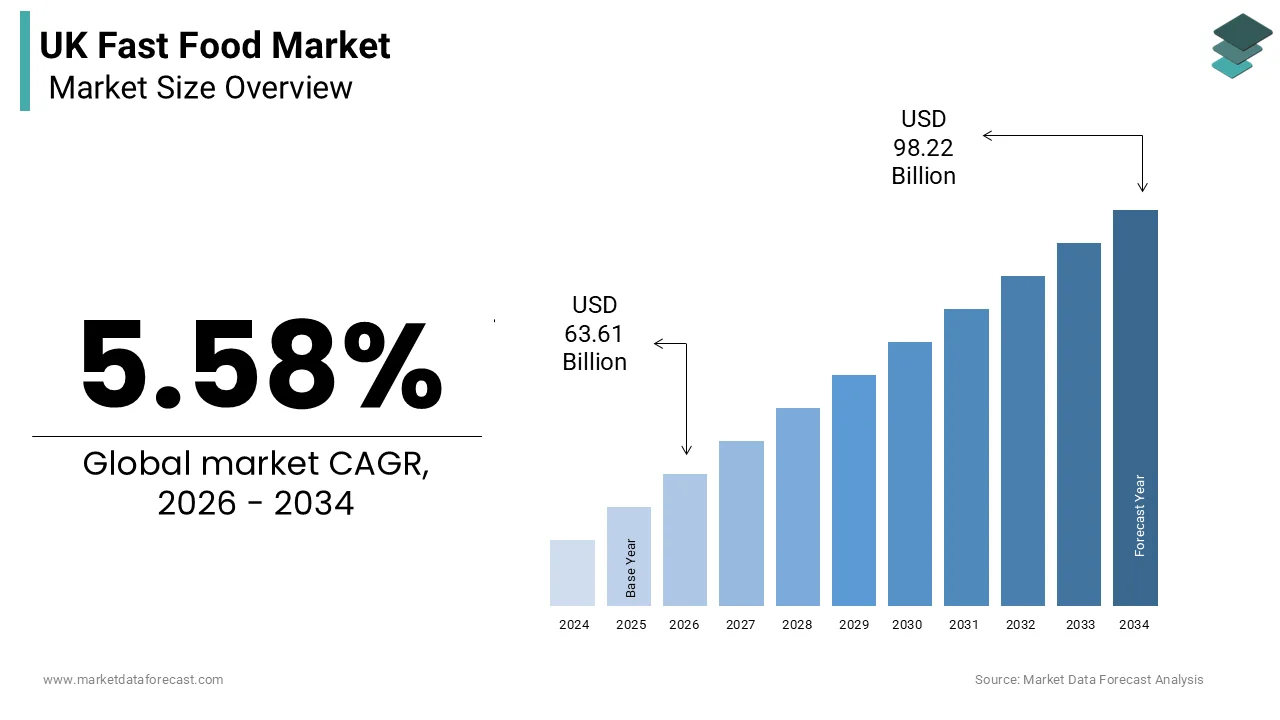
Fast food refers to mass-produced, highly processed food designed for speed of service and commercial resale. It is typically prepared from preheated or precooked ingredients, served in disposable packaging, and widely consumed via dine-in, takeaway, or delivery. This sector includes traditional burger chains, pizza outlets, fried chicken specialists, as well as emerging concepts focusing on ethnic cuisines and healthy alternatives. The cultural fabric of British dining has been significantly woven with fast food habits driven by urbanization, busy lifestyles, and the proliferation of digital ordering technologies. According to Family Spending data from the Office for National Statistics, UK households consistently allocate a significant proportion of their disposable income to restaurants and takeaway services. The demographic landscape shows that younger generations, particularly those aged 18 to 34 years, are the most frequent patrons utilizing mobile applications for seamless transactions. Regulatory frameworks concerning food safety, hygiene standards, and nutritional labeling play a crucial role in shaping operational practices. The rise of ghost kitchens and cloud-based delivery models has further transformed the infrastructure, allowing brands to expand reach without heavy capital expenditure on physical dine-in spaces. Environmental concerns regarding packaging waste and sustainable sourcing are increasingly influencing consumer choices and corporate strategies. This dynamic environment requires operators to balance speed and cost efficiency with quality and ethical responsibility, ensuring relevance in a highly competitive and evolving culinary landscape.
MARKET DRIVERS
Proliferation of Digital Ordering Platforms and Delivery Infrastructure Accelerates Accessibility
The widespread adoption of digital ordering platforms and advanced delivery infrastructure is a key growth enabler for the UK fast food market. Consumers increasingly prefer the convenience of ordering meals via smartphones and having them delivered to their homes or workplaces, eliminating the need for physical visits to restaurants. According to sources, the number of users on food delivery apps in the UK has grown substantially, with millions of active monthly users relying on services such as Deliveroo, Uber Eats, and Just Eat. This digital integration allows fast food operators to extend their reach beyond immediate geographical locations, tapping into a broader customer base. The efficiency of algorithm-driven logistics ensures faster delivery times, enhancing customer satisfaction and encouraging repeat purchases. Restaurants benefit from increased order volumes during peak hours and off-peak times through targeted promotions and personalized recommendations provided by these platforms. The availability of real-time tracking and contactless payment options further enhances the user experience, making digital ordering a preferred choice for many. This technological shift has also enabled smaller independent eateries to compete with larger chains by gaining visibility on major platforms. The seamless integration of technology into daily dining habits ensures sustained demand and drives continuous expansion of the fast food sector.
Busy Lifestyles and Time Poverty Among Urban Workforces Drive Demand for Convenience
The intensifying pace of life in urban centers across the country creates a significant demand for fast food as a practical solution for time-constrained individuals, which accelerates the expansion of the UK fast food market. Professional students and families often face limited time for meal preparation due to long working hours, commuting, and academic commitments. Data from the Office for National Statistics shows full-time working hours remain consistent, while lifestyle surveys suggest time constraints are a primary driver for the reliance on convenience food. This time, poverty leads consumers to prioritize speed and convenience when selecting meal options, making fast food an attractive alternative to traditional dining or home cooking. The availability of quick service outlets in business districts, transport hubs, and residential areas ensures easy access for busy consumers. Fast food establishments cater to this need by offering streamlined menus and efficient service protocols that minimize waiting times. The trend toward single-person households further amplifies this demand as individuals seek hassle-free meal solutions without the effort of grocery shopping and cooking. Social norms have shifted to accept fast food as a regular part of daily routines rather than an occasional indulgence. This behavioral change sustains consistent footfall and order volumes, supporting the robust performance of the fast food market despite economic fluctuations.
MARKET RESTRAINTS
Heightened Health Consciousness and Government Obesity Strategies Deter Consumption
Growing public awareness regarding health implications associated with frequent consumption of mass-produced and highly processed food hampers the growth of the UK fast food market. Consumers are increasingly informed about the risks of high-calorie saturated fat and sodium intake, leading to conditions such as obesity, diabetes, and cardiovascular diseases. As per findings from the Office for Health Improvement and Disparities (OHID), a substantial portion of the UK adult population is classified as overweight or living with obesity. Initiatives such as mandatory calorie labeling on menus and restrictions on advertising unhealthy foods to children influence consumer choices and reduce impulse purchases. Many individuals are actively seeking nutritious alternatives, opting for home-cooked meals or healthier dining options over traditional fast food. The stigma attached to junk food has grown among health-conscious demographics, particularly millennials and Gen Z, who prioritize wellness and fitness. Social media campaigns and educational programs further reinforce the negative perception of fast food, highlighting its contribution to poor health outcomes. This shift in consumer sentiment forces operators to reformulate menus and introduce healthier options, which may not always align with core brand identities or profit margins. The cumulative effect of these health concerns limits the frequency of consumption and restricts market growth among key demographic segments.
Rising Operational Costs and Inflationary Pressures Squeeze Profit Margins
Escalating operational costs and persistent inflationary pressures are eroding profit margins, thereby hindering the expansion of the United Kingdom's fast food market. Increases in energy prices, raw material costs, and labor wages have significantly impacted the expense structure of fast food operators. According to the Office for National Statistics, inflation rates have reached historic highs, affecting the cost of ingredients such as meat, dairy, and produce essential for menu items. Additionally, the implementation of the National Living Wage increases labor costs, which constitute a major portion of operating expenses for quick service restaurants. Many businesses operate on thin margins, making it difficult to absorb these rising costs without passing them on to consumers through price hikes. However, increasing prices risks alienating price-sensitive customers who may reduce their frequency of visits or switch to cheaper alternatives. Supply chain disruptions further exacerbate these issues, leading to inconsistent availability of key ingredients and potential menu limitations. Smaller independent operators are particularly vulnerable as they lack the bargaining power of large chains to negotiate better terms with suppliers. These financial pressures constrain investment in expansion, innovation, and marketing, limiting the overall growth potential of the sector. The uncertainty surrounding future cost trends makes long-term planning challenging for industry participants.
MARKET OPPORTUNITIES
Expansion of Plant-Based and Vegan Menu Options Attracts Ethical Consumers
The growing trend for plant-based and vegan food is a key growth area for operators to diversify their offerings and attract ethically conscious consumers, which is expected to propel the UK fast food market. Awareness of environmental sustainability and animal welfare has led to a surge in popularity of meat-free alternatives among UK diners. As per data from the Vegan Society, the number of vegans in the United Kingdom has increased significantly in recent years, with many more consumers adopting flexitarian diets. Fast food chains can capitalize on this trend by introducing innovative plant-based burgers, nuggets, and wraps that mimic the taste and texture of traditional meat products. Partnerships with specialized food technology companies enable the development of high-quality alternatives that appeal to both vegans and meat eaters seeking reduction. Marketing these options as environmentally friendly and healthy enhances brand image and attracts a broader customer base. The inclusion of plant-based items also allows operators to participate in sustainability initiatives, reducing their carbon footprint and appealing to eco-conscious stakeholders. Retailers and delivery platforms often highlight vegan options, making them easily discoverable for interested consumers. Fast food brands can strengthen their position in a changing market landscape. They can achieve this by embracing a new dietary shift to unlock new revenue streams.
Integration of Automation and Artificial Intelligence Enhances Operational Efficiency
The adoption of automation and artificial intelligence technologies offers substantial opportunities for operators to improve efficiency, reduce costs, and enhance customer experience, which is likely to boost the growth of the UK fast food market. Automated kiosks, robotic kitchen assistants, and AI-driven inventory management systems streamline operations and minimize human error. According to a study, the implementation of self-service ordering terminals has been shown to increase average order values and reduce waiting times significantly. These technologies allow staff to focus on food preparation and customer service rather than manual transaction processing. AI algorithms can predict demand patterns, optimizing staffing levels and ingredient procurement to reduce waste and ensure freshness. Personalized marketing powered by machine learning enables brands to offer tailored promotions based on individual customer preferences, increasing loyalty and retention. The use of drones and autonomous vehicles for delivery is also being explored to further speed up service and reduce logistics costs. Early adopters of these technologies gain a competitive advantage by offering faster and more consistent service. As technology becomes more affordable and accessible, even smaller operators can benefit from these innovations. This digital transformation positions the fast food sector for greater scalability and resilience in the face of labor shortages and rising costs.
MARKET CHALLENGES
Strict Regulatory Compliance and Environmental Packaging Mandates Increase Complexity
Stringent regulatory compliance requirements and mandatory environmental packaging standards are major limitations for the operators within the UK fast food market. Government policies aimed at reducing single-use plastics and promoting recycling impose strict obligations on businesses regarding packaging materials and waste management. As per legislation from the Department for Environment, Food and Rural Affairs, companies must adhere to extended producer responsibility schemes, which require them to cover the full cost of managing their packaging waste. This necessitates significant investment in researching and sourcing sustainable alternatives, such as compostable or recyclable materials, which are often more expensive than conventional plastics. Compliance with these regulations requires ongoing monitoring and reporting, adding administrative burden and operational costs. Failure to meet these standards can result in hefty fines and reputational damage. Additionally, changes in food safety regulations and hygiene standards require continuous staff training and facility upgrades. The dynamic nature of regulatory frameworks means that operators must remain agile and responsive to new requirements. Balancing compliance with cost efficiency is a persistent challenge, particularly for smaller businesses with limited resources. These regulatory pressures force companies to rethink their supply chains and operational processes, impacting overall profitability and strategic planning.
Intense Competition and Market Saturation Limit Growth Potential
Intense competition and high saturation greatly constrain the expansion of the UK fast food market. These factors significantly limit the growth potential for both existing brands and new market entrants. The presence of numerous global chains, local independents, and virtual brands creates a crowded landscape where distinguishing oneself is increasingly difficult. According to market observations, the density of fast food outlets in urban areas is extremely high, leading to fierce competition for customer attention and loyalty. Price wars and promotional discounts are common tactics used to attract customers, eroding profit margins across the sector. New entrants face high barriers to entry, including significant capital requirements for setting up marketing and compliance. Established brands leverage their scale and brand recognition to dominate prime locations and secure favorable terms with delivery platforms. The rapid proliferation of ghost kitchens further intensifies competition by allowing multiple brands to operate from the same location, increasing variety without additional physical footprint. Consumer loyalty is low as diners frequently switch between brands based on convenience, value, price, and promotions. This volatile environment makes it challenging for operators to maintain stable revenue streams and achieve sustainable growth. Differentiation through unique value propositions and superior customer experience becomes critical but requires continuous innovation and investment.
REPORT COVERAGE
| REPORT METRIC | DETAILS |
| Market Size Available | 2025 to 2034 |
| Base Year | 2025 |
| Forecast Period | 2026 to 2034 |
| CAGR | 5.58% |
| Segments Covered | By Type, Service Type, and Region. |
| Various Analyses Covered | Global, Regional and Country-Level Analysis, Segment-Level Analysis, Drivers, Restraints, Opportunities, Challenges; PESTLE Analysis; Porter’s Five Forces Analysis, Competitive Landscape, Analyst Overview of Investment Opportunities |
| Market Leaders Profiled | McDonald's, KFC, Burger King, Subway, Domino's Pizza, Pizza Hut, Greggs, Nando's, Pret A Manger, Five Guys, Papa John's, Taco Bell, LEON, German Doner Kebab, Chicken Cottage |
SEGMENTAL ANALYSIS
By Type Insights
In 2025, the burger and sandwich segment held a majority share of 38.4% of the United Kingdom fast food market because of its deep cultural integration and universal appeal across diverse demographic groups. Burgers have transcended their American origins to become a staple of British dining culture, with major chains and independent outlets offering varied interpretations that cater to local tastes. According to market data monitored by the British Takeaway Campaign and major delivery platforms, burgers consistently rank among the most frequently ordered fast-food items in the UK. The versatility of this category allows for extensive customization, enabling operators to offer premium gourmet options alongside value-driven meals, which broadens their customer base. The presence of global giants such as McDonald's and Burger King ensures high visibility and accessibility in every town and city center. This segment benefits from strong brand loyalty and frequent promotional activities that drive repeat purchases. The simplicity of preparation and consumption makes burgers and sandwiches ideal for quick lunches and casual dinners, aligning perfectly with the busy lifestyles of UK residents. The consistent demand for this category provides a stable revenue foundation for operators, allowing them to invest in innovation and expansion while maintaining market leadership through continuous product development and marketing efforts.
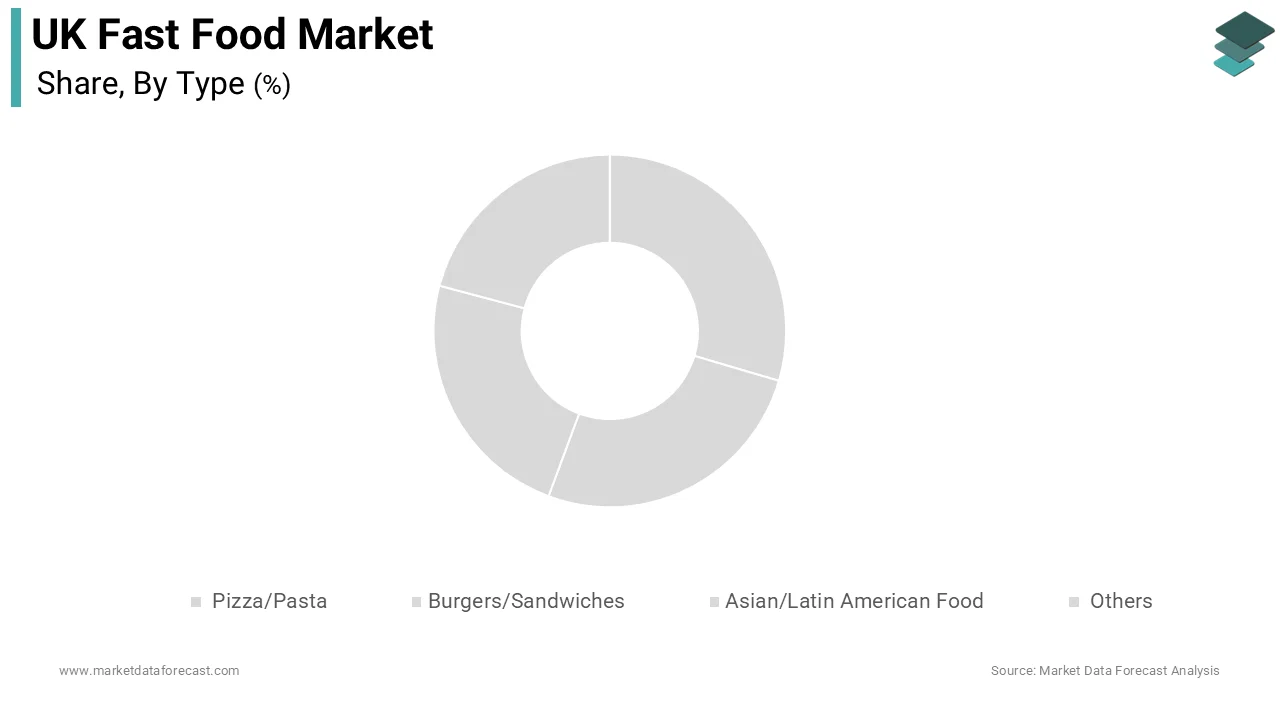
The dominance of the burger and sandwich segment is further reinforced by strategic menu innovation and premiumization strategies that attract higher spending consumers. Fast food operators have successfully elevated the perception of burgers by introducing artisanal ingredients such as brioche buns, aged beef, and specialty sauces, which justify higher price points. As per sources, the introduction of limited-time offers and collaborative menus with celebrity chefs has generated significant consumer interest and media coverage, driving footfall and sales volume. These innovations keep the category fresh and exciting, preventing consumer fatigue and encouraging trial among younger demographics who seek novel dining experiences. The ability to adapt to dietary trends by offering plant-based burger alternatives has also expanded the addressable market, attracting health-conscious and ethically motivated consumers. Major chains have invested heavily in marketing campaigns that highlight the quality and provenance of their ingredients, differentiating their offerings from competitors. This focus on quality and variety ensures that burgers remain relevant and desirable despite growing health concerns. The segment's adaptability to changing consumer preferences and its capacity for continuous reinvention secure its position as the leading type in the UK fast food market.
The Asian and Latin American food segment is expected to exhibit a noteworthy CAGR of 6.6% from 2026 to 2034 due to increasing cultural diversity and a growing appetite for culinary exploration among consumers. The UK population has become increasingly multicultural, with significant communities from South East Asia, China, India, and Latin America influencing mainstream dining preferences. According to census data from the Office for National Statistics, the UK’s ethnic minority population has increased, which market researchers note correlates with a growing consumer demand for authentic, diverse culinary options. Consumers are actively seeking new taste experiences beyond traditional Western fare, leading to a surge in popularity for dishes such as ramen, bao buns, tacos, and burritos. This curiosity is amplified by social media, platforms where visually appealing and exotic foods gain viral traction, inspiring users to try these cuisines. Fast food operators have responded by introducing specialized menus that offer authentic yet accessible versions of these dishes, catering to both diaspora communities and adventurous locals. The perceived freshness and vibrant flavors of Asian and Latin American cuisine appeal to younger consumers who prioritize unique dining experiences. This trend is supported by the proliferation of specialized restaurants and food trucks that introduce these cuisines to wider audiences, driving rapid adoption and market expansion.
The accelerated growth of the Asian and Latin American segment is also attributed to the perception of these cuisines as healthier alternatives to traditional fast food options. Many Asian dishes emphasize teastir-fried or stir-fried preparation methods using fresh vegetables, lean protein,s and aromatic herbs, which align with modern health consciousness. As per nutritional studies, consumers increasingly associate Asian cuisine with balanced meals and functional ingredients such as ginger, turmeric, and soy, which are believed to offer health benefits. Latin American foods often feature whole grains, beans, and fresh salsas, providing a nutritious profile that appeals to fitness-oriented individuals. Fast food brands capitalizing on this perception highlight the use of fresh and natural ingredients in their marketing campaigns, differentiating themselves from competitors reliant on processed components. The availability of customizable options allows consumers to control portion sizes and ingredient choices, further enhancing the health appeal. This alignment with wellness trends drives frequent consumption among health-conscious demographics who might otherwise avoid fast food. The combination of exotic flavors and perceived nutritional benefits creates a compelling value proposition that fuels the rapid expansion of this segment in the UK market.
By Service Type Insights
The home delivery segment was the largest in the United Kingdom fast food market and occupied a 48.7% share in 2025. This prominence of the segment was supported by the widespread penetration of digital platforms and an entrenched culture of convenience. The proliferation of smartphones and high-speed internet has made ordering food online seamless and accessible to a vast majority of the population. This shift is driven by the desire to avoid travel and waiting times, particularly in urban areas where traffic congestion and parking difficulties are common. The ability to browse multiple restaurant options, compare prices, and read reviews from the comfort of home enhances the consumer experience and encourages frequent usage. Delivery services have become integral to daily life for busy professionals, families, and students who value time efficiency. The expansion of delivery zones by major platforms has extended access to fast food in suburban and rural areas, further boosting volume. The convenience of having meals brought directly to the door has transformed consumer expectations, making home delivery the preferred choice for many. This dominance is sustained by continuous improvements in logistics technology and customer service, ensuring reliable and timely deliveries.
The supremacy of home delivery is firmly rooted in behavioral shifts induced by the pandemic, which have persisted into the post-pandemic era. During lockdown periods, consumers were forced to rely on delivery services for their meal needs, leading to the formation of lasting habits and increased comfort with digital ordering. The habitual usage has been reinforced by loyalty programs and subscription models offered by delivery platforms, which provide incentives for frequent orders. Restaurants have adapted by optimizing their operations for delivery, including dedicated packaging and streamlined menus to ensure quality during transit. The integration of delivery into standard operating procedures has made it a core revenue stream rather than an ancillary service. Consumers now expect fast food brands to offer robust delivery options, and those that fail to do so risk losing market share. The normalization of home delivery as a primary dining mode ensures its continued leadership in the service type segment, driving sustained growth and investment in logistics infrastructure.
The drive-through service segment is predicted to witness the highest CAGR of 16.4% during the forecast period, owing to increasing demand for contactless and efficient service models. Consumers prioritize speed and minimal interaction, particularly in a post-pandemic environment where hygiene and safety remain concerns. The efficiency appeals to commuters and parents with young children who value convenience and ease of access. The rise in car ownership and reliance on private transport for daily commutes further supports this trend. Fast food operators have responded by investing in dedicated drive-through infrastructure, including dual lanes and advanced order-taking systems, to reduce wait times. The ability to serve high volumes of customers continuously throughout the day makes the drive-through a highly profitable channel. Marketing efforts often highlight the speed and convenience of drive-through services, attracting time-sensitive consumers. The growth of this segment is also supported by technological advancements such as license plate recognition and mobile app integration, which streamline the ordering process. As consumers continue to prioritize efficiency and safety, drive-through services are expected to maintain their rapid growth trajectory.
The rapid expansion of the drive-through segment is fueled by strategic infrastructure investments and expansion into suburban and semi-urban areas where car usage is prevalent. Major fast food chains are prioritizing the development of new sites with dedicated drive-through facilities, recognizing their higher throughput and revenue potential compared to traditional stores. These locations are often situated near major roads and retail parks, ensuring high visibility and easy access for motorists. Operators are also retrofitting existing stores with drive-through lanes to capture additional demand and improve operational efficiency. The investment in automated ordering kiosks and digital menu boards at drive-through points enhances accuracy and speeds up transaction times. This focus on infrastructure enables operators to handle peak hour volumes effectively, reducing bottlenecks and improving customer satisfaction. The scalability of drive-through models allows for consistent service delivery across multiple locations, supporting brand consistency and growth. As urban sprawl continues and commuting patterns evolve, the strategic placement of drive-through outlets ensures they remain a critical and rapidly growing component of the fast food service landscape.
REGIONAL ANALYSIS
England Fast Food Market Analysis
England outperformed others in the United Kingdom fast food market and accounted for 84.3% share in 2025. This dominance was driven by its large population density and extensive urban infrastructure. London, Manchester, and Birmingham serve as major hubs where high footfall and diverse demographics drive substantial demand for quick-service meals. According to official data from the Office for National Statistics, England is home to an estimated 61.8 million people, with the vast majority residing in urban areas. The fast-paced lifestyle of English cities, coupled with a strong culture of eating out, supports a high frequency of visits to fast food establishments. The presence of major international chains and a vibrant independent sector ensures a wide variety and competition. Regulatory frameworks regarding health and hygiene are strictly enforced, influencing operational standards across the region. The high level of digital connectivity facilitates widespread adoption of online ordering and delivery services. Economic activity in England generates significant disposable income, which supports regular expenditure on convenience foods. The diverse cultural makeup of English cities also drives demand for varied cuisines, including Asian and Middle Eastern fast food options. This combination of demographic scale, economic vitality, and cultural diversity solidifies England's role as the central engine of the UK fast food market.t
Scotland's Fast Food Market Analysis
Scotland plays a key role in the United Kingdom's fast food market due to a distinct regional character influenced by local traditions and tourism. Glasgow and Edinburgh are the primary centers of demand where urban populations and student communities drive consistent consumption of fast food. As per statistics from the National Records of Scotland, the population has reached a record 5.55 million people, driven largely by net migration amid an increasingly ageing demographic profile. The Scottish love for social dining and nightlife supports strong evening and weekend trade for fast food outlets. Local preferences often favor hearty portions and traditional items such as fish and chips alongside global burger and pizza chains. The tourism sector plays a crucial role, with visitors contributing to peak season sales in historic towns and coastal areas. Regulatory initiatives focused on public health have led to stricter guidelines on calorie labeling and marketing, which influence menu offerings. The compact nature of Scottish cities facilitates efficient delivery networks, ensuring wide coverage. Independent eateries often thrive alongside major chains, offering unique local flavors that appeal to both residents and tourists. The market in Scotland is stable with steady growth driven by urbanization and evolving consumer tastes.
Wales fast food market Analysis
Wales witnessed moderate growth in the UK fast food market. The region’s market is close-knit communities and growing urban centers. Cardiff and Swansea serve as the main demand drivers, where retail parks and city centers host a mix of national chains and local independents. According to data from the Welsh Government, the population of Wales stands at approximately 3.13 million people, distributed across 1.39 million private households. The strong sporting culture in Wales, particularly around rugby and football events, generates periodic spikes in demand for quick meals. Local tastes often lean towards traditional favorites such as pies and chips, but there is growing interest in international cuisines. The government's focus on healthy living has introduced specific regulations affecting fast food advertising and placement near schools. Despite these measures, the convenience and affordability of fast food ensure its continued popularity. The rural nature of much of Wales means that delivery services play a vital role in connecting consumers with outlets in larger towns. Community loyalty often supports local businesses, creating a resilient market structure. The sector in Wales shows gradual growth aligned with broader UK trends but with a distinct local flavor.
Northern Ireland Fast Food Market Analysis
Northern Ireland is anticipated to expand in the UK fast food market owing to strong community ties and a preference for traditional takeaway formats. Belfast and Derry are the primary urban centers where demand is concentrated among young professionals and students. As per statistics from the Northern Ireland Statistics and Research Agency, the population stands at an estimated 1.93 million people and exhibits a prominent long-term ageing trend. The culture of Friday night takeaways remains deeply ingrained in Northern Irish society, driving consistent weekly sales volumes. Fish and chips, chicken shops, and pizza outlets are particularly popular, reflecting local preferences. Cross-border influences from the Republic of Ireland introduce additional variety and competitive dynamics. The compact geography of Northern Ireland facilitates efficient distribution and logistics for major chains expanding their reach. Economic conditions and employment levels in the region influence discretionary spending on fast food. Local independent operators play a significant role in the market, often offering personalized service and community engagement. Regulatory alignment with UK standards ensures consistent quality and safety practices. The market in Northern Ireland is resilient with steady demand supported by cultural traditions and social habits.
COMPETITION OVERVIEW
The competition in the United Kingdom fast food market is intense and characterized by the presence of global multinational chains alongside agile local independents and emerging virtual brands. Established players leverage their scale, extensive distribution networks, and strong brand equity to secure prime locations and dominate consumer mindshare. They continuously invest in technology and innovation to streamline operations and enhance customer engagement through digital channels. Local independents compete by offering unique, authentic flavors and personalized service that resonate with community preferences. The market sees frequent promotional activities and price wars, particularly during peak seasons, which pressure profit margins. New entrants face high barriers to entry due to stringent regulatory requirements and established consumer loyalties, but find opportunities in niche segments such as healthy or ethnic cuisines. The rise of ghost kitchens has lowered entry costs, allowing multiple brands to operate from shared facilities, increasing variety. Delivery platforms have become critical battlegrounds where visibility and ratings influence consumer choices significantly. Regulatory pressures regarding health labeling and environmental sustainability force all participants to adapt quickly. This dynamic environment drives continuous improvement in service quality, efficiency, and value proposition, ensuring a vibrant and evolving market landscape.
KEY MARKET PLAYERS
A few major players of the UK fast food market include
- McDonald's
- KFC
- Burger King
- Subway
- Domino's Pizza
- Pizza Hut
- Greggs
- Nando's
- Pret A Manger
- Five Guys
- Papa Johns
- Taco Bell
- LEON
- German Doner Kebab
- Chicken Cottage
Top Strategies Used by Key Market Participants
Key players in the United Kingdom fast food market employ several strategic approaches to maintain competitiveness and drive growth. Digital transformation is central, with companies investing in mobile apps, self-service kiosks, and data analytics to enhance customer experience and operational efficiency. Menu innovation through the introduction of plant-based options and limited-time offers attracts diverse consumer segments and encourages trial. Sustainability initiatives such as eco-friendly packaging and carbon reduction targets address environmental concerns and improve brand image. Expansion of delivery networks and drive-through facilities increases accessibility and convenience for busy consumers. Strategic partnerships with third-party delivery platforms extend reach and boost sales volume. Loyalty programs and personalized marketing campaigns foster customer retention and increase frequency of visits. Cost management through supply chain optimization and automation helps mitigate inflationary pressures. These combined strategies enable market leaders to adapt to changing consumer preferences and regulatory requirements while sustaining profitability and market relevance.
Leading Players in the UK Fast Food Market
- McDonald's Restaurants Ltd maintains a dominant presence in the United Kingdom through its extensive network of outlets and strong brand recognition among diverse consumer groups. The company consistently invests in digital transformation by expanding self-service kiosks and enhancing its mobile application to improve customer convenience and order accuracy. Recent actions include the introduction of sustainable packaging materials and commitments to reduce carbon emissions across its supply chain. McDonald's actively engages with local communities through employment initiatives and charitable partnerships, which strengthen its social license to operate. The brand frequently updates its menu with limited-time offers and plant-based options to cater to evolving dietary preferences. Its robust delivery infrastructure ensures wide accessibility, reinforcing its position as a leading choice for quick service meals. Continuous innovation in operational efficiency and customer experience keeps the brand relevant in a competitive landscape.
- KFC UK and Ireland holds a significant position in the market by leveraging its iconic fried chicken offerings and strong appeal to younger demographics. The company focuses on expanding its drive-through capabilities and optimizing delivery services to meet growing demand for contactless dining experiences. Recent initiatives include investing in energy-efficient kitchen equipment and sourcing chicken from higher welfare standards to address ethical consumer concerns. KFC actively promotes digital engagement through loyalty programs and personalized marketing campaigns that drive repeat visits. The brand collaborates with popular delivery platforms to ensure rapid service and broad geographic coverage. Menu innovation featuring spicy variants and vegetarian alternatives helps attract a wider audience. KFC emphasizes community involvement and youth employment opportunities, which enhance its brand reputation. These strategic efforts ensure sustained growth and resilience in the dynamic UK fast food sector.
- Domino's Pizza Group plc is a major player in the UK fast food market, specializing in home delivery and takeaway pizza services. The company leverages advanced technology, including AI-driven logistics and real-time tracking, to ensure timely and accurate deliveries. Recent actions involve expanding its store network in suburban areas and enhancing its digital ordering platform for a seamless user experience. Domino's focuses on sustainability by reducing plastic usage and optimizing delivery routes to lower environmental impact. The brand offers extensive customization options and regular promotional deals to maintain customer loyalty and attract price-sensitive consumers. Investments in staff training and safety protocols ensure high service standards and food quality. Domino's strong emphasis on convenience and technological innovation solidifies its leadership in the delivery segment. Continuous adaptation to consumer trends keeps the brand competitive and responsive to market demands.
MARKET SEGMENTATION
This research report on the UK fast food market is segmented and sub-segmented into the following categories.
By Type
- Pizza/Pasta
- Burgers/Sandwiches
- Asian/Latin American Food
- Others
By Service Type
- Eat-in
- Take away
- Drive through
- Home delivery
- Others