- Product Description Description
- Table of Contents TOC
- List of Table & Figure LOT
- Get Free Sample PDF Sample PDF
Market Size, 2025
$129.47 BnMarket Estimate, 2026
$143.09 BnMarket Forecast, 2034
$318.52 BnCAGR, 2026–2034
10.52%Executive Summary: Global Aquarium Fish Feed Market
- Market Scope: Comprehensive global market analysis covering product categories, fish species segments, distribution channels, regional frameworks, and sustainable alternative protein innovations.
- Market Valuation: Valued at USD 129.47 billion (2025), estimated at USD 143.09 billion (2026), and projected to reach USD 318.52 billion by 2034, registering a CAGR of 10.52% (2026–2034).
- Primary Growth Drivers: Rising global aquarium hobbyist engagement and breeding activity (with approximately 66.3% of hobbyists actively breeding ornamental fish), advancements in sustainable and alternative protein ingredients (such as insect-derived proteins and microalgae), and increasing consumer preference for premium, species-specific nutritional formulations.
Key Market Segment Metrics (2026–2034)
| Category | Leading Segment (2025 Position) | Fastest-Growing Segment |
|---|---|---|
| By Product Type | Processed food (dominated with 55.7% of the global market share in 2025) | Live food segment (projected at an 8.2% CAGR for breeding and juvenile development) |
| By Fish Type | Goldfish segment (captured 26.2% of global market share in 2025) | Koi feed segment (estimated to expand at an 8.2% CAGR driven by pond culture) |
| By End User / Channel | Aquarium shops (held 40.4% of the global market share in 2025) | Online channels (predicted to record a 10.2% CAGR) |
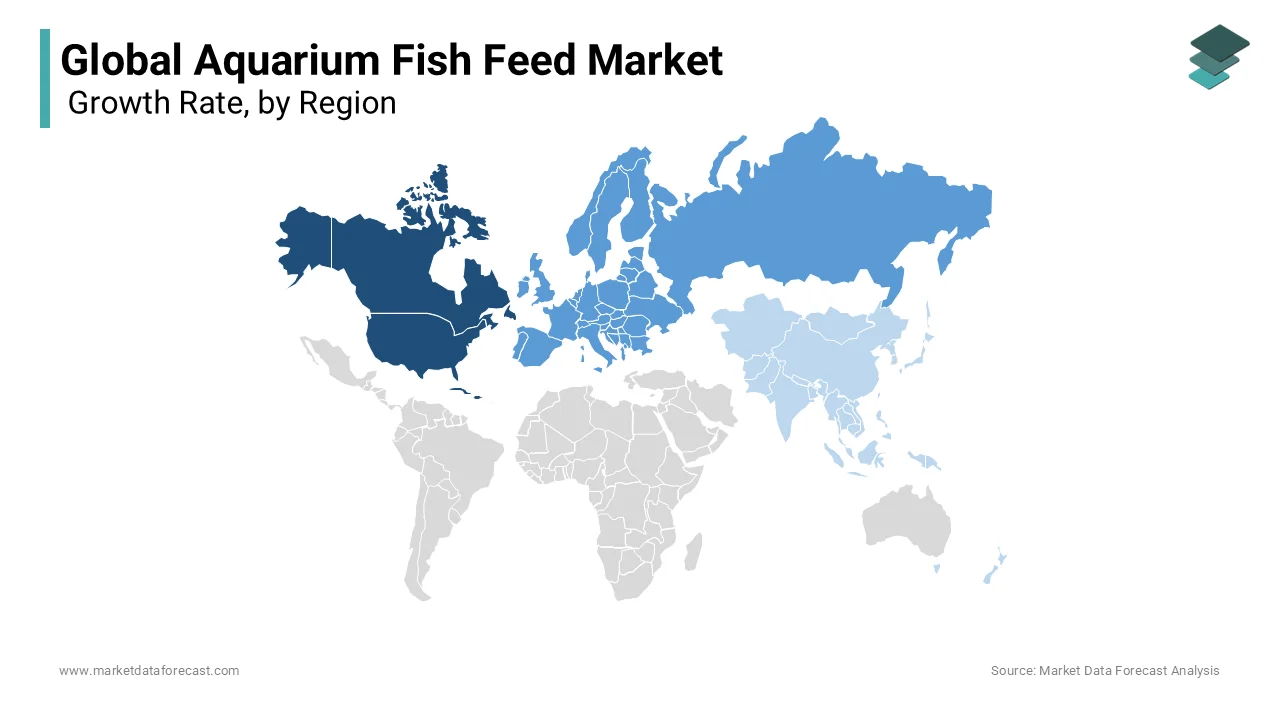
| By Region / Country | United States (held the leading position globally in 2025) | China (rapid market expansion driven by urbanization and breeding facilities) |
Major Market Players & Market Structure
Market Structure: Highly competitive global landscape featuring specialized nutrition providers and aquatic feed manufacturers competing intensely on alternative protein sourcing, ingredient traceability, species-specific formulations, and digital e-commerce distribution.
Key Companies: Tetra, Canadian Aquatic Feed, Hikari, Marubeni Nisshin Feed, UPEC, Aqua One, Beijing New Rainbow, Feed Industries, JBL, Sera, Ocean Nutrition, and others.
Global Aquarium Fish Feed Market Size
The global aquarium fish feed market was valued at USD 129.47 billion in 2025 and is anticipated to reach USD 143.09 billion in 2026 from USD 318.52 billion by 2034, growing at a CAGR of 10.52% from 2026 to 2034.
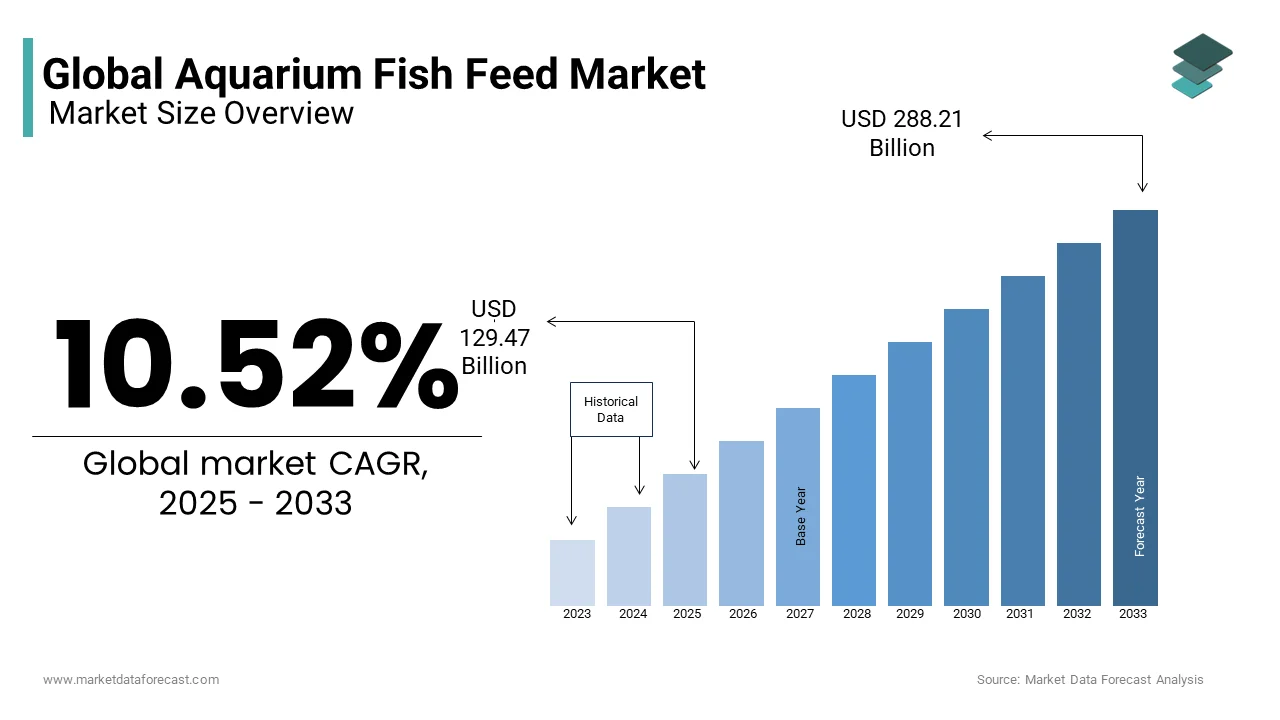
Aquarium fish feed are specialized nutritional formulations designed to sustain ornamental aquatic species in captive environments across residential, commercial and institutional settings. This sector addresses precise dietary requirements ranging from protein dense carnivore blends to plant based herbivore compositions, reflecting the biological diversity of over 3200 freshwater and 1600 marine ornamental species traded globally. According to research published in Aquaculture Reports, approximately 66.3% of hobbyists actively engage in fish breeding activities, creating sustained demand for nutritionally optimized feed solutions that support reproductive health and juvenile development. European households demonstrate significant engagement with aquatic pets, with nearly 139 million pet owning households across the region maintaining diverse aquarium ecosystems according to FEDIAF data. The nutritional complexity of aquarium fish feed extends beyond basic sustenance, incorporating essential amino acids, omega 3 fatty acids, vitamins and mineral profiles calibrated to species specific metabolic rates and water temperature conditions. According to research published in Aquaculture Reports, 91.0% of hobbyists perceive insufficient access to veterinary care for ornamental fish, elevating the importance of preventive nutrition through scientifically formulated feeds. Feed manufacturers increasingly prioritize ingredient traceability and sustainable sourcing protocols, responding to consumer expectations for environmentally responsible production methods. The European Union regulatory framework governs feed additive approvals and ingredient safety standards, ensuring product quality while promoting innovation in alternative protein sources such as insect meal and microalgae derivatives.
MARKET DRIVERS
Rising Global Aquarium Hobbyist Engagement and Breeding Activity
The expansion of aquarium hobbyist communities worldwide is majorly driving the expansion of the global aquarium fish feed market. For instance, 66.3% of respondents actively engaged in breeding ornamental fish at some point during their hobby journey, with breeding participation increasing to 88.2% among total enthusiasts surveyed. This progression from basic fishkeeping to reproductive management intensifies nutritional requirements, as breeding pairs and developing fry demand protein levels between 50% and 70% for carnivorous species, substantially higher than maintenance diets. According to the American Pet Products Association, Millennials now constitute 46% of saltwater aquarium owners and 38% of freshwater keepers, representing a demographic cohort with strong digital engagement and willingness to invest in premium nutrition products. European market dynamics further amplify this trend, as nearly 50% of households across the region own at least one pet, creating substantial addressable demand for ornamental fish nutrition solutions. Hobbyist breeding activities generate consistent feed consumption patterns, with successful reproduction cycles requiring multiple daily feedings of specialized fry formulas, live food alternatives and growth enhancing supplements. The scientific community increasingly recognizes hobbyist contributions to ornamental fish production, with research indicating that captive breeding initiatives reduce pressure on wild populations while creating stable commercial demand for nutritionally advanced feed formulations tailored to specific life stages and species requirements.
Advancement in Sustainable and Alternative Protein Ingredient Innovation
Technological progress in alternative protein sourcing fundamentally transforms aquarium fish feed formulation capabilities and market appeal, which is further contributing to the global market growth. The European Commission has authorized insect derived processed animal proteins for aquaculture feed applications since July 2017, enabling manufacturers to incorporate black soldier fly larvae meal and other insect proteins that deliver 40% to 60% crude protein content with superior amino acid profiles. According to data published by the International Platform of Insects for Food and Feed, approximately 1000 tonnes of insect protein have been commercialized by European producers for aquafeed applications, demonstrating scalable supply chain development. Microalgae cultivation technologies now provide sustainable sources of omega 3 fatty acids and natural pigments that enhance fish coloration without relying on wild fishery derived ingredients. Research initiatives supported by EIT Food focus on developing zero waste aquafeed formulations using plant byproducts and carbon capture derived ingredients, aligning with European Green Deal objectives. These innovations address consumer preferences for environmentally responsible products while maintaining nutritional efficacy, as studies confirm that insect meal substitutions up to 25% in ornamental fish diets do not compromise growth performance or health parameters. The regulatory approval pathway for novel feed ingredients in the European Union provides market certainty for manufacturers investing in research and development, accelerating commercialization of next generation formulations that balance sustainability credentials with biological performance requirements for diverse ornamental species.
MARKET RESTRAINTS
Stringent Regulatory Compliance Requirements for Feed Ingredient Approval
The European Union maintains rigorous authorization protocols for novel feed ingredients and additives, creating substantial time and resource barriers for market entry of innovative aquarium fish feed formulations, which is a primary restraint to the global market. According to European Commission documentation, all feed producers must obtain specific approvals demonstrating ingredient safety, environmental impact assessments and animal welfare considerations before commercial distribution. The approval process for novel proteins such as insect meal or single cell organisms typically requires 24 to 36 months of scientific evaluation, delaying product launches and increasing development costs for manufacturers. EU regulations governing maximum residue limits, contaminant thresholds and labeling requirements further complicate formulation strategies, particularly for products targeting multiple species with varying nutritional sensitivities. According to policy analysis published by Seas At Risk, the Common Fisheries Policy provides a science-based framework to manage fisheries sustainably while addressing ecosystem preservation, which influences the sustainability criteria that feed manufacturers must satisfy including traceability documentation for marine derived ingredients and lifecycle assessments for alternative protein sources. These regulatory complexities disproportionately affect small and medium enterprises lacking dedicated compliance teams, potentially limiting market diversity and innovation pace. Furthermore, divergent national interpretations of EU framework directives create fragmented approval landscapes across member states, requiring manufacturers to navigate multiple regulatory pathways for pan European distribution. The administrative burden associated with maintaining compliance documentation, conducting mandatory testing and responding to regulatory inquiries diverts resources from research and development activities, potentially slowing the introduction of nutritionally advanced feed solutions that could benefit ornamental fish health and hobbyist satisfaction.
Limited Veterinary Support Infrastructure for Ornamental Fish Health Management
The scarcity of specialized veterinary services for ornamental fish is further hindering the growth of the global market. For instance, 91.0% of aquarium hobbyists across surveyed regions perceive insufficient access to veterinary care for pet fish, creating knowledge gaps regarding optimal feeding practices and nutritional interventions for health conditions. This veterinary care deficit forces hobbyists to rely on informal information sources such as online forums and social media platforms, where nutritional advice may lack scientific validation or species specific accuracy. According to research published in Aquaculture Reports, 78.5% of respondents primarily consult online forums for fish care guidance, while only 31.5% access peer reviewed scientific literature, potentially perpetuating suboptimal feeding practices. The absence of professional veterinary oversight complicates diagnosis and treatment of nutrition related health issues such as vitamin deficiencies, metabolic disorders or digestive complications, reducing consumer confidence in feed product efficacy. European market dynamics reflect this challenge, as specialized aquatic veterinary services remain concentrated in major urban centers, leaving rural and suburban hobbyists without accessible professional support. This infrastructure limitation suppresses demand for premium feed formulations that require precise dosing protocols or species specific application guidance, as consumers hesitate to invest in advanced nutrition products without professional validation. The resulting market environment favors generic, broadly applicable feed products over specialized formulations, constraining innovation incentives for manufacturers developing targeted nutritional solutions for specific ornamental species or life stages.
MARKET OPPORTUNITIES
Expansion of Premium and Species Specific Feed Formulations
The growing sophistication of aquarium hobbyist communities creates substantial opportunity for the aquarium fish feed market. According to survey data published in Aquaculture Reports, 79.2% of respondents express desire for species specific best practice guidelines, indicating strong market receptivity to scientifically formulated nutrition products with transparent ingredient sourcing and performance documentation. Advanced formulations targeting color enhancement, reproductive conditioning or immune support command premium pricing while delivering measurable value to discerning consumers. The European market demonstrates particular potential, as nearly 50% of households own pets and consumer preferences increasingly favor specialized, high quality products over generic alternatives. Manufacturers can leverage emerging research on ornamental fish nutritional physiology to develop differentiated products addressing specific metabolic requirements, such as low temperature adapted formulas for goldfish or marine specific omega 3 profiles for reef species. Digital engagement channels enable direct consumer education regarding formulation benefits, supporting premium positioning through transparent communication of ingredient functionality and scientific validation. The integration of sustainable ingredient narratives with performance claims creates compelling value propositions for environmentally conscious consumers willing to invest in superior nutrition. As per industry analysis, the European insect protein feed market is projected to grow at a compound annual rate of 44.80% through 2034, providing innovative ingredient options for premium formulation development. Manufacturers establishing early expertise in species specific nutrition can capture loyal customer segments and build defensible market positions through product differentiation and scientific credibility.
Digital Platform Integration for Personalized Nutrition Guidance and Product Recommendations
The convergence of aquarium hobbyist digital engagement and artificial intelligence capabilities presents promising opportunity for the aquarium fish feed market. According to research published in Aquaculture Reports, 78.5% of respondents utilize online forums for fish care guidance, while 58.2% consult YouTube creators, demonstrating strong digital channel adoption that manufacturers can leverage for targeted engagement. Advanced algorithms analyzing species inventory, tank parameters and feeding history can generate customized nutrition plans that optimize fish health while driving product discovery and repeat purchases. European consumers demonstrate high digital commerce adoption, with e commerce penetration in pet care categories exceeding 30% in multiple markets, creating favorable conditions for direct to consumer feed distribution models. Mobile applications incorporating image recognition for species identification and feeding behavior analysis can deliver real time nutritional guidance, enhancing product utility and consumer loyalty. The integration of subscription based delivery models with personalized formulation recommendations creates recurring revenue streams while improving inventory predictability for manufacturers. According to economic data reported by FEDIAF, the European pet economy demonstrates significant scale with pet food and related care services expanding across consumer spending channels. Manufacturers investing in digital infrastructure and data analytics capabilities can establish competitive advantages through superior consumer insights, targeted product development and efficient customer acquisition. The combination of personalized nutrition science with seamless digital experiences addresses hobbyist desires for expert guidance while creating scalable commercial models that transcend traditional retail limitations.
MARKET CHALLENGES
Supply Chain Volatility for Specialized Feed Ingredients and Raw Materials
The consistent supplies of specialized ingredients required for nutritionally optimized formulations is a significant challenge to the aquarium fish feed market growth. According to European aquaculture policy documentation, many fin fish species farmed in Europe remain heavily reliant on fishmeal and fish oil based diets, creating exposure to wild fishery fluctuations and geopolitical supply disruptions. Alternative protein sources such as insect meal, while growing rapidly, still represent limited production volumes relative to total feed ingredient demand, with European insect protein commercialization reaching approximately 1000 tonnes annually as per data from the International Platform of Insects for Food and Feed. Climate change impacts on agricultural commodity yields further complicate raw material procurement, affecting pricing and availability of plant based proteins, vitamins and mineral supplements essential for balanced feed formulations. The European Union import control regulations for non animal origin feed ingredients introduce additional complexity, requiring manufacturers to maintain extensive supplier qualification documentation and conduct regular quality audits. According to policy analysis published by Seas At Risk, sustainability certification requirements for marine derived ingredients add layers of supply chain verification that increase procurement costs and lead times. Small and medium feed manufacturers face particular challenges securing reliable ingredient supplies at competitive prices, potentially limiting their ability to compete with larger players possessing established supplier relationships and purchasing scale. The concentration of specialized ingredient production among limited global suppliers creates vulnerability to production disruptions, transportation delays or quality inconsistencies that can compromise feed manufacturing schedules and product availability. Manufacturers must invest in supply chain diversification, strategic inventory management and supplier development initiatives to mitigate these risks while maintaining formulation integrity and cost competitiveness in dynamic market conditions.
Consumer Education Gaps Regarding Optimal Feeding Practices and Product Selection
Persistent knowledge deficiencies among aquarium hobbyists regarding species specific nutritional requirements and proper feeding protocols constrain the global market expansion. According to research published in Aquaculture Reports, 78.5% of hobbyists primarily consult online forums for fish care information, while only 31.5% access peer reviewed scientific literature, creating potential for misinformation regarding feeding frequencies, portion sizes and formulation selection. The complexity of ornamental fish nutrition encompass variations in protein requirements from 15% for herbivores to 70% for carnivores and this challenges consumer comprehension and appropriate product matching. European market dynamics reflect this challenge, as diverse species portfolios across member states require nuanced nutritional guidance that generic retail channels struggle to provide. According to survey data published in Aquaculture Reports, 91.0% perceive insufficient access to veterinary care for ornamental fish, eliminating a critical channel for professional nutrition counseling and health monitoring. The proliferation of feed products with varying ingredient profiles, functional claims and price points creates decision complexity that can lead to suboptimal purchasing choices or inconsistent feeding practices. Manufacturers investing in consumer education face challenges scaling personalized guidance across diverse markets and languages while maintaining scientific accuracy and regulatory compliance. Digital content strategies must balance engagement objectives with educational rigor to avoid oversimplification of complex nutritional concepts. As per industry observations, the absence of standardized feeding guidelines for many ornamental species complicates product positioning and performance validation, potentially undermining consumer confidence in premium formulations. Addressing these education gaps requires sustained investment in accessible, scientifically validated content delivery mechanisms that empower consumers to make informed nutrition decisions while supporting appropriate product utilization and fish health outcomes.
REPORT COVERAGE
| REPORT METRIC | DETAILS |
| Market Size Available | 2025 to 2034 |
| Base Year | 2025 |
| Forecast Period | 2026 to 2034 |
| CAGR | 10.52% |
| Segments Covered | By Product Type, Fish Type, End User, and Region |
| Various Analyses Covered | Global, Regional & Country Level Analysis, Segment-Level Analysis, DROC, PESTLE Analysis, Porter’s Five Forces Analysis, Competitive Landscape, Analyst Overview of Investment Opportunities |
| Regions Covered | North America, Europe, APAC, Latin America, Middle East & Africa |
| Market Leaders Profiled | Tetra, Canadian Aquatic Feed, Hikari, Marubeni Nisshin Feed, UPEC, Aqua One, Beijing New Rainbow, Feed Industries, JBL, Sera, Ocean Nutrition, and Others. |
SEGMENT ANALYSIS
By Product Insights
The processed food dominated the market by holding 55.7% of the global market share in 2025. The growth of the processed food segment in the global market is attributed to the superior convenience attributes and extended shelf life characteristics that align with contemporary consumer lifestyles. The nutritional consistency offered by processed formulations addresses critical hobbyist requirements for predictable fish health outcomes and water quality management. According to industry data, processed feeds deliver protein concentrations between 38% and 40% alongside lipid profiles of 12% to 14% that support optimal ornamental fish development across diverse species. Manufacturing advancements enable precise micronutrient encapsulation that preserves vitamin stability during storage and transportation. The European market demonstrates particularly strong processed food adoption with nearly 65% of aquarium owners selecting pellet or flake formulations for routine feeding protocols. Retail distribution networks favor processed products due to reduced handling complexity and lower spoilage risks compared to live alternatives. As per processed feed innovation focuses on species specific formulations that enhance coloration and immune function while minimizing waste discharge into aquatic environments. Consumer preference for time efficient feeding solutions continues strengthening processed food market position across residential and commercial aquarium segments globally.
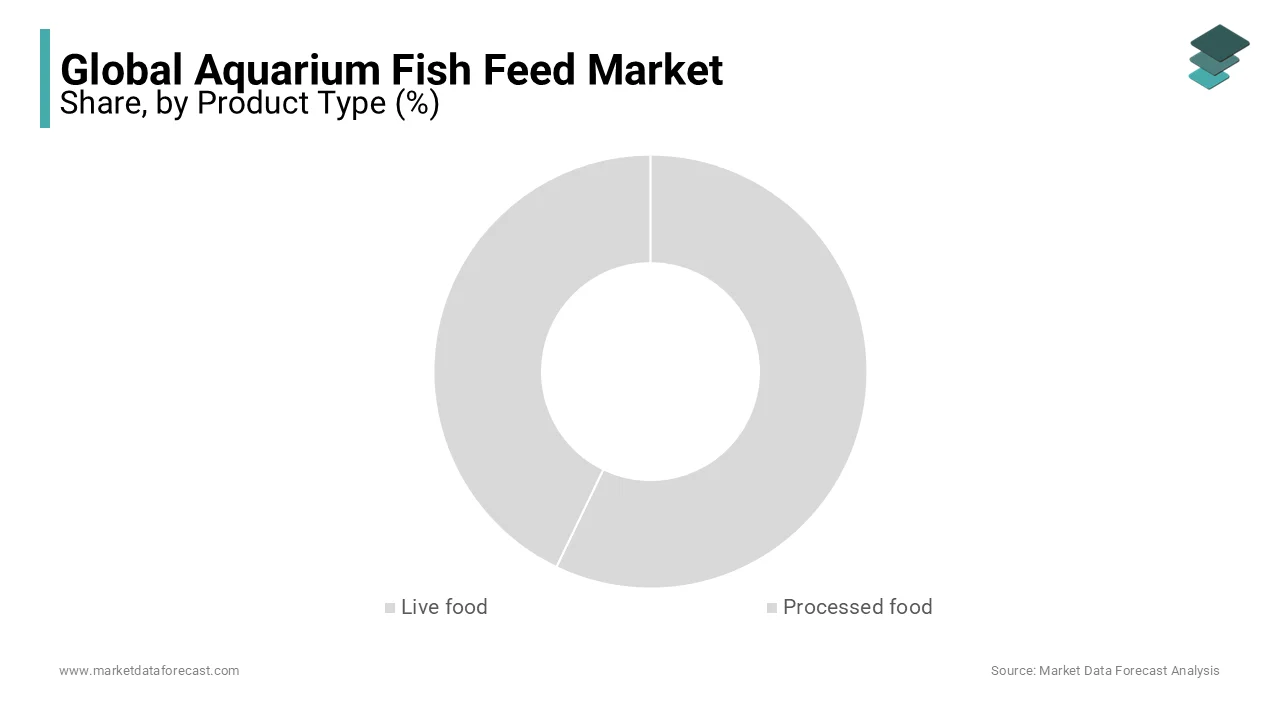
On the other hand, the live food segment is a promising CAGR of 8.2% in the global market during the forecast period owing to the increasing hobbyist recognition of live feed nutritional superiority for breeding programs and juvenile development stages. Live organisms such as brine shrimp and daphnia provide essential fatty acids and enzymes that processed alternatives cannot fully replicate. According to aquaculture research publications, live food consumption improves fry survival rates by 23% compared to exclusively processed diets in sensitive ornamental species. The growing popularity of reef aquariums and marine ornamental fish keeping further amplifies live food demand as these ecosystems require diverse nutritional inputs. For instance, 44% of advanced aquarists incorporate live feed supplements at least three times weekly to optimize fish vitality and reproductive performance. Technological innovations in live food cultivation including automated brine shrimp hatcheries and sustainable daphnia farming systems are reducing production costs and improving accessibility. For instance, the live food segment benefits from strong emotional engagement among enthusiasts who value observing natural hunting behaviors in their ornamental fish. This behavioral enrichment aspect creates premium pricing opportunities and customer loyalty that drive sustained segment expansion across global markets.
By Fish Insights
The goldfish segment led the market by capturing 26.25 of the global market share in 2025. This dominance reflects the enduring popularity of goldfish as starter aquarium species and their widespread presence in residential ponds across temperate climates. Goldfish nutritional requirements balance moderate protein levels between 30% and 35% with specialized carotenoid formulations that enhance orange and red pigmentation valued by hobbyists. According to European pet ownership data, goldfish represent the most commonly kept ornamental fish species in household aquariums across Germany France and the United Kingdom. The segment benefits from consistent demand patterns as goldfish exhibit long lifespans exceeding 10 years with proper nutrition creating recurring purchase cycles. Manufacturers prioritize goldfish specific formulations that address common health concerns including swim bladder disorders and digestive sensitivity through carefully calibrated fiber content and digestible protein sources. As per industry analysis, goldfish feed innovation focuses on slow sinking pellets that reduce surface feeding competition and minimize water column pollution. The segment's leadership position strengthens through educational initiatives that guide novice aquarists toward appropriate feeding protocols and product selection. Retail channels favor goldfish feed due to high inventory turnover and broad consumer appeal across age demographics and experience levels.
On the other end, the koi feed segment is on the rise and is estimated to expand at a CAGR of 8.2% during the forecast period in the global market owing to the rising interest in ornamental pond culture and premium aquatic landscaping among affluent consumers in North America and Europe. Koi nutritional protocols require high protein formulations between 35% and 40% alongside specialized immune support additives that protect valuable specimens during seasonal temperature fluctuations. According to Japanese aquaculture associations, koi breeding operations increasingly adopt scientifically formulated feeds that enhance pattern development and scale luster valued in competitive exhibitions. The segment benefits from strong emotional investment among enthusiasts who view koi keeping as both artistic expression and long term asset cultivation. European market data indicates that premium koi feed purchases average 15 kilograms annually per pond owner with price sensitivity significantly lower than standard ornamental fish categories. As per industry documentation, koi feed innovation emphasizes seasonal formulation adjustments that support metabolic adaptation during winter dormancy and spring activation periods. The growing popularity of koi keeping among younger demographics through social media engagement creates expanding addressable markets for specialized nutrition products. Manufacturers leverage direct to consumer digital channels to educate hobbyists on advanced feeding strategies that maximize fish health and aesthetic outcomes.
By End User Insights
The aquarium shops segment maintained the largest distribution channel share within the aquarium fish feed market by holding 40.4% of the global market share in 2025 due to the specialized product knowledge and personalized customer guidance that online channels cannot fully replicate for complex nutritional decisions. Aquarium shop staff provide critical expertise regarding species specific feeding protocols water parameter compatibility and product selection that builds consumer trust and repeat patronage. According to European pet retail surveys, 78% of aquarium owners visit specialty shops at least monthly for feed purchases and maintenance supplies. The segment benefits from impulse purchase opportunities created by in store product demonstrations and live fish displays that stimulate complementary feed sales. Aquarium shops also serve as testing grounds for new product launches allowing manufacturers to gather direct consumer feedback and refine formulations before broader distribution. As per market intelligence, specialty retailers command premium pricing for exclusive or limited edition feed products that appeal to dedicated hobbyists seeking differentiated nutrition solutions. The tactile shopping experience enables customers to evaluate product texture packaging quality and ingredient transparency before purchase decisions. This channel's leadership strengthens through loyalty programs and expert consultation services that create defensible competitive advantages against purely transactional retail models.
However, the online segment is the fastest growing end user segment within the aquarium fish feed market and is predicted to record a CAGR of 10.2% during the forecast period owing to the broader e-commerce adoption trends and consumer preference for home delivery convenience particularly among urban hobbyists with limited access to specialty retail locations. Digital platforms enable extensive product discovery through detailed ingredient listings customer reviews and comparative pricing that empower informed purchasing decisions. According to European digital commerce data, online aquarium feed sales grew by 30% year over year driven by subscription models and automated replenishment services. The segment benefits from direct manufacturer to consumer relationships that eliminate intermediary margins and enable personalized product recommendations based on purchase history and species inventory. As per industry analysis, online channels facilitate access to niche or imported feed formulations that specialty retailers may not stock due to inventory constraints. Mobile applications incorporating feeding reminders and nutritional guidance create value added services that enhance customer retention and lifetime value. The growing sophistication of logistics networks ensures temperature controlled delivery for sensitive feed products while maintaining competitive shipping costs. Digital marketing strategies targeting aquarium enthusiast communities through social media and content platforms drive efficient customer acquisition and brand awareness expansion.
COUNTRY ANALYSIS
U.S Aquarium Fish Feed Market Analysis
The U.S. held the leading position within the global aquarium fish feed market in 2025. The United States is anticipated to experience robust market growth over the next few years due to stable household pet ownership and a rising demand for premium organic feed varieties. This leadership reflects strong household aquarium adoption with over 15 million American homes maintaining ornamental fish tanks as documented by the American Pet Products Association. United States consumers demonstrate premium product preferences with 65% of aquarists selecting specialized feeds that support coloration immunity and reproductive health. The market benefits from robust retail infrastructure including major pet specialty chains and independent aquarium shops that provide extensive product selection and expert guidance. According to industry data, United States feed consumption averages 5 to 7 kilograms annually per household with goldfish and tropical species driving the majority of volume. Innovation adoption remains strong as American hobbyists embrace probiotic enhanced formulations and sustainable ingredient alternatives at higher rates than global averages. As per market intelligence, e commerce penetration in United States aquarium feed sales exceeds 40% enabling direct manufacturer engagement and personalized subscription services. Regulatory frameworks support product quality through clear labeling requirements and ingredient safety standards that build consumer confidence. The United States market serves as a testing ground for new product concepts before global expansion due to sophisticated consumer expectations and competitive retail dynamics.
China Aquarium Fish Feed Market Analysis
China is projected to experience rapid market expansion in the coming years driven by accelerating urbanization and expanding domestic ornamental fish breeding facilities. This prominence reflects rapid urbanization trends and rising disposable incomes that expand the addressable consumer base for ornamental fish keeping. Chinese hobbyists increasingly prioritize premium nutrition products with 45% selecting feeds containing sustainable protein sources such as insect meal or algae derivatives as per industry surveys. The market benefits from strong domestic manufacturing capabilities that enable cost competitive production while meeting evolving quality expectations. According to aquaculture development reports, China produces over 40% of the world's ornamental fish creating substantial domestic feed demand alongside export opportunities. Urban apartment living drives preference for compact aquarium systems that require specialized micro pellet formulations and low waste feed technologies. As per market intelligence, Chinese consumers demonstrate growing interest in digital purchasing channels with online feed sales growing at 35% annually. Government initiatives supporting sustainable aquaculture practices encourage adoption of eco friendly feed formulations that reduce environmental impact. The market's growth trajectory strengthens through educational programs that promote responsible fish keeping and appropriate nutrition protocols among new hobbyists.
Japan Aquarium Fish Feed Market Analysis
Japan is poised to witness steady demand and an increased focus on premium specialized feeds over the coming years as hobbyists emphasize aesthetic maintenance and genetic vitality in niche aquatic breeds. This standing reflects deep cultural appreciation for ornamental aquatic species and meticulous attention to fish health and aesthetic presentation. Japanese consumers demonstrate exceptional quality expectations with 70% selecting premium feed formulations that include probiotics color enhancers and immune support additives as per industry documentation. The market benefits from advanced
KEY MARKET PLAYERS
A few of the market players in the global aquarium fish feed market include
- Tetra
- Canadian Aquatic Feed
- Hikari
- Cargill Incorporated
- Marubeni Nisshin Feed
- UPEC
- Aqua One
- Beijing New Rainbow Feed Industries
- JBL
- Sera
- Ocean Nutrition
Top Players In The Market
- Tetra GmbH maintains influential presence within the global aquarium fish feed market through comprehensive product portfolios and scientific innovation leadership. The company specializes in species specific formulations that address diverse nutritional requirements across freshwater and marine ornamental fish categories. Recent strategic initiatives include expansion of sustainable ingredient sourcing programs that incorporate insect protein and algae derivatives to reduce environmental impact. Tetra invests significantly in research and development collaborations with academic institutions to advance nutritional science and product efficacy validation. The company strengthens market position through digital engagement platforms that provide feeding guidance and species care information to hobbyists worldwide. Manufacturing facilities employ advanced quality control protocols that ensure nutrient stability and product consistency across global distribution networks. Tetra leverages brand heritage and consumer trust to introduce premium product lines that command favorable pricing while delivering measurable health outcomes. Strategic partnerships with retail channels enable broad market access while maintaining product positioning integrity. The company's commitment to educational initiatives supports responsible fish keeping practices and appropriate nutrition protocols among new hobbyists.
- Hikari Sales USA Incorporated demonstrates strong market influence through specialized formulations targeting premium ornamental fish segments including koi goldfish and tropical species. The company emphasizes color enhancement technologies and immune support additives that deliver visible health benefits valued by dedicated hobbyists. Recent strategic actions include expansion of manufacturing capacity to meet growing demand for premium feed products across North American and Asian markets. Hikari invests in research partnerships that advance nutritional science and validate product efficacy through controlled feeding trials. The company strengthens market position through targeted digital marketing campaigns that engage aquarium enthusiast communities and build brand loyalty. Distribution strategies prioritize specialty retail channels that provide expert consultation services and reinforce premium product positioning. Hikari leverages Japanese manufacturing expertise to ensure consistent quality and nutrient stability across global product lines. The company's commitment to innovation drives continuous introduction of novel formulations that address emerging consumer preferences for sustainable and functional nutrition solutions. Strategic focus on education and community engagement supports long term market development and responsible fish keeping practices.
Aquaculture Division Market Contribution and Strategic Positioning
Cargill Incorporated contributes significantly to the aquarium fish feed market through its aquaculture nutrition division that leverages global supply chain capabilities and scientific expertise. The company specializes in sustainable ingredient sourcing and advanced formulation technologies that address diverse ornamental fish nutritional requirements. Recent strategic initiatives include development of alternative protein platforms incorporating insect meal and single cell organisms to reduce reliance on traditional fishmeal sources. Cargill invests in research collaborations that advance nutritional science and validate product performance through rigorous testing protocols. The company strengthens market position through integrated solutions that combine feed products with technical support services for commercial breeders and retail partners. Manufacturing facilities employ sophisticated quality control systems that ensure nutrient consistency and product safety across global distribution networks. Cargill leverages scale advantages to deliver cost effective premium formulations that balance performance attributes with accessibility considerations. Strategic focus on sustainability and transparency aligns with evolving consumer preferences and regulatory expectations. The company's commitment to innovation drives continuous advancement in feed efficiency and environmental stewardship across ornamental aquaculture applications.
Top Strategies Used by Key Market Participants
Key market participants employ product innovation strategies that develop species specific formulations addressing unique nutritional requirements and health objectives. Companies invest in sustainable ingredient sourcing programs that incorporate alternative proteins such as insect meal algae and plant derivatives to reduce environmental impact. Digital engagement initiatives create direct consumer relationships through educational content feeding guidance and personalized product recommendations. Strategic distribution partnerships with specialty retailers and e commerce platforms expand market access while maintaining premium positioning. Research and development collaborations with academic institutions advance nutritional science and validate product efficacy through controlled trials. Manufacturing excellence programs ensure consistent quality nutrient stability and regulatory compliance across global supply chains. Brand building activities emphasize heritage expertise and measurable health outcomes to differentiate premium offerings. Customer education initiatives promote responsible fish keeping practices and appropriate nutrition protocols among new hobbyists. Geographic expansion strategies target high growth emerging markets with tailored product portfolios and localized distribution networks. Sustainability commitments drive continuous improvement in ingredient traceability production efficiency and environmental stewardship.
MARKET SEGMENTATION
This research report on the global aquarium fish feed market is segmented and sub-segmented based on the product type, Fish Type, User, and Region.
By Product Type
- Live food
- Processed food
By Fish Type
- Goldfish
- regional fish
- Koi and others
By End-User
- Aquarium shops
- Online
- Retailers
- Others
By Region
- North America
- Europe
- Asia-Pacific
- Latin America
- Middle East and Africa