- Product Description Description
- Table of Contents TOC
- List of Table & Figure LOT
- Get Free Sample PDF Sample PDF
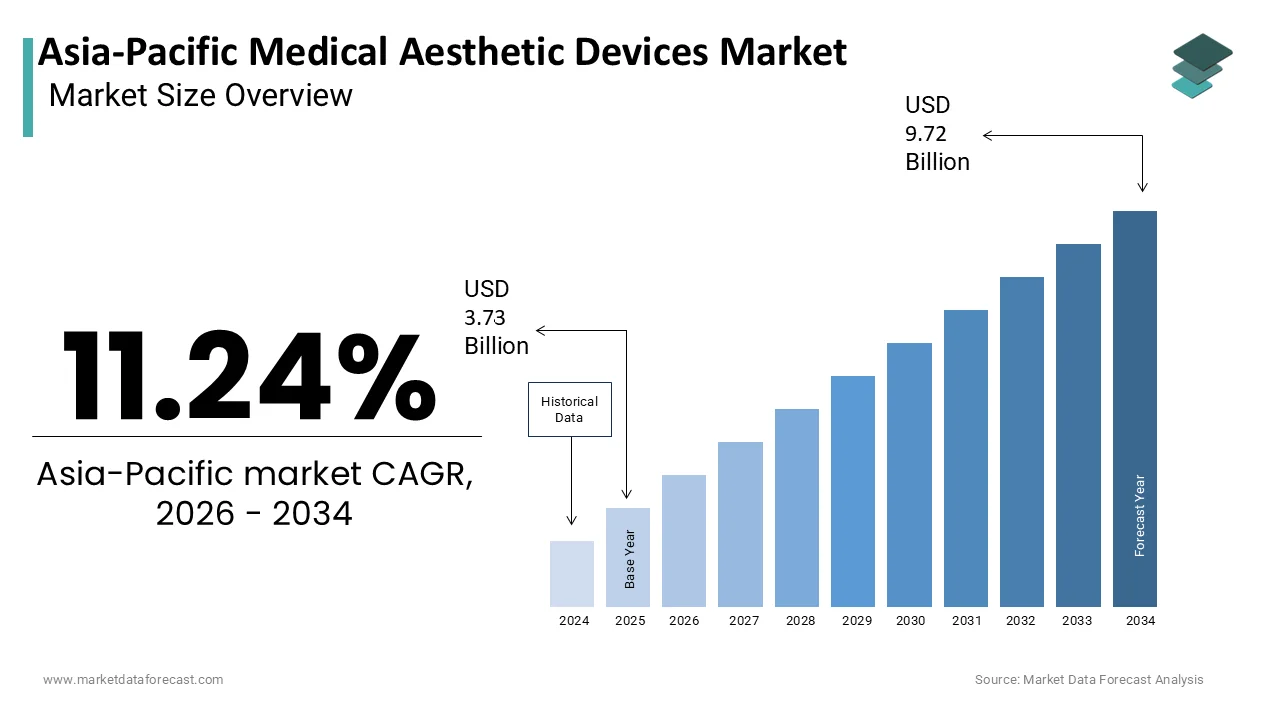
Market Size, 2025
$3.73 BnMarket Estimate, 2026
$4.15 BnMarket Forecast, 2034
$9.72 BnCAGR, 2026–2034
11.24%Executive Summary: Asia-Pacific Medical Aesthetic Devices Market
- Market Scope: Comprehensive Asia-Pacific medical aesthetic devices market analysis covering product types, procedure categories, end-user settings, regional country frameworks, and clinical/technological adoption drivers.
- Market Valuation: Valued at USD 3.73 billion (2025), estimated at USD 4.15 billion (2026), and projected to reach USD 9.72 billion by 2034, registering a robust CAGR of 11.24% (2026–2034).
- Primary Growth Drivers: Rising prevalence of obesity and overweight populations (driven by unhealthy processed food, sedentary lifestyles, and insufficient physical activity), a rapidly growing geriatric demographic, and increasing disposable incomes supporting higher demand for cosmetic surgeries in developing nations. Key operational challenges include high device and maintenance costs, lack of reimbursement frameworks, social stigma, and stringent regulatory approval processes.
Key Market Segment Metrics (2026–2034)
| Category | Leading Segment (2025 Position) | Fastest-Growing Segment |
|---|---|---|
| By Product Type | Energy-based devices (dominated market share owing to extensive utilization in non-invasive procedures) | Advanced energy-based and laser systems with real-time digital/AI integration |
| By Procedures | Cosmetic procedures (led overall utilization driven by high consumer awareness and beautification trends) | Minimally invasive and non-invasive cosmetic procedures |
| By End Users | Clinics (representing the primary setting for specialized medical aesthetic treatments) | Beauty centres and specialized dermatology clinics |
| By Country | China (accounted for the largest regional market share, backed by expanding healthcare infrastructure) | India (anticipated to register prominent share expansion driven by rising disposable incomes and medical tourism) |
Major Market Players & Market Structure
Market Structure: Highly competitive and fast-evolving regional landscape characterized by aggressive corporate strategies including acquisitions, cross-border collaborations, and technological innovations aimed at capturing high-growth Asian markets.
Key Companies: Allergan, Cynosure, Johnson & Johnson, LCA Pharmaceutical, Galderma Pharma, Solta Medical, Cutera, Focus Medical, Human Med Ag, Genzyme Corporation, Alcon Inc., and Alma Lasers.
Asia-Pacific Medical Aesthetic Devices Market Size
The Asia-Pacific Medical Aesthetic Devices Market is projected to grow from USD 3.73 billion in 2025 to USD 4.15 billion in 2026 and reach USD 9.72 billion by 2034, registering a CAGR of 11.24% during the forecast period from 2026 to 2034.
Medical aesthetic devices are clinically validated, regulated tools used by trained medical professionals to perform non-invasive or minimally invasive cosmetic procedures that improve physical appearance by targeting skin, fat, and underlying tissues. These specialised instruments sit at the intersection of dermatology and surgery, offering targeted treatments with short recovery times and minimal downtime. The high procedural volume creates an indispensable demand for advanced non-invasive and minimally invasive technologies such as laser systems and radiofrequency devices. According to industry data, consumer demand for natural-looking cosmetic results is steadily rising among younger populations, which is encouraging the use of high-precision equipment. Such statistical evidence underscores the urgent need for sophisticated devices that offer minimal downtime and high safety profiles. Regulatory bodies in nations like South Korea and Japan enforce stringent quality standards, ensuring product efficacy, which builds consumer trust. The rising prevalence of skin conditions due to pollution and UV exposure further amplifies market relevance as individuals seek corrective treatments. The ageing population in countries like China and Japan necessitates frequent anti-ageing interventions, making these devices essential clinical tools. The integration of digital health platforms facilitates personalised treatment planning, thereby sustaining consistent product adoption across both urban clinics and specialised aesthetic centres throughout the region.
MARKET DRIVERS
Rising Disposable Income Fuels Elective Procedure Demand
The escalating disposable income across emerging economies in the region is among the major drivers of the Asia Pacific medical aesthetics devices market. According to the Asian Development Bank, the regional middle class is projected to reach approximately 4.9 billion people globally by 2030, with developing Asia accounting for an overwhelming majority (85%) of this growth. This economic empowerment directly correlates with increased spending on personal appearance and wellness, including non-surgical aesthetic treatments. As per sources, household consumption expenditures across developing nations in Southeast Asia continue to shift toward elective health, lifestyle, and recreational wellness categories. Such statistical evidence compels individuals to invest in high-quality aesthetic procedures that require advanced technological support. Consumers are increasingly willing to pay premium prices for treatments offering superior outcomes and minimal recovery time. Clinics respond by investing in state-of-the-art laser and energy-based devices to meet these elevated expectations. The availability of consumer financing options further lowers barriers to entry, enabling broader access to aesthetic care. Urbanisation trends concentrate wealth in metropolitan areas where aesthetic clinics thrive due to high visibility and social pressure. Marketing campaigns leverage social media influencers to showcase transformative results, stimulating desire among affluent consumers. Consequently, the persistent rise in purchasing power ensures a steady and expanding customer base for manufacturers operating in this sector.
Cultural Shift Towards Youthfulness and Beauty Standards
The rapidly evolving cultural emphasis on youthfulness and specific beauty ideals supports the growth of the Asia Pacific medical aesthetics devices market. According to studies, the Asia Pacific region is the primary engine of expansion for personal care, accounting for roughly 67% of total global growth value in the beauty industry. This societal pressure drives individuals to seek professional interventions to maintain a youthful complexion and facial structure. As per surveys, non-surgical aesthetic modifications have achieved high rates of usage and widespread social acceptance among young adults in South Korea. This high prevalence rate within the population creates consistent demand for devices capable of delivering precise and natural-looking results. Skin whitening and anti-ageing treatments are particularly popular due to cultural preferences for fair and smooth skin. Medical professionals utilise advanced laser and light therapy devices to address pigmentation and wrinkles effectively. The influence of K-beauty and J-beauty trends extends beyond national borders, inspiring consumers in neighbouring countries to adopt similar practices. Social media platforms amplify these beauty standards, creating a feedback loop that sustains demand for continuous improvement. Manufacturers develop devices tailored to Asian skin types, addressing specific concerns such as melasma and hyperpigmentation. This cultural alignment with aesthetic enhancement guarantees a long term and stable demand stream for specialised medical devices throughout the region.
MARKET RESTRAINTS
Stringent Regulatory Frameworks Delay Product Launches
Complex and varied regulatory requirements across different nations in the region are a significant restraint on the rapid introduction of new medical aesthetics devices in the Asia Pacific market. Many countries maintain distinct approval processes for Class II and Class III medical devices, requiring extensive clinical data and local testing. According to industry market access data, the Therapeutic Goods Administration in Australia generally requires 6 to 12 months for Class III medical device approvals, while high-risk devices can see extended approval timelines depending on specific conformity and trial evaluations. This waiting period discourages smaller manufacturers from entering the market due to high compliance costs and uncertainty. The Association of Southeast Asian Nations aims to harmonise regulations, but implementation remains inconsistent, leading to fragmented market access strategies. Manufacturers must navigate diverse documentation requirements and post-market surveillance obligations, which increase operational burdens. Delays in regulatory clearance prevent timely access to innovative technologies for consumers and clinicians alike. Some companies opt to launch in less regulated markets first, risking reputational damage if adverse events occur. The lack of mutual recognition agreements between major economies further complicates multi-country launches. Healthcare providers face challenges in adopting the latest technologies when approvals are staggered across the region. Until regulatory harmonisation improves, the pace of innovation and market entry will remain constrained by bureaucratic hurdles. This limits the potential for rapid growth and equitable access to advanced aesthetic solutions.
Shortage of Trained Aesthetic Practitioners Limits Service Quality
A critical shortage of qualified and certified aesthetic practitioners is also a serious impediment to the safe and effective delivery of medical aesthetics treatments in the region, which in turn slows down the expansion of the Asia Pacific medical aesthetics devices market. According to sources, many countries in the region lack standardised training programs for non-surgical aesthetic procedures, leading to variability in skill levels. As per medical studies, an increasing number of aesthetic procedures in developing regions are performed by inadequately trained personnel, which elevates the risk of complications. This discrepancy erodes consumer confidence and leads to adverse outcomes that tarnish the reputation of the industry. Incorrect use of high-energy devices can cause burns, scarring, or pigmentary changes, resulting in legal liabilities and loss of trust. The limited number of accredited training centres exacerbates this issue, particularly in rural and semi-urban areas. Patients often struggle to distinguish between board-certified dermatologists and unqualified operators due to insufficient public awareness. Healthcare facilities express reluctance to invest in expensive devices when staff lack the necessary expertise to operate them safely. This hesitation limits the utilisation of advanced technologies, reducing the return on investment for clinics. Regulatory efforts to mandate certification are ongoing, but enforcement remains weak in many jurisdictions. The concentration of skilled professionals in major cities further complicates access for broader populations. Until workforce development initiatives are scaled up, these shortages will continue to restrain market potential. Furthermore, these deficiencies will compromise patient safety across the Asia Pacific region.
MARKET OPPORTUNITIES
Expansion of Medical Tourism Creates Growth Avenues
The robust growth of medical tourism in the region offers a lucrative opportunity for the Asia Pacific medical aesthetics devices market. This attracts international patients seeking high-quality, affordable care. Countries such as Thailand, South Korea, and Singapore have emerged as global hubs for aesthetic treatments, drawing visitors from Europe, North America and the Middle East. According to sources, cosmetic and plastic surgery options drive an immense share of inbound medical tourism arrivals to Southeast Asian hubs due to competitive pricing and advanced facilities. This influx of international patients drives demand for premium devices that meet global standards of safety and efficacy. Clinics catering to medical tourists invest heavily in cutting-edge laser and body contouring technologies to differentiate themselves in a competitive landscape. The presence of internationally accredited hospitals enhances confidence among foreign visitors regarding quality of care. Government initiatives promoting healthcare visas and streamlined processes further facilitate inbound patient flows. This trend encourages local distributors to stock a wider range of high-end devices to meet diverse patient needs. Partnerships between travel agencies and aesthetic clinics create bundled packages that enhance accessibility. The revenue generated from medical tourism allows clinics to upgrade equipment more frequently, fostering a cycle of innovation. This synergy between tourism infrastructure and aesthetic expertise guarantees a sustained and expanding market for advanced medical devices throughout the region.
Technological Advancements in Non-Invasive Procedures
The rapid advancement of non-invasive and minimally invasive technologies unlocks potential for the Asia Pacific medical aesthetics devices market. This development appeals to risk-averse consumers. According to studies, patient interest in non-surgical treatments is growing steadily due to their minimal downtime, lower risk profiles, and convenience compared to invasive surgical procedures. Devices utilising radiofrequency ultrasound and cryolipolysis allow for effective body contouring and skin tightening without incisions. This technological shift aligns with the busy lifestyles of urban professionals who cannot afford extended recovery periods. Manufacturers are developing handheld and portable devices that enable treatments in outpatient settings, reducing overhead costs for clinics. The integration of artificial intelligence in device operation enhances precision and customisation, improving patient satisfaction. Clinical studies validate the efficacy of these newer modalities, encouraging wider adoption among practitioners. Insurance providers in some markets begin to cover medically necessary aesthetic corrections, expanding access. Educational workshops promote the benefits of non-invasive options to both doctors and patients. The cultural preference for subtle enhancements further drives interest in these gentle yet effective technologies. This strategic alignment with consumer preferences for convenience and safety ensures sustained interest and willingness to invest in advanced non-surgical solutions, driving market expansion across the region.
MARKET CHALLENGES
Prevalence of Unregulated and Counterfeit Devices
The widespread presence of unregulated and counterfeit medical aesthetics devices is a formidable challenge to the integrity of the Asia Pacific medical aesthetics devices market. Additionally, these unauthorised products present a severe threat to patient safety in the region. According to the World Health Organisation, substandard and falsified medical products constitute a significant health challenge in developing economies, while the market for illegal beauty and care products is growing as e-commerce makes unauthorised purchases easier. These substandard units often lack proper safety mechanisms, leading to severe adverse events such as burns, infections,s and permanent tissue damage. The proliferation of online marketplaces facilitates the sale of fake devices to unsuspecting consumers and unlicensed practitioners. Regulatory authorities struggle to monitor the vast digital landscape, allowing illicit sellers to operate with impunity. Legitimate manufacturers face unfair competition from cheaper counterfeit alternatives that undercut prices and erode brand value. Consumers may not realise they are receiving treatment with unsafe equipment until complications arise, damaging trust in the entire industry. Legal recourse is often difficult due to jurisdictional complexities and a lack of consumer protection laws. Healthcare providers find it challenging to verify the authenticity of devices supplied through informal channels. This environment discourages investment in research and development as companies fear intellectual property theft. Until stricter enforcement mechanisms and public awareness campaigns are implemented, the threat of counterfeit devices will continue to challenge market stability. Furthermore, these illicit products will continue to endanger public health across the Asia Pacific region.
High Cost of Advanced Equipment Restricts Access
The prohibitive cost of advanced medical aesthetics devices is a major barrier to entry for small- and medium-sized clinics in many countries in the region, which holds back the expansion of the Asia Pacific medical aesthetics devices market. High-end laser systems and radiofrequency platforms often require substantial capital investment ranging from tens to hundreds of thousands of dollars. As per research, many private clinics in developing nations operate on thin margins, making it difficult to justify substantial capital expenditures without guaranteed high patient volumes. This financial constraint limits the availability of advanced treatments to wealthy urban centres, excluding broader populations. Maintenance and consumable costs further add to the total cost of ownership, straining operational budgets. Clinics may opt for older or less effective technologies to reduce upfront costs, compromising treatment quality. Financing options are limited in some regions due to high interest rates and strict lending criteria. The inability to afford the latest devices hinders competitiveness against larger chains with deeper pockets. Patients in lower-tier cities may have to travel long distances for specialised care, reducing accessibility. Manufacturers face challenges in pricing strategies, balancing affordability with profitability. Without innovative financing models or leasing options, the high cost of equipment will continue to restrict market penetration. Consequently, this financial barrier will limit the democratisation of advanced aesthetic care in the region.
REPORT COVERAGE
| REPORT METRIC | DETAILS |
| Market Size Available | 2025 to 2034 |
| Base Year | 2025 |
| Forecast Period | 2026 to 2034 |
| Segments Covered | By Product Type, Procedures, End Users and Region |
| Various Analyses Covered | Global, Regional, and Country-Level Analysis, Segment-Level Analysis, Drivers, Restraints, Opportunities, Challenges; PESTLE Analysis; Porter’s Five Forces Analysis, Competitive Landscape, Analyst Overview of Investment Opportunities |
| Countries Covered | India, China, Japan, South Korea, Australia, New Zealand, Thailand, Malaysia, Vietnam, Philippines, Indonesia, Singapore, Rest of APAC |
| Market Leaders Profiled | AllerganCynosure |
SEGMENTAL ANALYSIS
By Product Type Insights
The energy-based devices segment dominated the Asia Pacific medical aesthetics devices market and accounted for a substantial share in 2025. This dominance of the segment was driven by its versatility in treating a wide range of skin concerns, including ageing, pigmentation, and hair removal, without surgical intervention. According to sources, non-surgical aesthetic procedures utilising laser, light, and energy-based technologies continue to expand rapidly across the Asia-Pacific region, commanding a significant share of the total cosmetic market. This high volume drives consistent demand for advanced systems such as intense pulsed light and fractional lasers among dermatologists and aesthetic clinics. As per studies, growing consumer demand for minimal recovery times is fueling a structural preference for non-invasive energy-based treatments over surgical procedures. Such statistical evidence underscores the critical role these devices play in modern aesthetic practice. Manufacturers continuously innovate to improve safety profiles and efficacy for diverse Asian skin types, which are prone to post-inflammatory hyperpigmentation. Regulatory approvals for new wavelengths and cooling technologies further validate clinical utility, encouraging wider adoption. Clinics invest heavily in these platforms as they offer high return on investment through multiple treatment indications. The ability to customise parameters for individual patient needs enhances satisfaction and outcomes. Training programs offered by device manufacturers ensure practitioners can operate equipment safely, maximising therapeutic benefits. Consequently, the combination of clinical versatility, consumer preference for non-invasive options and technological advancement ensures energy-based devices remain the cornerstone of the Asia Pacific aesthetic market.
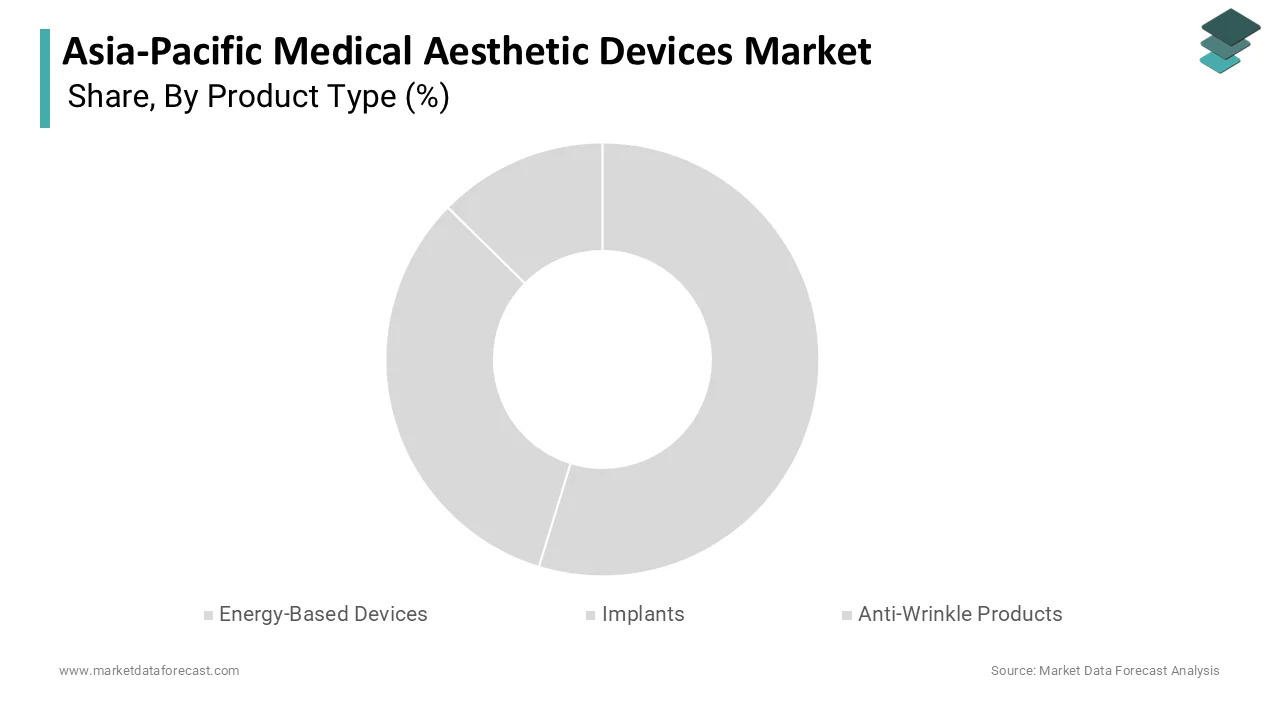
The implants segment is likely to experience the fastest CAGR of 8.5% from 2026 to 2034 due to increasing demand for permanent structural enhancement and facial contouring. According to research, both surgical breast augmentation and diverse facial implant options remain highly popular in South Korea as patients pursue defined aesthetic proportions. This growth is fueled by rising confidence in surgical outcomes and improved implant materials such as cohesive silicone and textured surfaces. As per sources, facial contours using structural augmentation methods are increasingly sought after by younger demographic brackets seeking enhanced jawline definition and chin alterations. Such trends drive demand for high-quality implants that offer natural feel and durability. Advances in manufacturing techniques allow for customised implant designs tailored to individual anatomical structures, enhancing aesthetic results. Regulatory bodies have streamlined approval processes for newer-generation implants, ensuring safety and efficacy. Surgeons are increasingly trained in minimally invasive insertion techniques, reducing recovery time and complications. Social media influence promotes idealised body images, encouraging individuals to pursue surgical enhancements. The availability of financing options makes these procedures more accessible to middle-income consumers. These factors collectively propel the rapid expansion of the implant segment across the region.
By Procedures Insights
The cosmetic procedures segment led the Asia Pacific medical aesthetics devices market and captured a significant share in 2025. This leading position was attributed to the widespread cultural emphasis on physical appearance and self-enhancement. According to research, consumer spending on personal care and specialised beauty services in the Asia-Pacific region displays consistent year-over-year growth due to expanding lifestyle choices. This societal driver fuels high volumes of non-surgical and surgical cosmetic interventions ranging from skin rejuvenation to body contouring. As per sources, the Asia-Pacific region accounts for a substantial volume of worldwide surgical and non-surgical cosmetic interventions due to high domestic demand across major hubs. Such statistical evidence compels clinics to invest in diverse device portfolios to meet varied patient expectations. Popular treatments include laser hair removal, skin tightening, and injectable-assisted therapies, which require specialised equipment. The rise of social media platforms amplifies beauty standards, creating pressure among individuals to maintain youthful appearances. Urbanisation concentrates affluent populations in cities where aesthetic clinics thrive, offering convenient access to premium services. Marketing campaigns leverage celebrity endorsements and influencer partnerships to normalise cosmetic enhancements. Insurance coverage is generally not required, as these are elective procedures allowing for flexible pricing strategies. Patient awareness of available technologies has increased through digital health portals facilitating informed decision-making. Consequently, the pervasive cultural value placed on beauty ensures cosmetic procedures remain the dominant segment driving sustained market activity.
The reconstruction procedures segment is expected to exhibit a noteworthy CAGR of 7.2% during the forecast period owing to the increasing incidence of trauma, cancer survivorship, and congenital defects requiring restorative care. As per the World Health Organisation, road traffic accidents and burns remain significant public health issues in developing Asian nations, creating a substantial need for reconstructive interventions. This clinical necessity drives demand for advanced devices such as tissue expanders, microsurgical instruments and scar management lasers. According to research, post-mastectomy breast reconstruction is fully covered by national health insurance in Japan, yet only about one in eight patients (around 12.5%) who undergo a full mastectomy actually receive the reconstruction surgery due to deep-seated institutional barriers, plastic surgeon shortages, and low public awareness. Technological advancements enable precise tissue manipulation and improved wound healing outcomes, enhancing patient quality of life. Government health initiatives in countries like India and Thailand support reconstructive care for underserved populations, expanding market reach. Collaborations between oncologists and plastic surgeons facilitate comprehensive care pathways utilising aesthetic devices. Patient advocacy groups promote the psychological benefits of reconstruction, encouraging earlier intervention. The convergence of medical necessity and aesthetic refinement fuels rapid growth in this segment, ensuring broader access to restorative technologies.
By End Users Insights
In 2025, the clinics segment held the majority share in the Asia Pacific medical aesthetics devices market because of its capacity to deliver professional-grade treatments requiring specialised expertise and high-power equipment. According to sources, private aesthetic clinics have seen steady growth across major Asian metropolitan areas over the last five years, driven by robust infrastructure development and clinical modernisation. These facilities serve as the primary point of care for complex procedures such as laser resurfacing and radiofrequency tightening, which cannot be safely performed at home. As per studies, a significant majority of non-surgical aesthetic treatments are administered directly in professional clinical settings to ensure strict regulatory compliance and safety standards. This dominance drives significant sales of professional-grade devices to dermatologists and plastic surgeons. Clinics offer personalised consultations and customised treatment plans, enhancing patient trust and satisfaction. Accreditation by national health authorities builds credibility, attracting discerning consumers willing to pay premium prices. The presence of trained staff ensures optimal device utilisation and minimises adverse events. Clinics also serve as training hubs for new practitioners, fostering industry growth. Partnerships with device manufacturers provide access to the latest technologies and maintenance support. The concentration of high-income individuals in urban centres sustains high footfall for clinic-based services. Thus, the professional environment and regulatory oversight ensure clinics remain the primary endpoint for medical aesthetic device consumption.
The home-use devices segment is predicted to witness the highest CAGR of 9.5% between 2026 and 2034. This swift expansion of the segment is fueled by consumer desire for convenience, cost savings, and privacy. According to research, sales of at-home laser hair removal and microcurrent devices have expanded rapidly in recent years as consumer technology becomes safer and more user-friendly. This trend is fueled by busy lifestyles that limit time for clinic visits and the desire for continuous maintenance between professional treatments. As per sources, online sales of personal aesthetic devices have grown significantly, heavily propelled by targeted digital marketing campaigns and influencer recommendations. Such statistical evidence underscores the growing acceptance of home-based aesthetic care. Manufacturers develop compact and intuitive devices with safety features such as skin sensors to prevent injury. Social media tutorials educate consumers on proper usage, enhancing confidence and adoption. The lower upfront cost compared to clinical packages makes these devices accessible to younger demographics. Regulatory bodies are establishing standards for home-use devices, ensuring quality and safety. The integration of smart connectivity allows users to track progress and receive personalised feedback. These factors collectively propel the rapid expansion of the home use segment across the region.
COUNTRY LEVEL ANALYSIS
India Medical Aesthetics Devicehome-use Analysis
India has a rapidly expanding position in the Asia Pacific medical aesthetics devices market. Its growth is fuelled by a massive, young demographic combined with an expanding middle class that is increasingly aesthetic-conscious. According to studies, the number of aesthetic clinics in major Indian cities has steadily risen over the last three years, propelled by increasing disposable incomes and greater consumer interest in self-care. This growth creates substantial demand for affordable yet effective energy-based devices such as lasers and radiofrequency systems. Medical tourists from neighbouring countries and the Middle East seek cost-effective treatments, boosting demand for high-end equipment in accredited facilities. As per research, the wellness, beauty, and premium salon services sector continues to project strong double-digit growth, mirroring shifting lifestyle preferences. Urbanisation leads to higher exposure to pollution, driving demand for skin rejuvenation treatments. Local manufacturers are emerging to produce cost-competitive devices catering to price-sensitive markets. Regulatory frameworks are strengthening to ensure device safety and practitioner qualification. Social media influence among the youth drives interest in non-invasive procedures. Financing options make treatments more accessible to the middle class. These dynamics sustain India’s strong growth trajectory in the regional market.
China Medical Aesthetics Devices Market Analysis
China was the top performer in the Asia Pacific medical aesthetics devices market and secured a commanding share in 2025. This top position was supported by its massive population and increasing beauty consciousness. According to sources, the annual volume of elective aesthetic procedures performed across regional metropolitan hubs has reached substantial thresholds, driving intense demand for advanced medical devices. Government regulations have tightened to combat illegal practices, leading to consolidation among legitimate clinics investing in certified equipment. As per studies, household consumption expenditures on health and specialised personal care have shown consistent upward progression, supporting consumer market expansion. Rising prevalence of skin issues due to environmental factors drives demand for laser and light therapy systems. Domestic manufacturers are innovating to compete with international brands offering localised solutions. Digital platforms facilitate easy booking and price comparison, enhancing market transparency. The ageing population seeks anti-ageing treatments, sustaining demand for lifting and tightening devices. Regulatory approvals for new technologies are accelerating, fostering innovation. High competition among clinics drives adoption of the latest devices to differentiate services. These factors ensure China remains the dominant force in the regional aesthetic device landscape.
Japan Medical Aesthetics Devices Market Analysis
Japan plays a crucial role in the Asia Pacific medical aesthetics devices market because of an ageing society and high healthcare standards. According to research, demand for non-invasive anti-ageing treatments across Japan continues to grow due to a rapidly ageing demographic and a widespread preference for subtle, low-downtime procedures. This demographic reality drives consistent sales of high-precision laser and radiofrequency devices. Strict regulatory oversight by the Pharmaceuticals and Medical Devices Agency ensures only safe and effective products reach the market, building consumer trust. High disposable income allows patients to afford premium treatments and advanced technologies. Clinics focus on minimal downtime procedures catering to working professionals. Domestic manufacturers lead in developing gentle yet effective devices suitable for sensitive Asian skin. Integration of AI in diagnostic tools enhances treatment personalisation and outcomes. Cultural emphasis on neatness and grooming sustains steady demand for hair removal and skin clarity treatments. Insurance coverage for certain reconstructive procedures supports market stability. These elements sustain Japan’s position as a high-value and innovative market in the region.
South Korea Medical Aesthetics Devices Market Analysis
South Korea is growing steadily in the Asia Pacific medical aesthetics devices market due to global leadership in cosmetic innovation and cultural beauty standards. As per sources, South Korea has achieved a globally prominent standing in per capita aesthetic procedures, driving massive internal demand for cutting-edge medical devices. Clinics constantly upgrade equipment to stay competitive, offering the latest technologies such as fractional lasers and high-intensity focused ultrasound. The Ministry of Health and Welfare supports research and development in medical devices, fostering local innovation. Medical tourism attracts thousands of international patients annually, boosting sales of premium aesthetic systems. Young consumers drive demand for preventive treatments using portable and home-use devices. Regulatory fast-tracking for innovative products encourages rapid market entry. A strong domestic manufacturing base supplies both local and global markets. Social media and K-beauty trends influence global demand for Korean aesthetic technologies. High competition drives continuous improvement in device efficacy and safety. These attributes position South Korea as a key innovator and consumer in the Asia Pacific market.
Australia Medical Aesthetics Devices Market Analysis
Australia is also a developed player in the Asia Pacific medical aesthetics devices market owing to strict regulatory standards and high consumer awareness. The Australasian College of Dermatologists states that skin cancer rates are among the highest globally, driving demand for diagnostic and therapeutic laser devices. This health concern overlaps with aesthetic interests, promoting regular skin checks and rejuvenation treatments. High disposable income enables patients to invest in premium non-surgical procedures such as skin tightening and pigment correction. The Therapeutic Goods Administration enforces rigorous safety standards, ensuring high-quality device usage. Rural telehealth initiatives expand access to specialist advice, influencing device distribution. Aging population seeks anti-ageing solutions, sustaining demand for lifting and filling techniques. Professional training requirements ensure high skill levels among practitioners. Consumer protection laws build trust in clinical services. Environmental factors such as high UV exposure drive preventive aesthetic care. These factors maintain Australia as a high-value and stable market in the region.
COMPETITIVE LANDSCAPE
The competition in the Asia Pacific medical aesthetics devices market is intense, characterized by the presence of established global manufacturers and agile local innovators. Major players differentiate themselves through technological superiority, brand reputation, and comprehensive after-sales support, while smaller competitors often compete on price and niche applications. The market sees continuous entry of novel devices utilizing artificial intelligence and robotics, creating new competitive dynamics. Companies invest heavily in clinical trials to generate robust evidence supporting safety and efficacy claims. Strategic alliances with medical tourism agencies are common as firms seek to capture high-value international patients. Regulatory compliance with varying national medical device regulations serves as a significant barrier to entry, ensuring only high-quality products reach consumers. Price competition remains fierce, particularly in developing nations, leading to margin pressures for many participants. Brand loyalty is influenced by practitioner experience and patient outcomes, making reputation management crucial. Distribution networks, including specialized medical suppliers and online platforms, are key battlegrounds for market share. Continuous innovation and localized marketing strategies are essential for sustaining competitive advantage in this rapidly evolving landscape.
KEY MARKET PLAYERS
Some of the companies that are playing a dominant role in the APAC Medical Aesthetic Devices Market include:
- Allergan
- Cynosure
- Johnson & Johnson
- LCA Pharmaceutical
- Galderma Pharma
- Solta Medical
- Cutera
- Focus Medical
- Human Med AG
- Genzyme Corporation
- Alcon Inc.
- Alma Lasers
TOP LEADING PLAYERS IN THE MARKET
- Cynosure LLC maintains a strong presence in the Asia Pacific medical aesthetics devices market through its diverse portfolio of laser and light based systems. The company actively invests in research and development to advance light-based technologies for hair removal, skin rejuvenation,n and body contouring. Recent initiatives include launching next generation platforms with improved cooling mechanisms to enhance patient comfort. Cynosure collaborates with local distributors to expand its reach in emerging markets such as India and Southeast Asia. The company also provides comprehensive training programs for practitioners ensuring safe and effective device usage. Strategic marketing campaigns highlight clinical efficacy and safety profiles appealing to both clinics and patients. These efforts solidify its reputation for innovation and reliability among aesthetic professionals across the region.
- Solta Medical contributes significantly to the Asia Pacific medical aesthetics devices market by offering high performance radiofrequency and ultrasound technologies. The companyemphasizes precisionn and high performancedrivinggg adoption among dermatologists and plastic surgeons seeking non invasive solutions. Recent actions include expanding its manufacturing capabilities in non-invasiveto better serve the regional demand for anti aging devices. Solta Medical engages in continuous education initiatives providing anti-aging training for clinicians on optimal treatment protocols. The company also enhances its product line with smart connectivity features allowing for personalized treatment planning. Strategic partnerships with leading aesthetic clinics facilitate real world data collection and product refinement. These initiatives reinforce its position as a real-world preferred choice for advanced energy based treatments in the Asia Pacific region.
- BTL Aesthetics plays a vital role in the energy-based medical aesthetics devices market through its innovative body contouring and skin tightening solutions. The company focuses on combining multiple technologies such as radiofrequency and magnetic stimulation to deliver superior clinical outcomes. Recent developments include introducing portable and versatile devices suitable for various clinical settings including small practices. BTL Aesthetics actively participates in regional conferences and workshops promoting best practices for non surgical body sculpting. The company leverages digital marketing strategies to raise awareness among non-surgical consumers about the benefits of its treatments. Partnerships with wellness centers and spas expand distribution channels beyond traditional medical clinics. Its commitment to technological advancement and user friendly design strengthens trust among healthcare providers and supports sustained user-friendly
TOP STRATEGIES USED BY KEY MARKET PARTICIPANTS
Key players in the Asia Pacific medical aesthetics devices market employ several strategic approaches to maintain competitive advantage and drive growth. Product innovation remains central as companies develop multi modal devices that combine different energy sources for enhanced efficacy. Strategic multimodals with local distributors and clinics enable deeper market penetration in diverse cultural and regulatory environments. Companies also focus on expanding educational programs to train practitioners ensuring safe and effective device utilization. Regulatory compliance is prioritized to meet stringent safety standards in countries like Japan and Australia building consumer trust. Marketing efforts emphasize clinical validation and patient testim onials to appeal to risk averse consumers. Mergers and acquisitions allow firms to acquire new technologies and expand their geographic footprint efficiently. Customer support services including maintenance and upgrades foster long term relationships with clinic owners. These strategies collectively sstrengthenmarket positions and address evolving aesthetic needs across the region effectively.
MARKET SEGMENTATION
This research report on the Asia-Pacific medical aesthetic devices market has been segmented and sub-segmented into the following categories
By Product Type
- Energy-Based Devices
- Implants
- Anti-Wrinkle Products
By Procedures
- Cosmetic .Pocedures
- Reconstruction Procedures
By End Users
- Home Use
- Clinics
- Beauty Centres
By Country
- India
- China
- Japan
- South Korea
- Australia
- New Zealand
- Thailand
- Malaysia
- Vietnam
- Philippines
- Indonesia
- Singapore
- Rest of APAC