- Product Description Description
- Table of Contents TOC
- List of Table & Figure LOT
- Get Free Sample PDF Sample PDF
Market Size, 2025
$0.49 BnMarket Estimate, 2026
$0.56 BnMarket Forecast, 2034
$1.73 BnCAGR, 2026–2034
15.02%Executive Summary: Asia Pacific Body Contouring Devices Market
- Market Scope: Comprehensive market assessment of the Asia Pacific (APAC) body contouring devices sector, examining product classifications (non-invasive, minimally invasive, and invasive), country-level dynamics, and regional aesthetic trends.
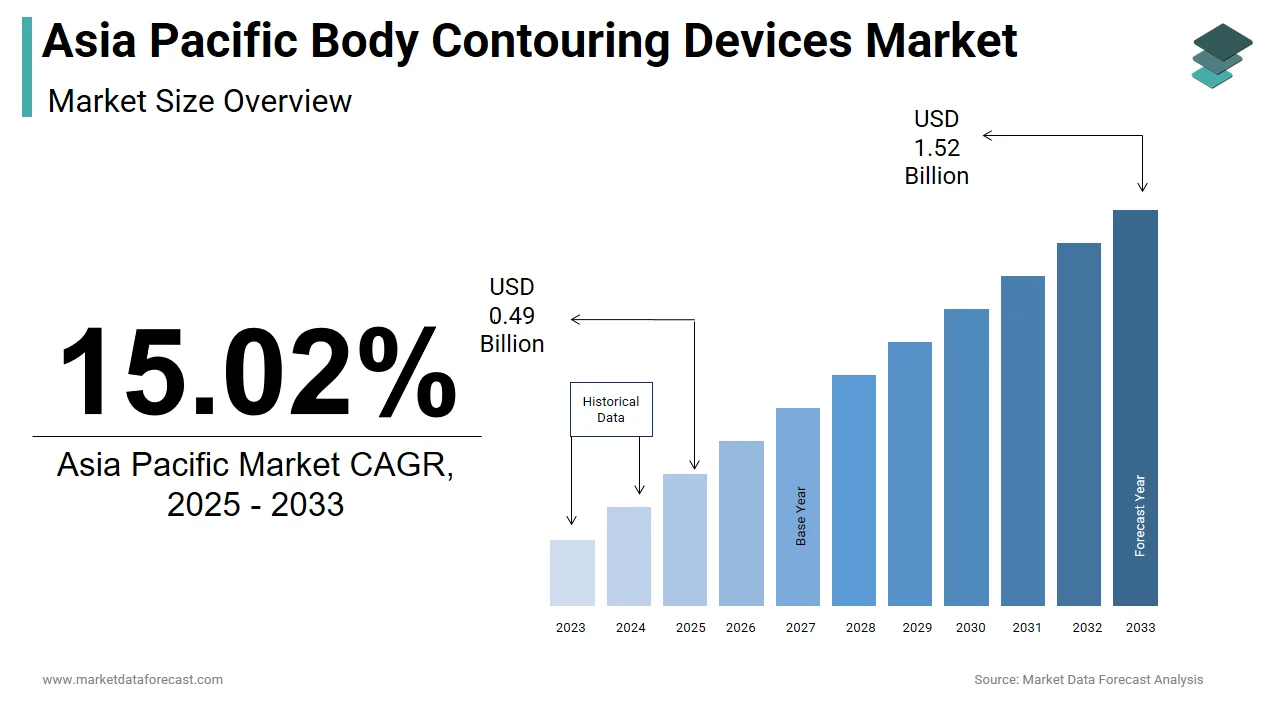
- Market Valuation: Valued at USD 0.49 billion in 2025, estimated at USD 0.56 billion in 2026, and projected to reach USD 1.73 billion by 2034, registering a strong CAGR of 15.02% from 2026 to 2034.
- Primary Growth Drivers: Surging medical tourism hubs offering cost-effective procedures, rising obesity prevalence shifting aesthetic technologies toward metabolic health, and expanding middle-class disposable incomes across major regional economies.
Key Market Segment Metrics (2026–2034)
| Category | Leading Segment Position | Fastest-Growing / Key Growth Segment |
|---|---|---|
| By Product | Non-Invasive Segment (held 53.2% market share in 2025, driven by zero downtime and patient preference for cryolipolysis and radiofrequency) | Minimally Invasive Segment (projected at the fastest CAGR of 9.2%, fueled by demand for dramatic results and simultaneous skin tightening) |
| By Country / Region | China (top regional performer accounting for 36.2% share in 2025, backed by affluent urban consumers and digital health apps) | South Korea & India (rapidly growing hubs driven by intense medical tourism, advanced cosmetic culture, and expanding middle classes) |
Major Market Players & Market Structure
Market Structure: Highly competitive landscape featuring global medical aesthetic leaders alongside emerging regional manufacturers competing on clinical efficacy, multi-applicator versatility, and regulatory compliance.
Key Companies: Meridian, Cynosure LLC, Lumenis, Alma Lasers, Solta Medical, BTL Aesthetics, Syneron, and Palomar Medical Technologies.
 Download Free Sample Report
Asia Pacific Body Contouring Devices Market Size
The size of the Asia Pacific body contouring devices market was worth USD 0.49 billion in 2025. The Asia Pacific market is anticipated to grow at a CAGR of 15.02% from 2026 to 2034 and be worth USD 1.73 billion by 2034 from USD 0.56 billion in 2026.
Body contouring devices are advanced aesthetic technologies designed to reshape body silhouettes through non-invasive or minimally invasive procedures, including cryolipolysis, radiofrequency, laser lipolysis, and high-intensity focused ultrasound. These medical-grade systems target adipose tissue reduction and skin tightening without surgical intervention, catering to a demographic increasingly seeking alternatives to traditional liposuction. The region is currently experiencing a profound shift in aesthetic medicine driven by rising disposable incomes and evolving beauty standards that prioritize fitness and toning over mere weight loss. The World Health Organization notes that obesity rates in Southeast Asia have tripled since 1975, creating a substantial public health backdrop where body contouring intersects with metabolic management rather than pure vanity. Furthermore, the expanding middle class in the region now exceeds 2 billion people, providing a vast consumer base with the financial capacity to access premium aesthetic treatments.
MARKET DRIVERS
Surging Medical Tourism Creates Cross-Border Demand for Advanced Aesthetic Technologies
Medical tourism acts as a potent engine for the adoption of body contouring devices, as international patients seek cost-effective yet high-quality aesthetic treatments. The surging medical tourism is escalating the growth of the Asia Pacific body contouring devices market. Countries like Thailand, South Korea, and India have established themselves as global hubs where procedure costs are significantly lower than in North America or Europe, while maintaining international accreditation standards. Patients traveling from Australia, China, and the Middle East specifically request FDA-approved non-invasive body sculpting technologies that offer minimal downtime, allowing them to combine treatment with leisure travel. Clinics respond by investing in the latest generation of multi-applicator devices to handle high patient volumes efficiently. This cross-border flow necessitates continuous equipment upgrades and staff training to meet international expectations.
Rising Obesity Prevalence Fuels Clinical Integration of Non-Surgical Fat Reduction
The escalating obesity epidemic from a purely cosmetic luxury into a component of broader metabolic health management strategies is another attribute propelling the growth of the Asia Pacific body contouring devices market. Traditional dietary interventions often fail to address stubborn adipose deposits, leading patients and physicians to view device-based fat reduction as a valid adjunct to weight management programs. As per the World Obesity Federation, an estimated 1 billion people in the Asia Pacific region will be living with obesity by 2035. Public health data from Singapore indicates that 11% of adults are obese, prompting national health initiatives that increasingly acknowledge the role of aesthetic medicine in improving body image and psychological well-being alongside physical health. Unlike Western markets where body contouring is often isolated, Asian clinics frequently integrate these devices within multidisciplinary wellness centers that also offer nutrition counseling and endocrinology services. This clinical integration validates the technology among skeptical consumers and insurance providers. Manufacturers are responding by developing devices with integrated diagnostic tools that track metabolic markers alongside circumference reduction. The sheer scale of the metabolic health crisis ensures a steady stream of patients who require technological solutions for body composition issues that diet and exercise alone cannot resolve.
MARKET RESTRAINTS
Proliferation of Counterfeit Devices Undermines Consumer Trust and Safety Standards
The widespread availability of unregulated and counterfeit body contouring devices, by eroding consumer confidence and creating safety hazards, is impeding the growth of the Asia Pacific contouring devices market. Online and unauthorized distributors in the region sell imitation cryolipolysis and radiofrequency machines at a fraction of the cost of genuine medical-grade equipment, often bypassing essential safety certifications. Reports from dermatological associations in China indicate that adverse events related to fake cooling devices increased by 25% in 2023, resulting in burns and permanent nerve damage that tarnishes the reputation of legitimate non-invasive treatments. Regulatory bodies struggle to police the vast digital commerce landscape, where these illicit products are marketed directly to consumers and unlicensed practitioners. Legitimate clinics face unfair competition from operators using substandard equipment, forcing them to lower prices and compress margins. This environment discourages investment in authentic technology and slows the adoption of innovative safety features.
High Capital Expenditure Limits Adoption Among Small and Medium Sized Clinics
The substantial upfront cost of advanced systems is also hindering the growth of the Asia Pacific contouring devices market. Premium devices from leading manufacturers often range from 80000 to 150000 dollars, excluding maintenance contracts and consumable applicators, which add recurring operational expenses. Many clinics operate on thin margins due to intense local price competition and cannot justify the return on investment for top-tier equipment when cheaper alternatives exist. Leasing models are gaining traction but remain underdeveloped in countries like Vietnam and Indonesia due to a lack of credit infrastructure. Consequently, the diffusion of innovation is uneven, with cutting-edge treatments concentrated in major metropolitan hubs.
MARKET OPPORTUNITIES
Integration of Artificial Intelligence Enables Personalized Treatment Protocols
The incorporation of artificial intelligence and machine learning to enhance treatment efficacy and operational efficiency is solely to promote new opportunities for the growth of the Asia Pacific body contouring devices market. AI-driven systems can analyze patient anatomy in real time to automatically adjust energy delivery parameters by ensuring optimal outcomes across diverse Asian body types and skin tones. This technology addresses a critical gap in the region where practitioner skill levels vary widely, effectively standardizing care quality across different clinic tiers. Smart devices can also predict treatment endpoints and reduce session times, increasing patient throughput and clinic profitability. Manufacturers who embed proprietary algorithms create defensible competitive advantages and lock in customers through software ecosystems. The growing comfort with digital health solutions among Asian consumers facilitates acceptance of these intelligent systems. Furthermore, AI enables remote monitoring and post-treatment follow-up via mobile apps, enhancing patient engagement and retention. As healthcare systems across the region digitize, body contouring devices that integrate seamlessly with electronic medical records and telehealth platforms will capture significant value.
Expansion of Male Grooming Sector Opens Untapped Demographic Revenue Streams
The rapidly evolving male grooming and aesthetics sector, traditionally focused on female consumers, is also set to leverage the growth of the Asia Pacific contouring devices market. Cultural shifts and social media influence are destigmatizing aesthetic procedures for men, particularly in urban centers where appearance is increasingly linked to professional success and social status. Men typically present with different anatomical concerns such as abdominal visceral fat and gynecomastia, requiring specialized applicators and treatment protocols that many current devices lack. Clinics in South Korea and Japan report a 30% year-on-year increase in male patients seeking non-invasive fat reduction and muscle toning treatments. Device manufacturers have the opportunity to develop gender specific marketing materials and ergonomic handpieces tailored to male physiology. Corporate wellness programs and sports medicine clinics represent additional B2B channels for reaching this demographic. The male segment also tends to exhibit higher loyalty and lower price sensitivity once engaged, improving lifetime customer value. By actively cultivating this emerging audience through targeted education and product adaptation, companies can diversify their revenue base and reduce dependence on the saturated female aesthetic market in the region.
MARKET CHALLENGES
Regulatory Fragmentation Across Jurisdictions Complicates Market Access Strategies
The fragmented regulatory landscape seeking regional scalability is a huge challenge for the growth of the Asia Pacific body contouring devices market. Unlike the European Union’s harmonized framework, each country maintains distinct classification systems, approval timelines, and clinical evidence requirements for aesthetic medical devices. China recently reclassified many aesthetic devices as Class III medical instruments, demanding rigorous domestic trials that can cost millions of dollars. This regulatory heterogeneity forces companies to maintain multiple product variants and documentation sets, complicating supply chain management and inventory planning. Smaller innovators often lack the resources to pursue simultaneous multi-country registrations, limiting their geographic reach. The absence of mutual recognition agreements means redundant testing and audits persist despite regional trade pacts. Until greater harmonization is achieved, regulatory complexity will remain a significant friction point that stifles innovation diffusion and increases the cost of bringing safe body contouring technologies to Asia Pacific patients.
Cultural Stigma and Privacy Concerns Hinder Open Discussion and Marketing
The deep-rooted cultural taboos surrounding body image and aesthetic enhancement continue to impede open consumer dialogue and effective marketing of body contouring devices in several Asia Pacific societies. The cultural stigma and privacy concerns additionally inhibit the growth of the Asia Pacific body contouring devices market. Despite rising demand, many individuals still associate non-surgical fat reduction with vanity or moral failing, preferring discreet consumption over public endorsement. According to a survey, 45% of consumers in Southeast Asia feel uncomfortable discussing aesthetic treatments openly with friends or family, relying instead on anonymous online forums for information. This privacy preference limits the effectiveness of traditional word-of-mouth referrals and influencer marketing strategies that drive growth in Western markets. Clinics must navigate delicate messaging that frames treatments as self-care or health optimization rather than cosmetic correction to avoid alienating conservative segments. In some cultures, visible advertising of body contouring services is restricted or considered inappropriate, forcing reliance on below-the-line channels. Gender norms further complicate outreach, as men may avoid clinics perceived as feminine spaces. These sociocultural barriers increase customer acquisition costs and extend sales cycles. Manufacturers and providers must invest heavily in culturally nuanced education campaigns and private consultation experiences to build trust.
REPORT COVERAGE
| REPORT METRIC | DETAILS |
| Market Size Available | 2025 to 2034 |
| Base Year | 2025 |
| Forecast Period | 2026 to 2034 |
| Segments Covered | By Product and Country. |
| Various Analyses Covered | Global, Regional, and Country-Level Analysis, Segment-Level Analysis, Drivers, Restraints, Opportunities, Challenges; PESTLE Analysis; Porter’s Five Forces Analysis, Competitive Landscape, Analyst Overview of Investment Opportunities |
| Countries Covered |
|
| Market Leaders Profiled | Meridian, Cynosure LLC, Lumenis, Alma Lasers, Solta Medical, BTL Aesthetics, Syneron, and Palomar Medical Technologies. |
SEGMENTAL ANALYSIS
By Product Insights
The non-invasive segment was the largest by holding 53.2% of the Asia Pacific body contouring devices market share in 2025, with an overwhelming consumer preference for procedures that eliminate surgical risks and recovery periods. Modern urban professionals in countries like China, South Korea, and Singapore prioritize treatments that allow immediate return to work and social activities, making cryolipolysis, radiofrequency, and high-intensity focused ultrasound the preferred modalities. According to the study, non-surgical fat reduction procedures accounted for over 60% of all body contouring interventions in the Asia Pacific region in 2023, reflecting a decisive shift away from operating rooms. The safety profile of these devices significantly reduces liability concerns for practitioners and lowers insurance costs compared to invasive surgeries. Technological advancements have improved the efficacy of non-invasive devices to levels that satisfy consumers who previously considered only liposuction. The absence of anesthesia requirements further broadens the eligible patient pool to include individuals with contraindications for surgery. Marketing campaigns emphasizing painless experiences and visible results within weeks resonate strongly with Asian beauty standards that favor gradual natural improvements over dramatic immediate changes.
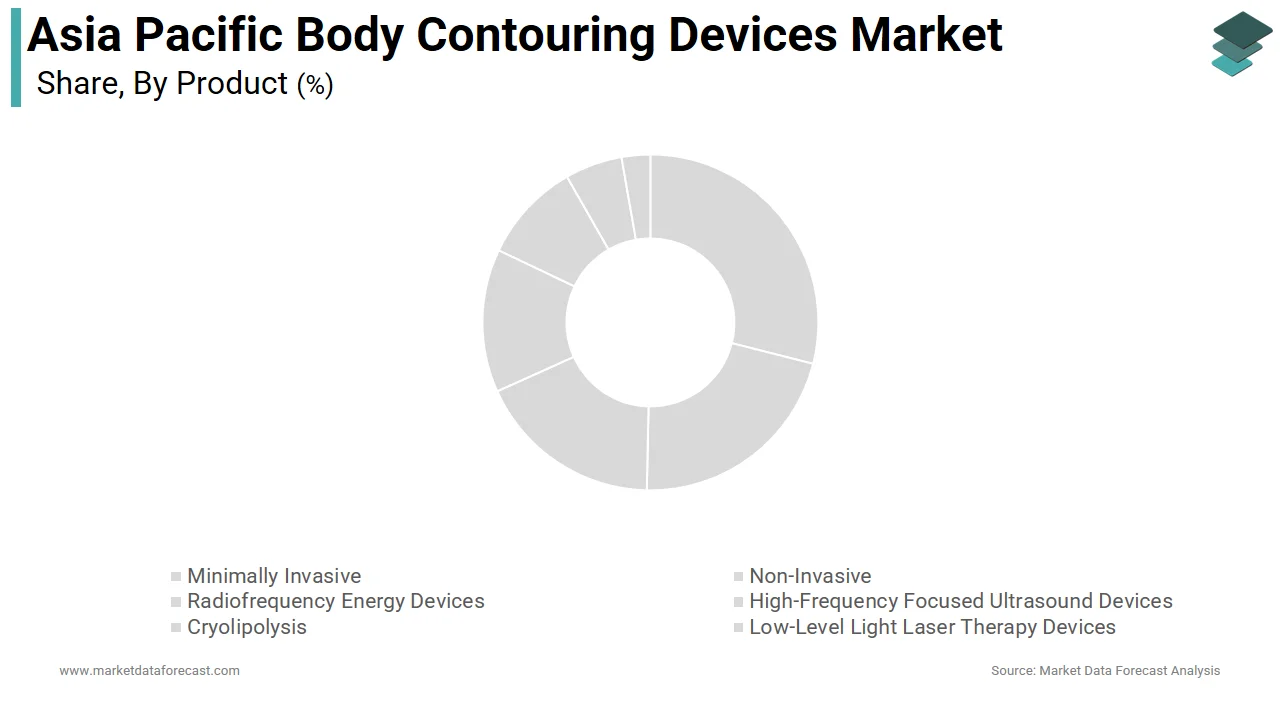
The minimally invasive segment is expected to register the fastest CAGR of 9.2% during the forecast period, with the demand for more dramatic results than non-invasive devices can provide without the extensive trauma of traditional surgery. Procedures, such as laser-assisted lipolysis and radio frequency-assisted liposuction, offer precise fat removal and simultaneous skin tightening, which addresses two major aesthetic concerns simultaneously. Patients are increasingly willing to accept minor incisions and short recovery periods of two to three days in exchange for superior contouring outcomes and higher satisfaction rates. The development of hybrid devices that combine suction with energy-based technologies that allows practitioners to treat larger areas more efficiently, reducing procedure time and cost per session. Clinical evidence indicates that laser-assisted lipolysis stimulates collagen production, leading to 20% greater skin retraction compared to traditional methods, according to research in the Aesthetic Surgery Journal. This dual benefit appeals to aging populations in Japan and Australia who seek comprehensive rejuvenation. Furthermore, the lower risk profile compared to general anesthesia surgeries makes these procedures accessible to older demographics with mild comorbidities.
COUNTRY LEVEL ANALYSIS
China Body Contouring Devices Market Analysis
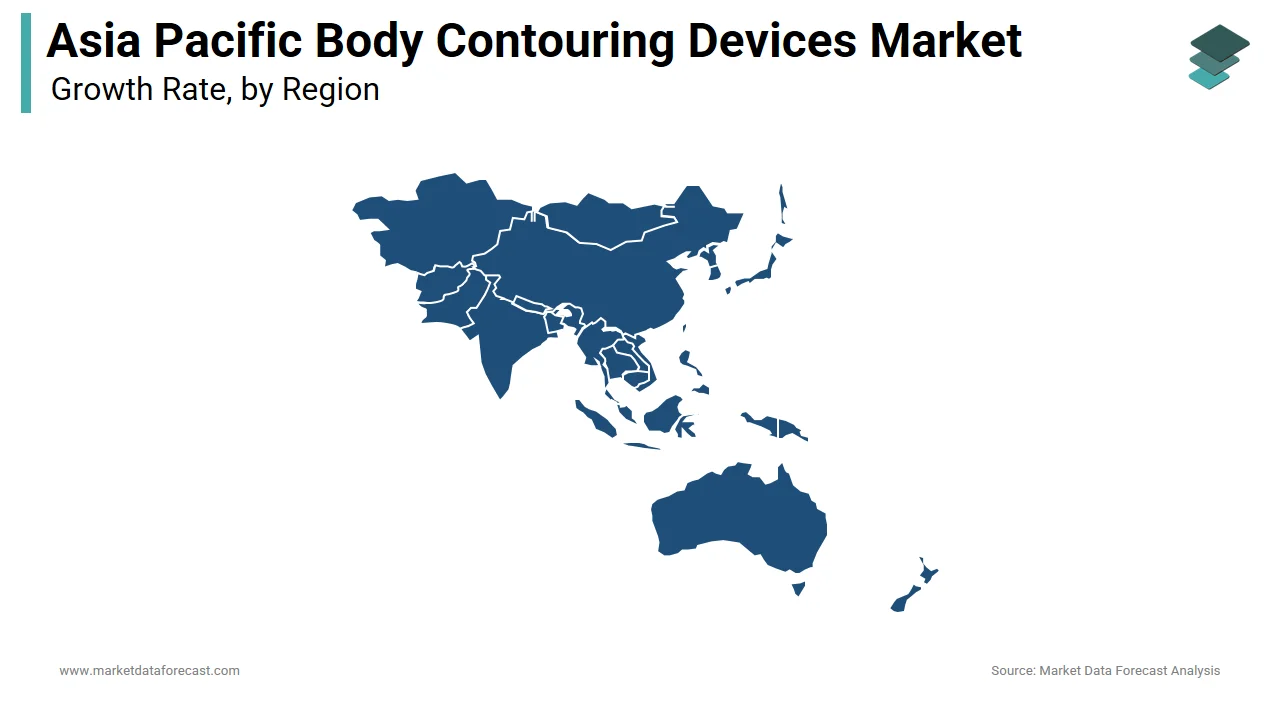
China was the top performer of the Asia Pacific body contouring devices market by accounting for 36.2% of the share in 2025 with its vast population of affluent urban consumers and rapid adoption of digital health platforms. The country’s aesthetic medicine sector is expanding at an unprecedented rate as middle-class disposable incomes rise and social media influences beauty standards. According to the National Bureau of Statistics of China, the urban disposable income per capita reached 51821 yuan in 2023, enabling greater spending on premium aesthetic services. The proliferation of medical aesthetic apps such as So Young has democratized access to information and booking, facilitating millions of transactions annually. Regulatory reforms by the National Medical Products Administration have tightened controls on illegal devices, pushing clinics toward certified, high-quality equipment from reputable manufacturers. Domestic device makers are also gaining traction by offering cost-effective alternatives that meet local regulatory standards. The government’s Healthy China 2030 initiative indirectly supports the market by promoting overall wellness and body management. Major cities like Shanghai and Beijing serve as hubs for international medical tourism, attracting patients from neighboring countries. The integration of artificial intelligence in diagnostic tools further enhances treatment precision and patient trust.
Japan Body Contouring Devices Market Analysis
Japan body contouring devices market growth is steadily growing with the stringent quality expectations and an aging population seeking anti-aging solutions. The number of individuals aged 65 and above is increasing, which is creating sustained demand for skin tightening and contouring technologies that address sagging and laxity. Japanese consumers prefer minimally invasive procedures that offer subtle natural results rather than dramatic alterations, aligning with cultural aesthetics. Clinics in Tokyo and Osaka invest heavily in the latest generations of radiofrequency and ultrasound devices to maintain competitive edges. The prevalence of metabolic syndrome among older adults also drives interest in body composition management through technological interventions. Local manufacturers collaborate with global leaders to develop devices tailored to Asian skin types and anatomical structures.
South Korea Body Contouring Devices Market Analysis
South Korea body contouring devices market growth is expected to grow with the robust medical tourism industry and advanced cosmetic culture. The country attracts hundreds of thousands of international patients annually seeking cutting-edge treatments at competitive prices. Seoul is home to the highest density of aesthetic clinics worldwide, fostering intense competition that drives rapid adoption of new technologies. Korean consumers are early adopters of novel devices, such as high-intensity focused electromagnetic technology for muscle toning and advanced cryolipolysis systems. The government supports the industry through streamlined visa processes for medical tourists and investment in biotechnology research. Local device manufacturers are increasingly exporting innovative products to global markets, leveraging their reputation for quality and design. The integration of dermatology and plastic surgery practices allows for comprehensive treatment plans that combine multiple modalities.
India Body Contouring Devices Market Analysis
India body contouring devices market growth is likely to grow with the expanding middle class, increasing health awareness, and significant cost advantages compared to Western nations. The country’s large young population is increasingly influenced by global fitness and beauty trends, leading to rising demand for non-invasive fat reduction and muscle toning treatments. Medical tourism is a key driver, with patients from Europe and the Middle East traveling to India for affordable yet high-quality procedures. Cities like Mumbai, Delhi, and Bangalore host numerous accredited clinics equipped with state-of-the-art body contouring devices. The Indian government’s initiative to promote medical value travel facilitates visa approvals and infrastructure development for international patients. Local distributors are partnering with global manufacturers to introduce affordable financing options for clinics, enabling wider equipment penetration. Rising obesity rates in urban areas further fuel demand for technological solutions for weight management.
Australia Body Contouring Devices Market Analysis
Australia body contouring devices market growth is likely to grow with the high disposable income and a strong cultural emphasis on fitness and outdoor lifestyles. The demand for body contouring is closely linked to the national focus on physical appearance and health and wellness. The household net wealth per capita is among the highest in the world, enabling consistent spending on premium aesthetic treatments. Consumers in Australia prefer non-invasive devices that align with active lifestyles and require minimal downtime. Major cities like Sydney and Melbourne have dense concentrations of aesthetic clinics offering advanced technologies, such as cryolipolysis and radiofrequency. The prevalence of skin cancer concerns also drives interest in devices that do not involve UV exposure or invasive procedures. Medical tourism from Southeast Asia contributes to market volume as patients seek high-quality care in a regulated environment. The aging population also seeks skin tightening solutions to maintain youthful appearances.
Thailand Body Contouring Devices Market Analysis
Thailand body contouring devices market growth is driven by its well-established medical tourism infrastructure and reputation for affordable, high-quality aesthetic care. Bangkok and Phuket host numerous internationally accredited hospitals and clinics equipped with the latest body contouring technologies. The lower cost of living and operational expenses allow clinics to offer competitive pricing while maintaining high service standards. Government support for the medical hub initiative encourages investment in advanced medical equipment and staff training. The tropical climate also influences demand for body contouring as patients seek to improve physique for beachwear and outdoor activities. Local practitioners are highly skilled in combining multiple modalities for enhanced results.
Singapore Body Contouring Devices Market Analysis
Singapore body contouring devices market growth is driven by its strict regulatory framework, high spending power, and status as a regional healthcare hub. The city-state attracts affluent consumers from across Southeast Asia who seek safe and certified aesthetic treatments. This regulatory clarity builds immense trust among consumers and encourages clinics to invest in top-tier equipment. Singapore serves as a testing ground for new technologies before they are launched in broader Asian markets. The compact geography and efficient healthcare system allow for high clinic density and accessibility. Consumers are well educated about aesthetic options and demand evidence-based treatments. The presence of multinational pharmaceutical and device companies’ regional headquarters facilitates early access to innovations.
COMPETITIVE LANDSCAPE
The competition in the Asia Pacific body contouring devices market is intense and characterized by a mix of global leaders and emerging local manufacturers vying for dominance in a rapidly expanding sector. Global players leverage their established brand reputations, advanced technologies, and extensive clinical data to maintain premium positioning in mature areas like Japan, Australia, and South Korea. Meanwhile, local companies in China and India are gaining ground by offering cost-effective alternatives that meet regional regulatory standards and price sensitivities. Innovation is a key differentiator as companies strive to develop devices with faster treatment times, improved comfort, and superior outcomes to attract discerning consumers. Strategic collaborations with medical tourism hubs and aesthetic clinics are common as firms seek to increase visibility and adoption. Regulatory compliance remains a critical barrier that shapes competitive dynamics, with companies investing significantly in obtaining necessary approvals. The market is also witnessing increased consolidation through acquisitions and partnerships as larger entities aim to broaden their product portfolios and geographic reach.
KEY MARKET PLAYERS
The leading companies operating in the Asia Pacific body contouring devices market include:
- Meridian
- Cynosure LLC
- Lumenis
- Alma Lasers
- Solta Medical
- BTL Aesthetics
- Syneron
- Palomar Medical Technologies
TOP PLAYERS IN THE MARKET
- Cynosure LLC maintains a strong presence in the Asia Pacific body contouring market through its portfolio of laser and energy-based devices, including the Elite iQ and SculptSure systems. The company focuses on providing versatile platforms that address both hair removal and body shaping needs, which appeals to multi-service aesthetic clinics across the region. Recent actions include expanding its distribution network in Southeast Asia and launching targeted training programs for practitioners in China and South Korea to ensure optimal device utilization. Cynosure collaborates with local key opinion leaders to demonstrate clinical efficacy and build brand trust among consumers who prioritize safety and results. The company also invests in marketing campaigns that highlight the minimal downtime and comfort of its non-invasive technologies, aligning with regional preferences for convenient aesthetic solutions.
- BTL Aesthetics has gained significant traction in the Asia Pacific market with its innovative Emsculpt Neo device, which combines radiofrequency heating with high-intensity electromagnetic technology for simultaneous fat reduction and muscle toning. This dual-action approach resonates strongly with health-conscious consumers in countries like Australia, Japan, and Singapore who seek comprehensive body transformation. The company recently strengthened its position by securing regulatory approvals in multiple Asian countries and establishing strategic partnerships with premium medical spas and wellness centers. BTL Aesthetics emphasizes scientific validation by publishing clinical data that supports the efficacy of its treatments, thereby addressing consumer skepticism. The brand also leverages digital marketing and influencer collaborations to reach younger demographics interested in fitness and aesthetics.
- Solta Medical is a key player in the Asia Pacific body contouring market known for its Vanquish ME system, which uses selective radiofrequency energy to target abdominal and flank fat without contact. The company’s technology appeals to patients seeking painless and non-invasive solutions with no recovery time, a critical factor in busy urban environments across the region. Solta Medical has recently enhanced its market position by upgrading its device software to improve treatment precision and patient comfort. The company actively participates in major aesthetic conferences in Asia to showcase its technology and engage with potential clients. It also provides comprehensive support services including marketing materials and patient education tools to help clinics maximize their return on investment.
TOP STRATEGIES USED BY THE KEY MARKET PARTICIPANTS
Key players in the Asia Pacific body contouring devices market primarily focus on strategic partnerships with local distributors and medical institutions to navigate complex regulatory landscapes and enhance market access. Companies invest heavily in clinical research and education programs to build trust among practitioners and consumers who prioritize safety and efficacy. Product innovation remains central, with firms developing multimodal devices that offer combined benefits such as fat reduction and skin tightening to meet diverse consumer needs. Marketing strategies increasingly leverage digital platforms and social media influencers to reach younger demographics and drive awareness of non-invasive treatments. Additionally, manufacturers are expanding their service networks to ensure timely maintenance and support, which is crucial for retaining clinic clients.
Asia Pacific Body Contouring Devices Market News
- In March 2024, Cynosure LLC expanded its distribution network in Southeast Asia to enhance market access and strengthen the Asia Pacific Body Contouring Devices Market.
MARKET SEGMENTATION
This Asia Pacific body contouring devices market research report is segmented and sub-segmented into the following categories.
By Product
- Minimally Invasive (Radio Frequency Assisted Liposuction Devices and Laser-Assisted Lipolysis Devices)
- Non-Invasive (Suction Devices
- Radiofrequency Energy Devices
- High-Frequency Focused Ultrasound Devices
- Cryolipolysis
- Low-Level Light Laser Therapy Devices)
- Invasive
By Country
- India
- China
- Japan
- South Korea
- Australia
- New Zealand
- Thailand
- Malaysia
- Vietnam
- Philippines
- Indonesia
- Singapore
- Rest Of APAC