- Product Description Description
- Table of Contents TOC
- List of Table & Figure LOT
- Get Free Sample PDF Sample PDF
Market Size, 2025
$3.89 BMarket Estimate, 2026
$4.09 BMarket Forecast, 2034
$6.13 BCAGR, 2026–2034
5.18%Europe Pineapple Market Report Summary
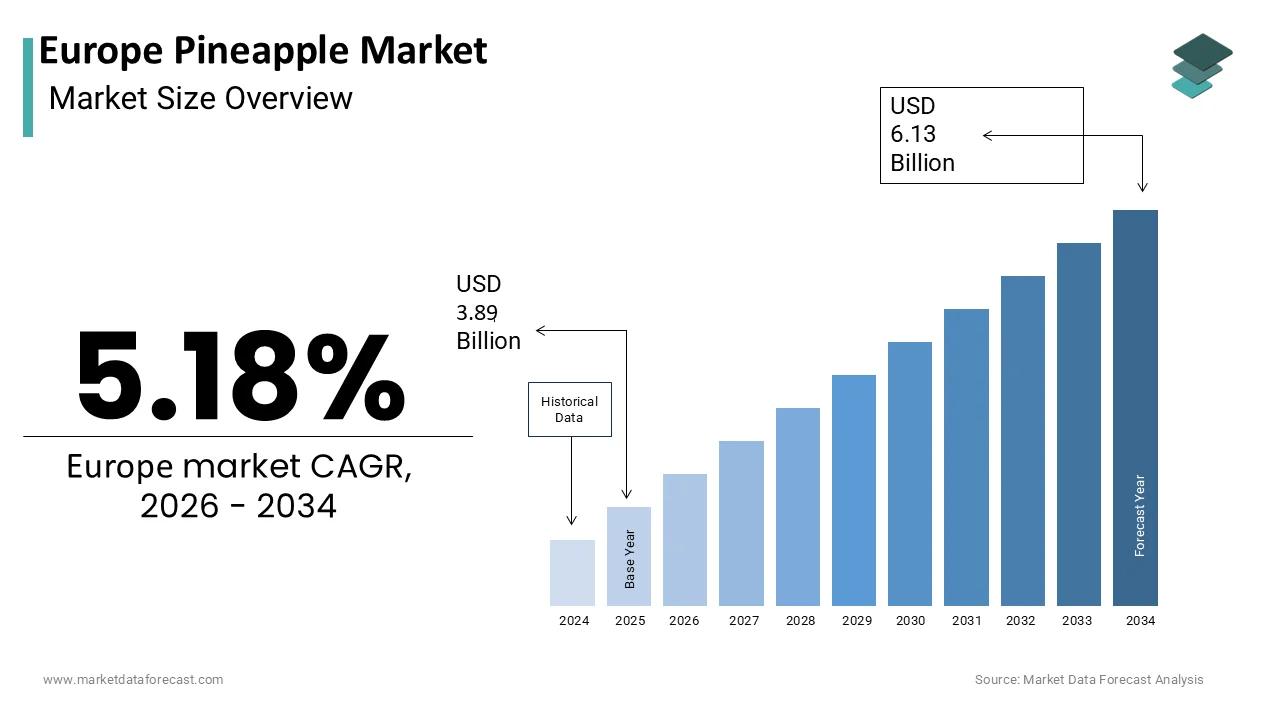
The Europe Pineapple Market was valued at USD 3.89 billion in 2025 and is projected to reach USD 6.13 billion by 2034, growing from USD 4.09 billion in 2026 at a CAGR of 5.18% during the forecast period. Growth is driven by rising consumer preference for tropical fruits, growing health consciousness and functional food trends, and expansion of organic and sustainable certification programs. High transport-related carbon footprint and strict phytosanitary regulations are shaping market dynamics.
Key Market Trends
- Rising demand for organic and Fair Trade-certified pineapples commands price premiums
- Growing innovation in value-added products like juices, dried snacks, and precut chunks
- Increasing use of bromelain and vitamin C extracts in natural skincare formulations
- Expansion of online grocery delivery for fresh tropical produce
- Rising climate-related supply volatility from Central American growing regions
Segmental Insights
- Based on application, food and beverages dominated the market in 2025, driven by deep integration of pineapple into fresh consumption, juices, and culinary use.
- Based on the distribution channel, supermarkets and hypermarkets held 55.3% of the market share in 2025, supported by centralized procurement and cold chain infrastructure.
- Cosmetics is the fastest-growing application segment, projected at a CAGR of 7.2%, driven by rising use of bromelain enzyme in natural skincare.
Regional Insights
- Germany led the market in 2025, supported by high disposable income and strong demand for organic and fair-trade certified fruit.
- France holds a specialized premium market position, driven by the integration of pineapple into haute cuisine and gourmet applications.
- United Kingdom maintains steady import volumes, driven by strong consumer demand for healthy snacks despite post-Brexit trade adjustments.
- Spain contributes notably due to its strategic port infrastructure at Algeciras and Valencia, facilitating imports and re-exports.
- Online retail is the fastest-growing distribution channel, projected at a CAGR of 8.5%, driven by increasing digital adoption for fresh produce delivery.
Competitive Landscape
The market is highly competitive, with international giants and specialized regional distributors competing on quality, sustainability certification, and branding. Companies are investing in cold chain logistics, digital traceability systems, and organic portfolio expansion to meet evolving consumer expectations.
Prominent players in the market include Del Monte Fresh Produce, Dole plc, and Chiquita Brands International.
 Download Free Sample Report
Europe Pineapple Market Size
The Europe Pineapple Market is projected to grow from USD 3.89 billion in 2025 to USD 4.09 billion in 2026 and reach USD 6.13 billion by 2034, registering a CAGR of 5.18% during the forecast period from 2026 to 2034.
Pineapple is a dynamic segment within the broader tropical fruit industry, characterized by consistent import volumes and evolving consumer preferences for fresh and processed variants. It serves as a staple exotic fruit in European households, valued for its sweet flavor, versatility in culinary applications, and rich nutritional profile, including high vitamin C content. The European Union relies entirely on imports to meet domestic demand since climatic conditions prevent commercial cultivation on a significant scale. As per Eurostat and market monitoring data compiled by IndexBox, the European Union bloc imported over 728,000 metric tons of fresh pineapples annually, with Costa Rica successfully supplying over 70% of this total volume. The Netherlands acts as the primary entry point, facilitating distribution to major markets such as Germany, France,e and the United Kingdom. Consumer behaviour has shifted toward premium-quality fruits with increased interest in organic and sustainably certified options. Retailers have responded by expanding their tropical fruit sections and offering value-added products like precut chunks and juices. As per the European Food Safety Authority (EFSA), the agency's primary mandate is providing independent scientific advice on food-related risks to protect consumers, while practical food-based dietary guidelines, such as promoting a varied intake of fruits, are issued directly by individual EU national authorities. Supply chain efficiency remains critical due to the perishable nature of the fruit, requiring rapid transportation and cold chain management. Trade agreements between the EU and Latin American producers influence tariff structures and accessibility. This market operates within a framework of strict phytosanitary regulations, ensuring that only high-quality, safe produce reaches European consumers while supporting global agricultural economies.
MARKET DRIVERS
Rising Consumer Preference for Tropical Fruits Enhances Dietary Diversity
Consumers in the region increasingly incorporate tropical fruits into their daily diets, driven by a desire for exotic flavors and enhanced nutritional intake, which in turn contributes to the growth of the Europe pineapple market. As per the Eurostat European Health Interview Survey (EHIS), approximately 64% of the EU population eats fruit at least once a day, which acts as a primary baseline driver for rising fresh tropical produce demands like pineapples. Pineapples offer a unique combination of sweetness and acidity that appeals to diverse palates, making them popular in both raw and cooked forms. The rise of global cuisine trends has introduced pineapple into mainstream European cooking, including pizzas, salads and grilled dishes. Nutritionists promote pineapples for their bromelain enzyme content, which aids digestion and reduces inflammation, adding functional health benefits to their appeal. Supermarkets have expanded their fresh produce sections to include whole pineapples and convenient precut options catering to busy lifestyles. Social media influencers showcase creative pineapple recipes,s encouraging experimentation among younger demographics. The availability of a year-round supply ensures consistent access regardless of seasonal constraints associated with local fruits. This steady availability supports habitual consumption patterns rather than occasional indulgence. Retail promotions and loyalty programs further incentivise purchases by offering competitive pricing on tropical fruit bundles. The cultural integration of pineapple into everyday meals signifies a mature market where consumers view it as a regular dietary component rather than a luxury item.
Growth of Health Consciousness and Functional Food Trends Boosts Demand
The increasing focus on preventive healthcare and wellness drives demand for nutrient-dense foods like pineapples among health-aware regional populations, which further propels the expansion of the European market. According to the World Health Organization (WHO) European Region, non-communicable diseases (NCDs) cause nearly 85% of all deaths in the region, creating intense legislative and institutional momentum for healthier eating habits. Pineapples are rich in vitamin C, manganese,se and antioxidants, which support immune function and bone health, making them attractive to fitness enthusiasts and older adults. As per the International Food Information Council (IFIC), around 60% to 65% of surveyed consumers proactively seek out functional benefits from their food, a dietary shift that directly influences European healthy-food market expansions. Consumers seek natural sources of enzymes and vitamins, leading to higher consumption of fresh pineapple and its derivatives. Juice bars and smoothie shops feature pineapple prominently in their menus due to its ability to blend well with other fruits and vegetables. Dietary guidelines from national health agencies recommend increased fruit intake to combat obesity and cardiovascular issues, further validating pineapple consumption. Organic pineapple sales have risen as shoppers prioritise pesticide-free options,ons aligning with clean label trends. The perception of pineapple as a refreshing low-calorie snack supports weight management goals prevalent among urban consumers. This alignment with broader health movements ensures sustained demand growth across various demographic segments seeking natural wellness solutions.
MARKET RESTRAINTS
High Carbon Footprint Associated with Long-Distance Transportation
The environmental impact of shipping pineapples from tropical areas to the region is a significant restraint on the European market. This is driven by mounting consumer and regulatory scrutiny on carbon emissions. Pineapples travel thousands of kilometres primarily by sea and road, requiring refrigerated containers to maintain freshness during transit. As per the European Environment Agency (EEA), the transport sector generates approximately one-quarter of the EU’s total greenhouse gas emissions, placing carbon-heavy food logistics under intense logistical and environmental scrutiny. Climate-conscious consumers are becoming more selective about their purchases, preferring locally sourced produce to reduce their ecological footprint. This shift in attitude creates hesitation among some buyers who perceive imported tropical fruits as environmentally unsustainable. Retailers face pressure to demonstrate sustainability credentials, leading to investments in carbon offset programmes, which increase operational costs. As per the structural frameworks of the European Commission's Green Deal, the European Union aims to slash transport-related greenhouse emissions by 90% by 2050, accelerating stricter environmental rules for long-distance maritime and road freight. Compliance with these standards requires expensive upgrades to shipping infrastructure and alternative fuel adoption. Small suppliers struggle to absorb these costs, potentially limiting market diversity. Negative publicity regarding food miles can damage brand reputation and reduce sales volumes. While air freight offers speed, it generates significantly higher emissions, making it less viable for bulk shipments. This environmental constraint challenges the industry to balance global trade benefits with ecological responsibility, requiring innovative solutions to mitigate impact.
Strict Phytosanitary Regulations Increase Compliance Costs and Complexity
Stringent phytosanitary regulations imposed by the European Union create substantial barriers for exporters in the Europe pineapple market. Consequently, these rules increase compliance costs and operational complexity. According to European Commission Plant Health regulations, strict phytosanitary rules dictate border inspections for pests, diseases, and chemical residues to protect local agriculture, with the European Food Safety Authority (EFSA) evaluating the underlying scientific risk profiles. Non-compliant shipments face immediate rejection, destruction, or costly treatment procedures, leading to financial losses for suppliers. As per the official EU Alert and Cooperation Network (ACN) Annual Report, thousands of border rejections and food safety alerts are processed annually through the Rapid Alert System for Food and Feed (RASFF) to stop non-compliant imports from entering the single market. Exporters must invest in advanced testing facilities and certification processes to meet these standards, which small-scale farmers often cannot afford. The requirement for detailed documentation and traceability adds administrative burdens, slowing down clearance times at ports. Delays result in product spoilage, reducing quality and market value upon arrival. Variations in the interpretation of regulations across member states create inconsistency, confusing international traders. The cost of compliance is ultimately passed on to consumers, affecting price competitiveness against local fruits. Frequent changes in regulatory frameworks require continuous monitoring and adaptation, straining resources for exporting companies. This regulatory environment limits market entry for new players and concentrates power among large corporations with established compliance infrastructures. The complexity of navigating these rules discourages diversification of supply sources, increasing dependency on a few major exporters.
MARKET OPPORTUNITIES
Expansion of Organic and Sustainable Certification Programs
The growing demand for organic and sustainably certified pineapples offers a lucrative opportunity for suppliers who can verify ethical production practices, which is likely to drive the growth of the Europe pineapple market. As per the Research Institute of Organic Agriculture (FiBL), the European organic retail market hit a record 58.7 billion euros in 2024, demonstrating strong customer willingness to pay premiums for certified commodities. Pineapple growers who obtain certifications such as EU Organic, Rainforest Alliance, or Fair Trade gain access to niche market segments that prioritise environmental and social responsibility. Retailers actively seek certified suppliers to enhance their sustainability portfolios and attract eco-conscious shoppers. The European Union Farm to Fork Strategy promotes sustainable farming practices, creating favorable policy conditions for organic imports. According to the Food and Agriculture Organization (FAO), certified organic and fair-trade pineapples regularly fetch wholesale premiums of 20% to 30% above conventional prices, shielding producers against baseline cost increases. Transparency in supply chains builds consumer trust and loyalty, leading to repeat purchases. Digital platforms enable direct communication between farmers and buyers, facilitating traceability from farm to shelf. Marketing campaigns highlighting water conservation, soil health and fair labour practices resonate with values-driven consumers. Specialty stores and online retailers expand their organic fruit selections, catering to this growing demographic. Investment in certification processes positions companies advantageously as regulatory requirements tighten and consumer expectations evolve. This trend supports long-term market stability by aligning business practices with global sustainability goals.
Innovation in Value-Added Pineapple Products Diversifies Revenue Streams
Development of innovative pineapple-based products beyond fresh fruit opens diverse revenue streams and attracts broader consumer segments in the Europe pineapple market. Food manufacturers create pineapple juices, purees, dried slices, and frozen chunks that cater to specific dietary needs and convenience preferences. As per studies, consumer demand for convenient, ready-to-eat snack solutions has steadily driven double-digit sales value growth for fresh-cut, packaged tropical fruit products across major European supermarkets. Pineapple juice serves as a base for smoothies, cocktails,s and functional beverages appealing to health-conscious consumers seeking natural hydration. Dried pineapple snacks offer a portable, nutritious alternative to sugary confectionery, targeting children and active adults. Culinary innovation drives adoption as chefs incorporate pineapple into gourmet dishes, desserts and savoury sauces, enhancing menu diversity. E-commerce platforms facilitate direct-to-consumer sales of specialty pineapple products, bypassing traditional retail constraints. Collaborations between suppliers and artisanal brands result in unique offerings such as spiced pineapple jams or fermented kombucha blends. Product diversification reduces dependence on fresh fruit volatility and extends shelf life, minimising waste. Consumer education campaigns demonstrate versatile uses for pineapple derivatives, es encouraging experimentation in home kitchens. This innovation cycle continuously refreshes market interest and prevents saturation while capturing higher-margin opportunities across multiple categories.
MARKET CHALLENGES
Vulnerability to Climate Change Impacts Production Stability
The increasing frequency of extreme weather events linked to climate change poses serious risks to production volumes and quality in key growing regions, which challenges the growth of the Europe pineapple market. According to structural assessment reports from the Intergovernmental Panel on Climate Change (IPCC), compounding weather anomalies, severe heatwaves, and shifting rain patterns threaten vulnerable monoculture systems across the tropics, endangering output predictability. As per the Food and Agriculture Organization (FAO), extreme climatic shocks, including intense El Niño cycles across Central America in 2023 and 2024, hampered fresh pineapple sizing profiles and yield consistency across primary exporting countries like Costa Rica. These climatic disruptions cause supply shortages that ripple through international markets,ets affecting European availability and pricing. Prolonged heat waves accelerate pest proliferation,tion requiring increased pesticide use, which conflicts with organic certification requirements. Unpredictable storms can devastate entire harvests, leaving suppliers unable to fulfil contractual obligations. European importers face heightened uncertainty when planning inventory levels as historical production data becomes less reliable. Insurance costs for agricultural operations rise as climate risks intensify, further inflating production expenses. Some growers consider relocating orchards, but this transition requires years of investment before plants reach maturity. The lack of immediate alternatives exacerbates vulnerability since few other fruits replicate the unique flavor profile of pineapples. Market participants must develop contingency strategies, including diversified sourcing and enhanced storage capabilities, to buffer against climate-induced supply shocks.
Price Volatility Due to Currency Fluctuations and Input Costs
Fluctuations in currency exchange rates and rising input costs create significant pricing instability for imports, which holds back the expansion of the Europe pineapple market. As a result, this volatility impacts affordability and demand elasticity. Most pineapple transactions occur in US dollars, meaning that European buyers face higher acquisition costs when the euro weakens. According to the European Central Bank (ECB), periodic drops in the Euro's valuation relative to the US dollar during 2024 directly escalated import costs for European distributors, since global maritime freight and international tropical fruit supply agreements are primarily settled in greenbacks. Rising costs of fertilisers, fuel and labour in producing countries further inflate production expenses, which are passed on to European consumers. Price sensitivity among shoppers means that even modest increases can trigger shifts toward cheaper local fruits such as apples or pears. Retailers hesitate to commit to large orders when future pricing remains uncertain, resulting in inconsistent shelf availability. Small and medium-sized enterprises lack sophisticated hedging instruments to mitigate foreign exchange risk, leaving them particularly vulnerable. This financial unpredictability discourages new market entrants who perceive the sector as high risk despite strong underlying demand. Established players must absorb some losses to maintain competitive positioning, which compresses profitability. The combination of currency volatility and input cost inflation creates a challenging operating environment requiring strategic financial management to sustain margins.
REPORT COVERAGE
| REPORT METRIC | DETAILS |
| Market Size Available | 2025 to 2034 |
| Base Year | 2025 |
| Forecast Period | 2026 to 2034 |
| Segments Covered | By Application, Distribution Channel, and Region |
| Various Analyses Covered | Global, Regional and Country-Level Analysis, Segment-Level Analysis, Drivers, Restraints, Opportunities, Challenges; PESTLE Analysis; Porter’s Five Forces Analysis, Competitive Landscape, Analyst Overview of Investment Opportunities |
| Countries Covered | UK, Germany, France, Italy, Spain, Netherlands, Belgium, Sweden, Rest of Europe |
| Market Leaders Profiled | Dole plc, Chiquita Brands International, Inc., Del Monte Foods, Inc., Fresh Del Monte Produce Inc., Fyffes Unlimited Company, Total Produce plc (Dole plc), Compagnie Fruitière, Greenyard NV, Bonduelle S.A., Princes Limited, Costa Group Holdings Limited, The Greenery B.V. |
SEGMENTAL ANALYSIS
By Application Insights
The food and beverages segment dominated the Europe pineapple market and accounted for a substantial share in 2025. This dominance of the segment was driven by the fruit's widespread use in fresh consumption, juices, canned goods,s and culinary preparations. Moreover, the main driver for this dominance is the deep integration of pineapple into European dietary habits, where it serves as a staple tropical fruit for daily nutrition and enjoyment. As per the Food and Agriculture Organization (FAO), fresh pineapple usage dominates the market over processing sectors, with roughly 70% to 80% of total imported volumes consumed in fresh format across European households. The juice industry significantly contributes to this segment, as pineapple serves as a base for smoothies, cocktails, ls and mixed fruit beverages. Major beverage manufacturers incorporate pineapple puree into ready-to-drink products targeting health-conscious consumers seeking natural hydration. The confectionery sector utilises pineapple in jams, jellies and dried fruit snacks, providing year-round availability beyond seasonal fresh supply. Retailers promote pineapple through value-added offerings such as pre-cut chunks and fruit salads, catering to busy urban lifestyles. The versatility of pineapple in both sweet and savoury dishes, including pizzas and grilled meats, ensures consistent demand across diverse culinary traditions. Industrial buyers prioritise pineapple for its ability to enhance flavor profiles and provide natural sweetness without artificial additives. This broad application base ensures that the food and beverage segment remains resilient against market fluctuations, maintaining its position as the primary consumer of pineapple imports in Europe.
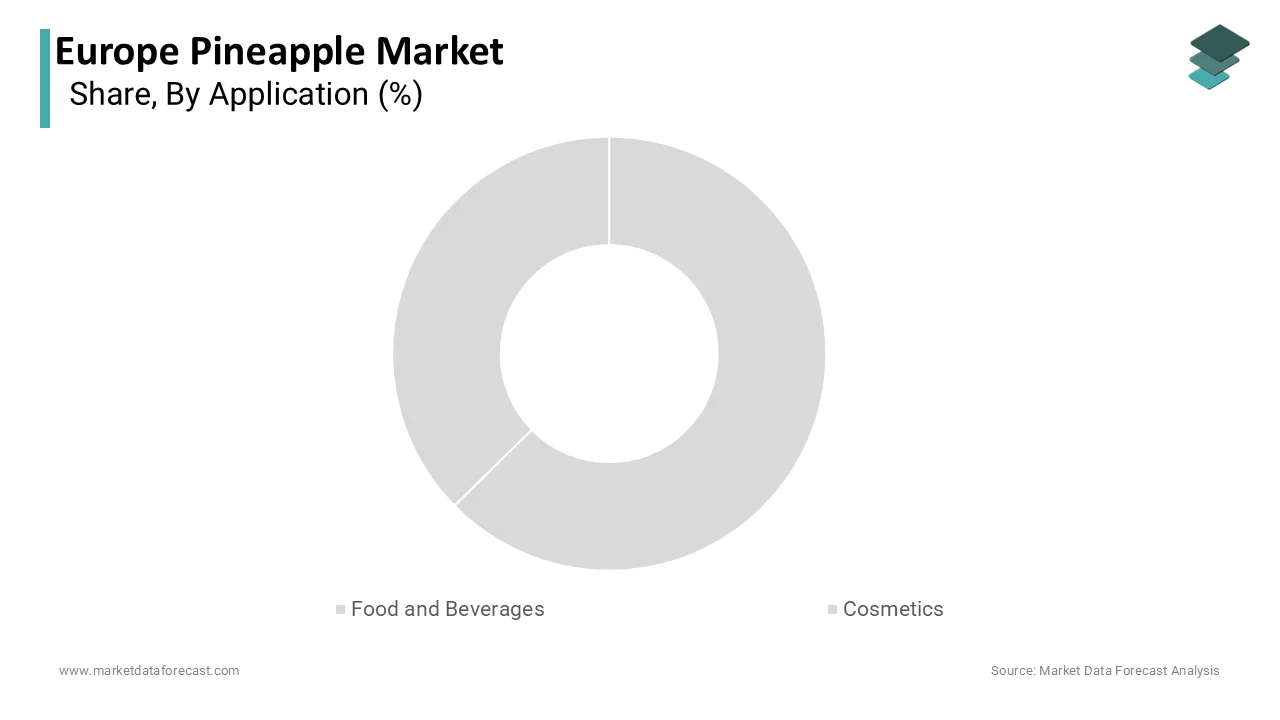
On the other hand, the cosmetics segment is estimated to register the fastest CAGR of 7.2% from 2026 to 2034 due to the increasing utilization of the bromelain enzyme and vitamin C in skincare formulations. The growth is also fueled by consumer demand for natural and effective ingredients that offer exfoliating, brightening, and anti-ageing benefits. According to consumer data from Cosmetics Europe, escalating interest in active ingredients has accelerated the demand for natural and bio-based formulations, particularly focusing on gentle, fruit-derived enzymes. Pineapple extract is incorporated into facial cleansers, masks, and serums to remove dead skin cells and improve complexion clarity. Brands leverage the antioxidant properties of pineapple to combat oxidative stress and reduce signs of ageing, appealing to mature demographics. The clean beauty movement supports this growth as shoppers avoid synthetic chemicals, preferring plant-based alternatives with proven efficacy. As per the National Institutes of Health (NIH) PubMed portal, bromelain, the complex enzyme mixture extracted from pineapple stems and juice, possesses verified anti-inflammatory and proteolytic properties that support skin regeneration and targeted topical treatments. Marketing campaigns highlight the tropical origin and sustainable sourcing of pineapple ingredients, attracting eco-conscious consumers. Online beauty platforms facilitate education about ingredient benefits,nefits driving informed purchasing decisions. Manufacturers invest in research to stabilise pineapple extracts for longer shelf life, ensuring product consistency. This segment benefits from cross-promotion with wellness trends, positioning pineapple-based cosmetics as part of holistic self-care routines.
By Distribution Channel Insights
The supermarkets and hypermarkets segment led the Europe pineapple market and captured a 55.3% share in 2025. This leading position of the segment was attributed to its widespread presence, comprehensive product ranges, and competitive pricing strategies. Consumers drive this segment's dominance by flocking to stores that let them check off fresh produce and household needs all at once. As per the Centre for the Promotion of Imports (CBI), supermarkets and large hypermarket chains serve as the primary distribution channel for fresh tropical fruits in Europe, controlling a dominant share of the retail fruit landscape due to their centralized procurement logistics networks. Major operators such as Carrefour, Tesco, Aldi and Lidl have optimised their supply chains to offer fresh pineapples at affordable prices, attracting price-sensitive shoppers. These retailers invest in cold chain infrastructure to maintain fruit quality and reduce spoilage rates, enhancing consumer trust. Private label brands offered by supermarkets provide cost-effective alternatives that compete with branded products while maintaining quality standards. Promotional activities, including seasonal discounts and bundle offers, drive impulse purchases and increase basket size. The physical presence of stores allows customers to inspect fruit quality before buying, which is crucial for perishable items. Loyalty programmes incentivise repeat purchases by offering points and exclusive deals on tropical fruits. The extensive network of supermarkets ensures accessibility in both urban and suburban areas, reaching a broad demographic base. This channel benefits from established relationships with international suppliers, ensuring consistent stock levels throughout the year.
However, the online retail segment is anticipated to witness the fastest CAGR of 8.5% during the forecast period owing to increasing digital adoption and consumer preference for home delivery services. The expansion is further propelled by the convenience of ordering fresh produce online, which saves time and effort for busy professionals and families. As per research, the broader digital sector continues to experience total volume growth and normalization, prompting major supermarket networks to expand their online fulfillment setups for perishable fresh foods. Dedicated online grocery platforms and supermarket apps offer user-friendly interfaces with detailed product descriptions and customer reviews aiding decision-making. Subscription models for regular fruit deliveries ensure steady demand and customer retention. Advanced logistics networks enable same-day or next-day delivery, maintaining freshness and quality upon arrival. Social media marketing influences purchasing behaviour as influencers showcase healthy recipes featuring pineapple, encouraging followers to buy online. The ability to compare prices and read feedback builds confidence in online transactions. Younger demographics, particularly millennials and Gen Z, prefer digital shopping channels for their efficiency and personalized recommendations. Retailers invest in packaging innovations to protect pineapples during transit, reducing damage rates and returns. This channel benefits from data analytics that allow targeted promotions and inventory optimization based on consumer preferences. The expansion of internet connectivity in rural areas further broadens the potential customer base for online pineapple sales.
COUNTRY LEVEL ANALYSIS
Germany Pineapple Market Analysis
Germany was the top performer in the Europe pineapple market and held a commanding share in 2025. This supremacy of the German market is supported by a robust economy, high disposable income, and a strong cultural affinity for healthy eating. As per the Centre for the Promotion of Imports (CBI), Germany represents one of Europe's largest destination markets for consumption but relies heavily on logistics hubs like Rotterdam, with the Federal Statistical Office (Destatis) tracking its primary inbound volumes through neighboring cross-border trade. German consumers prioritise quality and sustainability, leading to high demand for organic and fair trade-certified pineapples. The extensive retail sector features major chains like Rewe and Edeka that offer a wide variety of fresh and processed pineapple products. Health consciousness drives consumption as individuals incorporate tropical fruits into balanced diets to boost immune function. The food service industry utilises pineapple in hotels, restaurants, and catering services, creating steady industrial demand. Germany serves as a re-export hub for neighbouring countries, leveraging its strategic location and efficient logistics infrastructure. Consumer education campaigns by health organisations promote fruit consumption for overall wellness, further boosting retail sales. Strict adherence to food safety standards ensures high-quality imports that meet consumer expectations. The growing vegan population in Germany drives demand for plant-based ingredients, including pineapple, which is used in various culinary applications. Seasonal promotions and festive traditions also contribute to periodic spikes in consumption, particularlyduring thee summer months.
France Pineapple Market Analysis
France was the next prominent country in the Europe pineapple market because of its renowned culinary heritage and increasing integration of tropical ingredients into gourmet cuisine. According to Eurostat, France represents a specialized premium market with strong historical trade links to West African suppliers like Côte d'Ivoire, absorbing less than 10% of total EU fresh pineapple volumes. French chefs and patissiers incorporate pineapple into haute cuisine dishes, chocolates, and desserts, elevating its status as a premium ingredient. The rise of fusion cuisine has introduced pineapple to traditional French recipes, creating novel flavor combinations that appeal to adventurous diners. Specialty food boutiques and artisanal markets feature locally sourced and imported tropical fruits,s attracting tourists and locals alike. Consumer interest in healthy snacking has increased retail sales of packaged pineapple chunks in urban areas. As per the European Commission's trade directives, sustainable and ethical sourcing frameworks for tropical fruits like pineapples are harmonized at the EU level through the Sustainability Initiative for Fruit and Vegetables (SIFAV) rather than individual French customs policy incentives. Wine pairing trends have also boosted pineapple consumption as sommeliers recommend fruit accompaniments for certain vintages. Online gourmet food platforms facilitate direct sales of premium pineapple products, reaching niche audiences nationwide. The hospitality sector, including luxury hotels and restaurants, drives demand for high-quality pineapples used in signature dishes. Cultural appreciation for fine dining ensures that pineapple remains associated with sophistication and quality, influencing purchasing behaviour.
United Kingdom Pineapple Market Analysis
The United Kingdom plays a key role in the European pineapple market. It demonstrates resilience in this market, despite post-Brexit trade adjustments, by maintaining steady import volumes driven by strong consumer demand for healthy snacks and exotic fruits. According to HM Revenue and Customs (HMRC), the United Kingdom operates as a direct importer of tropical fruits, with Costa Rica supplying nearly 90% of its standalone fresh pineapple market. British consumers have embraced plant-based diets and health-conscious eating habits, boosting retail sales of fresh and canned pineapples. Major supermarket chains, including Tesco, Sainsbury's and Waitrose, have expanded their world food aisles, featuring premium tropical varieties. The vibrant food service sector utilises pineapple in curries, grilled dishes and desserts, supporting industrial demand. Online grocery shopping has facilitated easier access to specialty pineapple products, reaching rural and urban consumers alike. Trade agreements with non-EU countries have diversified supply sources, reducing dependency on single markets. Consumer education initiatives by health charities promote fruit consumption for heart health, driving awareness and adoption. The hospitality industry recovers steadily, with restaurants reintroducing pineapple-based menu items. Seasonal traditions such as summer barbecues sustain demand during warmer months. The UK market benefits from high English proficiency among international suppliers, facilitating smoother communication and contract negotiations. Innovation in packaging and branding appeals to younger demographics who value convenience and aesthetic appeal.
Italy Pineapple Market Analysis
Italy is moving ahead steadfastly in the regional market. It integrates pineapples into both traditional and modern culinary practices, driving steady market growth through diverse application channels. As per the Italian National Institute of Statistics (ISTAT), Italy represents a consistent retail market for fresh pineapples, though its total share remains in the single digits relative to the entire continent's volume. Italian confectioners use pineapple in tarts, cakes,s and chocolate creations, blending local traditions with international ingredients. The rising popularity of healthy Mediterranean diet variations includes pineapple as a nutrient-dense addition to salads and breakfast bowls. Retailers such as Coop and Conad have introduced private label organic pineapple lines catering to health-aware consumers. The tourism sector boosts demand as visitors seek authentic food experiences featuring premium local and imported ingredients. Italian food manufacturers export pineapple-containing products to other European markets, leveraging the country's reputation for quality food production. Government initiatives promoting sustainable food systems align with the ethical sourcing practices of major pineapple suppliers. Urban centres like Milan and Rome host food festivals that showcase innovative fruit-based recipes, fostering consumer interest. The growth of e-commerce platforms enables direct sales of artisanal pineapple products from small producers to nationwide audiences. Culinary schools incorporate pineapple usage in curricula, training future chefs to utilise versatile ingredients. The combination of tradition and innovation ensures the sustained relevance of pineapple in the Italian food landscape.
Spain Pineapple Market Analysis
Spain maintains a notable position in the Europe pineapple market by leveraging its strategic geographic location and port infrastructure to facilitate pineapple imports and re-exports. According to sources, Spain has evolved into one of the largest direct importers of fresh pineapples in Southern Europe, with the ports of Algeciras and Valencia serving as the primary maritime gateways for fruit entering the national market. Spanish consumers increasingly adopt healthy snacking habits, driving domestic retail demand for packaged pineapple products. The hospitality industry in tourist destinations incorporates pineapple into menus catering to international visitors familiar with tropical cuisines. Local food processors use pineapple in juices, jams, and desserts, creating seasonal demand spikes. The government supports agricultural diversification, although domestic production remains negligible due to climatic constraints. Retail chains like Mercadona and Carrefour Spain expand their healthy food sections featuring imported tropical fruits. E-commerce grows, enabling a wider reach of specialty pineapple products to rural areas. Trade relations with Latin American suppliers provide alternative sourcing options, enhancing supply chain resilience. The Mediterranean diet's emphasis on fruits and vegetables aligns with pineapple's nutritional profile, driving consumer acceptance. Food safety authorities enforce strict quality controls, ensuring high standards for imported products. The combination of logistical advantages and growing domestic consumption positions Spain as a vital node in the European pineapple supply network.
COMPETITIVE LANDSCAPE
The competition in the Europe pineapple market is characterized by a mix of international giants and specialized regional distributors who vie for consumer attention through quality, innovation, and branding. Large multinational corporations leverage their extensive supply chains and economies of scale to offer competitive pricing and consistent availability to major retail chains. These players invest heavily in marketing and product development to differentiate their offerings in a crowded marketplace. Smaller niche suppliers focus on premium organic and fair trade certifications to attract discerning customers willing to pay higher prices for ethical and sustainable products. The market sees intense rivalry in the retail segment where private label brands from supermarkets challenge established names by offering cost-effective alternatives. Industrial buyers negotiate aggressively for bulk contracts, pushing suppliers to optimize operational efficiency and reduce costs. Valuinnovatione added products such as juices and dried snacks, creating new battlegrounds for competition as companies seek to capture emerging trends. Regulatory compliance acts as a barrier to entry, ensuring that only well-capitalized firms can maintain consistent access to the market. The dynamic nature of consumer preferences requires continuous adaptation and strategic agility from all participants to sustain relevance and profitability in this evolving sector.
KEY MARKET PLAYERS
Some of the companies that are playing a dominating role in the Europe Pineapple Market include
- Dole plc
- Chiquita Brands International, Inc.
- Del Monte Foods, Inc.
- Fresh Del Monte Produce Inc.
- Fyffes Unlimited Company
- Total Produce plc (Dole plc)
- Compagnie Fruitière
- Greenyard NV
- Bonduelle S.A.
- Princes Limited
- Costa Group Holdings Limited
- The Greenery B.V.
TOP LEADING PLAYERS IN THE MARKET
- Del Monte Fresh Produce maintains a robust presence in the European pineapple market through its extensive global supply chain and strong brand recognition. The company sources high-quality pineapples from sustainable farms in Costa Rica and Honduras, ensuring consistent availability for European retailers. Recent initiatives include launching premium gold variety pineapples that offer superior sweetness and lower acidity,y catering to discerning consumers. Del Monte has strengthened partnerships with major supermarket chains across Germany and the United Kingdom to expand shelf visibility. Investment in advanced cold chain logistics helps preserve freshness during long-distance transportation, reducing spoilage rates. The company actively promotes its commitment to ethical labor practices and environmental stewardship,p which resonates with socially conscious shoppers. Marketing campaigns highlight the nutritional benefits of pineapples, driving consumer education and demand. These strategic actions reinforce their position as a trusted supplier of premium tropical fruits in the competitive European landscape.
- Dole plc operates prominently in the Europe pineapplmarketar,k et leveraging century-old expertise in tropical fruit production and distribution. The company provides a wide range of fresh and processed pineapple products, including whole fruits, chunks n,k s and juices, to diverse retail and food service channels. Recent efforts involve expanding their organic pineapple portfolio to meet growing demand for pesticide-free options among health-aware Europeans. Dole has invested in digital traceability systems allowing consumers to verify the origin and sustainability credentials of their purchases. Participation in major European food trade shows enables them to showcase innovation and connect with potential business partners. The company enhances its market position through targeted marketing that emphasizes the versatility of pineapples in culinary applications. Strict adherence to European food safety standards ensures product quality and builds consumer trust. This dedication to excellence and transparency helps them maintain a loyal customer base across multiple countries.
- Chiquita Brands International plays a significant role in the Europe pineapple market by supplying premium quality fruits through established distribution networks. The company focuses on delivering consistent value to retailers and consumers by optimizing sourcing from key producing regions in Latin America. Recent strategies include enhancing sustainability certifications such as the Rainforest Alliance to appeal to environmentally conscious buyers. Chiquita has improved packaging solutions to extend shelf life and reduce plastic waste, aligning with European regulatory expectations. Collaborations with local distributors enable a better understanding of regional preferences and the adaptation of product offerings. Investment in research and development leads to improved varieties with better taste and durability. Their focus on operational efficiency and reliability makes them a preferred partner for large-scale retail operations. These efforts strengthen their reputation as a key provider of high-quality pineapples in the dynamic European market.
TOP STRATEGIES USED BY KEY MARKET PARTICIPANTS
Key players in the Europe pineapple market employ several strategic approaches to enhance their competitive positioning and drive growth. Product differentiation remains a primary strategy as companies introduce organic and sustainably certified pineapples to cater to health-conscious consumers. Innovation in packaging technologies helps preserve freshness and appeal to environmentally aware shoppers who prefer eco-friendly materials. Strategic partnerships with local distributors and retailers enable broader market reach and improved shelf visibility across diverse regions. Companies invest in digital marketing campaigns to educate consumers about the nutritional benefits of pineapples and promote versatile usage ideas. Expansion into value-added segments such as pre-cut chunks and juices allows firms to capture higher margins and reduce dependence on commodity pricing. Supply chain optimization through direct sourcing from growers ensures consistent quality and reduces costs associated with intermediaries. Compliance with stringent European food safety regulations builds trust and facilitates smoother market entry. These combined strategies help participants navigate challenges and capitalize on emerging opportunities in the dynamic European landscape.
MARKET SEGMENTATION
This research report on the europe pineapple market is segmented and sub-segmented into the following categories.
By Application
- Food and Beverages
- Cosmetics
By Distribution Channel
- Supermarkets and Hypermarkets
- Online Retail
By Country
- Germany
- France
- United Kingdom
- Italy
- Spain
- Rest of Europe