- Product Description Description
- Table of Contents TOC
- List of Table & Figure LOT
- Get Free Sample PDF Sample PDF
Market Size, 2025
$13.15 BnMarket Estimate, 2026
$14.97 BnMarket Forecast, 2034
$42.22 BnCAGR, 2026–2034
13.84%Global Epigenetics Market Summary
Market Size & Growth
- The global epigenetics market was valued at USD 13.15 billion in 2025.
- Expected to reach USD 14.97 billion by 2026 and USD 42.22 billion by 2034, growing at a CAGR of 13.84% from 2026 to 2034.
- North America led with 36.5% of global market share in 2025; Asia Pacific is the fastest-growing region.
Key Market Segments
- By product: Reagents (largest share in 2025), Instruments & Consumables (fastest-growing, CAGR of 15.4%), Enzymes, Kits.
- By research area: Oncology (largest share in 2025), Developmental Biology (fastest-growing, CAGR of 17.5%), Drug Delivery.
- By enzymes: DNA-Modifying Enzymes (largest share), RNA-Modifying Enzymes (fastest-growing, CAGR of 16.9%).
- By geography: North America leads; Asia Pacific is fastest growing.
Key Drivers
- Rising global cancer burden — nearly 10 million cancer deaths in 2022, with the global cancer burden projected to increase by 77% by 2050 (WHO), driving demand for epigenetic biomarkers and liquid biopsy applications.
- Advancements in next-generation sequencing — the cost of sequencing a human genome dropped from $95 million in 2001 to around $500 today (National Human Genome Research Institute), enabling large-scale epigenomic studies.
- Integration of artificial intelligence — deep learning models trained on epigenomic datasets have demonstrated the ability to predict cancer subtypes with over 97% accuracy.
Key Players
Abcam plc, Illumina Inc., QIAGEN N.V., Merck KGaA, New England Biolabs Inc., Sigma-Aldrich Corporation (Merck KGaA), Thermo Fisher Scientific Inc., Active Motif Inc., Diagenode S.A., Zymo Research Corporation.
Global Epigenetics Market Size
The Global Epigenetics Market is projected to grow from USD 13.15 billion in 2025 to USD 14.97 billion in 2026 and reach USD 42.22 billion by 2034, registering a CAGR of 13.84% during the forecast period from 2026 to 2034.

Epigenetics is a broad spectrum of technologies and services dedicated to studying heritable changes in gene expression that occur without altering the underlying DNA sequence. This field focuses on mechanisms such as DNA methylation, histone modification, and non-coding RNA regulation, which play pivotal roles in cellular differentiation, development, and disease pathogenesis. Researchers utilize advanced tools including next-generation sequencing, chromatin immunoprecipitation, and methylation-specific assays to decode these complex regulatory networks. According to the National Institutes of Health, epigenetic modifications are increasingly recognized as significant contributors to the development of many human diseases, including cancer, neurodegenerative disorders, and metabolic syndromes, which indicates their clinical significance. As per the European Molecular Biology Laboratory, understanding epigenetic landscapes is crucial for developing precision medicine strategies that target specific molecular pathways rather than broad genetic mutations. As per data from the Centers for Disease Control and Prevention, environmental factors such as diet, stress, and toxin exposure can induce epigenetic changes that persist across generations, influencing public health outcomes globally. The integration of artificial intelligence with epigenomic data analysis has accelerated the identification of biomarkers for early disease detection and therapeutic response prediction. Regulatory agencies like the Food and Drug Administration have approved several epigenetic drugs, primarily for hematologic malignancies, validating the translational potential of this science. The market continues to expand as academic institutions and pharmaceutical companies collaborate to unravel the dynamic nature of the epigenome, which is offering new avenues for diagnostic and therapeutic innovation in personalized healthcare.
MARKET DRIVERS
Rising Prevalence of Cancer Driving Demand for Epigenetic Biomarkers
The escalating global burden of cancer is majorly propelling the expansion of the global epigenetics market by necessitating precise diagnostic tools and targeted therapies based on epigenetic alterations. According to the World Health Organization, there were nearly 10 million deaths from cancer in 2022, with the global cancer burden projected to increase by 77% by 2050. Epigenetic modifications such as hyper methylation of tumor suppressor genes are early events in carcinogenesis, making them ideal candidates for liquid biopsy applications. As per research published in various clinical journals, early detection through epigenetic biomarkers offers the potential to significantly improve survival rates for certain cancers like colorectal and lung carcinoma. Pharmaceutical companies are increasingly investing in epigenetic drug discovery, with numerous clinical trials currently evaluating histone deacetylase inhibitors and DNA methyltransferase inhibitors. The ability to reverse epigenetic silencing offers a therapeutic advantage over traditional chemotherapy, which often lacks specificity. Furthermore, the heterogeneity of tumors requires comprehensive epigenomic profiling to guide personalized treatment plans, ensuring that patients receive interventions tailored to their unique molecular profiles. This clinical utility drives substantial demand for high-throughput sequencing platforms and bioinformatics software capable of interpreting complex epigenetic data. As oncology shifts toward precision medicine, the reliance on epigenetic insights becomes indispensable for improving patient outcomes and reducing healthcare costs associated with ineffective treatments.
Advancements in Next-Generation Sequencing Technologies Enhancing Data Resolution
Technological breakthroughs in next-generation sequencing have significantly lowered the cost and increased the accuracy of epigenomic analysis, thereby accelerating epigenetics market growth. According to the National Human Genome Research Institute, the cost of sequencing a human genome has dropped from $95 million in 2001 to around $500 today, enabling large-scale epigenetic studies that were previously financially unfeasible. Modern sequencing platforms can now detect single-base-pair methylation patterns and histone modifications with unprecedented resolution, providing deeper insights into gene regulation mechanisms. As per industry trends, the adoption of bisulfite sequencing has increased among research institutions due to its reliability in mapping DNA methylation landscapes. These advancements facilitate the integration of multi-omics data, allowing researchers to correlate epigenetic changes with transcriptomic and proteomic outputs. The development of single-cell epigenomics further enhances the understanding of cellular heterogeneity within tissues, revealing rare cell populations that drive disease progression. Academic and commercial laboratories are rapidly upgrading their infrastructure to accommodate these high-throughput technologies, creating a robust demand for specialized reagents and consumables. Additionally, cloud-based bioinformatics solutions enable efficient storage and analysis of massive epigenetic datasets, fostering collaboration among global research networks. This technological democratization ensures that epigenetic research is no longer confined to elite institutions but is accessible to a broader scientific community, driving innovation and discovery.
MARKET RESTRAINTS
High Complexity of Data Analysis and Interpretation Challenges
The intricate nature of epigenetic data presents a significant restraint to market expansion, as it requires sophisticated bioinformatics expertise and computational resources for accurate interpretation. According to the Broad Institute of MIT and Harvard, analyzing epigenomic datasets involves processing vast amounts of information, which demands high-performance computing infrastructure that many smaller laboratories cannot afford. The dynamic and context-specific nature of epigenetic marks means that data obtained from one tissue type or developmental stage may not apply to another, complicating standardization efforts. As per the Encyclopedia of DNA Elements project, approximately 98% of the human genome is non-coding, with many of these regulatory elements exhibiting complex epigenetic patterns that are difficult to decipher without advanced algorithms. The lack of universal analytical pipelines leads to inconsistencies in results across different studies, hindering reproducibility and clinical validation. Furthermore, there is a shortage of skilled bioinformaticians capable of integrating epigenetic data with other biological layers, creating a bottleneck in translating research findings into clinical applications. Educational programs have not kept pace with the rapid evolution of epigenomic technologies, resulting in a talent gap that slows down innovation. Companies must invest heavily in user-friendly software solutions and training programs to mitigate these challenges, but the initial learning curve remains steep for many end-users, limiting widespread adoption in routine clinical settings.
Ethical and Privacy Concerns Regarding Epigenetic Information
Epigenetic data raises profound ethical and privacy issues because it reflects both genetic predisposition and environmental exposures, which potentially reveal sensitive information about an individual’s lifestyle and health risks and hamper regional market expansion. According to the Presidential Commission for the Study of Bioethical Issues, epigenetic markers can indicate past exposure to toxins or stressors, which may have implications for insurance coverage and employment opportunities. Unlike static genetic data, epigenetic profiles change over time, making it difficult to establish clear consent protocols for long-term data usage. As per surveys regarding data privacy, a significant portion of individuals are concerned about how their sensitive biological information might be used by third parties without their explicit permission. The potential for epigenetic discrimination creates hesitation among patients to participate in research studies or undergo testing, limiting the availability of diverse datasets needed for robust scientific conclusions. Regulatory frameworks such as the General Data Protection Regulation in Europe provide some protections, but they do not specifically address the nuances of epigenetic data, which blurs the line between nature and nurture. Healthcare providers face dilemmas in disclosing incidental findings that may have uncertain clinical significance, causing psychological distress to patients. Until comprehensive legal safeguards are established to protect individuals from misuse of their epigenetic information, trust in these technologies will remain fragile, restricting market penetration in sensitive demographic groups.
MARKET OPPORTUNITIES
Integration of Artificial Intelligence for Predictive Epigenomic Modeling
The convergence of artificial intelligence and epigenetics offers a promising opportunity for the global epigenetics market. According to Stanford University researchers, machine learning algorithms can identify complex patterns in epigenetic data that are invisible to traditional statistical methods, enabling earlier and more precise diagnoses. Deep learning models trained on large-scale epigenomic datasets have demonstrated the ability to predict cancer subtypes with over 97% accuracy, surpassing conventional histopathological assessments. As per reports in Nature Biotechnology, AI-driven platforms can reduce the time required for biomarker discovery, accelerating the drug development pipeline. Pharmaceutical companies are leveraging these tools to identify novel drug targets by simulating how epigenetic modifiers interact with cellular networks before conducting expensive laboratory experiments. This computational approach minimizes trial and error in experimental design, optimizing resource allocation and increasing success rates. Furthermore, AI facilitates personalized medicine by analyzing individual epigenetic profiles to recommend tailored lifestyle interventions or pharmacological treatments. The ability to process multi-omics data simultaneously provides a holistic view of patient health, enhancing clinical decision-making. As computational power increases and algorithms become more sophisticated, the integration of AI into epigenetic workflows will become standard practice, unlocking new value propositions for diagnostics and therapeutics. This synergy positions the market for exponential growth as digital health solutions gain traction in mainstream healthcare.
Expansion into Non-Oncological Therapeutic Areas
While oncology has dominated the epigenetics landscape, there is a significant opportunity to expand into neurological, metabolic, and autoimmune disorders where epigenetic mechanisms play critical roles. According to the Alzheimer’s Association, epigenetic dysregulation is implicated in the pathogenesis of neurodegenerative diseases, offering new avenues for therapeutic intervention. Recent studies suggest that dietary interventions can modify epigenetic marks associated with insulin resistance, indicating potential for epigenetic therapies in type 2 diabetes management. As per the Arthritis Foundation, histone modifications influence inflammatory pathways in rheumatoid arthritis, making them attractive targets for novel anti-inflammatory drugs. The plasticity of the epigenome allows for reversible modifications, which is advantageous for treating chronic conditions that require long-term management. Pharmaceutical developers are increasingly exploring small-molecule inhibitors and activators that specifically target epigenetic enzymes involved in these non-cancerous diseases. Clinical trials for epigenetic treatments in psychiatric disorders such as depression and schizophrenia are also gaining momentum as researchers uncover links between stress-induced epigenetic changes and mental health outcomes. Diversifying the application scope reduces dependency on the saturated oncology market and opens up new revenue streams. This strategic expansion aligns with the growing emphasis on holistic health and preventive care, positioning epigenetics as a cornerstone of future medical practice across multiple specialties.
MARKET CHALLENGES
Lack of Standardization in Experimental Protocols and Reagents
The absence of standardized protocols for epigenetic assays poses a major challenge to the global epigenetics market by causing variability in results and hindering cross-study comparisons. According to the International Human Epigenome Consortium, differences in antibody specificity for chromatin immunoprecipitation can lead to inconsistent identification of histone marks across laboratories. Data from multicenter studies published in journals such as Genome Biology have highlighted the need for rigorous quality control measures, as varying experimental conditions can lead to overlapping peak discrepancies. The variability in bisulfite conversion efficiency during DNA methylation analysis further complicates data interpretation, requiring optimized protocols that are not universally adopted. Commercial reagents often vary in quality and performance, forcing researchers to perform extensive validation before use, which increases time and cost. The lack of reference standards for epigenetic modifications makes it difficult to calibrate instruments and ensure reproducibility. Regulatory bodies struggle to approve diagnostic tests based on epigenetic markers due to this inherent variability, delaying clinical translation. Industry consortia are working to establish best-practice guidelines, but adoption remains fragmented across academic and commercial sectors. Until uniform standards are implemented, the reliability of epigenetic data will remain questionable, limiting its acceptance in clinical decision-making. Addressing this challenge requires collaborative efforts among manufacturers, researchers, and regulators to develop certified reference materials and validated workflows.
High Cost of Comprehensive Epigenomic Profiling Services
Despite decreasing sequencing costs, comprehensive epigenomic profiling remains prohibitively expensive for routine clinical use, which is limiting its accessibility to well-funded research institutions and further challenging the global market expansion. According to the Journal of Personalized Medicine, a full epigenomic analysis can cost thousands of dollars per sample, which is significantly higher than standard genetic testing. Insurance providers are hesitant to reimburse for epigenetic tests due to limited evidence of clinical utility and cost-effectiveness compared to existing diagnostic methods. As per data from healthcare systems, out-of-pocket expenses for advanced molecular testing deter a significant percentage of patients from pursuing recommended evaluations. The high cost is driven by the need for specialized library preparation kits, high-depth sequencing, and complex bioinformatics analysis. Small clinics and hospitals in low-resource settings cannot afford the infrastructure required to perform these analyses locally, leading to reliance on external service providers, which adds logistical delays. Pharmaceutical companies face similar financial burdens when incorporating epigenetic endpoints into clinical trials, increasing overall development costs. Without significant price reductions or reimbursement reforms, the clinical adoption of epigenetic diagnostics will remain limited to niche applications. Market players must focus on developing cost-effective targeted panels rather than whole-genome approaches to make epigenetic testing economically viable for broader healthcare systems.
REPORT COVERAGE
| REPORT METRIC | DETAILS |
| Market Size Available | 2025 to 2034 |
| Base Year | 2025 |
| Forecast Period | 2026 to 2034 |
| Segments Analysed | By Anatomical Location, Consumable Type, and Region |
| Various Analyses Covered | Global, Regional & Country Level Analysis, Segment-Level Analysis, Drivers, Restraints, Opportunities, Challenges; PESTLE Analysis; Porter’s Five Forces Analysis; Competitive Landscape, Analyst Overview of Investment Opportunities |
| Regions Analysed | North America, Europe, Asia Pacific, Latin America, the Middle East, and Africa |
| Market Leaders Profiled | Abcam PLC, Illumina, Inc., QIAGEN N.V., Merck & Co, New England Biolabs, Inc., Sigma-Aldrich Corporation, Thermo Fisher Scientific |
SEGMENTAL ANALYSIS
By Product Insights
The reagents segment dominated the market by capturing the highest share of the global market in 2025. The dominance of the reagents segment in the global market can be credited to their essential role as consumable inputs required for every stage of epigenetic research and diagnostic workflows. The recurrent nature of reagent consumption that ensures a steady and predictable revenue stream compared to one-time instrument purchases is further contributing to the expansion of the reagents segment in the regional market. For instance, over 80% of epigenetic studies involve chromatin immunoprecipitation or bisulfite conversion processes that require high-quality antibodies, enzymes, and chemical buffers for each experimental run. This high frequency of use creates a loyal customer base that prioritizes consistency and reliability in reagent performance. The second major factor is the increasing complexity of multi-omics experiments, which demand specialized reagents capable of preserving delicate epigenetic marks during sample preparation. As per industry data, the demand for methylation-specific reagents has grown annually as researchers seek to minimize artifacts introduced during DNA extraction and library preparation. The shift toward single-cell epigenomics further amplifies this demand as these techniques require ultra-sensitive reagents to detect low-abundance modifications in limited sample volumes. Academic and commercial laboratories often standardize their protocols around specific reagent brands to ensure reproducibility across long-term studies, making switching costs high. Furthermore, the expansion of clinical diagnostic applications requires certified reagents that meet regulatory standards for in-vitro diagnostics, driving manufacturers to invest in quality control and validation services. This combination of technical necessity and regulatory compliance solidifies the dominance of reagents in the overall product landscape.
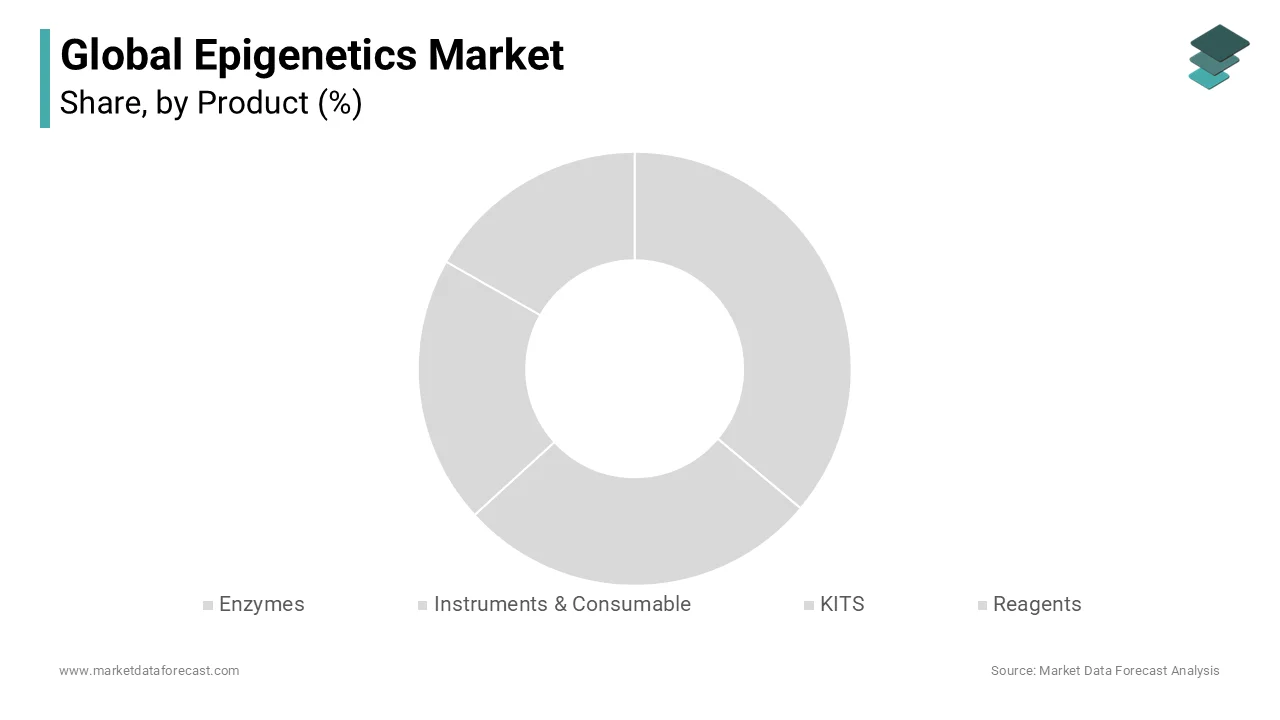
On the other hand, the instruments and consumables segment represents the fastest-growing segment in the epigenetics market and is expected to exhibit a CAGR of 15.4% during the forecast period owing to the rapid adoption of advanced sequencing and imaging technologies. The primary driver is the transition from low-throughput array-based methods to high-throughput next-generation sequencing platforms that offer superior resolution and data depth. According to market data from major sequencing providers, the installation base of next-generation sequencers dedicated to epigenomic applications has increased significantly in the past three years, reflecting widespread infrastructure upgrades. These instruments enable comprehensive profiling of DNA methylation, histone modifications, and chromatin accessibility simultaneously, providing a holistic view of gene regulation. The second critical factor is the development of automated liquid handling systems that reduce manual errors and increase reproducibility in complex epigenetic assays. As per reports from laboratory resource facilities, institutions adopting automated workflows report a significant reduction in sample variability and an increase in throughput. This efficiency gain is crucial for large-scale cohort studies and clinical trials where consistency is paramount. Additionally, the integration of artificial intelligence with instrument software allows for real-time quality control and data preprocessing, enhancing the user experience. The rising cost of labor also pushes institutions toward automation solutions that maximize productivity. As epigenetic research moves from discovery phases to clinical validation, the need for robust, standardized instrumentation becomes indispensable, driving sustained investment in this high-growth segment.
By Research Area Insights
The oncology segment held the dominant position in the global epigenetics market with the largest share of the global market in 2025 due to the well-established link between epigenetic dysregulation and cancer initiation, progression, and metastasis. The primary driver is the vast funding allocated to cancer research by government agencies and private foundations, ns which supports extensive epigenomic profiling of tumor samples. According to the American Cancer Society, cancer research receives billions of dollars in annual funding in the United States, with a significant portion directed toward understanding molecular mechanisms, sms including epigenetics. Epigenetic alterations such as promoter hypermethylation are early events in carcinogenesis, making them attractive targets for early detection and therapeutic intervention. The second major factor is the approval of several epigenetic drugs for hematologic malignancies,cies which has validated the clinical relevance of this field and spurred further investigation into solid tumors. As per data from the Food and Drug Administration, there are currently dozens of epigenetic therapies in various stages of clinical trials, indicating strong pharmaceutical interest. The heterogeneity of tumors requires precise epigenetic mapping to identify subpopulations of cells that drive resistance to conventional therapies. This need for precision medicine drives demand for advanced epigenetic tools that can characterize tumor microenvironments at single-cell resolution. Furthermore, the ability to reverse epigenetic silencing of tumor suppressor genes offers a unique therapeutic advantage that complements existing treatment modalities. The convergence of diagnostic and therapeutic opportunities in oncology ensures that this segment remains the primary focus of epigenetic research and commercialization efforts.
On the other side, the developmental biology segment is emerging as the fastest-growing research area in the epigenetics market and is predicted to expand at a CAGR of 17.5% during the forecast period owing to the breakthroughs in understanding how environmental factors influence fetal programming and long-term health outcomes and the increasing recognition that epigenetic mechanisms mediate the effects of maternal nutrition, stress, and toxin exposure on offspring development. According to the World Health Organization, developmental origins of health and disease are a priority research area with global initiatives launching to map epigenetic changes during critical windows of embryogenesis. Recent studies reveal that a high percentage of imprinted genes exhibit dynamic methylation patterns during gestation, highlighting the complexity of developmental regulation. The second key factor is the advancement of single-cell technologies that allow researchers to track epigenetic lineage trajectories in real-time, providing unprecedented insights into cell fate decisions. As per the Human Cell Atlas project, developmental epigenomics is one of the most rapidly expanding fields, with data output doubling regularly. This technological capability enables the identification of novel biomarkers for congenital disorders and developmental delays. Furthermore, the rise of regenerative medicine relies heavily on epigenetic reprogramming techniques to generate pluripotent stem cells for tissue engineering. As governments invest in prenatal care and preventive health strategies, the demand for developmental epigenetic tools continues to surge, positioning this segment for accelerated growth in the coming decade.
By Enzymes Insights
The DNA modifying enzymes segment had the largest share of the global market in 2025 due to their central role in establishing and maintaining DNA methylation patterns,atterns which are the most studied epigenetic marks, and the widespread use of DNA methyltransferases and demethylases in both basic research and clinical diagnostics to manipulate and analyze methylation status. For instance, sales of DNA methyltransferases have remained stable, reflecting their foundational importance in epigenetic workflows. These enzymes are essential for bisulfite sequencing library preparation and methylation-specific PCR, which are gold-standard methods for detecting aberrant methylation in cancer and other diseases. The second major factor is the development of engineered variants with enhanced specificity and activity, which improve the efficiency of epigenetic editing tools such as CRISPR-dCas9 systems. As per biotechnology suppliers, requests for high-fidelity DNA methyltransferases have increased as researchers seek to minimize off-target effects in functional studies. The stability of DNA methylation makes it an ideal biomarker for liquid biopsies, driving demand for enzymes that can process low-input samples with high sensitivity. Furthermore, the availability of recombinant enzymes produced in scalable expression systems ensures a consistent supply and lower costs for end-users. The mature market for DNA-modifying enzymes, combined with continuous innovation in enzyme engineering, sustains their leadership position in the epigenetics sector.
On the other end, the RNA modifying enzymes segment represents the fastest-growing segment in the epigenetics enzyme market and is estimated to grow at a CAGR of 16.9% during the forecast period owing to the burgeoning field of epitranscriptomics and the discovery that RNA modifications such as N6-methyladenosine play critical roles in post-transcriptional gene regulation and cellular stress responses. According to research published in leading scientific journals, over 150 distinct RNA modifications have been identified, with m6A being the most abundant internal modification in eukaryotic mRNA. This realization has sparked intense interest in developing tools to detect and manipulate these marks, leading to surging demand for specific writers, erasers, and readers. The second key factor is the association of RNA modifications with various diseases,s including neurodegenerative disorders and viral infections, which opens new therapeutic avenues. As per the National Institutes of Health, funding for epitranscriptomic research has increased significantly in the last five years, supporting the development of novel enzymatic assays. The transient nature of RNA modifications requires highly sensitive and specific enzymes for accurate detection, driving innovation in antibody-independent detection methods. Furthermore, the integration of RNA epigenetics with transcriptomics provides a more complete picture of gene expression dynamics, attracting researchers from diverse fields. As the field matures and standardized protocols emerge, the adoption of RNA-modifying enzymes is expected to accelerate rapidly, outpacing other enzyme categories.
COUNTRY LEVEL ANALYSIS
North America Epigenetics Market Analysis
North America had the largest share of the global market in 2025 with 36.5% of the global market share and is likely to maintain its market dominance through significant continued investment in genomic and epigenomic research over the next few years. The United States dominates this region due to the presence of major pharmaceutical companies and academic institutions pioneering epigenetic discoveries. According to the National Institutes of Health, the US invests tens of billions of dollars annually in biomedical research, with significant allocations for genomics and epigenomics initiatives. The availability of advanced sequencing facilities and bioinformatics expertise supports high-quality research output. Regulatory support from the Food and Drug Administration for epigenetic diagnostics and therapies encourages commercial innovation. The presence of key market players facilitates easy access to cutting-edge technologies. High healthcare expenditure allows for the adoption of expensive epigenetic tests in clinical settings. Collaborative networks like the Epigenomics Program foster data sharing and standardization, accelerating scientific progress. The strong intellectual property protection laws attract investment in epigenetic startups. Patient advocacy groups actively promote awareness of epigenetic influences on health, driving demand for personalized medicine. The mature market ecosystem ensures sustained growth and leadership in the global epigenetics landscape.
Europe Epigenetics Market Analysis
Europe is projected to experience steady growth as precision medicine initiatives continue to prioritize epigenetics-based diagnostic and therapeutic research in the coming years. Europe holds the second-largest share of the epigenetics market, characterized by strong collaborative research frameworks and stringent regulatory standards. Countries such as Germany, the United Kingdom, and France lead adoption due to well-funded national health systems and prestigious research institutes. According to the European Commission, the Horizon Europe program allocates significant funding to health research, including epigenetics, fostering cross-border collaborations. The General Data Protection Regulation ensures high standards for patient data privacy, which builds trust in epigenetic studies. The European Medicines Agency provides clear pathways for approving epigenetic therapies, encouraging pharmaceutical investment. Academic excellence in countries like Sweden and the Netherlands drives innovation in developmental epigenetics. Public awareness of environmental health impacts increases demand for epigenetic biomarkers. Reimbursement policies in some countries support genetic and epigenetic testing for rare diseases. The presence of specialized biotech clusters facilitates technology transfer and commercialization. However, fragmented reimbursement systems across member states can hinder uniform market access. Despite these challenges, the commitment to scientific excellence and public health ensures steady market growth. The focus on precision medicine initiatives further strengthens Europe's position in the global epigenetics arena.
Asia Pacific Epigenetics Market Analysis
Asia Pacific is likely to witness the fastest growth rate as regional governments increase their commitment to genomic medicine and clinical infrastructure development over the next few years. Asia Pacific is emerging as a high-growth region in the epigenetics market, driven by increasing healthcare investments and rising prevalence of chronic diseases. China, Japan, and South Korea are the primary contributors, with governments prioritizing genomic medicine as part of national health strategies. According to national ministry reports, significant funding has been directed toward large-scale cohort studies integrating epigenomic data. Rapid urbanization and lifestyle changes have increased the burden of cancer and metabolic disorders, driving demand for epigenetic diagnostics. The growing number of skilled researchers and state-of-the-art laboratories enhances local capacity for epigenetic research. Pharmaceutical companies are expanding clinical trials in the region to leverage diverse genetic backgrounds. Cost-effective manufacturing of reagents and instruments by local players improves accessibility. Government initiatives to reduce import dependencies support domestic industry growth. Increasing awareness among healthcare providers about the clinical utility of epigenetics drives adoption. However, limited reimbursement coverage in some countries remains a barrier. The young demographic profile in Southeast Asia offers long-term potential as healthcare systems mature. Strategic partnerships with global leaders facilitate technology transfer and capacity building. The region is poised for significant expansion as economic development continues.
Latin America Epigenetics Market Analysis
Latin America is expected to see a gradual rise in market participation as research institutions increasingly integrate into global collaborative networks over the next few years. Latin America represents a developing segment in the epigenetics market, with growth driven by improving research infrastructure and an increasing focus on rare diseases. Brazil and Mexico are the leading markets due to their larger scientific communities and healthcare budgets. According to the Pan American Health Organization, efforts to strengthen genomic medicine capabilities include training programs and equipment upgrades. Limited funding remains a challenge, but international collaborations help bridge gaps. Rising incidence of cancer drives demand for advanced diagnostic tools, including epigenetic biomarkers. Local universities are increasingly participating in global epigenomic consortia, enhancing research quality. Patient advocacy groups are raising awareness about genetic and epigenetic conditions. Import restrictions and currency fluctuations can affect the availability of reagents and instruments.
COMPETITIVE LANDSCAPE
The competitive landscape of the epigenetics market is characterized by intense rivalry among established life science giants and innovative niche players specializing in specific genomic technologies. Large corporations leverage their extensive distribution networks and broad product portfolios to offer integrated solutions ranging from sample preparation to data analysis. Smaller companies compete by developing highly specialized tools such as unique antibody clones or proprietary sequencing chemistries that address specific research challenges. Innovation drives competition as firms strive to reduce costs and improve the resolution of epigenetic profiling methods. Strategic alliances between technology providers and pharmaceutical companies are common to accelerate the translation of epigenetic findings into clinical applications. Patent protection plays a crucial role in maintaining competitive edges for novel enzymes and detection methodologies. Price competition is moderate due to the specialized nature of products, but value-added services such as bioinformatics support increasingly differentiate providers. The entry of new players focusing on artificial intelligence-driven analysis tools disrupts traditional workflows, forcing incumbents to adapt. Regulatory compliance and quality assurance are critical differentiators, especially for products intended for clinical diagnostics. Customer loyalty is built through reliability,y technical expertise, and continuous product improvement, ensuring long-term relationships in this scientifically demanding field.
KEY MARKET PLAYERS
Some of the companies that are playing a dominant role in the Global Epigenetics Market include
- Abcam plc
- Illumina, Inc.
- QIAGEN N.V.
- Merck KGaA
- New England Biolabs, Inc.
- Sigma-Aldrich Corporation (Merck KGaA)
- Thermo Fisher Scientific Inc.
- Active Motif, Inc.
- Diagenode S.A.
- Zymo Research Corporation
TOP LEADING PLAYERS IN THE MARKET
- Thermo Fisher Scientific serves as a foundational pillar in the epigenetics market by providing an extensive portfolio of reagents, instruments,s and services essential for chromatin analysis. The company leverages its global distribution network to supply high-quality antibodies, enzymes, and kits for DNA methylation and histone modification studies. Recent strategic actions include the expansion of its next-generation sequencing capabilities through internal development and targeted acquisitions that enhance library preparation workflows. Thermo Fisher has also invested heavily in automated liquid handling systems designed specifically for epigenomic applications, improving reproducibility and throughputfor large-scalee studies. Their commitment to open science collaborations with academic institutions ensures that their tools meet evolving research standards. By integrating artificial intelligence into data analysis platforms, they enable researchers to interpret complex epigenetic datasets more efficiently. These continuous innovations solidify their position as a preferred partner for both basic research and clinical diagnostic laboratories worldwide.
- Illumina Inc dominates the epigenetics landscape through its advanced next-generation sequencing technologies that enable high-resolution mapping of epigenetic marks across the genome. The company provides comprehensive solutions, including bisulfite sequencing kits and chromatin accessibility assays that are widely regarded as industry standards. Recent efforts focus on reducing sequencing costs and increasing data accuracy through the launch of new platform generations capable of processing larger sample volumes. Illumina has strengthened its market position by forming strategic partnerships with bioinformatics firms to offer integrated software solutions for epigenomic data interpretation. They actively support large-scale consortium projects such as the Human Cell Atlas, which drives demand for their sequencing instruments. Additionally,y the company has expanded its clinical diagnostics portfolio to include epigenetic biomarkers for cancer detection. By prioritizing ease of use and scalability, Illumina ensures that its technologies remain accessible to a broad range of users from academic labs to commercial diagnostic providers.
- Merck KGaA operates as a key innovator in the epigenetics market through its MilliporeSigma brand, which offers specialized reagents and tools for chromatin biology research. The company is renowned for its highly validated antibodies against histone modifications and transcription factors,s which are critical for chromatin immunoprecipitation experiments. Recent strategic initiatives include the development of novel chemical probes that allow researchers to manipulate epigenetic states in living cells, facilitating functional studies. Merck has also expanded its digital offerings by launchingcloud-basedd platforms for data management and analysis, enhancing the user experience for complex epigenomic workflows. Collaborations with leading academic centers help validate new products and establish best practice guidelines. The company focuses on sustainability by optimizing manufacturing processes for biological reagents,s ensuring consistent quality and supply reliability. These efforts reinforce Merck’s reputation as a trusted source for high-performance epigenetic research tools supporting discoveries in disease mechanisms and therapeutic development.
TOP STRATEGIES USED BY KEY MARKET PARTICIPANTS
Key players in the epigenetics market primarily employ product innovation and strategic partnerships to maintain competitive advantage and expand their customer base. Companies invest heavily in research and development to create next-generation sequencing kits and specialized antibodies with higher specificity and sensitivity for detecting rare epigenetic marks. Acquisitions of niche biotechnology firms allow larger corporations to integrate advanced technologies such as single-cell epigenomics and spatial profiling into their portfolios. Developing automated workflows and integrated software solutions helps streamline complex data analysis processes, making epigenetic research more accessible to non-expert users. Expanding into clinical diagnostics by validating biomarkers for early disease detection opens new revenue streams beyond academic research. Collaborating with pharmaceutical companies supports drug discovery efforts targeting epigenetic modifiers, creating synergistic growth opportunities. Geographic expansion into emerging markets through local distribution agreements increases global reach. Providing comprehensive technical support and training programs builds customer loyalty and ensures proper utilization of sophisticated tools. These multifaceted strategies drive sustained growth and technological leadership in the rapidly evolving epigenetics sector.
RECENT HAPPENINGS IN THE MARKET
-
In March 2023, UCSF researchers uncovered a fresh method by which epigenetic alterations control the expression of certain genes in cancer cells. They discovered that the "molecular glue" protein KDM2B controls the expression of genes in cancer cells by adhering to chromatin.
-
In August 2021, a new epigenetic regulator named ZFP516 was discovered by University of Pennsylvania researchers, according to a study that was published in the journal Nature. They discovered that ZFP516 is essential for the growth of brown fat, a form of fat that can be used to cure obesity and burn calories.
- In February 2021, a new epigenetic mechanism that controls the growth of T cells, an immune cell type, was identified by researchers at the Max Planck Institute for Immunobiology and Epigenetics in Germany. They discovered that a protein by the name of Sirt7 is crucial in controlling the epigenetic changes that direct the development of T cells.
- In February 2018, QIAGEN began epigenetic breast cancer screening in Europe February 2018.
- In November 2015, Abcam completed the acquisition of AxioMx to access new growth opportunities and expand the leadership of antibodies. The expansion of its business in the global market for epigenetics.
- In April 2014, Roche and Oryzon Genomics SA announced a global partnership to study, develop, and market Lysine Specific Demethylase-1 (LSD1; KDM1A) inhibitors, an epigenetic modulator that controls gene expression.
MARKET SEGMENTATION
This research report on the global epigenetics market has been segmented and sub-segmented based on the anatomical location, consumable type, and Region.
By Product
- Enzymes
- Instruments & Consumable
- KITS
- Reagents
By Research Area
- Developmental Biology
- Oncology
- Drug Delivery
By Enzymes
- DNA-Modifying Enzymes
- Protein-Modifying Enzymes
- RNA-Modifying Enzymes
By Instruments & Consumables
- Mass Spectrometers
- Next-Generation Sequencers
- qPCR
- Sonicators
By KITS
- Bisulfite Conversion KITS
- Chip-Sequence KITS
- RNA Sequencing KITS
- Whole-Genome Amplification KITS
- 5-HMC and 5-MC Analysis KITS
By Reagents
- Antibodies
- Buffers
- Histones
- Magnetic Beads
- Primers
By Region
- North America
- Europe
- Asia Pacific
- Latin America
- The Middle East and Africa