- Product Description Description
- Table of Contents TOC
- List of Table & Figure LOT
- Get Free Sample PDF Sample PDF
Market Size, 2025
$14.21 BnMarket Estimate, 2026
$17.11 BnMarket Forecast, 2034
$75.55 BnCAGR, 2026–2034
20.4%Global Intravenous Ibuprofen Market Report Summary
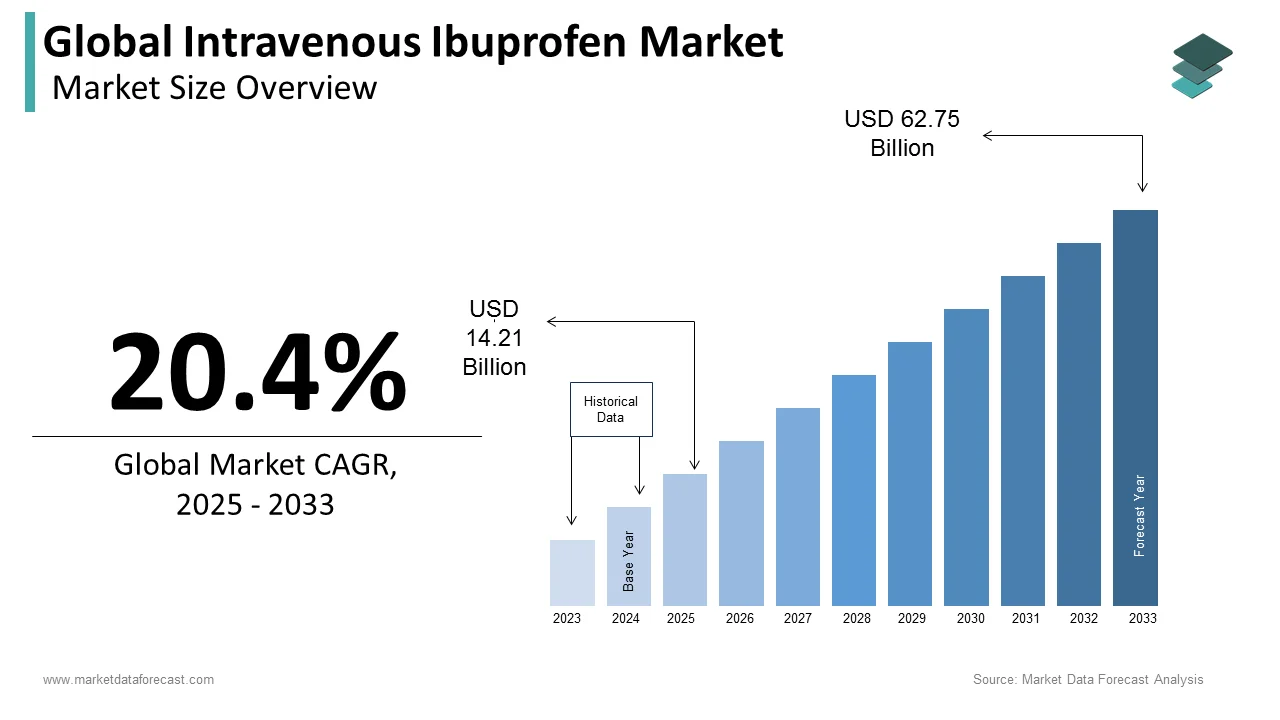
The global intravenous ibuprofen market was valued at USD 14.21 billion in 2025, is estimated to reach USD 17.11 billion in 2026, and is projected to reach USD 75.55 billion by 2034, growing at a CAGR of 20.4% from 2026 to 2034. Market growth is driven by the increasing demand for effective pain management solutions, rising surgical procedures, and growing preference for non-opioid analgesics. Intravenous ibuprofen is widely used in hospital settings for managing postoperative pain and inflammation, offering rapid onset of action and improved patient outcomes. The shift toward opioid-sparing therapies, advancements in hospital care, and expanding healthcare infrastructure are further accelerating market growth globally.
Key Market Trends
- Increasing demand for non-opioid pain management solutions.
- Rising number of surgical procedures and hospital admissions.
- Growing adoption of intravenous analgesics for rapid pain relief.
- Expansion of opioid-sparing treatment protocols.
- Advancements in hospital-based pain management practices.
Segmental Insights
- Based on age group, the adults segment dominated the global intravenous ibuprofen market by capturing 71.4% share in 2025, driven by higher surgical volumes and pain management needs.
- Based on indication, the pain and inflammatory segment led the market with 66.1% share in 2025, supported by widespread use in postoperative and acute care settings.
Regional Insights
The global intravenous ibuprofen market is witnessing strong growth across major regions due to increasing healthcare demand and evolving treatment practices.
- North America led the market in 2025 with 40.9% share, supported by advanced healthcare infrastructure and high adoption of non-opioid therapies.
- Europe holds a significant share, driven by strong healthcare systems and increasing use of intravenous analgesics.
- Asia-Pacific is expected to register the fastest growth due to expanding healthcare infrastructure and rising awareness of pain management solutions.
Competitive Landscape
The global intravenous ibuprofen market is competitive, with the presence of pharmaceutical companies focusing on expanding product availability and improving treatment efficacy. Market players are investing in research, regulatory approvals, and distribution expansion to strengthen their market presence. Strategic collaborations and innovation in drug formulations are shaping competitive dynamics across the market.
Prominent companies operating in the global intravenous ibuprofen market include Cumberland Pharmaceuticals Inc., Alveda Pharmaceuticals, Inc., CSL Limited, Cipla Limited, Sandor Medicaids Pvt Ltd., Germin MED, Grifols S.A., Fresenius Kabi AG, Harbin Gloria Pharmaceuticals Co., Ltd., Hikma Pharmaceuticals PLC, Al Nabeel International Ltd., PT. Soho Industri Pharmasi, and Laboratorios Valmorca, C.A.
Global Intravenous Ibuprofen Market Size
The size of the global intravenous ibuprofen market was worth USD 14.21 billion in 2025. The global market is anticipated to grow at a CAGR of 20.4% from 2026 to 2034 and be worth USD 75.55 billion by 2034 from USD 17.11 billion in 2026.
Intravenous ibuprofen comprises sterile formulations of the nonsteroidal anti-inflammatory drug ibuprofen designed for direct administration into the bloodstream, offering a rapid onset of analgesic and antipyretic effects primarily in hospital and acute care settings. This parenteral route bypasses gastrointestinal absorption barriers, making it critical for patients who are nil per os, experiencing severe postoperative pain, or requiring immediate fever reduction in critical care units. The clinical significance of this segment has intensified as healthcare providers seek effective non-opioid alternatives to manage acute pain amidst a global opioid crisis. As per the Centers for Disease Control and Prevention, tens of thousands of individuals died from opioid-involved overdoses in the United States in 2021, which is driving a paradigm shift toward multimodal pain management strategies that prioritize non-addictive agents. According to the World Health Organization, untreated acute pain affects a large majority of surgical patients globally, leading to prolonged recovery times and increased risk of chronic pain development. In Europe, as per the European Centre for Disease Prevention and Control, postoperative complications related to inadequate pain control contribute significantly to extended hospital stays. Furthermore, as per the American Society of Anesthesiologists, intravenous nonsteroidal anti-inflammatory drugs can reduce opioid consumption following major surgery. This convergence of safety imperatives and clinical efficacy establishes intravenous ibuprofen as a cornerstone of modern acute care pharmacotherapy.
MARKET DRIVERS
Urgent Global Imperative for Opioid Sparing Pain Management Protocols
The intensifying global mandate to reduce opioid reliance in acute care settings due to the devastating public health consequences of addiction and overdose is one of the key factors propelling the growth of the intravenous ibuprofen market. Hospitals and surgical centers are increasingly adopting multimodal analgesia protocols that integrate non-opioid agents like intravenous ibuprofen as first-line therapies to minimize exposure to narcotics while maintaining adequate pain control. As per the National Institute on Drug Abuse, prescription opioid misuse affects millions of individuals annually, with economic costs reaching tens of billions of dollars in the United States due to healthcare expenses and lost productivity. The Joint Commission has implemented stricter standards for pain assessment and management that explicitly encourage the use of non-opioid alternatives to mitigate addiction risks. As per the American College of Surgeons, hospitals implementing opioid-sparing protocols utilizing intravenous non-steroidal anti-inflammatory drugs have seen reductions in postoperative opioid prescriptions without compromising patient satisfaction. Furthermore, the European Pain Federation emphasizes that early integration of intravenous ibuprofen in perioperative care reduces the incidence of persistent postsurgical pain. By providing potent anti-inflammatory and analgesic effects without respiratory depression or sedation, intravenous ibuprofen enables faster mobilization and discharge, aligning with value-based care models that penalize readmissions and complications. This systemic shift away from opioids toward safer alternatives ensures sustained and growing demand for intravenous formulations across diverse surgical specialties.
Critical Need for Rapid Antipyretic and Analgesic Action in Critical Care
The unique clinical requirement for immediate fever reduction and pain relief in critically ill patients who cannot tolerate oral medications or require faster therapeutic onset than oral formulations can provide is further fuelling the intravenous ibuprofen market growth. In intensive care units and emergency departments, patients often present with high-grade fevers or severe trauma where every minute counts, and the inability to swallow necessitates parenteral administration. As per the Society of Critical Care Medicine, fever occurs in a large portion of critically ill patients and is associated with increased metabolic demand, tachycardia, and potential neurological injury if not promptly controlled. The World Health Organization highlights that hyperthermia in septic patients can exacerbate organ dysfunction, making rapid antipyretic intervention a life-saving measure. As per the Journal of Critical Care, intravenous ibuprofen reduces body temperature faster than enteral routes, which are subject to variable gastric emptying and absorption rates in unstable patients. Furthermore, according to the American Academy of Pediatrics, in pediatric emergency settings, the availability of intravenous formulations allows for precise dosing in children who are vomiting or unconscious, ensuring consistent therapeutic levels. The ability to deliver immediate relief without the lag time of gastrointestinal absorption makes intravenous ibuprofen indispensable for managing acute physiological stress in vulnerable populations. This clinical necessity drives widespread adoption in high-acuity environments where speed and reliability of drug delivery are paramount to patient survival and recovery outcomes.
MARKET RESTRAINTS
Stringent Safety Concerns Regarding Renal and Gastrointestinal Toxicity
The well-documented risk of adverse events associated with non-steroidal anti-inflammatory drugs, particularly renal impairment and gastrointestinal bleeding that limits their use in specific patient populations, is one of the major impediments to the intravenous ibuprofen market growth. Despite the advantages of the intravenous route, the mechanism of action involving cyclooxygenase inhibition remains unchanged, posing threats to patients with pre-existing kidney disease, heart failure, or coagulation disorders. As per the Food and Drug Administration, nonsteroidal anti-inflammatory drugs carry a black box warning for increased risk of serious cardiovascular thrombotic events, myocardial infarction, and stroke. As per the National Kidney Foundation, acute kidney injury occurs in a portion of hospitalized patients receiving nonsteroidal anti-inflammatory therapy, with higher incidences in elderly individuals and those with volume depletion. As per the European Medicines Agency, guidelines strictly contraindicate the use of intravenous ibuprofen in patients with severe renal insufficiency or active peptic ulcer disease. Furthermore, the American Gastroenterological Association emphasizes that even short-term use can precipitate gastrointestinal bleeding in high-risk groups, necessitating careful patient screening and monitoring. These safety concerns force clinicians to exercise caution, often opting for alternative analgesics with different side effect profiles for vulnerable patients. Until safer formulations or targeted delivery mechanisms are developed to mitigate these systemic risks, the potential for serious adverse events will continue to restrict market penetration in complex medical cases.
High Cost Relative to Oral Formulations and Reimbursement Hurdles
The substantial cost disparity between intravenous ibuprofen and its widely available oral counterparts, coupled with inconsistent reimbursement policies, is further inhibiting the global market expansion. While the intravenous form offers clinical advantages in specific scenarios, the price per dose is significantly higher than oral tablets, leading payers and hospital formularies to restrict its use to only the most justified cases. As per the Agency for Healthcare Research and Quality, the average cost of an intravenous nonsteroidal anti-inflammatory drug dose can be many times higher than an equivalent oral dose, creating significant financial pressure on hospital pharmacy budgets. The Centers for Medicare and Medicaid Services often bundles payment for pain management into broader diagnosis-related group payments, providing no additional reimbursement for the premium cost of intravenous agents unless specific criteria are met. As per the European Health Technology Assessment network, several member states have implemented strict prescribing restrictions or required prior authorization for intravenous ibuprofen to control expenditure. Furthermore, the World Bank notes that in low and middle-income countries, the high cost of sterile injectable formulations makes them inaccessible for public health facilities, restricting their use to the private sector. This economic barrier forces many institutions to reserve intravenous ibuprofen for niche indications rather than integrating it into standard multimodal protocols, thereby capping market growth despite clear clinical benefits. Without broader insurance coverage or price reductions, financial constraints will continue to hinder widespread utilization.
MARKET OPPORTUNITIES
Expansion into Emerging Markets with Growing Surgical Volumes
The rapid expansion of healthcare infrastructure and rising volumes of surgical procedures in emerging economies offer a promising opportunity for the intravenous ibuprofen market. As nations in Asia, Latin America, and Africa modernize their medical facilities and increase access to surgical care, the need for effective perioperative pain management solutions is surging alongside the number of interventions performed. As per the World Bank, healthcare spending in developing regions is projected to grow steadily, driven by government investments in hospital construction and equipment procurement. As per the Lancet Global Health Commission on Global Surgery, millions of additional surgeries are needed each year in low and middle-income countries to prevent unnecessary death and disability, creating a massive addressable market for acute care pharmaceuticals. As per the Asian Development Bank, countries like India and China are seeing rapid increases in elective and emergency surgical procedures, fueled by a growing middle class and improved insurance coverage. Furthermore, the World Health Organization advocates for the inclusion of essential pain medicines, including nonsteroidal anti-inflammatory drugs, in national formularies to ensure equitable access to pain relief. As these regions adopt international standards of care and move away from reliance on opioids due to global stewardship initiatives, the demand for safe, effective intravenous analgesics like ibuprofen is poised to grow significantly. Manufacturers who establish local distribution networks and engage in educational partnerships with regional medical societies can secure a dominant position in these high-growth territories.
Development of Fixed Dose Combinations and Enhanced Formulations
The innovation pipeline focused on developing fixed-dose combinations and novel formulation technologies offers a substantial growth avenue by enhancing therapeutic efficacy and simplifying administration protocols for healthcare providers. Combining intravenous ibuprofen with other analgesics such as acetaminophen or opioids in a single vial can provide synergistic pain relief, reduce total drug volume, and streamline nursing workflows in busy acute care settings. As per the Journal of Pain Research, fixed dose combinations have demonstrated superior analgesic effects compared to monotherapy, allowing for lower doses of individual components and potentially reducing side effects. As per the Food and Drug Administration, combination products that address unmet medical needs in pain management may receive expedited review processes, encouraging pharmaceutical companies to invest in this area. As per the Pharmaceutical Research and Manufacturers of America, a significant portion of new drug applications in the analgesic space now involve combination therapies or advanced delivery systems like liposomal encapsulation to prolong the duration of action. Furthermore, the European Medicines Agency supports the development of pediatric-friendly formulations with adjusted concentrations and preservative-free options to expand the label to younger populations. By offering products that improve clinical outcomes and operational efficiency, manufacturers can differentiate their portfolios and command premium pricing. This focus on value-added innovation not only addresses current limitations but also opens new indications and patient segments, driving market expansion through product differentiation rather than mere volume growth.
MARKET CHALLENGES
Complexity of Clinical Guidelines and Variability in Adoption Rates
A persistent challenge facing the intravenous ibuprofen market is the lack of uniformity in clinical guidelines and the resulting variability in adoption rates across different medical specialties and geographic regions. While some organizations strongly endorse multimodal analgesia, others remain conservative due to conflicting evidence regarding the magnitude of benefit over traditional therapies, leading to fragmented prescribing patterns. As per the Cochrane Library, systematic reviews have occasionally yielded mixed results on the superiority of intravenous ibuprofen compared to other nonsteroidal anti-inflammatory drugs or regional anesthesia techniques, causing hesitation among guideline committees. As per the American Society of Anesthesiologists and the European Society of Anaesthesiology, recommendations vary in strength and specificity, leaving considerable discretion to individual hospital formularies and physicians. As per the Journal of Hospital Medicine, adoption rates for intravenous nonsteroidal anti-inflammatory drugs can differ significantly between institutions within the same region, driven by local culture, leadership, and historical practices. Furthermore, the World Health Organization notes that in resource-limited settings, the absence of clear national protocols often results in the underutilization of available effective treatments. This inconsistency creates a challenging landscape for manufacturers who must navigate diverse regulatory and clinical environments to promote their products. Until consensus is reached and standardized protocols are universally implemented, market growth will remain uneven and dependent on localized advocacy efforts.
Supply Chain Vulnerabilities and Raw Material Dependencies
The reliance on complex global supply chains for active pharmaceutical ingredients and sterile manufacturing capabilities is further challenging the expansion of the global market. The production of sterile injectables requires stringent quality control and specialized facilities, making the supply chain susceptible to disruptions from raw material shortages, regulatory inspections, or geopolitical tensions. As per the Food and Drug Administration, the majority of active pharmaceutical ingredients for generic drugs are sourced from a limited number of countries, creating bottlenecks when export restrictions or quality issues arise. As per the World Health Organization, shortages of essential medicines, including injectable analgesics, have become increasingly frequent, with many countries experiencing stockouts of critical pain management drugs in recent years. As per the International Federation of Pharmaceutical Manufacturers and Associations, sterility failures or contamination events can lead to prolonged plant shutdowns, instantly constricting supply and driving up prices. Furthermore, the cold chain requirements for transporting certain formulations add logistical complexity and cost, particularly in remote or tropical regions where infrastructure is lacking. As per the European Medicines Agency, supply chain resilience has been flagged as a critical priority following recent global crises, urging manufacturers to diversify sourcing and increase inventory buffers. However, implementing these measures requires significant capital investment that can strain margins. Until supply chains are strengthened and decentralized, the market remains vulnerable to interruptions that can compromise patient care and hinder consistent market growth.
REPORT COVERAGE
| REPORT METRIC | DETAILS |
| Market Size Available | 2025 to 2034 |
| Base Year | 2025 |
| Forecast Period | 2026 to 2034 |
| Segments Covered | By Age Group, Indication, and Region. |
| Various Analyses Covered | Global, Regional, and Country-Level Analysis, Segment-Level Analysis, Drivers, Restraints, Opportunities, Challenges; PESTLE Analysis; Porter’s Five Forces Analysis, Competitive Landscape, Analyst Overview of Investment Opportunities |
| Regions Covered | North America, Europe, APAC, Latin America, Middle East & Africa |
| Market Leaders Profiled | Cumberland Pharmaceuticals Inc., Alveda Pharmaceuticals, Inc., CSL Limited, Sandor Medicaids Pvt Ltd., Germin MED, Grifols S.A., Harbin Gloria Pharmaceuticals Co., Ltd., Al Nabeel International Ltd., PT. Soho Industri Pharmasi, and Laboratorios Valmorca, C.A. |
SEGMENTAL ANALYSIS
By Age Group Insights
The adult segment led the market by commanding the highest share of 71.4% of the global market in 2025. The dominance of the adult segment in the global market is attributed to the high volume of surgical procedures performed on adult populations and the prevalence of chronic pain conditions requiring acute management in hospital settings. The sheer magnitude of surgical interventions performed globally on individuals over the age of 18, which is creating a massive demand for effective postoperative analgesia, is further contributing to the expansion of the adult segment in the global market. Adults undergo significantly more complex surgeries, such as orthopedic replacements, abdominal procedures, and cardiac operations, compared to pediatric patients, all of which generate severe acute pain requiring potent intervention. As per the Organisation for Economic Co-operation and Development, member countries perform thousands of surgical procedures per 100,000 population annually, with the vast majority involving adult patients who require multimodal pain control protocols. The American Society of Anesthesiologists emphasizes that inadequate pain management in adults leads to delayed mobilization, increased risk of thromboembolism, and prolonged hospital stays, making intravenous nonsteroidal anti-inflammatory drugs a standard component of enhanced recovery after surgery pathways. As per the European Centre for Disease Prevention and Control, millions of surgical operations are conducted in Europe each year, predominantly on adults, driving consistent consumption of intravenous analgesics. Furthermore, the aging global population means a higher incidence of degenerative joint diseases necessitating surgical correction, further expanding the addressable patient pool. As hospitals strive to reduce opioid-related complications in this demographic, the reliance on intravenous ibuprofen for adult postoperative care remains the cornerstone of market volume.
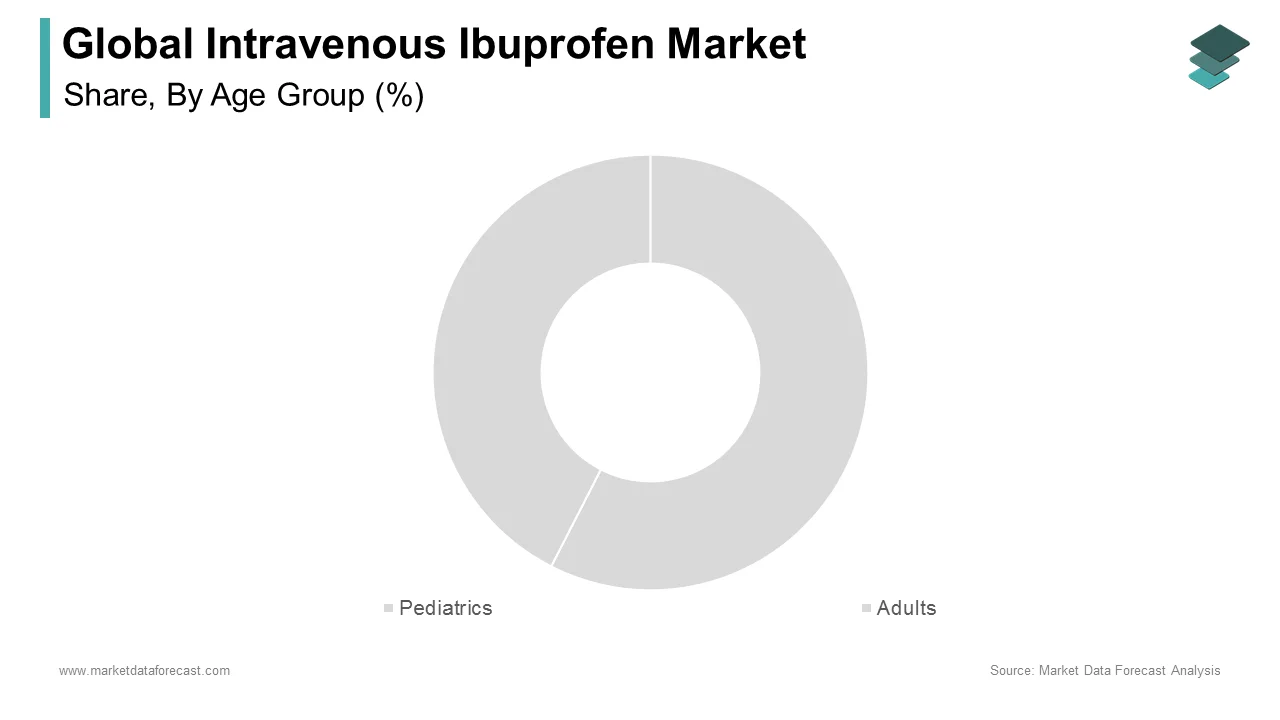
However, the pediatrics segment is projected to register the highest CAGR of 9.5% over the forecast period, owing to the increasing regulatory approvals for pediatric indications, a shift away from opioid use in children, and the growing recognition of the safety profile of intravenous ibuprofen for fever and pain management in younger populations. The recent wave of regulatory approvals specifically extending intravenous ibuprofen indications to children, coupled with a strong global movement to eliminate opioid exposure in pediatric care are also supporting the expansion of the pediatrics segment in the global market. Historically, limited labeling restricted use in younger patients, but new clinical data have validated safety and efficacy, prompting agencies to expand approved age ranges down to infants. As per the Food and Drug Administration, recent label expansions now allow usage in children as young as six months for fever and pain, opening a vast new demographic previously reliant on less effective or riskier alternatives. The American Academy of Pediatrics strongly advocates for non-opioid first-line therapies for minor to moderate pain in children to prevent early exposure to addictive substances, a stance supported by data showing rising rates of accidental ingestion and misuse among adolescents. As per the Centers for Disease Control and Prevention, emergency department visits related to opioid adverse events in children have raised significant public health concerns, driving hospitals to adopt strict opioid-sparing protocols utilizing intravenous nonsteroidal anti-inflammatory drugs. Furthermore, the European Medicines Agency has harmonized guidelines encouraging the use of weight-based dosing of intravenous ibuprofen for pediatric postoperative pain, standardizing care across member states. These regulatory and cultural shifts are rapidly transforming pediatric pain management landscapes, driving unprecedented adoption rates in neonatal intensive care units and pediatric surgical wards.
By Indication Insights
The pain and inflammatory indication segment dominated the market by capturing 66.1% of the global market share in 2025. The growth of the pain and inflammatory indication segment in the global market is attributed to the extensive use of the drug for managing acute postoperative pain and traumatic injuries, where inflammation is a key component of the pathology. Another factor propelling the dominance of the pain and inflammatory segment is the universal adoption of multimodal analgesia protocols in surgical settings, which position intravenous ibuprofen as a foundational agent for reducing inflammation and blocking pain signals at the source. Unlike pure analgesics that only mask pain perception, ibuprofen addresses the underlying inflammatory cascade triggered by tissue trauma, providing superior relief for procedures involving bone, soft tissue, and visceral organs. As per the American Society of Regional Anesthesia and Pain Medicine, major surgical centers in North America now utilize intravenous nonsteroidal anti-inflammatory drugs as a mandatory component of their enhanced recovery after surgery pathways to minimize opioid requirements. As per the European Society of Anaesthesiology, procedures such as total knee arthroplasty and spinal fusion generate intense inflammatory responses that respond exceptionally well to cyclooxygenase inhibition, making ibuprofen a preferred choice. As per the Journal of Clinical Anesthesia, patients receiving intravenous ibuprofen for postoperative pain report significantly lower pain scores and require less rescue opioid medication compared to those receiving a placebo. Furthermore, the anti-inflammatory properties aid in reducing edema and swelling at surgical sites, accelerating functional recovery, and shortening hospital stays. This dual mechanism of action cements its role as the gold standard for acute surgical pain management, driving the majority of market volume.
On the other hand, the fever indication segment is anticipated to witness the fastest growth and register a CAGR of 8.4% over the forecast period, owing to the increasing incidence of infectious diseases, the critical need for rapid antipyresis in septic patients, and the limitations of alternative fever management strategies in hospitalized populations. The global rise in infectious disease outbreaks and the critical importance of rapid temperature control in the management of sepsis and severe systemic infections are further favouring the expansion of the fever indication segment in the global market. Fever is a hallmark physiological response to infection, but in critically ill patients, it significantly increases metabolic rate and oxygen consumption, potentially worsening outcomes in those with compromised cardiopulmonary function. As per the Centers for Disease Control and Prevention, sepsis affects millions of adults in the United States annually, with fever management being a key component of clinical guidelines to reduce physiological stress. The World Health Organization highlights that emerging infectious diseases and antimicrobial resistance are leading to more frequent and severe hospitalizations, where high-grade fevers must be controlled aggressively to prevent organ damage. As per the Society of Critical Care Medicine, uncontrolled hyperthermia in septic patients is associated with higher mortality rates, driving clinicians to prefer intravenous antipyretics that offer immediate and reliable temperature reduction compared to physical cooling methods or oral agents. Furthermore, seasonal spikes in influenza and respiratory syncytial virus infections create periodic surges in demand for intravenous fever reducers in pediatric and geriatric wards. As the global burden of infectious disease continues to climb, the reliance on intravenous ibuprofen as a frontline antipyretic in acute care settings is expanding rapidly.
REGIONAL MARKET
North America Intravenous Ibuprofen Market Analysis
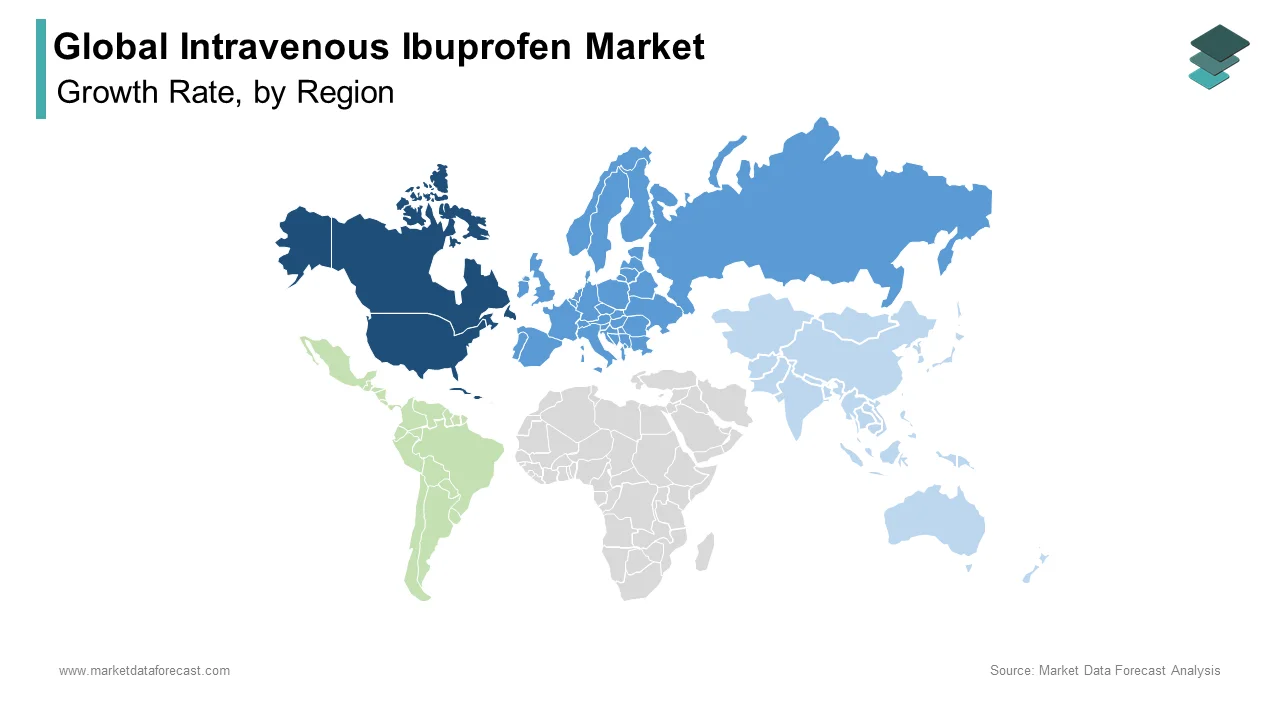
North America dominated the market by holding 40.9% of the worldwide market share in 2025. The dominance of North America in the global market is driven by its advanced healthcare infrastructure, high prevalence of surgical procedures, and aggressive initiatives to combat the opioid epidemic, which have accelerated the adoption of non-opioid analgesics. The United States serves as the primary engine, driven by a robust reimbursement environment and a high density of ambulatory surgical centers and hospitals equipped with modern pain management protocols. As per the Centers for Disease Control and Prevention, the US performs tens of millions of inpatient and outpatient surgeries annually, creating a massive baseline demand for postoperative pain control. Furthermore, the Joint Commission's stringent standards for pain assessment and the federal push for opioid-sparing strategies have made intravenous ibuprofen a staple in American hospitals. As per the Agency for Healthcare Research and Quality, the US healthcare system spends billions annually on pain management, with a significant portion allocated to non-opioid intravenous agents. The presence of major pharmaceutical manufacturers and a favorable regulatory landscape for generic injectables further solidifies the region's market leadership. The high awareness among clinicians regarding the benefits of multimodal analgesia ensures that North America remains the most mature and lucrative market globally.
Europe Intravenous Ibuprofen Market Analysis
Europe captured a promising share of the global market in 2025. The growth of Europe in the global market is driven by a strong emphasis on standardized clinical guidelines and universal healthcare coverage that facilitates equitable access to essential medicines. The region's market status is defined by high penetration rates in Western European countries like Germany, France, and the United Kingdom, where national health services actively promote enhanced recovery after surgery programs. As per the European Centre for Disease Prevention and Control, Europe sees tens of millions of surgical procedures annually, driving consistent demand for effective perioperative analgesia. The European Medicines Agency has played a pivotal role in harmonizing approval processes and expanding pediatric indications, fostering a unified market environment. As per the European Society of Anaesthesiology, the adoption of multimodal pain management protocols is nearly universal in major European teaching hospitals, ensuring steady utilization of intravenous nonsteroidal anti-inflammatory drugs. Additionally, the aging population in Europe contributes to a higher incidence of orthopedic and chronic pain conditions requiring surgical intervention. The region's focus on cost-effective healthcare solutions also favors the use of generic intravenous ibuprofen over newer, more expensive branded alternatives. Despite economic variations, the commitment to high-quality pain care across the continent sustains steady market growth.
Asia Pacific Intravenous Ibuprofen Market Analysis
The Asia Pacific region is emerging as a dynamic and rapidly expanding market and is poised for the highest future growth. The market status here is transitioning from basic pain management to advanced multimodal protocols, driven by improving healthcare access, rising disposable incomes, and a surge in medical tourism. China and India are the key contributors, where massive populations and increasing urbanization are leading to higher volumes of surgical procedures and trauma cases. As per the World Health Organization, the number of surgeries performed in the Asia Pacific is growing at strong annual rates, fueled by government investments in healthcare infrastructure and the expansion of insurance coverage. Furthermore, rising awareness of the dangers of opioid misuse is prompting clinicians in countries like Japan, South Korea, and Australia to adopt Western-style pain management guidelines that prioritize non-opioid agents. As per the Asian Development Bank, significant improvements in hospital facilities and the availability of essential medicines are making intravenous ibuprofen more accessible in rural and semi-urban areas. The proliferation of private hospital chains and the adoption of international accreditation standards are driving the uptake of advanced analgesics. Additionally, the growing burden of infectious diseases in tropical parts of the region boosts demand for antipyretic applications. This confluence of demographic shifts, economic growth, and policy support positions the Asia Pacific as the next frontier for market expansion.
Latin America Intravenous Ibuprofen Market Analysis
Latin America represents a developing yet promising segment of the global market due to the increasing health consciousness and gradual improvements in medical infrastructure. The market in this region is characterized by a dichotomy between urban centers with advanced diagnostic capabilities and rural areas with limited access, though the gap is narrowing. Brazil and Mexico are the dominant markets, fueled by rising surgical volumes and government efforts to strengthen public health networks. As per the Pan American Health Organization, non-communicable diseases and trauma are leading causes of hospitalization in the region, prompting ministries of health to prioritize effective pain management solutions. The rising prevalence of chronic pain conditions and the increasing number of elective surgeries among the growing middle class are stimulating demand for intravenous analgesics in both public and private sectors. As per the Inter-American Development Bank, healthcare spending has steadily increased, correlating with higher adoption of advanced pharmaceutical products. Additionally, the expansion of international pharmaceutical companies into the region and partnerships with local distributors are improving product availability and education for healthcare providers. While challenges regarding cost sensitivity and fragmented healthcare systems remain, the region's growing focus on improving surgical outcomes and patient comfort provides a solid foundation for steady market growth.
Middle East and Africa Intravenous Ibuprofen Market Analysis
The Middle East and Africa region accounts for a moderate share of the global market, but gradually evolving landscape with significant untapped potential. The market is currently concentrated in Gulf Cooperation Council countries like Saudi Arabia and the UAE, where high healthcare expenditure and government vision plans support medical device and pharmaceutical adoption. As per the World Health Organization, the prevalence of diabetes and related complications in the Middle East is among the highest globally, leading to increased surgical interventions and a pressing need for effective postoperative pain control. In Africa, while access remains limited in many areas, urbanization and the growth of private healthcare sectors in nations like South Africa, Nigeria, and Kenya are beginning to open new avenues for advanced analgesics. As per the African Development Bank, investment in health infrastructure is increasing, gradually improving distribution networks for essential medicines and sterile injectables. The establishment of specialized surgical centers and the introduction of national health insurance schemes in several African nations are fostering a conducive environment for market development. Furthermore, international aid and collaborations with global health organizations are helping to introduce affordable generic formulations for pain and fever management in resource-limited settings. Although the overall share is currently small, the combination of rising disease burden, increasing surgical capacity, and improving economic conditions suggests a trajectory of gradual but meaningful expansion in the coming years.
COMPETITIVE LANDSCAPE
The competition within the intravenous ibuprofen market is intense and characterized by the presence of several large multinational generic pharmaceutical companies vying for formulary placement and contract wins. Major players compete vigorously by leveraging their extensive manufacturing scale and supply chain reliability to offer the lowest possible prices while maintaining the strict quality standards required for sterile injectables. The landscape is further complicated by the commoditized nature of the product once patents expire, which forces manufacturers to differentiate through service levels, packaging innovations, and supply security guarantees rather than unique drug mechanisms. Brand loyalty plays a significant role as hospitals prefer suppliers with proven track records of avoiding shortages and providing consistent batch quality to ensure patient safety. Price competition is fierce, particularly in group purchasing organization contracts, where margins are often compressed to minimal levels. The emergence of new generic entrants from Asia continues to exert downward pressure on prices, challenging established Western manufacturers to optimize operational efficiency. Smaller entities often focus on niche regional markets or specific hospital accounts to carve out distinct segments before potentially being acquired by larger conglomerates seeking to diversify their injectable portfolios. This dynamic environment necessitates continuous operational excellence and strategic agility to sustain long-term profitability.
KEY MARKET PLAYERS
Some of the major companies dominating the Global Intravenous Ibuprofen Market profiled in the report are
- Cumberland Pharmaceuticals Inc.
- Alveda Pharmaceuticals, Inc.
- CSL Limited
- Cipla Limited
- Sandor Medicaids Pvt Ltd.
- Germin MED
- Grifols S.A.
- Fresenius Kabi AG
- Harbin Gloria Pharmaceuticals Co., Ltd.
- Hikma Pharmaceuticals PLC
- Al Nabeel International Ltd.
- PT. Soho Industri Pharmasi
- Laboratorios Valmorca, C.A.
TOP PLAYERS IN THE MARKET
- Cipla Limited stands as a global pioneer in the intravenous ibuprofen sector, having launched one of the first generic versions of the drug to challenge branded monopolies. The company significantly contributes to the global market by providing affordable and high-quality sterile formulations that enable widespread access to non opioid pain management solutions. Recent actions to strengthen its position include expanding manufacturing capacities in key regions like North America and Europe to ensure consistent supply chains. Cipla has also engaged in strategic partnerships with hospital groups to promote multimodal analgesia protocols that prioritize intravenous nonsteroidal anti-inflammatory drugs. By investing in rigorous quality control and regulatory compliance, the firm has secured approvals in multiple jurisdictions. These initiatives reinforce its reputation as a reliable supplier committed to reducing opioid dependence through accessible and effective parenteral analgesic options for diverse patient populations worldwide.
- Fresenius Kabi AG operates as a vital force in the intravenous ibuprofen landscape, leveraging its extensive portfolio of generic injectables and infusion therapies to serve hospitals globally. The company plays a crucial role in the market by delivering ready-to-use formulations that streamline pharmacy workflows and enhance patient safety in acute care settings. Recent efforts to bolster its market stance involve the launch of advanced packaging solutions designed to minimize medication errors and reduce preparation time for nursing staff. Fresenius Kabi has also focused on educational campaigns targeting anesthesiologists and surgeons to highlight the clinical benefits of opioid sparing regimens. Furthermore, the company actively expands its distribution network in emerging markets to capture growing demand for essential medicines. By prioritizing sustainability and efficient logistics, Fresenius Kabi ensures the timely delivery of critical pain management products. These strategic moves solidify its position as a preferred partner for healthcare institutions seeking reliable and cost-effective intravenous analgesic solutions.
- Hikma Pharmaceuticals PLC is a key participant known for its robust portfolio of sterile injectable products, including intravenous ibuprofen, which serves critical care and surgical markets worldwide. The company contributes substantially to the global market by offering high-quality generic alternatives that improve affordability and accessibility for healthcare systems under budget constraints. Recent actions to enhance its competitive position include obtaining regulatory approvals for new strengths and indications of intravenous ibuprofen in major markets like the United States and Europe. Hikma has also invested in state-of-the-art manufacturing facilities to increase production volumes and meet surging demand driven by opioid reduction initiatives. Additionally, the firm collaborates with clinical societies to disseminate evidence-based guidelines on multimodal pain management. By focusing on innovation in sterile manufacturing and supply chain resilience, Hikma addresses the evolving needs of hospitals. These strategic developments underscore its dedication to advancing patient care through reliable and effective non opioid pain relief therapies.
TOP STRATEGIES USED BY KEY MARKET PARTICIPANTS
Key players in the intravenous ibuprofen market primarily employ aggressive generic launch strategies and regulatory filings to capture market share from branded competitors as patents expire. Companies frequently invest in expanding manufacturing capabilities and securing multiple supply sources for active pharmaceutical ingredients to ensure product availability and mitigate shortage risks. Another major strategy involves forming strategic alliances with hospital networks and professional medical associations to promote clinical guidelines favoring opioid sparing multimodal analgesia protocols. Manufacturers also focus on developing value-added services such as educational programs for healthcare providers regarding dosing optimization and safety profiles. Expanding into emerging markets through localized distribution partnerships helps firms tap into growing surgical volumes and improve healthcare infrastructure. Additionally, participants are increasingly adopting competitive pricing models to win formulary placements in cost-conscious health systems. These combined approaches enable companies to maintain competitive advantages and drive sustained adoption of intravenous ibuprofen in diverse clinical settings globally.
MARKET SEGMENTATION
This research report on the global intravenous ibuprofen market has been segmented based on age group, indication, and region.
By Age Group
- Pediatrics
- Adults
By Indication
- Pain/inflammatory
- Fever
By Region
- North America
- Europe
- Asia-Pacific
- Latin America
- Middle East and Africa