- Product Description Description
- Table of Contents TOC
- List of Table & Figure LOT
- Get Free Sample PDF Sample PDF
Market Size, 2025
$6.58 BnMarket Estimate, 2026
$7.12 BnMarket Forecast, 2034
$13.36 BnCAGR, 2026–2034
8.18%Latin America Probiotics Market Size
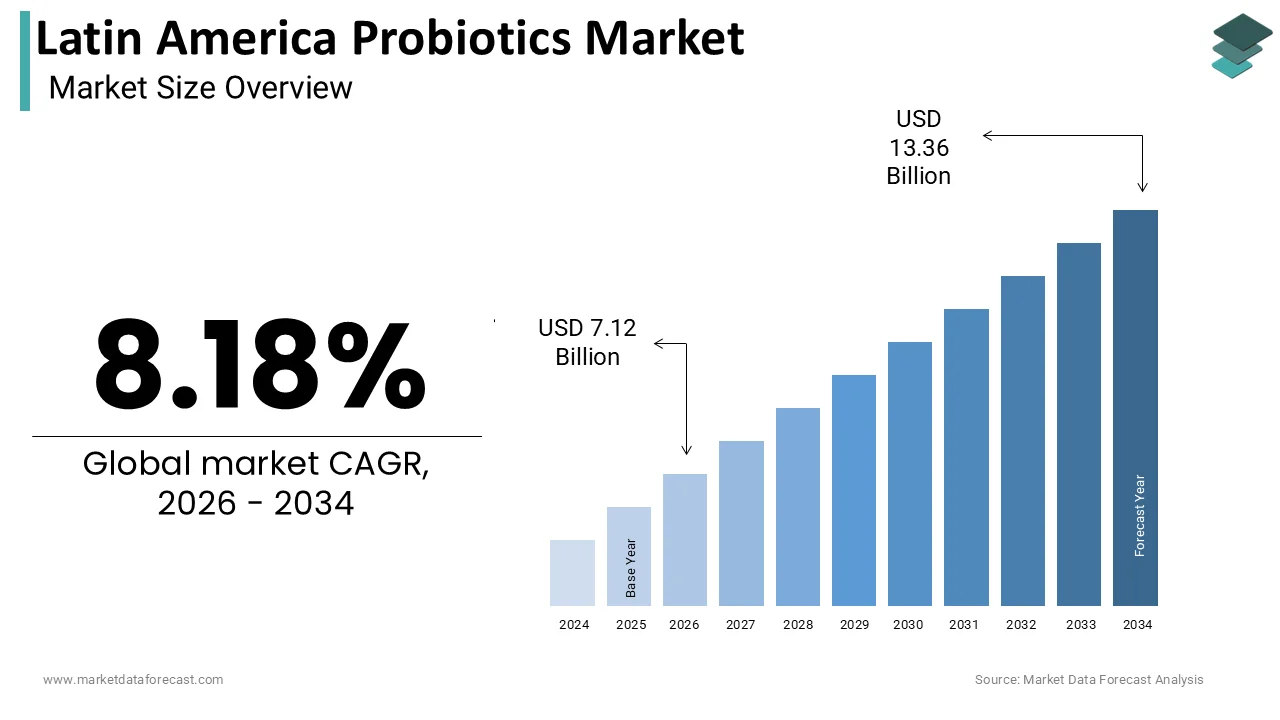
The size of the Latin America probiotics market was calculated to be USD 6.58 billion in 2025 and is anticipated to be worth USD 13.36 billion by 2034, from USD 7.12 billion in 2026, growing at a CAGR of 8.18% during the forecast period.
Probiotics are live, good bacteria and yeasts that help your body. They keep your gut healthy, fight bad germs, and help digest food. This domain includes dietary supplements, functional foods, and beverages such as yogurts, fermented drinks, and capsules containing strains like Lactobacillus and Bifidobacterium. The region has witnessed a significant shift in consumer behavior driven by rising health consciousness and the prevalence of lifestyle-related diseases. According to the Pan American Health Organization, noncommunicable diseases are the leading cause of death in the Region of the Americas, accounting for 6.0 million deaths or 65% of total annual mortality. As per the Food and Agriculture Organization of the United Nations, Latin America is experiencing an expanding commercial market for fermented dairy foods, driven by a regional rise in consumer demand for gut-health functional foods. According to the World Bank, the proportion of the population living in urban centers has reached 89% in Chile and 95.8% in Uruguay, driving changes in regional consumption habits. Regulatory bodies in several countries have begun establishing clearer guidelines for health claims associated with probiotics, enhancing consumer trust. The increasing incidence of gastrointestinal disorders and antibiotic-associated diarrhea further stimulates demand for therapeutic probiotic interventions. Additionally, the expansion of modern retail channels and e-commerce platforms has improved accessibility to diverse probiotic formulations. The convergence of traditional fermentation practices with modern scientific validation positions Latin America as a dynamic market for probiotic innovation and growth.
MARKET DRIVERS
Rising Prevalence Of Gastrointestinal Disorders And Digestive Health Awareness Is Propelling Market Growth
The escalating burden of gastrointestinal disorders across the region is the main reason behind the growth of the Latin America probiotics market. This is because consumers are increasingly seeking natural remedies for digestive ailments. Conditions such as irritable bowel syndrome, constipation, and lactose intolerance affect a significant portion of the population, driving demand for microbial solutions that restore gut flora balance. According to a multinational study published by the World Gastroenterology Organisation, diagnostic criteria for disorders of gut-brain interaction are fulfilled by 40.3% of adult respondents globally. The high usage of antibiotics in the region often leads to dysbiosis, prompting healthcare providers to recommend probiotics for mitigation. As per clinical data compiled by the Brazilian Society of Gastroenterology, pediatric guidelines highlight specific probiotic strains, such as Saccharomyces boulardii and Lactobacillus rhamnosus GG, as effective clinical interventions for childhood diarrhea. The aging population in countries like Argentina and Uruguay further amplifies this demand as older adults experience decreased digestive efficiency and immune function. Public health campaigns emphasizing the link between gut health and overall wellness have educated consumers about the benefits of regular probiotic intake. The availability of clinically validated strains in pharmacies and supermarkets ensures easy access for patients. This combination of high disease prevalence, medical endorsement, and consumer education drives sustained growth in the probiotics market.
Increasing Consumer Preference For Functional Foods And Preventive Healthcare Is Driving Adoption
The growing consumer inclination toward functional foods and preventive healthcare further contributes to the expansion of the Latin America Probiotics Market. Individuals prioritize nutrition that offers benefits beyond basic sustenance. Probiotic-enriched products such as yogurts, juices, and snacks are perceived as convenient ways to enhance immunity and maintain metabolic health without requiring significant lifestyle changes. According to the Food and Agriculture Organization of the United Nations, the Latin American dairy and functional food sector continues to expand due to increasing regional urbanization and heightened consumer demand for specialized gut-health nutrition. Consumers are increasingly reading labels and seeking products with added health benefits such as immune support and weight management. As per the International Food Information Council, annual food and health surveys show that 54% of consumers actively follow a specific diet or eating pattern, with high-protein and mindful eating leading consumer trends. The rise of the middle class in countries like Mexico and Colombia has increased disposable income, allowing households to invest in premium health-oriented products. Social media influencers and healthcare professionals play a crucial role in disseminating information about the benefits of probiotics, influencing purchasing decisions. Manufacturers are responding by launching innovative formats such as probiotic waters and gummies to appeal to younger demographics. The integration of probiotics into everyday food items reduces the barrier to entry for consumers who may be hesitant to take supplements. This trend toward holistic wellness and functional nutrition ensures robust demand for probiotic-infused products across the region.
MARKET RESTRAINTS
High Cost Of Premium Probiotic Supplements And Limited Insurance Coverage Restrict Accessibility
The elevated cost of premium probiotic supplements and the lack of insurance coverage for these products are significant inhibitions to the penetration of the Latin America probiotics market. This trend is particularly visible among lower-income populations. High-quality probiotic formulations containing specific clinically tested strains often command premium prices due to complex manufacturing processes and stability requirements. According to the Inter-American Development Bank, out-of-pocket spending on health services across Latin America and the Caribbean represents an average of 34% of total health expenditure, presenting significant household financing challenges. Most public and private insurance plans in the region do not cover probiotic supplements, classifying them as lifestyle products rather than medical necessities. This financial barrier prevents widespread adoption, especially in rural areas where economic constraints are more pronounced. Economic volatility and inflation in countries like Argentina and Venezuela further exacerbate affordability issues, reducing discretionary spending on health products. Consequently, many consumers opt for cheaper alternatives such as traditional fermented foods, which may not provide standardized doses of beneficial bacteria. The lack of affordable generic options limits market expansion and restricts access to advanced probiotic therapies for those who need them most.
Lack of Standardized Regulations and Inconsistent Quality Control Impede Consumer Trust
The absence of harmonized regulatory frameworks and inconsistent quality control standards across the countries in the region creates uncertainty and hinders consumer confidence in products within the Latin American probiotics market. Each nation has its own health authority with varying requirements for labeling, strain identification, and health claims, leading to a fragmented market landscape. According to the Pan American Health Organization, regional microbiological food safety and oversight initiatives actively promote harmonized compliance with strict sanitary metrics to mitigate contamination risks in global food supplies. The regulatory divergence makes it difficult for manufacturers to ensure consistent product quality across borders and complicates compliance efforts. The lack of mandatory pre-market approval for certain probiotic strains allows substandard products to enter the market, undermining trust in legitimate brands. Consumers often struggle to differentiate between effective clinical strains and generic additives due to unclear labeling practices. The World Health Organization emphasizes the need for standardized guidelines to ensure the safety and potency of probiotic products. Without rigorous enforcement and clear communication of quality standards, consumers remain skeptical about the actual benefits of these products. This regulatory ambiguity slows down market growth and discourages investment in high-quality probiotic innovations.
MARKET OPPORTUNITIES
Expansion Into Non-Dairy and Plant-Based Probiotic Formats Presents Significant Growth Potential
The rising demand for plant-based and non-dairy probiotic formats offers a lucrative opportunity for the expansion of the Latin America probiotics market. Consumers are seeking alternatives due to lactose intolerance and a vegan lifestyle. Traditional probiotic sources are predominantly dairy-based, but a growing segment of the population prefers options derived from coconut, almond, soy, or oats. According to the Inter-American Development Bank and the International Labour Organization, transforming regional food infrastructure to accommodate plant-based diets with reduced animal-source foods will generate 15 million net additional jobs across Latin America and the Caribbean. Probiotic strains adapted toplant-basedd matrices provide similar health benefits while catering to dietary restrictions and ethical preferences. Manufacturers are investing in research to develop stable and palatable non-dairy probiotic beverages and snacks that appeal to health-conscious consumers. The versatility of plant-based formats allows for innovation in flavors and textures, attracting younger demographics. Retailers are dedicating more shelf space to plant-based alternatives, recognizing their growth potential. Government initiatives promoting sustainable agriculture also support the production of raw materials for these products. By diversifying into non-dairy segments, companies can tap into underserved markets and reduce dependency on traditional dairy supply chains. This strategic shift aligns with global trends and local dietary needs, ensuring long-term relevance and growth.
Integration Of Probiotics With Personalized Nutrition And Digital Health Technologies Offers New Avenues
The integration of probiotics with personalized nutrition and digital health technologies provides a clear path for differentiation and value addition in the Latin America Probiotics Market. Advances in microbiome testing and artificial intelligence enable the creation of customized probiotic regimens tailored to individual genetic and lifestyle factors. According to the Latin American Society of Nutrition, regional clinical and educational protocols emphasize that standardized public health guidelines must prioritize structural reforms in food systems to address metabolic disease and general malnutrition. Companies are partnering with tech firms to offer comprehensive health platforms that combine probiotic supplements with dietary tracking and virtual consultations. This holistic approach enhances user engagement and provides measurable health outcomes, strengthening brand loyalty. The rising smartphone penetration in urban areas enables widespread access to these digital services. Data analytics allow manufacturers to refine product formulations based on real-world evidence, improving effectiveness. Regulatory bodies are beginning to recognize the value of digital therapeutics, paving the way for innovative business models. By leveraging technology, companies can move beyond one-size-fits-all solutions and offer targeted interventions. This convergence of biology and technology positions probiotics as a key component of precision medicine, driving premiumization and market expansion.
MARKET CHALLENGES
Counterfeit Products and Misleading Health Claims Undermine Market Integrity
The proliferation of counterfeit probiotic products and misleading health claims is a major challenge to the Latin America Probiotics Market. These factors erode consumer trust and damage brand reputation. Unregulated sellers often distribute fake supplements containing inactive ingredients or harmful contaminants at lower prices, undercutting legitimate manufacturers. According to the Inter-American Institute for Cooperation on Agriculture, regional programs focus on deploying sustainable agricultural technology and strict biosecurity protocols to stop the illegal transport of counterfeit crop protection products. These illicit products mislead consumers about strain identity and potency, leading to ineffective treatment and dissatisfaction. The lack of robust tracking and tracing systems makes it difficult to identify and remove counterfeit goods from the supply chain. Marketing campaigns by illegitimate brands often exaggerate health benefits without scientific backing, confusing consumers about genuine product value. Legitimate companies face increased costs for anti-counterfeit measures and legal actions to protect their intellectual property. Negative publicity surrounding counterfeit incidents can have disproportionate effects on the entire category, causing temporary declines in sales. Addressing this issue requires coordinated efforts among regulators, industry players, and retailers to strengthen enforcement and educate consumers. Until effective measures are implemented, the presence of counterfeit products will continue to hinder market growth and integrity.
Limited Scientific Literacy And Misconceptions About Probiotic Efficacy Hinder Adoption
A major portion of the regional population lacks sufficient scientific literacy regarding probiotics, despite growing interest, which impedes the expansion of the Latin American probiotics market. As a result, this leads to misconceptions and hesitant adoption. Many consumers confuse probiotics with general digestive aids or antibiotics, failing to understand the specific mechanisms and benefits of live microorganisms. According to the Food and Agriculture Organization of the United Nations, public health indicators across South America show a steady rise in the demand for functional foods containing beneficial microorganisms, compelling local dairy groups to diversify their commercial product portfolios. The knowledge gap is exacerbated by conflicting information on social media and unverified anecdotal evidence. Misconceptions such as the belief that all fermented foods contain sufficient probiotic levels or that one dose provides permanent benefits lead to unrealistic expectations and discontinuation of use. Healthcare providers in primary care settings often lack time to explain probiotic nuances, resulting in poor patient adherence. Cultural beliefs favoring traditional remedies over scientific interventions also resist the shift toward evidence-based probiotic therapies. Without comprehensive public education campaigns that clearly articulate the science behind probiotics, manufacturers struggle to overcome skepticism. Bridging this literacy deficit requires sustained investment in community outreach and transparent communication strategies that build trust and understanding among diverse consumer segments.
REPORT COVERAGE
| REPORT METRIC | DETAILS |
| Market Size Available | 2025 to 2034 |
| Base Year | 2025 |
| Forecast Period | 2026 to 2034 |
| CAGR | 8.18% |
| Segments Analysed | By Application, Ingredient, End User, and Country |
| Various Analyses Covered | Regional & Country Level Analysis, Segment-Level Analysis, Drivers, Restraints, Opportunities, Challenges; PESTLE Analysis; Porter’s Five Forces Analysis, Competitive Landscape; Analyst Overview of Investment Opportunities |
| Countries Analysed | Mexico, Brazil, Argentina, Chile, Peru and Rest of Latin America |
| Market Leaders Profiled | Yakult Honsha Co. Ltd, Nestle S.A., Groupe Danone, PepsiCo Inc. (Kevita), Lifeway Foods Inc., Actimel, Activia, Bright Dairy, BioGaia, CHR Hansen |
SEGMENTAL ANALYSIS
By Application Insights
In 2025, the Dairy Products segment held the majority share of the Latin America Probiotics Market because of the deep-rooted cultural consumption of fermented dairy items such as yogurts and kefir. This segment benefits from established manufacturing infrastructure and high consumer acceptance of probiotic strains like Lactobacillus and Bifidobacterium in milk-based formats.
The widespread cultural habit of consuming fermented dairy products is a key factor in the dominance of this segment. Yogurt and cheese are staple foods in many households across Brazil, Mexico, and Argentina, providing a familiar vehicle for probiotic delivery. According to the Food and Agriculture Organization of the United Nations, global per capita milk and dairy consumption has grown steadily over the last decade, with regional milk production in South America expanding significantly, led by Brazil producing over one-third of the continent's total output. The perception of yogurt as a healthy breakfast or snack option aligns with traditional dietary patterns, making it an easy entry point for probiotic adoption. Manufacturers leverage this familiarity to introduce new strains and functional benefits without disrupting consumer habits. The availability of diverse flavors and textures caters to varying taste preferences across different age groups. Retailers prioritize shelf space for dairy probiotics due to their high turnover rates and brand loyalty. This cultural entrenchment ensures that dairy remains the most accessible and trusted source of probiotics for the majority of the population.
The robust manufacturing infrastructure and efficient supply chains dedicated to dairy processing significantly support the leadership of this segment. Major dairy companies in Latin America have invested heavily in fermentation technologies and cold chain logistics to ensure the viability of live cultures until consumption. According to the Inter-American Development Bank, structural investments in transport, logistics, and regional trade infrastructure are vital across Latin America and the Caribbean to lower commercial transaction costs and integrate local agribusinesses into global value chains. Established distribution networks allow manufacturers to reach both urban supermarkets and rural stores, ensuring wide availability. The economies of scale achieved by large dairy producers lower production costs, making probiotic dairy products affordable for middle-income consumers. Regulatory frameworks for dairy safety are well defined, facilitating compliance and consumer trust. Collaborations between dairy cooperatives and research institutions drive innovation in strain stability and flavor enhancement. This operational excellence and market readiness make dairy products the most reliable and dominant application for probiotics in the region.
The Dietary Supplements segment is expected to exhibit a noteworthy CAGR of 9.8% between 2026 and 2034 due to increasing health consciousness, demand for targeted therapeutic solutions, and the rise of e-commerce platforms.
The growing consumer focus on specific health outcomes such as immune boosting, gut health, and mental wellness is driving the rapid adoption of probiotic supplements. Unlike food products, supplements offer concentrated doses of specific strains tailored to address individual health concerns. According to the Pan American Health Organization, regional healthcare resource strategies emphasize allocating more public financial resources directly to first-contact primary healthcare spending to achieve equitable health coverage. Consumers are increasingly seeking evidence-based solutions for conditions like irritable bowel syndrome and antibiotic-associated diarrhea, which supplements effectively address. The aging population in countries like Chile and Uruguay further fuels demand for supplements that support digestive efficiency and nutrient absorption. Healthcare professionals are more frequently recommending probiotic capsules alongside conventional treatments, enhancing credibility. The ability to combine probiotics with prebiotics and other vitamins in single formulations adds value for busy consumers. Marketing campaigns emphasizing clinical efficacy and personalized health benefits resonate with educated urban demographics. This shift toward proactive health management positions dietary supplements as the fastest-growing application segment.
The rapid expansion of e-commerce platforms and direct-to-consumer sales channels is accelerating the growth of the probiotic supplement segment. Online retail offers convenience, a wider product selection, and access to detailed information, which appeals to health-conscious shoppers. According to the Economic Commission for Latin America and the Caribbean, digital commerce expansion across regional markets relies heavily on closing digital infrastructure gaps, increasing internet connectivity, and expanding access to secure digital financial payment systems for the general population. Platforms like Mercado Libre and Amazon provide visibility for niche and premium probiotic brands that may not be available in physical stores. Social media marketing and influencer endorsements drive traffic to these digital storefronts, educating consumers about new strains and benefits. Subscription models offered by online retailers ensure consistent supply and improve customer retention. The ability to compare prices and read reviews empowers consumers to make informed decisions. This digital transformation lowers barriers to entry for new brands and expands market reach beyond major cities. The synergy between digital accessibility and health awareness propels the dietary supplement segment forward.
By Ingredient Insights
The bacteria segment was the largest in the Latin America probiotics market in 2025 and secured a commanding share. This supremacy of the segment was credited to the extensive use of well-researched strains, such as Lactobacillus and Bifidobacterium, in both food and supplement applications. These bacteria are widely recognized for their safety, efficacy, and compatibility with various food matrices.
The vast body of scientific research supporting the health benefits of bacterial probiotics fuels their prominence in the market. Strains like Lactobacillus rhamnosus and Bifidobacterium lactis have been extensively studied for their effects on digestion, immunity, and metabolic health. According to the World Gastroenterology Organisation, peer-reviewed clinical guidelines recommend specific bacterial strains, such as Streptococcus thermophilus and Lactobacillus delbrueckii, to improve lactose digestion and mitigate symptoms related to lactose intolerance. The evidence base facilitates regulatory approval and health claim substantiation, encouraging manufacturer investment. Consumers trust bacterial probiotics due to their long history of safe use in fermented foods. Educational campaigns by scientific societies highlight the mechanisms of action, building consumer confidence. The availability of standardized testing methods ensures quality control and potency verification. This robust scientific foundation makes bacterial ingredients the preferred choice for both mainstream and specialized probiotic products.
The technical versatility of bacterial strains allows them to be incorporated into a wide range of food and beverage products without compromising taste or texture. Bacteria can withstand various processing conditions, including pasteurization and freezing, when properly encapsulated. According to the Food and Agriculture Organization of the United Nations, global consumer demand for specialized nutritional items is forcing manufacturing teams to improve the biological stability and performance parameters of functional ingredients. Manufacturers appreciate the ease of integrating bacteria into existing production lines, minimizing capital expenditure. The ability to create multi-strain blends enhances functional benefits appealing to diverse consumer needs. This adaptability ensures that bacterial ingredients remain central to product innovation across the food and beverage industry.
The Yeast segment is predicted to witness the highest CAGR of 8.5% during the forecast period owing to the popularity of Saccharomyces boulardii for gastrointestinal health and its stability advantages over bacterial strains.
Yeast probiotics, particularly Saccharomyces boulardii, exhibit superior stability and resistance to antibiotics, making them highly effective for specific therapeutic applications. Unlike bacteria, yeast cells are not killed by antibiotic treatment, allowing them to maintain gut flora balance during medication courses. According to the Brazilian Ministry of Health, national epidemiological directives prioritize the distribution of essential rehydration solutions and standard pharmaceutical interventions to address public cases of acute infectious diarrhea. As per clinical guidelines co-authored by the European Society for Pediatric Gastroenterology, Hepatology, and Nutrition, evidence-based recommendations outline the targeted use of specific probiotic strains to prevent antibiotic-associated diarrhea in pediatric populations. Their natural resistance to stomach acid and bile salts ensures higher survival rates reaching the intestines intact. This reliability appeals to consumers seeking guaranteed efficacy for acute conditions. Pharmaceutical companies favor yeast strains for formulating stable supplements with longer shelf lives. The distinct mechanism of action differentiates yeast from bacterial competitors, creating a niche market. These unique biological properties fuel the rapid growth of the yeast segment in Latin America.
Increasing consumer and professional awareness of the specific benefits of yeast probiotics in gut health management is accelerating market growth. Educational initiatives by healthcare providers emphasize the role of Saccharomyces boulardii in managing traveler’s diarrhea and inflammatory bowel disease. According to the Pan American Health Organization, regional health promotion frameworks focus heavily on expanding community health education, reducing maternal mortality, and improving baseline access to primary medical infrastructure. Consumers appreciate the non-bacterial nature of yeast, which alleviates concerns about bacterial overgrowth or imbalance. The inclusion of yeast in combination products with bacteria offers synergistic benefits, attracting health enthusiasts. Marketing efforts highlight the natural origin of yeast from fruit skins, resonating with clean label trends. The expansion of indications beyond diarrhea to general gut wellness broadens the consumer base. This growing recognition of yeast as a potent therapeutic agent drives its rapid adoption in the probiotics market.
By End User Insights
The human segment dominated the Latin America probiotics market and accounted for a substantial share in 2025. Factors such as high consumer demand for personal health and wellness products and the widespread prevalence of lifestyle-related diseases have driven the dominance of this segment. This segment encompasses dietary supplements, functional foods, and beverages consumed directly by individuals.
The rising incidence of lifestyle-related diseases such as obesity, diabetes, and gastrointestinal disorders drives substantial demand for human probiotic products. These conditions often require dietary interventions to manage symptoms and improve quality of life. According to the World Health Organization, noncommunicable diseases are the leading cause of death in the Region of the Americas, accounting for 6.0 million deaths or 65% of total annual mortality. As per the International Diabetes Federation, adult diabetes prevalence estimates indicate that approximately 35 million adults aged 20 to 79 are living with diabetes within the South and Central America region. Probiotics help regulate blood sugar levels and improve insulin sensitivity, offering adjunctive therapy benefits. The aging population further amplifies demand as older adults experience reduced digestive function and immune response. Healthcare systems are increasingly integrating nutritional counseling into chronic disease management protocols. Consumers actively seek natural solutions to complement medical treatments, reducing reliance on pharmaceuticals. This health burden ensures a steady and growing market for human probiotic interventions across all age groups.
A strong cultural shift toward personal wellness and preventive care is sustaining the leadership of the human segment. Individuals are proactively investing in products that enhance vitality, immunity, and mental clarity. According to the Food and Agriculture Organization of the United Nations, global consumer demand for health-focused nutritional products continues to drive the market expansion of functional dairy matrices across urban centers. Social media and digital health platforms educate users about the gut-brain axis linking digestion to mental health. This holistic view encourages regular probiotic consumption for overall well-being rather than just treating illness. Fitness enthusiasts and athletes use probiotics to optimize recovery and performance, expanding the user base. The availability of attractive packaging and convenient formats makes daily consumption easy. This proactive health mindset ensures that human probiotics remain the core of the market.
The animal segment is estimated to register the fastest CAGR of 10.2% from 2026 to 2034. This quick surge of the segment is fueled by the ban on antibiotic growth promoters in livestock and the increasing demand for high-quality animal protein.
Strict regulatory bans on the use of antibiotic growth promoters in animal feed are compelling farmers to adopt probiotic alternatives for maintaining herd health and productivity. Governments across Latin America are aligning with global standards to combat antimicrobial resistance. According to the Food and Agriculture Organization of the United Nations, international animal health frameworks and guidelines for swine and poultry production mandate the prudent, responsible use of antimicrobials under strict veterinary diagnostic supervision. Farmers utilize probiotic supplements to prevent diseases and enhance weight gain without residual risks. This regulatory push creates a mandatory market for animal probiotics, driving rapid adoption. Veterinary professionals recommend specific strains for different species, ensuring targeted efficacy. The transition to sustainable farming practices further supports this shift. These regulatory mandates ensure consistent and growing demand for animal probiotics in the region.
The rising domestic and international demand for high-quality, safe animal protein drives the adoption of probiotics in aquaculture and livestock sectors. Export markets, particularly in Europe and North America, require strict adherence to safety and residue-free standards. According to the Ministry of Agriculture and Livestock of Brazil, national agribusiness exports reached a historic record of US$166.55 billion in 2023, with total meat exports representing 14.1% of the sector's aggregate sales value. Probiotics improve nutrient absorption and reduce mortality rates, enhancing profitability for farmers. Consumers are increasingly concerned about antibiotic residues in meat and seafood, preferring products from animals raised naturally. Certification programs for organic and antibiotic-free meat rely on probiotic usage for disease prevention. This market pressure for cleaner protein sources accelerates the integration of probiotics into animal feed. The economic benefits of improved yield and quality make animal probiotics a critical investment for the industry.
REGIONAL ANALYSIS
Brazil Probiotics Market Analysis
Brazil continued to lead the Latin America Probiotics Market and captured a 35.1% share in 2025. This top position was attributed to its massive population, robust dairy industry, and high health consciousness. The country serves as the primary production and consumption hub for probiotics in the region. According to the Brazilian Ministry of Health, specialized budgetary allocations for public health services managing complex gastrointestinal disorders reached R$ 59.3 million to accommodate expanding medical protocols. As per the Brazilian National Household Sample Survey, domestic consumer spending on dairy alternatives and functional health items shifted due to food-at-home price fluctuations, as general food and beverage inflation trends hit 0.41%. The presence of major multinational and local dairy companies ensures wide product availability and competitive pricing. Government initiatives promoting healthy eating through school feeding programs include probiotic-enriched items. The strong agricultural sector provides raw materials for both human and animal probiotic production. Regulatory clarity from ANVISA facilitates the launch of new strains and health claims. High internet penetration supports e-commerce sales of supplements. Brazil's dynamic economy and large consumer base maintain its dominant position in the regional probiotics market.
Mexico Probiotics Market Analysis
Mexico followed closely behind in the Latin America Probiotics Market and occupied a share of 20.4% in 2025. This growth of the Mexican market was propelled by a growing middle class and increasing adoption of preventive healthcare measures. The country benefits from strong trade links with the United States, influencing product trends. According to the Mexican Institute of Social Security, operational health coverage strategies actively track non-communicable illness interventions for an expanding national affiliate base encompassing 68.5 million people. As per the National Institute of Public Health of Mexico, clinical evaluations show that local e-commerce and retail consumer engagement remains primarily centered around probiotic supplements specifically formulated for children. The dairy industry is modernizing rapidly, with local brands launching innovative probiotic drinks and snacks. According to the World Bank, the proportion of the population living in urban centers has reached 81.8% in Mexico and 88.1% in Brazil, transforming regional infrastructure and access to commercial consumer markets. Government regulations on labeling are becoming stricter, ensuring product quality and consumer trust. The tourism sector also drives demand for probiotic solutions for travelers’ diarrhea. Medical tourism contributes to the adoption of advanced probiotic therapies. Mexico's strategic location and evolving consumer preferences sustain its strong market growth.
Argentina Probiotics Market Analysis
Argentina is a key player in the Latin America Probiotics Market because of its high per capita consumption of dairy products and strong scientific research community. The country has a long tradition of fermented food consumption, which supports probiotic adoption. According to the National Administration of Drugs, Foods, and Medical Technology (ANMAT) of Argentina, domestic retail volumes for dairy products shifted due to inflationary pressures, causing yogurt and dairy dessert sales to drop by 12% to 18%. As per the National Scientific and Technical Research Council, public research institutes actively transfer proprietary, native probiotic strains, such as Lactiplantibacillus plantarum, to regional dairy enterprises for scale-up. Economic challenges have led consumers to seek cost-effective health solutions, boosting sales of affordable probiotic foods. The government supports agricultural innovation, including probiotic feed additives for livestock. Private healthcare insurance coverage for nutritional supplements is relatively common, aiding access. Cultural emphasis on family meals encourages the purchase of shared probiotic products. Despite inflation, the demand for health-oriented dairy items remains resilient. Argentina's scientific expertise and dairy heritage keep it a key player in the regional market.
Chile Probiotics Market Analysis
Chile maintains a significant place in the Latin America Probiotics Market. It is noted for its high regulatory standards and advanced healthcare system. The country is a leader in adopting international best practices for probiotic safety and efficacy. According to the Chilean Ministry of Health and the Public Health Institute, oral probiotic products commercialized in pharmaceutical forms are legally governed under the Sanitary Foods Regulations of Decree No. 977. As per the World Bank, Chile's robust healthcare infrastructure ranks among the highest in South America, reaching an annual per capita health spending of US$1,376 to advance preventive population health. The aging population drives demand for probiotics that support immune and digestive health. Retailers offer a wide variety of premium probiotic brands catering to discerning consumers. The government promotes healthy eating through front-of-package warning labels, which indirectly boosts demand for natural alternatives like probiotics. High literacy rates enable consumers to make informed choices based on scientific evidence. The stable economic environment encourages investment in new product development. Chile's progressive policies and health-conscious population position it as a premium market for probiotics.
COMPETITION OVERVIEW
The competition in the Latin America Probiotics Market is characterized by intense rivalry among multinational corporations and strong local players striving for dominance through innovation and differentiation. Major global entities leverage their extensive resources and technological expertise to introduce advanced multi-strain formulations, while local manufacturers compete on price and cultural relevance. The market features a mix of established dairy giants and specialized supplement brands, each targeting specific consumer segments ranging from infants to the elderly. Regulatory pressures regarding health claims and labeling consistency force companies to continuously invest in scientific validation, increasing operational complexity. Price sensitivity among certain consumer segments necessitates careful balancing of quality and affordability. Distribution channel expansion into modern retail and e-commerce platforms has intensified competition for shelf space and visibility. Brand loyalty remains fragmented as consumers frequently experiment with new products driven by health trends and promotional activities. Strategic alliances and mergers are common as companies seek to consolidate market position and achieve economies of scale. This dynamic competitive environment fosters continuous improvement in product offerings and service standards, ultimately benefiting dental professionals and patients across the region.
KEY MARKET PLAYERS
Major Key Players in the Latin America Probiotics Market are Yakult Honsha Co. Ltd, Nestle S.A., Groupe Danone, PepsiCo Inc. (Kevita), Lifeway Foods Inc., Actimel, Activia, Bright Dairy, BioGaia, CHR Hansen
Top Strategies Used by Key Market Participants
Key players in the Latin America Probiotics Market primarily employ product localization and strategic partnerships to maintain competitive advantage. Companies focus on developing strains that align with regional dietary habits and health concerns such as digestive issues prevalent in tropical climates. Expansion into non-dairy formats, including juices and plant-based milks, enables broader market penetration among lactose-intolerant consumers. Manufacturers invest heavily in clinical research to substantiate health claims and build trust with healthcare providers and regulators. Digital marketing campaigns and influencer collaborations help educate consumers about the benefits of regular probiotic consumption. Strategic acquisitions of local brands allow multinational corporations to leverage existing distribution networks and brand recognition. Compliance with varying regulatory frameworks across countries ensures continued market access and consumer safety. These combined strategies enable companies to navigate complex market dynamics while fostering long-term growth and customer loyalty across diverse Latin American regions.
Leading Players in the Market
- Nestlé maintains a dominant presence in the Latin America Probiotics Market through its extensive portfolio of functional dairy products and specialized nutritional supplements. The company leverages its robust distribution network to reach diverse consumer segments across Brazil, Mexico,o and Argentina. Recent initiatives include the launch of localized probiotic strains tailored to regional gut health needs and digestive preferences. Nestlé has invested significantly in research facilities to validate clinical efficacy and support health claims. The company actively collaborates with healthcare professionals to promote the benefits of its medical nutrition products. By integrating sustainable sourcing practices and clear labeling, Nestlé strengthens brand trust among health-conscious consumers. Continuous innovation in product formats such as powders and ready-to-drink beverages ensures the company remains competitive and responsive to evolving lifestyle trends in the Latin American region.
- Danone plays a pivotal role in the Latin America Probiotics Market by focusing on fermented dairy products and plant-based alternatives enriched with live cultures. The company emphasizes scientific research to develop formulations that support immune function and digestive balance. Danone has expanded its manufacturing capabilities in key markets to meet rising demand for affordable probiotic options. Recent actions include partnerships with local farmers to ensure high-quality milk sourcing and sustainability. The company launched several new product lines featuring specific strains like Bifidobacterium lactis to address common gastrointestinal issues. Danone also engages in extensive consumer education campaigns to raise awareness about the importance of daily probiotic intake. Its commitment to social responsibility and environmental stewardship enhances brand loyalty and differentiates its offerings in a highly competitive marketplace across Latin America.
- Chr. Hansen contributes significantly to the Latin America Probiotics Market by supplying high-quality bacterial cultures and probiotic ingredients to food and beverage manufacturers. The company utilizes its global expertise to introduce innovative strains tailored to local tastes and dietary requirements. Chr. Hansen has strengthened its position by establishing technical service centers in major cities to support client product development. Recent strategies include the launch of heat-stable probiotics suitable for baked goods and confectionery, expanding application possibilities. The company invests in advanced fermentation technologies to improve strain viability and shelf life. Chr. Hansen actively participates in regional industry events to showcase innovations and build relationships with local producers. By focusing on scientific validation and customer collaboration, the company has established a strong reputation among ingredient buyers, ensuring sustained growth in the dynamic Latin American probiotics sector.
MARKET SEGMENTATION
This research report on the Latin America probiotics market is segmented and sub-segmented into the following categories.
By Application
- Food & beverage
- Dairy products
- Non-dairy drinks
- Infant formula
- Cereals
- Dietary supplements
- Feed
By Ingredient
- Bacteria
- yeast
By End-User
- Animal
- Human probiotics
By Form
- Liquid
- Dry
By Region
- Brazil
- Mexico
- Argentina
- Chile
- Rest Of Latin America