- Product Description Description
- Table of Contents TOC
- List of Table & Figure LOT
- Get Free Sample PDF Sample PDF
Market Size, 2025
$5.11 BnMarket Estimate, 2026
$5.26 BnMarket Forecast, 2034
$6.65 BnCAGR, 2026–2034
2.98%Middle East and Africa Cheese Market Report Summary
The Middle East and Africa cheese market was valued at USD 5.11 billion in 2025, is estimated to reach USD 5.26 billion in 2026, and is projected to reach USD 6.65 billion by 2034, growing at a CAGR of 2.98% during the forecast period. Market growth is driven by rising dairy consumption, increasing demand for processed and convenience foods, and expanding foodservice industries across the region. Cheese is widely consumed in bakery products, fast food, snacks, and traditional cuisines due to its flavor, versatility, and nutritional value. The growth of retail chains and hospitality sectors is further supporting steady market expansion.
Key Market Trends
- Rising demand for dairy based convenience foods is driving market growth.
- Increasing consumption of fast food and bakery products is boosting cheese demand.
- Growing expansion of hospitality and foodservice sectors is supporting market expansion.
- Expansion of organized retail and supermarket chains is enhancing product accessibility.
- Innovation in flavored, processed, and premium cheese products is influencing consumer preferences.
Segmental Insights
- Based on product, the fresh and processed cheese segment accounted for 51.5% of the Middle East and Africa cheese market share in 2025. This dominance is attributed to broad consumer preference, affordability, and wide application across food products.
- Based on process, the cheddar cheese segment held 36.9% of the Middle East and Africa cheese market share in 2025, driven by its popularity in burgers, sandwiches, snacks, and foodservice applications.
Regional Insights
- The Middle East and Africa cheese market is experiencing steady growth across the region, supported by increasing dairy consumption and expanding hospitality industries.
- Saudi Arabia was the leading contributor in 2025 and is expected to strengthen its position during the forecast period, driven by rising domestic dairy production, strong retail infrastructure, and increasing demand from hospitality and foodservice sectors.
Competitive Landscape
The Middle East and Africa cheese market is moderately competitive, with key players focusing on dairy product innovation, production expansion, and distribution network development to strengthen their market position. Companies are investing in processed cheese varieties, premium dairy offerings, and regional manufacturing capabilities. Prominent players in the Middle East and Africa cheese market include Mother Dairy, Almarai, Bega Cheese, Cady Cheese Factory, Amul, Parag Milk Foods, Hook's Cheese Company, Bel Group, Brunkow Cheese Factory, Bletsoe Cheese, Kraft, and Burnett Dairy.
Middle East and Africa Cheese Market Size
The Middle East and Africa cheese market size was valued at USD 5.11 billion in 2025, and the market size is expected to reach USD 6.65 billion by 2034 from USD 5.26 billion in 2026. The market's promising CAGR for the predicted period is 2.98%.

The Middle East and African cheese market benefits from a growing population and increasing urbanization which drives demand for packaged food items including cheese. According to the Food and Agriculture Organization of the United Nations, the livestock sector in the Middle East and North Africa contributes between 30% and 35% of agricultural GDP, reflecting the importance of dairy production. Consumer awareness regarding protein intake and calcium benefits has further propelled the adoption of cheese in daily diets. As per the World Bank data, the urban population in Sub Saharan Africa is projected to reach 40% by 2030, indicating a shift towards modern retail formats where cheese is widely available. The market is characterized by a mix of local producers who cater to traditional tastes and international brands that introduce varied textures and flavors. Regulatory frameworks concerning food safety and labeling are becoming more stringent, ensuring higher quality standards. The integration of cheese into quick service restaurant menus and bakery products also amplifies consumption. Religious observances such as Ramadan see a spike in dairy consumption due to traditional dishes featuring cheese. The industry adapts to these cultural nuances while addressing the logistical challenges of maintaining cold chain integrity in hot climates.
MARKET DRIVERS
Rapid Urbanization and Expansion of Modern Retail Infrastructure Drive Increased Accessibility and Consumption
The accelerating pace of urbanization across the Middle East and Africa is one of the key factors propelling the expansion of the Middle East and African cheese market. Urban consumers have greater access to supermarkets, hypermarkets, and convenience stores, which offer a wider variety of cheese products compared to traditional souks or informal markets. According to the United Nations Department of Economic and Social Affairs, the urban population in Africa is expected to reach approximately 1.3 billion people by 2050. This demographic shift leads to changes in lifestyle and dietary habits, with individuals seeking convenient and ready to consume food options. Cheese fits seamlessly into this narrative as a versatile ingredient for sandwiches, salads, and snacks. The proliferation of shopping malls and retail chains in countries like Saudi Arabia, Egypt, and South Africa has enhanced product visibility and availability. As per the African Development Bank, cities already contribute half of the continent’s GDP and present immense opportunities for infrastructure growth. Modern retail environments allow for effective merchandising and promotional activities that educate consumers about different cheese types. The presence of international retail giants also introduces global brands to local markets, fostering competition and innovation. Urban households typically have higher disposable incomes, enabling them to purchase premium and imported cheese varieties. The convenience of one stop shopping encourages bulk purchases and trial of new products. This structural transformation in retail landscapes ensures that cheese becomes a staple in urban pantries, driving sustained market growth.
Growing Influence of Western Dietary Habits and Quick Service Restaurants Boosts Demand
The increasing penetration of western dietary habits and the expansion of quick service restaurant chains in the Middle East and Africa significantly boost the demand for cheese. Global fast food brands have established a strong presence in the region, introducing menu items such as burgers, pizzas, and sandwiches that rely heavily on cheese as a key ingredient. According to Statista, the number of quick service restaurant outlets in the Middle East and Africa grew by 8% in 2023, reflecting the popularity of these dining options. Local consumers, particularly the younger demographic, are adopting these eating habits due to exposure to global media and travel. Cheese is perceived as a tasty and satisfying component of these meals, driving its consumption beyond traditional uses. The rise of casual dining establishments and cafes also contributes to this trend, offering cheese based appetizers and desserts. As per industry highlights, food service sales in the Middle East and Africa are projected to grow by 6.2% over 2024 to 2028. This growth is supported by the increasing number of dual income households who prefer dining out or ordering takeout. The adaptation of international menus to local tastes often involves the incorporation of familiar cheese types, creating a fusion that appeals to broad audiences. Marketing campaigns by fast food chains highlight the indulgent nature of cheese, enhancing its appeal. The consistent supply of standardized cheese products to these outlets ensures quality and consistency, reinforcing consumer preference. This cultural shift towards westernized food consumption patterns establishes a robust foundation for cheese market expansion.
MARKET RESTRAINTS
High Dependency on Imported Raw Materials and Volatile Global Dairy Prices Restrict Market Stability
The high reliance on imported raw materials such as milk powder and butter oil that are subject to volatile global prices is a major impediment to the growth of the Middle East and African cheese market. Many countries in the region lack sufficient domestic milk production to meet the demand for cheese manufacturing, necessitating imports from major dairy exporting nations. According to the United Nations Food and Agriculture Organization, global dairy prices fluctuated by 20% in 2022 due to supply chain disruptions and geopolitical tensions. These price fluctuations directly impact the production costs for local cheese manufacturers who struggle to maintain stable pricing for consumers. The depreciation of local currencies against the US dollar further exacerbates the cost burden, making imports more expensive. As per the World Bank, several African currencies experienced double digit devaluation in 2023, increasing the cost of imported ingredients. Manufacturers often pass these costs on to consumers, leading to reduced affordability and potential decline in sales volume. The unpredictability of supply chains also poses risks of shortages, affecting product availability. Long lead times for imports complicate inventory management and financial planning for businesses. Additionally, tariffs and trade barriers in certain countries add to the overall cost structure. The lack of self-sufficiency in dairy production leaves the market vulnerable to external shocks. Efforts to develop local dairy farming are ongoing but require significant time and investment to yield results. Until domestic production scales up, the market will remain exposed to global price volatility and supply uncertainties.
Inadequate Cold Chain Infrastructure and Logistical Challenges Hinder Product Quality and Distribution
The preservation of cheese requires strict temperature control throughout the supply chain, yet inadequate cold chain infrastructure in many parts of the Middle East and Africa hinders the regional market expansion. Cheese is a perishable product that can spoil rapidly if exposed to inappropriate temperatures during transportation and storage. According to the Global Cold Chain Alliance, approximately 30% of perishable food products in developing regions are lost due to poor cold chain management. This high level of wastage increases operational costs for manufacturers and retailers who must compensate for losses. In rural areas and smaller cities, the lack of refrigerated transport and storage facilities limits the reach of cheese products. As per the African Union Commission, African governments agreed to achieve agricultural growth rates of at least 6% per annum through CAADP. Power outages and unreliable electricity supply further compromise the integrity of cold storage units, leading to product degradation. Retailers in remote locations may hesitate to stock cheese due to the risk of spoilage, reducing market penetration. The high cost of establishing and maintaining cold chain networks discourages small and medium enterprises from entering the market. Consumers in areas with poor infrastructure may have limited access to fresh and high quality cheese options. This logistical barrier restricts the market to urban centers with better facilities, leaving a significant portion of the population underserved. Improving cold chain capabilities is essential for expanding market reach and ensuring product safety.
MARKET OPPORTUNITIES
Expansion of Local Dairy Processing Capabilities and Government Support Offers Significant Growth Potential
The development of local dairy processing capabilities supported by government initiatives presents a substantial opportunity for the Middle East and Africa cheese market. Several governments in the region are prioritizing food security and self-sufficiency by investing in the dairy sector. According to the Ministry of Climate Change and Environment in the United Arab Emirates, strategic plans aim to increase local milk production by 25% by 2025. These initiatives include subsidies for farmers, technical training, and incentives for establishing processing plants. Local production reduces dependency on imports and mitigates the impact of global price volatility. It also allows manufacturers to produce fresher cheese products tailored to local tastes and preferences. As per Ethiopian Investment Holdings, the government signed a $600 million agreement to develop an Integrated Dairy and Commercial Farming Project. This support encourages private sector participation and foreign direct investment in the dairy industry. The emergence of local brands that offer competitive pricing and culturally relevant products enhances market diversity. Consumers are increasingly showing preference for locally produced goods due to perceived freshness and support for the national economy. The expansion of processing capabilities also enables the production of value added cheese varieties such as flavored and aged cheeses. This shift towards local sourcing strengthens the supply chain and creates employment opportunities. The alignment of government policies with industry goals fosters a conducive environment for sustainable growth and innovation in the cheese sector.
Increasing Demand for Halal Certified and Organic Cheese Products Attracts Niche Consumer Segments
The rising demand for halal certified and organic cheese products offers a lucrative opportunity for manufacturers to tap into niche consumer segments in the Middle East and Africa. Halal certification is a critical requirement for food products in Muslim majority countries, ensuring compliance with Islamic dietary laws. According to the State of the Global Islamic Economy Report, the global halal food market is valued at over $1 trillion with significant growth potential in the cheese category. Consumers are increasingly scrutinizing labels for halal assurance, driving manufacturers to obtain certifications from recognized bodies. Organic cheese is gaining traction among health conscious individuals who seek products free from synthetic additives, hormones, and pesticides. As per the Research Institute of Organic Agriculture statistics for 2026, sales of organic dairy products in emerging markets are growing at a rate of 10% annually. The premium nature of organic cheese allows manufacturers to command higher margins and differentiate their offerings. Retailers are dedicating shelf space to these specialized products, reflecting consumer interest. The export potential for halal and organic cheese to other regions also provides additional revenue streams. Manufacturers who invest in sustainable and ethical production practices can build strong brand loyalty among discerning consumers. The transparency in sourcing and production processes enhances trust and credibility. This trend aligns with broader global movements towards clean label and ethically produced foods. Capitalizing on these niche segments enables companies to diversify their portfolios and capture high value market shares.
MARKET CHALLENGES
Prevalence of Lactose Intolerance and Health Concerns Regarding Saturated Fat Intake Limits Consumption
The prevalence of lactose intolerance and growing health concerns regarding saturated fat intake pose significant challenges to the Middle East and Africa cheese market. A substantial portion of the population in the region suffers from lactose intolerance, which restricts their ability to consume traditional dairy products. According to the National Institutes of Health, approximately 65% of the global human population has a reduced ability to digest lactose after infancy. This biological constraint limits the consumer base for regular cheese products. Additionally, health conscious consumers are increasingly aware of the high saturated fat content in cheese, which is linked to cardiovascular diseases. As per the World Health Organization, non-communicable diseases are responsible for 74% of all deaths globally, prompting individuals to adopt healthier diets. Consumers are seeking low fat or fat free alternatives which may not always match the taste and texture of full fat cheese. The perception of cheese as an unhealthy indulgence rather than a nutritious food item hinders frequent consumption. Manufacturers face the challenge of reformulating products to reduce fat and lactose content without compromising quality. The availability of plant based cheese alternatives further competes with traditional dairy cheese. Educating consumers about moderate consumption and the nutritional benefits of cheese is essential but requires significant effort. These health related barriers necessitate continuous innovation and marketing strategies to address consumer concerns and maintain market relevance.
Counterfeit Products and Lack of Stringent Regulatory Enforcement Undermine Brand Integrity
The presence of counterfeit cheese products and insufficient regulatory enforcement in certain parts of the Middle East and Africa undermines brand integrity and consumer trust, which is further challenging the cheese market growth in Middle East and Africa. Counterfeit products often mimic popular brands but use inferior ingredients and lack proper safety standards, posing health risks to consumers. According to the Organisation for Economic Cooperation and Development, illicit trade in food products accounts for a significant portion of the global black market, affecting brand reputation. Consumers who encounter poor quality counterfeit products may lose confidence in the brand, leading to decreased sales. The lack of stringent regulatory oversight in some regions allows these illegal products to circulate freely in informal markets. As per the Gulf Standardization Organization, efforts to harmonize food safety standards are ongoing but implementation varies across countries. Small and medium sized enterprises are particularly vulnerable to counterfeiting as they lack resources for legal protection and anti-counterfeit measures. The difficulty in distinguishing between genuine and fake products confuses consumers and dilutes brand value. Manufacturers must invest in advanced packaging technologies and tracking systems to combat counterfeiting. However, these measures increase production costs. The prevalence of informal retail channels further complicates monitoring and enforcement efforts. Building consumer awareness about the dangers of counterfeit products is crucial but challenging. The industry collectively suffers from reputational damage when safety incidents occur. Strengthening regulatory frameworks and enhancing enforcement mechanisms are vital to protect legitimate businesses and ensure consumer safety.
REPORT COVERAGE
| REPORT METRIC | DETAILS |
| Market Size Available | 2025 to 2034 |
| Base Year | 2025 |
| Forecast Period | 2026 to 2034 |
| CAGR | 2.98% |
| Segments Covered | By Product, Process, Source, and Region |
| Various Analyses Covered | Global, Regional, & Country Level Analysis; Segment-Level Analysis; DROC, PESTLE Analysis; Porter’s Five Forces Analysis; Competitive Landscape; Analyst Overview of Investment Opportunities |
| Regions Covered | KSA, UAE, Israel, rest of GCC countries, South Africa, Ethiopia, Kenya, Egypt, Sudan and Rest of MEA |
| Market Leaders Profiled | Mother Dairy, Almarai, Bega Cheese, Cady Cheese Factory, Amul, Parag Milk Foods, Hook's Cheese Company, Bel Group, Brunkow Cheese Factory, Bletsoe Cheese, Kraft, and Burnett Dairy |
SEGMENTAL ANALYSIS
By Product Insights
The fresh and processed cheese segment accounted for 51.5% of the regional market share in 2025. The growth of the fresh processed cheese segment in the regional market is attributed to the deep rooted cultural preference for white brined cheeses such as Feta and Halloumi, which are integral to daily meals across the region. These cheeses are consumed regularly with bread, salads, and traditional dishes, making them a household staple. According to the Food and Agriculture Organization of the United Nations, the milk sector provides employment opportunities for more than 25% of the working force in some Middle East countries. The versatility of fresh cheese allows it to be used in both savory and sweet preparations, enhancing its appeal. Processed cheese products also contribute significantly due to their longer shelf life and convenience for urban consumers. As per Euromonitor International, processed cheese is forecast to expand at a 5.24% CAGR through 2031. The affordability of fresh and processed varieties compared to specialty cheeses makes them accessible to a broader demographic, including lower income households. Local production capabilities are well established for these types, ensuring consistent supply and competitive pricing. The familiarity of consumers with these flavors reduces the barrier to entry for new brands. Retailers prioritize these products due to their high turnover rates. The integration of these cheeses into school feeding programs and government subsidies further sustains demand. The segment benefits from strong brand loyalty towards local manufacturers who have mastered the traditional production methods. This combination of cultural relevance, economic accessibility, and culinary versatility secures the leading position of fresh and processed cheese in the regional market.
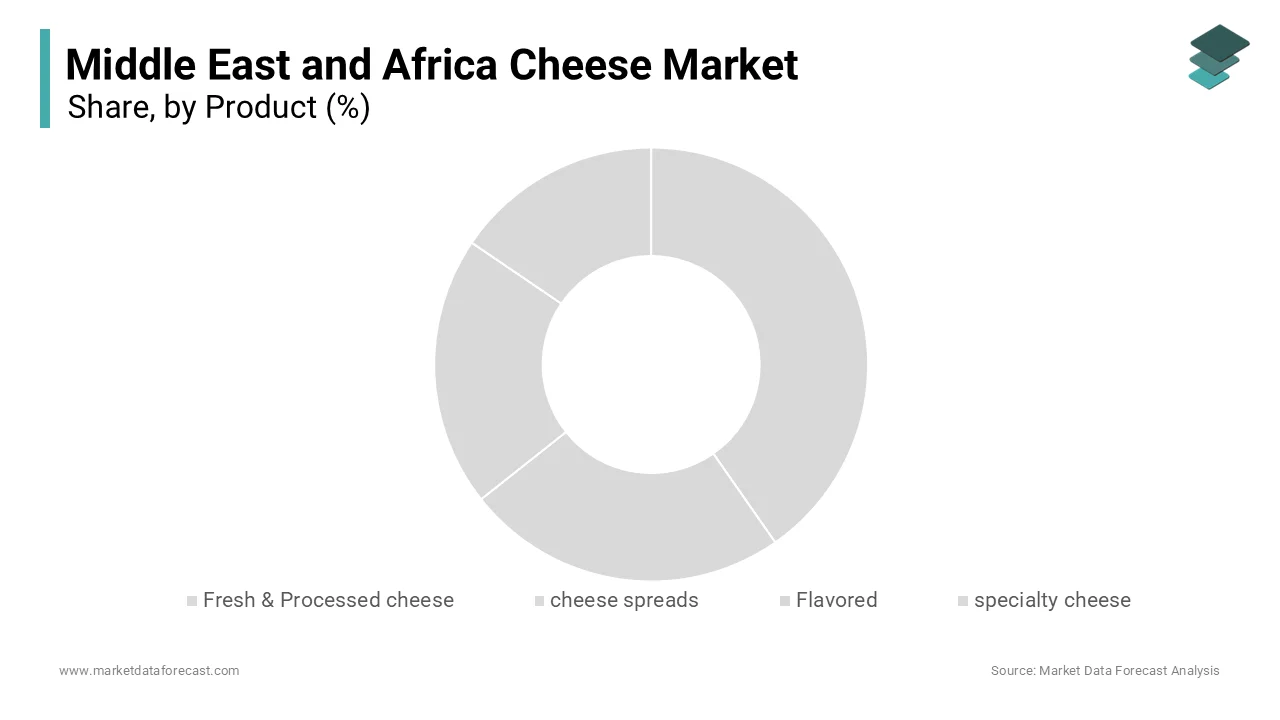
However, the specialty cheese segment is estimated to register a CAGR of 8.5% during the forecast period in the regional market owing to the increasing disposable incomes of the middle and upper class populations who are seeking premium and diverse food experiences. Consumers are becoming more adventurous in their dietary choices, influenced by travel, exposure to European cuisines, and the presence of international gourmet restaurants. According to the World Bank, the middle class in Sub Saharan Africa is expanding rapidly with millions of individuals moving out of poverty each year. This economic shift enables consumers to purchase higher priced imported cheeses such as Brie, Camembert, and Gouda. The proliferation of upscale supermarkets and specialty food stores in major cities like Dubai, Johannesburg, and Cairo has improved the availability of these niche products. As per regional import data, the value of specialty dairy products into the Gulf Cooperation Council countries increased by 12% in 2023. Social media and food blogging also play a crucial role in educating consumers about different cheese varieties and pairing options. The trend towards home entertaining and hosting dinner parties has further boosted the demand for artisanal cheeses. Manufacturers are responding by introducing limited edition and locally produced artisanal varieties that cater to sophisticated palates. The willingness of consumers to pay a premium for quality and authenticity drives the robust growth of this segment. The association of specialty cheese with luxury and status enhances its appeal among aspirational buyers.
By Process Insights
The cheddar cheese segment led the market by holding 36.9% of the regional market share in 2025. The growth of the cheddar cheese segment in the MEA market is driven by its universal appeal and extensive use in both household cooking and commercial food service operations. Cheddar is a key ingredient in sandwiches, burgers, pizzas, and snacks, which are popular among the youthful population in the region. According to the International Dairy Federation, cheddar is one of the most consumed cheese varieties globally due to its versatile flavor profile and melting properties. In the Middle East and Africa, the influence of western fast food chains has cemented cheddar as a standard option in menu items. As per quick service restaurant data, a 2024 survey found that 72% of food service outlets in the region had transitioned to using standardized pre-prepared cheese products. The availability of cheddar in various forms such as blocks, slices, and shredded makes it convenient for different culinary applications. Retailers stock a wide range of cheddar brands from affordable local options to premium imports, catering to diverse consumer segments. The long shelf life of aged cheddar also appeals to retailers and consumers in areas with less reliable refrigeration. As per the United States Department of Agriculture, exports of cheddar to the Middle East have remained stable, indicating sustained demand. The familiarity of consumers with the taste of cheddar reduces the need for extensive marketing education. Its ability to complement both local and international dishes ensures its continued popularity. The segment benefits from strong distribution networks and aggressive promotional activities by major dairy companies.
On the other side, the mozzarella cheese segment is the fastest growing segment in the Middle East and Africa cheese market and is estimated to witness a CAGR of 9.4% during the forecast period owing to the immense popularity of pizza and other Italian inspired dishes, which have become staples in the regional diet. The convenience of mozzarella in terms of melting and stretching makes it indispensable for pizza preparation. According to pizza industry reports, the global pizza market continues to expand with significant growth in emerging markets, including the Middle East and Africa. The rise of domestic and international pizza chains has increased the institutional demand for mozzarella. As per Euromonitor International, processed cheese sliced leads growth at a 6.34% CAGR through 2031. Home consumption of mozzarella is also increasing as consumers seek to recreate restaurant quality meals at home. The availability of ready to use mozzarella balls and shredded packs in supermarkets facilitates this trend. The younger demographic, particularly teenagers and young adults, are the primary drivers of this growth due to their preference for quick and tasty meals. Social media platforms heavily feature pizza and cheese pull content, influencing consumer behavior. Manufacturers are introducing innovative mozzarella products such as flavored and low moisture varieties to cater to specific culinary needs. The affordability of mozzarella compared to other specialty cheeses also contributes to its widespread adoption. The segment benefits from continuous product innovation and strategic partnerships between cheese producers and pizza chains.
REGIONAL ANALYSIS
Saudi Arabia Cheese Market Analysis
Saudi Arabia led the cheese market in Middle East and Africa in 2025 and is likely to solidify its position as the regional dairy powerhouse over the next few years as strategic investments in domestic production and a booming hospitality sector continue to expand the cheese market. The market in Saudi Arabia is characterized by high consumption levels driven by a young population and a thriving food service sector. The country has invested heavily in local dairy production to enhance food security, reducing reliance on imports. According to the Ministry of Environment, Water and Agriculture, Saudi Arabia aims to achieve self-sufficiency in key dairy products through strategic initiatives. The presence of major local dairy companies such as Almarai and Nadec ensures a robust supply of fresh and processed cheeses. Consumer preferences are shifting towards premium and specialty cheeses due to increasing disposable incomes. As per the General Authority for Statistics, the retail sector in Saudi Arabia grew by 10% in 2023, supporting the distribution of diverse cheese products. The influence of western dining habits and the proliferation of international restaurant chains further boost demand. Government regulations on food safety and labeling are stringent, ensuring high quality standards. The Vision 2030 initiative promotes tourism and hospitality, which indirectly drives cheese consumption in hotels and restaurants. The market is also seeing growth in online grocery shopping, enhancing accessibility. The strong economic fundamentals and supportive government policies position Saudi Arabia as a key driver of regional market growth.
South Africa Cheese Market Analysis
South Africa is likely to lead the continent in sustainable dairy practices and artisanal cheese innovation as its mature retail infrastructure and growing middle class increasingly favor high quality local production. The South African market is defined by a mature retail landscape and a diverse consumer base with varying preferences. South Africa has a well-established dairy industry with significant local production of cheddar and gouda cheeses. According to Stats SA, the agricultural sector contributes significantly to the national economy with dairy being a key component. Consumer demand is driven by a mix of traditional and modern dietary habits, with cheese being a staple in many households. The presence of major supermarket chains ensures wide availability of both local and imported cheese brands. As per the Agricultural Business Chamber of South Africa, the dairy industry is focused on sustainability and efficiency improvements. The middle class expansion has increased the demand for premium and specialty cheeses. Health consciousness is rising, leading to greater interest in low fat and organic options. The country serves as a hub for cheese distribution to neighboring nations. Regulatory frameworks are well developed, ensuring food safety and quality control. The market is characterized by intense competition among local and international brands. Economic challenges such as inflation can impact purchasing power, but the overall demand remains resilient. The strong infrastructure and consumer awareness support steady market growth.
United Arab Emirates Cheese Market Analysis
The United Arab Emirates is likely to see an influx of global specialty brands and advanced dairy technology as the nation positions itself as the primary international gateway for high end dairy trade and local innovation. The UAE market is characterized by high per capita consumption and a strong preference for premium and imported cheese varieties. The UAE is a major re export hub for dairy products serving the wider Gulf region. According to the Dubai Customs authority, the import and export of food products, including cheese, have shown consistent growth. The diverse expatriate population drives demand for a wide range of international cheese types, from European specialties to Asian varieties. The hospitality and tourism sector is a major contributor to cheese consumption, with hotels and restaurants sourcing high quality products. As per the Department of Economy and Tourism, Dubai attracts millions of visitors annually, boosting food service demand. Local production is limited but growing, with investments in advanced dairy technologies. Consumers are highly health conscious and willing to pay for organic and halal certified products. The retail sector is highly developed with numerous supermarkets and specialty stores. Government initiatives to enhance food security are encouraging local dairy investments.
COMPETITIVE LANDSCAPE
The competition in the Middle East and Africa cheese market is characterized by a mix of powerful regional giants and influential international corporations vying for consumer attention. Local players leverage their deep understanding of cultural preferences and established distribution networks to maintain strongholds in traditional cheese segments. International brands compete by offering premium and specialty varieties that appeal to affluent and cosmopolitan consumers. The market sees intense rivalry in the processed cheese segment where price sensitivity is high among mass market consumers. Private label brands from major supermarket chains are gaining traction by offering affordable alternatives with acceptable quality standards. This pressure forces incumbent companies to optimize costs and enhance value propositions through innovation. Regulatory compliance regarding food safety and halal certification serves as a critical differentiator. Companies invest heavily in branding and advertising to create emotional connections with consumers. The rise of e commerce platforms has intensified competition by enabling direct to consumer sales and broader reach. Strategic acquisitions and joint ventures are common as firms seek to expand their geographic footprint. The dynamic nature of consumer preferences requires continuous adaptation and agility. Manufacturers must balance affordability with quality to retain loyalty in a price sensitive yet quality conscious market environment.
Key Market Players
Some of the key players in the Middle East and Africa cheese market are
- Mother Dairy
- Almarai
- Bega Cheese
- Cady Cheese Factory
- Amul
- Parag Milk Foods
- Hook's Cheese Company
- Bel Group
- Brunkow Cheese Factory
- Bletsoe Cheese
- Kraft
- Burnett Dairy
Top Players in the Market
- Almarai Company stands as a dominant force in the Middle East And Africa Cheese Market with extensive operations across the Gulf Cooperation Council region. The company contributes significantly to the global dairy sector through its integrated business model that covers everything from farming to distribution. Almarai recently invested heavily in expanding its production facilities in Saudi Arabia to enhance capacity for processed and fresh cheese varieties. In February 2023 the company launched new premium cheese lines targeting health conscious consumers seeking low sodium options. Almarai leverages advanced technology to ensure product quality and safety meeting international standards. Their strong distribution network ensures wide availability in supermarkets and convenience stores. The company focuses on sustainability by reducing water usage in dairy farming. Almarai also engages in strategic partnerships with local retailers to improve shelf visibility. These initiatives reinforce its leadership position and drive brand loyalty among diverse consumer segments. The commitment to innovation and quality ensures Almarai remains a preferred choice for households and food service providers alike.
- Arla Foods amba is a key international player in the Middle East And Africa Cheese Market known for its high quality dairy products and strong brand reputation. The cooperative contributes to the global market by exporting a wide range of cheeses including Lurpak butter and Castello specialty cheeses. Arla has strengthened its position in the region by focusing on premium segments and halal certified products. In May 2023 the company expanded its distribution agreements in Egypt and South Africa to reach broader consumer bases. Arla invests in marketing campaigns that highlight the nutritional benefits and heritage of its cheese brands. The company prioritizes sustainable sourcing and carbon neutral production processes appealing to environmentally conscious shoppers. Arla collaborates with local distributors to navigate regulatory landscapes effectively. Their focus on innovation leads to regular launches of new flavors and formats. Arla also supports local dairy farmers through knowledge sharing programs. These efforts enhance its competitive edge and foster long term growth in emerging markets. The brand trust associated with Arla drives consistent demand across various retail channels.
- FrieslandCampina is a major participant in the Middle East And Africa Cheese Market with a strong presence in countries like Nigeria Egypt and Saudi Arabia. The cooperative contributes to the global dairy industry through its diverse portfolio including Friso and Peak brands. FrieslandCampina recently focused on expanding its processed cheese offerings to cater to the growing quick service restaurant sector. In August 2022 the company inaugurated a new distribution center in Dubai to improve logistics efficiency. The organization emphasizes nutrition and health by fortifying cheese products with essential vitamins. FrieslandCampina engages in community development projects to support local dairy value chains. Their strategy includes digital transformation to enhance customer engagement and supply chain transparency. The company adapts its product formulations to suit local tastes and dietary preferences. FrieslandCampina also promotes sustainable dairy farming practices to reduce environmental impact. These actions strengthen its market position and build resilience against economic fluctuations. The commitment to quality and accessibility ensures FrieslandCampina remains a trusted partner for consumers and retailers in the region.
Top Strategies Used by the Key Market Participants
Key players in the Middle East And Africa Cheese Market employ several strategic initiatives to maintain competitiveness and drive growth. Product localization is central as companies adapt flavors and textures to suit regional preferences such as increasing salt content in white cheeses. Strategic partnerships with local distributors enable better market penetration in remote areas with challenging logistics. Investment in cold chain infrastructure ensures product quality and reduces wastage during transportation. Manufacturers focus on halal certification to comply with religious dietary laws and build consumer trust. Digital marketing campaigns target younger demographics through social media platforms highlighting versatility and health benefits. Companies also expand production capacities locally to reduce dependency on imports and mitigate currency fluctuation risks. Sustainability initiatives such as eco friendly packaging and water conservation programs enhance brand reputation. Diversification into premium and organic segments captures high value customers seeking specialized products. Regular innovation in product formats such as single serve packs addresses convenience needs. These multifaceted strategies allow key participants to navigate complex market dynamics and sustain their leadership positions effectively.
MARKET SEGMENTATION
This research report on the Middle East and Africa cheese market is segmented and sub-segmented into the following categories
By Product
- Fresh & Processed cheese
- cheese spreads
- Flavored
- specialty cheese
By Process
- Mozzarella Cheese
- Cheddar Cheese
By Source
- Goat Milk Cheese
- Cow Milk Cheese
By Country
- KSA
- UAE
- Israel
- rest of the GCC countries
- South Africa
- Ethiopia
- Kenya
- Egypt
- Sudan
- rest of MEA