- Product Description Description
- Table of Contents TOC
- List of Table & Figure LOT
- Get Free Sample PDF Sample PDF
Market Size, 2025
$11.43 BnMarket Estimate, 2026
$12.17 BnMarket Forecast, 2034
$20.16 BnCAGR, 2026–2034
6.51%Executive Summary: Global Recovery Drinks Market
- Market Scope: Comprehensive global market analysis of the recovery drinks sector covering product types, ingredient formulations, end-user categories, regional growth frameworks, and recent product innovations.
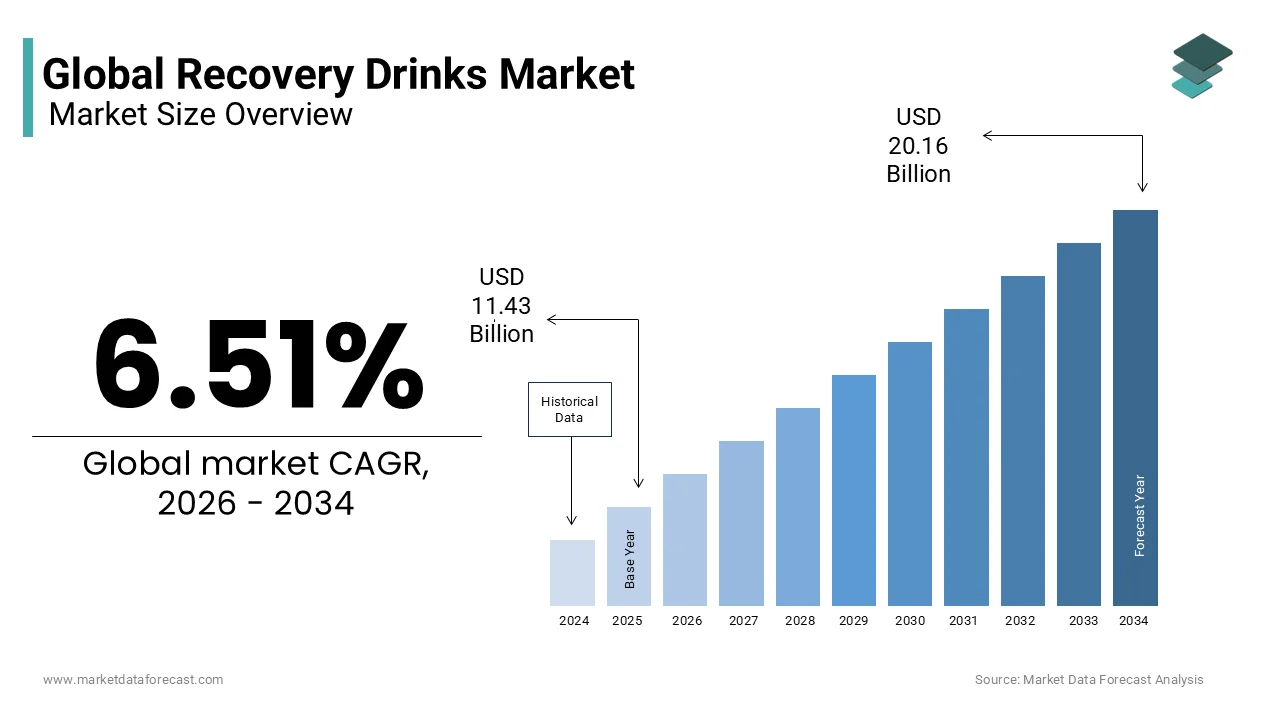
- Market Valuation: Valued at USD 11.43 billion in 2025, estimated at USD 12.17 billion in 2026, and projected to reach USD 20.16 billion by 2034, registering a solid CAGR of 6.51% from 2026 to 2034.
- Primary Growth Drivers: Technological advancements in beverage production, rising health and wellness awareness, mass production of functional beverages, expanding consumer base among lifestyle and recreational users, and surging demand for natural plant-based or organic ingredients.
Key Market Segment Metrics (2026–2034)
| Category | Leading Segment Position | Fastest-Growing / Key Highlight Segment |
|---|---|---|
| By Product Type | Hypertonic Drinks (leads the market with higher concentrated particles than body fluids, supporting targeted moderate assimilation) | Isotonic & Hypotonic Drinks (widely favored for rapid hydration and fast energy delivery post-exercise) |
| By Ingredient Type | Proteins, Electrolytes & Carbohydrates (core functional pillars for muscle protein synthesis, glycogen restoration, and fluid balance) | Plant-Based Proteins & Natural Extracts (experiencing surging demand due to clean-label and holistic health trends) |
| By End-User | Athletes & Fitness-Conscious Consumers (primary volume consumers across professional and competitive sports) | Casual, Recreational & Lifestyle Users (expanding rapidly as active daily living and wellness adoption grow) |
| By Region | North America (dominates with a 36% market share, closely followed by Asia-Pacific at 34%) | Europe (projected to be the fastest-growing regional market driven by rising health awareness, disposable incomes, and western lifestyle adoption in Germany, France, Spain, and Italy) |
Major Market Players & Market Structure
Market Structure: Highly competitive global beverage and nutrition landscape featuring multinational conglomerates and specialized functional drink brands innovating with natural ingredients, functional beers, and dairy/plant hybrid recovery formulations.
Key Companies: PepsiCo Inc, Glanbia PLC, Coca-Cola Company, Abbott Nutrition, Rockstar Inc, Sufferfest Beer Company, and Red Bull.
Global Recovery Drinks Market Size
The global recovery drinks market was valued at USD 11.43 billion in 2025 and is expected to reach USD 20.16 billion by 2034 from USD 12.17 billion in 2026, growing at a CAGR of 6.51%.
Recovery drinks specialized functional beverages formulated to replenish fluids, electrolytes, and energy substrates lost during physical exertion while facilitating muscle repair and glycogen restoration. As per the Centers for Disease Control and Prevention, only 23% of adults in the United States meet the federal guidelines for both aerobic and muscle-strengthening activity, which creates a targeted demographic of active individuals seeking optimized post-exercise nutrition solutions. According to the American College of Sports Medicine, consuming carbohydrates and protein within 30 to 60 minutes after intense exercise significantly enhances recovery rates and reduces muscle soreness, driving the scientific basis for this product category. This market distinguishes itself from general hydration products by emphasizing specific macronutrient ratios and bioactive compounds, such as branched-chain amino acids and tart cherry extract. Regulatory bodies classify these drinks under sports nutrition rather than general beverages, allowing for distinct labeling claims regarding performance and recovery. The sector serves professional athletes, fitness enthusiasts, and increasingly the general population engaging in moderate recreational activities. Manufacturers focus on rapid absorption technologies and clean-label ingredients to meet evolving consumer expectations for efficacy and transparency. The definition excludes standard isotonic drinks used primarily for hydration during activity and focuses on post-activity formulations designed to accelerate physiological return to baseline status.
MARKET DRIVERS
Rising Participation in High-Intensity Interval Training
The widespread adoption of high-intensity interval training directly fuels the global recovery drinks market expansion by creating an urgent physiological need for rapid nutrient replenishment to mitigate muscle damage and fatigue. According to the International Health Racquet and Sportsclub Association, global health club membership reached 184 million in 2023, with a significant portion engaging in structured high-intensity programs that deplete glycogen stores more rapidly than steady-state cardio. According to the Journal of the International Society of Sports Nutrition, participants in high-intensity workouts experience up to 40% greater muscle protein breakdown compared to moderate exercise, necessitating immediate intake of fast-acting proteins and carbohydrates. This biological imperative drives consumers toward ready-to-drink recovery solutions that offer precise nutrient timing without the inconvenience of preparing whole-food meals. Fitness studios and gyms increasingly partner with beverage brands to provide post-class recovery options, enhancing member retention and perceived value. The convenience factor is critical as urban professionals seek efficient ways to integrate recovery into busy schedules. Consequently, manufacturers develop portable formats with optimized leucine content to trigger muscle synthesis quickly. This trend transforms recovery drinks from niche athletic supplements into essential components of modern fitness routines for millions of active individuals seeking to maximize training adaptations and minimize downtime between sessions.
Growing Awareness of Active Recovery Protocols
The rising public awareness of active recovery protocols propels the recovery drinks market growth as consumers recognize that rest periods are as critical as workout intensity for long-term progress and injury prevention. According to the National Strength and Conditioning Association, over 65% of certified personal trainers now prescribe specific post-workout nutrition plans, including liquid recovery aids, to their clients, emphasizing the role of hydration and electrolyte balance in reducing inflammation. According to the European Federation of Sports Medicine Associations, educational campaigns highlighting the benefits of tart cherry juice and omega-3 fatty acids for reducing delayed-onset muscle soreness have led to a 25% increase in consumer inquiries about functional recovery beverages. This knowledge shift moves recovery from passive rest to active nutritional intervention, driving demand for scientifically backed formulations. Social media influencers and fitness experts amplify these messages, reaching broader audiences beyond elite athletes. Retailers respond by dedicating shelf space to recovery-specific products distinct from general sports drinks. Consumers are willing to pay premiums for products with clinical validation and transparent ingredient sourcing. This educational momentum sustains market growth by converting casual exercisers into informed users who view recovery drinks as indispensable tools for maintaining consistent training schedules and achieving fitness goals efficiently.
MARKET RESTRAINTS
High Sugar Content in Traditional Formulations
The prevalent high sugar content in many traditional recovery drinks restrains the recovery drinks market growth by conflicting with growing consumer preferences for low-calorie and low-glycemic index nutritional options. According to the World Health Organization, excessive free sugar consumption contributes to rising obesity rates globally, with recommendations limiting intake to less than 10% of total energy intake, which challenges formulations relying on simple sugars for rapid glycogen replenishment. According to the American Heart Association, the average adult consumes 17 teaspoons of added sugar daily, far exceeding recommended limits, leading many health-conscious individuals to avoid sweetened recovery beverages despite their functional benefits. This perception creates a barrier for mainstream adoption among casual exercisers who do not require aggressive carbohydrate loading but still seek recovery support. Manufacturers face technical difficulties in replacing sugar with alternative sweeteners that do not compromise taste or absorption rates. Clean-label trends further pressure brands to remove artificial additives often used to mask flavors of protein isolates. Consequently, a significant segment of potential users opts for whole-food alternatives like chocolate milk or fruit smoothies perceived as more natural. Until formulations achieve optimal balance between efficacy and metabolic health considerations, the market will struggle to expand beyond dedicated athletes who prioritize performance over calorie count.
Premium Pricing Barriers for Mass Adoption
Elevated retail prices for specialized recovery drinks impedes the recovery drinks market expansion by limiting accessibility for casual exercisers and price-sensitive demographics who view these products as discretionary luxuries. According to the Bureau of Labor Statistics, inflationary pressures have increased household expenditure on food and beverages by 8% in the past year, forcing consumers to prioritize essential items over premium functional drinks. According to the National Consumer League, 55% of shoppers consider price the most important factor when purchasing sports nutrition products, leading many to choose cheaper generic hydration options or homemade alternatives. Specialized ingredients such as hydrolyzed whey protein and branded electrolyte blends drive up production costs, resulting in retail prices that are two to three times higher than standard sports drinks. This price disparity discourages frequent use among recreational athletes who engage in moderate activity levels and do not perceive the same urgency for rapid recovery. Retailers often limit shelf space for high-margin niche products, focusing instead on volume drivers. Without economies of scale or subsidy models, the cost barrier remains significant. Manufacturers must justify premium pricing through demonstrable benefits, which requires extensive consumer education. Until prices align more closely with mainstream beverage categories, the market will remain confined to affluent or highly committed athletic segments.
MARKET OPPORTUNITIES
Wellness Trend Convergence Creating Premium Niche Products
The integration of adaptogens and natural botanicals is a significant opportunity for the recovery drinks market by appealing to consumers seeking holistic wellness benefits beyond basic physical recovery. According to the American Botanical Council, sales of adaptogenic herbs such as ashwagandha and rhodiola rosea increased by 35% in 2023 as consumers look for natural ways to manage stress and improve sleep quality alongside physical recovery. According to the Global Wellness Institute, the mental wellness sector is growing at twice the rate of physical fitness, prompting brands to develop recovery drinks that address both muscular and neurological fatigue. Ingredients like CBD and magnesium are being incorporated to promote relaxation and reduce cortisol levels post-workout, creating a dual-benefit proposition. This convergence allows manufacturers to position recovery drinks as part of a broader self-care routine rather than just a sports supplement. Premium pricing is more acceptable in this segment due to the perceived value of rare botanical extracts. Retail channels including yoga studios and wellness boutiques offer targeted distribution opportunities. By leveraging the credibility of traditional medicine and modern clinical research, brands can differentiate themselves in a crowded market. This innovation opens new revenue streams and attracts demographics previously uninterested in conventional sports nutrition.
Vegan Demand Driving Innovation in Non-Dairy Solutions
The rising demand for plant-based nutrition offers a major opportunity for the recovery drinks market as vegan and lactose-intolerant consumers seek effective alternatives to whey- and casein-based recovery formulas. According to the Plant Based Foods Association, sales of plant-based protein products grew by 14% in 2023, reflecting a sustained shift away from animal-derived ingredients among health- and environmentally conscious buyers. According to the Journal of Agricultural and Food Chemistry, recent advancements in pea and rice protein blending achieve complete amino acid profiles comparable to dairy proteins, making them viable for muscle recovery applications. Manufacturers can capitalize on this trend by launching ready-to-drink formulations using oat milk or almond bases fortified with branched-chain amino acids. These products appeal to a broader audience including those with dietary restrictions and ethical concerns. Clean-label certifications and non-GMO verification enhance trust and justify premium positioning. Distribution partnerships with vegan-friendly retailers and online platforms facilitate market penetration. The environmental sustainability angle resonates with younger demographics, driving brand loyalty. By addressing the gap in high-quality plant-based recovery options, companies can capture a rapidly expanding segment that values both performance and planetary health.
MARKET CHALLENGES
Compliance Complexities Hindering Marketing Effectiveness
Strict regulatory scrutiny regarding health claims challenges the recovery drinks market expansion by limiting the ability of manufacturers to communicate specific physiological benefits without extensive clinical validation. According to the European Food Safety Authority, only a handful of recovery-related claims, such as contribution to normal muscle function, have been approved under strict conditions requiring substantial scientific evidence and specific wording. According to the Federal Trade Commission in the United States, advertising is actively monitored for unsubstantiated performance claims, leading to fines and mandatory corrective actions for brands that overstate efficacy. This regulatory environment forces companies to use vague language that fails to educate consumers on the unique value proposition of their products compared to standard hydration drinks. The cost of conducting rigorous clinical trials to support claims is prohibitive for smaller brands, limiting innovation and market entry. Consumers may remain skeptical of products that cannot clearly articulate benefits due to legal constraints. Furthermore, varying regulations across different countries complicate global expansion strategies, requiring region-specific labeling and marketing materials. This fragmentation increases operational complexity and reduces agility. Until harmonized standards emerge or approval processes streamline, the market will face persistent hurdles in effectively communicating product value to potential users.
Supply Chain Volatility for Key Ingredients
Fluctuations in the supply of key ingredients, such as whey protein and specific botanical extracts, challenge the recovery drinks market by creating unpredictability in production costs and availability. According to the Food and Agriculture Organization of the United Nations, global dairy production faced a 2% decline in 2023 due to climate-related stresses affecting feed crops and livestock health, driving up prices for whey isolates. According to the International Trade Centre, geopolitical tensions have disrupted supply chains for exotic botanicals like ashwagandha, leading to a 20% increase in raw material costs for adaptogenic ingredients. This volatility forces manufacturers to either absorb margin erosion or pass costs to consumers, risking demand elasticity. Sourcing alternatives often compromises product quality or taste profile, alienating loyal customers. Long-term contracts help mitigate risk but limit flexibility to adopt newer superior ingredients. Small-batch producers are particularly vulnerable, lacking bargaining power with suppliers. Inventory management becomes complex as lead times extend and reliability decreases. These supply-side pressures hinder strategic planning and product development cycles. Companies must invest in diversified sourcing strategies and vertical integration to ensure stability. However, these measures require significant capital investment, posing barriers to growth for emerging players in the competitive recovery beverage landscape.
REPORT COVERAGE
| REPORT METRIC | DETAILS |
| Market Size Available | 2025 to 2034 |
| Base Year | 2025 |
| Forecast Period | 2026 to 2034 |
| CAGR | 6.51% |
| Segments Covered | By Product Type, Ingredient Type, End User, and Region. |
| Various Analyses Covered | Global, Regional and Country Level Analysis; Segment-Level Analysis; DROC; PESTLE Analysis; Porter’s Five Forces Analysis; Competitive Landscape; Analyst Overview of Investment Opportunities |
| Regions Covered | North America, Europe, APAC, Latin America, Middle East & Africa |
| Market Leaders Profiled | PepsiCo Inc, Glanbia PLC, Coca-Cola Company, Abbott Nutrition, Rockstar, Inc, Sufferfest Beer Company, Red Bull. |
SEGMENTAL ANALYSIS
By Product Type Insights
The isotonic drinks segment accounted for the largest share of the global market in 2025 and is expected to maintain their position as the leading segment in the global market throughout the forecast period due to their ability to match the osmolarity of human blood, allowing for rapid fluid and carbohydrate absorption without causing gastrointestinal distress. According to the American College of Sports Medicine, isotonic solutions containing 6% to 8% carbohydrates are recommended as the gold standard for rehydration and energy replenishment after moderate- to high-intensity exercise lasting more than one hour. According to the International Society of Sports Nutrition, over 70% of endurance athletes prefer isotonic formulations because they provide an optimal balance of electrolytes and energy substrates necessary for maintaining performance during prolonged activity. This scientific endorsement drives widespread adoption among both professional teams and amateur runners who rely on these beverages for immediate physiological restoration. Manufacturers benefit from established production processes and consumer familiarity with brands that have dominated the sports hydration landscape for decades. The versatility of isotonic drinks allows them to be marketed for both during and post-exercise use, expanding their utility beyond strict recovery windows. Retailers allocate prime shelf space to these products due to high turnover rates and broad demographic appeal. The segment’s dominance is further reinforced by extensive sponsorship deals with major sporting events, ensuring constant visibility and brand reinforcement among target consumers globally.
On the other side, the hypertonic drinks segment represents the fastest-growing category and is predicted to grow at a CAGR of 7.04% over the forecast period owing to the increasing demand for high-calorie and nutrient-dense formulations specifically designed for intense muscle repair and glycogen supercompensation. According to the Journal of Applied Physiology, hypertonic solutions containing greater than 10% carbohydrate concentration significantly enhance glycogen resynthesis rates when consumed immediately after exhaustive exercise compared to lower-concentration alternatives. According to the National Strength and Conditioning Association, strength athletes and bodybuilders increasingly utilize hypertonic recovery shakes featuring complex carbohydrate blends and high protein content to maximize anabolic responses and reduce catabolic states post-training. This specialized application appeals to serious fitness enthusiasts who prioritize rapid physical adaptation over general hydration. Manufacturers are innovating with maltodextrin and fructose combinations to improve palatability and absorption efficiency despite the higher solute load. The rise of competitive CrossFit and powerlifting communities creates a niche but loyal customer base willing to pay premiums for scientifically optimized recovery tools. These drinks often serve as meal replacements for athletes with high energy demands, further expanding their usage occasions. The segment benefits from targeted marketing through digital fitness platforms and influencer partnerships that educate users on the specific benefits of concentrated nutrient delivery for heavy training loads.
By Ingredient Type Insights
The electrolytes segment held a dominant share of the global market in 2025. The growth of the electrolytes segment in the global market is primarily because they are fundamental to restoring fluid balance and preventing muscle cramps following sweat-induced dehydration. According to the Centers for Disease Control and Prevention, excessive sweating during physical activity can lead to significant losses of sodium and potassium, which are critical for nerve function and muscle contraction, making their replenishment a primary recovery priority. According to the European Food Safety Authority, specific health claims have been approved linking the intake of sodium and potassium to the maintenance of normal muscle function and hydration status, which validates their inclusion in recovery formulations. This regulatory support encourages manufacturers to highlight electrolyte content prominently on packaging, appealing to health-conscious consumers seeking functional benefits. The universal need for electrolyte replacement across all types of physical activity, from yoga to marathon running, ensures consistent baseline demand. Technological advancements in mineral chelation improve bioavailability and taste, reducing the metallic aftertaste associated with traditional salt additives. Retailers stock electrolyte-focused products year-round, unlike seasonal sports drinks, reflecting their status as essential wellness items. The segment’s leadership is sustained by continuous education campaigns highlighting the dangers of hyponatremia and the importance of balanced mineral intake for overall physiological stability.
However, the proteins segment exhibits the fastest growth and is anticipated to showcase a CAGR of 8.5% over the forecast period in the global market as consumers increasingly recognize the critical role of amino acids in repairing muscle tissue damage incurred during exercise. According to the International Society of Sports Nutrition, consuming 20 to 40 grams of high-quality protein within two hours post-exercise maximizes muscle protein synthesis and accelerates recovery timelines for both endurance- and resistance-trained individuals. According to the Journal of the International Society of Sports Nutrition, whey isolate and plant-based protein blends are becoming standard ingredients in ready-to-drink recovery beverages due to their rapid digestion rates and complete amino acid profiles. This shift reflects a broader trend toward viewing recovery drinks as nutritional meals rather than just hydration tools. Manufacturers are investing in hydrolysis technologies to create pre-digested proteins that absorb faster and cause less bloating. The rise of veganism drives innovation in pea, rice, and hemp protein combinations that mimic the efficacy of dairy sources. Clean-label certifications and non-GMO verification enhance consumer trust in these premium ingredients. Distribution channels are expanding into grocery stores and convenience outlets, making protein recovery drinks accessible to casual gym-goers. This convergence of convenience and clinical efficacy drives robust growth in the protein-infused recovery beverage sector.
By End User Insights
The athletes segment occupied the major share of the global market in 2025 due to their rigorous training schedules and professional requirement for optimized physiological restoration to maintain a competitive edge. According to the United States Olympic Committee, elite athletes consume recovery beverages at least three times per week following intense training sessions to ensure readiness for subsequent workouts and competitions. According to the National Collegiate Athletic Association, member institutions are mandated to provide adequate nutrition, including recovery drinks, to student-athletes, recognizing their impact on injury prevention and performance consistency. This institutional backing creates stable bulk procurement contracts for major beverage suppliers, ensuring consistent revenue streams. Professional teams often have exclusive partnerships with specific brands, integrating products into daily routines and locker room availability. Athletes serve as influential brand ambassadors whose endorsements drive credibility and aspirational purchasing among amateur enthusiasts. The high frequency of use among this demographic generates significant volume despite their smaller population size compared to casual users. Manufacturers tailor formulations to meet the specific metabolic demands of different sports, such as endurance cycling or contact football, ensuring product relevance. This specialized focus reinforces the segment’s dominance as the primary driver of innovation and quality standards in the recovery drinks market.
On the other hand, the lifestyle users segment is estimated to record a prominent CAGR of 7.5% over the forecast period as individuals incorporate recovery drinks into daily wellness routines unrelated to intense athletic performance. According to the Global Wellness Institute, the wellness economy has grown to 4.5 trillion dollars globally, with a significant portion allocated to preventive health and self-care practices, including hydration and nutritional supplementation. According to the Hartman Group, 45% of millennials view functional beverages as part of their daily health regimen, using them to combat fatigue, stress, and mild dehydration from office work or urban living. This behavioral shift expands the market beyond gyms into offices, homes, and social settings. Brands are marketing recovery drinks with added adaptogens and vitamins to appeal to this demographic seeking mental clarity and sustained energy. Packaging designs are evolving to resemble premium beauty or wellness products rather than traditional sports gear. Social media influencers promote these drinks as essential tools for balancing busy modern lifestyles. Retailers are placing these products in health food aisles and checkout counters, increasing impulse purchases. The low barrier to entry for casual consumption allows for frequent repeat purchases, driving steady volume growth. This segment’s expansion diversifies the market base, reducing reliance on seasonal athletic trends.
REGIONAL ANALYSIS
North America Recovery Drinks Market Analysis
North America occupied the major share of the global market in 2025 and is likely to expand steadily over the next few years, driven by a mature sports culture and high disposable income supporting premium functional beverage consumption. According to the Physical Activity Council, over 55% of Americans participate in some form of regular physical activity, creating a vast addressable market for recovery products. According to the Centers for Disease Control and Prevention, obesity rates remain high, prompting many individuals to adopt structured exercise regimes supported by nutritional aids like recovery drinks. The presence of major global brands headquartered in the region facilitates rapid innovation and widespread distribution through extensive retail networks. Consumers in North America are highly educated about sports nutrition, demanding transparency in ingredient sourcing and scientific validation of claims. The trend toward clean-label and organic options is particularly strong here, influencing formulation strategies. E-commerce penetration is high, allowing niche brands to reach direct consumers effectively. Regulatory frameworks under the FDA provide clear guidelines for labeling, ensuring consumer safety and trust. The region’s emphasis on fitness as a lifestyle status symbol further drives demand for premium recovery solutions. Continuous investment in research and development by local companies keeps the market at the forefront of technological advancements in sports nutrition.
Europe Recovery Drinks Market Analysis
Europe is likely to maintain moderate and stable growth over the next few years, characterized by strict regulatory standards and a growing emphasis on natural and sustainable ingredients. According to the European Health and Fitness Association, health club membership in Europe reached 62 million in 2023, indicating a strong base of active consumers seeking post-workout nutrition. According to the European Food Safety Authority, rigorous approval processes are enforced for health claims, ensuring that only scientifically substantiated products reach the market, which builds consumer confidence. Northern European countries like Germany and the UK lead in consumption due to well-established running and cycling cultures. Southern Europe shows growing interest driven by tourism and outdoor activities. Consumers in Europe prioritize environmental sustainability, preferring brands with eco-friendly packaging and ethical sourcing practices. The prevalence of private-label brands in major supermarket chains offers affordable alternatives, increasing accessibility. Regulatory harmonization across the EU facilitates cross-border trade, allowing brands to scale efficiently. The region’s diverse culinary traditions influence flavor preferences, leading to localized product variations. Government initiatives promoting public health and active living further support market growth. Europe remains a key hub for innovation in natural and plant-based recovery ingredients.
Asia Pacific Recovery Drinks Market Analysis
The Asia Pacific region is likely to witness exponential expansion over the next few years, fueled by rising health consciousness and increasing participation in organized sports across emerging economies. According to the Asian Development Bank, the middle-class population in Asia is expected to reach 1.7 billion by 2030, creating a massive consumer base with spending power for premium wellness products. According to the China General Administration of Sport, national fitness campaigns have increased regular exercise participation to over 37%, driving demand for supportive nutrition. Japan and Australia lead in market maturity with high acceptance of functional beverages. India and Southeast Asia show accelerating growth due to urbanization and exposure to global fitness trends. Local manufacturers are developing products tailored to regional taste preferences, such as tropical fruit flavors. Government support for sports infrastructure in countries like China and India boosts athletic participation. E-commerce platforms facilitate access to international brands in remote areas. Cultural shifts toward preventive healthcare encourage younger demographics to adopt recovery habits early. The region’s large youth population provides a long-term growth engine. Supply chain improvements are enhancing product availability and freshness. Asia Pacific is becoming a critical market for global brands seeking expansion.
Latin America Recovery Drinks Market Analysis
Latin America presents an emerging opportunity within the recovery drinks market and the region is likely to experience progressive recovery and steady growth over the next few years, as economic stabilization and growing fitness trends drive adoption of sports nutrition products. According to the Inter-American Development Bank, urbanization rates in Latin America exceed 80%, concentrating consumers in cities where gym culture and health awareness are proliferating. According to the Brazilian Ministry of Sports, government investments in community sports programs have increased physical activity levels among youth, creating new demand for recovery aids. Mexico and Argentina are key markets due to strong football cultures where hydration and recovery are emphasized. Economic volatility affects pricing sensitivity, leading to a preference for value-oriented products. Local producers are leveraging native ingredients like acai and guarana to create differentiated offerings. Distribution challenges in rural areas limit reach, but urban centers show strong uptake. Social media influences fitness trends significantly, driving trial among younger consumers. The region’s warm climate increases sweat loss, making electrolyte replenishment a practical necessity. International brands are entering through partnerships with local distributors. Market education is ongoing but gaining momentum. Latin America offers untapped potential for volume growth.
Middle East and Africa Recovery Drinks Market Analysis
The Middle East and Africa region shows nascent development in the Recovery Drinks Market, and the region is likely to accelerate healthcare modernization and adoption rates over the next few years, constrained by varying economic conditions but supported by government initiatives promoting healthy lifestyles. According to the World Health Organization, non-communicable diseases are rising in the Gulf Cooperation Council countries, prompting public health campaigns encouraging physical activity and proper nutrition. According to the Saudi Arabian Ministry of Sport, Vision 2030 initiatives have led to a 20% increase in sports facility construction, driving engagement in fitness activities. South Africa leads the African market with a mature retail sector and established sports culture. High temperatures in the Middle East increase hydration needs, making recovery drinks relevant for outdoor workers and athletes. Import dependence remains high for specialized products, though local bottling is increasing. Luxury positioning appeals to affluent consumers in Dubai and Riyadh. Awareness levels are lower in sub-Saharan Africa, limiting mass adoption. Infrastructure improvements are gradually enhancing distribution networks. Religious considerations influence marketing strategies during Ramadan. The region offers niche opportunities for premium brands. Long-term growth depends on economic diversification and health education.
COMPETITIVE LANDSCAPE
The competitive landscape of the Recovery Drinks Market et features a mix of established multinational corporations and agile niche brands competing on innovation and brand loyalty. Large players leverage extensive distribution networks and marketing budgets to dominate mainstream retail channels while smaller firms focus on specialized segments such as organic or keto friendly recovery solutions. Competition intensifies as private label offerings from major retailers gain traction due to lower price points and improved quality standards. Companies differentiate themselves through unique ingredient combinations such as adaptogens and nootropics that offer additional wellness benefits beyond basic hydration. Regulatory compliance and scientific validation remain critical barriers to entry ensuring that only credible products succeed. Marketing efforts emphasize authenticity and performance results to connect with serious athletes and casual fitness enthusiasts alike. Strategic alliances with gyms and sports teams facilitate direct consumer access and trial. The market remains dynamic with continuous entry of new players introducing novel formats like powders and shots. Success depends on balancing cost efficiency with product quality and maintaining agility to adapt to changing consumer preferences and health trends.
KEY MARKET PLAYERS
Some of the key players in the global recovery drinks market are
- PepsiCo Inc
- Glanbia PLC
- Coca-Cola Company
- Abbott Nutrition
- Rockstar, Inc
- Sufferfest Beer Company
- Red Bull
Top Players in the Market
- PepsiCo Inc leverages its global distribution network to dominate the Recovery Drinks Market et through its flagship Gatorade brand which remains synonymous with sports hydration and recovery. The company focuses on continuous product innovation by introducing specialized lines such as Gatorade Zero and Fast Twitch to cater to diverse consumer needs ranging from low sugar options to high intensity training support. Recent initiatives involve expanding manufacturing capabilities in emerging markets to ensure local availability and reduce logistical costs. PepsiCo invests heavily in partnerships with professional sports leagues and athletes to maintain brand credibility and visibility. Their commitment to sustainability includes reducing plastic usage in bottles and sourcing ingredients responsibly. By integrating advanced digital tools for consumer engagement PepsiCo enhances brand loyalty among younger demographics. This strategic focus on innovation and accessibility ensures they remain the primary choice for athletes and active individuals worldwide.
- The Coca Cola Company strengthens its position in the Recovery Drinks Market et through its Powerade brand and strategic acquisitions of emerging sports nutrition labels. The company emphasizes scientific research to develop formulations that optimize electrolyte balance and muscle recovery for various activity levels. Recent actions include launching plant based protein recovery drinks to align with growing vegan trends and health consciousness among consumers. Coca Cola utilizes its extensive bottling infrastructure to ensure widespread retail presence across both urban and rural areas. They actively engage in community sports programs to build grassroots brand affinity and encourage early adoption. The company also focuses on digital marketing campaigns that highlight real athlete stories and performance benefits. By diversifying its portfolio and leveraging global reach Coca Cola maintains a competitive edge in the dynamic recovery beverage sector.
- Abbott Laboratories contributes significantly to the Recovery Drinks Market et through its EAS and Ensure Active brands which bridge the gap between clinical nutrition and sports performance. The company leverages its pharmaceutical expertise to create scientifically validated recovery solutions that appeal to serious athletes and older adults seeking muscle maintenance. Recent efforts involve expanding direct to consumer channels and partnering with fitness apps to provide personalized nutrition recommendations. Abbott focuses on clean label ingredients and transparent sourcing to meet evolving consumer expectations for purity and safety. Their investment in clinical trials supports robust health claims that differentiate their products from generic competitors. By targeting niche segments such as endurance runners and strength trainers Abbott captures high value customers who prioritize efficacy over price. This specialized approach reinforces their reputation as a trusted authority in sports nutrition science.
Top Strategies Used by Key Market Participants
Key players in the Recovery Drinks Market et primarily focus on product differentiation through innovative formulations that address specific consumer needs such as low sugar high protein or plant based options. Companies invest heavily in scientific research and clinical trials to validate health claims and build trust with educated consumers. Strategic partnerships with professional athletes and sports organizations enhance brand credibility and visibility among target demographics. Expansion into e commerce platforms allows brands to reach direct consumers and gather valuable data for personalized marketing. Sustainability initiatives including eco friendly packaging and ethical sourcing are central to corporate strategies to appeal to environmentally conscious buyers. Geographic expansion into emerging markets provides growth opportunities as fitness cultures develop globally. Digital engagement through social media and fitness apps fosters community building and brand loyalty. These combined approaches enable companies to maintain competitive advantages and drive long term growth in a saturated market.
MARKET SEGMENTATION
This research report on the global recovery drinks market has been segmented and sub-segmented based on product type, ingredient type, end user, and region.
By Product Type
- Isotonic
- Hypotonic
- Hypertonic
By Ingredient Type
- Vitamins
- Electrolytes
- Carbohydrates
- Sodium
- Proteins
- Citric Acid
- Others
By End User
- Athletes
- Casual Drinkers
- Recreational Users
- Lifestyle Users
By Region
- North America
- Europe
- Asia Pacific
- Middle East and Africa
- Latin America