- Product Description Description
- Table of Contents TOC
- List of Table & Figure LOT
- Get Free Sample PDF Sample PDF
Market Size, 2025
$6.46 BnMarket Estimate, 2026
$7.26 BnMarket Forecast, 2034
$18.51 BnCAGR, 2026–2034
12.4%UK Ready Meals Market Report Summary
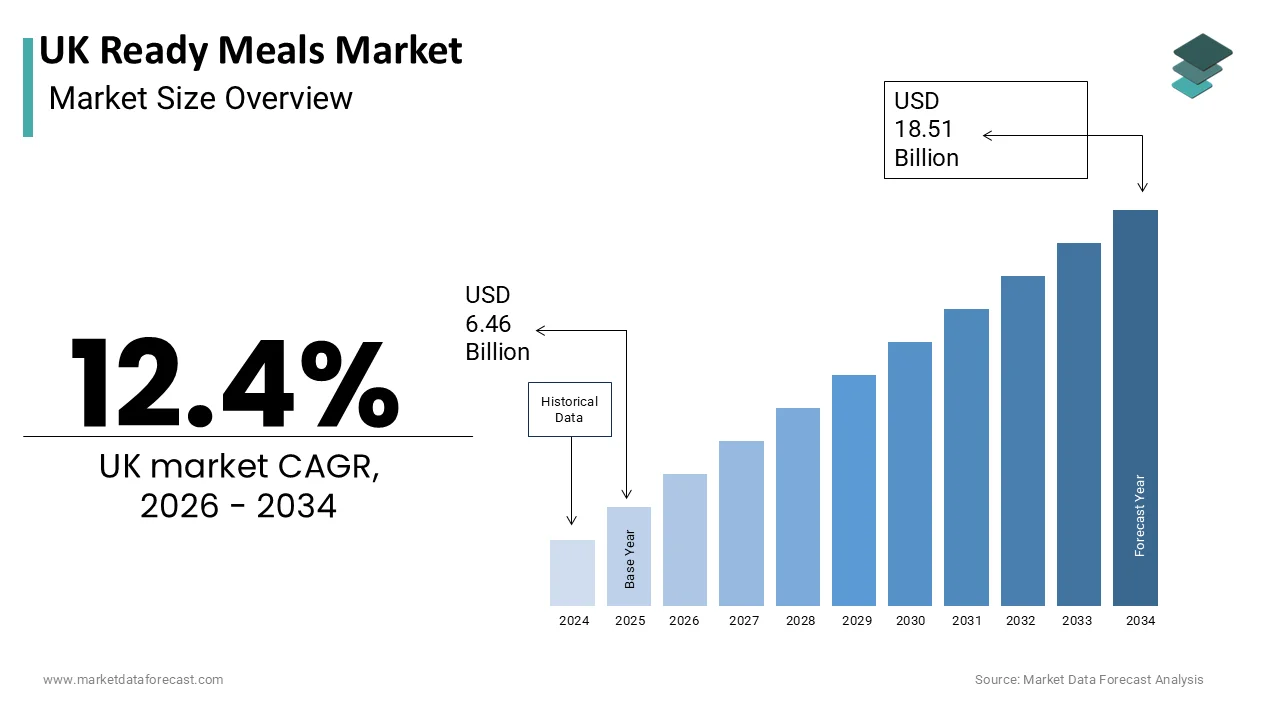
The UK Ready Meals Market was valued at USD 6.46 billion in 2025 and is projected to reach USD 18.51 billion by 2034, growing from USD 7.26 billion in 2026 at a CAGR of 12.4% during the forecast period. Growth is driven by time poverty among dual-income households, rising demand for global cuisine flavors, and expansion into plant-based and vegan meal options. Perceptions around sodium content and rising energy costs for cold chain logistics are shaping market dynamics.
Key Market Trends
- Rising demand for authentic global cuisine ready meals such as Thai and Indian dishes
- Growing expansion of plant-based and vegan ready meal ranges
- Increasing adoption of smart packaging with QR-based traceability and freshness indicators
- Rising competition from meal kit delivery services offering fresher, customizable alternatives
- Growing regulatory pressure on plastic packaging under Extended Producer Responsibility rules
Segmental Insights
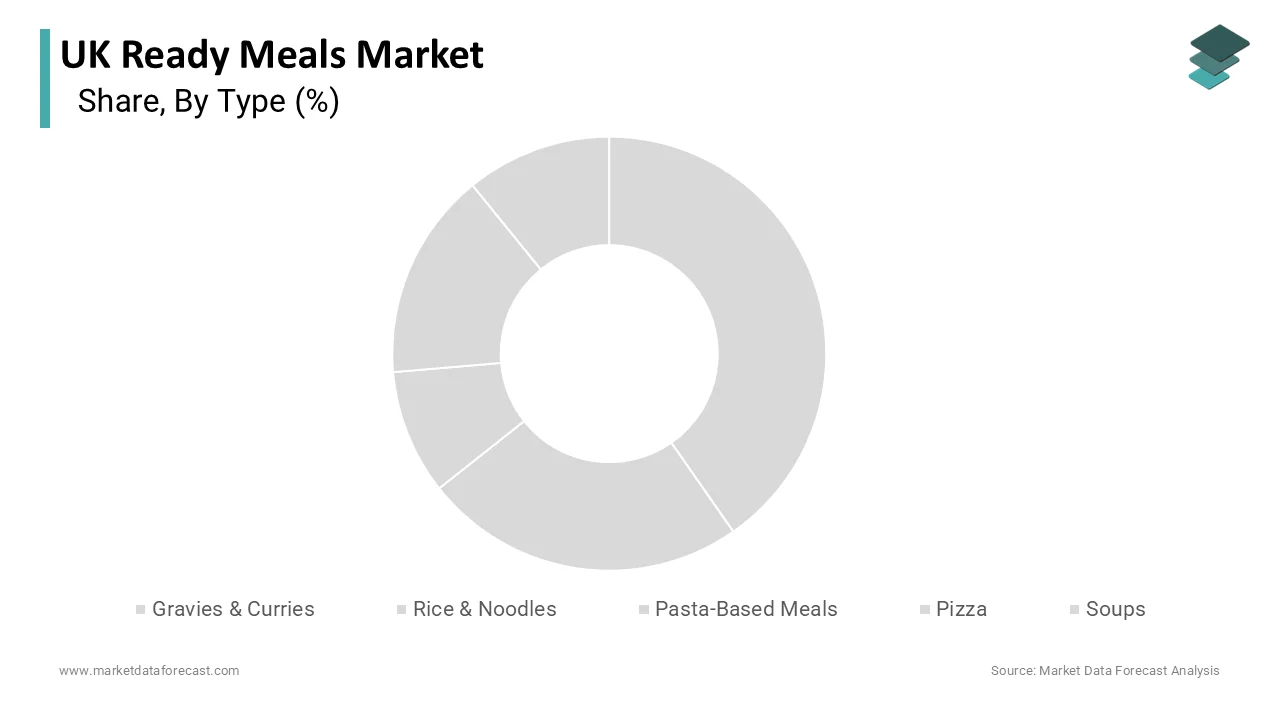
- Based on type, gravies and curries held the largest share in 2025 at 35.6%, driven by strong cultural preference for Indian-British fusion cuisine.
- Based on distribution channel, store-based retail held the majority share in 2025, driven by immediate product availability and consumer trust in supermarket quality assurance.
- Rice and noodles is the fastest-growing type segment, projected at a CAGR of 9.2%, driven by rising popularity of East and Southeast Asian cuisines.
Regional Insights
- United Kingdom accounted for 30.2% of the broader European ready meals market in 2025, driven by high per capita consumption and sophisticated retail infrastructure.
- Non-store-based retail is the fastest-growing distribution channel, projected at a CAGR of 12.8%, driven by expanding cold chain delivery and subscription models.
- Urban centers with high dual-income household concentration continue to drive the strongest regional demand within the UK market.
Competitive Landscape
The market is highly competitive, with major supermarket private label brands and specialized food manufacturers competing on quality, sustainability, and price. Companies are investing in plant-based innovation and sustainable packaging to differentiate in a crowded marketplace.
Prominent players in the market include Nomad Foods Limited, Greencore Group plc, 2 Sisters Food Group Ltd., Bakkavor Group plc, Premier Foods plc, Nestlé S.A., The Kraft Heinz Company, Charlie Bigham's Ltd., Marks and Spencer Group plc, Tesco PLC, Iceland Foods Ltd., and Waitrose & Partners.
UK Ready Meals Market Size
The UK Ready Meals Market is projected to grow from USD 6.46 billion in 2025 to USD 7.26 billion in 2026 and reach USD 18.51 billion by 2034, registering a CAGR of 12.4% during the forecast period from 2026 to 2034.
Ready meals are pre-cooked, pre-packaged dishes that require little to no preparation before eating. They are designed for ultimate convenience, simply heat and enjoy. Ready meals include a diverse array of products, including chilled, frozen, en and ambient options, catering to varied dietary preferences and lifestyle requirements. The sector has evolved significantly with manufacturers prioritizing fresh ingredients, authentic recipes, and nutritional transparency to meet discerning consumer expectations. According to the ONS Time Use Study (March 2024), the average time spent on making food and drinks in UK households is 48 minutes per day, indicating that while convenience is valued, a significant portion of daily time remains dedicated to meal preparation. As per DEFRA's Family Food statistics (FYE 2023), the average UK household allocates approximately 23% of its weekly food budget directly to eating out. However, in terms of total national consumer value, the Food Statistics Pocketbook (2024) reveals that expenditure on catering and eating out nearly equals that of household food purchases, representing roughly 45% of the total market. The regulatory environment emphasizes strict hygiene standards and clear allergen labeling, ensuring consumer safety and trust. Retailers have expanded their dedicated ready meal aisles featuring global cuisines, plant-based options, and premium chef-inspired ranges. The rise of single-person households and dual-income families further accelerates demand for portion-controlled and easy-to-prepare meals. Sustainability initiatives are gaining prominence with brands adopting recyclable packaging and sourcing locally produced ingredients to reduce carbon footprints. Innovation in preservation technologies, such as modified atmosphere packaging,g extends shelf life while maintaining freshness and flavor integrity. This dynamic market continues to adapt to economic pressures and health trends, ds driving continuous product development and strategic positioning.
MARKET DRIVERS
Time Poverty athe nd Increasing Prevalence of Dual-Income Households
The escalating pressure of time poverty among working professionals is a primary driver of the United Kingdom's ready meals market. This is attributed to individuals seeking efficient solutions for daily nourishment. The prevalence of dual-income households has reduced the availability of time for traditional cooking methods, making ready meals an essential component of weekly meal planning. According to the Office for National Statistics (ONS), approximately 45% of couple families in the United Kingdom feature both partners working full-time, which increasingly strains the available hours allocated for traditional grocery shopping and scratch cooking. This demographic prioritizes convenience without compromising on taste,e leading to increased uptake of high-quality chilled ready meals that require minimal heating. The psychological burden of deciding what to cook after a long workday drives consumers toward ready-made options that offer variety and ease. Employers report that flexible working arrangements have blurred the lines between work and home life, further compressing leisure time. Retailers respond by offering subscription services and bundle deals that simplify the purchasing process. The ability to access restaurant-quality meals at home appeals to consumers who value culinary experiences but lack the time to recreate them. Marketing campaigns emphasize speed and simplicity, highlighting meals that can be prepared in under 10 minutes. This trend is reinforced by the normalization of convenience foods as a legitimate and healthy choice rather than a compromise. The integration of ready meals into busy lifestyles ensures sustained demand across urban and suburban areas.
Rising Culinary Ambitions And Demand For Global Flavors
Consumer interest in exploring diverse global cuisines fuels significant growth in the United Kingdom's ready meals market. Shoppers actively seek authentic international flavors without the effort of complex preparation. The exposure to international travel and digital media has expanded palates, creating demand for dishes such as Thai green curry,ry Indian biryani, ani and Mexican fajitas. These products allow individuals to experience gourmet dining experiences affordably and conveniently. The success of celebrity chefs and food television programs inspires home cooks to experiment with bold spices and ingredients, which ready meals facilitate. Manufacturers collaborate with ethnic restaurants and cultural experts to ensure authenticity and respect for traditional recipes. This trend appeals particularly to younger demographics who view food as a form of entertainment and cultural exploration. Supermarkets dedicate substantial shelf space to world food sections featuring ready meals that cater to this curiosity. The availability of premium ingredients such as lemongrass, star anise, and saffron in ready formats lowers the barrier to entry for exotic cooking. Social media platforms amplify this trend with users sharing photos of their meals, encouraging peers to try similar products. The continuous rotation of seasonal and regional specialties keeps the category exciting and relevant. This culinary democratization supports market expansion beyond traditional British fare.
MARKET RESTRAINTS
Perception Of High Sodium and Preservative Content
Negative perceptions regarding the nutritional quality of these meals constrain the United Kingdom's ready meals market. Therefore, health-conscious consumers closely scrutinize ingredient lists. Many shoppers associate ready meals with high levels of sodium, saturated fats, and artificial preservatives, which conflict with public health guidelines. According to recent academic and public health surveys, approximately 58% of adults in the United Kingdom state that they actively attempt to avoid ultra-processed foods due to growing media and medical focus on health implications, forming a major structural barrier for traditional ready meal formats. This skepticism limits the appeal of ready meals among fitness enthusiasts and parents managing children's diets. Although manufacturers have reformulated many products to reduce harmful ingredients, the stigma persists, ts affecting purchasing decisions. The lack of transparency in sourcing and processing methods further erodes trust among discerning buyers. Regulatory pressures to display front-of-pack traffic light labels highlight unhealthy attributes, deterring potential customers. Competitors such as meal kit services and fresh food delivery platforms offer perceived healthier alternatives with visible whole ingredients. The challenge lies in convincing consumers that modern ready meals can be both convenient and nutritious. Educational campaigns by industry bodies aim to dispel myths, but progress is slow. Brands must invest heavily in clean label initiatives and third-party certifications to rebuild credibility. The tension between convenience and health remains a critical barrier to broader market acceptance.
Volatility In Energy Costs and Cold Chain Logistics
Fluctuating energy prices and the complexity of cold chain logistics are substantial operational hurdles for manufacturers in the United Kingdom's ready meals market. The production and distribution of chilled and frozen ready meals require consistent refrigeration, which is energy-intensive and costly. According to data from the Department for Energy Security and Net Zero, UK industrial electricity and gas prices experienced minor market corrections and fell throughout 2024. However, structural costs remain up to 75% higher than pre-2021 levels, continuously squeezing margins for food manufacturers. Maintaining the integrity of the cold chain from factory to retail shelf involves significant infrastructure investment and monitoring. Any disruption in temperature control can lead to spoilage and waste, resulting in financial losses and environmental impact. Supply chain bottlenecks caused by labor shortages in transportation and warehousing further exacerbate these issues. Manufacturers face difficulties in passing these increased costs to consumers who are already sensitive to price hikes. Small and medium-sized enterprises struggle to absorb these expenses compared to larger corporations with economies of scale. The need for sustainable cooling solutions adds another layer of complexity and cost. Regulatory requirements for food safety mandate rigorous tracking and documentation, increasing administrative burdens. Climate change impacts also pose risks to the stability of energy supplies and agricultural inputs. These operational hurdles necessitate strategic investments in efficiency and resilience to maintain competitiveness. The balance between affordability and quality becomes increasingly difficult to manage in this volatile environment.
MARKET OPPORTUNITIES
Expansion IntPlant-Baseded And Vegan Meal Options
The growing adoption of plant-based diets offers a significant opportunity for the United Kingdom's ready meals market. As a result, manufacturers are developing innovative vegan and vegetarian options. The demand for meat-free meals is driven by ethical, environmental, and health considerations among a broadening consumer base. According to research, the number of vegans in the United Kingdom reached an estimated 2.5 million in 2024, presenting an expansive consumer base for high-quality, specialized plant-based ready meal ranges. Manufacturers are leveraging advanced protein alternatives such as pea, a, soy, and mycoprotein to create textures and flavors that mimic meat. These products appeal not only to vegans but also to flexitarians seeking to reduce their meat consumption. Retailers are expanding the plant-based sections featuring ready meals that are certified vegan and free from common allergens. Marketing campaigns highlight the sustainability benefits of plant-based diets, resonating with environmentally conscious shoppers. Collaborations with plant-based brands and influencers enhance visibility and credibility. The innovation in sauce and seasoning profiles ensures that vegan meals are flavorful and satisfying, addressing previous criticisms of blandness. This segment offers higher margin opportunities as consumers are willing to pay a premium for specialized dietary products. The continuous development of new ingredients and techniques keeps the category dynamic and appealing. This trend aligns with global sustainability goals supporting long-term growth potential.
Integration Of Smart Packaging And Traceability Technologies
The adoption of smart packaging and traceability technologies opens the door for the expansion of the United Kingdom's ready meals market. This enhances consumer trust and reduces waste. Smart labels equipped with QR codes allow shoppers to access detailed information about ingredient sourcing, nutritional content, and carbon footprint. According to the Waste and Resources Action Programme (WRAP), approximately 60% of all UK food waste occurs directly within the household, creating an opening for manufacturers to introduce smart packaging featuring active freshness indicators to extend shelf life. Time temperature indicators provide real-time data on product quality, ensuring safety and reducing premature disposal. Blockchain technology enables end-to-end traceability, allowing consumers to verify the origin of ingredients and ethical standards. This transparency builds brand loyalty and differentiates products in a crowded marketplace. Retailers benefit from improved inventory management and reduced shrinkage through enhanced visibility. Consumers appreciate the ability to make informed choices aligned with their values. The integration of digital interfaces creates engagement opportunities for brands to share stories and recipes. Regulatory support for digital labeling facilitates the adoption of these technologies. The initial investment in smart packaging is offset by long-term gains in efficiency and customer retention. This technological advancement positions ready meals as a modern and responsible choice for contemporary consumers.
MARKET CHALLENGES
Intense Competition From Meal Kit Delivery Services
The rise of meal kit delivery services poses a formidable challenge to the traditional ready meals segment in the country, which holds back the growth of the United Kingdom ready meals market. This is because they offer a hybrid solution of convenience and freshness. These services provide pre-portioned ingredients and recipes, allowing consumers to cook meals at home with minimal effort. Meal kits are perceived as healthier and more engaging than pre-cooked ready meals, appealing to those who want to retain some culinary involvement. The customization options available in meal kits allow for greater personalization compared to standard ready meals. Subscription models ensure regular revenue streams for providers and build strong customer relationships. Traditional ready meal manufacturers struggle to match the perceived freshness and novelty of meal kits. The marketing of meal kits emphasizes skill building and family bonding, which resonates with certain demographics. Retailers face competition from direct-to-consumer models that bypass physical stores. To counter this, ready meal brands must emphasize superior convenience and immediate availability. The fragmentation of the convenience food sector requires strategic differentiation to maintain market share. Adapting to changing consumer preferences for interactive dining experiences is crucial for survival.
Regulatory Pressures On Plastic Packaging And Waste Reduction
Strict environmental regulations regarding plastic packaging impose significant compliance burdens on manufacturers in the United Kingdom's ready meals market. This affects design and costs. The government mandates reductions in single-use plastics and promotes recyclable or compostable materials, aligning with net-zero targets. According to the Department for Environment, Food and Rural Affairs (DEFRA), food producers must cover the full net cost of managing household packaging waste under new Extended Producer Responsibility (EPR) legislation, creating a massive logistical and financial hurdle for ready meal packaging. Transitioning to sustainable packaging materials, such as paper-based trays or biodegradable films, often incurs higher production costs and technical challenges. Maintaining product freshness and preventing leakage with eco-friendly materials requires extensive research and development. Consumer confusion about recycling instructions can lead to improper disposal, undermining sustainability efforts. Non-compliance risks, legal penalties, and reputational damage are deterring investment in innovative solutions. Retailers increasingly prioritize suppliers with credible sustainability credentials, pressuring brands to demonstrate tangible improvements. The complexity of navigating varying regional recycling capabilities adds logistical challenges for national distribution. Balancing aesthetic appeal and brand visibility with eco-friendly materials requires creative design solutions. These regulatory pressures create barriers to entry for smaller players and increase operational complexity. Managing stakeholder expectations while navigating evolving legislation requires continuous monitoring and adaptation.
REPORT COVERAGE
| REPORT METRIC | DETAILS |
| Market Size Available | 2025 to 2034 |
| Base Year | 2025 |
| Forecast Period | 2026 to 2034 |
| Segments Covered | By Type, Distribution Channel, and Region |
| Various Analyses Covered | Global, Regional and Country-Level Analysis, Segment-Level Analysis, Drivers, Restraints, Opportunities, Challenges; PESTLE Analysis; Porter’s Five Forces Analysis, Competitive Landscape, Analyst Overview of Investment Opportunities |
| Countries Covered | United Kingdom |
| Market Leaders Profiled | Nomad Foods Limited, Greencore Group plc, 2 Sisters Food Group Ltd., Bakkavor Group plc, Premier Foods plc, Nestlé S.A., The Kraft Heinz Company, Charlie Bigham’s Ltd., Marks and Spencer Group plc, Tesco PLC, Iceland Foods Ltd., Waitrose & Partners. |
SEGMENTAL ANALYSIS
By Type Insights
The gravies and curries segment was the largest in the United Kingdom ready meals market and occupied a 35.6% share in 2025. This prominence of the segment was supported by the cultural fabric of the nation, where Indian and British fusion cuisines have become staples of the weekly diet. The widespread popularity of dishes such as chicken tikka masa, la jalfr,ezi, and korma reflects a long-standing consumer preference for rich spiced sauces served with rice or bread. In addition, the versatility of curry dishes allows them to be enjoyed as family dinners or quick solo meals, driving consistent demand across demographics. Retailers capitalize on this by offering extensive ranges from mild to extra hot catering to diverse spice tolerances. The comfort factor associated with warm, saucy meals makes them particularly popular during colder months. Manufacturers invest in authentic spice blends and slow cooking techniques to replicate restaurant quality at home. The availability of premium ingredients such as pane, er lamb, and king prawns elevates the perceived value of these products. Marketing campaigns often highlight the authenticity and heritage of recipes, building emotional connections with shoppers. This segment benefits from high repeat purchase rates as consumers develop loyalty to specific brands and flavor profiles. The entrenched position of curries ensures they remain the default choice for many households seeking a satisfying and familiar evening meal.
The domination of the gravies and curries segment is further reinforced by the convenience of complete meal solutions that require minimal additional preparation. Most ready meal curries are sold as comprehensive kits including the main protein, vegetable components, sauce, cheese,ce and often a side of rice or naan bread. This all-in-one format appeals to busy individuals who seek to minimize cleanup and effort after work. The packaging is designed for easy microwave heating, ensuring that the sauce remains moist and the rice fluffy. Manufacturers have improved preservation technologies to maintain the distinct textures of different ingredients within the same tray. The ability to enjoy a complex multi-component dish in under five minutes is a significant value proposition. Retailers promote these meals as time-saving alternatives to takeaway services, which are often more expensive and less healthy. The consistency of portion sizes helps consumers manage calorie intake while enjoying indulgent flavors. The variety of protein options, ns including chicken, beef, lamb, and plant-based alternatives, ensures broad appeal. This convenience factor drives impulse purchases and stockpiling during promotional periods. The segment thrives on its ability to deliver restaurant-style satisfaction with supermarket ease and affordability.
The rice and noodles segment is expected to exhibit a noteworthy CAGR of 9.2% between 2026 and 2034 due to the increasing popularity of East and Southeast Asian cuisines such as Chinese, Japanese, Thai, and Vietnamese. Consumers are drawn to the perceived health benefits of stir-fried dishes, which often feature abundant vegetables, lean proteins, and lighter sauces compared to heavier Western options. Dishes like pad thai, teriyaki chicken, and fried rice offer a balance of sweet, savory, and umami tastes that appeal to adventurous palates. The influence of travel and social media has demystified Asian cooking, encouraging consumers to try authentic variants at home. Manufacturers are responding by using traditional ingredients such as lemongrass, ginger, and soy sauce to enhance authenticity. The visual appeal of colorful vegetable and noodle combinations also drives sales in an image-conscious market. Retailers are expanding their world food aisles to accommodate this growing demand. The perception of rice and noodles as lighter meal options aligns with health trends favoring lower calorie intake. This segment benefits from continuous innovation in flavor profiles and ingredient quality.
The versatility of rice and noodles contributes significantly to their rapid growth as they can be easily adapted to various dietary requirements and preferences. These bases serve as neutral canvases for a wide range of sauces and toppings, making them suitable for vegan, vegetarian,n and gluten-free formulations. Manufacturers are utilizing alternative grains such as brown rice, quinoa, and buckwheat noodles to appeal to health-conscious shoppers seeking higher fiber content. The ability to create single-pot meals reduces packaging waste and simplifies recycling for consumers. Ready meal producers are experimenting with fusion concepts such as Korean BBQ bowls or Vietnamese pho kits, which offer novel experiences. The quick-cooking nature of noodles and rice ensures that these meals retain their texture and flavor upon reheating. Social media trends highlighting Asian street food inspire consumers to seek convenient versions of these dishes. Retailers support this growth by featuring seasonal Asian festivals and promotions. The adaptability of this segment allows it to capture both traditional and modern eating habits. Its alignment with global culinary trends ensures sustained momentum and market expansion.
By Distribution Channel Insights
In 2025, the store-based retail segment held the majority share of the United Kingdom ready meals market because of the immediate availability of products, allowing consumers to purchase meals for immediate consumption or short-term planning. The physical presence of ready meals in chilled aisles enables shoppers to inspect packaging, check expiration date,s and assess product quality before buying. Moreover, the sensory experience of seeing vibrant packaging and reading labels builds trust and encourages impulse purchases. Retailers strategically place ready meals near entrances and checkout areas to capture attention. The ability to buy complementary items such as drinks, desserts, ts, and snacks in the same trip enhances convenience. Promotional displays and taste tests in stores drive the trial of new products effectively. The established logistics network of major supermarkets ensures consistent stock levels and fresh product rotation. Consumers value the tangibility of store shopping, especially for perishable items, where freshness is paramount. The integration of loyalty cards and in-store apps further incentivizes physical visits. This channel remains the backbone of the ready meals market due to its reliability and accessibility.
The top position of store-based retail is also supported by consumer trust in established supermarket brands and their rigorous quality assurance standards. Shoppers associate major retailers with safety, hygiene,e and consistent product quali, ty, which is critical for perishable ready meals. Private label offerings from retailers like Tesco, Sainsbury's, and Marks and Spencer have gained significant prestige, offering gourmet quality at competitive prices. The ability to return defective products or seek assistance in store provides a safety net that online channels sometimes lack. Retailers invest heavily in supply chain transparency and sourcing ethically, cs which resonates with conscientious buyers. In-store signage and labeling provide clear nutritional information and allergen warnings, aiding informed decision-making. The familiarity of store layouts reduces cognitive load for shoppers, making the purchasing process efficient. Regular customers develop routines around specific store visits,s integrating ready meal purchases into their weekly schedules. The social aspect of shopping allows for the discovery of new products through peer observation and staff recommendations. This trust framework creates a loyal customer base that prioritizes reliability and convenience. The physical retail environment supports the premiumization of ready meals through dedicated chef-inspired ranges.
The non-store-based retail segment is predicted to witness the highest CAGR of 12.8% over the forecast period, owing to the unparalleled convenience of home delivery,y which saves time and effort for busy consumers. In addition, the expansion of cold chain logistics and last-mile delivery capabilities ensures that chilled ready meals arrive in optimal condition. Subscription models offered by online retailers allow for automated regular deliveries, reducing the mental load of meal planning. Consumers appreciate the ability to browse extensive product ranges and read detailed reviews before purchasing. The integration of smart appliances and voice assistants facilitates easy reordering of favorite meals. Online platforms often offer exclusive bundles and discounts that are not available in stores. The privacy and comfort of shopping from home appeal to individuals with mobility issues or tight schedules. Rapid delivery services promising slots within hours meet immediate hunger needs effectively. This channel benefits from technological advancements that enhance user experience and operational efficiency.
The swift growth of non-store-based retail is significantly supported by personalized marketing and data-driven engagement strategies. Online platforms utilize algorithms to analyze purchase history and browsing behavior, offering tailored ready meal recommendations. Email notifications and app alerts inform users about new launches and special offers aligned with their preferences. Loyalty programs integrated with digital accounts reward frequent buyers with points and exclusive access to premium products. Social media integration allows brands to engage directly with consumers through interactive content and recipes. User-generated content, such as photos and reviews,s builds community and trust among online shoppers. The transparency of digital platforms enables brands to share stories about sustainability and sourcing, ng connecting emotionally with buyers. Flash sales and limited-time offers create urgency and drive immediate purchases. The ability to track order history helps consumers manage their dietary goals and budgets. Online retail also facilitates access to niche and artisanal ready meals that may not be stocked in local stores. This data-driven approach ensures relevant communication and improves customer retention. The scalability of online operations allows for continuous innovation and market expansion.
COUNTRY LEVEL ANALYSIS
UK Market Ready Meals Analysis
The United Kingdom was the dominant player in the European ready meals market and accounted for a 30.2% share in 2025. This position of the country’s market was driven by high per capita consumption and sophisticated retail infrastructure. Such a massive share highlights the region's advanced convenience food culture. High urbanization rates and busy lifestyles drive demand for quick and nutritious meal solutions, with ready meals serving as a primary option for many households. According to the Office for National Statistics (ONS) Family Spending data, the average UK household spends approximately £69.20 weekly on food and non-alcoholic drinks at home, with a fast-growing portion allocated to ultra-processed convenience items, ready meals, and catering services. This continuous shifting of expenditure underscores how deeply pre-prepared options have integrated into modern weekly household budgets. The presence of major multinational manufacturers alongside innovative local brands creates a competitive landscape fostering product diversity and quality improvements. Regulatory standards enforced by the Food Standards Agency ensure high levels of food safety and accurate labeling,g building consumer trust. The well-developed cold chain logistics network facilitates efficient distribution across the country, ensuring consistent product freshness. Cultural diversity introduces global culinary influences, expanding the range of available ready meal options from Indian curries to Italian pastas. Health awareness campaigns promote balanced nutrition, supporting the development of healthier ready meal variants. The mature market status means growth relies on premiumization and innovation rather than volume expansion. Retailers leverage data analytics to optimize assortments and promotions, maximizing sales potential. The United Kingdom serves as a testing ground for new concepts before wider European launches due to its receptive consumer base. Economic stability supports consistent purchasing power, er although inflationary pressures occasionally impact discretionary spending. The market benefits from strong e-commerce penetration, enabling direct-to-consumer sales models. Sustainability initiatives gain traction as consumers prioritize ethical sourcing and environmental responsibility. The United Kingdom remains a key driver of trends and innovations shaping the broader European ready meals landscape.
COMPETITIVE LANDSCAPE
The competition in the United Kingdom's ready meals market is characterized by intense rivalry among major supermarkets' private label brands and specialized food manufacturers. Large retailers leverage their extensive distribution networks and purchasing power to offer competitive pricing and wide product assortments. Private label ranges have gained significant traction due to improved quality and perceived value, challenging established branded products. The market sees continuous innovation in health-focused options such as keto vegan and high-protein meals, catering to diverse dietary preferences. Digital transformation has intensified competition with online grocery platforms enabling direct-to-consumer sales and personalized marketing. Sustainability has become a key differentiator, with consumers favoring brands that demonstrate environmental responsibility through eco-friendly packaging and ethical sourcing. Price sensitivity remains high due to economic pressures forcing companies to balance affordability with quality. The entry of meal kit services adds further complexity by offering alternative convenience solutions. Manufacturers must constantly adapt to changing consumer tastes and regulatory standards to maintain relevance. Brand loyalty is increasingly driven by trust, transparency, and consistent quality rather than just price. This dynamic environment requires strategic agility and continuous investment in product development to sustain market position.
KEY MARKET PLAYERS
Some of the companies that are playing a dominating role in the U.K. Ready Meals Market include
- Nomad Foods Limited
- Greencore Group plc
- 2 Sisters Food Group Ltd.
- Bakkavor Group plc
- Premier Foods plc
- Nestlé S.A.
- The Kraft Heinz Company
- Charlie Bigham’s Ltd.
- Marks and Spencer Group plc
- Tesco PLC
- Iceland Foods Ltd.
- Waitrose & Partners
TOP LEADING PLAYERS IN THE MARKET
- Tesco plc maintains a dominant position in the United Kingdom ready meals market through its extensive private label ranges and widespread retail network. The supermarket giant focuses on delivering high-quality, affordable meals that cater to diverse dietary needs, including vegan and gluten-free options. Recent actions include expanding its Plant Chef range and introducing chef-inspired collections to appeal to discerning customers. Tesco has invested heavily in sustainable packaging initiatives, reducing plastic usage across its ready meal lines. The company leverages its Clubcard data to personalize offers and enhance customer loyalty. By strengthening supply chain relationships with local suppliers,s Tesco ensures fresh ingredients and consistent availability. These strategic efforts reinforce its reputation as a trusted provider of convenient dining solutions for British households.
- Marks and Spencer Group plc is renowned for its pmealslsium ready meals, ls setting high standards for quality and innovation in the United Kingdom market. The retailer focuses on gourmet experiences using superior ingredients and sophisticated recipes developed by expert chefs. Recent actions include launching new global cuisine ranges and enhancing its Meal Deal offerings to drive footfall. Marks and Spencer has committed to net zero emissions by adopting eco-friendly packaging and optimizing logistics. The company emphasizes transparency in sourcing, ensuring ethical production practices. Its strong brand equity allows it to command premium prices while maintaining loyal customer bases. Continuous product development and attention to detail keep Marks and Spencer at the forefront of the premium ready meals sector.
- Wm Morrison Supermarkets plc contributes significantly to the United Kingdom ready meals market by offering value-driven products with a focus on fresh preparation. The supermarket chain distinguishes itself through its Market Kitchen concept, which provides freshly prepared meals daily. Recent actions include expanding its vegan and vegetarian options and improving online delivery capabilities. Morrison has invested in automation technologies to enhance efficiency in meal production and distribution. The company prioritizes affordability without compromising on taste, attracting budget-conscious consumers. Partnerships with local farmers ensure high-quality ingredients support regional economies. These initiatives strengthen Morrisons' competitive position by balancing cost effectiveness with culinary appeal in a crowded marketplace.
TOP STRATEGIES USED BY KEY MARKET PARTICIPANTS
Key players in the United Kingdom ready meals market employ several strategic approaches to maintain competitiveness and drive growth. Product innovation remains central with companies launching plant-based low-calorie and global cuisine variants to meet evolving consumer demands. Sustainable packaging initiatives are widely adopted to reduce environmental impact and comply with regulatory requirements. Brands invest heavily in digital marketing and loyalty programs to enhance customer engagement and retention. Expansion into online delivery platforms enables broader reach and convenience for busy shoppers. Strategic partnerships with local suppliers ensure fresh ingredients and support community economies. Premiumization strategies involve introducing chef-inspired ranges to attract affluent consumers seeking quality. Cost optimization through automated production helps maintain affordability amid rising operational expenses. These combined strategies allow market participants to navigate challenges while capitalizing on emerging opportunities in the dynamic British food landscape.
MARKET SEGMENTATION
This research report on the UK Ready Meals Market is segmented and sub-segmented as follows.
By Type
- Gravies & Curries
- Rice & Noodles
- Pasta-Based Meals
- Pizza
- Soups
- Others
By Distribution Channel
- Store-Based Retail
- Non-Store-Based Retail
By Country
- United Kingdom