- Product Description Description
- Table of Contents TOC
- List of Table & Figure LOT
- Get Free Sample PDF Sample PDF
Market Size, 2025
$41.17 BnMarket Estimate, 2026
$43.52 BnMarket Forecast, 2034
$67.81 BnCAGR, 2026–2034
5.70%Global Canned Seafood Market Size, Growth, Trends & Forecast (2025–2034)
The global canned seafood market size was valued at USD 41.17 billion in 2025, is expected to reach USD 43.52 billion in 2026, and is anticipated to scale up to USD 67.81 billion by 2034, registering a compound annual growth rate (CAGR) of 5.70% during the forecast period from 2026 to 2034. Driven by the rising prevalence of lifestyle diseases, increasing nutritional awareness, and rapid urbanization, the market continues to provide a reliable, shelf-stable protein source globally.
Key Executive Metrics (At-a-Glance)
- 2025 Base Valuation: USD 41.17 Billion
- 2026 Current Valuation: USD 43.52 Billion
- 2034 Forecast Valuation: USD 67.81 Billion
- Compound Annual Growth Rate (CAGR): 5.70% (2026–2034)
- Dominant Product Segment: Canned Tuna (holding 51.55% of the global market share in 2025 due to widespread culinary versatility and staple appeal)
- Fastest-Growing Product Segment: Canned Salmon (projected to witness a CAGR of 7.4% over the forecast period owing to high omega-3 content and premiumization trends)
- Dominant Region: North America (accounting for approximately 30% of the regional market share, backed by mature consumption patterns and strong retail infrastructure)
- Fastest-Growing / Prominent Volume Region: Asia-Pacific (anchored by rapid urban expansion and rising disposable incomes)
Core Market Drivers
- Rising Prevalence of Lifestyle Diseases: Growing incidence of cardiovascular conditions and obesity driving health-conscious consumers toward omega-3-rich seafood proteins.
- Urbanization & Convenience Foods: Rapid urban growth and demanding work schedules spurring demand for ready-to-eat, shelf-stable protein solutions requiring minimal preparation.
Primary Market Restraints & Challenges
- Environmental Concerns & Overfishing: Depletion of key wild fish stocks (with roughly 35.5% fished at biologically unsustainable levels) prompting stricter catch quotas and increasing raw material costs.
- Health & Contamination Concerns: Strict guidelines regarding heavy metal accumulation (mercury) in predatory fish and high sodium content in preserved variants.
Global Canned Seafood Market Segmentation Breakdown
| Segment Category | Leading Sub-Segment (2025 Base) | Fastest-Growing Sub-Segment (2026–2034) |
|---|---|---|
| By Product | Canned Tuna (dominant with 51.55% share) | Canned Salmon (fastest-growing at a 7.4% CAGR) |
| By Region | North America (leading with ~30% share) | Asia-Pacific & Europe (rapid urban volume growth and sustainable premium shifts) |
Major Industry Players Profiled
Key enterprises shaping the market include Bumble Bee Seafoods, StarKist Co., Nippon Suisan Kaisha Ltd., Maruha Nichiro Corporation, Icicle Seafoods Inc., LDH (La Doria) Ltd., Thai Union Group, American Tuna, Inc., Universal Canning, Inc., Trident Seafoods Corporation, and Connors Bros. Ltd.
 Download Free Sample Report
Global Canned Seafood Market Size
The global canned seafood market size was valued at USD 41.17 billion in 2025, and the global market size is expected to reach USD 67.81 billion by 2034 from USD 43.52 billion in 2026. The market's promising CAGR for the period is 5.70%.
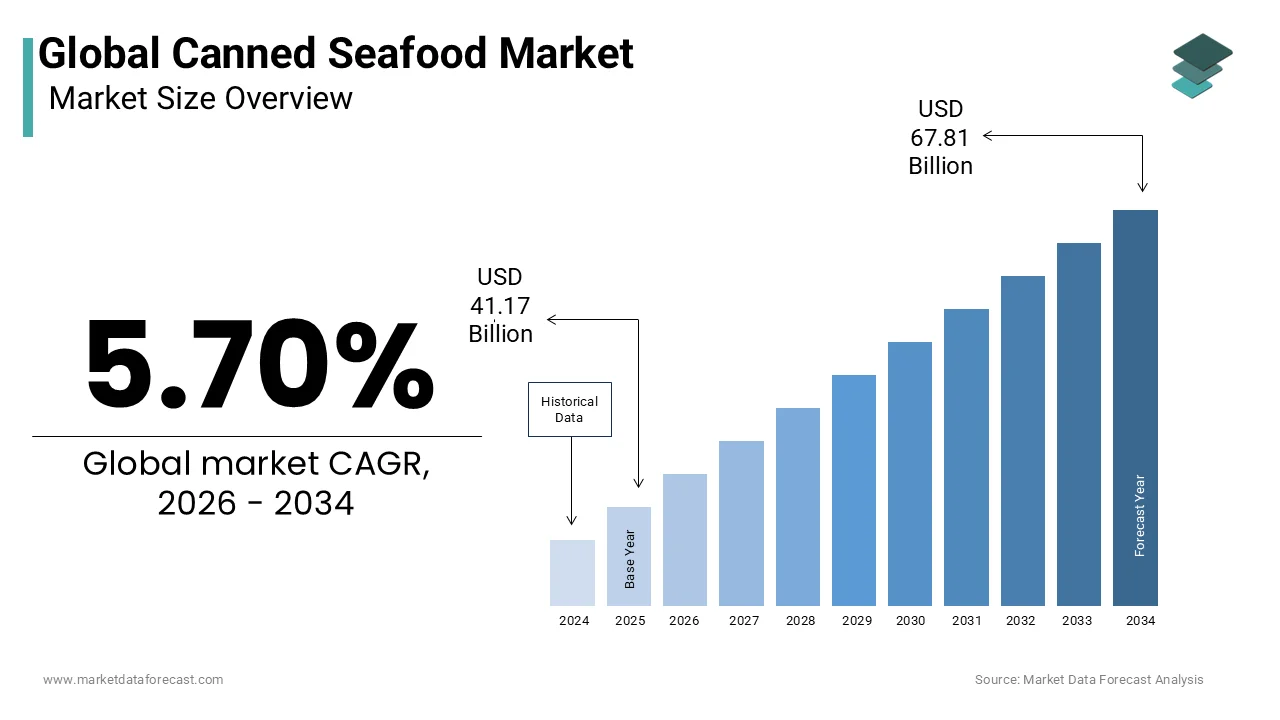
Canned seafood market plays a pivotal role in global food security by providing shelf-stable protein sources that require minimal refrigeration and preparation. The definition extends beyond traditional tuna and sardines to include premium offerings, such as salmon, mackerel, crab, and specialty seafood blends packed in oil, water, or various sauces. According to the Food and Agriculture Organization of the United Nations, approximately 35% of the global fish production is utilized for non-fresh consumption, with canning representing a significant portion of this processed volume. The industry relies heavily on sustainable fishing practices to maintain stock levels amidst growing demand. As per the World Health Organization, seafood is a critical source of essential nutrients, including omega-3 fatty acids, iodine, and high-quality protein, which are vital for cardiovascular and cognitive health. Consumer perception has shifted from viewing canned seafood as a budget alternative to recognizing it as a convenient and nutritious dietary staple. Regulatory bodies enforce strict standards regarding heavy metal content, particularly mercury and lead, to ensure consumer safety. The market dynamics are influenced by seasonal catch variations, geopolitical trade policies, and evolving packaging technologies. Innovations in easy-open lids and recyclable materials address environmental concerns while enhancing user convenience. This sector bridges the gap between wild capture fisheries and modern consumer lifestyles, offering a reliable protein source that withstands supply chain disruptions.
MARKET DRIVERS
Rising Global Prevalence Of Lifestyle Diseases And Nutritional Awareness
The increasing incidence of chronic lifestyle diseases, such as cardiovascular conditions and obesity has significantly propelled the demand for canned seafood as a healthier protein alternative, which is one of the key market drivers. Consumers are actively seeking diets rich in omega-3 fatty acids, which are abundant in fish like tuna, salmon, and mackerel. According to the World Health Organization, cardiovascular diseases remain the leading cause of death globally, accounting for an estimated 17.9 million deaths annually. This statistic has prompted health organizations and nutritionists to recommend regular consumption of fatty fish to improve heart health and reduce inflammation. Canned seafood offers a convenient and affordable way to incorporate these essential nutrients into daily meals without the hassle of fresh fish preparation. The high-protein and low-saturated-fat profile of canned fish aligns perfectly with weight management and diabetic-friendly diets. In regions like North America and Europe, where health consciousness is high, sales of canned salmon and tuna have surged as individuals replace red meat with seafood. Medical endorsements and public health campaigns further validate the nutritional benefits, driving consistent household purchases. The availability of canned options in water rather than oil caters to calorie-conscious consumers. This health-driven shift ensures sustained demand as populations age and chronic disease burdens grow. The ease of storage and long shelf life makes canned seafood an ideal pantry staple for health-focused families.
Urbanization and Demand For Convenient Ready To Eat Protein Sources
Rapid urbanization and the accelerating pace of modern life have created a robust demand for convenient, ready-to-eat food solutions, which is positioning canned seafood as a preferred choice. Urban dwellers often face time constraints due to demanding work schedules, leading to a reliance on quick meal options that do not compromise on nutrition. According to the United Nations Department of Economic and Social Affairs, the global urban population is projected to reach 68% by 2050, creating a massive consumer base for convenience foods. Canned seafood requires no refrigeration until opened and minimal preparation, making it ideal for busy professionals, students, and single-person households. It serves as a versatile ingredient for salads, sandwiches, pasta dishes, and snacks, reducing cooking time significantly. The rise of single-serve packaging and easy-open lids enhances portability and usability in office or travel settings. In densely populated cities across Asia and Latin America, where kitchen space may be limited, canned seafood offers a practical storage solution. Retailers support this trend by placing canned fish in prominent convenience aisles and promoting ready-to-eat meal kits. The integration of canned seafood into online grocery platforms further facilitates access for time-poor consumers. This convenience factor transforms canned seafood from a mere emergency reserve into a regular dietary component. The alignment with fast-paced lifestyles ensures consistent growth in urban markets worldwide.
MARKET RESTRAINTS
Environmental Concerns and Overfishing Of Key Species
Environmental sustainability issues and the threat of overfishing are primarily hampering the growth of the canned seafood market. Many popular canned species, such as bluefin tuna and certain sardine populations, face pressure from excessive harvesting, leading to declining stock levels. According to the Food and Agriculture Organization of the United Nations, approximately 35.5% of global fish stocks are fished at biologically unsustainable levels, raising alarms among conservationists and regulators. This depletion forces governments to impose stricter catch quotas and seasonal bans, which limit supply and increase raw material costs. Consumers are becoming increasingly aware of the ecological impact of their food choices, leading to hesitation in purchasing products from non-sustainable sources. The lack of uniform global standards for sustainable certification creates confusion and skepticism among buyers. Companies face pressure to source only from certified fisheries, which often command higher prices and limited availability. Negative media coverage regarding bycatch and habitat destruction further damages brand reputation. The volatility in fish stocks due to climate change and ocean warming exacerbates supply uncertainties. Manufacturers struggle to maintain consistent product quality and volume amidst these environmental challenges. Failure to adopt sustainable practices can result in boycotts and loss of market share. The industry must balance profitability with ecological responsibility to ensure future viability. This environmental constraint limits expansion potential and increases operational complexity for market participants.
Health Concerns Regarding Heavy Metal Contamination and Sodium Content
Persistent health concerns regarding heavy metal contamination, particularly mercury, and high sodium levels in canned seafood are further impeding the global market expansion. Mercury accumulation in predatory fish, such as tuna, poses potential health risks, especially for pregnant women and young children. According to the United States Environmental Protection Agency, frequent consumption of high-mercury fish can lead to neurological and developmental issues, prompting strict dietary guidelines. These warnings discourage regular consumption among vulnerable demographics, limiting the frequency of purchase. Additionally, many canned seafood products are preserved in brine or sauces with high sodium content to enhance flavor and shelf life. According to the World Health Organization, it is recommended to limit sodium intake to less than 2 grams per day for adults to reduce the risk of hypertension and stroke, yet canned foods often exceed these limits. Health-conscious consumers actively seek low-sodium or mercury-free alternatives, which are not always readily available or affordable. Negative perceptions about the freshness and nutritional integrity of canned goods compared to fresh or frozen options persist. Regulatory agencies require detailed labeling, which may highlight these risks, causing consumer anxiety. Manufacturers face challenges in reformulating products to reduce sodium without compromising taste and preservation. The need for extensive testing and quality control to ensure safety adds to production costs. These health-related apprehensions restrict market penetration among health-aware segments. Addressing these concerns through transparent sourcing and cleaner labels is essential for overcoming this barrier.
MARKET OPPORTUNITIES
Expansion of Premium and Gourmet Canned Seafood Varieties
The emergence of premium and gourmet canned seafood is a lucrative opportunity for market expansion and value addition. Consumers are increasingly willing to pay higher prices for high-quality, artisanal products that offer superior taste and ethical sourcing. According to recent market trends, there is a growing demand for specialty items, such as hand-packed sardines in olive oil, smoked mussels, and exotic seafood blends. These products appeal to food enthusiasts and culinary professionals who view canned seafood as a gourmet ingredient rather than a basic staple. Brands are focusing on unique flavor profiles, such as spicy tomato basil or lemon herb, to differentiate their offerings. The use of sustainable packaging and elegant designs enhances the perceived value and giftability of these products. Retailers are dedicating shelf space to premium sections, attracting affluent shoppers seeking novel dining experiences. Online platforms facilitate the discovery of niche brands and international varieties, expanding consumer choices. Collaborations with renowned chefs and restaurants help elevate the status of canned seafood in fine dining. The trend toward home cooking and entertaining has boosted sales of high-end canned fish for appetizers and charcuterie boards. This segment offers higher profit margins and reduces sensitivity to price fluctuations. By targeting discerning consumers, companies can build strong brand loyalty and drive sustainable growth. The innovation in gourmet formats transforms canned seafood into a luxury category.
Development of Sustainable and Eco-Friendly Packaging Solutions
The development of sustainable and eco-friendly packaging solutions offers significant opportunities for the canned seafood market to align with environmental goals and consumer preferences. Growing awareness of plastic pollution and waste management issues has driven demand for recyclable and biodegradable packaging materials. According to the United Nations Environment Programme, the New Plastics Economy Global Commitment unites over 500 signatories committed to changing how plastic is produced and reused. Canned seafood manufacturers are innovating with aluminum cans, which are infinitely recyclable and have a lower carbon footprint compared to plastic containers. Companies are also exploring plant-based liners and reduced metal usage to minimize environmental impact. Clear labeling regarding recyclability and carbon footprint helps educate consumers and build trust. Governments are implementing regulations that favor sustainable packaging, providing incentives for compliant companies. The adoption of circular economy principles enhances brand reputation and appeals to eco-conscious buyers. Innovations in easy-open lids that remain attached prevent litter and improve user experience. Partnerships with recycling organizations ensure proper disposal and recovery of materials. This shift towards sustainability differentiates brands in a competitive market and meets regulatory requirements. By prioritizing environmental responsibility, companies can capture a growing segment of green consumers. The transition to eco-friendly packaging supports long-term viability and corporate social responsibility goals.
MARKET CHALLENGES
Volatility In Raw Material Prices And Supply Chain Disruptions
The volatility in raw material prices and frequent supply chain disruptions are majorly challenging the canned seafood market growth globally. Fish prices are highly susceptible to fluctuations in catch volumes, weather conditions, and fuel costs, affecting production margins. According to the Food and Agriculture Organization of the United Nations, the price of key wild-catch species, like cod, has risen by 20% in early 2026 due to severe supply constraints. Geopolitical tensions and trade restrictions further complicate the import and export of seafood products, leading to delays and increased tariffs. The reliance on global supply chains makes manufacturers vulnerable to logistical bottlenecks, such as port congestions and shipping container shortages. These disruptions result in inconsistent product availability and inflated costs, which are often passed on to consumers. Small and medium-sized enterprises struggle to absorb these shocks due to limited financial reserves. Currency fluctuations in key producing regions add another layer of financial uncertainty. The seasonal nature of certain fish species requires precise timing for procurement and processing, any deviation of which impacts inventory levels. Manufacturers must engage in complex hedging strategies to manage price risks, which requires expertise and capital. The inability to predict costs accurately hampers long-term planning and investment. Maintaining competitive pricing while ensuring quality becomes increasingly difficult. These economic and logistical hurdles threaten the stability and profitability of the industry.
Stringent Regulatory Compliance and Food Safety Standards
Stringent regulatory compliance and rigorous food safety standards present ongoing challenges for operators in the Canned Seafood Market. Governments worldwide enforce strict guidelines regarding hygiene, processing methods, and labeling to protect consumer health. According to the European Food Safety Authority, data on chemical contaminants in food must be submitted via the Data Collection Framework by June 30, 2026. Non-compliance can result in severe penalties, product recalls, and reputational damage, which can be devastating for brands. The complexity of navigating diverse regulatory frameworks across different countries increases operational costs and administrative burdens. Exporters must adhere to varying standards in each target market, requiring multiple certifications and audits. The implementation of traceability systems to track fish from catch to can is mandatory in many jurisdictions, adding technological and logistical complexity. Small producers often lack the resources to meet these high standards, limiting their market access. Changing regulations regarding allergen labeling and nutritional information require continuous monitoring and adaptation. The fear of foodborne illnesses, such as botulism, associated with improper canning processes necessitates rigorous quality control measures. Investment in advanced testing equipment and staff training is essential but costly. These regulatory hurdles create barriers to entry and slow down product innovation. Ensuring consistent compliance while maintaining efficiency remains a critical challenge for industry participants.
REPORT COVERAGE
| REPORT METRIC | DETAILS |
| Market Size Available | 2025 to 2034 |
| Base Year | 2025 |
| Forecast Period | 2026 to 2034 |
| CAGR | 5.70% |
| Segments Covered | By Product And Region |
| Various Analyses Covered | Global, Regional and Country level analysis; Segment-Level Analysis; DROC; PESTLE Analysis; Porter’s Five Forces Analysis; Competitive Landscape; Analyst Overview of Investment Opportunities |
| Regions Covered | North America, Europe, APAC, Latin America, Middle East & Africa |
| Market Leaders Profiled | Bumble Bee Seafoods, StarKist Co, Nippon Suisan Kaisha Ltd, Maruha Nichiro Corporation,Icicle Seafoods Inc, LDH (La Doria) Ltd, Thai Union Frozen Products , American Tuna, Inc, Universal Canning, Inc, Trident Seafoods Corporation, Connors Bros. Ltd. |
SEGMENTAL ANALYSIS
By Product Insights
The canned tuna segment dominated the market by holding 51.55 of the global market share in 2025. The dominance of canned tuna segment in the global market is primarily driven by the widespread acceptance of tuna as a staple protein source across diverse cultures and its exceptional versatility in culinary applications. According to the International Seafood Sustainability Foundation, tuna and tuna-like species stand out, with 87% of assessed stocks being sustainable and 99% of landings coming from sustainable sources. The neutral flavor profile of canned tuna allows it to be easily incorporated into salads, sandwiches, pasta dishes, and casseroles, making it a preferred choice for busy consumers seeking quick meal solutions. In North America and Europe, canned tuna is a pantry essential, supported by decades of marketing and consumer familiarity. The availability of various packing mediums, such as water, oil, and brine, caters to different dietary preferences, including low-calorie and heart-healthy options. Retailers prioritize tuna due to its high turnover rate and consistent demand regardless of economic conditions. The established supply chains for skipjack and albacore tuna ensure stable availability compared to more volatile species. Furthermore, the perception of tuna as a lean protein source aligns with fitness and weight management trends. Major brands have invested heavily in brand loyalty programs, ensuring that tuna remains the default choice for canned seafood. This entrenched market position makes it difficult for other species to challenge its leadership in terms of volume and revenue.
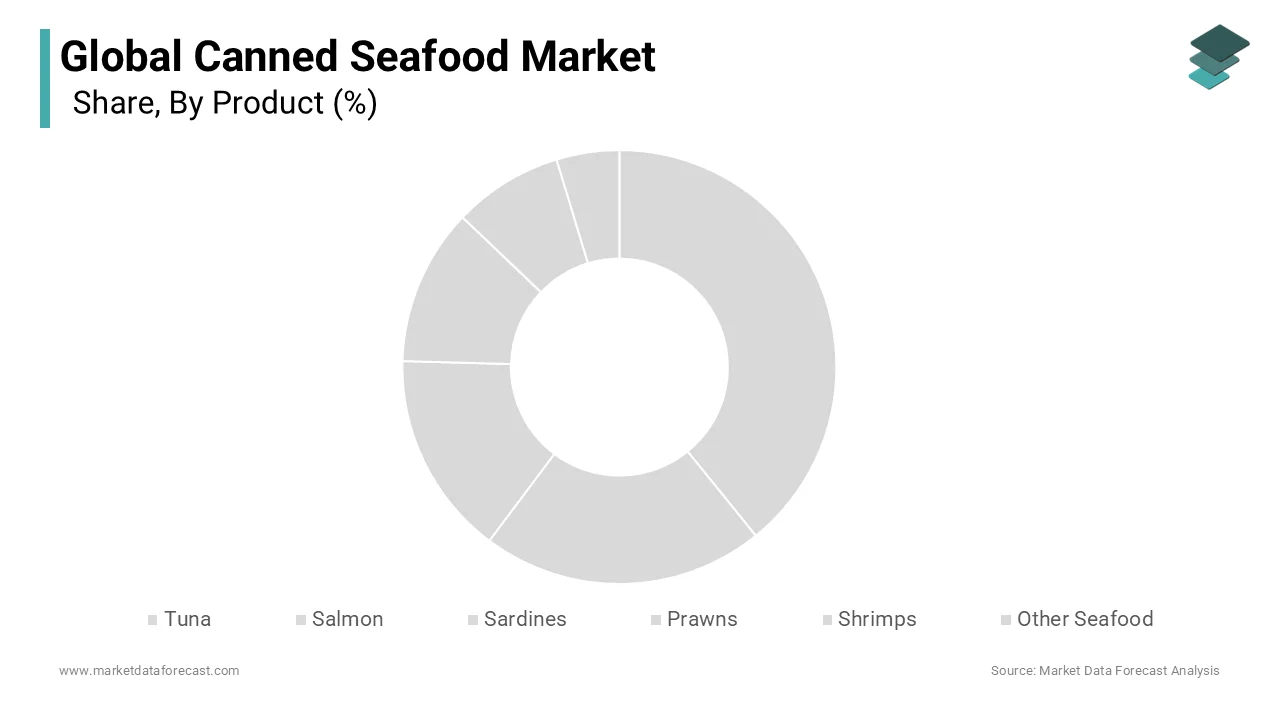
However, the canned salmon segment is a promising segment and is estimated to witness a CAGR of 7.4% over the forecast period owing to the increasing consumer awareness regarding the health benefits of omega-3 fatty acids, which are abundant in salmon. According to the Mayo Clinic, fatty fish like salmon contain omega-3 fatty acids that may improve heart health and lower the risk of dying of heart disease. Consumers are shifting towards premium protein sources that offer superior nutritional value compared to standard white fish. Canned salmon often includes bones, which are a rich source of calcium, adding to its health appeal, particularly for older demographics concerned about bone density. The rise of ketogenic and paleo diets has further boosted demand for high-fat, high-protein foods where salmon fits perfectly. Manufacturers are introducing skinless and boneless varieties to enhance convenience and address texture preferences of younger consumers. Marketing campaigns highlighting the sustainability of wild-caught Pacific salmon resonate with eco-conscious buyers. The premiumization trend sees consumers willing to pay more for high-quality canned salmon over cheaper alternatives. Retailers are expanding their premium seafood aisles to accommodate this growing segment. The versatility of canned salmon in gourmet recipes and social media food trends also drives trial and repeat purchases. This combination of health benefits and culinary prestige positions canned salmon as the fastest-growing product type.
REGIONAL ANALYSIS
North America Canned Seafood Market Analysis
North America accounted for the major share of the global canned seafood market in 2025 and is expected to sustain its leading position through the next few years as consumer demand for shelf-stable, high-protein convenience foods remains elevated. North America holds the leading position in the global Canned Seafood Market, capturing approximately 30% of the regional share. The market status is characterized by mature consumption patterns and a strong preference for convenient protein sources. According to the National Fisheries Institute, canned light tuna is considered a good omega-3-rich fish option that is also low in mercury. The region benefits from well-established retail infrastructure and high disposable incomes that support regular purchases of both standard and premium canned seafood. Health consciousness drives demand for wild-caught and sustainably sourced options, particularly in the United States and Canada. The prevalence of lifestyle diseases has prompted medical professionals to recommend increased seafood intake, boosting sales. Private label brands compete aggressively with national brands, offering value-oriented options. The trend toward ready-to-eat meals supports the integration of canned seafood into lunch kits and snacks. Regulatory standards enforced by the Food and Drug Administration ensure high safety levels, maintaining consumer trust. Innovation in packaging, such as pouches and easy-open cans, enhances convenience for on-the-go consumption. The market is stable with steady growth, driven by population expansion and immigration, which introduces diverse culinary uses for canned fish. Strategic partnerships between retailers and suppliers ensure consistent availability. The focus on transparency and sustainability continues to shape purchasing decisions in this sophisticated market.
Europe Canned Seafood Market Analysis
Europe is likely to experience continued growth in the premium canned sector over the next few years as regional policies further incentivize the transition toward sustainable and circular economy models. Europe occupies a significant position in the global market, holding approximately 25% of the share, distinguished by a strong emphasis on sustainability and premium quality. The market status is defined by discerning consumers who prioritize ethical sourcing and environmental responsibility in their seafood choices. According to the European Commission, approximately 760 million euros remain available under the 2021 to 2027 programme to support sector resilience. Countries like Spain, Italy, and France have deep cultural traditions of consuming canned sardines, mackerel, and tuna, often viewed as gourmet delicacies rather than just staples. The European Union’s strict regulations on fishing quotas and labeling ensure that only compliant products reach the market. Consumers are increasingly avoiding species with high mercury levels or those from overfished stocks. The rise of artisanal canneries producing high-end products in olive oil or specialty sauces appeals to food enthusiasts. Retailers promote eco-labels, such as the Marine Stewardship Council certification, to guide purchasing decisions. The demand for organic and non-GMO canned seafood is rising, particularly in Northern Europe. Economic stability in Western Europe supports consistent spending on premium food items. The market is driven by quality over quantity, with consumers willing to pay for superior taste and ethical credentials. Innovation in recyclable packaging aligns with regional environmental goals. This focus on sustainability and quality ensures Europe remains a key value driver in the global market.
Asia Pacific Canned Seafood Market Analysis
Asia Pacific is poised for the most rapid urban expansion in the coming years, which will likely solidify its role as a primary driver for global volume growth in processed seafood. Asia Pacific accounts for approximately 20% of the global market share, representing a rapidly emerging segment with significant growth potential. The market status is influenced by rising disposable incomes, urbanization, and changing dietary habits in countries like China, Japan, and Thailand. According to the Food and Agriculture Organization of the United Nations, global aquaculture output continued to add to supply in early 2026, with global production estimated to have increased by 1.7% in 2025. Seafood consumption in Asia is increasing as populations seek diverse protein sources beyond traditional meats. Canned seafood offers a convenient and affordable option for busy urban workers in megacities. Japan has a long-standing tradition of consuming canned fish, particularly salmon and mackerel, which are staples in bento boxes and home meals. In Southeast Asia, canned sardines and tuna are popular due to their affordability and ease of preparation. The expansion of modern retail chains and e-commerce platforms improves access to branded canned seafood products. Government initiatives promoting nutrition and food security encourage the inclusion of fortified seafood products in diets. The middle-class expansion drives demand for premium imported canned seafood varieties. Cultural acceptance of seafood as a healthy food source supports market penetration. However, price sensitivity remains a factor in developing economies, limiting the uptake of high-end products. Local manufacturers are improving quality standards to compete with international brands. The region offers substantial opportunities for growth as infrastructure and consumer awareness improve.
Latin America Canned Seafood Market Analysis
Latin America is projected to strengthen its export capabilities over the next few years as regional producers invest in advanced processing technologies to meet stringent international standards. Latin America holds approximately 15% of the global market share, characterized by strong local production capabilities and a robust export orientation. The market status is defined by countries like Ecuador, Peru, and Chile, which are major producers of canned tuna and sardines. According to the Inter-American Institute for Cooperation on Agriculture, ministers and senior officials are calling for improved policy coordination to guarantee supply security in the Western Hemisphere. The region benefits from abundant marine resources along the Pacific coast, supporting a vibrant canning industry. Domestic consumption is significant in coastal communities where canned fish is a dietary staple due to its affordability and availability. Inland markets are growing as distribution networks expand, reaching rural areas. Price sensitivity is high, making canned seafood an attractive protein option for lower income households. The industry focuses on efficiency and cost effectiveness to remain competitive in global exports. Local brands dominate the market, offering products tailored to regional tastes, such as spicy sauces. Economic fluctuations can impact purchasing power, but the essential nature of canned food ensures baseline demand. Government support for the fishing sector helps maintain production levels. The trend toward value-added products is slowly gaining traction in urban centers. Export revenues contribute significantly to national economies, driving investment in processing facilities. The market is resilient with steady domestic demand, supported by cultural preferences and economic necessity. Opportunities exist in expanding distribution to underserved inland regions.
Middle East and Africa Canned Seafood Market Analysis
The Middle East and Africa are likely to see increased investments in local canning infrastructure over the next few years as countries strive to enhance food security and reduce reliance on foreign imports. The Middle East and Africa region accounts for approximately 10% of the global market share, representing a developing sector with high import dependency. The market status is influenced by limited local processing capacity and reliance on imports from Asia and Europe. According to the African Development Bank Group, the crisis in the Middle East could cost Africa 0.2% in economic growth in 2026. Fisheries are a vital source of livelihood and nutrition, but post-harvest losses remain high due to inadequate infrastructure. Canned seafood provides a stable and safe protein source in regions where cold-chain logistics are underdeveloped. In Gulf Cooperation Council countries, high disposable incomes drive demand for premium imported canned tuna and salmon. In Sub-Saharan Africa, canned sardines and mackerel are crucial for food security, providing affordable nutrition to large populations. Population growth and urbanization are increasing demand for convenient food options. Religious dietary laws influence consumption patterns, with halal certification being essential for market access. Retail modernization in major cities is improving availability of diverse canned seafood products. Economic challenges and currency fluctuations can affect affordability and supply stability. Government efforts to develop local fishing industries aim to reduce import dependence. The market is fragmented with varying levels of development across countries. Opportunities lie in improving local processing capabilities and expanding distribution networks. As infrastructure improves, the region is poised for steady growth in canned seafood consumption.
COMPETITIVE LANDSCAPE
The competition in the canned seafood market is characterized by a mix of multinational corporations regional processors and private label manufacturers. This fragmented landscape fosters intense rivalry as companies strive to differentiate themselves through sustainability credentials product quality and branding. Multinational players leverage their global supply chains and economies of scale to offer competitive pricing and wide availability. Regional brands capitalize on local preferences and artisanal qualities to build loyal customer bases. Private labels pose a significant threat by offering lower priced alternatives that appeal to budget conscious consumers. The barrier to entry is moderate due to strict regulatory requirements for food safety and sustainability certifications. Companies compete on factors such as taste convenience packaging and ethical sourcing. Innovation in ready to eat formats and healthy ingredients serves as a key differentiator. Strategic alliances with environmental organizations enhance brand reputation. The emphasis on transparency and traceability further intensifies competition as consumers become more informed. This dynamic environment drives continuous improvement and adaptation among market participants ensuring a vibrant and evolving industry landscape globally.
Key Market Players
Key players in the global canned seafood market are
- Bumble Bee Seafoods
- StarKist Co
- Nippon Suisan Kaisha Ltd
- Maruha Nichiro Corporation
- Icicle Seafoods Inc
- LDH (La Doria) Ltd
- Thai Union Frozen Products
- American Tuna Inc
- Universal Canning Inc
- Trident Seafoods Corporation
- Connors Bros Ltd
Top Players in the Market
- Thai Union Group is a global leader in the Canned Seafood Market renowned for its extensive portfolio of sustainable seafood brands. The company contributes to the global market by supplying high quality canned tuna and sardines to over 150 countries. Thai Union focuses on innovation and sustainability through its SeaChange strategy which aims to protect marine ecosystems. Recent actions include launching new plant based seafood alternatives and enhancing traceability technologies for its supply chain. The company actively partners with NGOs to promote responsible fishing practices. By investing in advanced processing facilities Thai Union ensures product consistency and safety. These initiatives strengthen its reputation as a trusted provider of premium canned seafood. The group continues to expand its presence in emerging markets through strategic distribution agreements. Its commitment to environmental stewardship and social responsibility drives long term value creation.
- John West Foods is a prominent brand in the Canned Seafood Market with a strong heritage in the United Kingdom and international markets. The company contributes to the global sector by offering a wide range of canned fish products including tuna salmon and mackerel. John West emphasizes sustainability by sourcing from certified fisheries and supporting ocean conservation projects. Recent actions include introducing recyclable packaging solutions to reduce environmental impact. The brand has expanded its product line to include flavored and marinated varieties catering to diverse consumer tastes. John West engages in educational campaigns to raise awareness about sustainable seafood choices. By leveraging digital marketing channels the company connects directly with health conscious consumers. These efforts enhance brand loyalty and differentiate it in a competitive landscape. The focus on quality and ethical sourcing reinforces its position as a market leader. John West continues to innovate with convenient formats for modern lifestyles.
- Bumble Bee Foods is a major player in the Canned Seafood Market known for its iconic branding and diverse product offerings. The company contributes to the global market by providing accessible and affordable canned seafood options to millions of households. Bumble Bee focuses on transparency and sustainability through its commitment to responsible sourcing practices. Recent actions include implementing blockchain technology to enhance supply chain traceability and consumer trust. The company has launched new premium lines featuring wild caught and organic certifications. Bumble Bee actively supports community initiatives and ocean health programs. By optimizing its manufacturing processes the company improves efficiency and reduces waste. These strategic moves strengthen its competitive edge and appeal to eco conscious buyers. The brand continues to expand its retail footprint through partnerships with major grocery chains. Bumble Bee remains dedicated to delivering high quality nutrition and convenience to consumers worldwide.
Top Strategies Used by the Key Market Participants
Key players in the Canned Seafood Market employ diverse strategies to maintain competitive advantage and drive growth. Sustainability is a central focus with companies obtaining certifications from organizations like the Marine Stewardship Council to validate ethical sourcing. Product innovation involves developing new flavors and convenient packaging formats such as pouches to attract younger demographics. Strategic partnerships with retailers and food service providers enhance distribution reach and brand visibility. Digital marketing campaigns educate consumers about health benefits and sustainability efforts building brand loyalty. Investment in supply chain transparency technologies ensures traceability and builds trust. Companies also focus on premiumization by introducing artisanal and organic product lines. These comprehensive strategies enable participants to adapt to changing consumer preferences and regulatory requirements effectively.
MARKET SEGMENTATION
This research report on the global canned seafood market has been segmented and sub-segmented based on Product, & region.
By Product
- Tuna
- Salmon
- Sardines
- Prawns
- Shrimps
- Other Seafood
By Region
- North America
- Europe
- Asia Pacific
- Latin America
- The Middle East and Africa