- Product Description Description
- Table of Contents TOC
- List of Table & Figure LOT
- Get Free Sample PDF Sample PDF
Market Size, 2025
$3.77 BnMarket Estimate, 2026
$3.93 BnMarket Forecast, 2034
$5.45 BnCAGR, 2026–2034
4.18%Executive Summary: Europe Yogurts Market
- Market Scope: Comprehensive Europe yogurts market analysis covering functional dairy products, probiotic formulations, clean-label alternatives, distribution shifts, and digestive health trends.
- Market Valuation: Valued at USD 3.77 billion (2025), and projected to reach USD 9.35 billion by 2034, registering a steady CAGR of 5.84% (2026–2034).
- Primary Growth Drivers: Rising health consciousness, functional dairy and probiotic demand, aging population seeking digestive solutions, plant-based yogurt mainstreaming, and regulatory frameworks emphasizing nutritional transparency. Key challenges include mature market conditions in Western nations.
Key Market Segment Metrics (2026–2034)
| Category | Leading Segment (Position) | Fastest-Growing Segment |
|---|---|---|
| By Product Category & Channel | Probiotic-rich and clean-label dairy yogurt segments across Western European retail networks | Plant-based yogurt alternatives and e-commerce distribution channels |
| By Region / Country | Western European established dairy consumer bases | Eastern European emerging markets supporting long-term continent-wide expansion |
Major Market Players & Market Structure
Market Structure: Competitive European dairy and functional food sector featuring major processing enterprises adapting to health-conscious dietary shifts, clean-label compliance, and digital distribution expansion.
Key Companies: Rosenbauer International AG, Oshkosh Corporation, Magirus GmbH (Iveco Group NV), Weihai Guangtai Airport Equipment Co. Ltd., Danko Emergency Equipment, E-ONE (REV Group Inc.), The Shyft Group Inc., Xuzhou Handler Special Vehicle Co Ltd, Morita Holdings Corporation, and Zoomlion Heavy Industry Science & Technology Co. Ltd.
Europe yogurts Market Size
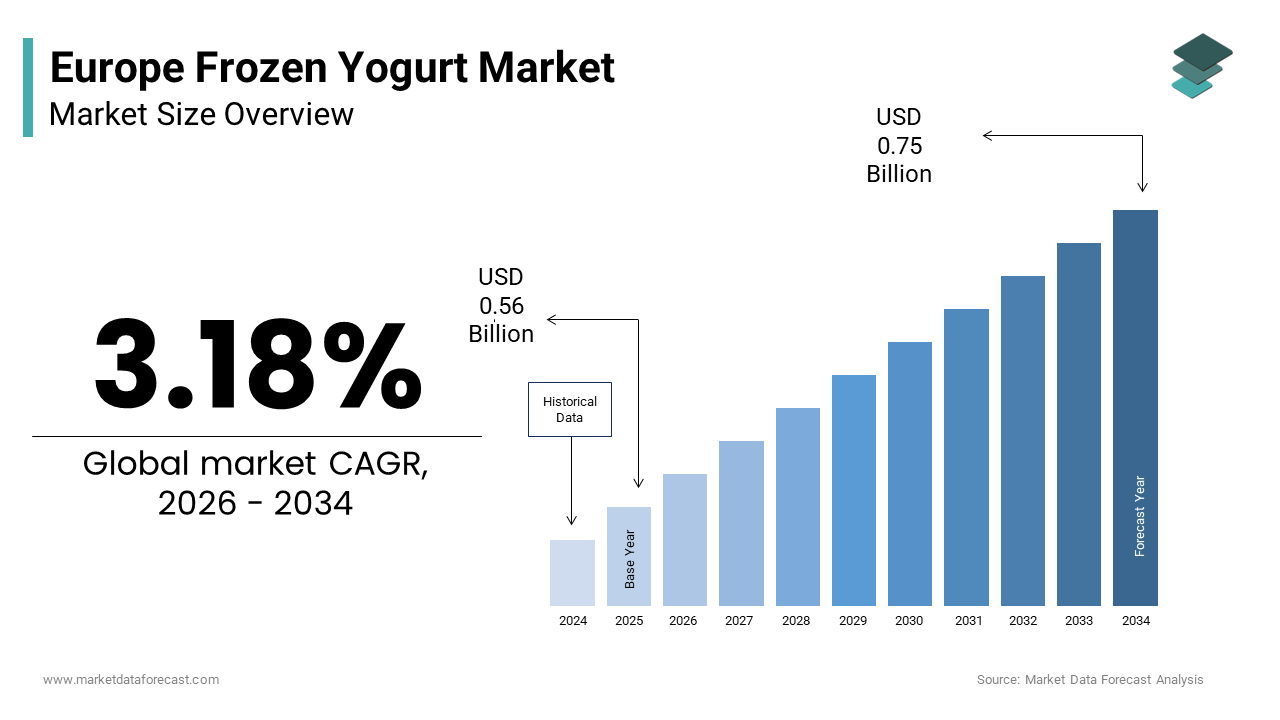
The Europe yogurts market size was calculated to be USD 3.77 billion in 2025 and is anticipated to be worth USD 5.45 billion by 2034, from USD 3.93 billion in 2026, growing at a CAGR of 4.18% during the forecast period.
Yogurts encompass a diverse array of fermented dairy products ranging from traditional set yogurts and drinking varieties to specialized Greek and skyr styles, all defined by the bacterial fermentation of milk. This sector is deeply embedded in the European dietary fabric, serving as a staple source of protein and calcium across all demographics. The landscape is currently shaped by a profound demographic shift where an aging population seeks functional foods to support longevity and bone health. As per Eurostat, individuals aged 65 and older now make up a significant portion of the European Union population, which is creating a sustained demand for nutrient-dense and easily digestible dairy options. Furthermore, according to the European Food Safety Authority, health claims have been validated regarding the role of probiotics in digestive function, which has elevated consumer trust in yogurt as a vehicle for wellness beyond basic nutrition. The region also exhibits a strong cultural preference for local sourcing, with many consumers prioritizing products made from milk produced within their own country or neighbouring regions to ensure freshness and reduce carbon footprints. This alignment with the farm-to-table movement distinguishes the European market from other global regions, as shoppers increasingly view yogurt not merely as a snack but as an integral component of a balanced and sustainable diet that supports both personal health and environmental stewardship.
MARKET DRIVERS
Escalating Consumer Focus on Gut Health and Probiotic Functionality
The growing consumer awareness regarding the critical link between gut microbiota and overall systemic health, which is prompting a surge in demand for yogurt enriched with specific probiotic strains, is majorly driving the expansion of the European yogurts market. European shoppers are increasingly educated about the role of beneficial bacteria in supporting immune function, mental well-being, and digestion, leading them to actively seek products that offer verified health benefits. As per the International Probiotics Association, Europe accounts for a large share of global probiotic consumption, supported by high health literacy and regulatory frameworks that allow approved health claims on packaging. Consumers in nations such as France and Germany are particularly discerning, often looking for labels that specify strain types like Lactobacillus acidophilus or Bifidobacterium lactis rather than generic live cultures. This demand has compelled manufacturers to invest heavily in research and development to isolate and stabilize strains that survive the manufacturing process and reach the gut alive. The trend extends beyond general wellness to target specific conditions such as lactose intolerance and irritable bowel syndrome, with specialized yogurts formulated to alleviate symptoms. As medical professionals increasingly recommend fermented foods as part of preventive healthcare strategies, the perception of yogurt shifts from a simple dessert to a functional therapeutic food, securing its position as a daily essential for health-conscious households across the continent.
Rising Demand for High-Protein Diets and Fitness-Oriented Nutrition
The widespread adoption of high-protein diets among fitness enthusiasts and the general population seeking satiety and muscle maintenance is further aiding the growth of the European yogurts market. The narrative around protein has evolved from being niche to mainstream, with consumers recognizing its importance in weight management and metabolic health. As per the European Health and Fitness Association, health club membership in Europe has been expanding, with millions of individuals engaging in regular physical activity that necessitates higher protein intake for recovery and performance. Yogurt serves as an ideal delivery mechanism for this macronutrient, offering a convenient and versatile source of casein and whey proteins that are absorbed efficiently by the body. The success of Icelandic skyr in markets outside Scandinavia exemplifies this trend, as its thick texture and high protein content resonate with consumers looking for filling breakfast options or post-workout snacks. Manufacturers have responded by launching protein-fortified lines and clearly labeling protein grams per serving to appeal to this demographic. The versatility of high-protein yogurt in culinary applications, from smoothies to savory dips, further enhances its appeal. This alignment with contemporary nutritional goals ensures that yogurt remains a top choice for individuals aiming to optimize their dietary intake while enjoying a natural and wholesome product.
MARKET RESTRAINTS
Volatility in Raw Milk Prices and Feed Cost Fluctuations
The persistent volatility in raw milk prices driven by fluctuations in feed costs, geopolitical tensions, and climate-related disruptions to agricultural output is hindering the growth of the European yogurts market. The European dairy sector is highly sensitive to these external shocks, which directly impact the cost of production for yogurt manufacturers who operate on relatively thin margins. As per the European Milk Board, milk prices have been subject to significant swings in recent years due to imbalances between global supply and demand, compounded by export restrictions and rising energy costs required for farming operations. When feed prices for grains and soy increase, dairy farmers face higher overheads, forcing them to demand higher prices for raw milk to remain viable. This cost pressure is transmitted down the supply chain, compelling yogurt producers to either absorb the expense and suffer reduced profitability or pass the costs onto consumers through price hikes. In an inflationary environment, such price increases can dampen demand, particularly for premium yogurt segments where consumers are more price-sensitive. Small and medium-sized enterprises often lack the hedging mechanisms available to larger conglomerates, making them disproportionately vulnerable to these market fluctuations. The unpredictability of input costs complicates long-term strategic planning and investment in innovation, thereby acting as a persistent brake on market growth and expansion.
Stringent Regulatory Frameworks on Sugar Content and Labeling
The rigorous regulatory environments concerning sugar reduction and mandatory front-of-pack nutrition labeling that can negatively impact consumer perception and sales volumes are also restraining the regional market expansion. European authorities have implemented aggressive policies to combat obesity and non-communicable diseases, leading to increased scrutiny of sweetened dairy products. As per the World Health Organization Regional Office for Europe, excessive sugar intake remains a critical public health concern, prompting several nations to introduce sugar taxes and adopt labeling systems such as Nutri-Score that penalize products with high sugar content. Many traditional yogurt varieties, especially those flavored with fruit preparations, contain added sugars to enhance palatability, which can result in poor nutritional ratings under these schemes. This labeling can deter health-conscious shoppers who rely on these visual cues to make quick purchasing decisions, even if the product offers other benefits like probiotics or protein. Reformulating recipes to reduce sugar without compromising taste and texture is technically challenging and often requires expensive natural sweeteners or complex processing techniques. Furthermore, the regulatory landscape varies across member states, creating a fragmented compliance burden for manufacturers operating pan-European distribution networks. These constraints force companies to navigate a delicate balance between maintaining product appeal and adhering to strict health guidelines, which limits their marketing flexibility and potentially stifles innovation in flavored categories.
MARKET OPPORTUNITIES
Expansion into Plant-Based and Alternative Dairy Fermented Products
The rapid growth of plant-based yogurt alternatives derived from coconut, almond, oat, and soy that cater to the expanding vegan and lactose-intolerant consumer segments is a promising opportunity in the European yogurt market. The shift toward flexitarian diets is gaining momentum across Europe, driven by ethical concerns regarding animal welfare, environmental sustainability, and personal health considerations. As per the Plant Based Foods Association Europe, sales of plant-based dairy alternatives have been rising significantly, with yogurt being one of the fastest-growing categories due to its versatility and familiarity. Consumers are increasingly seeking products that mimic the creamy texture and tangy flavor of traditional dairy yogurt while offering the benefits of being cholesterol-free and lower in saturated fats. Manufacturers have the opportunity to innovate by developing proprietary fermentation cultures that thrive in non-dairy matrices, ensuring authentic probiotic benefits and superior mouthfeel. The introduction of clean label ingredients and organic certifications can further enhance the appeal of these products to discerning shoppers. Additionally, the ability to fortify plant-based yogurts with vitamins and minerals addresses potential nutritional gaps, positioning them as complete meal solutions. By capitalizing on this trend, companies can tap into a lucrative and loyal customer base that was previously inaccessible, diversifying their portfolios and future-proofing their businesses against declining dairy consumption trends.
Integration of Functional Ingredients and Personalized Nutrition Solutions
The incorporation of advanced functional ingredients and the development of personalized nutrition offerings present a significant avenue for market differentiation and value addition. Modern consumers are increasingly looking for foods that address specific health needs, such as stress relief, sleep improvement, or skin health, moving beyond general wellness to targeted benefits. As per Euromonitor International, there is a growing demand for functional foods that contain adaptogens, collagen, or specific vitamin blends tailored to individual lifestyle requirements. Yogurt serves as an ideal carrier for these bioactive compounds due to its mild flavor and high bioavailability. Manufacturers can create specialized product lines that combine probiotics with ingredients like ashwagandha for stress management or hyaluronic acid for beauty from within, appealing to niche demographics willing to pay a premium for customized health solutions. The rise of digital health platforms and DNA testing services also opens the door for personalized yogurt subscriptions based on individual microbiome analysis or genetic profiles. By leveraging data analytics to understand consumer health goals, brands can offer bespoke formulations that foster deep loyalty and recurring revenue. This shift toward hyper-personalization transforms yogurt from a commodity into a tailored health intervention, unlocking new revenue streams and strengthening brand relevance in a competitive marketplace.
MARKET CHALLENGES
Intense Competition from Alternative Breakfast and Snack Options
The rising competition from a wide array of alternative breakfast and snack products that vie for the same consumer occasion and wallet share is a significant challenge to the growth of the European yogurt market. The modern breakfast landscape has become highly fragmented, with options such as overnight oats, chia seed puddings, protein bars, and ready-to-drink smoothies gaining traction among time-poor consumers seeking convenience and nutrition. As per Mintel global food and drink trends, consumers are increasingly seeking novelty and variety, leading to a decline in the habitual consumption of traditional yogurt cups in favor of more innovative and portable formats. These alternatives often boast cleaner ingredient lists, higher fiber content, or unique flavor profiles that appeal to adventurous palates, eroding the dominance of yogurt as the default healthy choice. Furthermore, the ease of preparing some of these alternatives at home using affordable ingredients reduces the reliance on processed retail products. Established cereal and bakery brands have also expanded into the refrigerated aisle with hybrid products that blur the lines between categories, creating confusion and diluting brand loyalty. To maintain relevance, yogurt manufacturers must continuously innovate in terms of format, flavor, and functionality, yet the sheer volume of competing options makes it increasingly difficult to capture and retain consumer attention in a crowded shelf space.
Consumer Skepticism Regarding Added Sugars and Artificial Ingredients
Overcoming deep-seated consumer skepticism regarding the presence of added sugars and artificial additives in commercial yogurt products remains a critical hurdle for market growth. Despite the healthy image of yogurt, many consumers are becoming increasingly wary of hidden sugars and synthetic preservatives often found in flavored and fruit-bottom varieties. As per the British Nutrition Foundation, there is growing concern about the disconnect between the perceived healthfulness of yogurt and the reality of its nutritional profile, with many shoppers surprised by the sugar content in products marketed as healthy. This realization has led to a backlash against processed yogurts, driving some consumers to switch to plain unsweetened versions or make their own at home to control ingredient quality. The presence of artificial colors, flavors, and stabilizers further exacerbates this distrust, as the clean label movement gains momentum across Europe. Educating consumers about the necessity of certain ingredients for texture and shelf life is challenging in an environment where simplicity is equated with purity. Brands that fail to transparently communicate their ingredient sourcing and formulation strategies risk losing credibility and market share to artisanal producers who emphasize minimal processing. Addressing this perception gap requires a concerted effort to reformulate products, simplify labels, and engage in honest dialogue about nutritional trade-offs to rebuild trust and sustain consumption levels.
REPORT COVERAGE
| REPORT METRIC | DETAILS |
| Market Size Available | 2025 to 2034 |
| Base Year | 2025 |
| Forecast Period | 2026 to 2034 |
| CAGR | 4.18% |
| Segments Covered | By Category, Type, Distribution Channel, And Region |
| Various Analyses Covered | Global, Regional & Country Level Analysis; Segment-Level Analysis; DROC, PESTLE Analysis; Porter’s Five Forces Analysis; Competitive Landscape; Analyst Overview of Investment Opportunities |
| Regions Covered | UK, France, Spain, Germany, Italy, Russia, Sweden, Denmark, Switzerland, Netherlands, Turkey, and the Czech Republic |
| Market Leaders Profiled | Danone, Chobani LLC, Nestlé, and General Mills |
SEGMENTAL ANALYSIS
By Category Insights
The dairy-based segment dominated the market by holding the highest share of 85.8% of the European market in 2025. The dominance of the dairy-based segment in the European market is majorly driven by deep-rooted cultural consumption habits, established supply chains, and the perception of dairy as a primary source of essential nutrients. Across nations like France, Germany, and Greece, yogurt is not viewed as a novelty but as a staple food item integrated into the national culinary identity. As per the European Dairy Association, per capita consumption of fresh dairy products is among the highest in Europe compared to other regions, with yogurt accounting for a significant portion of this intake due to its versatility in both sweet and savory applications. In countries such as Greece and Iceland, specific varieties like Greek yogurt and skyr have transcended local borders to become regional favourites, which is reinforcing the centrality of animal milk in the diet. This cultural entrenchment ensures consistent demand regardless of emerging trends, as multiple generations have been raised on these products. Furthermore, school meal programs and government nutritional guidelines in many European countries frequently recommend dairy yogurt for children due to its calcium and protein content, institutionalizing its consumption from a young age. The widespread availability of locally sourced milk and the robust infrastructure of dairy cooperatives further solidify this dominance, making dairy-based yogurt the default choice for the vast majority of consumers who prioritize familiarity and trust in traditional food sources.
The non-dairy-based segment is anticipated to record a CAGR of 12.2% over the forecast period in the European market. Factors such as the rapid rise of flexitarianism, lactose intolerance awareness, environmental sustainability concerns, and the expanding demographic of flexitarians that actively seek to reduce animal product consumption without fully adopting a vegan lifestyle are contributing to the expansion of the non-dairy segment in the European market. As per the Plant Based Foods Association Europe, the number of Europeans identifying as flexitarian has been increasing, with many actively seeking plant-based alternatives for moral and ecological reasons rather than just dietary restrictions. Consumers are increasingly aware of the carbon footprint associated with dairy farming, including methane emissions and water usage, prompting a shift toward oat, almond, and coconut-based yogurts, which are perceived as more sustainable options. This ethical pivot is particularly strong among younger demographics like Millennials and Generation Z, who prioritize brand values and sustainability credentials in their purchasing decisions. Manufacturers have responded by launching premium plant-based lines with clean labels and eco-friendly packaging to appeal to this conscious consumer base. The normalization of plant-based eating in mainstream media and social platforms further accelerates adoption, removing the stigma previously associated with non-dairy products. As the taste and texture of these alternatives improve through technological advancements, they are becoming viable substitutes for daily consumption, driving rapid volume growth in a segment that was once considered niche.
By Type Insights
The flavored yogurt segment had the largest share of the European yogurt market in 2025. The growth of the flavored yogurt segment in the European market is driven by consumer preference for variety, taste indulgence, and the positioning of yogurt as a convenient, ready-to-eat dessert or snack. Shoppers consistently seek new and exciting flavor combinations, ranging from classic fruits like strawberry and peach to exotic blends involving tropical fruits, spices, and chocolate. As per the European Food Information Council, the snacking culture in Europe has evolved to include healthier indulgences, where flavored yogurt serves as a guilt-free treat that satisfies sweet cravings without the excessive sugar load of traditional confectionery. Manufacturers capitalize on this by constantly launching limited-edition flavors and seasonal varieties to maintain consumer interest and drive impulse purchases. The ability of flavored yogurt to mimic the taste profile of cakes, puddings, or ice cream while offering probiotic benefits makes it highly appealing to families and children. This versatility allows it to occupy multiple dayparts, from after-school snacks to post-dinner desserts. The visual appeal of colorful fruit swirls and mix-ins further enhances its shelf presence, attracting attention in crowded retail environments. As long as consumers prioritize taste and variety in their food choices, flavored yogurt will remain the dominant type, leveraging its dual identity as both a nutritious staple and a delightful indulgence.
The plain yogurt segment is anticipated to grow at the fastest CAGR of 8.14% over the forecast period in the European market due to the intensifying clean label movement, where consumers actively avoid added sugars, artificial flavors, and preservatives in favor of minimal and transparent ingredient lists. As per the European Consumer Organisation, there is growing skepticism toward processed foods with long ingredient lists, leading shoppers to choose plain yogurt as the purest form of the product. This shift is further amplified by public health campaigns and sugar taxes implemented across various European nations, which have made high-sugar flavored yogurts less attractive due to poor nutritional ratings and higher costs. Health-conscious individuals prefer to buy plain yogurt and sweeten it naturally with fresh fruits, honey, or nuts, allowing them to control exactly how much sugar they consume. This behavior aligns with the broader trend of mindful eating and personalized nutrition, where consumers take ownership of their dietary intake. Manufacturers are responding by promoting plain varieties as the foundation of a healthy diet, highlighting their simplicity and lack of additives. The perception of plain yogurt as a wholesome, unprocessed food item resonates strongly with parents seeking healthy options for their children and adults managing weight or metabolic conditions, driving a surge in sales for this seemingly basic category.
By Distribution Channel Insights
The hypermarkets and supermarkets segment dominated the market by holding 71.3% of the European market share in 2025. The leading position of the hypermarkets and supermarkets segment in the European market can be credited to their extensive product assortments, competitive pricing strategies, and the habitual nature of weekly grocery shopping. These large-format retailers stock a wide variety of yogurt brands, types, and flavors, ranging from mass-market options to premium organic and specialty lines, giving shoppers the freedom to compare and choose based on their specific preferences. As per Eurostat retail data, household expenditure on food and beverages in Europe is concentrated in large grocery stores, reflecting a shopping culture centered around weekly bulk buying. The scale of these outlets allows them to negotiate favorable terms with suppliers, resulting in competitive pricing and frequent promotional offers that attract price-sensitive consumers. The strategic placement of yogurt in refrigerated aisles with high visibility ensures constant exposure to shoppers. Furthermore, the integration of loyalty programs and digital coupons within these chains encourages repeat purchases and brand switching. The reliability of stock availability and the convenience of extended operating hours make hypermarkets and supermarkets the preferred destination for families and individuals looking to replenish their refrigerator supplies efficiently, securing their position as the primary sales channel.
The online retail segment is projected to witness a promising CAGR of 14.1% over the forecast period due to the rapid digitization of grocery shopping, the rise of subscription models, improved cold chain logistics, the widespread adoption of e-grocery platforms, and the changing consumer expectation for seamless digital shopping experiences. As per the European E-Commerce Report, online grocery shopping has been expanding, accelerated by the pandemic and sustained by the convenience of home delivery and click-and-collect services. Consumers increasingly value the ability to browse extensive catalogs, read detailed nutritional information, and compare prices from the comfort of their homes, avoiding the crowds and time constraints of physical stores. For heavy or bulky items like multi-packs of yogurt, the home delivery option eliminates the physical burden of carrying groceries, appealing particularly to elderly individuals and busy professionals. Retailers have optimized their digital interfaces to highlight fresh and chilled categories, ensuring that yogurt is easily discoverable and accessible. The integration of AI-driven recommendations and personalized offers based on past purchase history further enhances the online shopping journey, encouraging larger basket sizes and frequent reordering. As logistics networks become more efficient and delivery windows more flexible, the barrier to buying perishable goods online diminishes, unlocking a vast potential for growth in the digital channel.
REGIONAL ANALYSIS
France Yogurts Market Analysis
France led the yogurt market in Europe in 2025 with 23.5% of the regional market share. The dominance of France in the European yogurt market is majorly driven by its profound cultural affinity for dairy, a robust domestic production base, and a sophisticated consumer palate that demands high-quality fermented products. The French market is characterized by a deep-seated tradition of consuming yogurt as a daily staple, with per capita consumption among the highest globally. As per the French Dairy Interbranch Organization (CNIEL), French citizens consume large quantities of fresh dairy products annually, with yogurt featuring prominently in school canteens and family meals due to government endorsements of its nutritional benefits. The presence of iconic domestic giants like Danone and Lactalis ensures a continuous pipeline of innovation, from probiotic-rich functional yogurts to premium organic varieties that cater to evolving health trends. France also benefits from a strong "terroir" concept, where consumers prefer locally sourced milk and regional specialties, fostering a vibrant market for artisanal and farmhouse yogurts. The regulatory environment supports strict quality standards, enhancing consumer trust in domestic products. Furthermore, the French lifestyle emphasizes the importance of meal structure and balanced nutrition, where yogurt serves as a standard dessert or snack, embedding it firmly into the daily routine.
Germany Yogurts Market Analysis
Germany held a promising share of the European yogurt market in 2025. The massive population, strong discount retail sector, and a growing emphasis on organic and sustainable dairy products are primarily driving the German market growth. The German market is distinguished by the dominance of hard discounters like Aldi and Lidl, which have revolutionized the yogurt category by offering high-quality private-label products at aggressive price points, making yogurt accessible to all socioeconomic groups. As per the German Dairy Industry Association (MIV), demand for organic yogurt has been rising, reflecting the German consumer's heightened awareness of environmental sustainability and animal welfare. Germany is also a hub for innovation in functional foods, with strong uptake of protein-enriched and lactose-free yogurts catering to fitness enthusiasts and those with dietary restrictions. The country's rigorous food safety standards and labeling regulations ensure transparency, building strong consumer confidence in product claims. Additionally, the trend of "free from" products is particularly pronounced in Germany, driving manufacturers to expand their ranges of vegan and allergen-friendly options. The efficient logistics network and dense retail coverage ensure widespread availability, while the cultural habit of consuming yogurt for breakfast or as an afternoon snack sustains steady demand.
United Kingdom Yogurts Market Analysis
The United Kingdom is anticipated to hold a prominent share of the European yogurts market during the forecast period, owing to a dynamic market landscape influenced by diverse multicultural tastes, a strong convenience culture, and a rapid shift toward plant-based alternatives. The UK market is notable for its early adoption of global food trends, with consumers quickly embracing varieties like Greek yogurt, skyr, and coconut-based alternatives. As per the British Retail Consortium, demand for free-from and plant-based dairy products has been increasing, driven by rising levels of lactose intolerance diagnosis and ethical consumerism. The prevalence of busy urban lifestyles has fueled the growth of on-the-go yogurt formats, including drinkable yogurts and single-serve pots with integrated toppings, which perform exceptionally well in convenience stores and commuter hubs. The UK also boasts a vibrant scene of artisanal and startup brands that challenge established players with unique flavors and ethical sourcing stories, fostering a competitive and innovative environment. Supermarket chains play a pivotal role in promoting healthy eating through reformulation initiatives and clear front-of-pack labeling, influencing consumer choices toward lower sugar options. The multicultural fabric of the nation introduces a wide array of flavor profiles, keeping the category fresh and exciting.
Italy Yogurts Market Analysis
Italy is expected to exhibit a healthy CAGR in the European yogurts market over the forecast period due to its rich culinary heritage, a strong preference for natural and simple ingredients, and the growing popularity of yogurt as a versatile cooking ingredient. The Italian market is unique in its balance between traditional consumption patterns and modern health trends, with consumers favoring yogurts that emphasize purity and authenticity. As per Assolatte, the Italian dairy association, consumption of plain yogurt has been steadily increasing, widely used in both sweet and savory recipes, from breakfast parfaits to creamy pasta sauces and marinades. Italian consumers are highly discerning regarding ingredient quality, often prioritizing products made from 100% Italian milk and free from artificial additives. The rise of Mediterranean diet awareness has further boosted yogurt consumption as a healthy alternative to heavier creams and desserts. Additionally, the gelato culture in Italy has influenced the yogurt sector, with some brands introducing textures and flavors that mimic indulgent gelato while offering probiotic benefits. The strong presence of local dairy cooperatives ensures a steady supply of high-quality raw materials, supporting premium yogurt production.
Spain Yogurts Market Analysis
Spain is estimated to account for a notable share of the European yogurt market during the forecast period, owing to its warm climate, a culture of frequent snacking, and a rapidly expanding interest in functional and fortified dairy products. The Spanish market benefits from a lifestyle that encourages light meals and refreshments throughout the day, making yogurt an ideal choice for breaking the heat and providing energy. As per the Spanish Ministry of Agriculture, Fisheries and Food, consumption of fermented milk products has been rising, driven by public health campaigns promoting the benefits of probiotics for digestive health. Spain is also seeing a surge in the popularity of drinking yogurts and smoothie-style products, which align with the on-the-go habits of its urban population. The influence of tourism has introduced international flavors and trends, encouraging local manufacturers to diversify their portfolios with exotic fruit blends and superfood infusions. Furthermore, the economic recovery has boosted disposable income, allowing consumers to trade up to premium and organic yogurt segments. The strong distribution network of supermarkets and convenience stores ensures high visibility and accessibility across the country.
COMPETITION OVERVIEW
The competition in the Europe yogurts market is intensely fierce and characterized by a dynamic mix of multinational giants, strong regional cooperatives, and agile niche startups vying for consumer attention. Large global players leverage their extensive distribution networks and massive marketing budgets to secure prime shelf space in major retail chains and promote their flagship brands. However, local cooperatives and artisanal producers are gaining traction by emphasizing regional sourcing, traditional methods, and superior quality that resonate with consumers seeking authenticity. Competitive rivalry is further exacerbated by the rapid rise of plant-based alternatives, which forces traditional dairy manufacturers to innovate continuously or risk losing market share to non-dairy competitors. Price wars are common in the mass-market segment, particularly among discount retailers pushing their private label ranges, squeezing margins for branded products. The battle for differentiation now centers on health claims, sustainability credentials, and unique flavor profiles rather than just price. Regulatory pressures regarding sugar content and labeling add another layer of complexity, requiring companies to reformulate products constantly. This volatile environment demands constant strategic adaptation and deep consumer insights to sustain growth and profitability in the highly fragmented European landscape.
KEY MARKET PLAYERS
A few major players of the Europe yogurts market include
- Danone
- Chobani LLC
- Nestle
- General Mills
Top Strategies Used by Key Market Participants
Key players in the Europe yogurts market primarily focus on product innovation to differentiate their offerings through unique flavors, functional benefits, and clean label formulations. Companies are increasingly investing in research and development to create probiotic blends and protein-enriched varieties that address specific health concerns. Strategic acquisitions of smaller artisanal brands allow large corporations to quickly enter niche segments like organic or plant-based yogurt without internal development delays. Sustainability initiatives have become central to corporate strategy, with firms adopting regenerative agriculture practices and eco-friendly packaging to appeal to environmentally conscious consumers. Expansion into direct-to-consumer channels and subscription models enables brands to build loyal customer bases and gather valuable data on purchasing habits. Furthermore, participants leverage digital marketing campaigns and influencer partnerships to educate consumers about gut health and promote their products as essential components of a balanced diet. Price optimization and private label collaborations help maintain competitiveness in a saturated retail environment while ensuring broad market accessibility.
Leading Players in the Europe Yogurts Market
- Danone S.A. stands as a global pioneer in the yogurt sector with deep roots in Europe, driving innovation in probiotic research and functional nutrition worldwide. The company contributes significantly to the global market by setting standards for live cultures and gut health benefits through its iconic brands. Recently, Danone has accelerated its transition toward regenerative agriculture to secure sustainable milk supplies and reduce carbon emissions across its European operations. The firm actively expands its portfolio of plant-based alternatives to capture the growing vegan demographic while maintaining leadership in dairy fermentation. Danone also invests heavily in digital engagement tools to personalize consumer experiences and promote healthy eating habits. By prioritizing B Corporation certification goals, the company aligns its business practices with strict environmental and social governance criteria. These strategic initiatives reinforce its reputation as a purpose-driven leader committed to delivering health through food while adapting to evolving consumer demands for sustainability and transparency in the European marketplace.
- Lactalis Group operates as a massive dairy conglomerate with a formidable presence in the European yogurt landscape, leveraging an extensive network of local brands to dominate regional shelves. The company plays a crucial role in the global market by supplying diverse yogurt formats ranging from traditional cups to drinking varieties across numerous continents. Recent actions include aggressive acquisitions of artisanal and organic yogurt producers to diversify its premium offerings and cater to niche consumer preferences. Lactalis focuses on optimizing its supply chain efficiency to ensure fresh delivery and reduce waste throughout its vast distribution network. The group also emphasizes innovation in packaging solutions to enhance sustainability and appeal to environmentally conscious shoppers. By integrating advanced fermentation technologies, Lactalis improves the texture and nutritional profile of its products. Their strategy of maintaining strong local brand identities while benefiting from global scale allows them to resonate deeply with European consumers who value both tradition and quality in their daily dairy consumption.
- FrieslandCampina serves as a leading cooperative dairy company based in the Netherlands, exerting significant influence over the European yogurt market through its commitment to farmer ownership and sustainable production. The organization contributes globally by exporting high-quality yogurt ingredients and finished products known for their purity and nutritional value. Recently, FrieslandCampina has launched ambitious climate programs aimed at reducing greenhouse gas emissions from its member farms and processing facilities. The cooperative actively develops specialized yogurt lines fortified with vitamins and minerals to address the specific health needs of different age groups. They prioritize transparent sourcing and traceability to build trust with consumers who demand knowledge about food origins. FrieslandCampina also invests in research partnerships to discover new probiotic strains that enhance digestive health. By balancing commercial growth with the welfare of its dairy farmers, the company ensures a stable supply of premium milk while driving innovation in functional yogurt categories that meet the rigorous standards of the European market.
MARKET SEGMENTATION
This research report on the Europe yogurts market has been segmented and sub-segmented based on category, type, distribution channel & region.
By category
- Dairy-based
- Non-dairy-based yogurt
By Type
- Plain
- Flavored yogurt
By Distribution Channel
- Hypermarkets/Supermarkets
- General Stores
- Online Retail Channels
- Other Conveyance Channels
By Region
- UK
- France
- Spain
- Germany
- Italy
- Russia
- Sweden
- Denmark
- Switzerland
- Netherlands
- Turkey
- Czech Republic
- Rest of Europe