- Product Description Description
- Table of Contents TOC
- List of Table & Figure LOT
- Get Free Sample PDF Sample PDF
Market Size, 2025
$4.42 BnMarket Estimate, 2026
$4.61 BnMarket Forecast, 2034
$6.45 BnCAGR, 2026–2034
4.28%Global Fava Beans Market Report Summary
The global fava beans market was valued at USD 4.42 billion in 2025, is estimated to reach USD 4.61 billion in 2026, and is projected to reach USD 6.45 billion by 2034, growing at a CAGR of 4.28% during the forecast period. Market growth is driven by increasing demand for plant based protein, rising awareness of nutritional benefits, and expanding applications in food processing and functional foods. Fava beans are widely valued for their high protein content, fiber, and versatility in both traditional and modern diets. The growing shift toward sustainable and plant based diets is further supporting steady global market expansion.
Key Market Trends
- Rising demand for plant based protein sources is driving market growth.
- Increasing awareness of nutritional benefits of legumes is boosting consumption.
- Growing adoption of fava beans in functional foods and processed products is supporting market expansion.
- Expansion of vegetarian and vegan diets is enhancing demand.
- Rising use in traditional and ethnic cuisines is influencing market growth.
Segmental Insights
- Based on application, the human nutrition segment was the largest and dominated the global fava beans market in 2025. This dominance is attributed to increasing consumption of plant based foods and dietary proteins.
- Based on distribution channel, the offline segment held the majority share of the global fava beans market in 2025, driven by strong presence of retail stores, supermarkets, and traditional markets.
Regional Insights
- The global fava beans market is experiencing steady growth across regions, supported by rising consumption and agricultural production.
- Asia Pacific was the largest contributor, accounting for 40.7% of the global fava beans market share in 2025, driven by large population base, strong consumption of legumes, and expanding food industry.
Competitive Landscape
The global fava beans market is moderately competitive, with key players focusing on product quality, supply chain expansion, and diversification of applications to strengthen their market position. Companies are investing in processing technologies, sustainable sourcing, and global trade networks. Prominent players in the global fava beans market include GrainCorp Limited, BI Nutraceuticals, Dunns Long Sutton Limited, Centre State Exports Pty Ltd, Sun Impex B V, Nuttee Bean Co, and Prairie Fava.
Global Fava Beans Market Size
The global fava beans market size was valued at USD 4.42 billion in 2025, and the global market size is expected to reach USD 4.61 billion in 2026 and expand at a CAGR of 4.28% to reach USD 6.45 billion by 2034.
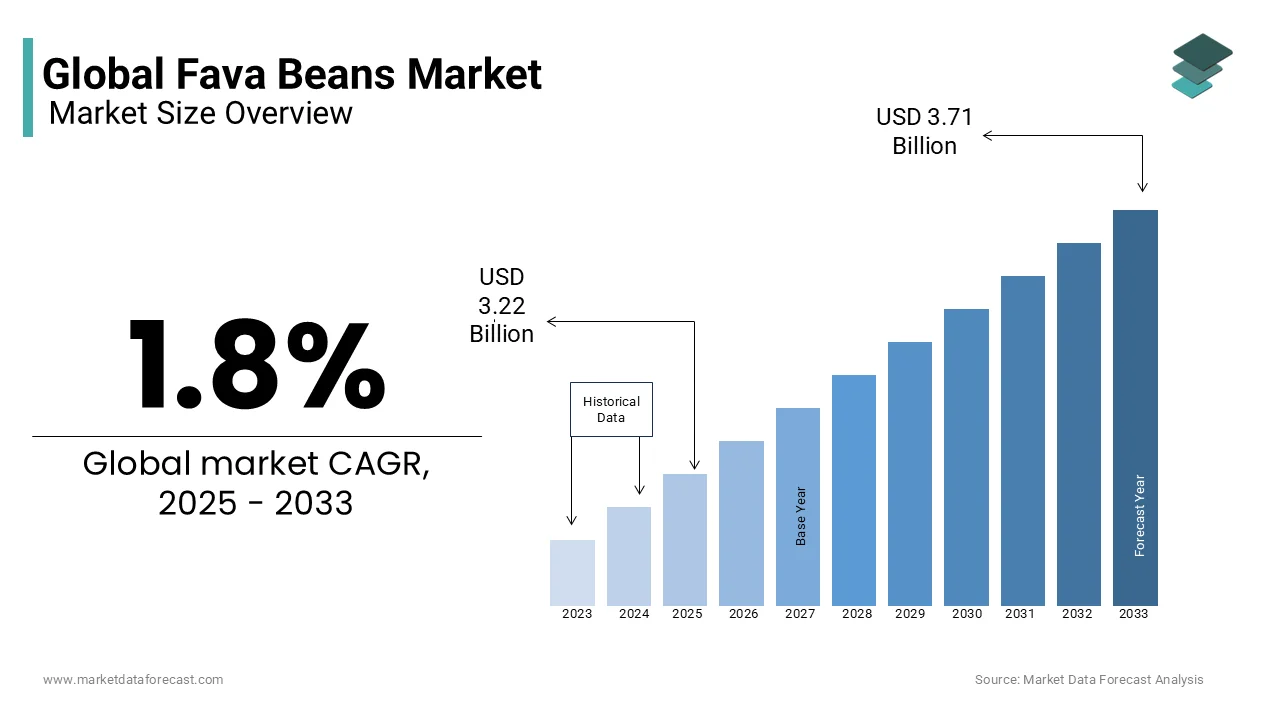
Fava beans (scientific name Vicia flavour) are a type of ancient legume widely known for their buttery texture and nutty flavor. Also known as broad beans these crops are integral to traditional diets in Mediterranean Middle Eastern and Asian regions while gaining traction globally as a sustainable plant based protein source. The market includes fresh dried and processed forms such as flour splits and isolates used in food manufacturing animal feed and emerging alternative protein products. According to the Food and Agriculture Organization of the United Nations global production of dry fava beans exceeded 5 million tons in recent years with China Ethiopia and Australia being leading producers. This agricultural output supports both local consumption and international export markets. As per the World Health Organization the rising prevalence of lifestyle related diseases has intensified the search for nutrient dense foods that offer cardiovascular benefits and dietary fiber. Fava beans are rich in folate iron and antioxidants which align with these health priorities. The crop’s ability to fix nitrogen in soil also makes it a cornerstone of sustainable agricultural practices reducing the need for synthetic fertilizers. Regulatory bodies in Europe and North America are increasingly recognizing legumes as key components of future food security strategies. The integration of fava bean protein into meat analogs and dairy alternatives reflects a broader shift towards functional ingredients. This market operates at the intersection of traditional agriculture and modern food technology driven by environmental sustainability and nutritional awareness.
MARKET DRIVERS
Rising Demand for Plant Based Proteins and Alternative Diets
The escalating demand for plant-based proteins is a main driver for the fava beans market. This is because consumers are increasingly shifting away from animal-derived foods due to health, ethical, and environmental concerns. Fava beans are recognized for their exceptional protein profile containing essential amino acids that support muscle repair and overall health. According to the Good Food Institute (GFI), U.S. retail sales of plant-based foods totaled $8.1 billion in 2024, representing a 4 percent decline in dollar sales compared to 2023. This trend is mirrored globally as individuals seek sustainable dietary options that reduce their carbon footprint. Data from the European Commission highlights that the Farm to Fork Strategy aims to promote plant based diets to achieve climate neutrality by 2050. Fava beans fit perfectly into this framework due to their low water usage and high yield per hectare. As per the International Panel on Climate Change shifting towards plant based diets can reduce food related greenhouse gas emissions by up to 50 percent. The versatility of fava bean protein allows it to be incorporated into various food formats including burgers nuggets and pasta. Food manufacturers are investing in extraction technologies to produce high quality isolates that mimic the texture and taste of meat. This innovation expands the application scope beyond traditional whole bean consumption. The alignment with global sustainability goals ensures long term demand growth. Consumers are also attracted to the non GMO and gluten free nature of fava beans which appeals to those with specific dietary restrictions. This multifaceted appeal drives sustained market expansion.
Sustainable Agricultural Practices and Soil Health Benefits
The adoption of sustainable agricultural practices is significantly boosting the growth of the Fava Beans Market. This trend is driven by farmers seeking crops that enhance soil health and reduce dependency on chemical inputs. Fava beans are nitrogen fixing legumes that convert atmospheric nitrogen into a form usable by plants thereby enriching soil fertility. According to the Rodale Institute, incorporating legumes into crop rotations allows farmers to reduce or even eliminate the need for synthetic nitrogen fertilizers by naturally fixing atmospheric nitrogen in the soil. This reduction lowers production costs for farmers and minimizes environmental pollution from fertilizer runoff. Data from the United Nations Environment Programme indicates that agriculture is responsible for approximately 70 percent of global freshwater withdrawals and significant nutrient pollution. By improving soil structure and biodiversity fava beans contribute to more resilient farming systems. According to USDA and EU agricultural research, the use of cover crops like fava beans helps prevent soil erosion through strong taproots and improves water infiltration and retention by adding organic matter to the soil. Governments in Europe and North America offer subsidies and incentives for farmers who adopt regenerative agriculture practices. These policies encourage the cultivation of legumes as part of sustainable farming systems. The growing awareness of soil degradation among consumers also influences purchasing decisions favoring products grown using eco friendly methods. Fava beans require less water compared to other protein sources such as almonds or beef making them suitable for regions facing water scarcity. This environmental advantage positions fava beans as a preferred crop for sustainable agriculture initiatives. The integration of fava beans into diversified cropping systems supports long term agricultural productivity.
MARKET RESTRAINTS
Prevalence of Favism and Genetic Contraindications
The prevalence of favism, a genetic condition that causes hemolytic anemia upon consumption of fava beans, acts as a major restraint for the Fava Beans Market. This limits the potential consumer base. Favism is caused by a deficiency in the enzyme glucose 6 phosphate dehydrogenase (G6PD) which is relatively common in certain populations. According to the World Health Organization G6PD deficiency affects approximately 400 million people worldwide particularly in Mediterranean African and Asian regions. This significant portion of the global population must avoid fava beans entirely to prevent severe health complications. As per the National Institutes of Health there is no cure for G6PD deficiency making avoidance the only effective management strategy. This biological constraint restricts market penetration in regions with high prevalence rates. Food manufacturers must clearly label products containing fava beans to protect susceptible individuals which adds to compliance costs. The fear of adverse reactions may also deter general consumers who are unaware of their genetic status. Public health campaigns often emphasize caution rather than promotion of fava beans in affected areas. This health risk creates a natural barrier to universal adoption. The industry faces challenges in educating consumers while expanding market reach. The existence of this contraindication necessitates rigorous safety protocols and labeling standards.
Labor Intensive Harvesting and Processing Requirements
Labor intensive harvesting and processing requirements are a significant constraint for the Fava Beans Market. This increases production costs and limites scalability. Unlike some other legumes fava beans often require manual labor for harvesting due to their uneven ripening and delicate pods. According to the International Labour Organization agricultural labor shortages are becoming increasingly acute in many producing regions due to urbanization and aging workforces. As per the United States Department of Agriculture mechanization of fava bean harvesting is challenging due to the risk of pod shattering and seed damage. This reliance on manual labor makes production vulnerable to wage fluctuations and availability issues. Processing fava beans into flour or isolates also involves multiple steps including drying dehulling and milling which require specialized equipment. Smallholder farmers who dominate production in many regions may lack access to advanced processing facilities. This limits their ability to add value to their crops and compete in global markets. The high cost of labor and processing reduces profit margins for producers. Investors may be hesitant to fund large scale operations due to these operational complexities. The industry needs technological innovations to improve harvesting efficiency. Until then labor constraints will continue to hinder market growth.
MARKET OPPORTUNITIES
Expansion into Alternative Protein and Meat Analog Products
The expansion into alternative protein and meat analog products makes way for the growth of the Fava Beans Market. Food technology companies are increasingly seeking these diverse protein sources to meet rising consumer demand. Fava bean protein is gaining recognition for its neutral flavor and excellent functional properties such as emulsification and gelation. According to the Good Food Institute, global investment in alternative protein startups totaled approximately $1.1 billion in 2024, though the global retail market for plant-based products grew to $28.6 billion. Research in food science journals indicates fava bean protein isolates demonstrate comparable functional and textural properties to soy and pea, though specialized blends with pea protein are often used to optimize sensory appeal and fibrous texture. This technical advantage encourages food manufacturers to incorporate fava beans into their formulations. Major food corporations are launching products featuring fava bean protein to differentiate their offerings. The clean label trend supports the use of recognizable ingredients like fava beans. Regulatory approvals for novel food ingredients in key markets facilitate commercialization. Partnerships between farmers and food tech companies ensure a stable supply of high quality raw materials. The versatility of fava bean protein allows it to be used in various applications including dairy alternatives and baked goods. This diversification reduces dependency on traditional markets. The growing acceptance of plant based diets ensures a receptive market. This opportunity positions fava beans as a key player in the future of food.
Development of Value Added Products and Functional Ingredients
The development of value-added products and functional ingredients offers a compelling opportunity in the fava bean market. This enhances profitability and expands the scope of applications. Beyond whole beans fava beans can be processed into flour starch fiber and protein concentrates for use in various industries. Data from the International Food Information Council shows that consumers are actively seeking foods with added health benefits such as high fiber and protein content. The nutritional profile allows manufacturers to make health claims that attract health conscious consumers. The cosmetic industry is also exploring fava bean extracts for their antioxidant properties in skin care products. Pharmaceutical companies are investigating potential therapeutic applications due to the presence of bioactive compounds. Innovation in extraction technologies enables the production of high purity ingredients with consistent quality. These value added products command higher prices than raw beans improving farmer incomes. The development of ready to eat snacks and fortified foods further diversifies the market. This transformation from commodity to specialty ingredient opens new revenue streams. The focus on functionality and health drives innovation.
MARKET CHALLENGES
Susceptibility to Climate Change and Environmental Stressors
Susceptibility to climate change and environmental stressors is a significant challenge for the Fava Beans Market. This affects crop yields and quality consistency. Fava beans are sensitive to extreme temperatures drought and excessive rainfall which are becoming more frequent due to climate change. Data from the Consultative Group on International Agricultural Research indicates that heat stress during flowering can significantly reduce pod set in fava beans. As per the World Meteorological Organization extreme weather events such as floods and droughts have increased in frequency and intensity. These conditions disrupt planting and harvesting schedules leading to supply volatility. Pests and diseases such as chocolate spot and aphids thrive in warmer and humid conditions further threatening crops. Farmers face increased costs for pest management and irrigation to mitigate these risks. The unpredictability of weather patterns makes it difficult to plan production and manage inventory. Supply chain disruptions can lead to price spikes and shortages in the market. Insurance costs for farmers are rising due to increased risk exposure. The industry needs to invest in climate resilient varieties and adaptive farming practices. Breeding programs are working to develop drought tolerant and heat resistant strains. However these solutions take time to implement. The immediate impact of climate change remains a critical hurdle.
Regulatory Hurdles and Labeling Compliance Issues
Regulatory hurdles and labeling compliance issues are major barriers for the fava beans market. This creates barriers to entry and increases operational complexity. Different countries have varying regulations regarding genetically modified organisms allergens and novel food ingredients. Under the EU Novel Food Regulation (2015/2283), fava bean isolates only require strict pre-market approval if they are produced using a new extraction process or if the bean itself lacks a history of safe consumption in the EU before 1997. Standard fava protein isolates often do not require full Novel Food authorization. Data from the United States Food and Drug Administration indicates that labeling requirements for allergens and nutritional claims are stringent and subject to change. The Codex Alimentarius exists to create harmonized international standards to reduce trade complications; it is the national or regional regulations (which may deviate from Codex) that vary and complicate trade. Manufacturers must navigate these diverse regulatory landscapes to ensure compliance. The lack of harmonized standards increases costs for testing documentation and legal advice. Small and medium sized enterprises may struggle to meet these requirements limiting their market access. Consumer confusion regarding labeling can also impact sales if health benefits are not clearly communicated. The presence of anti nutritional factors such as vicine and convicine requires careful processing and labeling to ensure safety. Regulatory bodies are continuously updating guidelines based on new scientific evidence. Keeping pace with these changes requires dedicated resources and expertise. Non compliance can result in product recalls fines and reputational damage. The industry must engage with regulators to advocate for clear and science based standards. This ongoing regulatory uncertainty poses a persistent challenge.
REPORT COVERAGE
| REPORT METRIC | DETAILS |
| Market Size Available | 2025 to 2034 |
| Base Year | 2025 |
| Forecast Period | 2026 to 2034 |
| CAGR | 4.28% |
| Segments Covered | By Application, Distribution Channel, And Region |
| Various Analyses Covered | Global, Regional and Country Level Analysis; Segment-Level Analysis; DROC; PESTLE Analysis; Porter’s Five Forces Analysis; Competitive Landscape; Analyst Overview of Investment Opportunities |
| Regions Covered | North America, Europe, APAC, Latin America, Middle East & Africa |
| Market Leaders Profiled | GrainCorp Limited, BI Nutraceuticals, Dunns (Long Sutton) Limited, Centre State Exports Pty Ltd, Sun Impex B.V, Nuttee Bean Co, Prairie Fava. |
SEGMENTAL ANALYSIS
By Application Insights
The Human Nutrition segment led the Fava Beans Market in 2025. This leading position of the segment is attributed to the deep cultural integration of fava beans in traditional cuisines across the Mediterranean Middle East and Asia as well as their rising popularity as a nutritious plant based protein source. This segment encompasses whole dried beans fresh pods and processed forms like flour used in household cooking and food manufacturing. The top position of the human nutrition segment is largely driven by the entrenched role of fava beans as a dietary staple in numerous cultures where they have been consumed for millennia. In countries such as Egypt Ethiopia and China fava beans are a primary source of affordable protein and calories for millions of people. According to the Food and Agriculture Organization of the United Nations, Egypt is the world's largest consumer of fava beans per capita, with an annual consumption of approximately 6.3 kilograms per person. Data from the Egyptian Ministry of Supply indicates that fava beans are a critical component of the national diet particularly during religious observances such as Ramadan when demand spikes significantly. As per the World Health Organization legumes are recommended as part of a healthy diet to prevent non communicable diseases and fava beans are widely accepted in these regions for their nutritional benefits. The preparation of traditional dishes such as ful medames in the Middle East and doubanjiang in China ensures consistent and high volume demand. This cultural inertia creates a stable market base that is resistant to short term economic fluctuations. The affordability of fava beans compared to animal proteins makes them accessible to lower income populations ensuring broad market penetration. Local supply chains are well established to support this continuous demand. The versatility of fava beans in various culinary applications from stews to snacks further cements their position. This deep rooted consumption habit sustains the leadership of the human nutrition segment. The increasing health consciousness among global consumers significantly contributes to the market leadership of the human nutrition segment as individuals seek nutrient dense foods to improve their well being. Fava beans are rich in protein fiber folate iron and antioxidants which align with modern dietary preferences for functional foods. The high protein content makes them an attractive alternative for vegetarians and vegans who need to meet their daily amino acid requirements. Nutritionists and dietitians frequently recommend legumes including fava beans for heart health due to their ability to lower cholesterol. The gluten free nature of fava beans also appeals to individuals with celiac disease or gluten sensitivity. Media coverage and public health campaigns highlighting the benefits of legume consumption further boost demand. Retailers are expanding their offerings of dried and canned fava beans to meet this growing interest. The perception of fava beans as a superfood enhances their appeal in developed markets. This health driven demand ensures sustained growth and market dominance.
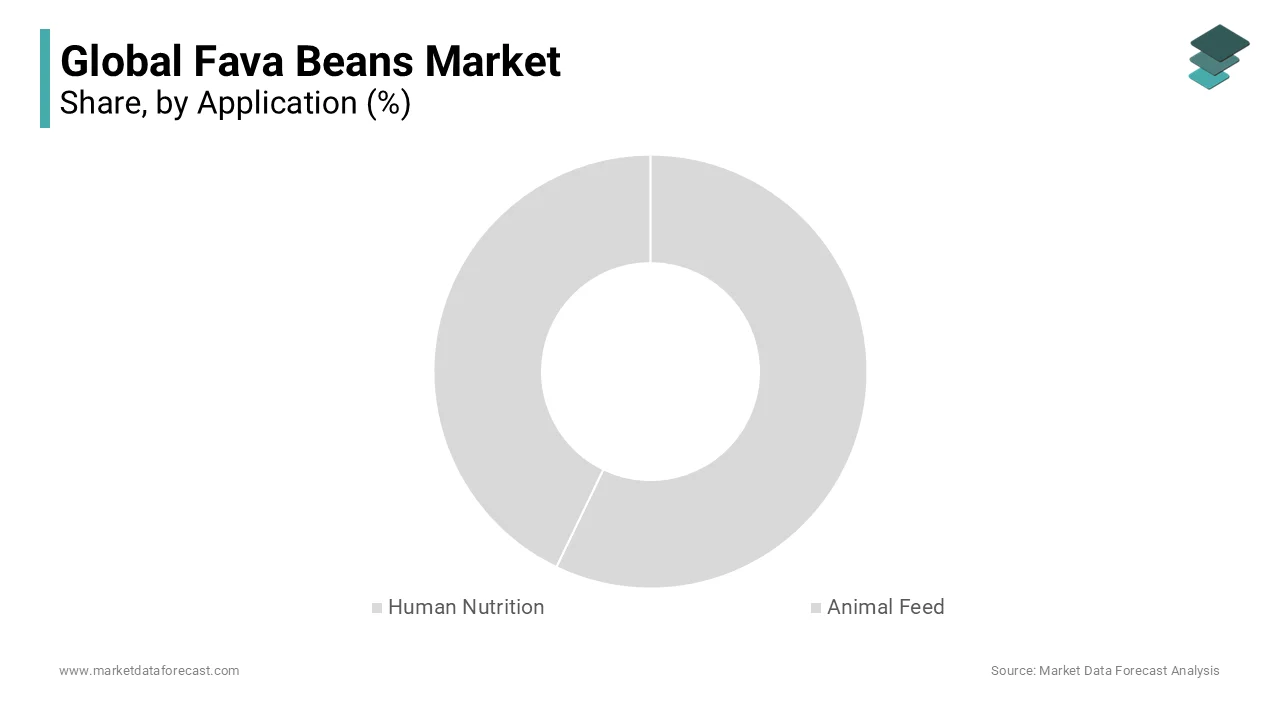
The Animal Feed segment is expected to exhibit a noteworthy CAGR of 6.5% from 2026 to 2034 owing to the search for sustainable and locally sourced protein alternatives to soybean meal in livestock diets. Regulatory pressures and environmental concerns are accelerating this shift. The quick surge of this segment is fueled by regulatory initiatives in Europe and other regions aiming to reduce dependence on imported soybean meal and promote sustainable local protein sources. Fava beans are recognized as an excellent alternative due to their high protein content and ability to be grown locally. According to the European Commission the EU Protein Plan aims to increase the production of plant proteins in Europe to enhance strategic autonomy and sustainability. The substitution reduces the carbon footprint associated with long distance transportation of soy from South America. Government subsidies for growing legumes further incentivize farmers to cultivate fava beans for feed. The environmental benefits of nitrogen fixation also align with green farming policies. Livestock producers are increasingly aware of the sustainability credentials of their supply chains and are adopting fava beans to meet consumer expectations. The availability of low tannin varieties has improved the palatability and digestibility of fava beans for animals. This regulatory and environmental drive creates a robust growth trajectory for the animal feed segment. The cost efficiency and stability of local supply chains significantly accelerate the growth of the animal feed segment as farmers seek to mitigate the volatility of global commodity prices. Soybean meal prices are subject to significant fluctuations due to weather conditions trade disputes and currency exchanges whereas fava beans offer a more stable and predictable local alternative. Livestock farmers value the reliability of local supplies which are less susceptible to global logistical disruptions. The integration of fava beans into crop rotations also breaks pest and disease cycles reducing the need for chemical inputs. This agronomic benefit lowers overall production costs for farmers. The development of specialized feed formulations containing fava beans by major feed manufacturers further facilitates adoption. The economic advantage of using a locally produced high protein crop drives widespread acceptance. This financial incentive ensures rapid expansion of the animal feed segment.
By Distribution Channel Insights
In 2025, the offline distribution channels segment held the majority share of the Fava Beans Market. Most consumers still prefer to purchase agricultural products through physical stores where they can inspect quality and freshness. This segment includes supermarkets hypermarkets specialty stores and local markets. The dominance of the offline segment is primarily driven by the well established retail infrastructure and longstanding consumer habits of purchasing dry goods and fresh produce in physical stores. Supermarkets and hypermarkets offer a wide variety of fava bean products including dried canned and frozen options under one roof. According to sources, more than 90 percent of consumers now purchase groceries through both in-store and online channels, highlighting a shift toward omnichannel shopping rather than a simple 75 percent brick-and-mortar split. Data from the Food Marketing Institute indicates that consumers value the ability to check expiration dates and package integrity when purchasing dried legumes. As per the US Department of Agriculture local farmers markets and specialty grocery stores play a crucial role in distributing fresh fava beans during the harvest season. The tactile experience of selecting products allows consumers to assess quality which is particularly important for fresh produce. Many older consumers who are traditional users of fava beans are less likely to shop online for groceries. The immediate availability of products without shipping delays is another key advantage. Retailers often promote fava beans through in store displays and discounts driving impulse purchases. The extensive network of retail outlets ensures widespread accessibility in both urban and rural areas. This convenience and familiarity sustain the leadership of offline channels. The trust built through face to face interactions with retailers also influences purchasing decisions. The immediate availability of products and the option for bulk purchasing significantly contribute to the market leadership of the offline segment. Consumers often buy fava beans in larger quantities for storage and regular use which is more convenient in physical stores where they can carry heavy bags home immediately. Offline stores also cater to institutional buyers such as restaurants and catering services that require large volumes of fava beans on a regular basis. The logistics of delivering bulk orders are more straightforward for local distributors serving physical stores. The absence of shipping costs for heavy items makes offline purchases more economical for consumers. The instant gratification of taking the product home appeals to spontaneous cooks. Retailers stock diverse varieties including organic and conventional options to meet different needs. This accessibility and flexibility ensure that offline channels remain the primary route to market.
The specialty stores segment is predicted to witness the highest CAGR of 7.8% over the forecast period due to the rising demand for organic heirloom and premium quality fava beans among health conscious and gourmet consumers. These stores offer curated selections that appeal to niche markets. The rapid growth of the specialty stores segment is fueled by the increasing consumer demand for organic non GMO and premium quality fava beans that are not always available in mainstream supermarkets. Specialty stores focus on high quality sourced products that appeal to discerning shoppers. According to the Organic Trade Association, total U.S. organic food sales grew by 5.2 percent in 2024, more than double the growth rate of the overall food market, with the broader "grocery" category (including legumes) growing by 4 percent. As per the Specialty Food Association specialty stores often carry heirloom varieties of fava beans that offer unique flavors and textures attracting gourmet cooks and food enthusiasts. These stores provide detailed information about the origin and farming practices of the products which builds trust with consumers. The emphasis on quality and exclusivity differentiates specialty stores from mass market retailers. Health conscious consumers prefer specialty stores for their strict adherence to clean label standards. The personalized service and expert advice offered by staff further enhance the shopping experience. This focus on premiumization and quality drives loyal customer bases. The growth of the wellness trend supports the expansion of this segment. Specialty stores are becoming destinations for those seeking specific dietary solutions. The effective niche marketing and strong community engagement strategies of specialty stores significantly accelerate their growth in the fava beans market. These stores often collaborate with local farmers and producers to create a sense of community and support local agriculture. These interactive experiences build brand loyalty and encourage repeat visits. Social media campaigns highlighting recipes and health benefits of fava beans also attract younger demographics to specialty stores. The curated assortment allows stores to cater to specific dietary needs such as gluten free or vegan diets. This targeted approach creates a dedicated customer base that values the unique offerings. The ability to adapt quickly to emerging trends gives specialty stores a competitive edge. This community centric model fosters strong relationships and sustains growth.
REGIONAL ANALYSIS
Asia Pacific Fava Beans Market Analysis
Asia Pacific dominated the global Fava Beans Market and occupied a 40.7% share in 2025. This dominance of the APAC market is driven by high production volumes in China and strong consumption patterns in South Asia. The region is a major producer and consumer of fava beans. Moreover, the Asia Pacific market is characterized by the extensive cultivation of fava beans in China which is the world's largest producer. According to the Food and Agriculture Organization of the United Nations China produces over 2 million tons of fava beans annually primarily for domestic consumption. Data from the Chinese Ministry of Agriculture indicates that fava beans are a key crop in rotation systems in southwestern provinces improving soil fertility. As per the Indian Council of Agricultural Research, fava beans are gaining popularity in India as a winter crop for their high nutritional value, though they are specifically noted for being sensitive to drought stress. The growing population and increasing demand for plant based proteins drive market growth. Urbanization is leading to changes in dietary habits with more processed fava bean products entering the market. Government initiatives to promote pulse production support farmers. The region benefits from favorable climatic conditions for cultivation. Export opportunities to neighboring countries are expanding. The integration of fava beans into traditional dishes ensures steady demand. These factors collectively sustain Asia Pacific’s leadership in the global market.
Europe Fava Beans Market Analysis
Europe was the second largest country in the global Fava Beans Market and captured a 25.8% share in 2025. This expansion of the European market is supported by strong agricultural policies and rising demand for plant based proteins. The region is a leader in sustainable farming practices. Also, the European market is distinguished by the European Union’s Protein Plan which encourages the cultivation of legumes to reduce dependency on imports. According to Eurostat, the area harvested for fava beans and other dry pulses in the EU has seen substantial growth, increasing by over 60 percent since 2013 due to CAP greening incentives. : Data from the European Commission indicates that France and the United Kingdom are major producers, supplying both the human nutrition and animal feed sectors. As per the European Feed Manufacturers Federation the use of fava beans in livestock feed is growing due to sustainability goals. Consumer awareness of health benefits drives demand in human nutrition. The organic sector is particularly strong in Northern Europe. Retailers are expanding their ranges of fava bean products. Regulatory support for sustainable agriculture boosts production. The region’s advanced processing industry adds value to raw beans. These structural and policy factors maintain Europe’s strong position.
Middle East and Africa Fava Beans Market Analysis
The Middle East and Africa continues to be a noteworthy player in the global Fava Beans Market owing to traditional consumption and population growth. The region relies heavily on fava beans as a staple food. Besides these, the Middle East and Africa market is influenced by the deep cultural significance of fava beans in countries like Egypt and Ethiopia. According to the Food and Agriculture Organization of the United Nations Egypt is one of the largest consumers of fava beans globally. Data from the Ethiopian Institute of Agricultural Research indicates that fava beans are a critical source of protein for smallholder farmers. As per the World Bank population growth in the region is driving demand for affordable food sources. Government subsidies in some countries support production. Climate change poses challenges to yields but resilience breeding is ongoing. The lack of alternative protein sources keeps demand high. Local markets dominate distribution. Export potential is limited by domestic needs. These dynamics position the region as a key consumption hub.
Latin America Fava Beans Market Analysis
Latin America grew moderately in the global Fava Beans Market due to emerging interest in plant based diets and agricultural diversification. The region is exploring fava beans as a rotational crop. In addition, the Latin American market is characterized by growing awareness of the nutritional benefits of legumes. According to the Inter American Institute for Cooperation on Agriculture fava beans are being promoted as a sustainable crop in Andean countries. Data from the Brazilian Agricultural Research Corporation indicates that trials are underway to adapt fava beans to local conditions. As per the United Nations Economic Commission for Latin America and the Caribbean, urbanization is changing dietary patterns, often leading to increased consumption of ultra-processed foods despite ongoing efforts to promote healthier diets. The animal feed sector is beginning to explore fava beans as a soy alternative. Limited production currently restricts market size. However potential for growth is significant. Government support for sustainable agriculture is increasing. Consumer education campaigns are raising awareness. These factors suggest future expansion.
North America Fava Beans Market Analysis
North America is anticipated to expand significantly in the global Fava Beans Market from 2026 to 2034 owing to the plant based food trend and sustainable farming initiatives. The region is seeing increased cultivation and processing. Also, the North American market is influenced by the rise of alternative protein companies using fava bean isolate. According to the Good Food Institute investment in plant based ingredients is driving demand for diverse protein sources. As per the Canadian Pulse Growers Association fava beans are valued for their soil health benefits in crop rotations. Consumer demand for gluten free and non GMO products supports growth. Processing facilities are expanding to meet ingredient needs. Retail availability is improving in specialty and mainstream stores. The region focuses on high value added products. These trends position North America as a niche but innovative market.
COMPETITIVE LANDSCAPE
The competition in the fava beans market is characterized by a fragmented landscape comprising large multinational agribusinesses regional processors and numerous smallholder farmers. Major players compete on the basis of supply chain efficiency product quality and sustainability credentials rather than just price. Innovation in processing technologies to extract high purity proteins is a key differentiator attracting investment from food tech companies. The rise of plant based diets has intensified competition as companies vie for contracts with alternative protein manufacturers. Private label brands from retailers also pose a threat by offering affordable options to cost conscious consumers. Sustainability certifications such as organic and non GMO are increasingly important competitive factors influencing buyer preferences. Geographic proximity to production hubs provides logistical advantages for some players. Collaborative efforts between farmers and processors are common to ensure stable supplies. The market sees ongoing consolidation as larger entities acquire specialized processors to expand their ingredient portfolios. This dynamic environment requires continuous adaptation to changing consumer trends and regulatory landscapes.
KEY MARKET PLAYERS
Some of the key players in fava beans market are
- GrainCorp Limited
- BI Nutraceuticals
- Dunns (Long Sutton) Limited
- Centre State Exports Pty Ltd
- Sun Impex B.V
- Nuttee Bean Co
- Prairie Fava
Top Players in the Market
- Agrocorp International is a leading global agribusiness company with significant involvement in the sourcing and distribution of pulses including fava beans. The company leverages its extensive supply chain network to connect farmers in producing regions with buyers worldwide. Agrocorp recently invested in advanced cleaning and sorting facilities to enhance product quality and meet stringent international standards. It focuses on sustainable sourcing practices ensuring traceability and reliability for its clients. The corporation actively engages in contract farming initiatives to secure consistent supply volumes. Agrocorp also expands its presence in key markets through strategic partnerships with local distributors. These actions strengthen its market position by ensuring high quality products and reliable delivery schedules while building long term relationships with stakeholders across the global pulse industry.
- Archer Daniels Midland Company is a major player in the global fava beans market utilizing its vast processing infrastructure to produce high quality ingredients for food and feed applications. The company integrates fava beans into its broader protein portfolio offering solutions for plant based nutrition. ADM recently expanded its research and development capabilities to improve extraction technologies for fava bean protein isolates. It collaborates with food manufacturers to create innovative formulations for meat alternatives and dairy substitutes. The corporation emphasizes sustainability by supporting regenerative agriculture practices among its supplier network. ADM also enhances its logistics efficiency to ensure timely delivery of products globally. These strategic initiatives reinforce its leadership in the ingredient sector by providing versatile and sustainable protein solutions that meet evolving consumer demands and regulatory requirements.
- Ebro Foods is a prominent global food company with a strong presence in the rice and pulses sector including fava beans through its subsidiary companies. The company focuses on delivering nutritious and affordable food products to consumers worldwide. Ebro Foods recently acquired specialized pulse processing facilities to expand its product range and enhance value addition capabilities. It invests in brand development and marketing to promote the health benefits of legumes including fava beans. The corporation prioritizes sustainable farming practices and works closely with farmers to improve crop yields and quality. Ebro Foods also strengthens its distribution networks in emerging markets to increase accessibility. These efforts bolster its market position by diversifying its portfolio and meeting the growing demand for plant based proteins while maintaining a commitment to social and environmental responsibility.
Top Strategies Used by the Key Market Participants
Key players in the Fava Beans Market primarily employ vertical integration strategies to control supply chains from farm to fork ensuring quality and consistency. Companies invest heavily in sustainable sourcing initiatives promoting regenerative agriculture to enhance soil health and secure long term raw material availability. Product innovation is another core strategy with firms developing value added ingredients such as protein isolates and flours for the plant based food sector. Strategic partnerships with food manufacturers facilitate the incorporation of fava bean proteins into alternative meat and dairy products. Expansion into emerging markets through localized distribution networks helps capture growing demand in Asia and Africa. Brands also leverage digital platforms for direct to consumer sales and education on nutritional benefits. These multifaceted approaches help participants navigate market dynamics and capitalize on the rising trend towards sustainable and healthy plant based diets.
MARKET SEGMENTATION
This research report on the global fava beans market has been segmented and sub-segmented based on application, distribution channel & region.
By Application
- Human Nutrition
- Animal Feed
By Distribution Channel
- Offline
- Supermarkets/Hypermarkets
- Specialty Stores
- Departmental Stores
By Region
- North America
- Europe
- Apac
- Latin America
- Middle East and Africa