Global Immunotherapy Drugs Market Size, Share, Trends & Growth Analysis Report By Drug Type ( (Monoclonal Antibodies , Interferons, Interleukins ), Application & Region - Industry Forecast (2026 to 2034)
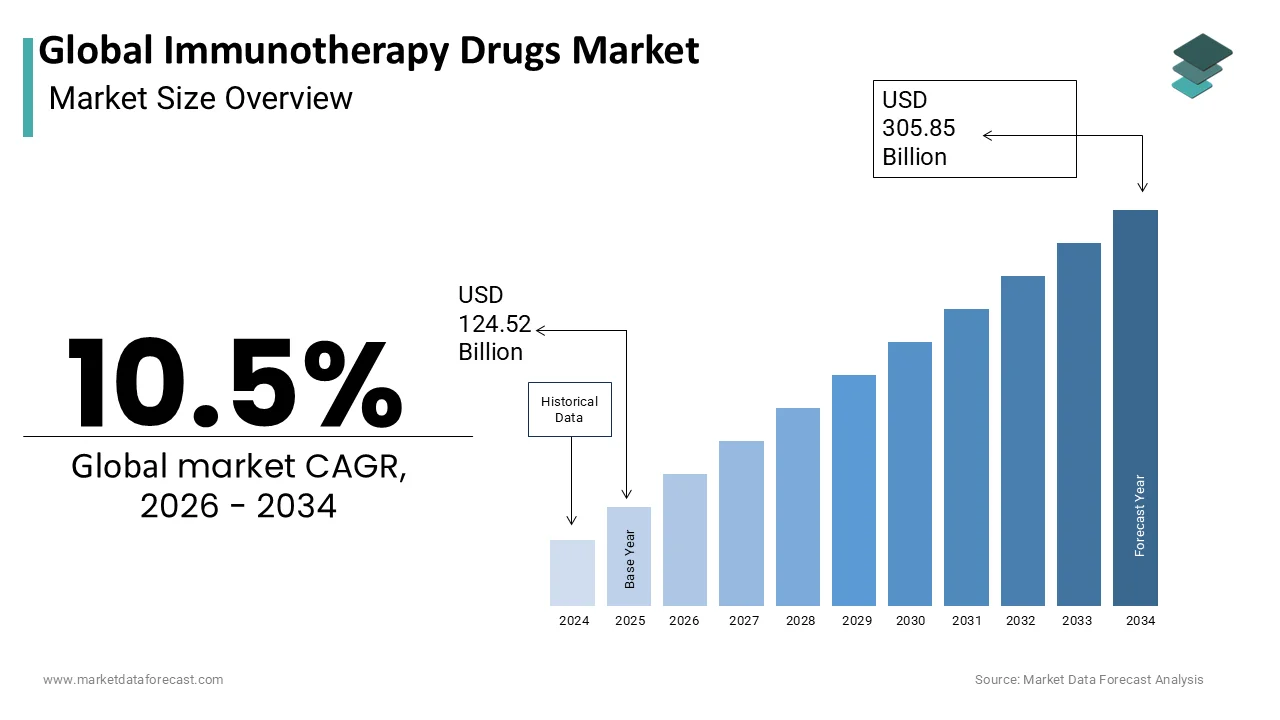
Market Size, 2025
$124.52 BnMarket Estimate, 2026
$137.6 BnMarket Forecast, 2034
$305.85 BnCAGR, 2026–2034
10.5%Global Immunotherapy Drugs Market Size
The Global Immunotherapy Drugs Market is projected to grow from USD 124.52 billion in 2025 to USD 137.60 billion in 2026 and reach USD 305.85 billion by 2034, registering a CAGR of 10.5% during the forecast period from 2026 to 2034.
Immunotherapy drugs represent a transformative class of biologic therapeutics designed to modulate or enhance the natural immune response of the human body to combat severe pathological conditions. Unlike traditional cytotoxic treatments, these advanced biological agents specifically target immune checkpoints, engineer cellular responses, or deploy monoclonal antibodies to eradicate malignant cells and regulate autoimmune dysfunctions. The fundamental premise relies on empowering the human body's own immune system to recognize and destroy disease vectors with unprecedented precision. According to the World Health Organization, cancer remains a predominant global health burden, with approximately 19.3 million new cases documented in the year 2020 alone. Furthermore, as per the Global Burden of Disease Study, autoimmune disorders collectively afflict nearly 4.5% of the worldwide population, underscoring a massive demographic requiring targeted immunological interventions. The escalating prevalence of such chronic and life-threatening conditions necessitates continuous innovation in biological drug development. Medical researchers are increasingly focusing on personalized immunological strategies to overcome the limitations of conventional pharmacology. This paradigm shift is fundamentally altering the landscape of modern medicine, transitioning from broad systemic toxicity to highly specific immune modulation. Consequently, the scientific community continues to invest heavily in understanding immune pathways, ensuring that future therapeutic modalities can address unmet medical needs across diverse patient populations globally, thereby redefining the standards of contemporary clinical care. This relentless pursuit of scientific excellence is fundamentally reshaping the Global Immunotherapy Drugs Market, establishing a new era of precision medicine that prioritizes durable patient outcomes over temporary symptomatic relief.
MARKET DRIVERS
Escalating Global Incidence of Malignant Neoplasms
The relentless surge in cancer diagnoses worldwide is primarily propelling the growth of the immunotherapy drugs market globally. Traditional chemotherapy and radiation often yield suboptimal outcomes for advanced-stage malignancies, prompting oncologists to seek more durable and targeted alternatives. Immunotherapeutic agents, particularly immune checkpoint inhibitors, have demonstrated remarkable efficacy in treating previously refractory tumors by reactivating suppressed T cell responses. According to the World Health Organization, the global cancer burden is projected to reach 28.4 million new cases by the year 2040, representing a staggering 47% increase from 2020 figures. As per the American Cancer Society, lung cancer and melanoma patients have experienced unprecedented survival rate improvements, with five-year survival rates for advanced melanoma increasing from 15% to over 50% following the introduction of programmed death ligand 1 inhibitors. The biological mechanism of these drugs circumvents the resistance pathways that typically render conventional cytotoxic drugs ineffective. Consequently, healthcare systems are increasingly prioritizing the integration of these targeted biologics into first-line therapeutic protocols. The sheer volume of patients requiring effective oncological care ensures a sustained and expanding demand trajectory for these sophisticated pharmaceutical compounds, driving continuous research and commercial deployment across major medical institutions globally to combat this escalating public health crisis. This sustained momentum guarantees that immunological treatments will remain a cornerstone of future oncological care frameworks.
Rapid Technological Innovations in Biologic Therapeutics
Breakthroughs in molecular biology and genetic engineering have fundamentally revolutionized the development and efficacy of immunotherapy drugs, which are further contributing to the global market growth. The advent of chimeric antigen receptor T cell therapies and bispecific antibodies represents a monumental leap in personalized medicine, allowing clinicians to tailor treatments to the unique genetic profile of individual patients. These advanced modalities reprogram the patient's own immune cells to specifically recognize and obliterate malignant targets with minimal collateral damage to healthy tissues. According to the Food and Drug Administration, over 100 distinct monoclonal antibody therapies have been approved since the year 2000, reflecting an exponential acceleration in biopharmaceutical innovation. As per data published by the Alliance for Regenerative Medicine, there were more than 1,300 active clinical trials evaluating cell and gene therapies globally in 2023. This robust pipeline signifies immense confidence in the clinical viability of next-generation immunotherapies. Furthermore, advancements in genomic sequencing have drastically reduced the time required to identify novel tumor antigens, streamlining the drug discovery process. The continuous refinement of these sophisticated biological platforms ensures that immunotherapy remains at the forefront of modern medical science, consistently generating new avenues for treating complex and previously incurable diseases while attracting substantial venture capital investments into the biotechnology sector.
MARKET RESTRAINTS
High Incidence of Severe Immune-Mediated Adverse Events
Despite their transformative potential, immunotherapy drugs frequently induce profound and sometimes life-threatening immune-related toxicities that significantly restrict their broader clinical adoption, which is significantly impeding the global immunotherapy drugs market growth. By artificially stimulating the immune system, these agents can trigger autoimmune reactions against healthy organs, leading to conditions such as pneumonitis, colitis, or severe dermatological reactions. According to a study published in the Oncologist, up to 30% of patients receiving certain immune checkpoint inhibitors experience grade 3 or grade 4 adverse events, which are defined as severe or life-threatening complications requiring immediate medical intervention. As per a comprehensive study published in the Journal of Clinical Oncology, cytokine release syndrome affects up to 90% of patients undergoing certain chimeric antigen receptor T cell therapies, necessitating intensive care management and the administration of potent immunosuppressive agents like tocilizumab. These unpredictable and potentially fatal side effects demand rigorous patient monitoring and specialized clinical expertise, which are often unavailable in standard community healthcare settings. Consequently, the inherent safety risks associated with hyperactivating the immune system create substantial hesitation among both prescribing physicians and regulatory bodies, ultimately slowing down the widespread prescription and accessibility of these advanced biological treatments across diverse global populations and limiting their overall therapeutic utility. This clinical caution inherently restricts the rapid scaling of these therapies, presenting a formidable barrier to widespread market penetration.
Prohibitive Financial Burdens and Complex Reimbursement Frameworks
The astronomical costs associated with developing, manufacturing, and administering immunotherapy drugs present a formidable barrier to universal patient access and market penetration, which is further hampering the immunotherapy drugs market expansion. Unlike traditional small molecule drugs, biologic therapies require highly specialized production facilities and intricate cold chain logistics, driving the per-patient treatment cost to extraordinary levels. According to the Institute for Clinical and Economic Review, the list price for a single course of chimeric antigen receptor T cell therapy frequently exceeds 400,000 USD, placing an immense financial strain on both healthcare systems and individual patients. As per the World Health Organization, out-of-pocket healthcare expenditures force millions of individuals into poverty annually, and the addition of ultra-expensive biologic treatments exacerbates this global inequity. Furthermore, navigating the labyrinthine reimbursement policies of public and private insurance providers often results in prolonged approval delays or outright denials for these novel therapies. Many health technology assessment agencies demand extensive long-term survival data before agreeing to cover such high-cost interventions. This financial friction severely limits the commercial scalability of immunotherapy drugs, confining their availability predominantly to affluent demographics or well-funded academic medical centers, thereby restricting the overall market expansion and leaving a vast majority of eligible patients without access to life-saving care and stifling the potential public health impact of these revolutionary medical advancements.
MARKET OPPORTUNITIES
Broadening Therapeutic Applications beyond Oncology
While initially pioneered for cancer treatment, immunotherapy drugs are now demonstrating remarkable efficacy in managing a diverse array of conditions outside of oncology, which is opening vast new commercial and clinical frontiers for the immunotherapy drugs market. Researchers are actively repurposing immune-modulating agents to treat chronic autoimmune diseases, severe allergic reactions, and even certain infectious diseases by recalibrating the dysregulated immune responses characteristic of these pathologies. According to the Centers for Disease Control and Prevention, over 54 million adults in the United States have been diagnosed with some form of arthritis, representing a massive addressable patient population for targeted immunological interventions. As per the Multiple Sclerosis International Federation, approximately 2.8 million people worldwide live with multiple sclerosis, a condition increasingly viewed as a prime candidate for emerging tolerance-inducing immunotherapies. The successful adaptation of monoclonal antibodies to neutralize specific inflammatory cytokines has already yielded highly lucrative blockbuster drugs in the rheumatology sector. Expanding the indication portfolio of existing immunotherapy platforms into these prevalent chronic conditions allows pharmaceutical companies to diversify their revenue streams and mitigate the risks associated with oncology-specific market saturation. This strategic therapeutic diversification promises to unlock unprecedented growth avenues and significantly extend the commercial lifecycle of current biological assets while simultaneously addressing critical unmet medical needs in chronic disease management globally. Such expansion fundamentally redefines the utility of these biological agents.
Synergistic Integration of Artificial Intelligence in Biopharmaceutical Development
The convergence of artificial intelligence and immunology is catalyzing a new era of accelerated drug discovery and optimized therapeutic design, which is another promising opportunity for the immunotherapy drugs market. Machine learning algorithms can now analyze vast genomic datasets to identify novel tumor antigens and predict patient-specific immune responses with remarkable accuracy, drastically reducing the traditional timelines associated with biologic development. According to a publication in Nature Reviews Drug Discovery, the application of artificial intelligence in early-stage drug discovery can reduce development timelines by up to 40% while simultaneously lowering research and development expenditures. As per data from the Massachusetts Institute of Technology, artificial intelligence models have successfully identified several novel immune checkpoint targets that were previously overlooked by conventional screening methods. These computational platforms enable the rational design of next-generation bispecific antibodies and optimized chimeric antigen receptor constructs, enhancing their binding affinity and minimizing off-target toxicities. By leveraging predictive analytics, pharmaceutical developers can prioritize the most promising biological candidates for clinical trials, thereby increasing the overall probability of regulatory approval. This technological synergy not only enhances the efficacy and safety profiles of future immunotherapy drugs but also presents a massive opportunity for technology-driven biopharmaceutical firms to capture significant market share through innovative and highly targeted therapeutic solutions that redefine the boundaries of modern precision medicine.
MARKET CHALLENGES
Intricate Manufacturing Processes and Supply Chain Fragility
The production of advanced immunotherapy drugs, particularly autologous cell therapies, involves extraordinarily complex and highly personalized manufacturing workflows that pose severe operational challenges. Unlike traditional pharmaceuticals produced in large homogeneous batches, therapies like chimeric antigen receptor T cell treatments require the extraction of patient cells, genetic modification in a specialized facility, and subsequent reinfusion, all within a strict temporal window. According to the Alliance for Regenerative Medicine, the manufacturing failure rate for personalized cell therapies can reach up to 10% due to logistical delays or cellular viability issues during transit. As per the European Medicines Agency, maintaining the requisite cold chain infrastructure for these living drugs across international borders remains a persistent vulnerability, with temperature excursions frequently compromising product integrity. The need for decentralized manufacturing hubs or highly automated closed system bioreactors is becoming increasingly urgent to scale production effectively. However, the capital expenditure required to build such specialized facilities is immense, creating a significant bottleneck for emerging biotechnology companies. These supply chain fragilities and manufacturing complexities directly threaten the reliable delivery of treatments to patients, posing a formidable challenge to the consistent global expansion and commercial viability of the immunotherapy sector, ultimately hindering the ability to meet the growing global demand for these life-altering medical interventions. Resolving these logistical hurdles remains a paramount objective for industry stakeholders.
Stringent Regulatory Hurdles and Evolving Clinical Trial Paradigms
Navigating the complex and frequently shifting regulatory landscape for novel immunotherapeutic agents presents a formidable obstacle for pharmaceutical developers seeking global market approval. Regulatory bodies such as the United States Food and Drug Administration and the European Medicines Agency continuously update their guidelines to address the unique mechanisms and safety profiles of biological drugs, often demanding extensive and highly specific clinical data. According to the European Medicines Agency, the evaluation process for novel biologic entities can frequently exceed 12 months, with regulators frequently requesting additional long-term follow-up data to assess delayed immune toxicities. As per the Clinical Trials Transformation Initiative, the design of adaptive clinical trials for immunotherapies requires specialized statistical methodologies, increasing the complexity and cost of trial execution by an estimated 25% compared to traditional small molecule studies. The lack of harmonized global regulatory standards further complicates multinational development programs, forcing companies to navigate disparate approval pathways in different jurisdictions. This regulatory uncertainty prolongs the time to market, escalates development costs, and introduces significant financial risk, challenging the ability of biopharmaceutical firms to efficiently bring innovative immunotherapy drugs to the patients who urgently need them, thereby stifling the pace of medical innovation and limiting the timely availability of advanced therapeutic options worldwide.
REPORT COVERAGE
| REPORT METRIC | DETAILS |
| Market Size Available | 2025 to 2034 |
| Base Year | 2025 |
| Forecast Period | 2026 to 2034 |
| Segments Analysed | By Drug Type, Application, and Region |
| Various Analyses Covered | Global, Regional & Country Level Analysis, Segment-Level Analysis, Drivers, Restraints, Opportunities, Challenges, PESTLE Analysis, Porter’s Five Forces Analysis, Competitive Landscape, Analyst Overview on Investment Opportunities |
| Regions Analysed | North America, Europe, Asia Pacific, Latin America, the Middle East, and Africa |
| Market Leaders Profiled | Merck, Roche, Eli Lilly, Amgen, Novartis, Celgene, AstraZeneca |
SEGMETNAL ANALYSIS
By drug type Insights
The monoclonal antibodies segment held the dominating position in the global market by holding 57.9% of the global market share in 2025. The dominance of this segment is primarily driven by its broad clinical utility and favorable pharmacokinetic profiles across diverse therapeutic areas. The versatility of monoclonal antibodies allows them to target a vast array of antigens across multiple disease states. According to the World Health Organization, autoimmune diseases affect approximately 4.5% of the global population, creating a massive addressable market for these targeted biological agents. Furthermore, the American Cancer Society notes that over 10 million people worldwide are living with a history of cancer, many of whom require sustained biological therapy to prevent recurrence. The ability of these large protein molecules to bind specifically to disease-causing targets without disrupting normal cellular functions makes them indispensable in modern clinical practice. This broad applicability ensures continuous prescription volumes across diverse medical specialties, solidifying their dominance in the therapeutic landscape. The continuous expansion of approved indications for existing monoclonal antibodies further cements their leading position, as clinicians increasingly rely on these proven biological frameworks to manage complex chronic conditions effectively across diverse global populations and varied healthcare settings.
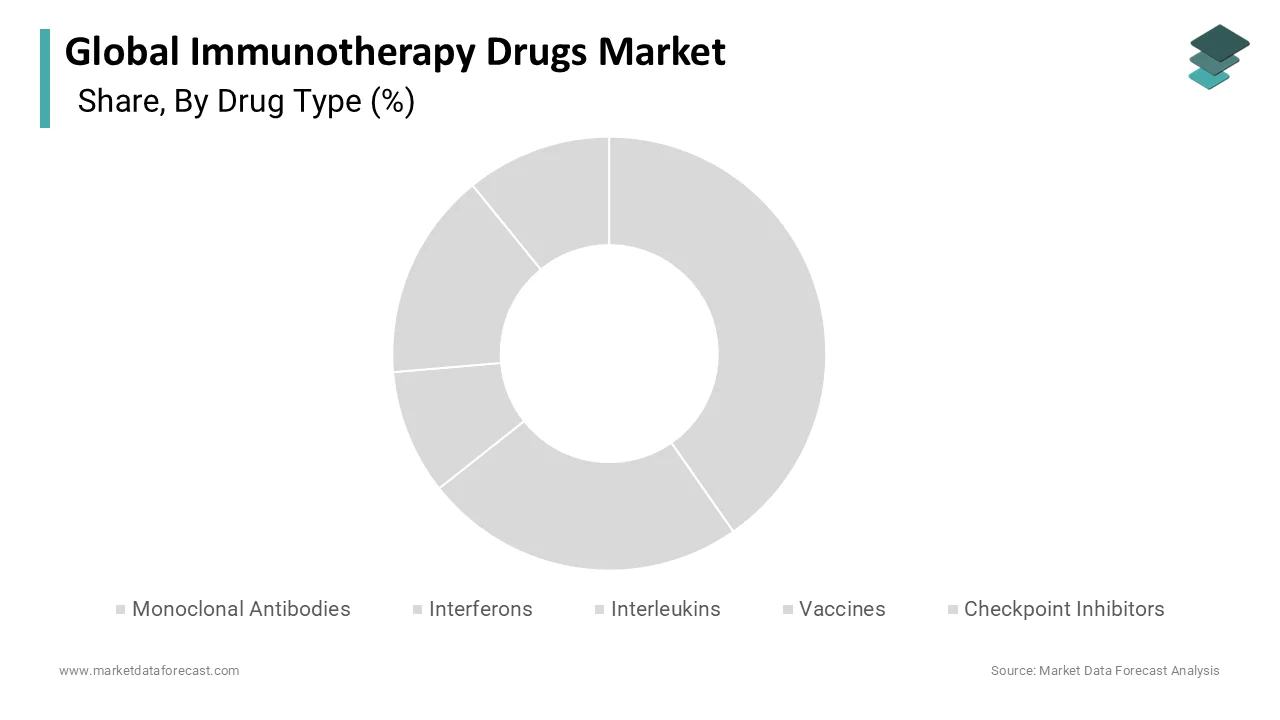
On the other side, the checkpoint Inhibitors segment is anticipated to record a promising CAGR of 15.4% during the forecast period, owing to the biomarker-driven approvals and the success of synergistic combination regimens. The integration of companion diagnostics has dramatically accelerated the regulatory approval and clinical adoption of checkpoint inhibitors. According to the United States Food and Drug Administration, the approval of therapies targeting programmed death ligand 1 expression has expanded to include over 15 distinct solid tumor indications in the past five years. This precision medicine approach ensures that only patients with the highest probability of response receive the treatment, thereby optimizing clinical outcomes and resource allocation. As per the College of American Pathologists, the implementation of standardized immunohistochemistry testing has increased the identification of eligible patients by approximately 40% globally. The continuous refinement of these predictive biomarkers allows pharmaceutical developers to design highly focused clinical trials with higher success rates, ultimately reducing the overall time and financial investment required to bring novel therapies to market. This synergistic relationship between diagnostic innovation and therapeutic development creates a rapid feedback loop, continuously unlocking new patient populations and driving the exponential growth trajectory of checkpoint inhibitors in the global oncology landscape.
By Application Insights
The lung cancer segment dominated the market by capturing 26.9% of the global market share in 2025. The dominance of this segment is driven by high global disease prevalence and high rates of late-stage diagnosis. The staggering incidence of lung cancer globally creates an immense and sustained demand for advanced immunotherapeutic interventions. According to the Global Cancer Observatory, lung cancer accounts for nearly 12.4% of all new cancer diagnoses worldwide, with approximately 2.5 million new cases identified in the year 2022 alone. This massive patient pool provides a substantial foundation for the widespread adoption of immune-based treatments. As per the International Agency for Research on Cancer, the continuous rise in global life expectancy and historical smoking patterns in emerging economies are projected to increase the absolute number of lung cancer cases by 20% over the next decade. The sheer volume of patients requiring effective systemic therapy ensures that lung cancer remains the primary focus of pharmaceutical research and commercialization efforts, attracting massive capital investments into targeted drug discovery programs. This enduring epidemiological burden guarantees a steady stream of clinical trial participants and a robust commercial market for novel immunotherapies targeting this specific malignancy.
On the other hand, the melanoma segment is the fastest-growing segment in the application category and is predicted to register a CAGR of 15.9% during the forecast period in the global market, owing to its exceptional immunogenicity and the expansion into early-stage adjuvant settings. Melanoma exhibits one of the highest tumor mutational burdens among all solid tumors, making it exceptionally responsive to immune system reactivation. According to the American Academy of Dermatology, ultraviolet radiation-induced DNA damage results in thousands of genetic mutations per tumor cell, creating numerous novel neoantigens that the immune system can readily recognize. This high immunogenicity is the primary reason melanoma was the first solid tumor to demonstrate dramatic and durable responses to checkpoint blockade. As per research published in Nature Medicine, the presence of a high mutational burden correlates with a 3-fold increase in the likelihood of achieving a complete pathological response following immunotherapy. The unique biological characteristics of melanoma cells ensure that immune-based therapies achieve unprecedented efficacy rates compared to other malignancies. This profound biological responsiveness continues to drive rapid clinical adoption and extensive research investments, propelling melanoma to the forefront of the fastest-growing application segments in the immunotherapy landscape and setting new standards for targeted cancer care.
COUNTRY LEVEL ANALYSIS
North America Immunotherapy Drugs Market Analysis
North America dominated the market with the highest share of the global market in 2025 and is highly anticipated to maintain its dominant market position and experience substantial growth in biotechnology innovations over the next few years. The market status in this region is characterized by rapid adoption of novel biological agents and a highly sophisticated healthcare infrastructure. According to the Centers for Disease Control and Prevention, the United States alone accounts for nearly 40% of all global clinical trials evaluating new immunotherapeutic compounds, ensuring early access to breakthrough treatments. As per the National Institutes of Health, federal funding for cancer immunology research exceeded 6 billion USD in the fiscal year 2023, providing a robust financial foundation for continuous innovation. The presence of major pharmaceutical headquarters and favorable reimbursement policies for high-cost biologics further accelerates market penetration. Furthermore, the high prevalence of chronic diseases and an aging population create a substantial addressable patient base. The seamless integration of advanced diagnostics and targeted therapies within academic medical centers ensures that North America remains the undisputed leader in both the clinical application and commercial success of immunotherapy drugs worldwide. This unparalleled ecosystem of innovation and clinical excellence guarantees that the region will continue to dictate global pricing trends and therapeutic standards for the foreseeable future.
Europe Immunotherapy Drugs Market Analysis
Europe is projected to steadily expand its market presence and advance its clinical implementation capabilities over the next few years. The market status across the continent reflects a strong commitment to evidence-based medicine and equitable patient access to advanced therapies. According to the European Commission, the centralized approval pathway through the European Medicines Agency ensures that innovative immunotherapy drugs reach patients across all member states simultaneously, streamlining market entry. As per the European Cancer Organisation, over 2.7 million new cancer cases are diagnosed annually in the European Union, driving a consistent and substantial demand for effective oncological interventions. The implementation of health technology assessments in countries like Germany and the United Kingdom carefully balances clinical efficacy with economic sustainability, shaping unique pricing and reimbursement dynamics. Despite these complex evaluation processes, the strong public healthcare funding and high awareness levels among both physicians and patients facilitate the steady adoption of immune-modulating treatments. Consequently, Europe remains a critical pillar of the global immunotherapy market, characterized by high clinical standards and structured market growth. This structured approach to market access ensures that only therapies demonstrating clear clinical value are widely adopted, maintaining high standards of patient care across the continent.
Asia Pacific Immunotherapy Drugs Market Analysis
Asia Pacific is expected to demonstrate robust market expansion and witness an acceleration in the development of targeted biological formulations over the next few years. The market status in this diverse region is defined by increasing healthcare expenditures, rising awareness of advanced treatment options, and a massive patient population. According to the World Bank, healthcare spending in emerging Asian economies has grown by an average of 8% annually over the past five years, enabling broader access to expensive biological therapies. As per the International Agency for Research on Cancer, the Asia Pacific region accounts for nearly 60% of the global burden of gastric and esophageal cancers, creating a unique and substantial demand for localized immunotherapy research and development. Governments in countries like China and Japan are actively accelerating the approval processes for novel oncology drugs to meet domestic needs. The proliferation of local biotechnology companies developing biosimilar immunotherapies is also significantly reducing treatment costs. This combination of rising affluence, high disease prevalence, and robust domestic innovation ensures that the Asia Pacific will experience the most rapid expansion in the coming decade. These dynamic socioeconomic factors collectively position the region as the most lucrative frontier for future therapeutic investments and commercial expansion strategies.
Latin America Immunotherapy Drugs Market Analysis
Latin America is anticipated to gradually strengthen its regional clinical framework and slowly transition toward modernized pharmaceutical distribution structures over the next few years. The market status in this region is currently transitioning from basic systemic treatments to more advanced biological interventions, albeit at a slower pace than developed regions. According to the Pan American Health Organization, the integration of essential cancer medicines into national public health formularies has improved patient access to basic immunotherapies in countries like Brazil and Mexico.
COMPETITIVE LANDSCAPE
The competitive landscape of the global therapeutic market is intensely dynamic, characterized by the relentless pursuit of scientific innovation and clinical superiority. Major pharmaceutical corporations continuously vie for dominance by expanding their biological portfolios through aggressive research and development initiatives. The rivalry is particularly fierce in the oncology sector, where companies strive to identify novel immune checkpoints and develop next-generation cellular therapies. This intense competition drives rapid advancements in biomarker discovery and combination treatment protocols, ultimately benefiting patients through improved survival outcomes. Furthermore, the emergence of specialized biotechnology firms introduces disruptive technologies that challenge established industry giants, forcing continuous adaptation and strategic realignment. Patent expirations for blockbuster biological agents further intensify the competitive pressure, prompting original manufacturers to develop follow-on biologics and reformulate existing products to maintain their commercial foothold. Consequently, the market remains highly fragmented yet concentrated among a few dominant players who possess the substantial financial resources required to navigate the complex regulatory pathways and sustain the massive capital expenditures necessary for bringing advanced immunotherapeutic agents to the global clinical stage effectively while maximizing overall therapeutic impact and ensuring long-term commercial viability across diverse international healthcare systems and rapidly evolving medical research environments today globally.
KEY MARKET PLAYERS
Some of the companies that are playing a dominating role in the Global Immunotherapy Drugs Market include
- Merck & Co., Inc.
- F. Hoffmann-La Roche Ltd.
- Eli Lilly and Company
- Amgen Inc.
- Novartis AG
- Celgene Corporation
- AstraZeneca PLC
- Bristol Myers Squibb Company
- GlaxoSmithKline plc
- Seattle Genetics, Inc. (Seagen Inc.)
TOP LEADING PLAYERS IN THE MARKET
- Merck and Co maintains a formidable presence in the global therapeutic landscape through its relentless focus on oncology and immunology research. The company has heavily invested in expanding the clinical utility of its flagship programmed death 1 inhibitor across numerous solid tumor indications. Recently, the organization initiated multiple phase 3 clinical trials evaluating combination regimens in early-stage diseases to capture patients before metastasis occurs. By continuously exploring novel biomarkers and synergistic drug combinations, the corporation ensures its biological portfolio remains at the forefront of clinical innovation, significantly advancing patient survival outcomes globally. These efforts significantly enhance their global therapeutic footprint and improve patient care.
- Bristol Myers Squibb demonstrates profound involvement in the market by pioneering the development of dual checkpoint blockade strategies and cellular therapies. The corporation recently expanded its manufacturing capabilities to meet the surging global demand for its cytotoxic T lymphocyte-associated protein 4 inhibitors and novel chimeric antigen receptor T cell treatments. Through strategic acquisitions of emerging biotechnology firms, the company has successfully integrated next-generation immune engagers into its robust pipeline. These proactive initiatives solidify its reputation as a transformative leader in delivering advanced biological solutions for complex hematological and solid malignancies worldwide today across diverse clinical settings and environments.
- Roche leverages its comprehensive diagnostics and pharmaceuticals ecosystem to drive personalized immunotherapy solutions across the global market. The organization recently launched several companion diagnostic assays to precisely identify patients eligible for its programmed death ligand 1 targeted biological agents. By seamlessly integrating tissue and blood-based biomarker testing with its therapeutic portfolio, the corporation enhances treatment efficacy and optimizes clinical decision-making. Furthermore, extensive investments in artificial intelligence-driven drug discovery platforms are accelerating the identification of novel immune targets, ensuring sustained innovation and prolonged commercial relevance in the highly competitive biopharmaceutical sector globally for many years ahead.
TOP STRATEGIES USED BY KEY MARKET PARTICIPANTS
Key participants in the global therapeutic landscape predominantly utilize strategic collaborations and extensive research partnerships to accelerate drug discovery and development. Mergers and acquisitions remain a critical approach for acquiring novel pipeline assets and expanding therapeutic portfolios into new clinical indications. Furthermore, companies are heavily investing in advanced manufacturing technologies to reduce production costs and improve the supply chain reliability of complex biological agents. Expanding into emerging markets through localized clinical trials and strategic pricing agreements also serves as a vital strategy to capture untapped patient populations and ensure long-term commercial sustainability across diverse global healthcare systems today.
RECENT HAPPENINGS IN THE MARKET
- In January 2019, Alligator Biosciences announced a novel concept in bispecific antibody formats, RUBY. The ability to give generative therapeutic antibodies that are both efficient and highly manufacturable.
- In November 2019, Myriad Genetics announced that Japan’s Health, Welfare, and Labor had approved the BRCASS Analysis Diagnostic system to help physicians determine which women with breast cancer have Hereditary Breast and Ovarian Cancer syndrome.
- In December 2019, the US FDA approved AstraZeneca Lynparza and Myriad Genetics’ CDx for BRCA as a maintenance treatment for certain metastatic pancreatic cancer patients.
- In November 2019, Myriad Genetics presented new test Data in the autoimmune system at the Annual Meeting in Atlanta, GA.
- In October 2019, the U.S. FDA expanded the approval for GSKs as a fourth or later-line treatment option for advanced ovarian, fallopian tube, or primary peritoneal cancer patients who have homologous recombination deficiency.
MARKET SEGMENTATION
This research report on the global immunotherapy drugs market has been segmented and sub-segmented based on the drug type, application, and region.
By Drug Type
- Monoclonal Antibodies
- Interferons
- Interleukins
- Vaccines
- Checkpoint Inhibitors
By Application
- Blood Cancer
- Cervical Cancer
- Breast Cancer
- Glioblastoma
- Lung Cancer
- Gastric Cancer
- Prostate Cancer
- Melanoma
By Region
- North America
- Europe
- Asia Pacific
- Latin America
- Middle East & Africa
Frequently Asked Questions
How much is the global immunotherapy drugs market going to be worth by 2033 ?
As per our research report, the global immunotherapy drugs market size is projected to be USD 205.14 billion by 2033.
At What CAGR, the global immunotherapy drugs market is expected to grow from 2024 to 2033?
The global immunotherapy drugs market is estimated to grow at a CAGR of 10.5% from 2024 to 2033.
Which are the significant players operating in the immunotherapy drugs market?
Merck, Roche, Eli Lilly, Amgen, Novartis, Celgene, AstraZeneca, Bristol Myers Squibb, GlaxoSmithKline PLC, and Seattle Genetics are some of the significant players in immunotherapy drugs market
Related Reports
Access the study in MULTIPLE FORMATS
Purchase options starting from
$ 2500
Didn’t find what you’re looking for?
TALK TO OUR ANALYST TEAM
Need something within your budget?
NO WORRIES! WE GOT YOU COVERED!
Call us on: +1 888 702 9696 (U.S Toll Free)
Write to us: sales@marketdataforecast.com