- Product Description Description
- Table of Contents TOC
- List of Table & Figure LOT
- Get Free Sample PDF Sample PDF
Market Size, 2025
$218.5 MnMarket Estimate, 2026
$301.1 MnMarket Forecast, 2034
$4018 MnCAGR, 2026–2034
38.2%Global Hemp Oil Market Report Summary
The global hemp oil market was valued at USD 218.49 million in 2025, is estimated to reach USD 301.96 million in 2026, and is projected to reach USD 4,018.04 million by 2034, growing at a CAGR of 38.2% during the forecast period. Market growth is driven by increasing demand for plant-based and natural products, rising awareness of hemp oil benefits in personal care and wellness applications, and expanding legalization and regulatory support in several regions. Hemp oil is widely used for its nutritional, therapeutic, and skincare properties, which is boosting its adoption across cosmetics, pharmaceuticals, and food products. In addition, the growing trend toward organic and clean label ingredients is significantly accelerating market expansion.
Key Market Trends
- Rising demand for natural and plant-based ingredients is driving growth in the hemp oil market.
- Increasing use of hemp oil in personal care and skincare products is boosting market expansion.
- Growing awareness of nutritional and therapeutic benefits is supporting adoption.
- Expansion of legalization and regulatory frameworks is enhancing market opportunities.
- Rising popularity of organic and clean label products is influencing consumer preferences.
Segmental Insights
- Based on type, the hemp seed oil segment was the largest and held 44.7% of the global hemp oil market share in 2025. This dominance is attributed to its widespread use in food, cosmetics, and wellness products due to its rich nutrient profile.
- Based on application, the personal care products segment accounted for 36.9% of the global hemp oil market share in 2025. The segment’s growth is driven by increasing use in skincare, haircare, and cosmetic formulations.
Regional Insights
- The global hemp oil market is experiencing rapid growth across regions, supported by increasing consumer awareness and regulatory developments.
- North America was the largest contributor, accounting for 40.6% of the global hemp oil market share in 2025, driven by favorable regulations, strong consumer demand, and well established distribution channels.
Competitive Landscape
The global hemp oil market is highly competitive, with key players focusing on product innovation, quality standards, and expansion of distribution networks to strengthen their market position. Companies are investing in organic sourcing, advanced extraction technologies, and branding strategies. Prominent players in the global hemp oil market include Isodiol International Inc, HempLife Today, Hemp Oil Canada Inc, Medical Marijuana Inc, Folium Biosciences, CV Sciences Inc, Pharmahemp d o o, Gaia Botanicals LLC, Canazil, Kazmira, Spring Creek Labs, and others.
 Download Free Sample Report
Global Hemp Oil Market Size
The Global hemp oil market size was valued at USD 218.49 million in 2025, and the global market size is expected to reach USD 4,018.04 million by 2034 from USD 301.96 million in 2026. The market is growing at a CAGR of 38.2% during the forecast period.
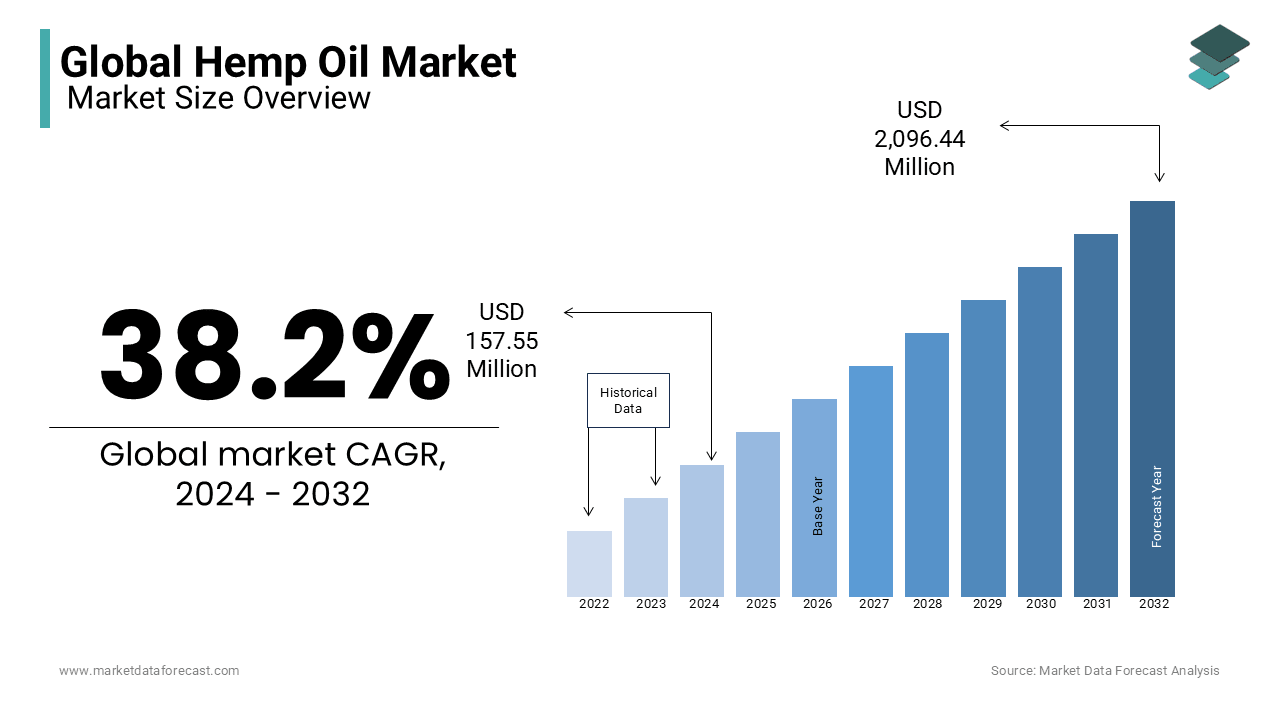
Hemp oil is an extraction of oil derived from the seeds of the Cannabis sativa plant and is distinct from cannabidiol or CBD oil, which is extracted from flowers and leaves. This nutrient rich liquid is characterized by an optimal ratio of omega 6 to omega 3 fatty acids, making it a valuable ingredient in dietary supplements, cosmetics, and industrial applications. The market definition includes cold pressed hemp seed oil used primarily for culinary and skincare purposes, due to its high content of gamma linolenic acid and antioxidants. According to the Food and Agriculture Organization of the United Nations, the world production of hemp tow waste and fibers reached approximately 285,000 tonnes in 2022, reflecting its modern industrial revival driven by sustainable agricultural practices. According to the United States Department of Agriculture, hemp requires significantly less water than cotton and no pesticides during cultivation, which is aligning with global sustainability goals. As per the World Health Organization, increasing prevalence of lifestyle diseases has shifted consumer focus toward preventive nutrition where hemp oil plays a crucial role. Regulatory frameworks, such as the 2018 Farm Bill in the United States, have legalized hemp cultivation, removing it from the controlled substances list provided tetrahydrocannabinol levels remain below 0.3%. This legal distinction has catalyzed investment in processing infrastructure and product innovation. The market is further defined by its versatility, serving sectors ranging from food and beverage to personal care and biofuels. Consumer awareness regarding the environmental benefits of hemp cultivation continues to drive demand, positioning hemp oil as a cornerstone of the green economy.
MARKET DRIVERS
Surging Demand for Plant Based Nutrition and Functional Foods
The rising consumer preference for plant-based diets and functional foods is one of the key factors driving the growth of the global hemp oil market. Individuals are increasingly seeking alternative protein sources and healthy fats to replace animal derived products, due to health concerns and ethical considerations. Hemp oil is recognized as a complete protein source containing all nine essential amino acids, which is rare for plant based ingredients. According to the Academy of Nutrition and Dietetics, well planned vegetarian and vegan diets are healthful and may provide health benefits in the prevention and treatment of certain diseases. This endorsement has encouraged millions of consumers to incorporate hemp oil into their daily routines. The oil’s high concentration of polyunsaturated fatty acids supports cardiovascular health and reduces inflammation. As per the World Health Organization, cardiovascular diseases are the leading cause of death globally, taking an estimated 17.9 million lives each year, prompting individuals to adopt heart healthy diets rich in omega 3 fatty acids. Hemp oil offers a sustainable and efficient way to meet these nutritional needs without the environmental footprint associated with fish oil production. Retailers are responding by expanding their natural food sections to include hemp oil capsules, dressings, and snacks. The versatility of hemp oil in smoothies, salads, and baked goods enhances its appeal to home cooks and professional chefs alike. This dietary shift is not transient but represents a structural change in eating habits that sustains long term demand for hemp derived products.
Growing Awareness of Sustainable and Eco Friendly Agricultural Practices
Environmental consciousness among consumers and corporations is driving the adoption of hemp oil as a sustainable alternative to conventional crop derived oils, which is further contributing to the global hemp oil market expansion. Hemp cultivation is renowned for its ability to sequester carbon, improve soil health, and require minimal irrigation compared to crops like cotton or corn. According to the European Environment Agency, hemp is a carbon-sequestering crop that can capture between 9 to 15 tonnes of $CO_{2}$ per hectare of cultivation, making it a powerful tool in combating climate change. This environmental benefit resonates with eco conscious buyers who prioritize products with low ecological footprints. The European Environment Agency highlights that sustainable agriculture is critical for meeting climate goals and hemp fits squarely within this framework. Companies are leveraging these credentials to market hemp oil as an ethical choice, appealing to consumers who value transparency and sustainability. The biodegradability of hemp products further reduces waste accumulation in landfills. As per the United Nations Environment Programme, the fashion and beauty industries are under pressure to reduce their environmental impact, leading to increased use of hemp oil in organic cosmetics and textiles. This alignment with global sustainability targets encourages government support and subsidies for hemp farmers. Consequently, the market benefits from a positive regulatory environment and growing corporate commitment to green supply chains. The perception of hemp as an eco-friendly crop enhances brand loyalty and drives premium pricing for certified organic hemp oil products.
MARKET RESTRAINTS
Regulatory Ambiguity and Legal Restrictions in Key Markets
Despite progress in legalization, regulatory ambiguity surrounding hemp cultivation and product classification remains a significant restraint on the global hemp oil market. While many countries have legalized industrial hemp, others maintain strict prohibitions or complex licensing requirements that hinder market expansion. According to the United Nations Office on Drugs and Crime, inconsistent international regulations create barriers to cross border trade and investment. In some regions, the distinction between hemp and marijuana is poorly defined, leading to confusion among law enforcement and consumers. This uncertainty discourages farmers from cultivating hemp and manufacturers from investing in processing facilities. The Food and Drug Administration in the United States continues to evaluate the safety of hemp derived ingredients in food and supplements, creating a patchwork of state level regulations. As per the Congressional Research Service, conflicting federal and state laws complicate compliance for businesses operating across multiple jurisdictions. International trade is further hampered by varying maximum tetrahydrocannabinol limits, which can result in shipment seizures and financial losses. The lack of standardized testing protocols for potency and purity adds to operational complexities. These regulatory hurdles increase costs and delay product launches, limiting market growth. Until harmonized global standards are established, the industry will face fragmented development and restricted access to potential markets. This legal instability poses a persistent risk to stakeholders seeking long term stability and expansion.
Consumer Misconceptions and Stigma Associated with Cannabis
Persistent consumer misconceptions and stigma associated with the cannabis plant is another major restraint on the global hemp oil market. Many individuals incorrectly believe that hemp oil produces psychoactive effects similar to marijuana, due to its association with the Cannabis sativa species. According to a survey by the Pew Research Center, 57% of Americans say they have a "very" or "somewhat" favorable view of CBD products, yet significant gaps in public understanding remain regarding the difference between hemp and marijuana. This lack of knowledge creates a barrier to entry for new consumers who fear legal repercussions or unintended intoxication. The stigma is particularly pronounced in conservative regions where cannabis use is heavily frowned upon. As per the National Institute on Drug Abuse, educational gaps contribute to negative perceptions of all cannabis related products, regardless of their chemical composition. Marketing efforts are often restricted by advertising platforms that prohibit content related to cannabis, further limiting consumer education. Retailers may hesitate to stock hemp oil due to fears of alienating customers or facing community backlash. This social stigma slows adoption rates and restricts market penetration despite the proven health benefits of hemp oil. Overcoming these deep seated biases requires sustained public education campaigns and clear labeling, which are costly and time consuming. Until widespread understanding is achieved, the market will struggle to reach its full potential among skeptical demographics.
MARKET OPPORTUNITIES
Expansion in the Cosmetics and Personal Care Industry
The burgeoning cosmetics and personal care industry is a prominent opportunity for the global hemp oil market due to the oil’s moisturizing and anti -inflammatory properties. Hemp oil is rich in vitamins A, C, and E, which are essential for skin health and regeneration. According to the Global Wellness Institute, the global wellness economy reached 5.6 trillion dollars in 2022, with consumers increasingly seeking natural and organic ingredients. Hemp oil’s ability to hydrate skin without clogging pores makes it ideal for acne prone and sensitive skin types. As per the Environmental Working Group, consumers are scrutinizing ingredient lists more closely, avoiding synthetic chemicals in favor of plant based alternatives. Major beauty brands are incorporating hemp oil into lotions, serums, and hair care products to cater to this demand. The trend towards clean beauty supports the integration of hemp oil as a hero ingredient in premium formulations. Clinical studies highlighting the efficacy of hemp oil in reducing eczema and psoriasis symptoms further validate its use in dermatological applications. As per the Society of Cosmetic Chemists, natural oils are gaining traction due to their multifunctional benefits and sustainability credentials. This shift allows hemp oil producers to command higher margins in the luxury beauty segment. Partnerships with cosmetic manufacturers enable scale and broader distribution. The versatility of hemp oil in various formulations ensures its continued relevance in the evolving personal care landscape.
Innovation in Industrial Applications and Bio Composites
Innovation in industrial applications, particularly in bio composites and bioplastics offers a notable opportunity for the global hemp oil market. Hemp oil can be processed into resins and polymers used in automotive, construction, and packaging materials. According to the American Chemistry Council, the global production capacity of bioplastics is expected to increase to approximately 6.3 million tonnes by 2027, as industries seek to reduce reliance on petroleum based products. Hemp based composites are lightweight, durable, and biodegradable, making them attractive for automotive manufacturers aiming to improve fuel efficiency. As per the International Organization of Motor Vehicle Manufacturers, the automotive sector is increasingly adopting sustainable materials to meet regulatory emissions standards. Hemp oil derived bioplastics offer a viable alternative to traditional plastics in packaging, reducing environmental pollution. The construction industry is also exploring hemp lime combinations for insulation and building materials, due to their thermal properties. Government incentives for green building practices further support this adoption. As per the United Nations Industrial Development Organization, industrial biotechnology is key to achieving sustainable development goals. Investing in research and development for new industrial applications allows hemp oil producers to diversify revenue streams beyond food and cosmetics. Collaborations with engineering firms and material scientists accelerate innovation. This industrial expansion positions hemp oil as a critical component of the circular economy, driving long term growth and sustainability.
MARKET CHALLENGES
Supply Chain Volatility and Agricultural Risks
The supply chain volatility and agricultural risks inherent in crop cultivation are primary challenges to the growth of the global hemp oil market. Hemp yields are susceptible to weather conditions, pests, and diseases, which can fluctuate annually. According to the United States Department of Agriculture, the value of US hemp production in 2023 was 546 million dollars, a significant decrease from previous years due to market volatility and shifting acreages. These variations lead to inconsistent supply and price instability for raw hemp seeds. Farmers often lack access to high quality seeds and specialized harvesting equipment, further complicating production. As per the World Bank, climate change poses a severe threat to agricultural stability, affecting global food security and commodity prices. The immature nature of the hemp supply chain means that infrastructure for storage and transportation is not yet optimized, leading to post harvest losses. Contamination risks from neighboring marijuana fields can also render hemp crops non-compliant with legal tetrahydrocannabinol limits and is resulting in total crop loss. These agricultural uncertainties make it difficult for manufacturers to plan production and maintain consistent inventory levels. Price spikes in raw materials can erode profit margins and affect product affordability. Building a resilient supply chain requires significant investment in farmer training and infrastructure development. Until these structural issues are addressed, the market will remain vulnerable to external shocks. Ensuring consistent quality and availability is critical for maintaining consumer trust and market stability.
High Production Costs and Processing Complexities
High production costs and processing complexities present a major challenge to the competitiveness of the global hemp oil market. Extracting high quality hemp oil requires specialized cold pressing equipment and strict temperature control to preserve nutritional integrity. According to the Journal of Industrial Hemp, the initial capital investment for processing facilities is substantial, creating barriers to entry for small scale producers. Additionally, the cost of organic certification and compliance with regulatory standards adds to operational expenses. As per the Bureau of Labor Statistics, the producer price index for all commodities has shown significant fluctuations, impacting overall production budgets. Hemp seeds have a low oil content compared to other oilseeds, such as soy or canola, requiring larger volumes of raw material to produce the same amount of oil. This inefficiency increases the cost per unit, making hemp oil more expensive than conventional alternatives. Energy consumption during processing also contributes to higher costs, particularly in regions with expensive electricity. As per the International Energy Agency, the global average electricity price for industry has remained sensitive to fuel supply disruptions, impacting industrial production costs globally. These financial pressures limit the ability of producers to compete on price with established oil markets. Scaling up production to achieve economies of scale is challenging due to limited supply and fragmented farming practices. Without technological advancements to improve extraction efficiency and reduce costs, the market will struggle to achieve mass market accessibility.
REPORT COVERAGE
| REPORT METRIC | DETAILS |
| Market Size Available | 2025 to 2034 |
| Base Year | 2025 |
| Forecast Period | 2026 to 2034 |
| CAGR | 38.2% |
| Segments Covered | By Application, Type, and Region. |
| Various Analyses Covered | Global, Regional, and Country Level Analysis, Segment-Level Analysis, DROC, PESTLE Analysis, Porter’s Five Forces Analysis, Competitive Landscape, Analyst Overview of Investment Opportunities |
| Regions Covered | North America, Europe, Asia Pacific, Latin America, Middle East and Africa. |
| Market Leaders Profiled | Isodiol International Inc., HempLife Today, Hemp Oil Canada Inc., Medical Marijuana, Inc., Folium Biosciences, CV Sciences, Inc, Pharmahemp d.o.o, Gaia Botanicals, LLC., Canazil, Kazmira, Spring Creek Labs, and Others. |
SEGMENTAL ANALYSIS
By Type Insights
The hemp seed oil segment dominated the market by accounting for 44.7% of the global market share in 2025. The dominance of hemp seed oil segment in the global market is primarily driven by its widespread acceptance in both the food and personal care industries, due to its rich nutritional profile and skin nourishing properties. Hemp seed oil is celebrated for its ideal ratio of omega 6 to omega 3 fatty acids, which supports cardiovascular health and reduces inflammation. According to the United States Department of Agriculture, hemp seeds contain approximately 25% to 35% oil by weight, which is rich in essential fatty acids, making the derived oil a valuable dietary supplement. In the cosmetic sector, the oil’s high content of gamma linolenic acid provides deep hydration and anti inflammatory benefits, appealing to consumers seeking natural skincare solutions. As per the Environmental Working Group, there is a growing consumer preference for clean label ingredients free from synthetic chemicals, driving the inclusion of hemp seed oil in lotions, serums, and hair care products. The cold pressed extraction method preserves these nutrients, ensuring high quality end products that command premium prices. Retailers prioritize hemp seed oil due to its versatility and strong consumer demand across multiple categories. The absence of psychoactive compounds eliminates legal barriers in many regions, facilitating easier distribution and marketing. This broad applicability ensures that hemp seed oil remains the cornerstone of the hemp industry, providing stable revenue streams and fostering brand loyalty among health conscious and eco aware consumers globally.
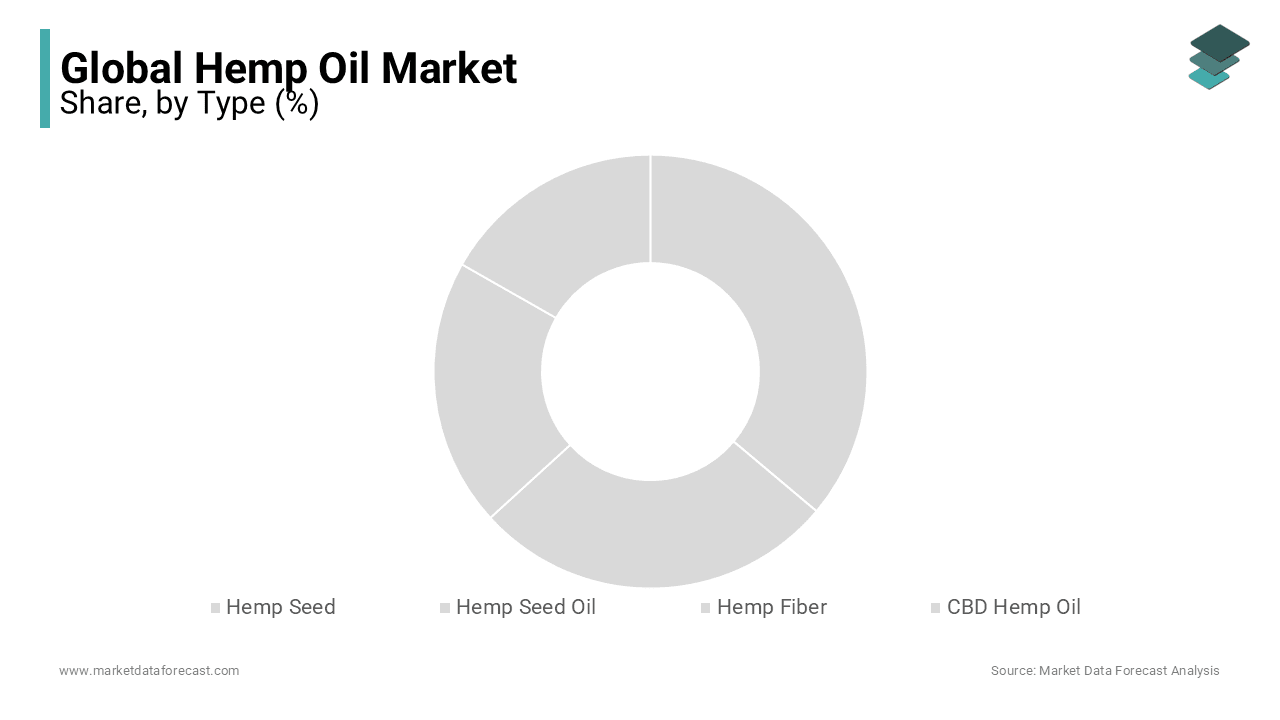
However, the CBD hemp oil segment is on the rise and is expected to exhibit a CAGR of 22.4% over the forecast period owing to the increasing scientific validation of cannabidiol’s therapeutic benefits for conditions such as anxiety, chronic pain, and insomnia. Consumers are increasingly turning to CBD oil as a natural alternative to pharmaceutical drugs, seeking relief without severe side effects. According to the World Health Organization, to date, there is no evidence of public health related problems associated with the use of pure CBD, which has encouraged regulatory bodies to reconsider its legal status. The passage of the 2018 Farm Bill in the United States legalized hemp derived CBD, removing it from the controlled substances list and sparking a surge in product innovation. As per the Forbes Health, the CBD market in the US is expected to reach 16 billion dollars by 2026, driven by rising awareness and acceptance among mainstream consumers. Pharmaceutical companies are investing in clinical trials to establish standardized dosing and efficacy, further legitimizing the sector. Retail channels, including pharmacies and wellness stores, are expanding their CBD offerings, making them more accessible to the general public. The development of diverse delivery methods, such as tinctures, capsules, and edibles, enhances consumer convenience and adoption. This combination of medical credibility, regulatory support, and consumer demand positions CBD hemp oil as the fastest growing segment in the global market.
By Application Insights
The personal care products segment captured the dominating share of 36.9% of the global market in 2025 due to the escalating consumer demand for natural, organic, and sustainable beauty products that avoid harsh synthetic chemicals. Hemp oil is highly valued in skincare for its moisturizing, anti-aging and anti-inflammatory properties, which is making it a key ingredient in creams, lotions, and soaps. According to the Global Wellness Institute, the personal care and beauty sector grew by 19% between 2020 and 2022, with natural ingredients being a primary growth driver. Consumers are increasingly scrutinizing ingredient labels, seeking transparency and efficacy, which hemp oil provides through its rich vitamin and fatty acid content. As per the Campaign for Safe Cosmetics, there is growing awareness regarding the harmful effects of parabens and sulfates, prompting a shift toward plant based alternatives. Hemp oil’s ability to regulate oil production makes it suitable for various skin types, including acne prone and sensitive skin. Major beauty brands are launching hemp infused lines to cater to this trend, leveraging the ingredient’s eco-friendly credentials. Retailers are dedicating significant shelf space to natural beauty products, enhancing visibility and sales. The alignment of hemp oil with clean beauty standards ensures its continued dominance in the personal care application segment.
On the other end, the pharmaceuticals segment is experiencing the fastest growth within the global hemp oil market and is predicted to expand at a CAGR of 20.2% over the forecast period owing to the ongoing clinical research validating the medicinal properties of cannabinoids, particularly cannabidiol, for treating epilepsy, chronic pain, and neurological disorders. The approval of Epidiolex by the Food and Drug Administration for treating rare forms of epilepsy marked a pivotal moment in accepting hemp derived compounds as legitimate pharmaceutical agents. According to the National Institutes of Health, over 900 clinical trials involving CBD have been registered globally, investigating its potential in managing anxiety, PTSD, and multiple sclerosis symptoms. This scientific backing encourages pharmaceutical companies to invest heavily in developing hemp based drugs and therapies. As per the European Medicines Agency, there is increasing interest in regulating cannabis based medicines to ensure quality, safety, and efficacy. The aging population in developed countries is contributing to higher prevalence of chronic conditions, driving demand for effective pain management solutions. Insurance coverage for prescribed hemp medications is gradually expanding, improving accessibility for patients. Regulatory frameworks are evolving to facilitate the integration of hemp derivatives into mainstream medicine. This convergence of scientific evidence, regulatory approval, and medical need positions the pharmaceuticals segment as a high growth area with significant long term potential.
REGIONAL ANALYSIS
North America Hemp Oil Market Analysis
North America stood as the largest market for hemp oil globally by holding 40.6% of the global market share in 2025. The region is characterized by advanced regulatory frameworks and high consumer awareness regarding health and wellness. The United States is the primary driver following the legalization of industrial hemp under the 2018 Farm Bill, which spurred investment in cultivation and processing. According to the United States Department of Agriculture, planted area for industrial hemp in the US was 37,137 acres in 2023, reflecting growing farmer interest and market demand. Canada also contributes substantially, with a well-established legal cannabis market that includes hemp derived products. The presence of major players and innovative startups fosters a competitive landscape, driving product diversity. Consumer preference for natural and organic products supports strong sales in food and personal care sectors. Retail infrastructure is robust, with widespread availability in supermarkets, pharmacies, and online platforms. Investment in research and development leads to continuous innovation in extraction technologies and product formulations. The region benefits from strong educational campaigns that reduce stigma and increase acceptance. Regulatory clarity provides a stable environment for business growth and international trade. North America serves as a trendsetter, influencing global market dynamics and setting standards for quality and safety.
Europe Hemp Oil Market Analysis
Europe held a significant position in the global hemp oil market in 2025. The region is driven by stringent environmental regulations and a strong cultural emphasis on sustainability and natural products. Countries such as France, Germany, and the United Kingdom are leading adopters with established hemp farming traditions. According to the European Commission, the area dedicated to hemp cultivation in the EU has increased by 60% in the last decade, from 19,970 hectares in 2011 to 33,020 hectares in 2022. The European Union’s Common Agricultural Policy supports sustainable farming practices, encouraging hemp production. Consumer demand for organic and non GMO products is high, driving sales in food and cosmetics. Regulatory frameworks vary by country but generally support industrial hemp cultivation with low tetrahydrocannabinol limits. The region is a hub for innovation in hemp based textiles and bio composites. Retailers are expanding their natural product offerings, catering to eco conscious shoppers. The presence of strict quality standards ensures high product integrity and consumer trust. Europe’s focus on circular economy principles aligns with hemp’s sustainable attributes, fostering long term market growth.
Asia Pacific Hemp Oil Market Analysis
Asia Pacific represents an emerging and rapidly growing regional segment for hemp oil in the worldwide market due to the traditional uses of hemp in countries like China and India, combined with rising health consciousness. China is the world’s largest producer of hemp fiber and seeds, providing a cost advantage for manufacturing. According to the Food and Agriculture Organization of the United Nations, China accounts for more than half of global hemp production, providing a massive base for industrial applications. Rising disposable incomes and urbanization are increasing demand for premium health and beauty products. Governments are beginning to recognize the economic potential of hemp, leading to relaxed regulations in some areas. The middle class is expanding, creating a larger consumer base for natural supplements and skincare. E commerce platforms facilitate access to hemp products in vast geographic areas. Challenges include varying regulatory landscapes and limited consumer awareness in some markets. However, the region’s agricultural capacity and growing health trends offer immense potential. Local manufacturers are investing in processing infrastructure to meet domestic and export demand.
Latin America Hemp Oil Market Analysis
Latin America is anticipated to account for a notable share of the global hemp oil market during the forecast period owing to the favorable climatic conditions for hemp cultivation and growing interest in sustainable agriculture. Countries such as Uruguay and Colombia are pioneering regulatory reforms to support the hemp industry. According to the Inter American Institute for Cooperation on Agriculture, hemp cultivation in Latin America can yield 2 to 3 harvests per year due to the tropical climate, offering massive economic opportunities for rural communities. Consumer awareness is rising in urban centers, driven by global wellness trends. Local entrepreneurs are launching hemp based products, catering to niche markets. The region benefits from low production costs and abundant land resources. However, infrastructure limitations and regulatory uncertainty remain challenges. International investments are increasing as companies seek to capitalize on the region’s potential. Government initiatives to promote alternative crops support market development. The young demographic profile offers long term growth opportunities as health consciousness spreads. Latin America is poised to become a significant supplier of raw materials and finished products.
Middle East and Africa Hemp Oil Market Analysis
The Middle East and Africa region is projected to showcase a healthy CAGR in the global hemp oil market during the forecast period. The market is driven by limited but growing interest in natural remedies and sustainable materials. South Africa has legalized industrial hemp cultivation, opening doors for local production and export. According to the South African Department of Agriculture, Land Reform and Rural Development, the hemp industry is estimated to contribute significantly to the country’s GDP and job creation goals by 2030. In the Middle East, high disposable incomes in Gulf countries drive demand for luxury wellness products, including hemp oil. Regulatory frameworks are evolving, with some countries exploring pilot programs for hemp farming. Cultural and religious considerations influence market acceptance, requiring careful navigation. Import dependence remains high due to limited local production. However, increasing awareness of health benefits is stimulating demand. International brands are entering the market through partnerships and distributors. The region offers strategic opportunities for early movers despite current constraints. Economic diversification efforts in several countries support the exploration of new agricultural sectors.
COMPETITIVE LANDSCAPE
The competition in the Hemp Oil Market is intense and characterized by a mix of established agricultural giants and specialized niche brands. Large corporations leverage their extensive distribution networks and financial resources to dominate mainstream retail channels. They compete on price scalability and brand recognition offering consistent quality and availability. Smaller artisanal producers differentiate themselves through organic certifications unique sourcing stories and premium positioning. These niche players often appeal to discerning consumers seeking transparency and ethical production practices. Innovation in extraction technologies and product formulations serves as a key battleground for competitive advantage. Regulatory compliance varies by region creating barriers to entry and operational complexities. Companies must navigate evolving legal frameworks regarding hemp derived compounds particularly CBD. Marketing restrictions on certain platforms limit advertising opportunities requiring creative digital strategies. Consumer education remains critical as brands strive to overcome stigma and misinformation. The market sees frequent new entrants attracted by growing demand and profitability potential. This dynamic environment requires continuous adaptation investment in quality and strategic agility to maintain relevance and capture market share in the rapidly expanding hemp sector.
KEY MARKET PLAYERS
Companies playing a prominent role in the global hemp oil market include
- Isodiol International Inc.
- HempLife Today
- Hemp Oil Canada Inc.
- Medical Marijuana, Inc.
- Folium Biosciences
- CV Sciences, Inc.
- Pharmahemp d.o.o
- Gaia Botanicals, LLC.
- Canazil
- Kazmira
- Spring Creek Labs
- Others
Top Players in the Market
- Manitoba Harvest Hemp Foods is a leading global provider of hemp based products renowned for its high quality hemp seeds and oils. The company plays a pivotal role in educating consumers about the nutritional benefits of hemp through extensive marketing campaigns. Recent actions include expanding its retail presence in major grocery chains across North America and Europe to enhance accessibility. Manitoba Harvest actively invests in sustainable farming practices ensuring a consistent supply of organic raw materials. The brand leverages strategic partnerships with health food retailers to promote its diverse product portfolio including hemp heart shreds and protein powders. By focusing on transparency and traceability the company builds trust with health conscious consumers. Its commitment to innovation drives the development of new convenient formats that appeal to modern lifestyles. These initiatives strengthen its market position as a trusted authority in the hemp industry fostering long term loyalty and growth.
- Elixinol Global Limited is a prominent player in the hemp industry specializing in premium hemp oil extracts and CBD products. The company operates vertically integrated facilities allowing strict control over quality from cultivation to extraction. Recent actions involve launching innovative wellness formulations targeting specific health needs such as sleep support and pain relief. Elixinol expands its global footprint through strategic distribution agreements in key markets including Australia and Europe. The company prioritizes scientific research and third party testing to ensure product safety and efficacy. By adhering to rigorous regulatory standards Elixinol maintains credibility among medical professionals and consumers. Its focus on education helps demystify hemp derived products reducing stigma and increasing adoption. These efforts solidify its reputation as a leader in the therapeutic hemp sector driving sustained demand and brand recognition worldwide.
- Nutiva Inc is a pioneer in the organic superfood sector with a strong emphasis on hemp oil and seed products. The company is dedicated to promoting regenerative agriculture and sustainable sourcing practices globally. Recent actions include enhancing its supply chain resilience by partnering directly with certified organic farmers. Nutiva introduces versatile hemp oil products designed for culinary use appealing to health oriented home cooks. The brand actively engages in advocacy efforts to support favorable hemp legislation and industry standards. By maintaining non GMO and organic certifications Nutiva appeals to discerning consumers seeking purity and quality. Its robust distribution network ensures wide availability in natural food stores and online platforms. These strategies reinforce its leadership position in the organic hemp market driving growth through trust and environmental stewardship.
Top Strategies Used by the Key Market Participants
Key players in the Hemp Oil Market primarily focus on vertical integration to control quality and reduce supply chain risks. Companies invest heavily in consumer education campaigns to dispel myths and highlight health benefits. Strategic partnerships with retailers and e commerce platforms expand distribution reach and visibility. Product innovation drives differentiation through unique formulations and convenient delivery methods. Sustainability initiatives including organic certification and eco friendly packaging enhance brand appeal. Regulatory compliance ensures market access and builds consumer trust. Mergers and acquisitions allow expansion into new geographic regions and product categories. These strategies collectively strengthen market position and drive long term growth in the evolving hemp industry.
MARKET SEGMENTATION
This research report on the global hemp oil market has been segmented and sub-segmented based on type, application, and region.
By Type
- Hemp Seed
- Hemp Seed Oil
- Hemp Fiber
- CBD Hemp Oil
By Application
- Food
- Beverages
- Personal Care Products
- Textiles
- Pharmaceuticals
By Region
- North America
- Europe
- Asia Pacific
- Latin America
- Middle East & Africa