- Product Description Description
- Table of Contents TOC
- List of Table & Figure LOT
- Get Free Sample PDF Sample PDF
Market Size, 2025
$102 BnMarket Estimate, 2026
$112 BnMarket Forecast, 2034
$246 BnCAGR, 2026–2034
10.3%Global Pasteurized Egg Market Report Summary
The global pasteurized egg market was valued at USD 102.03 billion in 2025, is estimated to reach USD 112.54 billion in 2026, and is projected to reach USD 246.55 billion by 2034, growing at a CAGR of 10.3% during the forecast period. Market growth is driven by increasing demand for safe and hygienic food ingredients, rising awareness regarding foodborne illnesses, and expanding applications in processed food manufacturing. Pasteurized eggs are widely used in bakery, sauces, dressings, and ready to eat food products due to their safety, convenience, and extended shelf life. The growing focus on food safety standards and industrial food processing is further supporting strong market expansion globally.
Key Market Trends
- Rising demand for safe and hygienic food ingredients is driving market growth.
- Increasing awareness regarding foodborne disease prevention is boosting demand.
- Growing applications in processed and convenience foods are supporting market expansion.
- Expansion of foodservice and industrial food manufacturing sectors is enhancing product adoption.
- Innovation in egg processing and pasteurization technologies is influencing market development.
Segmental Insights
- Based on method of pasteurization, the heat without chemicals segment accounted for 56.4% of the global pasteurized egg market share in 2025. This dominance is attributed to consumer preference for chemical free processing methods and improved food safety standards.
- Based on application, the mayonnaise and dressing segment held 60.1% of the global pasteurized egg market share in 2025, driven by the essential emulsifying properties of egg yolks in these food products.
Regional Insights
- The global pasteurized egg market is experiencing strong growth across regions, supported by increasing food safety regulations and processed food demand.
- North America was the leading contributor, accounting for 40.3% of the global pasteurized egg market share in 2024, driven by advanced food processing infrastructure and strong regulatory compliance.
- Europe held the second largest share, accounting for 34.2% of the global pasteurized egg market share in 2025, supported by stringent food safety regulations, sustainability initiatives, and strong consumer awareness.
Competitive Landscape
The global pasteurized egg market is moderately competitive, with key players focusing on food safety technologies, production expansion, and supply chain efficiency to strengthen their market position. Companies are investing in advanced pasteurization systems, sustainable farming practices, and value added egg products. Prominent players in the global pasteurized egg market include Glaum Egg Ranch Company, Hickman's Family Farms Company, Stiebrs Farms Company, National Pasteurized Eggs Inc, Wilcox Farms Company, Willamette Egg Company, and Sanovo Egg Group.
Global Pasteurized Egg Market Size
The global pasteurized egg market size was valued at USD 102.03 billion in 2025 and the global market size is expected to reach USD 246.55 billion by 2034 from USD 112.54 billion in 2026. The market's promising CAGR for the predicted period is 10.3%.

The pasteurized egg is shell egg and liquid egg products that have undergone controlled heat treatment to eliminate pathogenic bacteria, such as Salmonella, while preserving nutritional integrity and functional properties. This process ensures food safety without compromising the culinary versatility required in both household and industrial applications. In the United States, alone the Centers for Disease Control and Prevention attributes approximately 1.35 million cases of salmonellosis to various food sources each year. Eggs are identified as a significant vector for these infections which drives the adoption of pasteurization technologies. The United States Department of Agriculture mandates strict inspection protocols for egg processing facilities to ensure compliance with safety standards. In 2024, the per capita consumption of eggs in the United States reached approximately 280 units, according to the American Egg Board. This high consumption volume underscores the necessity for safe and convenient egg products. The shift towards ready to eat meals and bakery goods that further amplifies the demand for shelf stable and safe egg ingredients. Pasteurized eggs offer extended shelf life and reduced risk of cross contamination in commercial kitchens. Regulatory bodies in Europe and North America continue to tighten guidelines on raw egg usage in high-risk settings, such as hospitals and nursing homes. These measures promote the integration of pasteurized eggs into institutional food service operations.
MARKET DRIVERS
Stringent Food Safety Regulations and Institutional Mandates
The regulatory frameworks governing food safety serve for the adoption of pasteurized eggs in commercial and institutional sectors is attributed in bolstering the growth of the pasteurized egg market. Governments worldwide are implementing stricter guidelines to mitigate the risk of foodborne outbreaks linked to raw or undercooked eggs. In the United States, the Food and Drug Administration Food Code recommend the use of pasteurized eggs in establishments serving highly susceptible populations, such as elderly care facilities and hospitals. This recommendation has been adopted by many state health departments making it a legal requirement for certain food preparations. According to the Centers for Disease Control and Prevention, Salmonella causes approximately 1.35 million infections annually in the United States leading to significant healthcare costs and productivity losses. The economic burden of these illnesses incentivizes institutions to prioritize safer alternatives. In Europe, the European Food Safety Authority monitors zoonotic diseases and emphasizes the control of Salmonella in laying hens. The EU Regulation on microbiological criteria for foodstuffs sets strict limits on Salmonella presence in egg products. Compliance with these regulations forces food service providers and manufacturers to source pasteurized eggs to avoid liability and ensure consumer safety. Pasteurized eggs provide a verified solution that meets these rigorous standards.
Expansion of the Convenience Food and Bakery Industry
The rapid growth of the convenience food and bakery sectors due to their operational efficiency and consistency is also bolstering the growth of the pasteurized egg market. Modern consumers increasingly prefer ready to eat meals and baked goods, which require standardized ingredients for mass production. Pasteurized liquid eggs offer uniformity in viscosity and protein content ensuring consistent product quality in industrial baking applications. This massive scale of production requires reliable and safe egg supplies that can be easily integrated into automated mixing and processing lines. Pasteurized eggs eliminate the need for breaking and separating shells, which reduces labor costs and minimizes waste in commercial kitchens. The shelf life of pasteurized liquid eggs is significantly longer than that of shell eggs allowing for better inventory management and reduced spoilage. A substantial portion of this revenue comes from breakfast items and desserts that rely heavily on egg inputs. The rise of cloud kitchens and delivery only restaurants further accelerates the need for convenient and safe ingredients that simplify preparation processes. Pasteurized eggs reduce the risk of cross contamination in high volume environments where speed is essential. Manufacturers also benefit from the ability to customize egg blends with specific fat or protein ratios for specialized dietary products. This flexibility supports innovation in health conscious and functional food segments. The operational advantages provided by pasteurized eggs make them indispensable to the modern food processing industry.
MARKET RESTRAINTS
High Production Costs and Energy Intensity
The high cost associated with the pasteurization process for price sensitive consumers and small scale producers is limiting the growth of the pasteurized egg market. Pasteurization requires precise temperature control and specialized equipment, which increases capital expenditure and operational costs. The energy intensity of heating and cooling cycles contributes to higher production expenses compared to raw egg processing. In 2024, industrial energy prices in Europe remained volatile with natural gas prices averaging 30 euros per megawatt hour, according to Eurostat. These elevated energy costs directly impact the profitability of pasteurization facilities. The additional steps involved in packaging and cold chain logistics further add to the final product price. Pasteurized eggs, typically command a premium of 20 to 30% over conventional shell eggs as noted by industry analysts. This price differential discourages adoption among budget conscious households and small bakeries that operate on thin margins. Small and medium sized enterprises often lack the financial resources to invest in advanced pasteurization technology. Consequently, they continue to rely on raw eggs despite the associated safety risks. The economic viability of pasteurized eggs is also affected by fluctuations in raw egg prices. When shell egg prices are low the relative cost of pasteurized products becomes even more prohibitive. Consumers may perceive the added safety benefit as insufficient justification for the higher price point. This perception limits market penetration in residential segments. Manufacturers must balance cost efficiency with safety standards which remains a complex challenge.
Consumer Perception and Preference for Natural Products
The consumer awareness regarding processed foods and a strong preference for natural unmodified ingredients is degrading the growth of the pasteurized egg market. Many consumers associate pasteurization with industrial processing and potential loss of nutritional value or taste quality. Despite scientific evidence confirming that pasteurization preserves most nutrients a segment of the population remains hesitant to adopt these products. This trend towards clean label products favors raw shell eggs which are perceived as more natural and wholesome. The misconception that pasteurized eggs are cooked or altered affects their appeal for culinary applications requiring raw or lightly cooked eggs such as homemade mayonnaise or hollandaise sauce. Culinary enthusiasts and professional chefs often argue that pasteurization alters the whipping properties and flavor profile of eggs. This belief persists despite improvements in technology that minimize sensory changes. The lack of awareness about the safety benefits of pasteurization further exacerbates this issue. Many consumers are unaware of the risks associated with Salmonella contamination in raw eggs. Educational gaps prevent the market from fully realizing its potential. Marketing efforts by industry players have struggled to overcome deep seated preferences for traditional formats.
MARKET OPPORTUNITIES
Innovation in Shelf Stable and Dry Egg Products
The development of shelf stable and dry pasteurized egg products by addressing storage and logistics challenges is ascribed to set up new opportunities for the growth of the pasteurized egg market. Spray drying and freeze drying technologies allow for the production of egg powders that do not require refrigeration and have extended shelf lives. This innovation opens new distribution channels in regions with limited cold chain infrastructure. Shelf stable egg products significantly reduce spoilage and waste during transportation and storage. These products are particularly attractive to the military emergency relief and outdoor recreation sectors where refrigeration is unavailable. The convenience of reconstitution allows for easy integration into various food formulations. Manufacturers are investing in advanced drying techniques that preserve functional properties such as foaming and emulsification. In 2024 the export of dried egg products from the United States increased by 12% as per the United States Department of Agriculture. This growth indicates rising international demand for versatile and safe egg ingredients. The ability to store large quantities without degradation supports bulk purchasing and inventory stability for industrial users. Additionally dry egg products offer consistent quality and ease of handling in automated production lines. The reduction in packaging weight and volume lowers shipping costs and carbon footprint.
Growth in Plant Based Hybrid and Functional Food Applications
The emergence of hybrid food products combining plant-based ingredients with pasteurized eggs is additionally to promote new opportunities for the growth of the pasteurized egg market. As consumers seek to reduce meat and animal product consumption without completely eliminating them hybrid products provide a balanced alternative. Pasteurized eggs are used to enhance the texture and nutritional profile of plant based meats and baked goods. Integrating pasteurized eggs into these formulations improves binding and moisture retention which are common challenges in plant-based products. This application expands the utility of pasteurized eggs beyond traditional uses. Furthermore, the fitness and wellness sector drives demand for high protein functional foods. Pasteurized egg whites are a popular ingredient in protein bars shakes and supplements due to their high biological value and low-fat content. The convenience of ready to use liquid egg whites appeals to health conscious consumers seeking quick meal solutions. Manufacturers are developing fortified egg products with added vitamins and minerals to cater to specific dietary needs. These value added products command higher margins and attract niche market segments. The versatility of pasteurized eggs allows for customization in texture and flavor profiles. Collaborations between egg producers and plant-based brands can lead to innovative product launches.
MARKET CHALLENGES
Supply Chain Vulnerabilities and Avian Influenza Outbreaks
The recurring outbreaks of avian influenza by disrupting supply chains and increasing raw material costs is to act as a major barrier for the growth of the pasteurized egg market. Highly pathogenic avian influenza leads to the culling of millions of laying hens resulting in sudden shortages of shell eggs. In 2024, the United States Department of Agriculture reported that over 50 million birds were affected by avian flu outbreaks. These losses significantly reduce the availability of raw eggs for pasteurization processing. The scarcity drives up prices creating volatility that affects contract stability and profit margins. Pasteurization facilities often face difficulties in securing consistent supplies of raw materials during peak outbreak periods. This uncertainty hampers production planning and inventory management. The biosecurity measures required to prevent infection add to operational costs for both farms and processing plants. Transportation restrictions imposed during outbreaks further complicate logistics and delay deliveries. The reliance on a concentrated supply base increases vulnerability to regional disease events. Diversifying sourcing strategies is challenging due to the specialized requirements of pasteurization grade eggs. Consumers may also react negatively to news of bird flu affecting confidence in egg safety despite the effectiveness of pasteurization. The reputational risk associated with disease outbreaks can dampen demand temporarily. Recovery from such shocks takes time as flocks are replenished. The cyclical nature of avian influenza creates an unpredictable operating environment.
Technical Limitations in Functional Properties
Technical limitations related to the functional properties of pasteurized eggs for their adoption in specific culinary and industrial applications, which is also to impede the growth of the pasteurized egg market. While pasteurization ensures safety it can slightly alter the protein structure affecting whipping volume and gel strength. Professional chefs and bakers often report that pasteurized egg whites do not whip to the same stiffness as raw eggs. This limitation restricts their use in delicate preparations such as meringues soufflés and angel food cakes. Although, technological advancements have mitigated some of these issues a performance gap remains perceptible to skilled users. The variation in quality between different batches of pastured eggs can also affect consistency in large scale production. Manufacturers must adjust formulations and processing parameters to accommodate these variations which adds complexity. This reduction requires the use of stabilizers or additives to achieve desired textures. The addition of these ingredients may conflict with clean label trends and consumer preferences for simple formulations. The need for specialized equipment to handle liquid eggs also poses a barrier for small businesses. Cleaning and sanitation requirements for liquid handling systems are more stringent than for shell eggs. These technical and operational hurdles limit the universal replacement of raw eggs.
REPORT COVERAGE
| REPORT METRIC | DETAILS |
| Market Size Available | 2025 to 2034 |
| Base Year | 2025 |
| Forecast Period | 2026 to 2034 |
| CAGR | 10.3% |
| Segments Covered | By Method of Pasteurization, Application, and Region |
| Various Analyses Covered | Global, Regional and Country Level Analysis; Segment-Level Analysis; DROC; PESTLE Analysis; Porter’s Five Forces Analysis; Competitive Landscape; Analyst Overview of Investment Opportunities |
| Regions Covered | North America, Europe, APAC, Latin America, Middle East & Africa |
| Market Leaders Profiled | Glaum Egg Ranch Company, Hickman's Family Farms Company, Stiebrs Farms Company, National Pasteurized Eggs Inc, Wilcox Farms Company, Willamette Egg Company, Sanovo Egg Group |
SEGMENTAL ANALYSIS
By Method of Pasteurization Insights
The heat without chemicals segment was the largest by holding 56.4% of the pasteurized egg market share in 2025 due to its widespread acceptance and regulatory compliance, across global food safety standards. The consumer preference for clean label products that are free from artificial additives or chemical residues is bolstering the growth of the segment. The heat pasteurization is the standard method approved for shell eggs and liquid egg products intended for commercial use. This high adoption rate is attributed to the simplicity and cost effectiveness of thermal systems compared to complex chemical or irradiation technologies. Food manufacturers prefer this method because it maintains the natural flavor and nutritional profile of eggs, which is for bakery and dairy applications. The European Food Safety Authority also endorses thermal treatment as a reliable method for controlling Salmonella enteritidis in eggs. Regulatory frameworks in major markets mandate strict validation of kill steps and heat treatment provides verifiable data logs for compliance. The infrastructure for thermal pasteurization is well established in existing food processing facilities reducing the need for significant capital investment.
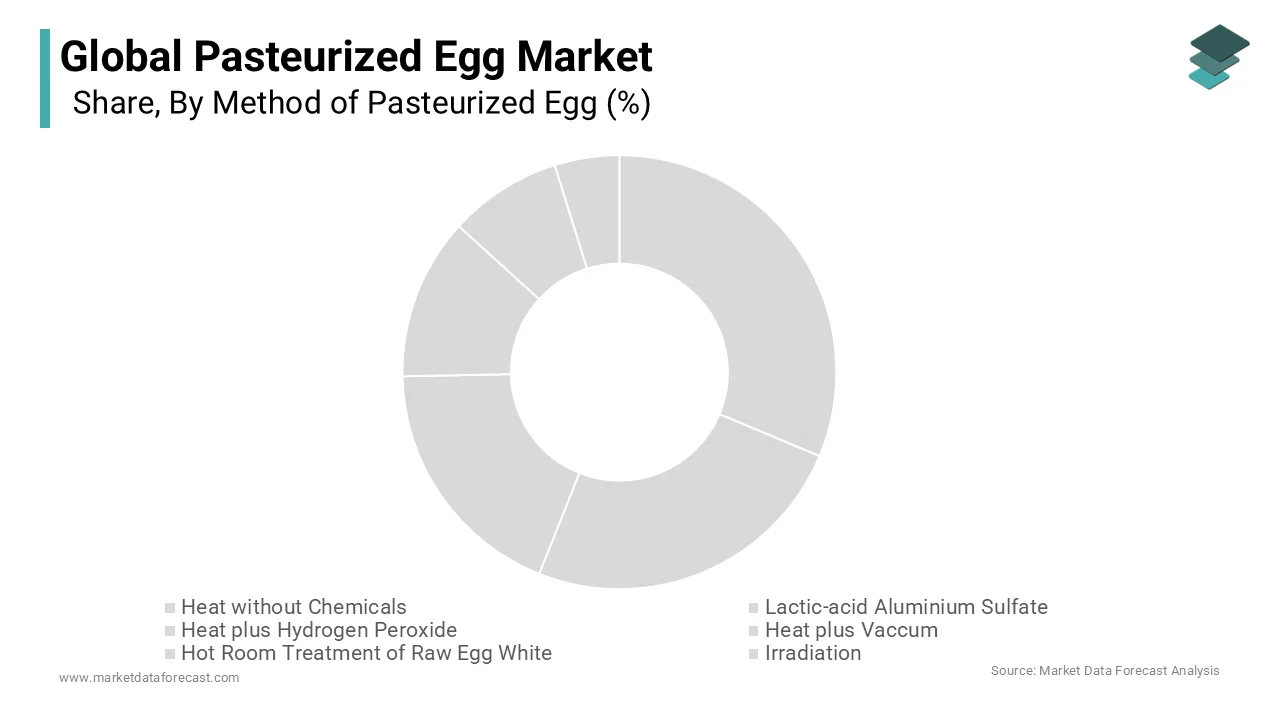
The irradiation segment is likely to grow at a fastest CAGR of 6.5% from 2026 to 2034 with the superior efficacy of ionizing radiation in eliminating pathogens without significantly raising the temperature of the product. The technology uses gamma rays or electron beams to disrupt the DNA of bacteria ensuring a sterile product with extended shelf life. This expansion reflects growing confidence in the technology among food processors. The ability to treat packaged eggs reduces the risk of post process contamination which is a common issue with liquid handling systems. Retailers are increasingly stocking irradiated egg products due to their longer stability at ambient temperatures, which simplifies logistics and reduces cold chain costs. Consumer education campaigns by health organizations have helped mitigate fears regarding radioactivity by clarifying that irradiated food does not become radioactive. The demand for ready to eat meals that require raw or lightly cooked eggs further boosts adoption. Irradiation allows manufacturers to meet strict microbiological standards for vulnerable populations in hospitals and nursing homes.
By Application Insights
The mayonnaise and dressing segment was the largest by holding 60.1% of the pasteurized egg market share in 2025 due to the essential role of egg yolks as an emulsifier in these products. Mayonnaise production relies heavily on the lecithin content in egg yolks to stabilize oil and water mixtures creating a creamy texture. Commercial manufacturers prefer pasteurized eggs to eliminate the risk of Salmonella contamination, which is for ready to eat condiments that are not cooked before consumption. The shift towards convenient meal solutions and sandwich spreads has increased the consumption of mayonnaise-based products. The high frequency of use sustains steady demand for industrial egg supplies. Pasteurized eggs offer standardized viscosity and color which are vital for maintaining brand consistency in mass production. The use of pasteurized eggs also extends the shelf life of dressings by reducing microbial load. Regulatory requirements for ready to eat foods mandate the use of pasteurized ingredients to prevent foodborne illnesses.
The dietary supplements segment is esteemed to witness a fastest CAGR of 7.2% throughout the forecast period with the increasing consumer focus on fitness and high protein diets. Egg white protein is considered a complete protein source with high biological value by making it a popular ingredient in protein powders and bars. Pasteurization ensures that the protein is safe for consumption without the risk of bacterial infection, which is a concern for raw egg consumption among athletes. The convenience of ready to drink protein shakes containing pasteurized egg whites appeals to busy consumers seeking quick nutrition. Manufacturers are innovating with flavored egg white beverages that mask the natural taste while providing pure protein. The rise of plant based hybrid supplements also incorporates egg protein for improved amino acid profiles. Aging populations are also contributing to this growth as they seek easily digestible protein sources to maintain muscle mass.
REGIONAL ANALYSIS
North America Pasteurized Egg Market Analysis
North America pasteurized egg market was the largest contributor of the 40.3% of the share in 2024. The large-scale industrial food processing sector and strict food safety regulations. The Centers for Disease Control and Prevention mandates the use of pasteurized eggs in institutions serving vulnerable populations which creates a stable baseline demand. The presence of major fast-food chains and bakery manufacturers in the region ensures high volume consumption of liquid egg products. In 2024, the United States produced over 100 billion eggs with a significant portion processed into pasteurized forms according to the American Egg Board. Canada also contributes to regional growth with increasing adoption of pasteurized eggs in retail households due to health awareness campaigns. Consumer preference for convenience foods such as pre made breakfast sandwiches and baked goods supports market expansion. Regulatory frameworks such as the Food Safety Modernization Act enforce stringent hygiene standards that favor pasteurized products. The high prevalence of obesity and diabetes has also spurred demand for high protein low carbohydrate diets where egg whites play a key role. Investment in research and development by local companies leads to innovative egg based products.
Europe Pasteurized Egg Market Analysis
Europe pasteurized egg market was ranked second by holding 34.2% of the share in 2025 with the stringent food safety standards and a strong emphasis on animal welfare and sustainability. The European Food Safety Authority plays a central role in setting guidelines for egg processing and Salmonella control. Countries, such as Germany, France, and the United Kingdom are major consumers of pasteurized eggs driven by their robust bakery and confectionery industries. This industry relies heavily on consistent and safe egg supplies for mass production. The rise of ready to eat meals and convenience foods in urban centers that further boosts demand. European consumers are increasingly aware of foodborne risks, which drives retail sales of pasteurized shell eggs. The regulatory environment encourages the adoption of advanced pasteurization technologies, such as irradiation in certain member states. Sustainability initiatives promote the use of cage free eggs in pasteurized products aligning with consumer values. The region faces challenges related to high energy costs which impact processing expenses. However, the focus on quality and safety maintains strong demand for premium pasteurized products.
Asia Pacific Pasteurized Egg Market Analysis
The Asia Pacific pasteurized eggs market is likely to grow at a fastest CAGR during the forecastperiod. Rapid urbanization and rising disposable incomes in countries like China, India, and Japan are driving changes in dietary habits. The expansion of the quick service restaurant sector and international hotel chains increases demand for standardized and safe egg ingredients. Japan has a long history of consuming raw eggs, which drives high demand for strictly controlled pasteurized products. India is witnessing a shift towards processed foods among the middle class. Government initiatives to improve food safety standards are encouraging the adoption of pasteurization technologies. The region faces challenges related to fragmented supply chains and limited cold chain infrastructure in rural areas. However, investments in logistics and processing facilities are improving market access. The growing awareness of Salmonella risks among healthcare professionals promotes institutional adoption. Local manufacturers are collaborating with international technology providers to enhance production capabilities.
Latin America Pasteurized Egg Market Analysis
Latin America pasteurized egg market growth is driven by their growing food processing industries and urban populations. The bakery and confectionery sectors in these countries are expanding rapidly creating demand for liquid egg products. The adoption of pasteurized eggs is increasing in commercial bakeries to improve efficiency and product safety. Mexico benefits from its proximity to the United States which influences food safety standards and consumer preferences. The tourism sector in countries like Mexico and Argentina, drives demand for safe egg products in hotels and restaurants. However, the increasing presence of multinational food companies promotes the adoption of international safety standards. Consumer awareness regarding food hygiene is gradually improving leading to higher acceptance of pasteurized products. The region has potential for growth as infrastructure improvements facilitate better distribution networks. Local producers are investing in modern processing equipment to meet rising demand. Government regulations on food safety are becoming more stringent encouraging compliance.
Middle East and Africa Pasteurized Egg Market Analysis
The Middle East and Africa pasteurized egg market growth is likely to grow with the hospitality and tourism sectors in Gulf Cooperation Council countries, such as the United Arab Emirates and Saudi Arabia. These countries host numerous international hotels and restaurants that require standardized and safe egg supplies. The vision 2030 initiative in Saudi Arabia aims to boost the tourism sector, which indirectly supports food safety improvements. In South Africa, the retail sector is increasingly stocking pasteurized egg products due to rising health awareness. The African continent faces challenges related to infrastructure and affordability which limit widespread adoption. The prevalence of foodborne illnesses in some areas highlights the need for safer egg products. International aid organizations and health agencies promote pasteurization as a public health measure. The region relies heavily on imports for advanced processing technology which increases costs. Local production is growing but remains limited compared to other regions. The hot climate necessitates robust cold chain management, which is a barrier in some areas.
COMPETITIVE LANDSCAPE
The competitive landscape of the pasteurized egg market is characterized by a mix of large integrated poultry producers and specialized egg processing companies. Major players leverage their scale and vertical integration to control costs and ensure consistent supply quality. Innovation in pasteurization technology drives competition as companies seek to improve functional properties and extend shelf life. The shift towards sustainable and ethical sourcing has intensified the race for certified organic and cage free products. Regional players focus on local distribution networks and customer relationships to differentiate themselves from global competitors. Price volatility in raw materials forces competitors to optimize operational efficiency and hedge against market fluctuations. Collaborative efforts between processors and food manufacturers are becoming common to create tailored solutions for specific applications. Regulatory pressures regarding food safety and animal welfare prompt companies to innovate rapidly and adapt their practices. Brand loyalty is increasingly influenced by transparency and sustainability credentials rather than price alone. This dynamic environment requires continuous investment in research and development to stay ahead of technological curves. Companies must balance cost efficiency with ethical responsibility to remain competitive.
Key Market Players
Major key players in the global pasteurized egg market are
- Glaum Egg Ranch Company
- Hickman's Family Farms Company
- Stiebrs Farms Company
- National Pasteurized Eggs Inc
- Wilcox Farms Company
- Willamette Egg Company
- Sanovo Egg Group
Top Players in the Market
- OVO Best Egg Products GmbH is a leading entity in the European pasteurized egg sector renowned for its high quality liquid and dried egg solutions. The company operates state of the art facilities across Germany ensuring strict adherence to food safety standards. OVO focuses on sustainable production methods and animal welfare which resonates with European consumer values. Recently the company expanded its product portfolio to include organic pasteurized egg whites catering to the growing health conscious demographic. This strategic move strengthens its position in the premium segment of the market. OVO collaborates closely with bakery and confectionery manufacturers to develop customized egg formulations. These partnerships enhance customer loyalty and drive long term growth. The company invests heavily in research and development to improve the functional properties of its products.
- urovo Group stands as a major contributor to the Europe pasteurized egg market with a strong presence in Italy and surrounding regions. The company specializes in producing a wide range of egg based ingredients for industrial and retail applications. Eurovo emphasizes traceability and quality control throughout its supply chain to ensure product safety. In recent years the company has invested in advanced pasteurization technologies to enhance efficiency and reduce energy consumption. This initiative aligns with European environmental regulations and corporate sustainability goals. Eurovo also focuses on expanding its export capabilities to serve international markets beyond Europe. The company collaborates with culinary institutes to promote the versatility of pasteurized eggs in professional cooking. These efforts raise awareness and drive adoption among chefs and food service providers.
- Aviagen International plays a significant role in the European pasteurized egg market by providing specialized egg products for the food industry. The company leverages its extensive experience in poultry production to deliver high quality pasteurized eggs. Aviagen focuses on developing value added products such as seasoned egg blends and fortified egg whites. Recently the company launched a new line of cage free pasteurized eggs to meet the rising demand for ethical sourcing. This launch appeals to retailers and brands committed to sustainable practices. Aviagen invests in digital tools to optimize supply chain management and improve responsiveness to customer needs. The company participates in industry trade shows to showcase its latest innovations and build relationships.
Top Strategies Used by Key Market Participants
Key players in the pasteurized egg market primarily focus on product differentiation through organic and cage free certifications to appeal to ethically conscious consumers. Companies invest heavily in advanced pasteurization technologies to enhance efficiency and reduce energy consumption while maintaining product quality. Strategic partnerships with bakery and food service providers facilitate the development of customized egg formulations that meet specific industrial needs. Expansion into emerging markets with growing middle classes offers new revenue streams and diversifies risk. Sustainability initiatives such as waste reduction and renewable energy adoption align with regulatory requirements and consumer expectations. Digitalization of supply chains improves transparency and allows for real time monitoring of inventory and logistics. Compliance with stringent food safety regulations remains a central strategy to maintain market access and build trust. Investment in research and development drives innovation in functional properties and shelf-life extension.
MARKET SEGMENTATION
This research report on the global pasteurized egg market has been segmented and sub-segmented based on type, application a region.
By Method of Pasteurization
- Heat without Chemicals
- Lactic-acid Aluminium Sulfate
- Heat plus Hydrogen Peroxide
- Heat plus Vaccum
- Hot Room Treatment of Raw Egg White
- Irradiation
By Application
- Food Industry as Noodle and Pasta
- Dietary Supplements
- Sauces
- Mayonnaise and Dressing
- Meat and Fish
- Dairy Products
- Prepare Food
- Desserts
- Pet Food
- Others
By Region
- North America
- Europe
- The Asia Pacific
- Latin America
- The Middle East and Africa