Global Egg Replacers Market Size, Share, Trends, & Growth Forecast Report Segmented By Form (Dry And Liquid), Source (Plant, Animal), Ingredient (Dairy Proteins, Starch, Algal Flour, Soy-Based Products), Application (Bakery & Confectionery, Savories, Sauces, Dressings & Spreads), And Region (North America, Europe, APAC, Latin America, Middle East And Africa) – Industry Analysis From 2026 To 2034
Market Size, 2025
$1.66 BnMarket Estimate, 2026
$1.76 BnMarket Forecast, 2034
$2.81 BnCAGR, 2026–2034
6%Executive Summary: Egg Replacers Market
- Market Scope: Comprehensive global market analysis covering applications, functions, regional leadership frameworks, and consumption metrics for egg replacers.
- Market Valuation: Valued at USD 1.66 billion (2025), estimated at USD 1.76 billion (2026), and projected to reach USD 2.81 billion by 2034, registering a robust CAGR of 6% (2026–2034).
- Primary Growth Drivers: Surging demand for plant-based and vegan food products, rising prevalence of egg allergies, and increasing consumer preference for clean-label ingredients in baked goods and processed foods. Market challenges include raw material price volatility and alternative competition, while opportunities lie in pharmaceutical and personal care sector expansions and sustainable, water-efficient processing innovations.
Key Market Segment Metrics (2026–2034)
| Category | Leading Segment (2025 Position) | Fastest-Growing Segment |
|---|---|---|
| By Application | Industrial-grade segment (dominated the market in 2025) | Pharmaceutical-grade segment (projected to grow at an 8.4% CAGR) |
| By Function | Thickening function (held the largest market share) | Friction-reducing functions (expected to grow at the highest CAGR of 9.1%) |
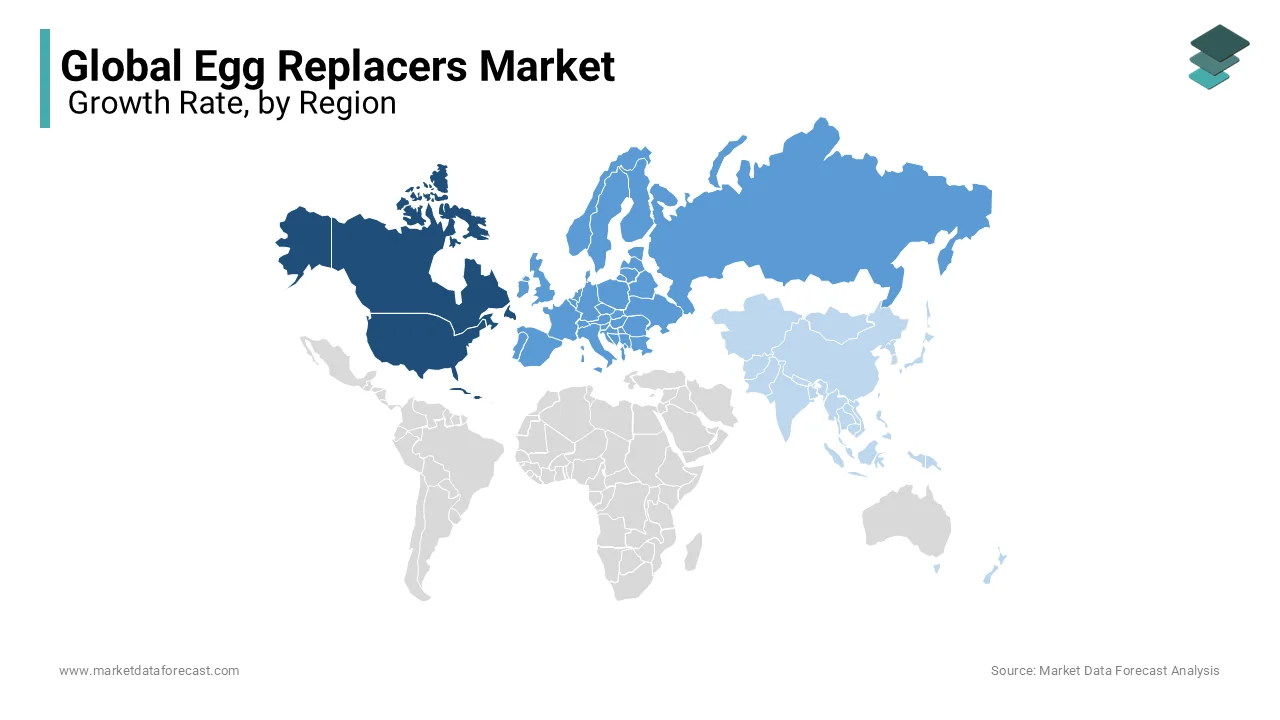
| By Region / Country | North America (led regionally in 2025) | Asia Pacific (identified as a key growth area supported by production capacities in India) |
Major Market Players & Market Structure
Market Structure: Highly competitive global landscape featuring major corporate players focusing on vertical integration to secure raw materials, developing specialized derivatives for niche uses, and investing in sustainable, water-efficient processing technologies.
Key Companies: Cargill, E.I. Dupont De Nemours and Company, Ingredion Incorporated, Shree Ram Industries, Dabur India Ltd, Hindustan Gums and Chemical Limited, Lucid Group, Supreme Gums Private Limited, Rama Gum Industries, and Guangrao Liuhe Chemical Co., Ltd.
Global Egg Replacers Market Size
The size of the global egg replacers market was valued at USD 1.66 billion in 2025. The global market is expected to grow at a CAGR of 6% from 2026 to 2034 and be worth USD 2.81 billion by 2034 from USD 1.76 billion in 2026
Egg replacers comprise a specialized segment of food ingredients designed to mimic the functional properties of chicken eggs in culinary and industrial applications. These substitutes are derived from plant-based sources such as legumes, starches, algae, and seeds, or through fermentation processes that produce proteins structurally similar to ovalbumen. The primary function of these ingredients is to provide binding, leavening, emulsification, and coagulation capabilities without the use of animal products. This sector has evolved from a niche category for vegans to a mainstream solution addressing food allergies and sustainability concerns. According to the Centers for Disease Control and Prevention, egg allergy is one of the most common food allergies in children, affecting approximately 2% of the pediatric population in the United States. This health constraint necessitates safe alternatives for baked goods and processed foods. Furthermore, the environmental impact of poultry farming is significant, with the Food and Agriculture Organization of the United Nations noting that livestock production contributes substantially to global greenhouse gas emissions. As consumer awareness regarding ethical sourcing and carbon footprints grows, the demand for plant-based alternatives intensifies. The market is also influenced by fluctuating egg prices due to avian influenza outbreaks, which disrupt supply chains and encourage manufacturers to seek stable ingredient sources. Regulatory bodies are increasingly scrutinizing novel food ingredients, ensuring safety while facilitating innovation. The integration of egg replacers into ready-to-eat meals, bakery products, and confectionery items reflects a broader shift toward flexible and inclusive dietary practices in the global food industry.
MARKET DRIVERS
Rising Prevalence of Egg Allergies and Dietary Restrictions
The increasing prevalence of egg allergies and specific dietary restrictions is primarily fuelling the adoption of egg replacers in both household and commercial food preparation, which is a key factor propelling the growth of the global egg replacers market. Egg allergy is particularly common among infants and young children, requiring strict avoidance of egg-containing products to prevent severe allergic reactions. According to the American College of Allergy, Asthma, and Immunology, egg allergy affects approximately 2% of children in developed countries, making it the second most common food allergy after peanut allergy. This medical necessity drives parents and caregivers to seek reliable alternatives that ensure safety without compromising texture or taste in baked goods. Additionally, the rise of veganism and flexitarian diets has expanded the consumer base beyond those with medical needs. As per The Vegan Society, the number of vegans in the United Kingdom has quadrupled in recent years, reflecting a global trend toward plant-based living. These consumers actively avoid animal products for ethical and environmental reasons, creating a sustained demand for effective egg substitutes. Food manufacturers are responding by reformulating popular products such as cakes, cookies, and mayonnaise to be egg-free, thereby capturing this growing demographic. The availability of certified allergen-free facilities further enhances consumer trust. Healthcare professionals often recommend egg replacers to manage dietary restrictions effectively, reinforcing their role in preventive health. This combination of medical necessity and lifestyle choice ensures a robust and expanding market for egg replacement solutions.
Volatility in Egg Prices Due to Avian Influenza Outbreaks
The volatility in egg prices caused by recurring avian influenza outbreaks significantly drives the demand for stable and cost-effective egg replacers, which further contributes to the expansion of the egg replacers market. Poultry farms worldwide face periodic devastation from bird flu strains, leading to massive culling of flocks and subsequent supply shortages. According to the United States Department of Agriculture, the avian influenza outbreak in 2022 and 2023 resulted in the loss of over 58 million birds in the United States alone, causing egg prices to surge by more than 60% in some regions. This price instability poses a significant challenge for food manufacturers who rely on consistent input costs for budgeting and pricing strategies. As per the Bureau of Labor Statistics, the consumer price index for eggs showed unprecedented fluctuations, prompting bakeries and food service providers to seek alternative ingredients to mitigate financial risk. Egg replacers, derived from plant sources such as chickpea flour or flaxseed, offer a more predictable pricing structure unaffected by animal disease cycles. Commercial bakers and large-scale food producers are increasingly incorporating these substitutes into their formulations to ensure supply chain resilience. The economic advantage of using plant-based ingredients during periods of high egg scarcity encourages long-term adoption even after prices stabilize. Furthermore, retailers are stocking more egg-free products to cater to budget-conscious consumers affected by inflation. This economic driver accelerates the transition from traditional eggs to versatile and affordable replacers in the industrial food sector.
MARKET RESTRAINTS
Functional Limitations in Complex Culinary Applications
Functional limitations in complex culinary applications are a significant restraint to the widespread adoption of egg replacers, particularly in recipes that rely heavily on the unique structural properties of eggs. Eggs serve multiple roles simultaneously, including emulsification, aeration, coagulation, and moisture retention, which are difficult to replicate with a single plant-based ingredient. According to the Institute of Food Technologists, no single egg replacer can perfectly mimic all functional attributes of chicken eggs across diverse food matrices. For instance, while aquafaba works well for meringues, it may fail to provide the necessary structure in dense cakes or custards. As per culinary studies published in the Journal of Food Science, consumers often perceive differences in texture, color, and flavor when egg replacers are used, leading to lower satisfaction rates. The lack of Maillard reaction browning in some plant-based substitutes affects the visual appeal of baked goods, which is a critical quality attribute for consumers. Manufacturers face challenges in formulating blends that achieve the desired sensory profile without introducing off-flavors or gritty textures. This complexity requires extensive research and development, increasing production costs. Home cooks also struggle with the learning curve associated with using egg replacers, as substitution ratios vary by brand and type. These technical hurdles limit the versatility of egg replacers, restricting their use to specific applications and hindering mass market penetration in traditional cooking segments.
Consumer Skepticism Regarding Processed Ingredients
Consumer skepticism regarding the processing levels and ingredient lists of commercial egg replacers is further hampering the expansion of the egg replacers market. Many egg replacement products contain a blend of starches, gums, leavening agents, and additives to achieve functionality, which contradicts the clean label trend favored by health-conscious buyers. According to the International Food Information Council, a significant majority of consumers prefer foods with simple and recognizable ingredients, viewing highly processed substitutes with suspicion. As per NielsenIQ data, products labeled as natural or minimally processed enjoy higher sales growth compared to those with long ingredient lists. Egg replacers often include modified food starches and chemical leaveners that some consumers associate with ultra-processed foods. This perception undermines the health halo that plant-based diets typically enjoy. Parents seeking healthy options for children with allergies may hesitate to use products with unfamiliar additives. The lack of transparency in sourcing and manufacturing processes further exacerbates trust issues. Social media narratives sometimes amplify concerns about the nutritional value of processed alternatives compared to whole foods. Manufacturers face the challenge of balancing functionality with clean label demands, which is technically difficult. Until egg replacers can offer simpler formulations without compromising performance, consumer hesitation will remain a persistent restraint. This skepticism limits repeat purchases and slows the adoption rate among mainstream audiences who prioritize natural ingredients.
MARKET OPPORTUNITIES
Innovation in Precision Fermentation Technologies
Innovation in precision fermentation technologies offers a lucrative opportunity for the egg replacers market to deliver products that closely mimic the functional and nutritional profile of chicken eggs. Precision fermentation involves using microorganisms to produce specific proteins, such as ovalbumin, which are identical to those found in eggs. According to the Good Food Institute, this technology allows for the creation of egg white proteins without the need for chickens, offering a sustainable and scalable solution. As per recent developments reported by Nature Food, fermented egg proteins exhibit superior foaming and gelling properties compared to plant-based alternatives, making them ideal for high-end culinary applications. This technological advancement addresses the functional limitations of current plant-based replacers, enabling their use in complex recipes like soufflés and meringues. The ability to produce pure proteins reduces the need for additional additives, aligning with clean label preferences. Investors are increasingly funding startups in this space, recognizing the potential for disruption in the global protein market. Regulatory approvals for fermentation-derived ingredients are progressing in key markets, facilitating commercialization. The environmental footprint of precision fermentation is significantly lower than that of conventional poultry farming, appealing to eco-conscious consumers. By leveraging biotechnology, companies can create premium egg replacers that offer unmatched performance and sustainability. This innovation opens new avenues for product differentiation and market expansion in the competitive food ingredient sector.
Expansion into Emerging Markets with Growing Health Awareness
The expansion into emerging markets with growing health awareness and rising disposable incomes offers significant growth opportunities for the Egg Replacers Market. Countries in the Asia Pacific and Latin America are experiencing a surge in lifestyle diseases such as diabetes and cardiovascular conditions, prompting consumers to adopt healthier dietary habits. According to the World Health Organization, noncommunicable diseases are on the rise in developing nations, driving demand for plant-based and cholesterol-free food options. As per Euromonitor International, the middle class in these regions is expanding, leading to increased spending on premium health foods and specialized ingredients. Egg replacers fit into this trend by offering a low-cholesterol alternative for baking and cooking. Local manufacturers are beginning to develop region-specific formulations using indigenous ingredients such as mung beans or chia seeds, which resonate with cultural preferences. The growing vegan population in urban centers of India and China further supports market entry. Retail infrastructure improvements, including the expansion of supermarkets and e-commerce platforms, enhance product accessibility. Government initiatives promoting plant-based diets for sustainability also create a favorable regulatory environment. By tailoring products to local tastes and price points, companies can capture a large untapped customer base. This geographic diversification reduces dependency on mature markets and drives volume growth. The convergence of health trends and economic development positions emerging markets as key drivers for future expansion in the egg replacers industry.
MARKET CHALLENGES
High Cost of Specialty Ingredients Compared to Conventional Eggs
The high cost of specialty ingredients used in egg replacers compared to conventional eggs poses a significant challenge to market adoption, particularly in price-sensitive segments. Plant-based proteins such as pea isolate, mung bean protein, and algae extracts require complex processing and purification, resulting in higher production costs. According to the Food and Agriculture Organization of the United Nations, the average cost of producing plant-based protein isolates remains significantly higher than that of bulk agricultural commodities like wheat or corn. As per industry analysis from Mintel, retail prices for commercial egg replacers can be two to three times higher than equivalent volumes of chicken eggs, limiting their appeal to budget-conscious consumers. This price disparity makes it difficult for manufacturers to compete with traditional eggs in mass market applications. Small-scale bakeries and home users are often deterred by the premium pricing, restricting usage to niche markets. Fluctuations in the supply of raw materials such as legumes further exacerbate cost instability. While economies of scale may reduce prices over time, current production volumes are insufficient to match the affordability of conventional eggs. The economic barrier prevents widespread substitution in everyday cooking, confining egg replacers to specialty and premium product lines. Until production efficiencies improve and costs decrease, the price gap will remain a persistent challenge. This financial constraint limits the potential for mass market penetration and slows the transition away from animal-based eggs in general consumption.
Regulatory Hurdles and Labeling Ambiguities
Regulatory hurdles and labeling ambiguities are further challenging the growth of the egg replacers market. Each country has distinct regulations regarding the approval of new food ingredients and the terminology allowed on product labels. According to the European Food Safety Authority, the novel food regulation process can be lengthy and expensive, requiring extensive safety data before approval. As per the Food and Drug Administration in the United States, there is ongoing debate about whether plant-based products can use terms like egg or mayo on packaging, leading to legal uncertainties. Misleading labeling claims can result in fines and product recalls, damaging brand reputation. In some jurisdictions, the use of dairy or egg terminology for plant-based products is strictly prohibited, forcing manufacturers to use less intuitive names that may confuse consumers. The lack of harmonized international standards complicates global expansion, requiring companies to navigate disparate regulatory landscapes. Additionally, the classification of precision fermentation-derived ingredients varies by region, creating uncertainty for investors and producers. Compliance with allergen labeling requirements is also critical, as cross-contamination risks must be clearly communicated. These regulatory complexities increase operational costs and delay time to market. Companies must invest in legal expertise and regulatory affairs to ensure compliance. This fragmented regulatory environment hinders innovation and restricts the seamless flow of egg replacer products across borders.
REPORT COVERAGE
| REPORT METRIC | DETAILS |
| Market Size Available | 2025 to 2034 |
| Base Year | 2025 |
| Forecast Period | 2026 to 2034 |
| CAGR | 6% |
| Segments Covered | By Source, Form, Application, Ingredient, And Region |
| Various Analyses Covered | Global, Regional, and Country Level Analysis; Segment-Level Analysis; DROC; PESTLE Analysis; Porter’s Five Forces Analysis; Competitive Landscape; Analyst Overview of Investment Opportunities |
| Regions Covered | North America, Europe, APAC, Latin America, Middle East & Africa |
| Market Leaders Profiled | Florida Food Products, LLC, Fiberstar, Inc., Danone Nutricia, MGP Ingredients, Corbion, Puratos, Tate & Lyle PLC, Glanbia PLC, E.I. Dupont De Nemours and Company, and Cargill |
SEGMENTAL ANALYSIS
By Source Insights
The plant-based egg replacer segment led the market by capturing the highest share of the global market in 2025 due to the widespread availability of raw materials, consumer preference for natural ingredients, and alignment with vegan and vegetarian lifestyles. Ingredients such as soy, pea, mung bean, and flaxseed are widely recognized and accepted as healthy alternatives to animal products. According to the Good Food Institute, plant-based food sales have grown significantly, with egg alternatives being a key category within this sector. Consumers perceive plant-based ingredients as cleaner and less processed compared to synthetic or animal-derived options. As per the Plant Based Foods Association, the majority of flexitarians and vegans prefer products derived from whole plants, driving demand for legumes and seeds. The environmental benefits of plant agriculture, including lower water usage and greenhouse gas emissions, further enhance the appeal of plant-based replacers. Regulatory frameworks in many countries favor plant-based labeling, facilitating market entry. The diverse range of plant sources allows for customization of functional properties, such as binding or foaming, to suit specific applications. Established supply chains for crops like soy and corn ensure consistent availability and competitive pricing. These factors collectively establish plant-based replacers as the standard choice in the egg replacement market, securing their leading position through broad consumer acceptance and sustainable credentials.

However, the starch-based egg replacer segment is predicted to register a promising CAGR in the global market during the forecast period, owing to the low cost, wide availability, and effective binding properties of starches such as corn, potato, and tapioca. Starches are commonly used in combination with other ingredients to provide structure and moisture retention in baked goods. According to the Food and Agriculture Organization of the United Nations, global production of starch crops is abundant, ensuring a stable and affordable supply. As per the American Institute of Baking, starches are fundamental ingredients in gluten-free and vegan baking, where they replace the structural role of eggs. The neutrality of starch flavor allows it to blend seamlessly with other ingredients without altering taste. Its ability to gelatinize during heating provides the necessary firmness in cakes and cookies. The familiarity of starches among consumers and manufacturers facilitates easy adoption. Regulatory status for common starches is generally recognized as safe, simplifying compliance. The versatility of starches in various applications, from thickeners to binders, supports their widespread use. The low price point makes starch-based replacers accessible to budget-conscious consumers and large-scale manufacturers. These factors ensure that starch remains the cornerstone ingredient in the egg replacers market.
By Form Insights
The dry egg replacer segment held the dominant position in the global market in 2025 due to its superior shelf stability, ease of storage, and cost-effective logistics. Powdered forms such as flaxseed meal, chickpea flour, and starch-based blends do not require refrigeration, making them ideal for both industrial manufacturers and household consumers. According to the Food and Agriculture Organization of the United Nations, post-harvest losses for perishable goods are significantly higher than for dry commodities, prompting food processors to prefer ingredients with extended shelf lives. Dry replacers can be stored for months without degradation, reducing waste and inventory costs for bakeries and food production facilities. As per the United States Department of Agriculture, the transportation costs for dry goods are substantially lower than for liquid or frozen alternatives, enhancing supply chain efficiency. This economic advantage is critical for large-scale manufacturers who operate on thin margins. Furthermore, dry powders are easier to incorporate into existing dry mix formulations for cakes, cookies, and breads, requiring minimal changes to production lines. The versatility of dry replacers allows them to be used in a wide range of applications, from binding agents in veggie burgers to leavening support in muffins. Consumer preference for pantry-stable items also drives retail sales, as home bakers appreciate the convenience of having egg substitutes readily available without spoilage concerns. These factors collectively ensure that dry egg replacers remain the preferred choice for the majority of market participants.
However, the liquid egg replacer segment is projected to register the highest CAGR of 9.4% during the forecast period, owing to the rising demand for convenience and ready-to-use solutions in food service and retail sectors. Liquid formats mimic the consistency and handling properties of fresh eggs, making them ideal for applications where rehydration of powders is impractical. According to the National Restaurant Association, the food service industry increasingly prefers liquid ingredients for their speed and ease of use in high-volume kitchens. Liquid egg replacers eliminate the need for measuring and mixing, reducing preparation time for chefs and cooks. As per Statista, the growth of ready-to-eat and convenience foods has spurred demand for liquid functional ingredients that can be directly incorporated into recipes. Retail consumers also favor liquid replacers for their simplicity, particularly those who are new to vegan baking and find powder conversions confusing. The development of advanced emulsification technologies has improved the performance of liquid replacers in complex applications such as custards and sauces. Innovations in packaging, including single-serve pods and squeeze bottles, enhance user experience and portion control. The perception of liquid formats as fresher and more natural compared to powders also appeals to health-conscious buyers. These factors position liquid egg replacers as the fastest-growing segment, capturing market share through convenience and improved functionality.
By Application Insights
The bakery and confectionery segment had the leading share of the egg replacers market in 2025. The critical role eggs play in structure, leavening, and moisture in baked goods is primarily driving the growth of the bakery and confectionery segment in the global market. Eggs are essential in cakes, cookies, and breads, making them the primary target for substitution. According to the American Bakers Association, the bakery industry is the largest consumer of egg ingredients, driving demand for effective replacers. As per Statista, the global bakery market is vast, with a significant portion of consumers seeking vegan or allergen-free options. Egg replacers provide the necessary binding and aeration for these products. The widespread availability of egg-free bakery items in retail stores supports market growth. Manufacturers invest in research to optimize replacer performance in complex recipes. The high volume of bakery production ensures consistent demand. These factors secure the leading position of the bakery and confectionery segment. The critical functional role of eggs in baking is a primary driver for the leading position of this segment. Eggs provide structure, leavening, and moisture, which are difficult to replace. According to the Institute of Food Technologists, egg proteins coagulate during baking, setting the structure of cakes and cookies. As per Baking Science journals, replacers must mimic these functions to ensure product quality. The necessity of finding effective substitutes for such a multifunctional ingredient drives innovation and adoption. The high stakes of baking failure encourage manufacturers to use proven replacers. This functional dependency sustains demand.
On the other hand, the sauces, dressings, and spreads segment is anticipated to record a promising CAGR of 9.2% during the forecast period, owing to the growing demand for egg-free mayonnaise and aiolis. Consumers are seeking allergen-free and vegan condiments, boosting this category. According to Mintel, the launch of plant-based mayonnaise has increased significantly. As per Nielsen, sales of vegan condiments are outpacing traditional ones. Egg replacers provide the emulsification needed for creamy textures. The rise of plant-based diets drives this growth. Innovation in emulsifiers supports segment expansion. These factors position this segment as the fastest-growing. The rising demand for vegan mayonnaise is a key driver for the fast growth of this segment. Mayonnaise traditionally relies on egg yolks for emulsification. According to the Plant Based Foods Association, vegan mayo sales are surging. As per Consumer Reports, taste improvements in plant-based mayo have boosted acceptance. The shift toward veganism drives this demand. Manufacturers invest in better replacers for emulsification. This trend fuels segment growth. Innovation in emulsification technologies significantly contributes to the fast growth of this segment. New plant-based emulsifiers improve texture and stability. According to the Food Hydrocolloids journal, advanced blends mimic egg yolk functionality. As per Industry Insights, these innovations enable high-quality vegan sauces. The improved performance drives adoption. These technical advances support rapid growth.
REGIONAL ANALYSIS
North America Egg Replacers Market Analysis
North America dominated the market by capturing 38.2% of the global market share in 2025 and is expected to witness substantial market maturation and product diversification over the next few years due to the high awareness of food allergies and strong vegan trends. The United States is the key contributor, with a large population of individuals avoiding eggs for health or ethical reasons. According to the Centers for Disease Control and Prevention, food allergy prevalence is high, driving demand for safe alternatives. As per the Plant-Based Foods Association, sales of plant-based eggs are growing rapidly. The presence of major innovators like Just Eat Co. supports market growth. Regulatory clarity facilitates product launches. High disposable income allows for premium product adoption. These factors maintain North America's leadership.
Europe Egg Replacers Market Analysis
Europe is projected to experience robust growth in plant-based and clean-label ingredient applications over the next few years, characterized by strong sustainability mandates and vegan adoption. Countries like Germany and the UK lead consumption. According to the European Commission, green deal initiatives promote plant-based diets. As per The Vegan Society, veganism is rising in the UK. Retailers expand plant-based offerings. Strict labeling laws ensure transparency. Consumer preference for clean labels drives demand. These factors sustain Europe's significant market position.
Asia Pacific Egg Replacers Market Analysis
The Asia Pacific region is anticipated to expand its food processing capacities and dietary alternatives rapidly over the next few years due to urbanization and health awareness. China and India are key markets. According to the World Health Organization, lifestyle diseases are rising, prompting dietary changes. As per Euromonitor, the middle class is expanding, increasing spending on health foods. Local ingredients like mung beans are utilized. E-commerce enhances accessibility. These factors drive growth in APAC.
Latin America Egg Replacers Market Analysis
Latin America is likely to scale up its plant source formulations and local crop utilization over the next few years, with Brazil and Mexico leading. Economic factors influence adoption. According to the Food and Agriculture Organization, local crop availability supports production. As per Industry Reports, vegan trends are emerging in urban areas. Price sensitivity limits premium product uptake. However, local innovations are gaining traction. These factors shape the regional market.
Middle East and Africa Egg Replacers Market Analysis
The Middle East and Africa region is expected to cultivate distinct niche segments for specialty dietary products over the next few years, representing an emerging opportunity. Health awareness is rising. According to the World Bank, urbanization is increasing. As per Local Data, niche markets for allergen-free foods are developing. Import dependence affects availability. However, growth potential exists. These factors define the regional status.
COMPETITION OVERVIEW
The competitive landscape of the Egg Replacers Market is characterized by a mix of established ingredient giants and innovative startups striving to redefine plant-based nutrition. Major corporations leverage their extensive distribution networks and research capabilities to dominate the sector, while niche players focus on specialized technologies such as mung bean protein and algae-based formulations. Competition is driven by the ability to replicate the sensory and functional attributes of eggs accurately, including texture, flavor, and cooking performance. Companies invest significantly in patenting proprietary extraction methods and formulation techniques to secure intellectual property advantages. Strategic alliances with food manufacturers and retail chains are common to accelerate product adoption and market penetration. Price competitiveness remains a factor, particularly for commodity-based ingredients like starches and flaxseed. Regulatory compliance and clean label certification are critical differentiators that influence buyer preferences. The entry of new ventures backed by venture capital intensifies the race for innovation. Overall, the market demands continuous adaptation to evolving consumer tastes and sustainability standards to maintain a competitive edge.
KEY MARKET PLAYERS
A few major players in the global egg replacers market include
- Florida Food Products
- LLC
- Fiberstar, Inc
- Danone Nutricia
- MGP Ingredients
- Corbion
- Puratos
- Tate & Lyle PLC
- Glanbia PLC
- E.I. Dupont De Nemours
- Company and Cargill
Top Strategies Used by Key Market Participants in the Egg Replacers Market
Key players in the Egg Replacers Market primarily employ product innovation and strategic partnerships to strengthen their positions. Companies are investing heavily in research and development to create plant-based proteins that closely mimic the functional properties of eggs, such as binding and emulsification. This focus on texture and taste improvement addresses consumer concerns about quality. Manufacturers are also expanding their portfolios to include clean-label and non-GMO options appealing to health-conscious buyers. Collaborations with food tech startups and academic institutions facilitate access to cutting-edge technologies like precision fermentation. Supply chain optimization ensures the consistent availability of raw materials such as peas and chickpeas. Marketing efforts emphasize sustainability and ethical sourcing to align with consumer values. These strategies enable companies to differentiate their offerings and capture growing demand in the competitive egg replacers industry.
Leading Players in the Global Egg Replacers Market
- Cargill Incorporated is a global leader in food ingredients and plays a pivotal role in the egg replacers market through its extensive portfolio of plant-based proteins and starches. The company leverages its vast agricultural supply chain to source high-quality peas, chickpeas, and flaxseeds for producing functional egg alternatives. Recent actions include the expansion of its pea protein production facilities in North America to meet rising demand for clean-label ingredients. Cargill actively collaborates with food manufacturers to develop customized solutions that mimic the binding and emulsifying properties of eggs. The company invests heavily in research and development to improve the texture and taste of plant-based substitutes. By integrating sustainability into its sourcing practices, Cargill strengthens its appeal to eco-conscious brands. These strategic initiatives enhance its capability to deliver scalable and reliable egg replacement solutions globally.
- Ingredion Incorporated specializes in ingredient solutions and significantly contributes to the egg replacers market with its diverse range of starches and plant proteins. The company focuses on creating texturizing systems that replicate the functionality of eggs in bakery and confectionery applications. Recent efforts involve the launch of innovative pulse protein isolates derived from lentils and fava beans, which offer superior gelling capabilities. Ingredion has expanded its technical service centers to support customers in reformulating products without compromising quality. The company emphasizes clean label trends by offering non-GMO and allergen-free options. Strategic acquisitions of specialty ingredient firms have broadened its technological expertise in plant-based formulations. Ingredion’s commitment to sustainability and innovation ensures it remains a preferred partner for manufacturers seeking effective and versatile egg replacement ingredients.
- Corbion NV is a key player in the bio-based ingredients sector and influences the egg replacers market through its fermentation-derived solutions. The company utilizes advanced biotechnology to produce natural preservatives and functional proteins that enhance the performance of plant-based egg alternatives. Recent actions include the development of novel algae-based ingredients that provide essential omega-3 fatty acids and emulsification properties. Corbion collaborates with startups and research institutions to pioneer next-generation egg substitutes with improved nutritional profiles. The company focuses on reducing the environmental footprint of food production by promoting sustainable ingredient sourcing. Its expertise in fermentation technology allows for the creation of unique textures and flavors in egg-free products. Corbion’s strategic focus on health and sustainability strengthens its position as an innovator in the global egg replacers landscape.
MARKET SEGMENTATION
This research report on the global egg replacers market has been segmented and sub-segmented based on source, form, application, Ingredient & region.
By Source
- Plant
- Animal
By Form
- Dry
- Liquid
By Application
- Bakery & Confectionery
- Savories
- Sauces, Dressings, and Spreads
- Others
By Ingredient
- Dairy Protein
- Starch
- Algal Flour
- Soy-Based Products
- Others
By Region
- North America
- Europe
- Asia Pacific
- Latin America
- Middle East and Africa
Frequently Asked Questions
1. What is driving the growth of the egg replacers market?
The market is driven by the rising adoption of vegan and plant-based diets, increasing prevalence of egg allergies, and growing consumer awareness about cholesterol reduction. Additionally, sustainability concerns related to poultry farming and fluctuating egg prices have encouraged food manufacturers to seek stable and ethical alternatives.
2. What are the main types of egg replacers available in the market?
Egg replacers are categorized into starch-based, soy-based, pea protein-based, algal flour-based, and other plant-derived formulations. Some products are powdered blends specifically designed for baking, while others are liquid alternatives tailored for cooking and food processing applications.
3. How are egg replacers used in the food industry?
Egg replacers are widely used in bakery products, confectionery, sauces, mayonnaise, dressings, pasta, and ready-to-eat meals. They help maintain texture, structure, and flavor while eliminating animal-based ingredients. Food manufacturers incorporate egg replacers to meet vegan labeling requirements and reduce formulation costs.
4. How is the rise of veganism impacting the egg replacers market?
The increasing popularity of vegan and flexitarian lifestyles has significantly boosted demand for egg alternatives. Consumers seeking plant-based diets prefer egg-free baked goods and processed foods, prompting manufacturers to reformulate products with clean-label egg substitutes.
5. What challenges does the egg replacers market face?
The market faces challenges such as replicating the multifunctional properties of eggs, maintaining taste and texture consistency, and overcoming consumer skepticism regarding performance. Additionally, regulatory approvals and labeling standards vary by region, which can complicate market entry.
6. How do egg allergies influence market demand?
Egg allergies, particularly among children, create a steady demand for egg-free food alternatives. Food manufacturers and households increasingly rely on egg replacers to produce safe and allergen-free baked goods and processed foods.
7. What role does sustainability play in the egg replacers market?
Sustainability is a major factor driving demand, as plant-based egg substitutes typically require fewer natural resources and generate lower greenhouse gas emissions compared to poultry farming. Consumers concerned about environmental impact are increasingly choosing plant-derived alternatives.
8. How are technological advancements supporting market growth?
Food technology advancements have improved the taste, texture, and functionality of egg replacers. Innovations in protein extraction, fermentation-based ingredients, and plant protein blending techniques have enhanced the ability to mimic egg properties in commercial applications.
9. How do regulatory standards impact the egg replacers market?
Regulatory authorities govern labeling claims such as “vegan,” “allergen-free,” and “clean-label.” Manufacturers must comply with food safety standards and ingredient approval processes, which vary by region and influence product development strategies.
10. What is the future outlook of the egg replacers market?
The egg replacers market is expected to witness strong growth driven by expanding plant-based food consumption, technological innovation, and rising sustainability awareness. Companies that successfully replicate egg functionality while maintaining clean-label positioning are likely to gain competitive advantage in the coming years.
Related Reports
Access the study in MULTIPLE FORMATS
Purchase options starting from
$ 2500
Didn’t find what you’re looking for?
TALK TO OUR ANALYST TEAM
Need something within your budget?
NO WORRIES! WE GOT YOU COVERED!
Call us on: +1 888 702 9696 (U.S Toll Free)
Write to us: sales@marketdataforecast.com