- Product Description Description
- Table of Contents TOC
- List of Table & Figure LOT
- Get Free Sample PDF Sample PDF
Market Size, 2025
$1.49 BnMarket Estimate, 2026
$1.63 BnMarket Forecast, 2034
$3.38 BnCAGR, 2026–2034
9.54%Asia Pacific Lateral Flow Assay Market Size, Growth, Trends & Forecast (2026–2034)
The Asia Pacific lateral flow assay market size was valued at USD 1.49 billion in 2025, is estimated to reach USD 1.63 billion in 2026, and is projected to scale up to USD 3.38 billion by 2034, registering a compound annual growth rate (CAGR) of 9.54% during the forecast period from 2026 to 2034. Driven by a high regional burden of infectious diseases, expanding point-of-care testing infrastructure in remote regions, and technological breakthroughs in digital health and quantitative readers, the market continues to expand robustly.
Key Executive Metrics (At-a-Glance)
- 2025 Base Valuation: USD 1.49 Billion
- 2026 Current Valuation: USD 1.63 Billion
- 2034 Forecast Valuation: USD 3.38 Billion
- Compound Annual Growth Rate (CAGR): 9.54% (2026–2034)
- Dominant Product Segment: Lateral Flow Assay Kits (commanding the largest share due to affordability, portability, and simplicity)
- Fastest-Growing Product Segment: Lateral Flow Readers (growing at an 8.2% CAGR driven by quantitative data and digital health integration)
- Dominant Application Segment: Clinical Diagnostics (leading via high volumes of infectious disease screening)
- Fastest-Growing Application Segment: Food Safety (projected at a 10.4% CAGR due to strict export and regulatory standards)
- Dominant End-User Segment: Hospitals & Clinics (capturing major share via acute care and high patient volumes)
- Fastest-Growing End-User Segment: Home Care (projected at an 11.4% CAGR driven by self-testing and chronic disease management)
- Dominant Country Market: China (holding 31.3% of the regional market share in 2025 backed by strong manufacturing and public health programs)
- Fastest-Growing Country Markets: South Korea & India (South Korea leading advanced biotech innovation; India driving high-volume public health demand)
Core Market Drivers
- Rising Prevalence of Infectious Diseases: High regional burdens of tuberculosis, malaria, dengue, and emerging viral threats necessitating fast point-of-care screening.
- Expansion of Point-of-Care Testing: Decentralizing healthcare delivery in underserved and rural areas across developing nations to improve medical access.
Primary Market Restraints & Challenges
- Sensitivity Limitations & Regulatory Hurdles: Lower sensitivity compared to PCR lab methods and fragmented regional compliance frameworks.
- Supply Chain Vulnerabilities & Counterfeits: Heavy reliance on imported raw materials combined with the proliferation of substandard counterfeit diagnostic kits.
Asia Pacific Lateral Flow Assay Market Segmentation Breakdown
| Segment Category | Leading Sub-Segment (Largest) | Fastest-Growing Sub-Segment |
|---|---|---|
| By Product | Lateral Flow Assay Kits (dominant share due to cost-effectiveness and ease of use) | Lateral Flow Readers (8.2% CAGR; driven by quantitative data and electronic record integration) |
| By Application | Clinical Diagnostics (primary share for infectious disease triage and primary care) | Food Safety (10.4% CAGR; fueled by strict agricultural export regulations and contaminant testing) |
| By End User | Hospitals & Clinics (leads via high acute-care patient volumes and urgent triage needs) | Home Care (11.4% CAGR; driven by self-testing for diabetes and chronic health tracking) |
| By Country | China (31.3% share in 2025; robust manufacturing hub and government health programs) | South Korea & India (South Korea via high-tech biotech investments; India via high-volume public screening) |
Major Industry Players Profiled
Key enterprises shaping the Asia Pacific lateral flow assay market include Abbott Laboratories, Alere Inc., F. Hoffmann-La Roche AG, Danaher Corporation, Siemens AG, Becton Dickinson and Company, bioMérieux SA, Johnson & Johnson, Bio-Rad Laboratories Inc., QuidelOrtho Corporation, Thermo Fisher Scientific Inc., QIAGEN N.V., and PerkinElmer Inc..
 Download Free Sample Report
Asia Pacific Lateral Flow Assay Market Size
The size of the Asia Pacific lateral flow assay market was valued at USD 1.49 billion in 2025. This market is expected to grow at a CAGR of 9.54% from 2026 to 2034 and be worth USD 3.38 billion by 2034, up from USD 1.63 billion in 2026.

According to the World Health Organization, the Asia Pacific region bears a disproportionate burden of infectious diseases, with over 10 million new cases of tuberculosis and malaria reported annually, necessitating scalable screening solutions. Governments in countries like India, China, and Indonesia are increasingly integrating lateral flow assays into national health programs to enhance surveillance capabilities. The regulatory landscape is evolving with agencies such as the National Medical Products Administration in China streamlining approval processes for in vitro diagnostics. Technological advancements in nanomaterials and biomarker discovery are improving the sensitivity and specificity of these tests. Supply chains are becoming more resilient with local manufacturing hubs emerging in South Korea and Singapore. The integration of digital health platforms allows for real-time data transmission from remote testing sites, facilitating better public health responses. This ecosystem supports a diverse range of applications from pregnancy testing to cardiac marker detection, driving widespread adoption across clinical and home settings.
MARKET DRIVERS
Rising Prevalence of Infectious Diseases Drives Diagnostic Demand
The high incidence of infectious diseases across the Asia Pacific region is primarily driving the expansion of the Asia-Pacific lateral flow assay market. According to the Centers for Disease Control and Prevention, dengue fever alone affects over 390 million individuals annually globally, with a significant portion concentrated in Southeast Asia, which is creating an urgent need for quick and accurate diagnostic tools at the point of care. Lateral flow assays enable healthcare providers to distinguish between viral and bacterial infections swiftly, allowing for appropriate treatment initiation and reducing the misuse of antibiotics. In rural areas where access to central laboratories is limited, these portable tests bridge the diagnostic gap, ensuring that patients receive timely care. Public health initiatives aimed at controlling outbreaks of diseases such as Zika virus and chikungunya rely heavily on the scalability and ease of use of lateral flow technology. The cost-effectiveness of these assays makes them ideal for large-scale screening programs in resource-constrained settings. Government funding for infectious disease control has increased significantly, with many nations prioritizing the stockpiling of rapid diagnostic kits. This sustained focus on epidemic preparedness ensures consistent demand for lateral flow assays. The ability to deploy these tests in community health centers and mobile clinics enhances their utility in managing public health crises. Consequently, the persistent threat of infectious diseases solidifies the role of lateral flow assays as essential components of regional healthcare infrastructure.
Expansion of Point of Care Testing Infrastructure in Remote Areas
The strategic expansion of point of care testing infrastructure in remote and underserved regions of Asia Pacific significantly drives the market for lateral flow assays by decentralizing diagnostic services. According to the United Nations Economic and Social Commission for Asia and the Pacific, approximately 45% of the population in developing nations across the region resides in rural areas with limited access to advanced medical facilities. Lateral flow assays offer a viable solution by providing reliable diagnostic capabilities without the need for electricity or specialized equipment. Healthcare ministries in countries like Vietnam and the Philippines are actively distributing rapid test kits to village health workers to improve maternal and child health outcomes. These tests enable the early detection of conditions such as anemia and gestational diabetes, which are critical for preventing complications during pregnancy. The simplicity of the procedure allows non-specialist personnel to perform tests accurately after minimal training. This democratization of diagnostics reduces the burden on tertiary hospitals and lowers overall healthcare costs. Private healthcare providers are also establishing satellite clinics equipped with rapid testing technologies to attract patients seeking convenience. The integration of these assays into primary care networks ensures broader coverage and improved health equity. This structural shift toward decentralized healthcare delivery creates a robust and growing market for lateral flow assays that cater to diverse geographic and demographic needs.
MARKET RESTRAINTS
Limited Sensitivity and Specificity Compared to Laboratory Methods
The inherent limitation in sensitivity and specificity of lateral flow assays compared to gold standard laboratory methods such as polymerase chain reaction is a significant restraint to the Asia Pacific market. According to the Journal of Clinical Microbiology, false negative rates in certain rapid tests can reach up to 15% under field conditions, leading to missed diagnoses and continued disease transmission. Healthcare professionals often hesitate to rely solely on rapid test results for critical treatment decisions, preferring confirmatory testing through centralized laboratories. This hesitation limits the utility of lateral flow assays to preliminary screening rather than definitive diagnosis. The variability in performance across different brands and batches further complicates clinical decision-making. Regulatory bodies require rigorous validation studies, which can be costly and time-consuming for manufacturers. Inaccurate results can lead to unnecessary treatments or delayed care, eroding trust in point-of-care diagnostics. The lack of standardized quality control measures in some regional markets exacerbates these issues. Clinicians in urban centers with access to advanced diagnostics are less likely to adopt lateral flow assays for complex conditions. This technological gap restricts the market potential to simpler applications where high precision is less critical. Until significant improvements in assay design and biomarker selection are achieved, the perception of inferior accuracy will continue to hinder broader adoption in critical care settings.
Stringent Regulatory Hurdles and Reimbursement Challenges
Navigating the complex and fragmented regulatory landscape across Asia Pacific countries presents substantial barriers to market entry and growth for lateral flow assay manufacturers. Each nation maintains distinct approval requirements for in vitro diagnostics with varying timelines and documentation standards. According to the Association of Southeast Asian Nations, harmonization of medical device regulations remains incomplete, leading to duplicated efforts and increased compliance costs for companies operating in multiple markets. In China, the National Medical Products Administration has tightened post-market surveillance requirements, demanding extensive clinical data that small manufacturers may struggle to provide. Additionally, reimbursement policies for point-of-care tests are inconsistent, with many public health systems not covering the cost of rapid diagnostics. This lack of financial support limits accessibility for low-income populations who rely on public healthcare. Private insurers often exclude lateral flow assays from coverage plans, citing insufficient evidence of cost-effectiveness. Manufacturers face pressure to lower prices to gain market share, which impacts profitability and investment in innovation. The uncertainty surrounding regulatory approvals delays product launches and hinders competitive positioning. Small and medium enterprises are particularly vulnerable to these bureaucratic hurdles, lacking the resources to navigate complex legal frameworks. These regulatory and financial constraints stifle market dynamism and limit the availability of advanced diagnostic solutions in the region.
MARKET OPPORTUNITIES
Integration with Digital Health and Telemedicine Platforms
The convergence of lateral flow assays with digital health technologies and telemedicine platforms offers a prominent opportunity for the Asia Pacific market by enhancing data connectivity and remote patient monitoring. According to the International Telecommunication Union, smartphone penetration in Asia Pacific has exceeded 68%, enabling the development of smartphone-based readers that interpret lateral flow test results with high accuracy. These digital interfaces allow users to capture images of test strips and transmit data securely to healthcare providers for immediate analysis and consultation. This integration facilitates remote diagnosis and management of chronic conditions such as diabetes and cardiovascular diseases, reducing the need for hospital visits. Startups in India and Singapore are pioneering apps that guide users through the testing process and provide personalized health insights based on results. The aggregation of anonymized data from these tests contributes to real-time epidemiological surveillance, helping authorities track disease trends and allocate resources efficiently. Telemedicine providers are incorporating rapid diagnostic kits into their service offerings, creating new revenue streams and improving patient engagement. Regulatory frameworks are evolving to support digital health innovations, providing clearer guidelines for data privacy and software validation. This synergy between physical diagnostics and digital connectivity expands the utility of lateral flow assays beyond simple detection to comprehensive health management. By leveraging digital ecosystems, manufacturers can differentiate their products and capture value in the growing connected health sector.
Development of Multiplex and Quantitative Assays
The advancement of multiplex and quantitative lateral flow assays is another significant opportunity for market growth by addressing the limitations of traditional single-analyte qualitative tests. According to the Biomedical Engineering Society, recent innovations in nanoparticle labels and microfluidics have enabled the simultaneous detection of multiple biomarkers from a single sample with quantitative precision. This capability is particularly valuable in complex diagnostic scenarios such as differentiating between similar respiratory viruses or assessing multiple cardiac markers for heart attack risk. Hospitals and clinics in developed markets like Japan and Australia are increasingly adopting these advanced assays to improve diagnostic accuracy and streamline workflow. The ability to provide numerical results rather than simple positive or negative outcomes enhances clinical utility and supports better treatment decisions. Manufacturers are investing in research and development to create portable readers that complement these sophisticated test strips. The demand for high-throughput screening in occupational health and food safety sectors also drives the adoption of multiplex assays. Regulatory agencies are beginning to establish standards for these next-generation tests, facilitating market entry. The premium pricing associated with advanced features allows for higher profit margins and reinvestment in innovation. This technological evolution positions lateral flow assays as competitive alternatives to laboratory-based immunoassays, expanding their application scope and market potential in the Asia Pacific region.
MARKET CHALLENGES
Supply Chain Vulnerabilities and Raw Material Dependence
The reliance on imported raw materials such as nitrocellulose membranes, antibodies, and conjugates exposes the Asia-pacific lateral flow assay market to significant supply chain vulnerabilities and price volatility. According to the World Trade Organization, disruptions in global logistics during recent years highlighted the fragility of cross border supply chains, affecting the availability of critical diagnostic components. Most high quality biological reagents are sourced from North America and Europe, making regional manufacturers susceptible to geopolitical tensions and trade restrictions. Currency fluctuations further impact procurement costs, forcing companies to adjust pricing strategies frequently. Local production capabilities for specialized materials remain limited, requiring substantial investment in biotechnology infrastructure. Delays in customs clearance and regulatory inspections at ports exacerbate supply bottlenecks, leading to production stoppages. Manufacturers must maintain high inventory levels to mitigate risks, which ties up capital and increases storage costs. The lack of diversified sourcing options limits bargaining power with suppliers. Small scale producers are disproportionately affected by these disruptions, lacking the financial resilience to absorb shocks. Ensuring consistent quality of imported materials is another challenge given varying international standards. These supply chain complexities threaten the stability of production and availability of diagnostic tests. Building resilient local supply chains requires collaborative efforts between government and industry, but progress remains slow. Until self-sufficiency improves, the market will remain exposed to external shocks.
Counterfeit Products and Quality Control Issues
The proliferation of counterfeit and substandard lateral flow assays in the Asia Pacific market undermines consumer trust and poses serious public health risks. According to Interpol, seizures of fake medical devices in the region have increased significantly, with counterfeit tests often lacking the necessary sensitivity to detect diseases accurately. These inferior products flood informal markets and online platforms where regulatory oversight is weak, leading to misdiagnosis and delayed treatment. Patients relying on false negative results may continue to spread infectious diseases or neglect serious health conditions. Legitimate manufacturers face reputational damage and revenue losses as consumers become skeptical of rapid diagnostic tools. The lack of robust authentication mechanisms makes it difficult for buyers to distinguish between genuine and fake products. Regulatory enforcement varies widely across countries, with some nations lacking the resources to monitor market activities effectively. Online sales channels complicate traceability and accountability, allowing counterfeiters to operate with impunity. Quality control inconsistencies among smaller local manufacturers also contribute to the problem, with some products failing to meet stated specifications. Addressing this issue requires stronger regulatory cooperation and public awareness campaigns. Until effective anti-counterfeiting measures are implemented, the prevalence of fake products will continue to hinder market growth and compromise patient safety in the region.
REPORT COVERAGE
| REPORT METRIC | DETAILS |
| Market Size Available | 2025 to 2034 |
| Base Year | 2025 |
| Forecast Period | 2026 to 2034 |
| Segments Covered | By Product, Application, Technique, End User, and Region. |
| Various Analyses Covered | Global, Regional, and Country-Level Analysis, Segment-Level Analysis, Drivers, Restraints, Opportunities, Challenges; PESTLE Analysis; Porter’s Five Forces Analysis, Competitive Landscape, Analyst Overview of Investment Opportunities |
| Regions Covered |
|
| Market Leaders Profiled | Abbott Laboratories, Alere Inc., F. Hoffmann-La Roche AG, Danaher Corporation, Siemens AG, Becton Dickinson and Company, bioMérieux SA, Johnson & Johnson, Bio-Rad Laboratories Inc., QuidelOrtho Corporation, Thermo Fisher Scientific Inc., QIAGEN N.V., and PerkinElmer Inc. |
SEGMENTAL ANALYSIS
By Product Insights
The lateral flow assay kits segment led the market by commanding the largest share of the regional market in 2025. The dominance of the lateral flow assay kits segment in the Asia-Pacific market can be credited to their affordability, portability, and simplicity, which are critical for widespread deployment in diverse healthcare settings. According to the World Health Organization, the cost of a standard lateral flow kit is significantly lower than laboratory-based tests, making it accessible for public health programs in low- and middle-income countries. These kits require no specialized equipment or technical expertise, allowing community health workers and even patients to perform tests accurately at home or in remote clinics. The disposable nature of kits eliminates cross-contamination risks and reduces the need for sterilization infrastructure. Governments across the region prioritize the procurement of kits for mass screening campaigns targeting infectious diseases such as malaria and dengue. The ease of storage and transport further enhances their utility in areas with limited cold chain capabilities. Manufacturers focus on optimizing production processes to reduce unit costs while maintaining quality standards. The versatility of kits allows for application in various fields including pregnancy testing, drug abuse screening, and food safety monitoring. This broad applicability ensures consistent demand from both public and private sectors. The dominance of kits is reinforced by their role in decentralized healthcare models where rapid results are essential for immediate clinical decision-making.
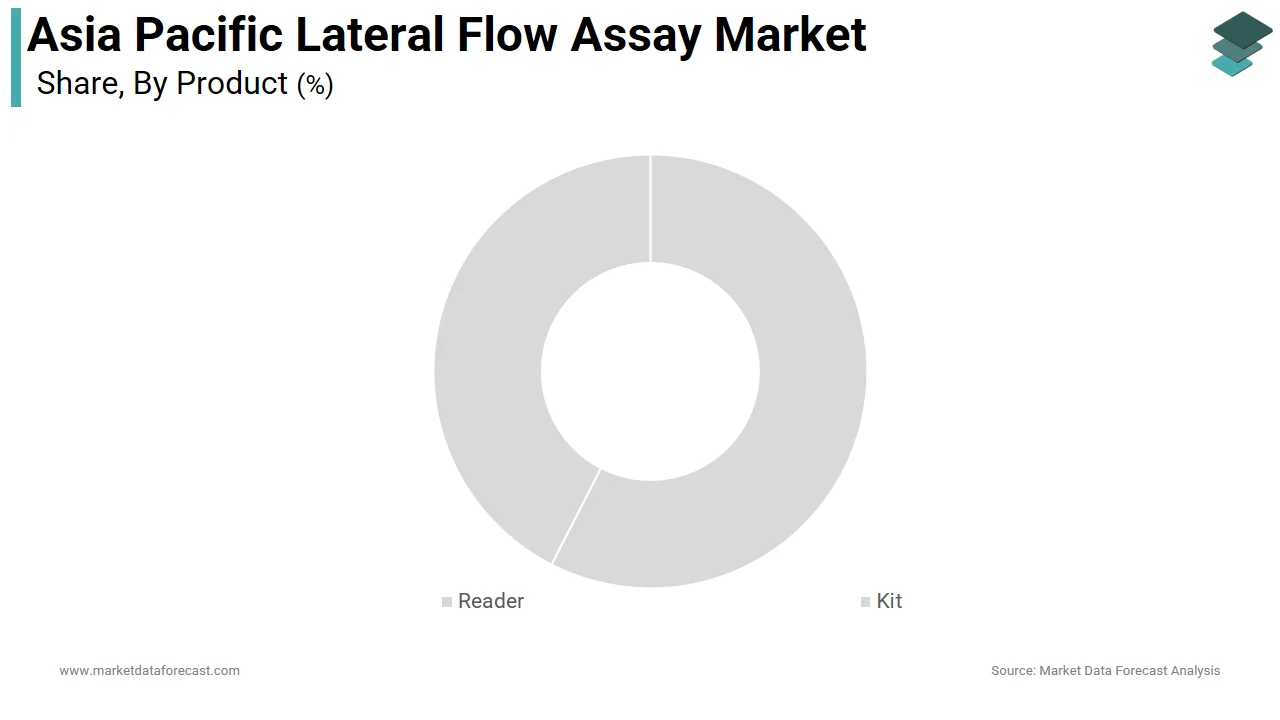
On the other hand, the lateral flow readers segment is estimated to grow at a CAGR of 8.2% over the forecast period in the regional market owing to the increasing demand for quantitative results and digital data integration. According to the International Federation of Clinical Chemistry, qualitative visual interpretation of test strips is subjective and prone to human error, whereas readers provide objective numerical data, enhancing diagnostic accuracy. Healthcare facilities in developed markets like Japan and Australia are adopting readers to integrate lateral flow results into electronic health records, facilitating better patient management and longitudinal tracking. The ability of readers to detect low analyte concentrations improves sensitivity, making them suitable for early disease detection and monitoring chronic conditions. Telemedicine platforms leverage connected readers to transmit real-time data from remote locations to specialists, enabling virtual consultations and timely interventions. Regulatory bodies are increasingly recommending quantitative methods for certain diagnostic applications, driving institutional adoption. Manufacturers are developing compact and battery-operated readers that are portable yet powerful enough for clinical use. The convergence of hardware and software solutions creates added value for healthcare providers seeking comprehensive diagnostic ecosystems. This technological shift from simple visual checks to data-driven diagnostics positions readers as a key growth engine in the evolving landscape of point-of-care testing.
By Application Insights
The clinical segment accounted for the major share of the Asia-Pacific lateral flow assay market in 2025 due to the high prevalence of infectious diseases and the need for rapid diagnosis in patient care settings. According to the World Health Organization, the region accounts for over 50% of global tuberculosis and malaria cases, necessitating efficient screening tools at primary care levels. Lateral flow assays enable clinicians to quickly identify pathogens and initiate appropriate treatment, reducing morbidity and mortality rates. The integration of these tests into national disease control programs ensures consistent procurement and usage across public health facilities. Emergency departments rely on rapid tests for triaging patients with fever or respiratory symptoms, improving flow and reducing overcrowding. The ability to distinguish between viral and bacterial infections helps curb antibiotic misuse, addressing a critical public health concern. Government initiatives to strengthen primary healthcare infrastructure further boost the adoption of clinical lateral flow assays. Training programs for healthcare workers enhance proficiency in using these tests, ensuring reliable results. The critical role of rapid diagnostics in managing outbreaks reinforces their importance in clinical practice. This sustained demand from the healthcare sector solidifies the dominance of clinical applications through essential disease management and public health protection efforts.
However, the food safety segment is anticipated to record a CAGR of 10.4% over the forecast period in this regional market owing to the stringent regulatory standards and export requirements. According to the Food and Agriculture Organization, countries in the region are major exporters of agricultural products, requiring rigorous testing for contaminants such as pesticides, mycotoxins and pathogens to meet international standards. Lateral flow assays offer rapid on-site testing capabilities, allowing producers to screen raw materials and finished goods before shipment. Regulatory bodies in import markets like the European Union and United States mandate strict compliance, driving adoption among Asian exporters. Domestic regulations in countries like China and India are also tightening, requiring food processors to implement robust quality control measures. The speed of lateral flow tests enables real-time decision-making in production lines, reducing waste and recall risks. Manufacturers of food ingredients and processed foods increasingly incorporate these tests into their hazard analysis and critical control points systems. The rising consumer awareness regarding food safety further pressures companies to ensure product integrity. This regulatory and commercial pressure fuels rapid growth in the food safety segment as businesses prioritize compliance and brand reputation.
By End User Insights
The hospitals and clinics segment led the market by capturing the major share of the regional market in 2025 due to high patient volumes and the critical need for immediate diagnostic results in acute care settings. According to the World Bank, hospital admissions in the region have increased significantly, driven by aging populations and rising chronic disease prevalence. Emergency departments and outpatient clinics rely on lateral flow assays for rapid triage of patients presenting with symptoms of infectious diseases, cardiac issues, or pregnancy. The ability to obtain results within minutes facilitates timely treatment decisions, improving patient outcomes and reducing length of stay. Large hospital networks standardize the use of lateral flow assays across their facilities, ensuring consistent quality and efficiency. The integration of these tests into clinical pathways for common conditions such as influenza and strep throat streamlines workflow and reduces burden on laboratory services. Public hospitals in developing countries depend heavily on these affordable tests to manage large patient loads with limited resources. Private clinics use rapid tests as a value-added service to attract patients seeking convenience. The central role of hospitals and clinics in healthcare delivery ensures their dominance as the primary consumers of lateral flow assays through continuous high-volume usage.
On the other hand, the home care segment is expected to showcase a CAGR of 11.4% over the forecast period in this regional market owing to the rise of self-testing and chronic disease management. According to the International Diabetes Federation, the number of individuals with diabetes in the region is projected to reach over 200 million, and this requires regular monitoring at home. Lateral flow assays for glucose, ketones, and other markers enable patients to manage their conditions independently, reducing hospital visits. The convenience and privacy of home testing appeal to consumers seeking autonomy over their health. Aging populations in countries like Japan and South Korea prefer home-based solutions for routine monitoring of cardiovascular and metabolic health. Manufacturers are designing user-friendly kits with clear instructions and digital connectivity to support elderly users. The proliferation of e-commerce platforms makes these tests easily accessible to consumers without prescription requirements. Health insurance providers are beginning to reimburse home testing kits to reduce overall healthcare costs. This shift toward patient-empowered care drives rapid adoption of home care lateral flow assays as individuals take greater responsibility for their well-being.
COUNTRY LEVEL ANALYSIS
China Lateral Flow Assay Market Analysis
China held 31.3% of the Asia-Pacific lateral flow assay market share in 2025 and is likely to experience steady market expansion over the next few years due to government health initiatives, a strong domestic manufacturing base, and its massive population and robust manufacturing base. According to the National Medical Products Administration, the country has streamlined approval processes for in vitro diagnostics, encouraging innovation and local production. The government has invested heavily in public health infrastructure, integrating rapid tests into national disease control programs for tuberculosis and hepatitis. Domestic manufacturers are gaining competitiveness through technological advancements and cost advantages, exporting globally. The rising prevalence of chronic diseases and an aging population drives demand for home monitoring tests. Regulatory reforms promote quality standards, aligning with international norms. The e-commerce sector facilitates direct-to-consumer sales of home testing kits. Urbanization increases access to advanced healthcare facilities utilizing rapid diagnostics. China's position as a manufacturing hub ensures supply chain stability and cost efficiency. Strategic partnerships with international firms enhance technology transfer. The market is characterized by rapid innovation and scale, ensuring continued leadership in the regional landscape.

India Lateral Flow Assay Market Analysis
India holds a significant position in the Asia-Pacific lateral flow assay market due to the high volume of consumption in public health programs. According to the Ministry of Health and Family Welfare, the country utilizes over 50 million rapid diagnostic tests annually for malaria, tuberculosis, and HIV screening in rural areas. Government initiatives aim to eliminate infectious diseases, driving bulk procurement of lateral flow kits. The presence of numerous domestic manufacturers offers cost-effective solutions catering to price-sensitive markets. Rising awareness of lifestyle diseases increases demand for home testing kits in urban centers. Regulatory frameworks are strengthening to ensure quality and safety of diagnostic products. The expansion of private healthcare networks boosts adoption in clinical settings. Affordability remains a key driver, with local production reducing dependency on imports. Digital health startups are integrating lateral flow tests into telemedicine platforms. India's role as a generic manufacturing hub supports global supply chains. The market balances public health needs with emerging private sector demand.
Japan Lateral Flow Assay Market Analysis
Japan occupies a mature and technologically advanced segment of the Asia-Pacific lateral flow assay market and is known for high-quality standards and innovation. According to the Ministry of Health, Labour and Welfare, the aging population drives demand for home monitoring tests for chronic conditions such as diabetes and cardiovascular diseases. Consumers prefer high precision and user-friendly devices, leading to adoption of quantitative readers and digitally connected kits. Regulatory approvals are rigorous, ensuring only high-quality products enter the market. Domestic companies lead in developing advanced biomarkers and nanomaterial-based assays. The healthcare system emphasizes preventive care, supporting regular screening programs. Reimbursement policies cover certain rapid tests, encouraging clinical use. Innovation in miniaturization and automation distinguishes Japanese products globally. The market values reliability and data integrity, driving preference for premium brands. Collaboration between academia and industry fosters continuous improvement. Japan serves as a trendsetter for advanced diagnostic technologies in the region.
South Korea Lateral Flow Assay Market Analysis
South Korea is likely to experience accelerated growth over the next few years owing to strong biotechnology investments, a high rate of technology adoption, strong biomedical research capabilities, and advanced healthcare infrastructure. According to the Korea Centers for Disease Control and Prevention, the country has invested in rapid diagnostic technologies for infectious disease surveillance following recent outbreaks. Domestic manufacturers are leaders in developing high-sensitivity assays using novel biomarkers. The government supports innovation through grants and regulatory fast-tracking. Consumers are tech-savvy, adopting digital health solutions and connected testing devices. Hospital networks utilize advanced lateral flow readers integrated with electronic health records. Export orientation drives quality improvements and global competitiveness. The market focuses on premium segments including oncology and cardiac markers. Regulatory harmonization with international standards facilitates market access. Collaboration with global partners enhances technology exchange. South Korea's role as an innovation hub ensures sustained growth and technological leadership in the diagnostic sector.
Australia Lateral Flow Assay Market Analysis
Australia is likely to achieve stable, high-value growth over the next few years, backed by strict regulatory standards, strong clinical adoption, high regulatory standards and advanced healthcare practices. According to the Therapeutic Goods Administration, strict quality controls ensure the safety and efficacy of diagnostic products. The market demands high sensitivity and specificity, driving adoption of quantitative readers in clinical settings. Rural healthcare initiatives utilize lateral flow assays to bridge diagnostic gaps in remote communities. Consumer awareness of health and wellness supports growth in home testing segments for allergies and hormones. Reimbursement policies influence adoption rates in public hospitals. Local distributors partner with global manufacturers to provide comprehensive solutions. The market values evidence-based practices and clinical validation. Innovation in digital health integration is prominent. Australia serves as a gateway for premium diagnostic products entering the Asia Pacific region. The focus on quality and reliability defines market dynamics.
COMPETITIVE LANDSCAPE
The Asia Pacific Lateral Flow Assay Market features intense competition characterized by a mix of global multinational corporations and agile regional manufacturers. Established giants leverage economies of scale, extensive R D capabilities, and strong brand recognition to dominate the premium clinical segment. These players continuously invest in product innovation and digital integration to maintain relevance amid changing healthcare needs. Smaller local producers compete by offering cost-effective solutions tailored to specific regional diseases and public health programs. The market sees frequent collaborations between diagnostic companies and technology firms to develop connected testing devices. Regulatory compliance regarding quality and safety creates barriers to entry while ensuring standardization. Price sensitivity in emerging markets drives demand for affordable yet reliable testing options. The competitive landscape demands constant adaptation to technological advancements and regulatory changes. Companies must balance innovation with affordability to succeed in this dynamic environment where speed and accuracy are paramount. Strategic alliances and local manufacturing remain critical for sustaining growth and market relevance.
KEY MARKET PLAYERS
The leading companies operating in the Asia-Pacific lateral flow assay market include:
- Abbott Laboratories
- Alere Inc.
- Hoffmann-La Roche AG
- Danaher Corporation
- Siemens AG
- Becton Dickinson and Company
- bioMérieux SA
- Johnson & Johnson
- Bio-Rad Laboratories Inc.
- QuidelOrtho Corporation
- Thermo Fisher Scientific Inc.
- QIAGEN N.V.
- PerkinElmer Inc.
TOP PLAYERS IN THE MARKET
- Abbott Laboratories maintains a strong presence in the Asia Pacific Lateral Flow Assay Market through its comprehensive portfolio of rapid diagnostic tests for infectious diseases and chronic conditions. The company leverages its extensive distribution network to ensure wide availability of products across clinical and home care settings in countries like India and China. Recent strategic initiatives focus on expanding manufacturing capabilities in the region to reduce supply chain dependencies and improve delivery speed. Abbott actively collaborates with local health authorities to support public health screening programs for diseases such as dengue and tuberculosis. The company invests in digital health integration, enabling seamless data transfer from rapid tests to electronic health records. These efforts reinforce Abbott's reputation for reliability and innovation while strengthening its foothold in the diverse and growing Asia Pacific diagnostic landscape.
- QuidelOrtho Corporation plays a pivotal role in the Asia Pacific Lateral Flow Assay Market by offering advanced rapid diagnostic solutions for respiratory infections and women’s health. The merged entity combines complementary technologies to provide a broader range of high-sensitivity assays tailored to regional healthcare needs. Recent actions include launching new multiplex lateral flow tests in Japan and Australia that detect multiple pathogens simultaneously, enhancing diagnostic efficiency. QuidelOrtho focuses on educating healthcare professionals through training programs and technical support, ensuring accurate test usage and interpretation. The company emphasizes quality and regulatory compliance, meeting stringent standards in developed markets. Strategic partnerships with local distributors facilitate market penetration in emerging economies. These measures demonstrate the company's commitment to scientific excellence and customer support, ensuring competitive advantage and long-term growth in the Asia Pacific region.
- Becton Dickinson and Company contributes significantly to the Asia Pacific Lateral Flow Assay Market through its robust portfolio of point-of-care diagnostic tools and laboratory systems. The multinational corporation utilizes its global expertise to introduce innovative lateral flow assays for drug abuse testing and infectious disease screening. Recent strategies involve expanding production facilities in South Korea and Singapore to serve the regional demand more effectively. Becton Dickinson focuses on integrating lateral flow technologies with its broader diagnostic ecosystem, providing end-to-end solutions for hospitals and clinics. The company engages in collaborations with research institutions to develop next-generation biomarkers for early disease detection. Marketing efforts highlight the ease of use and accuracy of their rapid tests, building trust among healthcare providers. These initiatives underscore Becton Dickinson's dedication to improving patient outcomes and operational efficiency in the Asia Pacific healthcare sector.
TOP STRATEGIES USED BY KEY MARKET PARTICIPANTS
Key players in the Asia Pacific Lateral Flow Assay Market employ several strategic approaches to maintain competitiveness and drive growth. Product innovation focuses on developing multiplex and quantitative assays to enhance diagnostic accuracy and clinical utility. Expansion of local manufacturing facilities reduces supply chain risks and improves cost efficiency for regional markets. Strategic partnerships with local distributors and healthcare providers facilitate market penetration and regulatory compliance. Investment in digital health integration enables remote monitoring and data connectivity for home care applications. Marketing campaigns emphasize ease of use and rapid results to appeal to both clinical and consumer segments. Continuous research and development efforts target emerging infectious diseases and chronic conditions, ensuring relevance. These multifaceted strategies enable companies to navigate regulatory complexities and evolving consumer demands effectively.
MARKET SEGMENTATION
This Asia Pacific lateral flow assay market research report is segmented and sub-segmented into the following categories.
By Product
- Reader
- Kit
By Application
- Clinical
- Veterinary
- Drug Development
- Food Safety
By Technique
- Competitive
- Multiplex
- Sandwich
By End User
- Hospitals and Clinics
- Home Care
- Diagnostic Laboratories
- Pharmaceutical and Biotechnology Companies
By Country
- India
- China
- Japan
- South Korea
- Australia
- New Zealand
- Thailand
- Malaysia
- Vietnam
- Philippines
- Indonesia
- Singapore
- Rest Of APAC