- Product Description Description
- Table of Contents TOC
- List of Table & Figure LOT
- Get Free Sample PDF Sample PDF
Market Size, 2025
$142.78 BnMarket Estimate, 2026
$154.15 BnMarket Forecast, 2034
$284.48 BnCAGR, 2026–2034
7.96%Executive Summary: Infectious Disease Therapeutics Market
- Market Scope: Comprehensive global analysis of the infectious disease therapeutics market covering antiviral and antibacterial portfolios, vaccine technologies, monoclonal antibodies, hospital-based care settings, and antimicrobial resistance (AMR) response initiatives.
- Market Valuation: Valued at USD 121.65 billion (2025), estimated at USD 128.47 billion (2026), and projected to reach USD 198.65 billion by 2034, registering a steady CAGR of 5.6% (2026–2034).
- Primary Growth Drivers: Rising antimicrobial resistance (AMR) necessitating novel antibiotic development, expanding antiviral pipelines targeting emerging pathogens and chronic viral infections, and increasing government funding for pandemic preparedness aligned with WHO Global Health Security. Key opportunities are backed by mRNA platform advances and AI-driven drug discovery optimizations.
Key Market Segment Metrics (2026–2034)
| Category | Leading Segment (2025 Position) | Fastest-Growing Segment |
|---|---|---|
| By Therapeutic Class & Type | Antivirals (dominated with a 48.3% share via HIV, HCV, and influenza treatment) & Vaccines (32.4% share) | Antibacterials (CAGR of 7.2% driven by AMR crisis) & Monoclonal Antibodies (CAGR of 9.8%) |
| By End User & Care Setting | Hospital-Based Treatment (led end-user segments with 64.7% share in 2025) | Outpatient Infusion Centers (gaining traction for chronic infection management) |
| By Region / Country | North America (occupied 42.8% of the regional market in 2025 supported by BARDA funding and biotech infrastructure) | Europe (commands premium value segments through centralized joint procurement and AMR stewardship) |
Major Market Players & Market Structure
Market Structure: Highly competitive global biopharmaceutical and infectious disease landscape featuring leading multinational healthcare corporations competing intensely on mRNA manufacturing scaling, CARB-X/IMI funding acquisition, and FDA/EMA fast-track regulatory pathways.
Key Companies: Gilead Sciences Inc., Merck & Co. Inc., Pfizer Inc., GlaxoSmithKline plc, AstraZeneca PLC, Johnson & Johnson, Roche Holding AG, Sanofi S.A., BioNTech SE, and Moderna Inc.
Global Infectious Disease Therapeutics Market Size
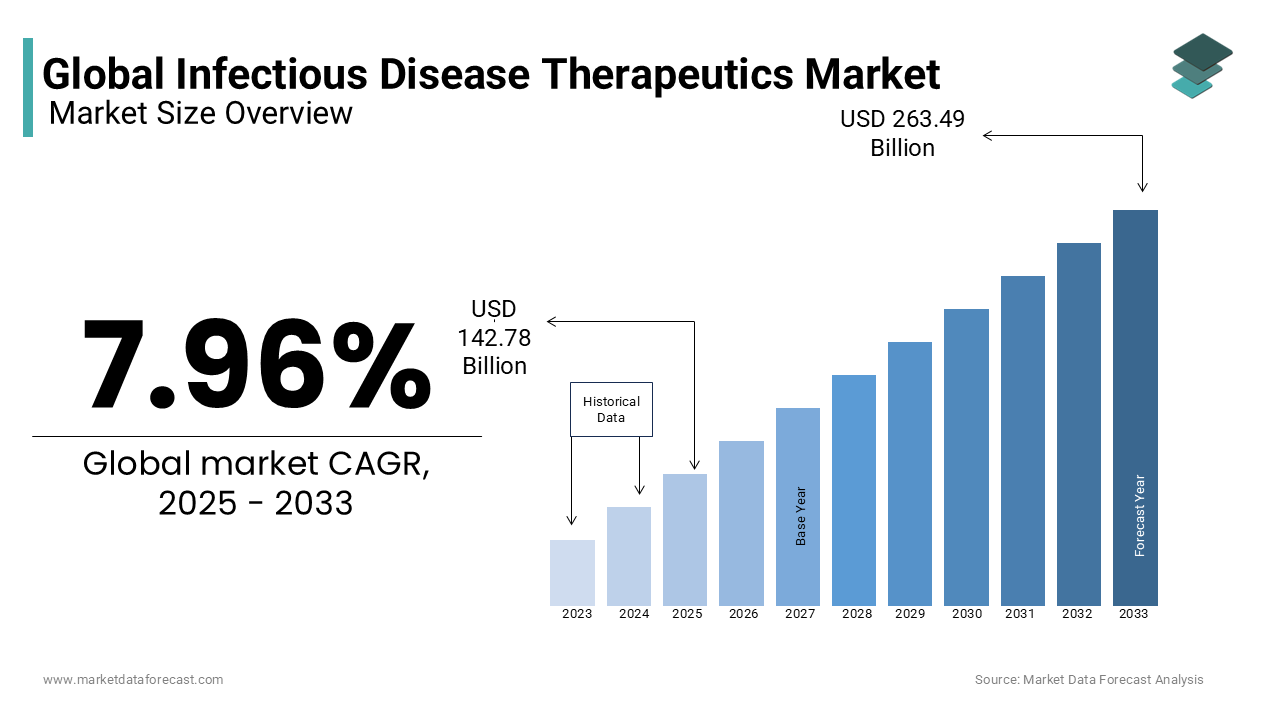
The global infectious disease therapeutics market size was valued at USD 142.78 billion in 2025 and is predicted to grow at a CAGR of 7.96% from 2026 to 2034. The market is forecasted to grow to USD 284.48 billion by 2034 from USD 154.15 billion in 2026.
The infectious disease therapeutics are pharmaceutical interventions designed to prevent treat and manage conditions caused by pathogenic microorganisms, including bacteria, viruses, fungi, and parasites. This sector includes antibiotics antivirals antifungals antiparasitics and vaccines, which are crucial for public health infrastructure and global disease control. According to the World Health Organization, infectious diseases accounted for approximately 15 million deaths globally in 2019 representing a significant portion of total mortality. The emergence of novel pathogens such as the SARS CoV 2 virus has further amplified the urgent need for robust therapeutic pipelines and rapid response capabilities. As per the Centers for Disease Control and Prevention, antibiotic resistant infections alone cause more than 2.8 million infections and 35000 deaths annually in the United States highlighting the severity of antimicrobial resistance. The increasing globalization and urbanization facilitate the rapid spread of pathogens across borders necessitating continuous innovation in therapeutic agents. Regulatory agencies such as the US Food and Drug Administration and the European Medicines Agency play pivotal roles in accelerating the approval of new treatments through expedited pathways. Furthermore, the rising prevalence of chronic infectious diseases like HIV and hepatitis C requires long term management strategies involving advanced biologics and small molecules.
MARKET DRIVERS
Rising Prevalence of Antimicrobial Resistance Drives Demand for Novel Agents
The escalating crisis of antimicrobial resistance by necessitating the development of new and effective treatment options is driving the growth of the infectious disease therapeutics market. Bacteria viruses and other pathogens are evolving mechanisms to withstand existing drugs rendering standard therapies ineffective and leading to prolonged illnesses and higher mortality rates. According to the World Health Organization, antimicrobial resistance is one of the top ten global public health threats facing humanity with drug resistant tuberculosis causing an estimated 410000 new cases annually. This alarming trend forces healthcare systems to seek alternative therapeutic agents that can overcome resistance mechanisms. The economic burden is also substantial with resistant infections costing the US healthcare system billions of dollars annually in extended hospital stays and additional treatments. Pharmaceutical companies are responding by investing heavily in research and development of novel antibiotics and combination therapies. Government initiatives such as the G7 AMR Action Fund provide financial incentives to accelerate the discovery of new antimicrobials. The clinical urgency to combat superbugs ensures a steady demand for innovative therapeutics. This persistent biological threat guarantees a sustained focus on developing next generation infectious disease treatments.
Increasing Incidence of Emerging and Re emerging Viral Outbreaks Stimulates Investment
The frequent occurrence of emerging viral outbreaks is additionally fuelling the growth of the infectious disease therapeutics market. Events such as the Ebola, Zika, and COVID 19 pandemics have demonstrated the catastrophic potential of novel viruses and the need for rapid therapeutic development. According to the World Health Organization, over 200 epidemics occur globally each year with many having the potential to become international health emergencies. The COVID 19 pandemic alone resulted in millions of deaths and spurred unprecedented investment in antiviral research and vaccine technology. As per the study, the global community recognizes the need for a coordinated response to future threats leading to increased funding for therapeutic platforms. The rise in zoonotic diseases due to environmental changes and human animal interaction further exacerbates this risk. Pharmaceutical firms are prioritizing the development of broad spectrum antivirals and mRNA technologies that can be rapidly adapted to new pathogens. Governments are stockpiling medical countermeasures and establishing strategic reserves to prepare for future outbreaks. This proactive approach drives demand for versatile therapeutic agents that can be deployed quickly. The heightened awareness among policymakers and the public ensures that infectious disease preparedness remains a top priority.
MARKET RESTRAINTS
High Development Costs and Long Regulatory Timelines Restrain Innovation
The substantial financial burden associated with developing new, particularly in areas with limited commercial viability is limiting the growth of the infectious disease therapeutics market. Bringing a new drug to market typically costs over 2 billion dollars and takes more than 10 years involving complex clinical trials and rigorous regulatory scrutiny. The average cost of developing a new prescription drug has risen significantly due to increased failure rates and regulatory requirements. For infectious diseases, especially those affecting low income populations the return on investment is often insufficient to justify the high upfront costs. There is lack of new antibiotics in the pipeline because pharmaceutical companies perceive the market as unprofitable compared to chronic disease treatments. The short duration of treatment for many acute infections further limits revenue potential compared to lifelong therapies for conditions like diabetes or hypertension. Regulatory agencies require extensive safety and efficacy data which prolongs the approval process and delays market entry. Small and mid sized biotechnology firms often lack the resources to navigate these hurdles independently leading to consolidation or project abandonment.
Stringent Pricing Pressures and Reimbursement Challenges Limit Market Access
The intense pricing pressures and complex reimbursement by limiting the affordability and accessibility of new treatments is also degrading the growth of the infectious disease therapeutics market. Healthcare payers and governments are increasingly demanding cost effectiveness evidence before approving coverage for expensive new therapies. In many countries, single payer systems negotiate aggressively to lower drug prices which can erode profit margins for manufacturers. For infectious disease therapeutics, which are often used for short durations justifying high prices is challenging compared to chronic medications. Generic competition further drives down prices for older antibiotics and antivirals reducing the incentive for innovation. In low and middle income, countries limited healthcare funding restricts access to advanced therapeutics despite high disease burdens. Manufacturers face the dilemma of balancing profitability with the ethical imperative to provide affordable care. Tiered pricing strategies and voluntary licensing agreements are common but often insufficient to address global access gaps.
MARKET OPPORTUNITIES
Expansion into Emerging Markets Offers Significant Growth Potential
The untapped potential of emerging countries due to the high burden of communicable diseases and improving healthcare infrastructure is ascribed to promote new opportunities for the expansion of the infectious disease therapeutics market. Countries in Asia Africa and Latin America bear a disproportionate share of the global infectious disease load, including tuberculosis, malaria, and HIV. According to the World Health Organization, nearly 95% of tuberculosis deaths occur in low and middle income countries creating a vast demand for effective treatments. As per the study, there is a global commitment to end epidemics of AIDS tuberculosis and malaria by 2030 driving increased investment in these regions. Governments in emerging economies are expanding their healthcare coverage and investing in local manufacturing capabilities to reduce dependence on imports. International organizations such as the Global Fund and Gavi provide substantial funding to procure and distribute therapeutics in these markets. Pharmaceutical companies are increasingly focusing on tiered pricing and local partnerships to enhance access and build brand loyalty. The growing middle class in these regions is also driving demand for higher quality healthcare services and advanced treatments.
Advancements in Precision Medicine and Genomics Enable Targeted Therapies
The integration of precision medicine and genomics into infectious disease management by enabling more targeted and effective treatments is also to amplify the growth of the infectious disease therapeutics market. Advances in genetic sequencing allow for the rapid identification of pathogens and their resistance profiles facilitating personalized therapy selection. The genomic technologies are increasingly used to track outbreak sources and understand transmission dynamics improving public health responses. The molecular diagnostics can detect specific genetic markers of resistance allowing clinicians to prescribe the most effective antibiotic or antiviral immediately rather than relying on empirical treatment. This reduces treatment failure rates and minimizes the development of further resistance. Pharmaceutical companies are developing companion diagnostics alongside new therapeutics to ensure optimal patient selection and outcomes. The rise of host directed therapies which target the patient’s immune response rather than the pathogen itself represents a new frontier in treatment. These approaches can be effective against multiple pathogens and reduce the risk of resistance. Collaborations between tech companies and pharmaceutical firms are accelerating the development of AI driven drug discovery platforms that can identify novel targets faster.
MARKET CHALLENGES
Complexity of Clinical Trials for Infectious Diseases Poses Operational Challenges
The inherent complexity of conducting clinical trials by increasing development time and costs is a key challenge for the growth of the infectious disease therapeutics market. Unlike chronic diseases, infectious outbreaks are often unpredictable and sporadic making it difficult to recruit sufficient patient numbers for statistically significant trials. According to the Food and Drug Administration, traditional randomized controlled trials may not be feasible during fast moving epidemics requiring adaptive trial designs and real world evidence. The logistical challenges such as reaching remote populations and maintaining cold chain integrity for biological samples further complicate data collection. Ethical considerations also arise when withholding potentially life-saving treatments from control groups during severe outbreaks. The rapid mutation rate of viruses like influenza and HIV requires continuous updates to trial protocols and endpoints, which can delay regulatory approval. Additionally, the heterogeneity of patient populations in terms of comorbidities and genetic backgrounds affects treatment response variability. Manufacturers must navigate diverse regulatory requirements across different countries which adds to the administrative burden. The lack of standardized biomarkers for certain infectious diseases makes it hard to measure efficacy consistently.
Global Supply Chain Vulnerabilities Disrupt Production and Distribution
The fragility of global supply chains for active pharmaceutical ingredients and raw materials by risking production disruptions is a also to decline the growth of the infectious disease therapeutics market. Many essential components for antibiotics and antivirals are sourced from a limited number of countries creating bottlenecks during times of high demand or geopolitical tension. The shortages of essential medicines, including antibiotics have become more frequent due to manufacturing issues and trade restrictions. The COVID 19 pandemic highlighted these weaknesses when lockdowns and transport disruptions halted the flow of goods leading to shortages of personal protective equipment and therapeutics. Natural disasters and political instability in sourcing regions can further exacerbate these risks. Manufacturers face difficulties in predicting demand spikes for infectious disease treatments, which often occur suddenly during outbreaks. Maintaining excess inventory is costly and inefficient yet necessary for emergency preparedness. The lack of transparency in multi-tier supply chains makes it hard to identify and mitigate risks proactively. Regulatory efforts to diversify sourcing and encourage local manufacturing are underway but take time to implement.
REPORT COVERAGE
| REPORT METRIC | DETAILS |
| Market Size Available | 2025 to 2034 |
| Base Year | 2025 |
| Forecast Period | 2026 to 2034 |
| Segments Covered | By Mode of Treatment, Target Organism, Infection Type, Distribution Channels & Region |
| Various Analyses Covered | Global, Regional & Country Level Analysis, Segment-Level Analysis; DROC; PESTLE Analysis; Porter’s Five Forces Analysis, Competitive Landscape, Analyst Overview of Investment Opportunities |
| Regions Covered | North America, Europe, APAC, Latin America, Middle East & Africa |
| Key Market Players | F. Hoffmann-La Roche, Gilead Sciences, GlaxoSmithKline, Johnson & Johnson, Merck & Co, Pfizer, Achillion Pharmaceuticals, Novartis, AbbVie, Astellas Pharma, AstraZeneca, Auritec Pharmaceuticals, Bayer, Bristol-Myers Squibb, Chimerix Pharmaceuticals, Cubist, Eli Lilly, Isis Pharmaceuticals and Mitsubishi Tanabe Pharma. |
SEGMENTAL ANALYSIS
By Mode of Treatment Insights
The drugs segment was accounted in holding 36.4% of the Infectious Disease Therapeutics Market share in 2025 with the immediate and essential treatment for active infections, which is for patient survival and recovery. Unlike vaccines, which are primarily prophylactic drugs such as antibiotics, antivirals, and antifungals are required to manage acute and chronic infectious conditions that affect millions globally. The bacterial infections alone cause millions of deaths annually, necessitating the widespread use of antibiotic therapies. The high prevalence of hospital acquired infections further drives demand for potent antimicrobial drugs. The chronic nature of diseases like HIV and Hepatitis C, also ensures a consistent long term demand for antiretroviral and antiviral medications. Patients diagnosed with these conditions require daily medication to suppress viral loads and prevent disease progression. The immediacy of drug administration during outbreaks or individual cases makes them indispensable in clinical settings. Furthermore, the development of new drug classes to combat resistant strains keeps this segment dynamic and essential. Healthcare systems prioritize the availability of these life saving medications, ensuring steady procurement and distribution.
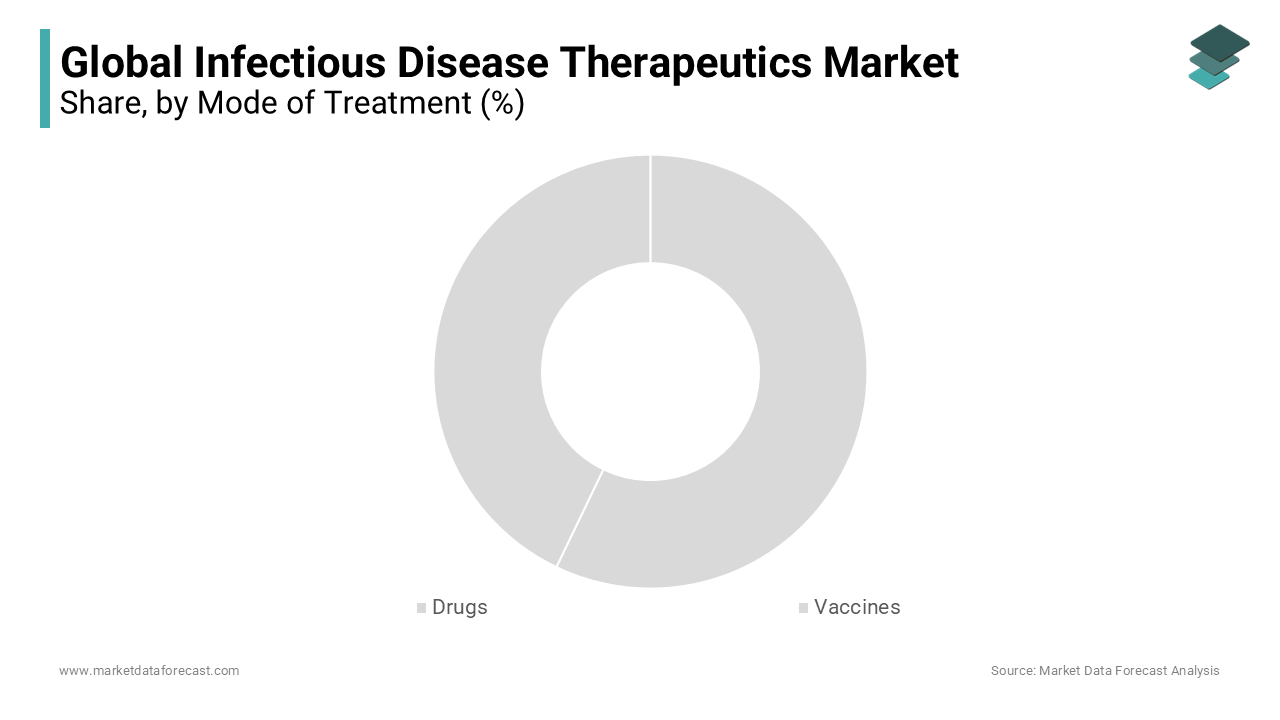
The vaccines segment is projected to grow at a fastest CAGR of 14.2% throughout the forecast period with the global shift towards preventive healthcare and pandemic preparedness. The success of mRNA technology during the COVID 19 pandemic has revolutionized vaccine development enabling faster production and higher efficacy against novel pathogens. According to the World Health Organization, immunization prevents 3.5 to 5 million deaths every year from diseases like diphtheria tetanus pertussis influenza and measles. This proven impact has encouraged governments and international bodies to invest heavily in vaccination programs. The increased funding for routine immunization in low income countries has expanded access to essential vaccines. The rising incidence of emerging infectious diseases has prompted pharmaceutical companies to diversify their pipelines with candidate vaccines for Zika, Ebola, and other threats. Regulatory agencies have established expedited pathways for vaccine approval, further accelerating market entry. Public awareness campaigns have also improved vaccine uptake rates in many regions. The ability of vaccines to reduce the overall burden on healthcare systems by preventing infections rather than treating them makes them economically attractive.
By Target Organism Insights
The antibacterial therapeutics segment was the largest by occupying 46.4% of the Infectious Disease Therapeutics Market share in 2025 due to the ubiquitous nature of bacterial infections and their significant contribution to global morbidity and mortality. Bacteria cause a wide range of conditions from common respiratory tract infections to life threatening sepsis requiring immediate and effective treatment. According to the study, lower respiratory infections remain one of the top causes of death worldwide predominantly caused by bacterial pathogens. The widespread use of antibiotics in both community and hospital settings ensures high volume consumption. As per the study, healthcare associated infections affect hundreds of thousands of patients annually in Europe alone, driving substantial demand for broad spectrum and targeted antibacterials. The aging population is more susceptible to bacterial infections due to weakened immune systems further sustaining demand. Additionally, the rise of multidrug resistant organisms has led to the development of new generation antibiotics, which command premium pricing. Hospitals maintain large inventories of various antibacterial agents to handle diverse clinical scenarios. The established diagnostic protocols for bacterial identification facilitate precise prescribing.
The antiviral segment is emerging at a fastest CAGR of 11.8% during the forecast period with the increasing burden of chronic viral diseases and the threat of emerging pandemics. Chronic infections such as HIV, Hepatitis B, and Hepatitis C require lifelong management with antiretroviral and direct acting antiviral therapies creating a stable and expanding patient base. According to the World Health Organization, approximately 38 million people globally were living with HIV in 2021 all of whom require continuous antiviral treatment. The successful development of curative treatments for Hepatitis C has also boosted market activity. The incidence of sexually transmitted viral infections is rising in many developed nations driving demand for preventive and therapeutic antivirals. The recent focus on pandemic preparedness has accelerated investment in broad spectrum antivirals that can target multiple viral families. Advances in molecular biology have enabled the design of drugs that inhibit specific viral replication steps with high precision. Government initiatives to eliminate Hepatitis C by 2030 are further stimulating procurement.
By Infection Type Insights
The bacterial infections segment was accounted in holding 44.8% of the Infectious Disease Therapeutics Market share in 2025. From skin and soft tissue infections to pneumonia and urinary tract infections, bacterial pathogens are responsible for a significant proportion of outpatient and inpatient visits. The ease of transmission and ubiquity of bacteria in the environment ensure a constant stream of cases. As per the National Institutes of Health, bacterial pneumonia remains a leading cause of hospitalization among adults and children. The standard of care for these conditions relies heavily on antibiotic therapy, which is widely available and prescribed. The development of resistance has not diminished the volume of prescriptions but rather shifted them towards newer more expensive agents. Surgical procedures also require prophylactic antibiotics to prevent post operative infections adding to the demand.
The viral infections segment is likely to register a fastest CAGR of 12.5% during the forecast period with the lasting impact of the COVID 19 pandemic and the rising prevalence of chronic viral conditions. The pandemic amplified the devastating potential of viral outbreaks leading to sustained investment in antiviral research and stockpiling. The global focus on viral surveillance and response has intensified driving demand for therapeutic solutions. Chronic viral infections such as HIV and Hepatitis continue to affect millions requiring long term antiviral regimens. The new HIV infections remain a significant public health challenge, particularly in sub Saharan Africa and Eastern Europe. The development of long acting injectables for HIV prevention and treatment is opening new avenues. Additionally, the increasing recognition of Post Acute Sequelae of SARS CoV 2 PASC has created a new patient population requiring ongoing care. Advances in gene editing and RNA interference technologies offer promising new avenues for curing viral infections.
By Distribution Channel Insights
The hospitals segment held significant share of the Infectious Disease Therapeutics market in 2025. Severe conditions such as sepsis, meningitis, and hospital acquired pneumonia necessitate immediate access to potent therapeutics that are often only available in institutional settings. Hospitals in the United States alone account for billions of dollars in pharmaceutical purchases annually with infectious disease agents, representing a significant portion. The presence of specialized infectious disease departments and intensive care units ensures high consumption of advanced antibiotics and antivirals. Hospitals also serve as hubs for administering vaccines during mass immunization campaigns. The ability to provide comprehensive diagnostic support alongside treatment makes hospitals the preferred channel for critical care therapeutics. Reimbursement policies often favor institutional care for severe infections ensuring steady revenue flow.
The clinics segment is swiftly growing at a fastest CAGR of 9.3% during the forecast period with the shift towards ambulatory care and the management of chronic infectious diseases. Patients increasingly prefer outpatient settings for routine vaccinations screening and management of conditions like HIV and Hepatitis due to lower costs and convenience. The number of outpatient visits for infectious disease management has risen significantly as healthcare systems aim to reduce hospital overcrowding. Community clinics and specialized infectious disease centers play a crucial role in delivering long term antiviral therapies and monitoring patient adherence. The rise of telemedicine has also facilitated prescription refills and follow up care through clinic networks. Retail health clinics within pharmacies are becoming important access points for flu shots and travel vaccines.
REGIONAL ANALYSIS
North America Infectious Disease Therapeutics Market Analysis
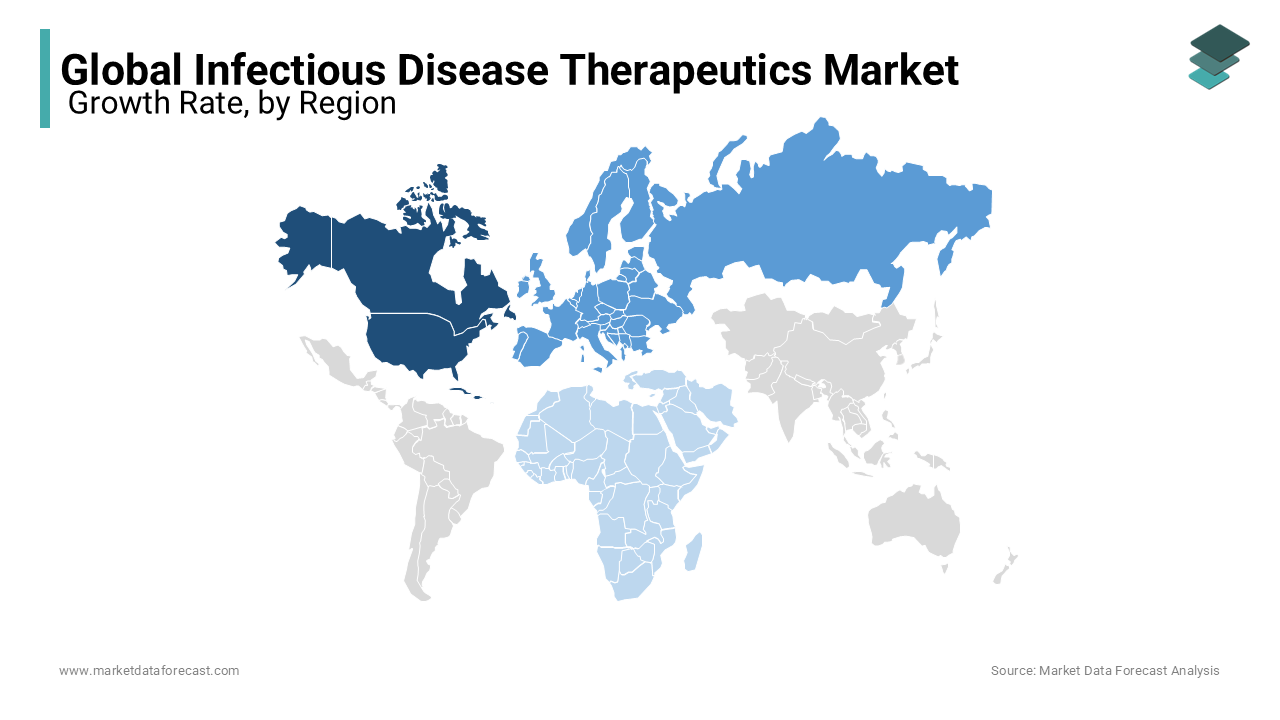
North America was the top performer of the global Infectious Disease Therapeutics Market by accounting for 32.4% of share in 2025 with the advanced healthcare infrastructure high healthcare expenditure and a strong presence of major pharmaceutical companies. According to the study, the United States faces significant challenges with antibiotic resistant infections driving demand for novel therapeutics. As per the study, substantial federal funding supports infectious disease research including initiatives for HIV, malaria, and emerging pathogens. The high prevalence of chronic viral infections such as Hepatitis C and HIV ensures steady demand for antiviral treatments. Private insurance coverage facilitates access to expensive new therapies although pricing pressures remain a concern. The COVID 19 pandemic spurred massive investment in vaccine and antiviral development reinforcing the region’s leadership. Collaborative efforts between academia industry and government agencies foster innovation. The aging population also contributes to higher susceptibility to infections.
Europe Infectious Disease Therapeutics Market Analysis
Europe Infectious Disease Therapeutics Market was next with 22.1% of share in 2025. The growth of the market in this country is majorly driven by the universal healthcare systems and stringent regulatory standards that ensure high quality care. The strong public health initiatives and coordinated efforts to combat antimicrobial resistance. AMR is a priority area with member states implementing national action plans to reduce inappropriate antibiotic use. The centralized approval processes facilitate the rapid availability of new treatments, across the bloc. Countries like Germany, France, and the United Kingdom have well established healthcare infrastructures that provide comprehensive coverage for infectious disease treatments. The rising incidence of tuberculosis and HIV in certain Eastern European countries drives specific therapeutic demands. Government funding for vaccine research and pandemic preparedness is robust. The emphasis on cost effectiveness influences procurement decisions favoring generic and biosimilar options where appropriate.
Asia Pacific Infectious Disease Therapeutics Market Analysis
Asia Pacific Infectious Disease Therapeutics Market growth is driven by the high burden of infectious diseases and improving healthcare access. As per the International Diabetes Federation, rising diabetes rates also increase susceptibility to infections driving demand for therapeutics. Countries like China, India, and Japan are investing heavily in domestic pharmaceutical manufacturing reducing dependence on imports. The growing middle class is demanding higher quality healthcare services including advanced antiviral and antibiotic treatments. Government initiatives to eliminate hepatitis and control HIV are boosting procurement. The aftermath of the pandemic has heightened awareness and preparedness for infectious diseases.
Latin America Infectious Disease Therapeutics Market Analysis
Latin America Infectious Disease Therapeutics Market growth is simply growing with the varying levels of healthcare access and a high prevalence of tropical infectious diseases. The region’s market status is influenced by economic fluctuations and public health priorities that focus on controlling endemic diseases. Diseases such as dengue, Zika, and Chagas disease remain significant public health challenges requiring targeted therapeutics. As per the Joint United Nations Programme on HIV/AIDS, Latin America has made progress in HIV treatment coverage but gaps remain in rural areas. Brazil and Mexico are the largest contributors in the region with growing pharmaceutical sectors. Government programs provide free access to antiretrovirals and vaccines for key populations. However, budget constraints often limit the adoption of newer expensive therapies. The private sector plays a crucial role in providing advanced treatments to those who can afford them. Increasing urbanization and climate change are altering disease patterns creating new demands.
The Middle East and Africa Infectious Disease Therapeutics Market Analysis
The Middle East and Africa Infectious Disease Therapeutics Market growth is driven by high disease burdens and ongoing healthcare improvements. The significant disparities in healthcare infrastructure between wealthy Gulf nations and sub Saharan African countries. As per the Global Fund, international financing plays a vital role in procuring and distributing these life-saving drugs. Gulf Cooperation Council countries have advanced healthcare systems and are investing in local pharmaceutical production to enhance security. Political instability and supply chain issues in some African nations hinder consistent access to medicines. However, mobile health initiatives and community based distribution models are improving reach. Governments are increasingly prioritizing infectious disease control as part of broader health strategies.
COMPETITIVE LANDSCAPE
The competition in the Infectious Disease Therapeutics Market is characterized by the presence of large multinational pharmaceutical companies and agile biotechnology firms vying for dominance through innovation and speed. Established players leverage their extensive distribution networks and financial resources to dominate the vaccine and chronic viral treatment segments. They benefit from strong brand recognition and long standing relationships with healthcare providers and governments. Meanwhile, smaller biotech companies focus on niche areas such as novel antibiotics or rare viral infections where they can offer differentiated solutions. Differentiation occurs through technological superiority clinical efficacy and speed to market rather than price alone. Regulatory pathways for infectious disease treatments are often expedited which lowers barriers for new entrants with promising candidates. Intellectual property protection remains an important factor in maintaining competitive edges. Collaborative efforts between public and private sectors are increasingly common to tackle global health threats.
KEY MARKET PLAYERS
Some of the companies that are playing a dominating role in the global infectious disease therapeutics market include
- F. Hoffmann-La Roche
- Gilead Sciences
- GlaxoSmithKline
- Johnson & Johnson
- Merck & Co.
- Pfizer
- Achillion Pharmaceuticals
- Novartis
- AbbVie
- Astellas Pharma
- AstraZeneca
- Auritec Pharmaceuticals
- Bayer
- Bristol-Myers Squibb
- Chimerix Pharmaceuticals
- Cubist
- Eli Lilly
- Isis Pharmaceuticals
- Mitsubishi Tanabe Pharma
Top Players in the Global Infectious Disease Therapeutics Market
Gilead Sciences Inc
Gilead Sciences Inc is a global leader in antiviral therapeutics with a strong focus on HIV hepatitis and emerging viral infections. The company has established a dominant position through its comprehensive portfolio of direct acting antivirals and long acting injectables that improve patient adherence. They have also engaged in strategic collaborations to develop next generation therapies for respiratory syncytial virus and other pathogens. By prioritizing research in hard to treat viral conditions, Gilead continues to drive innovation. Their commitment to global access programs ensures widespread availability of life saving medications. This dual focus on scientific advancement and equitable distribution solidifies their role as a key contributor to infectious disease management worldwide.
Pfizer Inc
Pfizer Inc contributes significantly to the infectious disease therapeutics market through its extensive vaccine portfolio and antimicrobial agents. The company leverages its massive manufacturing capabilities and global distribution network to deliver important vaccines for pneumonia, influenza, and meningitis. Recently, Pfizer has reinforced its position by advancing mRNA technology platforms for rapid response to emerging pathogens. They have also invested in developing new antibiotics to combat multidrug resistant bacteria addressing a major public health threat. Strategic acquisitions have expanded their antiviral capabilities including treatments for COVID 19 and RSV. Pfizer actively participates in global health initiatives to improve vaccination rates in low income countries. Their robust clinical trial infrastructure enables fast tracking of promising candidates.
Merck and Co Inc
Merck and Co Inc plays a vital role in the infectious disease sector with a strong emphasis on vaccines and antiviral treatments. The company is renowned for its human papillomavirus and measles mumps rubella vaccines which prevent millions of infections annually. Recently Merck has focused on expanding its antiviral pipeline particularly in hepatitis C and HIV through internal development and partnerships. They have also enhanced their manufacturing capacity to meet global demand for essential vaccines. Merck collaborates with international organizations to ensure equitable access to its products in developing regions. Their investment in innovative adjuvant technologies improves vaccine efficacy and durability. The company also supports stewardship programs to promote responsible antibiotic use.
Top Strategies Used by Key Market Participants
Key players in the Infectious Disease Therapeutics Market primarily employ strategies focused on research and development innovation and strategic partnerships to maintain competitive advantage. Companies are heavily investing in novel drug discovery platforms such as mRNA technology and artificial intelligence to accelerate the identification of new therapeutic targets. This enhances their ability to respond rapidly to emerging pathogens. Another major strategy involves forming collaborations with academic institutions and government agencies to share risks and resources in clinical trials. Mergers and acquisitions allow firms to expand their pipelines and gain access to specialized technologies. Additionally, manufacturers are focusing on global access initiatives and tiered pricing models to penetrate emerging areas, while maintaining profitability. Regulatory engagement is also prioritized to secure expedited approvals for critical treatments.
RECENT MARKET HAPPENINGS
- In March 2021, Roche Diagnostics launched the Cobas SARS-CoV-2 Variant Set 1 assay to understand emerging coronavirus mutations better. The Cobas SARS-CoV-2 Variant Set 1 Test is intended to identify significant spike alterations in virus variants linked to enhanced transmission from person to person.
- In February 2021, Mesa Biotech, Inc., a privately held provider of point-of-care molecular diagnostics, was fully acquired by Thermo Fisher Scientific Inc., the industry pioneer in delivering science. Mesa Biotech is a crucial component of Thermo Fisher Scientific's strategy to increase the advantages of molecular diagnostics at the point of care, beginning with COVID-19 testing, leading to more market revenue.
- In December 2022, the biopharmaceutical company Everest Medicines, which focuses on the development, production, and commercialization of novel drugs and vaccines, announced today that the first phase of its global manufacturing site in Jiashan, Zhejiang Province, which is dedicated to the production of mRNA vaccines, has started operations and completed trial production runs.
- In December 2022, Brii Biosciences Limited, a biotechnology company developing therapies to improve patient health and choice across diseases with high unmet needs, announced progress against its strategic clinical development priorities, including various updates across its pipeline of candidates for infectious diseases and central nervous system diseases.
MARKET SEGMENTATION
This research report on the global infectious disease therapeutics market has been segmented and sub-segmented based on the mode of treatment, target organism, infection type, distribution channels & region.
By Mode of Treatment
- Drugs
- Vaccines
By Target Organism
- Antibacterial
- Antifungal
- Antiviral
- Antiparasite
- others
By Infection Type
- Bacterial
- Viral
- Fungal
- Parasitic
- Others
By Distribution Channels
- Hospitals
- Clinics
- Others
By Region
- North America
- Europe
- Asia-Pacific
- Latin America
- The Middle East and Africa