- Product Description Description
- Table of Contents TOC
- List of Table & Figure LOT
- Get Free Sample PDF Sample PDF
Market Size, 2025
$31.61 BnMarket Estimate, 2026
$33 BnMarket Forecast, 2034
$46.57 BnCAGR, 2026–2034
4.4%Executive Summary: Milk Powder Market
- Market Scope: Global milk powder market analysis covering sector valuations, growth projections, regional dynamics, and dairy processing technology adoption metrics.
- Market Valuation: Valued at USD 31.61 billion in 2025, estimated at USD 33.00 billion in 2026, and projected to reach USD 46.57 billion by 2034, registering a CAGR of 4.40% from 2026 to 2034.
- Primary Growth Drivers: Rising global demand, consumer preferences for diverse and premium dairy products, and the adoption of natural and organic ingredients enhancing nutritional profiles.
Key Market Segment Metrics (2026–2034)
| Category | Leading Segment (Position) | Fastest-Growing / Key Growth Segment |
|---|---|---|
| By Type & Formulation | Standard milk powder formulations and conventional dairy solids | Enzymes and specialty functional additives enhancing solubility and texture |
| By Technology & Innovation | Traditional spray-drying and standard powder preservation methods | Natural flavor integrations, organic certifications, and clean-label dairy processing solutions |
| By Region Segment | Europe (led the global dairy ingredient and milk powder landscape) | Asia-Pacific (witnessing rapid average annual consumption growth) |
Major Market Players & Market Structure
Market Structure: Highly competitive global dairy and food ingredient sector characterized by stringent quality compliance, raw material price fluctuations, portfolio naturalization, and strategic production capability expansions.
Key Companies: Chr. Hansen Holdings A/S, Sensient Technologies Corporation, Cargill Incorporated, Daniels Midland Company, and Ashland Inc.
Global Milk Powder Market Size
The global milk powder market size was calculated to be USD 31.61 billion in 2025 and is anticipated to be worth USD 46.57 billion by 2034, from USD 33 billion in 2026, growing at a CAGR of 4.40% during the forecast period.
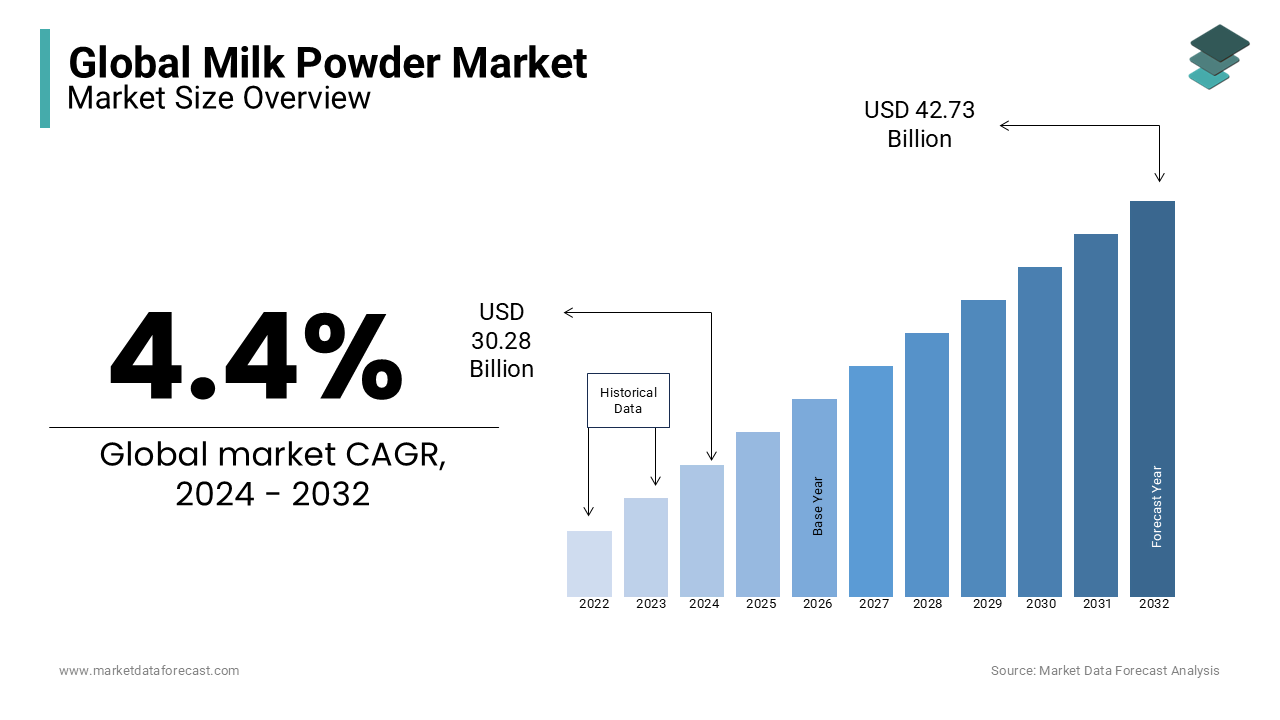
Milk powder (or powdered milk) is a manufactured dairy product created by evaporating liquid milk to complete dryness. The dehydration process turns milk into a dry, fine substance that can be reconstituted into liquid milk by simply mixing it with water. This category primarily includes whole milk powder skim milk powder and specialized variants such as whey protein powder and buttermilk powder. The primary objective of this processing method is to extend the shelf life of perishable milk while reducing storage and transportation costs significantly. According to the Food and Agriculture Organization, global milk production reached 965.7 million tonnes in 2023, with a small fraction (approximately 9%) traded internationally, primarily in the form of milk powders and dry products to overcome perishability and transport costs. As per the United States Department of Agriculture the conversion of fluid milk to powder allows for efficient inventory management during periods of surplus production. The market serves diverse sectors including infant nutrition bakery confectionery and industrial food manufacturing where consistent quality and ease of handling are paramount. In developing regions milk powder acts as a critical source of protein and calcium where fresh milk infrastructure is limited. The European Union remains a dominant exporter leveraging advanced spray drying technologies to maintain high nutritional standards. Consumer awareness regarding the nutritional equivalence of reconstituted milk to fresh milk is gradually increasing in urban markets. Regulatory bodies strictly monitor moisture content and bacterial counts to ensure safety and quality. The definition of this market extends beyond basic nutrition to include functional ingredients that enhance texture and flavor in processed foods. Innovations in instantization techniques have improved solubility making milk powder more consumer friendly for household use. The sector is integral to global food security providing a buffer against seasonal fluctuations in raw milk supply.
MARKET DRIVERS
Rising Demand for Convenience and Extended Shelf Life Products
The escalating demand for convenience and extended shelf life products helps drive the growth of the Milk Powder Market. This growth is fueled by modern lifestyles that prioritize time efficiency and reduced food waste. Consumers in urban areas increasingly seek ready to use ingredients that do not require refrigeration and have long storage durations. According to United Nations population projections frequently cited by the World Bank, the global urbanization rate is expected to hit 68% by 2050, accelerating demand for convenient and shelf-stable food systems in expanding cities. Milk powder offers a practical solution for households and commercial kitchens by eliminating the risk of souring and reducing storage space requirements. The baking and confectionery industries heavily rely on milk powder for its ability to enhance browning texture and flavor stability without adding excess moisture. Industrial manufacturers value the consistency of powder formulations which ensures uniform product quality across large scale production runs. The logistical advantage of transporting powder over liquid milk reduces carbon footprints and transportation costs significantly. Retailers benefit from lower inventory losses and easier stock management compared to fresh dairy products. The versatility of milk powder in various culinary applications from coffee creamers to savory sauces further boosts its adoption. Emergency preparedness trends also contribute to demand as consumers stockpile non perishable essentials. This driver is reinforced by the growing popularity of home baking and cooking shows which frequently utilize milk powder for its convenience. The alignment with sustainable consumption practices by reducing food waste enhances its appeal to environmentally conscious buyers.
Expansion of Infant Formula and Clinical Nutrition Sector
The expansion of the infant formula and clinical nutrition sector is also propelling the Milk Powder Market forward. This is due to the critical role of specialized milk powders in early childhood development and medical care. Skim milk powder and whey protein concentrates are fundamental ingredients in infant formula providing essential proteins fats and carbohydrates for newborns. The World Health Organization indicates that more than 50% of infants globally are partially or fully raised on formula before six months of age, requiring a massive and strictly regulated supply of high-grade milk powder. Parents are increasingly prioritizing nutritional quality and safety leading to higher demand for premium organic and fortified milk powders. The clinical nutrition segment utilizes specialized milk powders for patients with malnutrition digestive disorders or specific dietary restrictions. Medical professionals recommend these products for their precise nutrient profiles and ease of digestion. Regulatory standards for infant formula are stringent requiring manufacturers to adhere to strict quality control measures which drives investment in advanced processing technologies. The aging population in developed countries also contributes to demand for nutritional supplements derived from milk powder. Brands are innovating with added probiotics and prebiotics to enhance gut health benefits. This sector commands higher margins and fosters brand loyalty due to the critical nature of the products. The continuous research into human milk composition influences formulation improvements ensuring that milk powder remains a vital component of global nutrition strategies.
MARKET RESTRAINTS
Volatility in Raw Milk Prices and Supply Chain Disruptions
Volatility in raw milk prices and supply chain disruptions is limiting the growth of the Milk Powder Market. These fluctuations in input costs negatively impact profitability and pricing stability. Milk prices are influenced by seasonal variations feed costs weather conditions and geopolitical events creating uncertainty for manufacturers. According to the Global Dairy Trade index milk powder prices can fluctuate by up to 20 percent within a single year affecting budget planning for producers and buyers. As per the International Monetary Fund supply chain bottlenecks and logistics costs have increased operational expenses for dairy processors globally. Droughts and extreme weather events in key producing regions such as New Zealand and Europe can reduce milk yields leading to scarcity and price spikes. Manufacturers often struggle to pass these increased costs onto consumers due to competitive market dynamics and price sensitivity. Small and medium sized enterprises are particularly vulnerable as they lack the financial reserves to absorb sudden cost increases. The reliance on global trade exposes the market to tariff changes and trade barriers which can disrupt export flows. Inventory management becomes challenging when supply is unpredictable leading to either stockouts or excess inventory. Farmers may switch to other crops if milk prices remain low for extended periods further affecting supply consistency. The lack of transparent pricing mechanisms in some regions exacerbates the issue. Manufacturers must invest in hedging strategies and diversified sourcing to mitigate risks but this adds complexity to operations. This financial instability discourages long term investment in capacity expansion and innovation.
Negative Consumer Perception Regarding Freshness and Nutrition
Negative consumer perception regarding freshness and nutrition holds back the expansion of the Milk Powder Market. This reluctance stems from the fact that many buyers believe powdered milk is inferior to fresh liquid milk. Despite scientific evidence confirming that milk powder retains most nutrients consumers often associate it with processed and less healthy options. As per the International Dairy Federation misconceptions about the addition of preservatives and additives in milk powder persist despite regulatory prohibitions in many countries. The taste and texture differences between fresh and reconstituted milk can deter preference particularly in cultures with strong fresh dairy traditions. Marketing efforts by fresh milk producers emphasizing naturalness and cold chain integrity further reinforce the superiority of liquid milk. The stigma associated with milk powder as a product of last resort or for emergency use only limits its adoption in premium segments. Health conscious consumers often scrutinize ingredient labels and may avoid powders due to concerns about heat damage to proteins during processing. The rise of plant based alternatives also competes for the same health oriented demographic. Educating consumers about the nutritional benefits and sustainability advantages of milk powder requires significant marketing investment. The lack of transparency in processing methods can fuel skepticism. This perception barrier restricts market growth in high income regions where fresh milk is readily available and affordable. Overcoming this bias requires consistent communication and product innovation to enhance sensory appeal.
MARKET OPPORTUNITIES
Development of Value Added and Functional Milk Powders
The development of value-added and functional milk powders brings a new prospect for the Milk Powder Market. This is driven by manufacturers innovating to meet specific health and dietary needs. Products enriched with vitamins minerals probiotics and plant based blends are gaining traction among health conscious consumers. Manufacturers are leveraging advanced microencapsulation technologies to protect sensitive nutrients during processing and storage. Organic and grass fed milk powders appeal to consumers seeking clean label and sustainable options. The introduction of lactose free milk powder addresses the needs of the growing lactose intolerant population. Customized formulations for sports nutrition and weight management provide new revenue streams for dairy companies. Collaborations with healthcare providers and nutritionists help validate health claims and build trust. The premiumization trend allows brands to command higher prices for specialized products. Digital marketing enables targeted outreach to niche consumer segments interested in specific health benefits. The integration of milk powder into ready to drink shakes and meal replacements expands its application scope. Innovation in flavor profiles such as chocolate vanilla and fruit infusions enhances consumer appeal. This opportunity enables manufacturers to differentiate their offerings and capture value in a competitive market. The focus on personalized nutrition drives continuous product development and diversification.
Growth in Emerging Markets with Limited Cold Chain Infrastructure
The growth in emerging regions with limited cold chain infrastructure creates new potential for the Milk Powder Market. This is because milk powder offers a practical solution for accessing dairy products in remote areas. In many parts of Africa Asia and Latin America the lack of refrigeration facilities makes fresh milk distribution challenging and expensive. Infrastructure studies from the World Bank show that only about 18% of the rural population in Sub-Saharan Africa has access to electricity, heavily restricting the use of cold-storage options like refrigeration. As per the Food and Agriculture Organization milk powder serves as a crucial source of nutrition in these regions ensuring consistent availability regardless of location. Governments and non governmental organizations often distribute milk powder in nutrition programs to combat malnutrition and stunting. Local manufacturers are investing in processing facilities to convert surplus milk into powder reducing waste and improving farmer incomes. The affordability and long shelf life of milk powder make it accessible to low income consumers. Retail expansion in urban centers of emerging economies increases visibility and availability of branded products. Partnerships with international dairy companies facilitate technology transfer and quality improvement. The rising middle class in these regions is adopting western dietary habits increasing demand for dairy based products. E commerce platforms enable direct to consumer sales bypassing traditional distribution barriers. Educational campaigns about the benefits of milk powder help overcome cultural biases. This market segment offers substantial volume growth potential due to the large underserved population. The strategic focus on affordability and accessibility ensures sustained demand and market penetration.
MARKET CHALLENGES
Stringent Regulatory Compliance and Quality Standards
Stringent regulatory compliance and quality standards are hampering the growth of the Milk Powder Market. Manufacturers must navigate complex and varying international regulations. Each country has specific requirements for labeling nutritional content and safety testing which increases operational complexity. According to the Codex Alimentarius Commission global standards for milk powder include strict limits on moisture content and bacterial counts. As per the European Food Safety Authority recent updates to regulations on contaminants such as melamine and heavy metals require rigorous testing protocols. Non compliance can result in product recalls fines and reputational damage which are costly for businesses. The need for multiple certifications for different export markets adds to the administrative burden. Small producers often lack the resources to implement comprehensive quality assurance systems. Changing regulations regarding animal welfare and environmental sustainability further complicate compliance. The traceability of raw milk sources is mandatory in many jurisdictions requiring robust data management systems. Harmonization of standards across regions is limited leading to inefficiencies in global trade. Manufacturers must invest in advanced laboratory equipment and trained personnel to meet these demands. The cost of compliance can be prohibitive for smaller players limiting market entry. Any deviation from standards can lead to rejection of shipments causing financial losses. The dynamic nature of food safety laws requires constant monitoring and adaptation. This regulatory landscape creates barriers to expansion and increases operational risks for industry participants.
Environmental Concerns and Sustainability Pressures
Environmental concerns and sustainability pressures are impeding the expansion of the Milk Powder Market. The dairy industry is facing scrutiny over its carbon footprint and resource usage. Milk production is associated with high greenhouse gas emissions water consumption and land use which attracts criticism from environmental groups. Benchmark data published by the Food and Agriculture Organization (FAO) calculates that the global livestock supply chain accounts for roughly 14.5% of all human-caused greenhouse gas emissions. As per the Carbon Trust consumers are increasingly demanding transparency regarding the environmental impact of their food choices. Manufacturers are under pressure to adopt sustainable practices such as renewable energy usage and waste reduction in processing plants. The packaging of milk powder often involves plastic materials which contribute to pollution and waste management issues. Regulations targeting single use plastics and carbon taxes increase operational costs for producers. Investors are prioritizing environmental social and governance criteria influencing funding decisions for dairy companies. The shift towards plant based alternatives is partly driven by environmental concerns posing a competitive threat. Companies must invest in sustainable sourcing and circular economy initiatives to mitigate these impacts. Communicating sustainability efforts effectively to consumers is challenging amidst greenwashing accusations. The transition to low carbon farming practices requires significant capital investment and time. Failure to address these concerns can lead to boycotts and loss of market share. The industry must balance production efficiency with environmental responsibility to ensure long term viability.
REPORT COVERAGE
| REPORT METRIC | DETAILS |
| Market Size Available | 2025 to 2034 |
| Base Year | 2025 |
| Forecast Period | 2026 to 2034 |
| CAGR | 4.4% |
| Segments Covered | By Source, Type, Application and Region |
| Various Analyses Covered | Global, Regional & Country Level Analysis; Segment-Level Analysis; DROC, PESTLE Analysis; Porter’s Five Forces Analysis; Competitive Landscape; Analyst Overview of Investment Opportunities |
| Regions Covered | North America, Europe, APAC, Latin America, Middle East & Africa |
| Market Leaders Profiled | Nestle, Danone, Lactalis, Friesland Campina, Fonterra, Dean Foods, Arla Foods, Dairy Farmers Of America, Kraft Foods, and Saputo |
SEGMENTAL ANALYSIS
By Source Insights
In 2025, the dairy milk powder segment held the majority share of the global market due to a well-established infrastructure for milk collection, processing, and distribution across major dairy producing nations. Countries such as New Zealand the United States and members of the European Union have optimized supply chains that convert surplus fluid milk into powder efficiently. According to the International Dairy Federation global milk production exceeded 900 million tonnes in recent years with a significant portion allocated to powder production for trade stability. As per the United States Department of Agriculture the United States alone produced over 1 million metric tons of nonfat dry milk in 2023 reflecting the scale of industrial capacity. The familiarity of consumers and manufacturers with dairy proteins ensures consistent demand in both retail and industrial sectors. The ability to store dairy powder for extended periods without refrigeration makes it a strategic commodity for food security programs worldwide. Government subsidies and support policies in key exporting nations further stabilize production levels and encourage export activities. The standardized quality parameters for dairy milk powder facilitate international trade and regulatory compliance. This segment benefits from decades of research into spray drying technologies which ensure high solubility and nutritional retention. The dominance is also reinforced by the widespread use of dairy powder in traditional diets across Asia and Africa where fresh milk availability is limited. The economies of scale achieved by large dairy cooperatives allow for competitive pricing that non dairy alternatives struggle to match. This structural advantage ensures that dairy milk powder remains the backbone of the global milk powder industry.
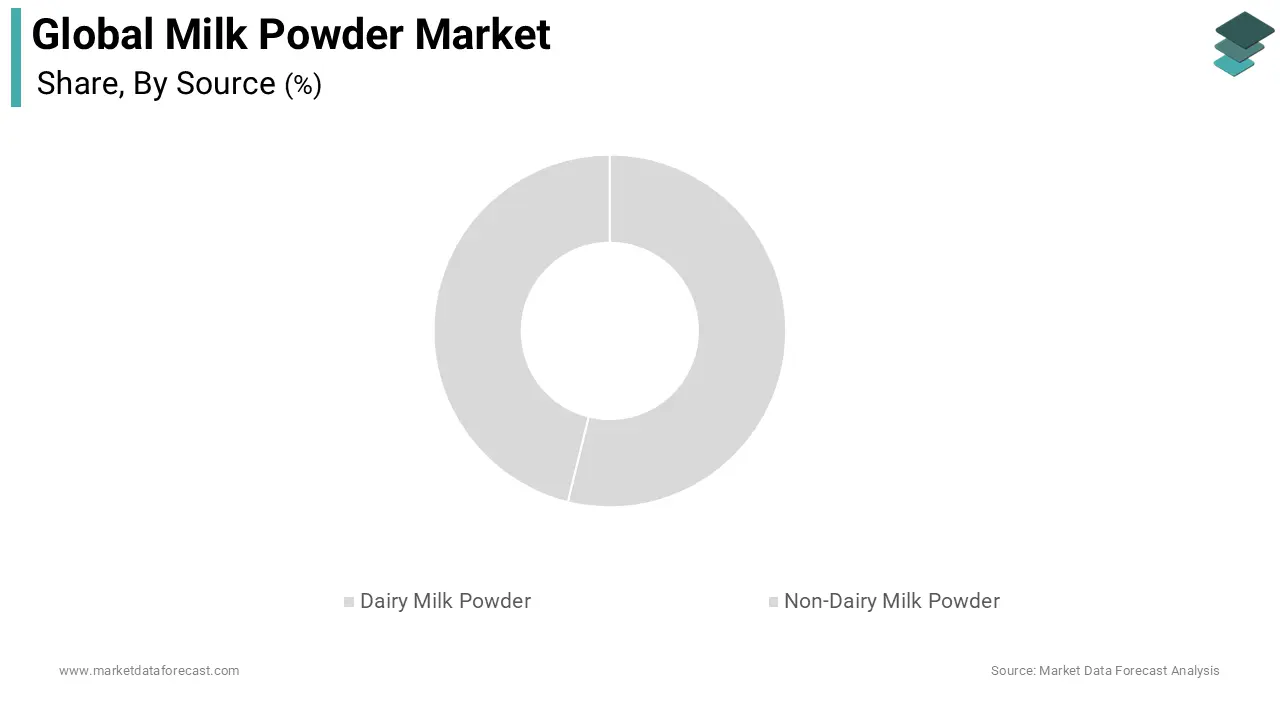
The spearheading of this segment is also driven by its superior nutritional profile, particularly its high quality protein and calcium content, which are essential for human health. Dairy proteins contain all nine essential amino acids making them a complete protein source that supports muscle growth and repair. As per the National Institutes of Health calcium from dairy sources has higher bioavailability compared to many plant based alternatives supporting bone health and preventing osteoporosis. Health conscious consumers and medical professionals recommend dairy milk powder for children elderly individuals and patients recovering from illness due to its dense nutrient profile. The presence of vitamins such as B12 and riboflavin further enhances its value as a dietary staple. In developing regions where micronutrient deficiencies are prevalent fortified dairy milk powder serves as an effective intervention tool. The scientific consensus on the health benefits of dairy supports its continued preference in infant formula and clinical nutrition applications. Manufacturers leverage these nutritional advantages in marketing campaigns to differentiate dairy powder from emerging plant based options. The trust in dairy as a natural and wholesome ingredient reinforces consumer loyalty. Regulatory bodies widely recognize the safety and efficacy of dairy proteins ensuring broad acceptance in food regulations. This nutritional superiority sustains the leading position of dairy milk powder in the global market.
The non-dairy milk powder segment is expected to exhibit a noteworthy CAGR of 12.5% from 2026 to 2034 because of the increasing prevalence of lactose intolerance and the adoption of vegan lifestyles. A significant portion of the global population lacks the enzyme lactase necessary to digest dairy sugar leading to digestive discomfort. According to the National Institutes of Health approximately 68 percent of the world population experiences some degree of lactose malabsorption creating a substantial market for dairy free alternatives. As per The Vegan Society the number of vegans in the United Kingdom quadrupled between 2014 and 2019 reflecting a broader global shift towards plant based diets. Consumers are actively seeking almond coconut and oat milk powders that offer similar culinary functionality without animal derived ingredients. The ethical concerns regarding animal welfare and environmental sustainability further accelerate this transition. Food manufacturers are reformulating products to include non-dairy powders to cater to this growing demographic. The availability of diverse options such as cashew soy and rice powder allows consumers to choose based on taste and nutritional preferences. Social media and celebrity endorsements have normalized plant based consumption reducing stigma and increasing trial rates. Retailers are expanding their shelves to accommodate these products signaling mainstream acceptance. The health perception of plant based diets as being lower in saturated fat and cholesterol appeals to cardiovascular health conscious buyers. This cultural and physiological shift ensures rapid expansion of the non-dairy segment.
Advanced processing technologies that enhance the texture, solubility, and flavor of plant-based powders are driving the rapid expansion of the non-dairy milk powder segment. Early versions of non-dairy powders often suffered from grittiness separation and off flavors but modern techniques have addressed these issues effectively. According to Food Technology Magazine innovations in enzymatic hydrolysis and microencapsulation have enhanced the mouthfeel and stability of almond and oat milk powders. These technological improvements make non-dairy powders viable substitutes in coffee baking and cooking applications. The use of clean label ingredients appeals to consumers seeking minimally processed foods. Manufacturers are exploring novel sources such as pea and hemp which offer high protein content and sustainable cultivation profiles. The ability to fortify non-dairy powders with calcium and vitamin D helps bridge the nutritional gap with dairy products. Collaborations between ingredient suppliers and food scientists drive continuous improvement in product quality. The expansion of production facilities dedicated to plant based ingredients reduces costs and increases availability. Consumer education campaigns highlight the environmental benefits of plant based agriculture such as lower water usage and carbon emissions. This combination of technical innovation and sustainability messaging propels the non-dairy segment to the forefront of market growth.
By Type Insights
The skimmed milk powder segment remained the largest in the global market and occupied a 44.7% share in 2025. This prominence of the segment was mainly supported by its extensive use in the industrial food manufacturing sector where it serves as a functional ingredient. Skimmed milk powder is preferred for its low fat content which prevents rancidity and extends the shelf life of final products such as baked goods confectionery and processed meats. According to the European Commission skimmed milk powder accounts for the largest share of dairy powder production in the European Union due to strong industrial demand. As per the United States Department of Agriculture global exports of skimmed milk powder consistently exceed those of whole milk powder reflecting its versatility in formulation. Food manufacturers utilize skimmed milk powder to enhance protein content improve texture and provide a creamy mouthfeel without adding excess calories or fat. The consistency of skimmed milk powder allows for precise formulation control in large scale production environments. Its ability to bind water and stabilize emulsions makes it indispensable in the production of sausages sauces and desserts. The cost effectiveness of skimmed milk powder compared to other protein sources further drives its adoption. Regulatory standards for skimmed milk powder are well established facilitating international trade and quality assurance. The segment benefits from the growing trend of high protein low fat foods which aligns with health conscious consumer preferences. Industrial buyers prioritize reliability and volume which skimmed milk powder suppliers are well equipped to provide. This entrenched position in the supply chain ensures sustained leadership for the skimmed milk powder segment.
The commanding position of this segment is reinforced by government stockpiling initiatives and food security programs that utilize it as a strategic reserve. Many governments purchase skimmed milk powder to stabilize dairy markets during periods of surplus production and to ensure food availability during crises. International aid organizations frequently distribute skimmed milk powder in humanitarian relief efforts due to its long shelf life and high nutritional value. The World Food Programme utilizes skimmed milk powder in feeding programs for malnourished children and vulnerable populations. These institutional purchases create a stable and predictable demand base that is less susceptible to consumer trends. The strategic importance of skimmed milk powder in national food security policies ensures consistent production levels. Governments often subsidize the production and storage of skimmed milk powder to maintain agricultural viability. This public sector demand complements commercial sales providing a safety net for producers. The role of skimmed milk powder in emergency preparedness further underscores its critical status. This institutional support solidifies the leading position of skimmed milk powder in the global market.
The Whole Milk Powder segment is predicted to witness the highest CAGR of 8.2% during the forecast period owing to the growing preference for full fat nutrition in emerging markets where dietary habits are shifting towards richer foods. Consumers in countries such as India China and Brazil increasingly view whole milk powder as a premium product that offers superior taste and satiety compared to skimmed variants. The cultural significance of milk as a symbol of prosperity and health in many Asian and Middle Eastern societies drives demand for full fat options. Parents prefer whole milk powder for children to ensure adequate calorie and fat intake for growth and development. The versatility of whole milk powder in preparing traditional beverages and sweets further boosts its popularity. Retailers are expanding their offerings of premium whole milk powder brands to cater to this demand. Marketing campaigns emphasize the natural richness and creaminess of whole milk powder appealing to sensory preferences. The lack of stigma associated with fat consumption in these regions supports market growth. The expansion of modern retail channels improves access to high quality whole milk powder products. This consumer shift towards indulgence and nutrition drives the rapid expansion of the whole milk powder segment.
The rapid growth of the Whole Milk Powder segment is fueled by its expanding application in the bakery and confectionery industries where fat content is crucial for product quality. Whole milk powder provides essential fats that contribute to the tenderness crumb structure and flavor of cakes cookies and chocolates. Confectionery manufacturers utilize whole milk powder to create creamy fillings and coatings that appeal to chocolate lovers. The Maillard reaction facilitated by the lactose and proteins in whole milk powder enhances browning and aroma in baked goods. This functional benefit makes whole milk powder indispensable for artisanal and commercial bakeries alike. The trend towards homemade baking during recent years has boosted retail sales of whole milk powder among amateur cooks. Recipe sharing platforms often specify whole milk powder for best results influencing consumer purchasing decisions. The ability of whole milk powder to mask off flavors in complex formulations adds to its utility. Manufacturers are innovating with specialized whole milk powders tailored for specific baking applications. This deep integration into the culinary arts ensures sustained growth for the whole milk powder segment.
By Application Insights
The Infant Food segment led the Milk Powder Market and captured a 35.8% share in 2025. This leading position of the segment was attributed to the critical role of infant formula in early childhood nutrition and development. For millions of infants globally milk powder based formula is the primary or sole source of nutrition during the first months of life. Parents prioritize safety quality and nutritional completeness when selecting infant formula driving demand for high grade milk powder. Regulatory standards for infant formula are among the strictest in the food industry ensuring that milk powder meets rigorous safety criteria. The inability of infants to consume solid foods or fresh milk makes powdered formula the only viable option for many families. The emotional investment of parents in their children health leads to high brand loyalty and willingness to pay premium prices. Manufacturers invest heavily in research to mimic the composition of breast milk using advanced milk powder technologies. The growing awareness of the importance of early nutrition in long term health outcomes supports market growth. Trust in established brands with proven track records reinforces the dominance of this segment. The essential nature of infant formula ensures consistent and inelastic demand regardless of economic conditions.
The domination of the Infant Food segment is further reinforced by stringent safety standards and the high level of trust placed in established milk powder brands. Past incidents of contamination in the dairy industry have led to rigorous testing and certification requirements for infant formula ingredients. Consumers rely on certifications and brand reputation when choosing infant formula making it difficult for new entrants to gain market share. Established players leverage their history of compliance and quality to build long term relationships with parents. The transparency of supply chains from farm to formula is a key marketing point for leading brands. Hospitals and pediatricians often recommend specific brands based on their safety records influencing parental choices. The high barrier to entry due to regulatory complexity protects incumbent players from competition. Marketing efforts focus on scientific backing and clinical studies to validate nutritional claims. The emotional connection between parents and brands creates a resilient customer base. This trust based dynamic ensures that the infant food segment remains the largest application area for milk powder.
The nutritional food segment is estimated to register the fastest CAGR of 9.5% between 2026 and 2034. This swift expansion is fuelled by rising health consciousness and the aging population in developed countries. Older adults require adequate protein and calcium intake to prevent muscle loss and bone fractures making milk powder a convenient nutritional supplement. Health conscious consumers are incorporating milk powder into smoothies shakes and meal replacements to boost their daily nutrient intake. The convenience of powder format allows for easy customization of protein and calorie content. Fitness enthusiasts and athletes use milk powder for post workout recovery due to its high quality whey and casein proteins. The trend towards preventive healthcare encourages regular consumption of nutritional supplements. Manufacturers are developing specialized milk powders with added vitamins minerals and probiotics to target specific health needs. The accessibility of these products in pharmacies and supermarkets enhances consumer uptake. Digital health platforms provide personalized nutrition recommendations driving sales of targeted milk powder products. This demographic and lifestyle shift fuels the rapid growth of the nutritional food segment.
The rapid growth of the Nutritional Food segment is fueled by the integration of milk powder into sports and wellness products such as protein bars and ready to drink shakes. The fitness industry has embraced milk derived proteins for their effectiveness in muscle repair and growth. Milk powder provides a complete amino acid profile that supports athletic performance and recovery. The versatility of milk powder allows it to be incorporated into various formats including powders bars and snacks. Clean label trends favor milk powder over synthetic protein isolates due to its minimal processing. Brands are marketing milk powder based products as natural and wholesome alternatives to engineered supplements. The expansion of e commerce platforms facilitates direct to consumer sales of niche sports nutrition items. Influencer marketing and social media campaigns promote the benefits of milk protein for fitness goals. The convergence of food and fitness cultures creates new opportunities for milk powder applications. This dynamic interaction between industry trends and consumer behavior drives the accelerated growth of the nutritional food segment.
REGIONAL ANALYSIS
Asia Pacific Milk Powder Market Analysis
Asia Pacific dominated the global Milk Powder Market and accounted for a 45.6% share in 2025. The demand for milk powder in the APAC was driven by massive population size and changing dietary habits. The region is characterized by high demand for infant formula and adult nutritional supplements due to rising health awareness. According to the Food and Agriculture Organization milk consumption in Asia has grown significantly as urbanization increases disposable incomes. The lack of cold chain infrastructure in rural areas makes milk powder a preferred option for its shelf stability. Government initiatives to improve nutrition in schools and communities further boost demand. The presence of major global dairy companies investing in local production facilities enhances supply availability. Cultural acceptance of milk as a health tonic supports widespread adoption. The rising middle class is willing to pay premium prices for high quality imported milk powders. E commerce platforms facilitate access to diverse brands in remote areas. The region benefits from favorable trade agreements that reduce tariffs on dairy imports. The continuous expansion of retail networks ensures broad distribution. Asia Pacific remains the engine of global milk powder growth due to its demographic dividends and economic progress.
Europe Milk Powder Market Analysis
Europe remains the next prominent region in the global Milk Powder market because of advanced processing technologies and strong export capabilities. The region is a leading producer of high quality skimmed and whole milk powder primarily for industrial and international trade purposes. As per the International Dairy Federation European manufacturers adhere to strict quality and sustainability standards which enhance their global competitiveness. Domestic consumption is stable with a focus on premium and organic milk powder products. The aging population drives demand for nutritional supplements and medical foods. Environmental regulations influence production practices encouraging sustainable farming and processing methods. The region benefits from robust research and development infrastructure that drives innovation in dairy ingredients. Trade partnerships with Asia and Africa facilitate steady export volumes. The emphasis on animal welfare and traceability builds consumer trust in European dairy products. Government subsidies support dairy farmers ensuring consistent raw milk supply. The market is characterized by consolidation among major players who dominate the landscape. Europe maintains its position through quality leadership and technological advancement.
North America Milk Powder Market Analysis
North America is another key player in the global Milk Powder market due to high production volumes and diverse applications. The United States and Canada are major exporters of milk powder utilizing surplus milk production to serve global markets. As per Statistics Canada the Canadian dairy sector focuses on high value specialized powders for infant formula and sports nutrition. Domestic demand is supported by the popularity of protein supplements and baked goods. The region benefits from advanced logistics and distribution networks that ensure efficient delivery. Consumer trends towards health and wellness drive innovation in functional milk powders. Regulatory frameworks ensure high safety and quality standards for dairy products. The presence of leading global dairy companies fosters competition and innovation. Trade agreements facilitate access to key export markets in Asia and Latin America. The market is characterized by a balance between industrial usage and consumer retail sales. Investment in sustainable packaging and processing technologies enhances market appeal. North America remains a key player through its production efficiency and product diversity.
Latin America Milk Powder Market Analysis
Latin America grew steadily in the global Milk Powder Market owing to increasing urbanization and rising demand for affordable dairy products. Countries such as Brazil Mexico and Argentina are key producers and consumers in the region. According to the Inter American Institute for Cooperation on Agriculture milk production in Latin America has increased steadily supporting local powder manufacturing. Economic volatility often drives consumers towards more affordable dairy options boosting powder sales. The expansion of modern retail channels improves access to branded products. Government nutrition programs utilize milk powder to address malnutrition in vulnerable populations. The region benefits from favorable climatic conditions for dairy farming in certain areas. Local manufacturers are investing in technology to improve product quality and variety. Trade within the region and with North America facilitates market growth. The rising middle class is adopting western dietary habits increasing demand for dairy based foods. Latin America offers significant potential for expansion due to its demographic trends and economic development.
Middle East and Africa Milk Powder Market Analysis
The Middle East and Africa region is likely to expand notably in the Milk Powder market during the forecast period due to its reliance on imports and the strategic importance of dairy for food security. Many countries in this region have limited local milk production making milk powder a crucial source of nutrition. According to the Food and Agriculture Organization milk powder imports in the Middle East have grown consistently to meet rising demand. The hot climate makes shelf stable dairy products essential for households without refrigeration. Cultural and religious factors influence consumption patterns with halal certified products being preferred. Governments invest in stockpiling milk powder to ensure supply stability during crises. The growing population and urbanization drive demand for convenient dairy options. International suppliers play a dominant role in meeting regional needs. Local processing capabilities are expanding in countries like Egypt and South Africa. The region offers opportunities for growth through infrastructure development and economic stabilization. Milk powder remains a staple commodity in the Middle East and Africa due to its practicality and nutritional value.
COMPETITION OVERVIEW
The competition in the Milk Powder Market is intense and characterized by the presence of large multinational cooperatives and specialized dairy processors. Major players compete on the basis of product quality price efficiency and supply chain reliability. The market sees frequent investments in technology to improve production yields and reduce environmental impact. Innovation in value added products such as organic and fortified powders differentiates brands from commodity suppliers. Price volatility in raw milk influences competitive dynamics requiring robust risk management strategies. Regulatory compliance and safety standards are critical factors shaping market entry and operations. Supply chain resilience has become a key competitive advantage following recent global disruptions. Customer relationships are vital with long term contracts ensuring stable demand for producers. The rise of private label products adds pressure on branded suppliers to demonstrate unique value. Digital platforms enhance transparency and traceability appealing to conscientious buyers. The market is dynamic with continuous consolidation through mergers and acquisitions. This environment drives constant improvement and adaptation among participants to maintain relevance. Emerging markets offer significant growth opportunities attracting increased investment from global leaders. Sustainability credentials are increasingly important for distinguishing brands in a commoditized sector.
KEY MARKET PLAYERS
A few major Key Players in the Global Milk Powder Market include
- Nestlé
- Danone
- Lactalis
- FrieslandCampina
- Fonterra
- Dean Foods
- Arla Foods
- Dairy Farmers Of America
- Kraft Foods
- Saputo
Top Strategies Used by Key Market Participants
Key players in the Milk Powder Market primarily focus on product differentiation and sustainability to maintain competitive advantage. Companies invest in research and development to create specialized powders with enhanced nutritional profiles and functional benefits. Strategic expansions into emerging markets allow firms to tap into growing demand for affordable dairy solutions. Partnerships with local distributors facilitate better market penetration and brand visibility. Sustainability initiatives such as carbon neutral production and ethical sourcing are central to corporate strategies. Digitalization of supply chains improves efficiency and transparency building trust with consumers. Mergers and acquisitions enable larger entities to consolidate resources and expand geographic reach. Marketing campaigns emphasize quality safety and origin to differentiate brands in a crowded marketplace. These strategies collectively drive growth and ensure long term viability in the dynamic global landscape.
Leading Players in the Market
- Nestle maintains a prominent position within the global milk powder market through its diversified portfolio spanning infant nutrition, culinary ingredients, and consumer dairy products. The company leverages extensive research capabilities to develop fortified milk powder formulations that address specific nutritional requirements across different life stages. Recent strategic actions include the expansion of production facilities in Southeast Asia to serve growing regional demand for premium infant formula ingredients. The company's NIDO and Bear Brand platforms continue to drive consumer engagement across emerging markets through targeted marketing campaigns emphasizing nutritional benefits and quality assurance protocols.
- FrieslandCampina operates as a farmer-owned cooperative that integrates milk production, processing, and global distribution within a unified value chain structure. The organization's member farmer network ensures consistent raw milk quality while enabling traceability from farm to finished product. Recent market-strengthening actions include the acquisition of specialty nutrition assets in China to expand infant formula ingredient capabilities. The company's Dutch Lady and Peak brands maintain a strong retail presence across the Asia Pacific and Africa, supported by localized product development that addresses regional taste preferences and nutritional requirements.
- Arla Foods functions as Europe's largest farmer-owned dairy cooperative with significant milk powder production capacity serving both commodity and value-added market segments. The organization's member farmer model ensures supply chain transparency while enabling premium pricing for sustainably produced dairy ingredients. Recent strategic initiatives include partnerships with food technology startups to develop novel milk powder applications in plant-based hybrid products. The company's Arla and Dano brands maintain strong consumer recognition across European and Middle Eastern markets, supported by quality certification programs that validate nutritional claims and production standards.
DETAILED SEGMENTATION OF THE GLOBAL MILK POWDER MARKET IS INCLUDED IN THIS REPORT
This research report on the global milk powder market has been segmented and sub-segmented based on type, application, function, & region.
By Source
- Dairy Milk Powder
- Non-Dairy Milk Powder
- Almond
- Coconut
- Cashew
- Others
By Type
- Whole Milk Powder
- Skimmed Milk Powder
- Fat Filled Milk Powder
- Others
By Application
- Nutritional Food
- Infant Food
- Chocolate and Confectionaries
- Baked Sweets
- Others
By Region
- North America
- Europe
- Asia Pacific
- Latin America
- Middle East and Africa