- Product Description Description
- Table of Contents TOC
- List of Table & Figure LOT
- Get Free Sample PDF Sample PDF
Market Size, 2025
$6.94 BnMarket Estimate, 2026
$7.33 BnMarket Forecast, 2034
$11.37 BnCAGR, 2026–2034
5.64%Global Oats Market Report Summary
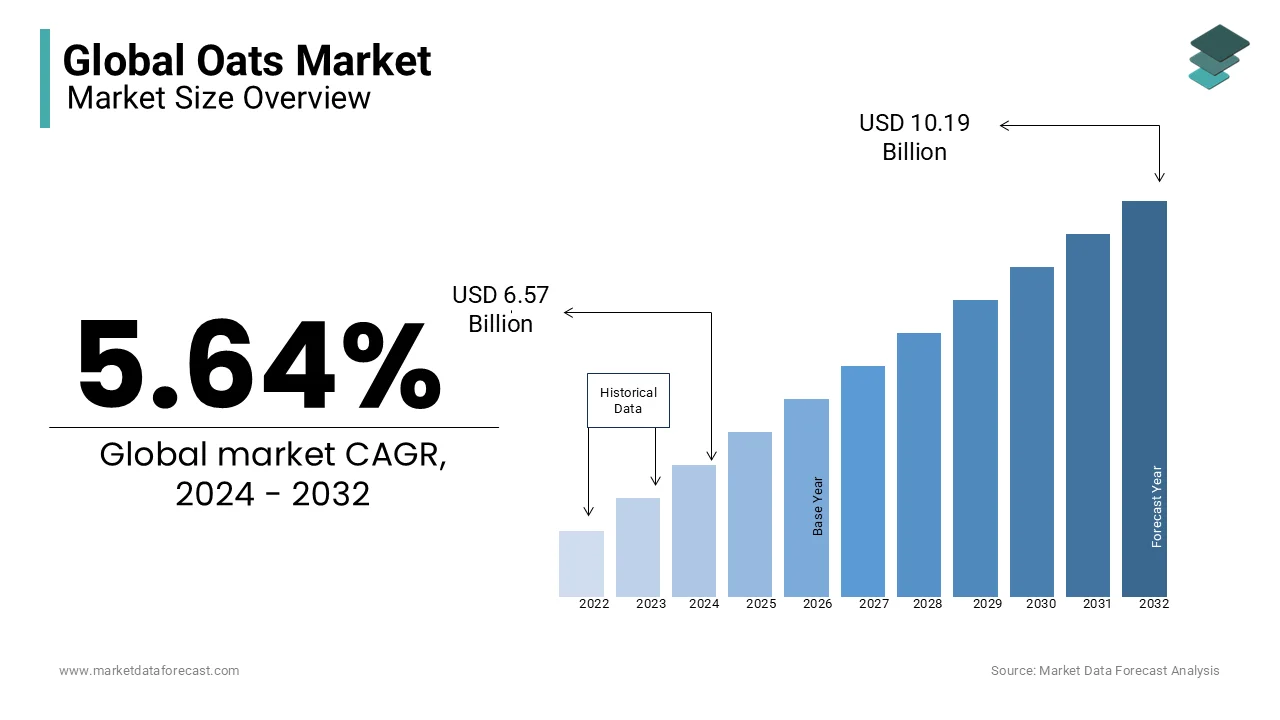
The global oats market was valued at USD 6.94 billion in 2025, is estimated to reach USD 7.33 billion in 2026, and is projected to reach USD 11.37 billion by 2034, growing at a CAGR of 5.64% during the forecast period. Market growth is driven by increasing consumer preference for healthy and whole grain foods, rising awareness of the nutritional benefits of oats, and expanding demand across both human consumption and animal feed applications. Oats are widely valued for their high fiber content, heart health benefits, and versatility in food products. The growing popularity of functional foods and plant based diets is further supporting steady market expansion globally.
Key Market Trends
- Rising demand for healthy and whole grain food products is driving market growth.
- Increasing awareness of nutritional and heart health benefits is boosting consumption.
- Growing adoption of plant based diets and oat based products is supporting market expansion.
- Expansion of oats usage in animal feed is enhancing demand.
- Rising preference for clean label and natural ingredients is influencing product development.
Segmental Insights
- Based on type, the rolled oats segment held 40.3% of the global oats market share in 2025. This dominance is attributed to ease of preparation, widespread consumption, and versatility in various food applications.
- Based on application, the animal feed segment accounted for 45.3% of the global oats market share in 2025. The segment’s growth is driven by increasing use of oats as a nutritious feed ingredient for livestock.
Regional Insights
- The global oats market is experiencing steady growth across regions, supported by rising consumption and agricultural demand.
- North America was the largest contributor, accounting for 35.3% of the global oats market share in 2025, driven by strong consumption of oat based products, advanced food processing industry, and well established agricultural production.
Competitive Landscape
The global oats market is moderately competitive, with key players focusing on product innovation, organic offerings, and expansion of distribution networks to strengthen their market position. Companies are investing in oat based product development, sustainable sourcing, and branding strategies. Prominent players in the global oats market include Quaker Oats Company, Bob’s Red Mill Natural Foods, Mornflake, Grain Millers Inc, Jordan’s Mill, Blue Lake Milling, Avena Food Ltd, The Hain Celestial Group Inc, European Oat Millers, Wild Oats Marketing LLC, and Richardson International.
Global Oats Market Size
The Global oats market size was valued at USD 6.94 billion in 2025, and the global market size is expected to reach USD 11.37 billion by 2034 from USD 7.33 billion in 2026. The market's promising CAGR for the predicted period is 5.64%.
The oats are Avena sativa a cereal grain renowned for its exceptional nutritional profile and versatility in food applications. Oats are valued for their high soluble fiber content, particularly beta glucan, which supports cardiovascular health and glycemic control. According to the Food and Agriculture Organization of the United Nations, global oat production reached approximately 23 million metric tons in 2023 with Russia, Canada, and Poland emerging as the leading producers. The crop is predominantly cultivated in temperate regions requiring cool moist climates for optimal growth. As per data from the United States Department of Agriculture, oats occupy roughly 6 million acres of farmland globally reflecting their agricultural significance. The rise in veganism and lactose intolerance has propelled oats into the spotlight as a primary base for milk yogurt and ice cream substitutes. Consumer awareness regarding sustainable agriculture further boosts demand as oats generally require less water and land compared to almond or dairy production. Regulatory bodies such as the European Food Safety Authority have approved health claims related to oat beta glucans reinforcing their status as a functional food.
MARKET DRIVERS
Surging Demand for Plant Based Dairy Alternatives Propels Oat Consumption
The exponential growth of the plant based dairy sector, as consumers increasingly seek sustainable and allergen free alternatives to cow milk is propelling the growth of oats market. Oat milk has emerged as a preferred choice due to its creamy texture neutral flavor and environmental benefits compared to nut based options. The perception of oats as an eco-friendly crop that requires significantly less water than almonds and generates lower greenhouse gas emissions than dairy farming. Major food corporations are investing heavily in oat based product lines expanding beyond milk to include yogurts cheeses and creams. Retailers are dedicating more shelf space to these innovations making them accessible to mainstream consumers. The absence of common allergens such as nuts and soy further broadens the consumer base appealing to individuals with dietary restrictions. Additionally, the fortification of oat beverages with calcium and vitamins enhances their nutritional appeal mimicking the profile of dairy milk.
Rising Prevalence of Chronic Diseases Boosts Demand for Functional Foods
The increasing incidence of chronic conditions, such as cardiovascular disease diabetes and obesity drives the consumption of oats due to their proven health benefits, which is fuelling the growth of oats market. Oats are rich in beta glucans a type of soluble fiber that helps lower cholesterol levels and regulate blood sugar. According to the World Health Organization, cardiovascular diseases remain the leading cause of death globally accounting for an estimated 17.9 million deaths annually. This alarming statistic prompts healthcare providers and nutritionists to recommend diets high in soluble fiber for preventive care. Clinical studies cited by the American Heart Association indicate that consuming 3 grams of beta glucans daily can reduce low density lipoprotein cholesterol by 5 to 10%. The European Food Safety Authority has authorized health claims linking oat beta glucans to the maintenance of normal blood cholesterol levels enhancing consumer trust. As public health initiatives emphasize lifestyle modifications, the visibility of oats as a functional food increases. Consumers are actively seeking whole grain options that offer therapeutic benefits alongside basic nutrition. The convenience of incorporating oats into daily meals through cereals bars and snacks facilitates adherence to healthy dietary patterns. Furthermore, the aging population in developed nations contributes to higher demand for heart healthy foods.
MARKET RESTRAINTS
Susceptibility to Climate Variability Threatens Crop Yields and Stability
The crop's sensitivity to changing climatic conditions, including extreme temperatures and irregular precipitation patterns, which is one of the primary factors degrading the growth of oats market. Oats thrive in cool moist environments and are vulnerable to heat stress during the flowering and grain filling stages. These weather anomalies can lead to substantial yield reductions affecting supply consistency and pricing stability. Drought conditions exacerbate the problem by limiting water availability for irrigation particularly in regions reliant on rainfall. Small scale growers, who lack resources for advanced irrigation systems are disproportionately affected by these disruptions. Additionally heavy rains during harvest can cause lodging and fungal infections further compromising quality. The unpredictability of seasonal patterns makes it challenging for farmers to plan planting schedules effectively. As climate change accelerates the risk of crop failure increases threatening the long-term viability of oat production in traditional growing areas.
Presence of Gluten Contamination Limits Appeal to Celiac Population
Oats are often contaminated with wheat barley or rye during cultivation harvesting and processing, which restricts their accessibility to individuals with celiac disease is also declining the growth of oats market. Cross contamination occurs when oats are grown in rotation with gluten containing crops or processed in facilities that handle multiple grains. While certified gluten free oats are available they require dedicated supply chains and specialized processing equipment which increase production costs. Many consumers are unaware about the safety of commercially available oats due to inconsistent labeling practices. This uncertainty discourages adoption among the celiac community who may opt for inherently gluten free alternatives, such as rice or quinoa.
MARKET OPPORTUNITIES
Expansion into Personal Care and Cosmetic Industries Offers New Revenue Streams
The integration of oat extracts into personal care and cosmetic products is creating new opportunities for the growth of oats market. Colloidal oatmeal and oat oil are renowned for their soothing anti-inflammatory and moisturizing properties making them ideal ingredients for skincare formulations. Oats are widely used in products targeting sensitive skin eczema and dryness due to their ability to restore the skin barrier. The National Eczema Association recognizes colloidal oatmeal as a safe and effective treatment for relieving itching and irritation. Cosmetic brands are leveraging this scientific backing to develop premium skincare lines featuring oat derivatives. The versatility of oats allows for their inclusion in lotions cleansers masks and hair care products appealing to a broad demographic. Additionally, the trend towards clean label and sustainable beauty aligns with the natural origin of oat ingredients. Manufacturers can capitalize on this demand by partnering with cosmetic companies to supply high purity oat extracts.
Development of Value Added Convenience Foods Captures Urban Consumer Segments
The creation of innovative value-added oat products, such as ready to eat meals snacks and fortified beverages to capture busy urban consumers is another attribute to escalate the growth of oats market. Modern lifestyles demand convenient nutritious food options that can be consumed on the go without compromising health benefits. According to the steady, the sales of healthy snack bars and instant oatmeal cups grew by 12% in 2022 reflecting a strong preference for portable nutrition. Companies are developing flavored oat clusters protein enriched oat bowls and savory oat snacks to diversify usage occasions beyond breakfast. These products appeal to younger demographics who prioritize convenience and functionality in their dietary choices. The incorporation of superfoods such as chia seeds berries and nuts into oat-based snacks enhances their nutritional profile and market appeal. Retailers are expanding their offerings of these convenient formats in vending machines convenience stores and online platforms. The rise of e-commerce facilitates direct to consumer sales allowing brands to reach niche audiences with specialized products. Additionally, the development of savory oat products caters to consumers seeking alternatives to sweet breakfast items.
MARKET CHALLENGES
Volatility in Raw Material Prices Impacts Profit Margins and Pricing Stability
The fluctuations in raw material prices driven by supply chain disruptions and geopolitical tensions is one of the major challenge for the growth of oats market. According to the research, the price of agricultural commodities experienced a 20% increase in 2022 due to logistical bottlenecks and energy crises. These cost increases are passed on to manufacturers who struggle to maintain competitive pricing while preserving profit margins. Small and medium sized enterprises are particularly vulnerable to price volatility as they lack the financial reserves to absorb sudden spikes. The reliance on specific geographic regions for production creates supply risks when local issues arise. For instance, export restrictions in key producing countries can lead to immediate shortages and price surges. Manufacturers must implement hedging strategies and diversify sourcing to mitigate these risks but such measures require expertise and capital. Inconsistent pricing also affects consumer behavior as higher retail prices may deter price sensitive buyers. Ensuring stable supply chains and transparent pricing mechanisms is essential for maintaining market confidence.
Stringent Regulatory Standards for Health Claims Increase Compliance Burdens
Navigating the complex regulatory landscape for health claims and labeling is likely to limit the growth of the oats market. Authorities, such as the European Food Safety Authority and the Food and Drug Administration have strict criteria for approving health benefits associated with oat consumption. According to the European Commission, only specific claims regarding beta glucans and cholesterol reduction are permitted requiring rigorous scientific substantiation. Compliance with these regulations involves extensive testing documentation and legal review which increases operational costs and time to market. Misleading or unapproved claims can result in fines product recalls and damage to brand reputation. The variability in regulatory requirements across different jurisdictions complicates international trade and expansion efforts. Manufacturers must ensure that packaging and marketing materials adhere to local laws which requires continuous monitoring and adaptation. Additionally, the definition of terms such as whole grain and natural varies by region creating confusion for consumers and producers alike. The burden of proof for health benefits places a strain on research and development budgets particularly for smaller companies. Failure to comply can limit market access and hinder competitive advantage.
REPORT COVERAGE
| REPORT METRIC | DETAILS |
| Market Size Available | 2025 to 2034 |
| Base Year | 2025 |
| Forecast Period | 2026 to 2034 |
| CAGR | 5.64% |
| Segments Covered | By Type, Application, And Region |
| Various Analyses Covered | Global, Regional and Country Level Analysis; Segment-Level Analysis; DROC; PESTLE Analysis; Porter’s Five Forces Analysis; Competitive Landscape; Analyst Overview of Investment Opportunities |
| Regions Covered | North America, Europe, APAC, Latin America, Middle East & Africa |
| Market Leaders Profiled | Quaker Oats Company, Bob’s Red Mill Natural Foods, Mornflake, Grain Millers Inc, Jordan’s Mill, Blue Lake Milling, Avena Food Ltd, The Hain Celestial Group, Inc, European Oat Millers, Wild Oats Marketing, LLC and Richardson International |
SEGMENTAL ANALYSIS
By Type Insights
The rolled oats segment was accounted in holding 40.3% of the oats market share in 2025 with their versatility in various culinary applications ranging from traditional porridge to baking ingredients and granola bars. The steaming and flattening process used to produce rolled oats reduces cooking time compared to steel cut oats while retaining a desirable texture and nutritional profile. According to the United States Department of Agriculture, rolled oats are the most commonly consumed form of oats in households due to their ease of use and affordability. The widespread availability of rolled oats in retail stores ensures consistent accessibility for consumers across different income levels. Their ability to absorb flavors makes them a preferred ingredient in both sweet and savory dishes enhancing their appeal among diverse demographic groups. Additionally, the production efficiency of rolled oats allows manufacturers to offer competitive pricing which supports high volume sales. The familiarity of consumers with this format sustains its market leadership as it requires minimal behavioral change for adoption. Furthermore, the integration of rolled oats into ready to eat snacks and health bars expands their usage beyond breakfast occasions.
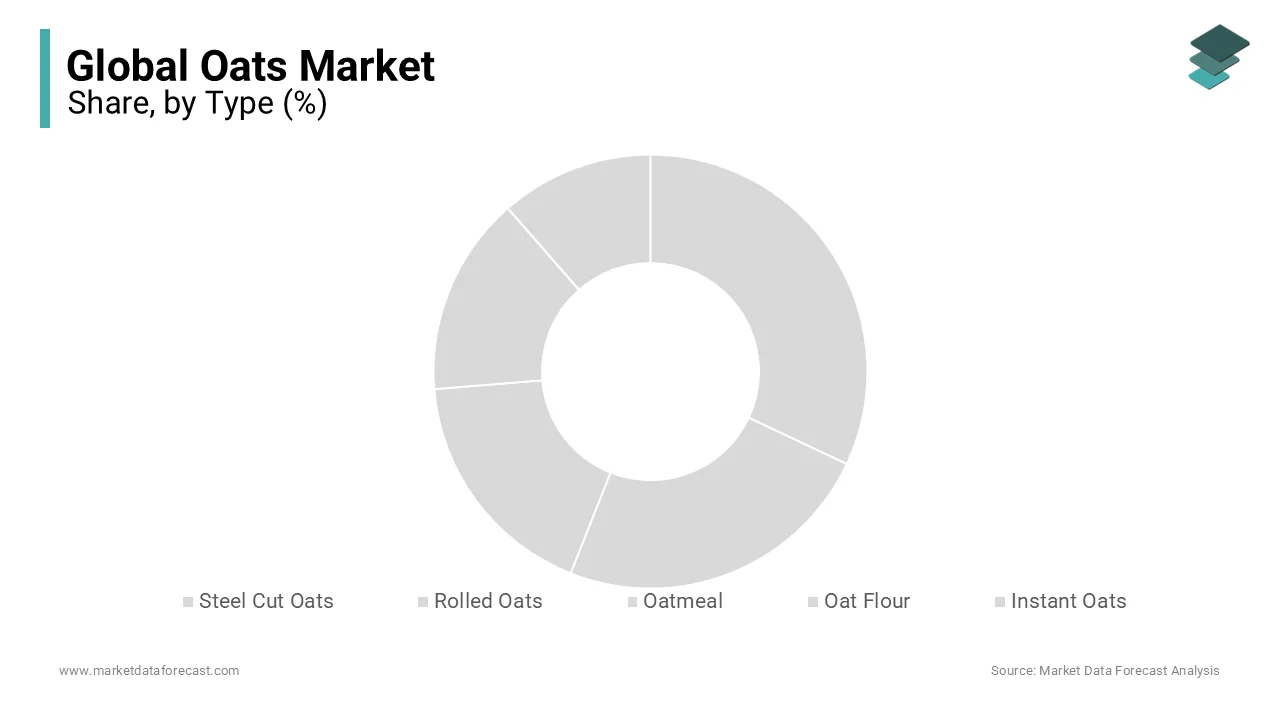
The instant oats segment is likely to register a fastest CAGR of 6.5% during the forecast period with the increasing pace of urban life and the rising demand for quick and nutritious meal options. Instant oats are pre-cooked and dried allowing for preparation in just minutes, which appeals to busy professionals and students. The portability of instant oat packets facilitates consumption on the go aligning with modern lifestyle trends. Manufacturers are innovating with flavored varieties and added nutrients, such as protein and fiber to enhance the appeal of instant oats. These value-added features attract health conscious consumers, who seek convenience without compromising nutritional benefits. The expansion of e commerce platforms has further boosted the visibility and accessibility of instant oat products enabling direct to consumer sales. Additionally, the introduction of organic and gluten free instant oat options caters to niche market segments willing to pay premium prices.
By Application Insights
The animal feed segment was accounted in holding 45.3% of the oats market share in 2025 with the extensive use of oats as a high energy feed source for horses cattle and poultry. Oats provide a balanced combination of carbohydrates protein and fiber which supports animal health and productivity. According to the Food and Agriculture Organization of the United Nations, the global livestock sector consumes millions of tons of oats annually particularly in regions with strong equine and dairy industries. The palatability and digestibility of oats make them a preferred choice for horse owners and dairy farmers seeking to optimize milk production. Additionally, the rise in meat consumption globally has increased the need for quality feed to support livestock growth. The ability of oats to thrive in cooler climates where other feed crops may struggle further supports their usage in northern regions. Farmers value oats for their lower risk of causing digestive issues in animals compared to high starch grains.
The cosmetic products segment is projected to witness a fastest CAGR of 8.2% from 2026 to 20234 with the increasing consumer preference for natural and botanical ingredients in personal care formulations. Oat extracts, particularly colloidal oatmeal are renowned for their soothing moisturizing and anti-inflammatory properties making them ideal for sensitive skin care. The National Eczema Association recognizes colloidal oatmeal as an effective treatment for skin irritation driving its adoption in dermatological products. Brands are leveraging the scientific backing of oat benefits to develop premium skincare lines that appeal to health-conscious consumers. The trend towards clean label beauty encourages manufacturers to replace synthetic additives with plant derived alternatives such as oat oil and extract. Additionally, the rise of e commerce facilitates the discovery and purchase of niche oat based beauty brands. The versatility of oats allows for their inclusion in hair care and body care products further expanding market opportunities.
REGIONAL ANALYSIS
North America Oats Market Analysis
North America was the top performer in the global Oats Market by accounting for 35.3% of share in 2025 with the high per capita consumption of oat based products and a well-established dairy alternative industry. According to the United States Department of Agriculture, the United States is one of the top producers and consumers of oats globally with significant acreage dedicated to cultivation. The strong presence of major food manufacturers and startups focusing on plant-based innovations drives demand for raw oats. Consumer awareness regarding heart health and cholesterol management further boosts the popularity of oat cereals and snacks. The prevalence of lactose intolerance and veganism has spurred the growth of oat milk which has become a staple in coffee shops and households. Additionally, the regulatory environment supports health claims related to beta glucans encouraging product innovation. The robust retail infrastructure ensures wide distribution of oat products across supermarkets and online platforms.
Europe Oats Market Analysis
Europe oats market was ranked second with 18.5% of share in 2025 with the long standing cultural tradition of oat consumption, particularly in Nordic countries, such as Sweden and Finland. According to Eurostat, Europe produces a significant portion of the world's oats with favorable climatic conditions supporting high yields. The European Food Safety Authority has approved health claims for oat beta glucans which enhances consumer trust and drives sales. The rise of flexitarian diets and environmental consciousness has increased the demand for plant based foods including oat milk and yogurt. Major dairy companies in Europe have launched oat based lines to cater to this shifting preference. The region also benefits from strict food safety standards which ensure high quality products. Retailers are increasingly promoting organic and locally sourced oats appealing to environmentally aware consumers.
Asia Pacific Oats Market Analysis
The Asia Pacific oats market is esteemed to grow with the changing dietary habits. The rising incomes and urbanization, which are driving the adoption of Western breakfast habits. According to the Food and Agriculture Organization of the United Nations countries like China and India are increasing their oat production to meet domestic demand. The growing middle class is seeking convenient and nutritious food options leading to higher sales of instant oats and cereal bars. Health awareness campaigns highlighting the benefits of whole grains are boosting oat consumption among urban populations. Additionally, the use of oats in traditional Asian cuisines is being explored creating new usage occasions. The region's large population base offers significant volume potential for future expansion. Government initiatives promoting healthy eating also support market development.
Latin America Oats Market Analysis
Latin America oats market growth is driven by the increasing awareness of the nutritional benefits of oats among urban consumers. According to the Economic Commission for Latin America and the Caribbean, the import of oats has risen as local production struggles to meet demand. Countries like Brazil and Mexico are seeing higher consumption of oat-based beverages and snacks due to the influence of global health trends. The rise of diabetes and obesity in the region has prompted healthcare providers to recommend high fiber diets including oats. Retailers are expanding their offerings of imported and locally produced oat products to cater to this demand. The adoption of plant based diets among younger demographics further supports market growth.
Middle East and Africa Oats Market Analysis
The Middle East and Africa oats market is influenced by a small but growing community of health conscious consumers and expatriates familiar with oat consumption. According to the research, imports of cereals including oats are increasing in Gulf Cooperation Council countries due to changing lifestyles. The prevalence of lifestyle diseases such as diabetes is driving demand for low glycemic index foods like oats. The influence of Western dietary patterns through media and tourism introduces oats to new consumer segments. Government efforts to improve food security and nutrition may also support future adoption.
COMPETITIVE LANDSCAPE
The competition in the Oats Market is characterized by a mix of established multinational corporations and emerging niche players vying for market dominance. Large companies leverage their extensive distribution networks and brand recognition to maintain leadership in the conventional oat segment. Smaller specialized firms compete by offering organic gluten free and non GMO options that appeal to health conscious consumers. The market sees intense rivalry in terms of product differentiation with companies introducing innovative formats such as oat milk yogurt and ready to eat meals. Price sensitivity remains a critical factor influencing competitive dynamics particularly in the animal feed sector. Strategic collaborations between growers and processors are common as firms seek to enhance supply chain efficiency and ensure quality consistency. Innovation in sustainable farming practices serves as a key differentiator with companies highlighting eco-friendly credentials to attract environmentally aware buyers.
Key Market Players
Key market players in the oats market are
- Quaker Oats Company
- Bob’s Red Mill Natural Foods
- Mornflake
- Grain Millers Inc
- Jordan’s Mill
- Blue Lake Milling
- Avena Food Ltd
- The Hain Celestial Group, Inc
- European Oat Millers
- Wild Oats Marketing, LLC
- Richardson International
Top Players in the Market
- The Quaker Oats Company is a dominant global player in the oats industry renowned for its extensive portfolio of breakfast cereals and snacks. The company contributes to the global market by setting high standards for quality and consistency in oat processing. Its involvement spans from sourcing raw grains to distributing finished products worldwide. Recent actions to strengthen its market position include the launch of innovative instant oat varieties with added proteins and superfoods. The company has also invested in sustainable farming initiatives to secure long term supply chains. By leveraging its strong brand recognition Quaker continues to expand its digital presence and e commerce capabilities. These efforts ensure broader accessibility and engagement with health conscious consumers. The focus on product innovation and sustainability reinforces its leadership in the competitive oats landscape.
- Post Holdings Inc is a significant contributor to the oats market through its diverse range of ready to eat cereals and oat based snacks. The company plays a crucial role in meeting the growing demand for convenient and nutritious breakfast options globally. Its involvement includes acquiring niche brands that specialize in organic and gluten free oat products. Recent actions to strengthen its market position include the expansion of its manufacturing facilities to increase production capacity. Post Holdings has also focused on enhancing its supply chain efficiency to reduce costs and improve delivery times. The company actively engages in marketing campaigns that highlight the health benefits of oats.
- Cargill Incorporated is a major agricultural corporation that significantly influences the global oats market through its extensive supply chain and processing capabilities. The company contributes by providing high quality oat ingredients to food manufacturers and retailers worldwide. Its involvement includes investing in research and development to improve oat yield and nutritional value. Recent actions to strengthen its market position include partnerships with farmers to promote sustainable agricultural practices. Cargill has also expanded its portfolio of plant based ingredients catering to the rising demand for oat milk and other alternatives. The company focuses on transparency and traceability in its sourcing processes. These strategic initiatives enhance its reputation as a reliable supplier and support the growth of the global oats industry.
Top Strategies Used by the Key Market Participants
Key players in the Oats Market primarily employ strategies focused on product innovation and sustainable sourcing to maintain competitive advantage. Companies are increasingly investing in research and development to create value added oat products such as protein enriched snacks and plant based dairy alternatives. Expansion into emerging markets through strategic partnerships and localized marketing campaigns enhances global reach. Sustainability initiatives including regenerative agriculture programs and carbon neutral commitments are central to building brand loyalty among environmentally conscious consumers. Additionally, firms are leveraging digital platforms for direct to consumer sales and personalized marketing. These combined strategies enable market participants to address evolving consumer preferences, while ensuring supply chain resilience and long term growth in the dynamic global oats landscape.
MARKET SEGMENTATION
This research report on the global oats market has been segmented and sub-segmented based on type, application, & region.
By Type
- Steel Cut Oats
- Rolled Oats
- Oatmeal
- Oat Flour
- Instant Oats
- Others
By Application
- Bakery Products
- Animal Feed
- Food Ingredients
- Health Care
- Cosmetic Products
- Others
By Region
- North America
- Europe
- The Asia Pacific
- Latin America
- The Middle East and Africa