- Product Description Description
- Table of Contents TOC
- List of Table & Figure LOT
- Get Free Sample PDF Sample PDF
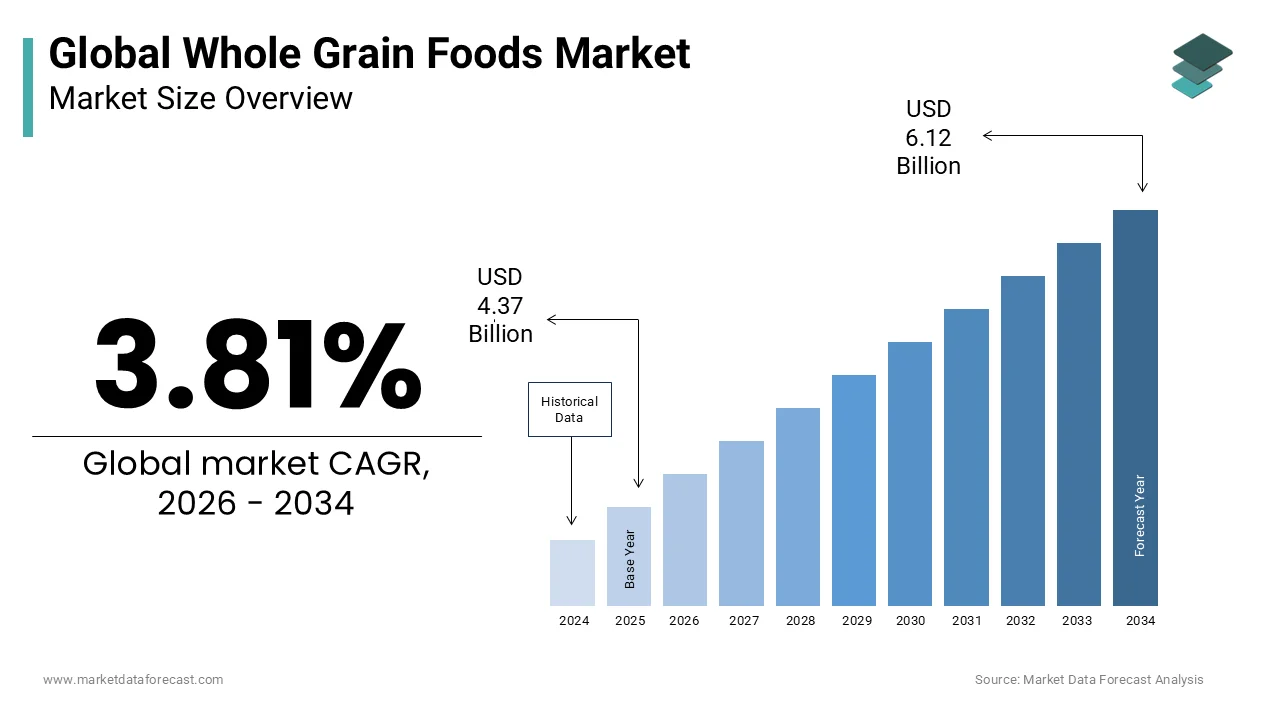
Market Size, 2025
$4.37 BnMarket Estimate, 2026
$4.54 BnMarket Forecast, 2034
$6.12 BnCAGR, 2026–2034
3.81%Global Whole Grain Foods Market Report Summary
The global whole grain foods market was valued at USD 4.37 billion in 2025, is estimated to reach USD 4.54 billion in 2026, and is projected to reach USD 6.12 billion by 2034, growing at a CAGR of 3.81% during the forecast period. Market growth is driven by increasing consumer awareness of health and nutrition, rising demand for fiber-rich diets, and growing preference for natural and minimally processed foods. Whole grain foods are widely valued for their benefits in digestive health, heart health, and weight management. The expansion of functional foods and clean label products is further supporting steady global market growth.
Key Market Trends
- Rising demand for fiber-rich and nutrient-dense foods is driving market growth.
- Increasing awareness of health benefits such as improved digestion and heart health is boosting demand.
- Growing preference for clean label and minimally processed products is supporting market expansion.
- Expansion of functional food categories is enhancing market development.
- Rising adoption of healthy lifestyle and dietary patterns is influencing consumption.
Segmental Insights
- Based on product type, the bakery products segment was the largest and held a significant share of the global whole grain foods market in 2025. This dominance is attributed to widespread consumption of bread, cereals, and baked goods made from whole grains.
- Based on distribution channel, the supermarkets and hypermarkets segment held a significant share of the global whole grain foods market in 2025, driven by wide product availability and consumer convenience.
Regional Insights
- The global whole grain foods market is experiencing steady growth across regions, supported by rising health awareness and consumption trends.
- North America was the largest contributor, accounting for 34.7% of the global whole grain foods market share in 2025, driven by high consumer awareness, strong demand for healthy foods, and well established retail infrastructure.
Competitive Landscape
The global whole grain foods market is highly competitive, with key players focusing on product innovation, health focused offerings, and expansion of distribution networks to strengthen their market position. Companies are investing in organic products, fortified foods, and branding strategies. Prominent players in the global whole grain foods market include Cargill, Cereal Ingredients CII, Flowers Foods, Hodgson Mill, Kellogg, Allied Bakeries, Bob’s Red Mill Natural Foods, Food For Life, General Mills, Grain Millers, Mondelez International, Nestlé, and Quaker Oats.
Global Whole Grains Foods Market Size
The global whole grains foods market size was valued at USD 4.37 billion in 2025, and the global market size is expected to reach USD 6.12 billion by 2034 from USD 4.54 billion in 2026. The market is growing at a CAGR of 3.81% during the forecast period.
The whole grain foods is a diverse array of food products derived from intact crushed or flaked grains that retain all three original anatomical components namely the bran germ and endosperm. This category includes staple items, such as whole wheat bread, brown rice, oats, barley, quinoa, and various cereals that are minimally processed to preserve their nutritional integrity. The definition extends to value added formulations where whole grain flour replaces refined alternatives in pasta snacks and baked goods to enhance fiber and micronutrient content. According to the World Health Organization, noncommunicable diseases kill 41 million people each year, which represents 74% of all deaths globally prompting governments to advocate for nutrient dense diets. The consumption of whole grains is strongly linked to reduced risks of heart disease type 2 diabetes and certain cancers as evidenced by extensive epidemiological studies. As per the Dietary Guidelines for Americans issued by the US Department of Agriculture, individuals are advised to make at least half of their daily grain intake whole grains to meet nutritional needs.
MARKET DRIVERS
Governmental Dietary Guidelines and Public Health Initiatives
The governmental dietary guidelines and public health initiatives for the adoption of whole grain foods by establishing authoritative recommendations that influence consumer behavior and food procurement policies. This factor is solely attributed in boosting the growth of whole grain foods market. National health agencies worldwide consistently emphasize the importance of replacing refined grains with whole grains to improve population health outcomes. These initiatives often translate into school meal programs and institutional feeding standards that mandate the inclusion of whole grain options thereby exposing younger demographics to these foods early in life. As per the European Food Safety Authority, scientific opinions confirm that consuming whole grains contributes to the maintenance of normal blood cholesterol levels and reduces the risk of cardiovascular disease. This scientific validation supports policy measures such as front of pack labeling schemes that highlight whole grain content helping consumers make informed choices quickly. In countries like Denmark and Sweden public health campaigns have successfully increased whole grain consumption by integrating them into national dietary symbols and recommendations. The alignment of corporate social responsibility goals with public health objectives further drives manufacturers to reformulate products to meet these guidelines.
Rising Prevalence of Lifestyle Related Chronic Diseases
The escalating prevalence of lifestyle related chronic diseases, such as obesity type 2 diabetes and hypertension, significantly drives the demand for whole grain foods as functional dietary interventions. The rising prevalence of lifestyle related chronic diseases is also elevating the growth of whole grains foods market. Consumers are increasingly aware of the role that diet plays in managing and preventing these conditions leading to a shift away from high glycemic index refined carbohydrates. According to the International Diabetes Federation, approximately 537 million adults were living with diabetes in 2021 a number projected to rise to 643 million by 2030. Whole grains with their high fiber content help regulate blood sugar levels and improve insulin sensitivity making them a preferred choice for individuals managing glucose levels. Furthermore, as per the World Heart Federation cardiovascular diseases remain the leading cause of death globally accounting for an estimated 17.9 million lives each year. The soluble fiber found in oats and barley has been shown to lower low density lipoprotein cholesterol thereby reducing cardiovascular risk. Medical professionals frequently prescribe dietary changes that include increased whole grain consumption as part of comprehensive treatment plans for metabolic syndrome. This medical endorsement reinforces consumer confidence in the health benefits of whole grains. The growing availability of clinical evidence supporting these benefits encourages food manufacturers to highlight specific health claims on packaging.
MARKET RESTRAINTS
Sensory Preferences and Texture Aversion Among Consumers
The sensory preferences and texture aversion, as many consumers perceive whole grain products as having inferior taste and mouthfeel compared to refined grain alternatives is hindering the growth of whole grains foods market. The presence of the bran and germ imparts a coarser texture and a slightly bitter or nutty flavor that can be unfamiliar or unappealing to individuals accustomed to the soft neutral profile of white flour products. The consumer acceptance of whole grain breads is often limited by perceptions of dryness and hardness, which negatively impact repeat purchase behavior. This sensory barrier is particularly pronounced among children and younger demographics, who may reject whole grain options in favor of more palatable refined grain snacks. As per the International Food Information Council, while consumers express intent to eat healthier actual purchasing decisions are heavily influenced by taste and convenience leading to a gap between attitude and action. Manufacturers face the challenge of improving sensory attributes without compromising nutritional value which often requires complex formulation techniques and additional ingredients that may conflict with clean label trends. The lack of culinary familiarity with preparing whole grains at home further exacerbates this issue as consumers may struggle to achieve desirable textures in home cooking.
Higher Price Points and Economic Constraints
The higher price points and economic constraints with widespread adoption of whole grain foods, particularly among lower income households is slightly hindering the growth of whole grain foods market. Whole grain products often command a premium price due to higher processing costs shorter shelf lives and the need for specialized storage conditions to prevent rancidity of the oil rich germ. According to the United States Department of Agriculture Economic Research Service the retail price of whole wheat bread is typically 10 to 20% higher than that of white bread creating a financial barrier for budget conscious shoppers. In times of economic inflation or uncertainty consumers tend to prioritize affordability over nutritional benefits leading to a trade down effect where they switch to cheaper refined grain options. As per the Bureau of Labor Statistics, food at home prices have experienced significant volatility in recent years forcing families to make cost saving adjustments in their grocery baskets. This economic pressure is more acute in developing regions where whole grains may be perceived as luxury items rather than staples. The lack of economies of scale in whole grain production compared to the highly optimized refined grain industry further sustains the price differential.
MARKET OPPORTUNITIES
Innovation in Clean Label and Minimal Processing Technologies
The innovation in clean label and minimal processing technologies by addressing consumer demand for transparency and natural ingredients is certainly creating new opportunities for the growth of whole grain foods market. Modern shoppers are increasingly scrutinizing ingredient lists and seeking products free from artificial preservatives colors and flavors, which aligns perfectly with the inherent simplicity of whole grains. Advances in milling and extrusion technologies allow producers to enhance the texture and shelf stability of whole grains without relying on synthetic additives. As per the Institute of Food Technologists emerging techniques, such as high pressure processing and fermentation can improve the bioavailability of nutrients and sensory qualities of whole grain foods while maintaining their clean label status. This technological evolution enables brands to launch premium whole grain snacks cereals and bakery items that appeal to health conscious millennials and Gen Z consumers who prioritize authenticity. The opportunity also extends to the development of whole grain based plant proteins and functional ingredients that can be incorporated into a wider range of food categories. The alignment with sustainability goals further enhances brand appeal as minimal processing often results in lower energy consumption and waste.
Expansion into Emerging Markets and Urbanizing Populations
The expansion into emerging countries and rapidly urbanizing populations, as rising incomes and westernization of diets drive demand for healthier food options is also bolstering the growth of whole grain foods market. Countries in Asia Pacific, Latin America, and Africa, are experiencing significant growth in their middle classes leading to increased spending on packaged and processed foods. This demographic shift is associated with changes in lifestyle and dietary habits, including a greater awareness of chronic disease prevention and a willingness to invest in nutritious foods. As per the Food and Agriculture Organization of the United Nations, there is a growing trend towards diversification of diets in emerging economies moving beyond traditional staples to include varied grain sources. Multinational food companies are seizing this opportunity by introducing affordable whole grain products tailored to local tastes and preferences. Local manufacturers are also emerging to compete by leveraging indigenous grains such as millet sorghum and teff which are naturally whole and culturally accepted. The development of distribution networks in rural and semi urban areas further expands market reach.
MARKET CHALLENGES
Supply Chain Volatility and Climate Change Impacts
The supply chain volatility and the adverse impacts of climate change by threatening the consistency and quality of raw material supplies is to pose as a major challenge for the growth of whole grain foods market. Whole grain crops, such as wheat, oats, and barley, are highly susceptible to extreme weather events including droughts floods and heatwaves, which are becoming more frequent and severe. According to the Intergovernmental Panel on Climate Change, global warming is expected to reduce crop yields in many regions particularly in tropical and subtropical areas affecting global grain availability. This environmental instability leads to fluctuating prices and supply shortages which disrupt production schedules and increase costs for manufacturers. As per the United States Department of Agriculture, weather related disruptions have caused significant variations in grain harvests impacting the reliability of supply chains for food processors. The reliance on specific geographic regions for certain grain varieties exacerbates this vulnerability making the market sensitive to local agricultural failures. Additionally, climate change affects the nutritional quality of grains with studies indicating that elevated carbon dioxide levels can reduce protein and mineral content. This variability complicates quality control and labeling compliance for manufacturers who must ensure consistent nutrient profiles. The need for sustainable sourcing practices adds another layer of complexity as companies strive to mitigate their environmental footprint while securing stable supplies.
Complex Regulatory Landscape and Labeling Standards
The complex regulatory landscape and inconsistent labeling standards, across different regions for manufacturers operating is also to inhibit the growth of the whole grain foods market. Definitions of what constitutes a whole grain product vary widely between countries and even within regions leading to confusion among consumers and compliance difficulties for brands. According to the Codex Alimentarius Commission while international guidelines exist individual nations often implement their own criteria for whole grain claims resulting in a fragmented regulatory environment. In the United States, the Food and Drug Administration has not established a single standard of identity for whole grains, whereas the European Union has specific regulations regarding health claims and nutritional labeling. This lack of harmonization impedes international trade and forces companies to maintain multiple product formulations and packaging designs for different markets. Misleading or ambiguous labeling can also erode consumer trust if shoppers feel deceived about the actual whole grain content of a product. The emergence of greenwashing accusations further complicates the landscape as regulators crack down on unsubstantiated health and sustainability claims. Manufacturers must invest heavily in legal and regulatory expertise to ensure compliance and avoid penalties.
REPORT COVERAGE
| REPORT METRIC | DETAILS |
| Market Size Available | 2025 to 2034 |
| Base Year | 2025 |
| Forecast Period | 2026 to 2034 |
| CAGR | 3.81% |
| Segments Covered | By Product Type, Fibre, Price Range, Distribution Channel, and Region. |
| Various Analyses Covered | Global, Regional and Country Level Analysis; Segment-Level Analysis; DROC; PESTLE Analysis; Porter’s Five Forces Analysis; Competitive Landscape; Analyst Overview of Investment Opportunities |
| Regions Covered | North America, Europe, APAC, Latin America, Middle East & Africa |
| Market Leaders Profiled | Cargill, Cereal Ingredients (CII), Flowers Foods, Hodgson Mill, Kellogg, Allied Bakeries, Bob’s Red Mill Natural Foods, Food For Life, General Mills Grain Millers, Mondelez International, Nestlé, Quaker Oats. |
SEGMENTAL ANALYSIS
By Product Type Insights
The bakery products segment was the largest by occuoying a significant share of the hold Whole Grain Foods Market in 2025 with the bread rolls and buns are staple food items consumed daily by a vast majority of the global population. The transition from white bread to whole wheat and multigrain variants is a primary entry point for consumers adopting healthier diets due to the familiarity of the format. The versatility of whole grain bakery products allows them to be integrated into various meals from breakfast toast to dinner sandwiches making them indispensable in daily meal planning. Manufacturers have improved the texture and taste of whole grain breads making them more palatable and comparable to refined flour products. The presence of whole grain bakery items in quick service restaurants and cafes further normalizes their consumption.
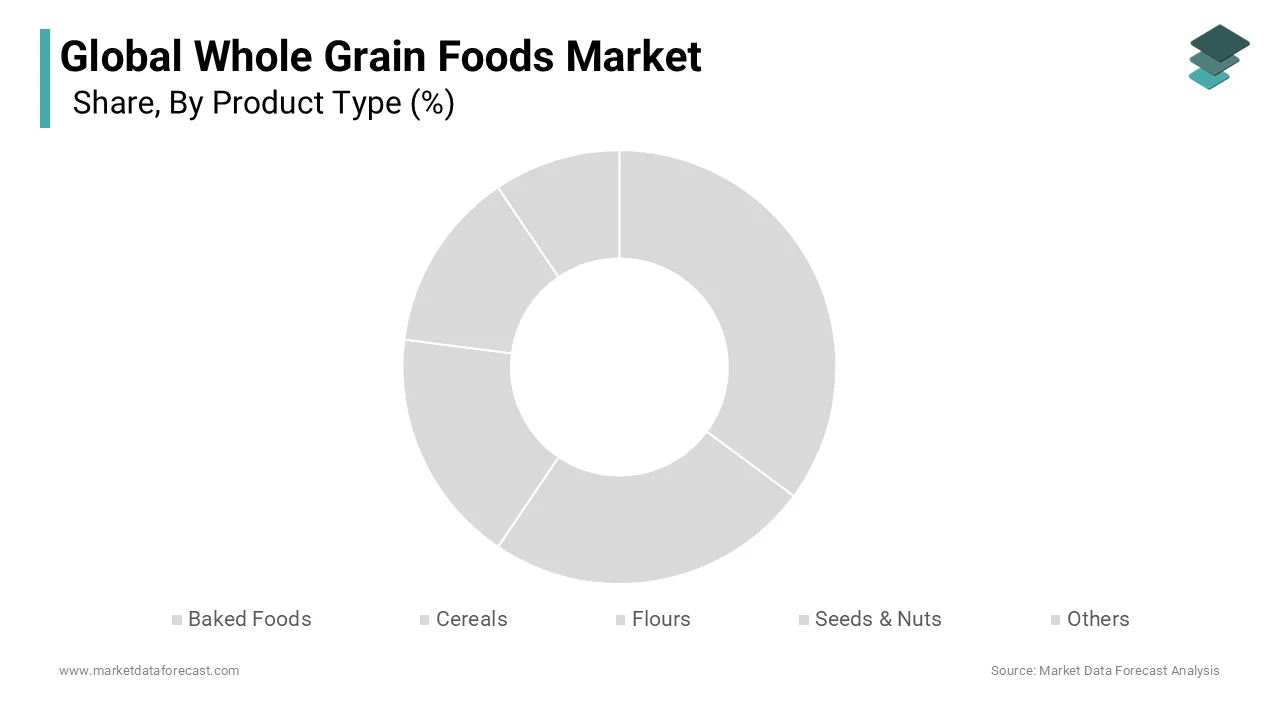
The ready to eat cereals segment is lucratively growing at an anticipated CAGR of 8.6% from 2026 to 2034 with the strong association between breakfast consumption and long term health outcomes. Consumers are increasingly seeking convenient breakfast options that provide sustained energy and essential nutrients without requiring preparation time. The ability of manufacturers to fortify these cereals with vitamins minerals and protein enhances their functional appeal making them a complete nutritional solution. The marketing of whole grain cereals as heart healthy and digestion friendly resonates with aging populations and parents concerned about their children's dietary habits. The variety of formats including flakes clusters and puffs made from oats corn rice and wheat provides options for different taste preferences. The convenience factor combined with proven health benefits drives repeat purchases and brand loyalty.
By Distribution Channel Insights
The supermarkets and hypermarkets segment was the largest by holding a significant share of the whole grain foods market in 2025 due to their ability to offer a comprehensive range of products under one roof allowing consumers to physically inspect quality and compare brands. These retail giants leverage their massive purchasing power to secure competitive pricing which is crucial for whole grain products that often carry a premium compared to refined alternatives. The tactile nature of shopping for bakery items and bulk grains allows customers to assess freshness and texture, which are key determinants in purchase decisions for whole grain breads and cereals. The established trust in major retail chains regarding food safety and labeling accuracy further reinforces consumer preference. Retailers also invest heavily in private label whole grain lines, which offer affordable options thereby driving volume sales. The integration of in store bakeries that fresh bake whole grain goods enhances the sensory appeal and draws foot traffic.
The online and e-commerce segment is likely to register a fastest CAGR of 12.5% from 2026 to 2034 with the unparalleled convenience and the rise of subscription based purchasing models. Consumers increasingly prefer the ease of ordering bulky items like bags of rice, oats, and quinoa, online to avoid the physical effort of carrying them from stores. Subscription services offered by major platforms allow households to automate the replenishment of staple whole grain products ensuring they never run out while often providing cost savings. The ability to access a wider variety of niche and organic whole grain brands that may not be available in local supermarkets that further accelerates growth of the segment. Detailed product descriptions and customer reviews online help educate buyers about the specific benefits of different grains reducing hesitation. The integration of quick commerce services that promise delivery within hours also addresses the need for immediacy. This shift towards digital procurement is particularly strong among urban millennials and Gen Z consumers, who prioritize time efficiency and digital engagement in their shopping experiences.
REGIONAL ANALYSIS
North America Whole Grain Foods Market Analysis
North America was the top performer in the global Whole Grain Foods Market by holding 34.7% of share in 2025 with the high consumer awareness regarding preventive health and strong regulatory support for nutritional labeling. The mature retail landscape, where whole grain options are widely available across all channels. The prevalence of chronic diseases, such as obesity and diabetes in the United States and Canada serves as a primary driver for demand as consumers seek dietary interventions. The presence of leading global food companies headquartered in the region facilitates rapid innovation and distribution of whole grain products. Government initiatives, such as the Whole Grain Stamp program help consumers easily identify authentic whole grain items. The strong culture of fitness and wellness further supports market growth as individuals integrate whole grains into active lifestyles. The region's advanced supply chain infrastructure ensures consistent quality and availability reinforcing its leadership position in the global market.
Europe Whole Grain Foods Market Analysis
Europe whole grain foods market was positioned second by holding 21.2% of share in 2025 with the diverse traditional grain consumption patterns and stringent food safety regulations. The market status is influenced by varying dietary habits across countries with Northern Europe, showing higher whole grain intake compared to Southern regions. Countries like Denmark and Sweden have implemented national dietary recommendations that strongly advocate for whole grain consumption leading to higher per capita intake. The European Green Deal and farm to fork strategy promote sustainable agriculture, which aligns with the production of whole grains. Consumer preference for organic and locally sourced products drives the demand for premium whole grain items. The regulatory framework ensures transparency in labeling which builds trust among shoppers.
Asia Pacific Whole Grain Foods Market Analysis
Asia Pacific whole grain foods market growth is esteemed to have a prominent growth opportunity in coming years with the urbanization rising incomes and increasing health awareness. According to the Food and Agriculture Organization of the United Nations, Asia is the largest producer and consumer of rice and wheat with significant potential for shifting towards whole grain variants. The rising prevalence of lifestyle diseases in countries like China, India, and Japan, is prompting governments to promote healthier dietary choices. The expansion of modern retail and e-commerce platforms makes whole grain products more accessible to urban consumers. Cultural revival of indigenous grains, such as quinoa amaranth and buckwheat is also contributing to market growth. Younger generations are increasingly adopting western dietary habits that include whole grain cereals and breads. The region's large population base offers immense volume potential.
Latin America Whole Grain Foods Market Analysis
Latin America whole grain foods market growth is driven by the native origin of many ancient grains. The rich biodiversity of crops, such as quinoa, amaranth, and chia, which are gaining popularity both domestically and internationally. Domestic consumption is increasing as urban consumers become more health conscious and seek nutritious alternatives to refined carbohydrates. As per the Pan American Health Organization, efforts to combat obesity and diabetes in the region are encouraging the inclusion of whole grains in public health programs. The cultural significance of these grains provides a strong foundation for market acceptance. The growth of the middle class and expansion of supermarket chains are improving access to packaged whole grain products. International demand for Latin American superfoods also drives investment in the sector.
Middle East and Africa Whole Grain Foods Market Analysis
The Middle East and Africa whole grain foods market growth is likely to grow with the traditional dietary practices and emerging health trends. The staple consumption of grains, such as wheat sorghum and millet, which are often consumed in whole or semi whole forms in rural areas. According to the African Union, initiatives to improve food security and nutrition are promoting the cultivation and consumption of indigenous whole grains. As per the World Bank urbanization in Africa is leading to dietary transitions where processed whole grain foods are gaining traction among the growing middle class. The high prevalence of diabetes in some Gulf countries is driving demand for low glycemic index whole grain options. However, limited awareness and affordability issues in lower income segments restrict market growth. Government efforts to diversify diets and reduce reliance on imports are supporting local whole grain production.
COMPETITIVE LANDSCAPE
The competition in the Whole Grain Foods Market is characterized by a dynamic mix of large multinational food corporations and specialized niche brands that vie for consumer attention through innovation and branding. Large players leverage their extensive distribution networks and marketing resources to introduce whole grain products into mainstream retail channels making them widely accessible. Meanwhile smaller specialized brands compete on authenticity organic certification and direct to consumer engagement often commanding premium prices for their high quality offerings. Competitive intensity is heightened by the growing number of private label entries from major retailers who offer affordable whole grain alternatives. Companies differentiate themselves through clean label claims sustainable sourcing stories and unique flavor profiles that appeal to health conscious and environmentally aware consumers. The race for innovation in product formats such as ready to eat meals and protein bars drives continuous improvement in taste and convenience.
Key Market Players
Some of the key players in whole grain foods market are
- Cargill
- Cereal Ingredients (CII)
- Flowers Foods
- Hodgson Mill
- Kellogg
- Allied Bakeries
- Bob’s Red Mill Natural Foods
- Food For Life
- General Mills
- Grain Millers
- Mondelez International
- Nestlé
- Quaker Oats
Top Players in the Market
- General Mills Inc is a global leader in the whole grain foods market with a diverse portfolio that includes prominent brands like Cheerios and Wheaties. The company has consistently reformulated its products to increase whole grain content while reducing sugar levels to meet evolving consumer health demands. Recent actions include expanding its organic whole grain offerings and investing in sustainable sourcing initiatives to secure high quality raw materials. General Mills actively engages in consumer education campaigns highlighting the benefits of whole grains for heart health and digestion. Their strategic focus on innovation involves launching new ready to eat cereals and snack bars featuring ancient grains to capture premium market segments. This commitment to nutritional excellence and sustainability strengthens their position as a trusted provider of wholesome food options for families worldwide.
- Kellogg Company plays a pivotal role in the global whole grain foods market through its iconic cereal and snack brands such as Special K and All Bran. The company prioritizes making whole grains accessible and appealing by enhancing taste and texture in its product formulations. Recent strategies involve introducing plant based whole grain options and expanding into emerging markets where health consciousness is rising. Kellogg invests heavily in research and development to create innovative whole grain blends that cater to specific dietary needs including gluten free and high fiber requirements. Their commitment to transparency is evident in clear labeling practices that help consumers identify whole grain content easily. Kellogg also partners with health organizations to promote the importance of breakfast and whole grain consumption.
- Ardent Mills stands as a leading flour milling company significantly contributing to the global whole grain foods market by supplying high quality whole grain ingredients to commercial and retail sectors. The company offers a wide range of whole wheat white wheat and ancient grain flours that enable manufacturers to create nutritious bakery and pasta products. Recent actions include launching innovative whole grain blending solutions that improve functionality and sensory appeal for industrial clients. Ardent Mills collaborates with farmers to promote sustainable agricultural practices ensuring a reliable supply of premium grains. Their technical expertise supports customers in reformulating products to meet clean label and nutritional standards.
Top Strategies Used by Key Market Participants
Key players in the whole grain foods market primarily employ product innovation and strategic sourcing to strengthen their competitive positioning. Companies increasingly invest in research and development to create value added products such as whole grain snacks cereals and baking mixes that cater to evolving consumer preferences for convenience and nutrition. Strategic partnerships with local farmers enable firms to secure stable supplies of high quality organic and non genetically modified grains while supporting sustainable agricultural practices. Adoption of advanced processing technologies helps producers enhance the texture and shelf life of whole grain products making them more appealing to mainstream consumers. Sustainability initiatives form another core strategy as companies highlight eco friendly farming and packaging practices to appeal to environmentally conscious shoppers. Marketing efforts focus on educating customers about the unique health benefits and culinary versatility of whole grains to drive consumption growth.
MARKET SEGMENTATION
This research report on the global whole grain foods market has been segmented and sub-segmented based on product type, fiber, price range, distribution channel, & region.
By Product Type
- Baked Foods
- Cereals
- Flours
- Seeds & Nuts
- Others
By Fiber
- High Fiber Foods
- Soluble Foods
- Insoluble Foods
By Price Range
- Premium
- Mid
- Low
By Distribution Channel
- Supermarkets or hypermarkets
- Online or e Commerce
- Independent Retail Outlets
- Others
By Region
- North America
- Europe
- Asia Pacific
- Latin America
- Middle East and Africa