- Product Description Description
- Table of Contents TOC
- List of Table & Figure LOT
- Get Free Sample PDF Sample PDF
Market Size, 2025
$1.60 BnMarket Estimate, 2026
$1.69 BnMarket Forecast, 2034
$2.57 BnCAGR, 2026–2034
5.37%Executive Summary: Europe Protein Bar Market
- Market Scope: Regional Europe protein bar market analysis covering product types, protein sources, distribution channels, country-level dynamics, and functional nutrition technology adoption metrics.
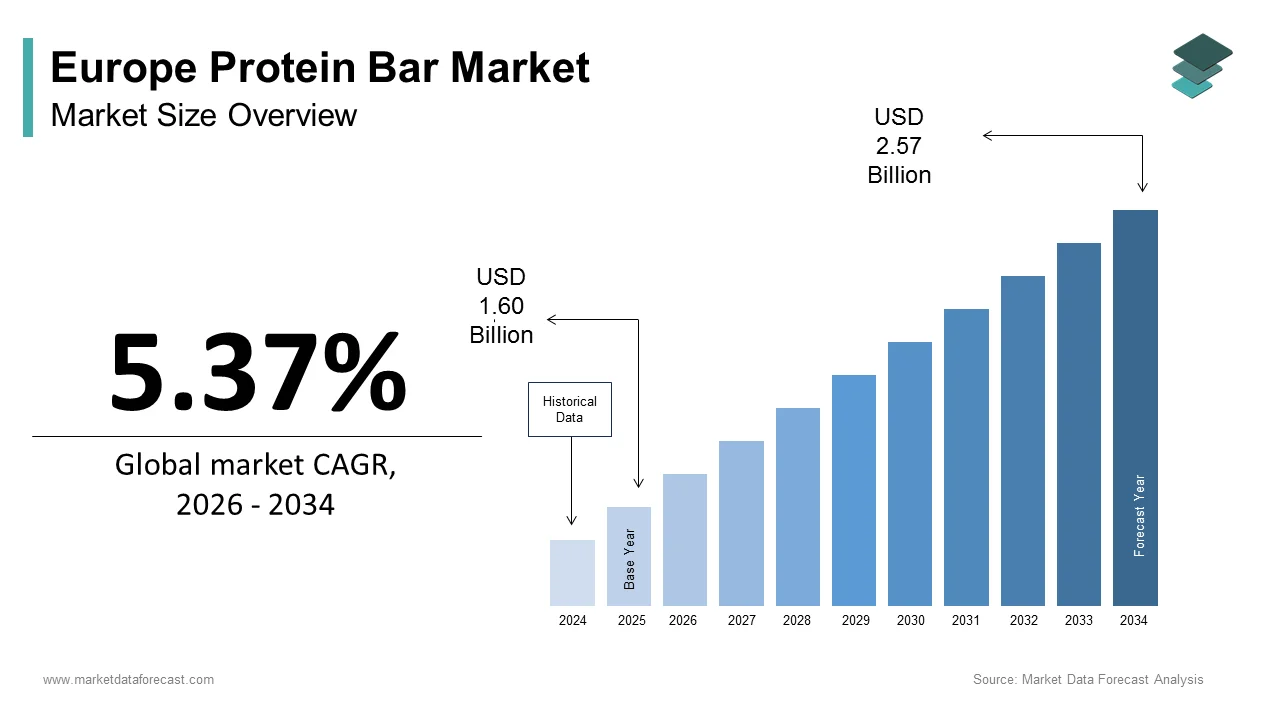
- Market Valuation: Valued at USD 1.60 billion in 2025, estimated at USD 1.69 billion in 2026, and projected to reach USD 2.57 billion by 2034, registering a CAGR of 5.37% from 2026 to 2034.
- Primary Growth Drivers: Mainstream integration of high-protein diets into daily nutrition for satiety and healthy aging, alongside rising demand for plant-based and allergen-free formulations aligned with EU sustainability goals.
Key Market Segment Metrics (2026–2034)
| Category | Leading Segment (Position) | Fastest-Growing / Key Growth Segment |
|---|---|---|
| By Product Type & Source | Sports nutritional bars (dominated with a 48.6% share in 2025) & Animal protein-based bars (led with a 61.7% share) | Meal replacement bars (fastest-growing type at 9.2% CAGR) & Plant protein-based bars (fastest-growing source at 10.4% CAGR) |
| By Channel & Innovation | Supermarkets and hypermarkets (majority share at 44.7% in 2025) | E-commerce (fastest-growing channel at 12.1% CAGR), clean-label functional formulations, and clinical wellness solutions |
| By Country / Regional Dynamics | United Kingdom (led regionally with a 21.1% market share in 2025, followed by Germany at 18.5%) | Localized production hubs across Europe ensuring strict compliance with EU regulatory standards |
Major Market Players & Market Structure
Market Structure: Highly competitive European functional nutrition sector characterized by product reformulations to remove artificial sweeteners, localized manufacturing investments, digital direct-to-consumer models, and clinical wellness expansion.
Key Companies: Premier Nutrition Corporation, WhiteWave Foods Co, General Mills, Kellogg’s Co, Abbott Laboratories, Glanbia Plc, Amway Corporation, GNC Holdings, GlaxoSmithKline Plc, Vitaco Health Group Limited, MyProtein, Nestlé Health Science, and Foodspring.
Europe Protein Bar Market Size
The Size of the Europe Protein Bar Market was calculated to be USD 1.60 billion in 2025 and is anticipated to be worth USD 2.57 billion by 2034, from USD 1.69 billion in 2026, growing at a CAGR of 5.37% during the forecast period.
Protein bars are functional food products engineered to deliver concentrated protein from sources such as whey, casein, soy, pea, or blends thereof, often fortified with fiber, vitamins, and low-glycemic carbohydrates. Positioned at the intersection of nutrition, convenience, and wellness, they serve diverse consumer segments including athletes, weight managers, and on-the-go professionals seeking satiety and muscle support. Unlike generic snack bars, European protein bars are increasingly formulated to comply with strict EU nutritional labeling regulations and clean-label expectations, avoiding artificial sweeteners like aspartame in favor of stevia or monk fruit. According to the European Food Safety Authority, over 1,200 protein bar formulations were registered under the EU’s Novel Foods Catalogue in 2024, reflecting rapid product innovation. The market is also shaped by cultural dietary preferences; for instance, lactose-free and plant-based variants dominate in Scandinavia, while high-protein indulgent formats thrive in Southern Europe. As per Eurostat, 38 percent of EU adults reported consuming protein-enriched foods at least once a week in 2024, signaling mainstream adoption beyond niche fitness communities. This normalization, coupled with evolving regulatory clarity on health claims, defines the contemporary landscape of the Europe Protein Bar Market.
MARKET DRIVERS
Mainstream Integration of High-Protein Diets into Daily Nutrition
The adoption of high-protein dietary patterns has transcended athletic circles and entered mainstream European eating habits, a factor which propels the growth of the Europe protein bar market. This shift is driven by scientific consensus on protein’s role in satiety, metabolic health, and healthy aging. National dietary guidelines across Germany, France, and the Nordic countries now recommend higher protein intake, particularly among older adults, to combat sarcopenia and support weight management. According to the European Society for Clinical Nutrition and Metabolism, guidelines for older adults have been updated to advise a higher daily protein intake, surpassing previous general population recommendations, to support the maintenance of muscle mass and physical function in aging. This shift has normalized protein supplementation through convenient formats like bars, especially among time-constrained urban professionals and aging populations. Retailers such as Carrefour and Edeka have responded by expanding dedicated protein snack aisles, with sales of non-sports-positioned protein bars growing. The decoupling of protein consumption from gym culture and its repositioning as a pillar of everyday wellness has dramatically broadened the addressable consumer base, transforming protein bars from performance aids into routine nutritional staples.
Rise of Plant-Based and Allergen-Free Formulations Aligned with EU Dietary Trends
Increasing demand among European consumers for ethical, environmental, and health-conscious protein bars is driving the shift toward plant-based, allergen-free formulations and expanding the Europe protein bar market. The EU’s Farm to Fork Strategy, which promotes sustainable food systems, has amplified interest in legume-derived proteins like pea, fava bean, and hemp. Plant-based protein bars represent a significant and growing portion of new product introductions within the European snack bar market, driven by consumer demand for healthier and sustainable options. Simultaneously, stringent EU allergen labeling laws (Regulation EC No 1169/2011) have compelled manufacturers to develop bars free from top allergens such as dairy, gluten, and nuts, catering to rising sensitivities. Rising consumer awareness and self-reported sensitivities to food ingredients are accelerating demand for certified allergy-friendly and free-from food products across Europe. Brands like Foodspring and Nu3 have capitalized on this by launching oat-based, vegan protein bars with clean ingredient decks, resonating with eco-aware millennials. This dual push for sustainability and inclusivity has made plant-forward, hypoallergenic bars a cornerstone of innovation and growth.
MARKET RESTRAINTS
Stringent EU Regulations on Health and Nutrition Claims
The European Union enforces some of the world’s most rigorous controls on nutrition and health claims through Regulation (EC) No 1924/2006, significantly limiting how protein bars can be marketed and the growth of the Europe protein bar market. Unlike in the United States, where structure-function claims are broadly permitted, European manufacturers cannot state that a protein bar “builds muscle” or “supports weight loss” unless the claim is pre-approved by the European Food Safety Authority. EU regulations allow specific health claims regarding protein's role in supporting muscle and bone health, provided the product meets a minimum threshold of energy derived from protein. This regulatory constraint stifles marketing creativity and forces brands to rely on implicit messaging, reducing consumer appeal. Many protein bar manufacturers often bypass specific, regulated health language in favor of vague marketing descriptions to describe their products' nutritional value. This limitation hampers differentiation in a crowded market and slows consumer education about protein’s benefits.
Persistent Consumer Skepticism Over Taste and Artificial Ingredients
Many European consumers remain wary of protein bars, despite nutritional benefits, due to historical perceptions of poor palatability, chalky texture, and reliance on synthetic additives, which impedes the growth of the Europe protein bar market. Early-generation bars often used whey protein isolate and sugar alcohols like maltitol, which caused digestive discomfort and left a bitter aftertaste. Although formulations have improved, legacy impressions persist. According to recent market research, a significant number of consumers who do not use tobacco or alternative nicotine products in European countries primarily avoid these items due to the unpleasant taste, a trend in line with growing calls for stricter flavoring regulations. Additionally, the EU’s clean-label movement has intensified scrutiny of ingredients like glycerol, soy lecithin, and artificial flavors, even when legally permitted. Brands attempting to reduce sugar often substitute stevia, which, while natural, can impart licorice-like notes disliked by many Europeans. This sensory and perceptual barrier is particularly strong in Southern Europe, where culinary traditions emphasize authentic flavors. Mass-market adoption will remain limited by sensory skepticism until these products match the flavor profiles of conventional snacks without sacrificing nutritional value.
MARKET OPPORTUNITIES
Development of Functional Protein Bars Targeting Cognitive and Immune Health
Regional consumers are increasingly seeking foods that support cognitive performance, stress resilience, and immune function, beyond muscle health and satiety, and thereby boost prospects for the growth of the Europe protein bar market. This trend is creating fertile ground for next-generation functional protein bars. The EU’s aging population and rising workplace burnout have amplified demand for nootropic and adaptogenic ingredients. Brands are responding by fortifying bars with lion’s mane mushroom, ashwagandha, vitamin D, and omega-3s, all permissible under current supplement regulations. Many middle-aged consumers are increasingly seeking out snack products designed to support cognitive functions and brain health. This shift reflects a broader lifestyle trend where individuals prioritize mental well-being and focus on physical nutrition. Regulatory pathways exist for certain claims; for instance, EFSA permits “vitamin D contributes to the normal function of the immune system,” enabling compliant messaging. Companies like Huel and Form Nutrition have launched “focus” and “immunity” bars that blend pea protein with botanicals, targeting knowledge workers and health-conscious parents. This convergence of personalized nutrition, preventive health, and convenience positions functional protein bars as a high-margin frontier aligned with Europe’s holistic wellness evolution.
Expansion into Clinical and Medical Nutrition Channels
Protein bars are gaining traction in clinical settings as part of medical nutrition therapy for conditions like sarcopenia, post-surgical recovery, and malnutrition in the elderly. This opens up a key area for the expansion of the Europe protein bar market. European healthcare systems, facing escalating costs from age-related frailty, are increasingly integrating oral nutritional supplements into standard care protocols. In Germany and the Netherlands, hospital formularies now include high-protein bars as part of discharge kits for geriatric patients. According to trends recognized by the European Society for Clinical Nutrition and Metabolism (ESPEN), there has been a steady increase in the awareness and implementation of protein-enriched food strategies to combat malnutrition within hospitals across Europe. These products must meet stringent criteria: high protein density, low sugar, and compliance with medical device or food for special medical purposes (FSMP) regulations. Manufacturers like Nestlé Health Science and Nutricia already supply such bars, but opportunities exist for specialized players to develop cleaner, more palatable options. This medically vetted channel offers a stable, high-value demand stream, insulated from retail volatility by the growing public health emphasis on preventative nutrition.
MARKET CHALLENGES
Price Sensitivity and Economic Pressure on Discretionary Food Spending
Protein bars, often priced higher than conventional snacks, are increasingly viewed as non-essential luxuries, amid persistent inflation and cost-of-living pressures across the region, which poses a challenge to the Europe protein bar market. Consumers in Europe are facing a substantial price premium for functional, high-protein snacks compared to traditional standard cereal bars, with specialized products commanding much higher unit prices. This gap becomes critical in price-sensitive markets like Spain, Italy, and Eastern Europe, where disposable income growth has stagnated. Despite a challenging economic environment, real household consumption expenditure in the EU grew in 2024, though discretionary spending on certain categories remains under scrutiny as consumers manage inflation. Many consumers are downtrading to cheaper alternatives or making homemade protein snacks to cut costs. Even in affluent regions, private-label protein bars from retailers like Aldi and Lidl are gaining share by offering lower prices. This economic headwind compresses margins for branded players and threatens volume growth, particularly for premium and organic variants that rely on higher price points to sustain quality.
Supply Chain Volatility for Key Protein Ingredients
Ongoing instability in the supply of core protein ingredients due to geopolitical, climatic, and regulatory factors further limits the expansion of the Europe protein bar market. Whey protein, derived from dairy processing, is vulnerable to fluctuations in milk production quotas and energy costs affecting cheesemaking, a key source of whey permeate. 2024 brought challenging weather and disease outbreaks that constrained milk supplies in major European producing nations, leading to tightened availability of dairy components like whey. Simultaneously, plant-based proteins like pea and soy face import dependency. A high dependence on imports from Canada and China makes the European pea protein sector vulnerable to supply chain delays and shifts in trade policy. Furthermore, the EU’s deforestation regulation, effective from 2025, restricts imports of soy linked to land conversion, potentially disrupting supply chains. These vulnerabilities lead to price spikes and force reformulations that risk altering taste or texture. The European alternative protein market remains vulnerable to external shocks, threatening price stability and consistent supply due to insufficient investment in local, diverse sourcing.
REPORT COVERAGE
| REPORT METRIC | DETAILS |
| Market Size Available | 2025 to 2034 |
| Base Year | 2025 |
| Forecast Period | 2026 to 2034 |
| CAGR | 5.37% |
| Segments Covered | By Product Type, Protein Source, Distribution Channel, and Region |
| Various Analyses Covered | Global, Regional & Country Level Analysis; Segment-Level Analysis; DROC, PESTLE Analysis; Porter’s Five Forces Analysis; Competitive Landscape; Analyst Overview of Investment Opportunities |
| Regions Covered | UK, France, Spain, Germany, Italy, Russia, Sweden, Denmark, Switzerland, Netherlands, Turkey, and the Czech Republic |
| Market Leaders Profiled | Premier Nutrition Corporation, WhiteWave Foods Co, General Mills, Kellogg’s Co, Abbott Laboratories, Glanbia Plc, Amway Corporation, GNC Holdings, GlaxoSmithKline Plc, and Vitaco Health Group Limited |
SEGMENTAL ANALYSIS
By Product Type Insights
The sports nutritional bars segment held the majority share of 48.6% of the Europe Protein Bar Market in 2025. The supremacy of the segment is driven by its early market entry, strong association with athletic performance, and well-established distribution through gyms, sports retailers, and e-commerce platforms. These bars are typically formulated with 20 to 30 grams of high-quality protein, often from whey or casein, and marketed to athletes, fitness enthusiasts, and active individuals seeking muscle recovery and sustained energy. According to EuropeActive, the European fitness sector experienced robust growth in 2023, with total memberships rising significantly and exceeding previous records, driven by a recovering market and expanding consumer base. Major brands like MyProtein and Multipower have built loyal followings through influencer partnerships and subscription models that ensure repeat purchases. Additionally, the segment benefits from clear regulatory pathways under EU sports nutrition guidelines, which permit specific claims about protein’s role in muscle maintenance. This combination of cultural alignment with fitness culture, product efficacy, and accessible marketing channels has cemented sports nutritional bars as the foundational pillar of the European protein bar landscape.
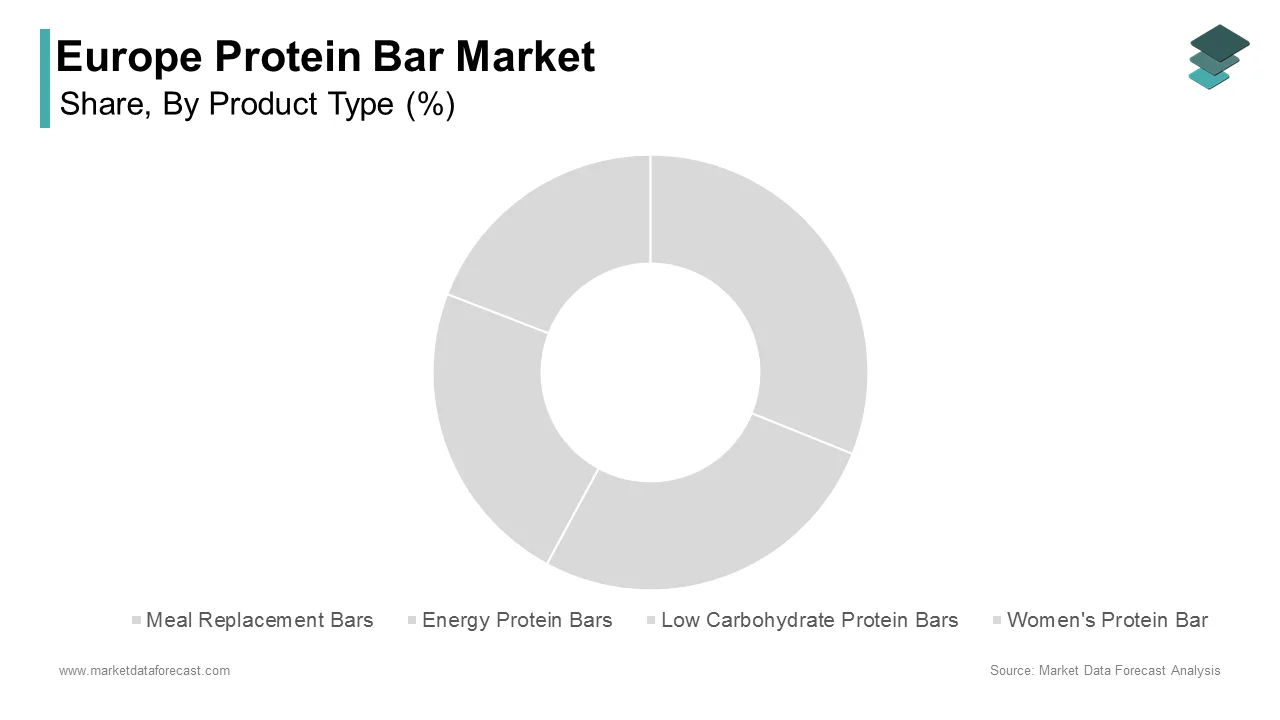
The meal replacement bars segment is predicted to witness the highest CAGR of 9.2% between 2026 and 2034 due to urban professionals seeking convenient, nutritionally balanced alternatives to traditional meals amid time scarcity and rising health consciousness. Unlike sports bars focused solely on protein, meal replacement variants provide a full macro- and micronutrient profile, notable calories with protein, fiber, healthy fats, and essential vitamins, positioning them as legitimate meal substitutes. Rising work pressures on working adults in major European cities are fueling demand for convenient, satisfying, and portable dining options as traditional, stationary lunch breaks become less frequent. While specific data on lunch-skipping in urban centers was not found in recent studies, broader labor trends indicate significant work-life balance challenges. Brands such as Huel and Form Nutrition have capitalized on this by offering bars compliant with EU meal replacement regulations (Directive 96/8/EC), which mandate minimum nutrient thresholds. The convergence of convenience culture, preventive health awareness, and regulatory clarity enables meal replacement bars to transcend niche fitness use and enter mainstream daily nutrition routines.
By Protein Source Insights
The animal protein-based bars segment led the Europe protein bar market and captured a 61.7% share in 2025. The leading position of the segment is attributed to superior amino acid profiles, particularly high leucine content critical for muscle protein synthesis, and decades of consumer trust in dairy-derived proteins. Whey protein isolate, in particular, offers rapid digestibility and clean flavor, making it ideal for sports and recovery applications. The European dairy industry, supported by robust infrastructure in countries like Germany, France, and the Netherlands, ensures a consistent supply and cost efficiency. According to the European Dairy Association, a substantial volume of liquid whey is processed annually within the European Union, with a growing emphasis on converting this dairy by-product into high-value nutritional ingredients for human consumption. Furthermore, clinical studies published in the European Journal of Clinical Nutrition consistently validate whey’s efficacy in muscle maintenance, reinforcing its scientific credibility. Despite plant-based trends, animal protein remains the benchmark for performance-oriented consumers, and its integration into hybrid formulations, combining whey with plant proteins, further extends its relevance across diverse dietary preferences.
The plant protein-based bars segment is estimated to register the fastest CAGR of 10.4% during the forecast period, owing to the continent’s accelerating shift toward sustainable, ethical, and allergen-conscious eating patterns. Pea, fava bean, rice, and hemp proteins are increasingly favored for their low environmental footprint. Pea protein production is considered a significantly more environmentally friendly alternative to whey, with life cycle assessments showing drastically lower greenhouse gas emissions per unit of protein produced. Regulatory support also plays a role; the EU’s Green Deal incentivizes plant-based innovation, while allergen labeling laws drive demand for dairy-free options. A significant portion of new protein bar launches in Europe are now exclusively plant-based, driven by strong demand for dairy-free, sustainable, and natural protein sources. Countries like Sweden and Germany lead adoption, with vegan populations exceeding and strong retail support for clean-label products. Moreover, advancements in enzymatic processing have significantly improved the taste and texture of plant proteins, closing the sensory gap with animal sources. This alignment of environmental policy, consumer ethics, and technological progress positions plant-based bars as the vanguard of future market expansion.
By Distribution Channel Insights
The supermarkets and hypermarkets dominated the Europe Protein Bar Market and occupied a 44.7% share in 2025. The prominence of the segment is credited to unparalleled accessibility, broad demographic reach, and strategic placement in high-traffic health and wellness aisles. Major retailers like Carrefour, Tesco, and Edeka have dedicated sections for functional foods, where protein bars are displayed alongside organic snacks and sports drinks, normalizing their consumption beyond gym-goers. Eurostat suggests that physical grocery stores continue to be a primary shopping channel for most households across the EU, with regular, routine visits to supermarkets and discount retailers providing extensive, consistent visibility for consumer goods. Private-label offerings from these retailers, often priced lower than branded alternatives, further drive volume. Additionally, promotional campaigns during key periods like New Year resolutions or summer fitness seasons amplify visibility. The channel’s scale, logistical efficiency, and ability to cater to both premium and value segments make it the cornerstone of mass-market penetration for protein bar brands across Europe.
The e-commerce segment is anticipated to witness the fastest CAGR of 12.1% from 2026 to 2034. The rapid growth of the segment is propelled by digital-native consumers, subscription models, and the ability to access niche and premium brands not available in physical stores. Online platforms enable direct-to-consumer engagement, personalized recommendations, and detailed ingredient transparency, critical for health-conscious buyers. According to Eurostat, a substantial majority of internet-using citizens across the European Union continued to embrace online shopping in 2024, with clothing, restaurant deliveries, and home-related products leading the fastest-growing categories. Brands like MyProtein and Bulk Powders have built entire business models around e-commerce, leveraging data analytics to optimize flavors, bundle offers, and loyalty programs. The channel also supports rapid innovation. Limited-edition or region-specific bars can be tested online without shelf-space constraints. Rapidly evolving, same-day urban logistics are transforming the protein bar market, enhancing convenience and personalization through e-commerce.
REGIONAL ANALYSIS
United Kingdom Protein Bar Market Analysis
The United Kingdom outperformed other countries in the Europe Protein Bar Market by accounting for a 21.1% share in 2025. The leading position of the UK market is driven by a mature fitness culture, strong e-commerce infrastructure, and high consumer awareness of nutritional labeling. The UK hosts some of Europe’s largest online sports nutrition retailers, including MyProtein and Bulk, which export across the continent but maintain deep domestic penetration. British adults are increasingly viewing protein consumption as a habitual part of their diet, with a significant portion of the population intentionally prioritizing and raising their daily intake to support health, wellness, and active lifestyles. The post-Brexit regulatory environment, while diverging slightly from EU rules, continues to align with core safety standards, facilitating brand consistency. London’s dense urban population and high disposable income further fuel demand for convenient, high-protein snacks. This ecosystem of digital commerce, health consciousness, and entrepreneurial innovation solidifies the UK’s position as the continent’s most dynamic and influential protein bar market.
Germany Protein Bar Market Analysis
Germany was the next prominent country in the Europe protein bar market by capturing a 18.5% share in 2025. The expansion of the German market is fuelled by its emphasis on scientific validation, clean-label formulations, and integration of protein bars into preventive healthcare. German consumers prioritize transparency, with ingredient scrutiny extending to sourcing and sustainability. German consumers are increasingly prioritizing transparency in food labelling, driving a strong preference for snack bars that contain natural, recognizable ingredients and are free from artificial additives. Gym culture is robust, with millions of memberships recorded in 2024, but usage extends to elderly populations combating sarcopenia. Retailers like dm-drogerie markt and REWE offer extensive selections, including pharmacy-grade options. Additionally, Germany’s strong manufacturing base supports local production, reducing import dependency. This blend of scientific rigor, demographic diversity, and retail sophistication makes Germany a high-value, quality-driven market.
France Protein Bar Market Analysis
France holds a noteworthy share of the Europe protein bar market owing to a preference for indulgent yet functional formats that align with the nation’s culinary heritage. French consumers reject chalky, medicinal-tasting bars in favor of chocolate-dipped, fruit-infused, or pastry-inspired variants that deliver protein without compromising gastronomic pleasure. In France, a significant portion of consumers prioritize, above many other factors, the sensory experience, specifically pleasant flavor and texture, as the primary reason for choosing protein bars, often highlighting a preference for specific attributes like palm oil-free formulations when compared to broader European trends. Brands like Nütt and Feed have succeeded by blending French patisserie aesthetics with nutritional science. The market is also influenced by workplace wellness programs, with companies increasingly offering protein snacks in office pantries. Premium whey-based bars dominate the market, frequently sourced from local cooperatives, even as plant-based adoption lags behind Northern Europe. This unique fusion of hedonism and health defines France’s distinctive consumption pattern.
Netherlands Protein Bar Market Analysis
The Netherlands witnessed a consistent growth in the Europe protein bar market by serving as a logistics and innovation hub for the broader European market. Its central location, world-class port infrastructure, and high English proficiency make it a launchpad for international brands entering Europe. Dutch consumers are early adopters of sustainable and plant-based nutrition. According to reports from Wageningen University & Research, while plant-based protein products are becoming increasingly available in Dutch supermarkets, the transition toward plant-based eating among the general population is progressing slowly, with a large majority of total daily protein intake still originating from animal sources rather than plant-based options. The country’s progressive stance on food tech has attracted startups specializing in novel protein sources like fava bean and algae. Retailers like Albert Heijn feature extensive health food sections, while cycling culture drives demand for on-the-go energy-protein hybrids. Additionally, the Netherlands hosts major distribution centers for Amazon and Bol.com, accelerating e-commerce growth. This combination of openness to innovation, logistical advantage, and eco-conscious consumerism positions the Netherlands as a trend-setting market.
Sweden Protein Bar Market Analysis
Sweden is predicted to expand in the Europe Protein Bar Market from 2026 to 2034. It leads the region in plant-based adoption and functional nutrition. The country’s strong environmental ethos, codified in national dietary guidelines that recommend reduced meat consumption, directly fuels demand for pea and oat protein bars. Consumer research indicates a significant portion of the Swedish population is adopting a flexible vegetarian diet, generating high demand for sustainable and plant-based snacks. Public health initiatives also promote protein intake among the elderly, with municipal care programs including protein bars in meal plans. Brands like Oatly and Naked Nutrition have gained traction by emphasizing Nordic purity and carbon footprint transparency. Furthermore, Sweden’s high digital penetration supports direct-to-consumer models. This alignment of public policy, environmental values, and digital fluency makes Sweden a bellwether for future market evolution in Northern Europe.
COMPETITION OVERVIEW
Competition in the Europe Protein Bar Market is intensifying as global nutrition giants, agile digital natives, and private-label retailers vie for consumer attention in a landscape defined by divergent preferences and strict regulations. Differentiation hinges not on price alone but on ingredient transparency, sensory experience, and alignment with ethical values such as sustainability and animal welfare. Premium brands compete through innovation in plant protein functionality and clean-label integrity, while mass-market players rely on retail scale and affordability. The entry of supermarket own-brands, offering comparable nutrition at lower prices, has compressed margins and forced branded players to justify premium positioning through superior taste, traceability, or functional benefits. Regulatory constraints on health claims further limit marketing creativity, shifting focus to product experience and brand storytelling. Meanwhile, e-commerce enables niche players to thrive without physical shelf space, fragmenting the market. Ultimately, success depends on balancing scientific credibility, culinary appeal, and environmental responsibility within Europe’s diverse and discerning consumer ecosystem.
KEY MARKET PLAYERS
A few major players of the Europe protein bar market include
- Premier Nutrition Corporation
- WhiteWave Foods Co
- General Mills
- Kellogg’s Co
- Abbott Laboratories
- Glanbia Plc
- Amway Corporation
- GNC Holdings
- GlaxoSmithKline Plc
- Vitaco Health Group Limited
Top Strategies Used by the Key Market Participants
Key players in the Europe Protein Bar Market are reformulating products to eliminate artificial sweeteners and adopt natural alternatives like stevia and monk fruit in response to clean label demands. They are investing in localized production facilities to reduce their carbon footprint and ensure regulatory compliance with country-specific food safety standards. Companies are expanding into clinical and wellness channels by developing bars aligned with medical nutrition protocols for aging and metabolic health. Strategic collaborations with fitness influencers and gyms are being leveraged to build community trust and drive trial among active consumers. Additionally, firms are enhancing e-commerce capabilities through subscription models, personalized recommendations, and same-day delivery partnerships to capture digital native shoppers.
Leading Players in the Europe Protein Bar Market
- MyProtein, a subsidiary of The Hut Group, is a dominant digital-first sports nutrition brand with extensive reach across Europe. It offers a wide portfolio of protein bars formulated for sports performance, weight management, and plant-based lifestyles, leveraging direct-to-consumer e-commerce as its core distribution model. The company invests heavily in data-driven personalization, using customer behavior analytics to refine flavors, packaging, and subscription offerings. In recent years, MyProtein has strengthened its European position by expanding localized production facilities in the UK and Poland to ensure faster delivery and compliance with regional ingredient regulations. It has also launched clean-label variants free from artificial sweeteners, responding to EU consumer demand for transparency. These initiatives reinforce its reputation as an agile, innovation-led brand that bridges mass accessibility with nutritional science.
- Nestlé Health Science plays a pivotal role in the Europe Protein Bar Market through its clinically backed brands such as Optifast and Vital Proteins. Unlike purely commercial players, Nestlé integrates protein bars into medical nutrition pathways for weight management, post-surgical recovery, and metabolic health, often in collaboration with healthcare providers. The company leverages its global R&D infrastructure to develop bars meeting stringent EU standards for meal replacements and foods for special medical purposes. Recently, Nestlé enhanced its sustainability credentials by sourcing dairy proteins from certified regenerative agriculture programs in France and Germany. It also introduced allergen-free plant-based bars under the Garden of Life sub-brand, aligning with rising demand for inclusive formulations. This dual focus on clinical legitimacy and planetary health positions Nestlé as a trusted authority in therapeutic nutrition.
- Foodspring is a Berlin-based premium nutrition brand that has become a benchmark for clean-label, high-performance protein bars in Europe. Founded in 2013, it emphasizes transparent sourcing, minimal ingredients, and chef-developed flavor profiles that appeal to health-conscious urban professionals. Foodspring’s products are certified by independent bodies for purity and sustainability, including lactose-free, gluten-free, and vegan labels recognized across EU markets. To strengthen its foothold, the company opened a dedicated innovation lab in Hamburg focused on next-generation plant proteins and functional ingredients like adaptogens. It also expanded its retail presence in Scandinavia and Benelux through partnerships with premium grocery chains. Foodspring has carved out a specialized niche in the European high-end segment by blending artisanal skills with scientific rigor.
MARKET SEGMENTATION
This research report on the Europe protein bar market has been segmented and sub-segmented based on product type, protein source, distribution channel & region.
By Product Type
- Meal Replacement Bars
- Energy Protein Bars
- Low Carbohydrate Protein Bars
- Women's Protein Bar
By Protein Source
- Plant Protein
- Animal Protein
By Distribution Channel
- Supermarkets and Hypermarkets
- E-Commerce
By Region
- UK
- France
- Spain
- Germany
- Italy
- Russia
- Sweden
- Denmark
- Switzerland
- Netherlands
- Turkey
- Czech Republic
- Rest of Europe