- Product Description Description
- Table of Contents TOC
- List of Table & Figure LOT
- Get Free Sample PDF Sample PDF
Market Size, 2025
$87.01 BnMarket Estimate, 2026
$91.88 BnMarket Forecast, 2034
$142.08 BnCAGR, 2026–2034
5.6%Executive Summary: In-vitro Diagnostics (IVD) Market
- Market Scope: Comprehensive global in-vitro diagnostics industry analysis covering product segments, technology types, regional leadership frameworks, strategic corporate developments, and competitive landscapes.
- Market Valuation: Valued at USD 87.01 billion (2025), estimated at USD 91.88 billion (2026), and projected to reach USD 142.08 billion by 2034, registering a steady CAGR of 5.6% (2026–2034).
- Primary Growth Drivers: Rising prevalence of chronic diseases, shift toward preventive care, integration of artificial intelligence in diagnostic workflows, point-of-care testing expansion in decentralized settings, and companion diagnostics in precision oncology. Restraints include stringent regulatory frameworks and supply chain vulnerabilities.
Key Market Segment Metrics (2026–2034)
| Category | Leading Segment (2025 Position) | Fastest-Growing Segment |
|---|---|---|
| By Product | Reagents and Kits (dominated with 56.3% of total revenue in 2025) | Software (projected to expand at a CAGR of 12.7% from 2026 to 2034) |
| By Technology | Immunoassays (led with 28.4% share in 2025) | Molecular Diagnostics (anticipated to witness the fastest CAGR of 11.9%) |
| By Region | North America (held a commanding 42.1% share in 2025 due to advanced infrastructure) | Europe (accounted for 27.6% share in 2024 via integrated public health programs) |
Major Market Players & Market Structure
Market Structure: Highly competitive global diagnostics ecosystem driven by AI platform integration, next-generation multiplex respiratory assays, manufacturing facility expansions, and portable mass spectrometry solutions.
Key Companies: Abbott Laboratories, Johnson and Johnson, Siemens Healthcare, Becton Dickinson, Roche Diagnostics, Beckman Coulter Inc., Biomérieux, Ortho Clinical Diagnostics, Inc., Bio-Rad Laboratories, Danaher Corporation, Sysmex Corporation, and Thermo Fisher Scientific, Inc.
Global In-vitro Diagnostics (IVD) Market Size
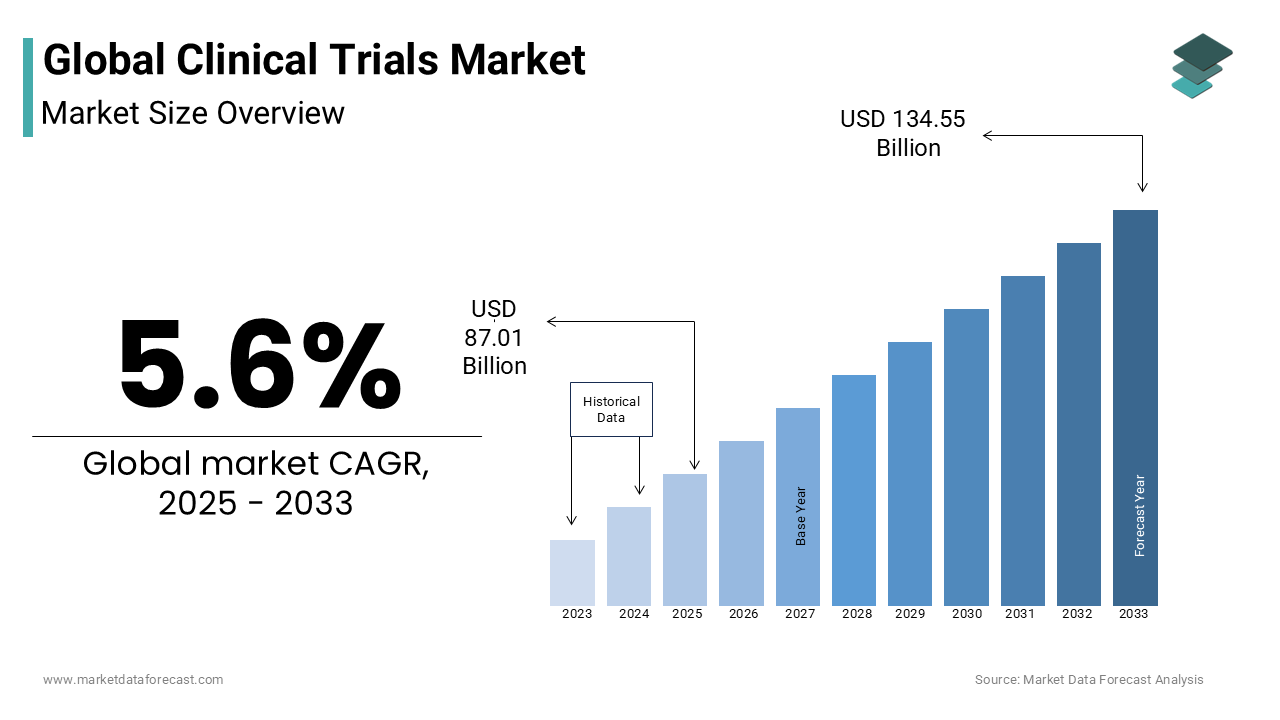
The global in-vitro diagnostics (IVD) market size was valued at USD 87.01 billion in 2025 and is anticipated to reach USD 91.88 billion in 2026 from USD 142.08 billion by 2034, growing at a CAGR of 5.6% during the forecast period from 2026 to 2034.
The In-vitro Diagnostics (IVD) technologies, reagents, and instruments are used to analyze biological samples such as blood, urine, and tissue outside the human body to detect diseases, monitor health conditions, and guide therapeutic decisions. IVD systems span a broad spectrum, including immunoassays, molecular diagnostics, hematology analyzers, point-of-care testing (POCT) devices, and clinical chemistry platforms. The significance of IVDs was underscored during the COVID-19 pandemic, when diagnostic testing became a cornerstone of public health response. According to the European Centre for Disease Prevention and Control, over 5 billion molecular and antigen tests were deployed globally between 2020 and 2023 to track and contain viral transmission. In low-resource settings, portable IVD devices have expanded access to HIV viral load monitoring and tuberculosis detection, with the Global Fund distributing 180 million rapid diagnostic tests for malaria in 2022 alone.
MARKET DRIVERS
Rising Global Burden of Chronic Diseases and the Shift Toward Preventive Care
The escalating prevalence of chronic non-communicable diseases (NCDs) such as diabetes, cardiovascular disorders, and cancer is a major factor for the growth of the In-vitro Diagnostics (IVD) Market. These conditions require continuous monitoring and early detection to mitigate complications and reduce long-term healthcare costs. According to the World Health Organization, NCDs are responsible for 74% of all global deaths, with over 41 million fatalities annually, the majority occurring prematurely in individuals under 70. Diabetes alone affects 537 million adults worldwide, a figure projected to rise to 643 million by 2030, as reported by the International Diabetes Federation. This necessitates frequent glucose monitoring, HbA1c testing, and renal function assessment procedures heavily reliant on IVD platforms.
Expansion of Point-of-Care Testing in Resource-Limited and Decentralized Settings
The decentralization of diagnostic services through point-of-care testing (POCT) is transforming healthcare delivery in remote, rural, and underserved regions where access to centralized laboratories is limited. POCT enables rapid, on-site analysis using portable devices, reducing turnaround time and facilitating immediate clinical decisions. According to the World Health Organization, over 500 million rapid diagnostic tests for HIV and syphilis were distributed to low- and middle-income countries between 2020 and 2023, significantly improving maternal and neonatal outcomes in antenatal clinics. In sub-Saharan Africa, where laboratory infrastructure is sparse, POCT for CD4 counts and viral load has increased antiretroviral therapy initiation rates by 35%, as noted by UNAIDS. India’s National Health Mission has deployed over 120,000 handheld hemoglobinometers and glucometers across rural health centers, enabling real-time anemia and diabetes screening for 200 million people annually. The U.S. Department of Veterans Affairs has adopted POCT for cardiac biomarkers in outpatient clinics, cutting emergency department admissions by 22% through early risk stratification.
MARKET RESTRAINTS
Stringent Regulatory Frameworks and Prolonged Approval Timeline
The development and commercialization of in-vitro diagnostic devices are subject to rigorous regulatory scrutiny, which often delays market entry and increases compliance costs. In the European Union, the implementation of the In Vitro Diagnostic Regulation (IVDR) in 2022 introduced significantly stricter requirements for clinical evidence, post-market surveillance, and notified body assessments. As a result, over 70% of previously CE-marked IVDs required re-evaluation, and only 15% had secured IVDR certification by mid-2023, according to the European Diagnostic Manufacturers Association. This bottleneck has disrupted supply chains and forced manufacturers to prioritize high-revenue products, leaving niche tests underdeveloped. In the United States, the Food and Drug Administration mandates premarket approval (PMA) or 510(k) clearance for higher-risk devices, with an average review time of 18 to 24 months for novel molecular diagnostics, as reported by the FDA’s Center for Devices and Radiological Health. In emerging markets like Indonesia and Nigeria, inconsistent regulatory enforcement and a lack of harmonized standards create additional barriers.
Shortage of Skilled Laboratory Personnel and Infrastructure Gaps
The effective deployment of IVD systems is hindered by a shortage of trained medical laboratory professionals and inadequate diagnostic infrastructure in low- and middle-income countries. According to the World Health Organization, Africa faces a deficit of over 300,000 laboratory technicians, with some nations reporting only one pathologist per 2 million people. This scarcity compromises test accuracy, delays reporting, and undermines confidence in diagnostic outcomes. In Malawi, for instance, only 40% of district hospitals have functional biochemistry analyzers due to a lack of maintenance expertise, as noted by the Ministry of Health. Even in high-income countries, workforce attrition in clinical laboratories is a growing concern; the American Society for Clinical Pathology reports that 43% of U.S. laboratories faced staffing shortages in 2023, with vacancy rates exceeding 15% for medical technologists. In India, while POCT devices are widely distributed, improper handling and calibration by untrained personnel have led to false-negative results in tuberculosis and HIV testing, according to the Indian Council of Medical Research. Furthermore, unreliable electricity, lack of cold chain storage, and poor connectivity in rural clinics impede the operation of sophisticated IVD platforms.
MARKET OPPORTUNITIES
Integration of Artificial Intelligence and Digital Health Platforms in Diagnostic Workflows
The integration of artificial intelligence (AI) with in-vitro diagnostics is unlocking transformative potential in data interpretation, predictive analytics, and operational efficiency, which is likely to create new opportunities for the growth of the In-vitro Diagnostics (IVD) Market. AI algorithms are increasingly being deployed to analyze complex diagnostic datasets, identify patterns in biomarker expression, and reduce human error in test interpretation. For example, Google Health collaborated with pathology labs to develop AI models that detect breast cancer from histopathology slides with 99% sensitivity, reducing false negatives by 5.7%, as published in Nature Medicine in 2023. In microbiology, AI-powered platforms like those from bioMérieux can predict antibiotic resistance profiles from culture data, accelerating treatment decisions by up to 48 hours, according to the European Society of Clinical Microbiology and Infectious Diseases. Digital health ecosystems are also enabling seamless integration of IVD results into electronic health records (EHRs), allowing for longitudinal patient monitoring.
Expansion of Companion Diagnostics in Precision Oncology and Targeted Therapies
The rise of personalized medicine in oncology has elevated the role of companion diagnostics (CDx) IVD tests that identify patients most likely to benefit from specific targeted therapies, which additionally enhances the growth of the In-Vitro Diagnostics (IVD) Market. The U.S. Food and Drug Administration has approved over 60 companion diagnostic tests since 2020, including assays for PD-L1 expression, BRCA mutations, and NTRK gene fusions, as documented in its Precision Medicine Initiatives report. In Europe, the use of EGFR mutation testing before prescribing osimertinib for non-small cell lung cancer is now standard practice, improving response rates from 30% to over 80%, according to the European Society for Medical Oncology. In Japan, the National Cancer Center mandates molecular profiling for all advanced solid tumors, leading to a 45% increase in targeted therapy utilization between 2020 and 2023. Additionally, pharmaceutical companies are increasingly co-developing drugs and diagnostics; Roche’s partnership with Foundation Medicine has resulted in integrated genomic profiling tests used in over 50 clinical trials globally.
MARKET CHALLENGES
Vulnerability to Supply Chain Disruptions for Reagents and Components
The disruptions in the supply of specialized reagents, enzymes, and single-use consumables, many of which are sourced from a concentrated group of suppliers, are a key challenging factor for the growth of the In-Vitro Diagnostics (IVD) Market. During the early phase of the COVID-19 pandemic, global shortages of RNA extraction kits and reverse transcriptase enzymes severely limited testing capacity, with the World Health Organization reporting that 60 countries experienced diagnostic delays due to reagent scarcity in 2020. China and the United States produce over 70% of key molecular biology reagents, including Taq polymerase and primers, according to the International Federation of Clinical Chemistry. Geopolitical tensions, export restrictions, and logistical bottlenecks can rapidly cascade into widespread test unavailability. In 2022, a fire at a Merck facility in Germany disrupted the supply of magnetic beads used in automated immunoassay systems, affecting over 30% of Europe’s diagnostic output for three months, as noted by the German Association for Clinical Chemistry. Additionally, semiconductor shortages have delayed the production of microfluidic chips and reader devices, with Philips and Siemens Healthineers citing component delays in their 2023 supply chain disclosures.
Data Privacy and Cybersecurity Risks in Digitized Diagnostic Systems
The growing cybersecurity threats and data privacy concerns are potentially to degrade the growth of the In-Vitro Diagnostics (IVD) Market. Modern diagnostic instruments generate vast amounts of sensitive patient data, including genetic profiles, infectious disease status, and biomarker levels, which are stored in cloud-based systems or transmitted across hospital networks. According to the U.S. Department of Health and Human Services, medical devices were involved in 35% of healthcare data breaches in 2023, with diagnostic systems increasingly targeted due to outdated software and weak encryption protocols. In 2022, a ransomware attack on a major U.S. lab network encrypted over 2 million patient test records, delaying cancer diagnoses for weeks, as reported by the Cybersecurity and Infrastructure Security Agency. In India, the Digital Information Security in Healthcare Act mandates strict data protection for diagnostic data, yet compliance remains inconsistent across private labs.
REPORT COVERAGE
| REPORT METRIC | DETAILS |
| Market Size Available | 2025 to 2034 |
| Base Year | 2025 |
| Forecast Period | 2026 to 2034 |
| CAGR | 5.6% |
| Segments Covered | By Product, Technology, Application, and Region |
| Various Analyses Covered | Global, Regional & Country Level Analysis; Segment-Level Analysis, Drivers, Restraints, Opportunities, Challenges; PESTLE Analysis; Porter's Forces Analysis; Competitive Landscape; Analyst Overview of Investment Opportunities |
| Regions Covered | North America, Europe, Asia Pacific, Latin America, Middle East & Africa |
| Market Leader Profiled | Abbott Laboratories, Johnson and Johnson, Siemens Healthcare, Becton Dickinson, Roche Diagnostics, Beckman Coulter Inc., Biomérieux, Ortho Clinical Diagnostics, Inc., Bio-Rad Laboratories Danaher Corporation, Sysmex Corporation, and Thermo Fisher Scientific, Inc. |
SEGMENTAL ANALYSIS
By Product Insights
The reagents and kits segment was the largest by holding 56.3% of the global IVD market share in 2025. Reagents and kits are inherently consumable, necessitating continuous replenishment with every diagnostic procedure, which establishes a stable and recurring revenue stream. According to the World Health Organization, over 10 billion clinical laboratory tests are conducted annually worldwide, each requiring specific reagents for accurate results. In the United States alone, clinical labs perform more than 7 billion tests per year, with reagent costs accounting for approximately 60% of total testing expenses, as noted by the Association for Molecular Pathology. The surge in infectious disease testing during the pandemic further amplified demand; the U.S. Department of Health and Human Services recorded the procurement of 1.2 billion PCR reagent kits between 2020 and 2022 to support national testing infrastructure. In high-throughput environments such as hospital central labs and reference laboratories, reagent usage is directly proportional to patient volume by ensuring sustained demand. Additionally, complex tests like next-generation sequencing and multiplex PCR require specialized, high-cost reagents, further elevating their contribution to market value. The dependency on proprietary reagent-instrument pairings also locks customers into long-term supply contracts, reinforcing vendor loyalty and revenue predictability.
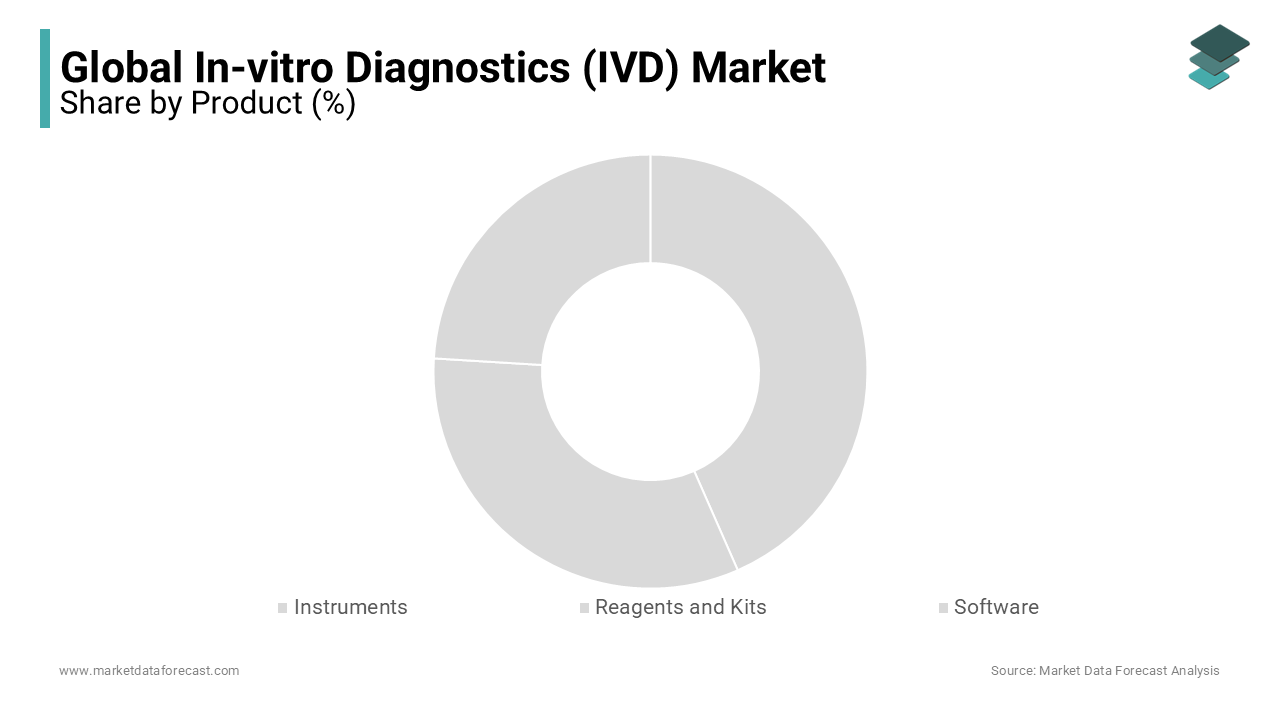
The software segment is projected to grow with a CAGR of 12.7% from 2026 to 2034. Modern healthcare systems increasingly rely on seamless data flow between diagnostic instruments and digital health platforms, which is driving demand for IVD-related software solutions. According to the U.S. Office of the National Coordinator for Health Information Technology, over 95% of acute care hospitals in the United States now use certified electronic health record (EHR) systems capable of integrating diagnostic data in real time. This interoperability allows clinicians to access test results instantly, reducing diagnostic delays and improving care coordination.
By Technology Insights
The immunoassays segment was the largest by accounting for 28.4% of the share in 2025. Immunoassays are extensively used to detect proteins, hormones, and antigens through antibody-antigen interactions by making them indispensable in endocrinology, cardiology, and virology. According to the American Association of Clinical Chemistry, immunoassays are employed in over 70% of all hormone evaluations, including thyroid function (TSH, T4) and reproductive health (FSH, LH). In cardiovascular care, the measurement of cardiac troponins via immunoassay is considered the gold standard for diagnosing myocardial infarction, with the U.S. Centers for Disease Control and Prevention estimating that 15 million troponin tests are performed annually in emergency departments. The technology was also pivotal during the pandemic; Abbott’s ARCHITECT SARS-CoV-2 IgG assay was deployed in over 100 countries, conducting more than 200 million tests by 2023, as noted by the company’s annual report. In oncology, tumor marker tests such as PSA for prostate cancer and CA-125 for ovarian cancer rely on immunoassay platforms. The European Federation of Clinical Chemistry and Laboratory Medicine confirms that immunoassays account for over 60% of all tumor marker analyses in EU hospitals.
The molecular diagnostics segment is likely to grow with expected to grow with a CAGR of 11.9% from 2026 to 2034. The integration of molecular diagnostics into cancer care has transformed treatment paradigms, enabling targeted therapies based on genetic profiles. According to the American Society of Clinical Oncology, over 40% of new cancer patients in the U.S. now undergo comprehensive genomic profiling, with tests for EGFR, ALK, and BRCA mutations guiding therapy selection. Foundation Medicine’s FoundationOne CDx, an FDA-approved next-generation sequencing test, has been used in over 300,000 cases since 2020 to identify actionable mutations, as reported by the company. In rare diseases, whole-exome sequencing has reduced diagnostic odysseys from an average of seven years to under one year, according to the Undiagnosed Diseases Network. The National Institutes of Health notes that 35% of undiagnosed pediatric cases are resolved through molecular testing. Additionally, non-invasive prenatal testing (NIPT) using cell-free fetal DNA has become standard in high-risk pregnancies, with over 10 million tests performed globally in 2023, as stated by the International Society for Prenatal Diagnosis.
REGIONAL ANALYSIS
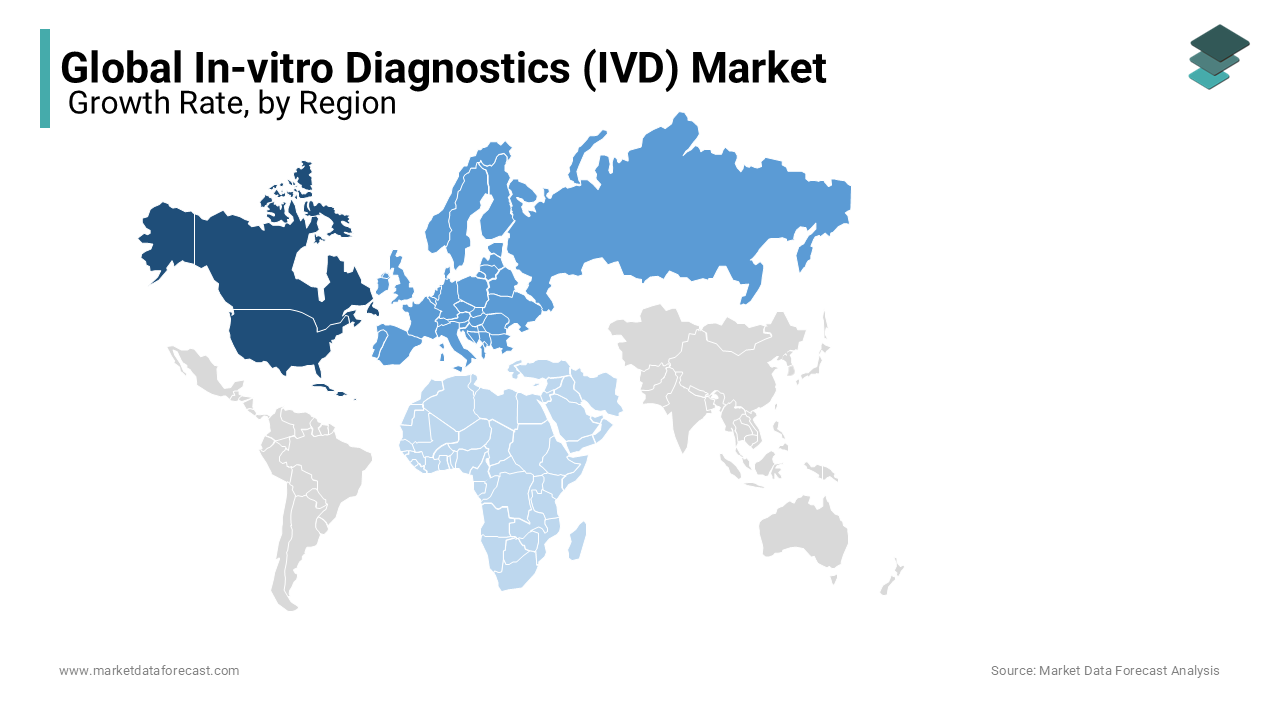
North America was the top performer of the global in-vitro diagnostics market by occupying 42.1% of share in 2025. The United States benefits from a highly developed healthcare infrastructure, robust reimbursement mechanisms, and strong regulatory oversight. The presence of leading IVD manufacturers such as Abbott, Becton Dickinson, and Quest Diagnostics fosters innovation and rapid technology adoption. The FDA’s Breakthrough Devices Program has expedited the approval of over 50 novel IVDs since 2020, including AI-powered pathology tools and liquid biopsy assays. Additionally, the U.S. Preventive Services Task Force mandates routine screening for conditions like colorectal cancer and diabetes, ensuring high test volumes. The rise of value-based care models further incentivizes early diagnosis and chronic disease monitoring, increasing reliance on diagnostic data.
Europe was positioned second with 27.6% of the global IVD market in 2024. The region exhibits a mature but fragmented diagnostic landscape, shaped by diverse healthcare systems and stringent regulatory frameworks. Germany, France, and the UK lead in diagnostic spending, with Germany allocating €6.8 billion to laboratory medicine in 2023, as reported by the German Federal Statistical Office. The implementation of the In Vitro Diagnostic Regulation (IVDR) has created short-term disruptions but is expected to enhance long-term product quality and patient safety. Public health programs such as the UK’s NHS Genomic Medicine Service have integrated whole-genome sequencing into routine care, performing over 200,000 tests since 2020.The
Asia-Pacific IVD market is growing lucratively with prominent growth opportunities during the forecast period. China’s 14th Five-Year Plan prioritizes self-reliance in medical technology, resulting in a 40% increase in domestic IVD production between 2021 and 2023, according to the National Medical Products Administration. The country’s National Health Commission has mandated the use of advanced diagnostics in all tertiary hospitals, driving adoption of molecular and immunoassay platforms. India’s Ayushman Bharat program has expanded diagnostic access to 500 million people, with over 100 million pathology tests conducted annually in public facilities, as reported by the Ministry of Health and Family Welfare. Japan’s aging population fuels demand for chronic disease testing, with over 70% of adults over 65 undergoing annual cancer and metabolic screening. However, regulatory heterogeneity and uneven healthcare infrastructure across Southeast Asia pose challenges. The
Latin America IVD market is growing with steady growth opportunities during the forecast period. Brazil leads the region, with its Unified Health System (SUS) conducting over 500 million diagnostic tests annually, including widespread use of rapid tests for HIV and syphilis. The Oswaldo Cruz Foundation reports that Brazil’s public labs processed 12 million molecular tests for dengue and Zika between 2020 and 2023. Mexico’s healthcare reform has expanded insurance coverage, increasing demand for routine diagnostics. However, economic instability, import dependency, and workforce shortages limit scalability. Argentina faces recurring shortages of reagents due to currency devaluation, while Colombia struggles with counterfeit diagnostic kits. Despite these hurdles, regional initiatives like the Latin American Society of Laboratory Medicine’s harmonization program are improving quality standards.The
Middle East and Africa IVD market is also expected to grow lucratively with prominent opportunities. South Africa operates the most advanced diagnostic network in Africa, with the National Health Laboratory Service conducting over 100 million tests annually, including 15 million HIV viral load assays, according to the Department of Health. The country’s integration of automated platforms in public labs has improved turnaround times by 40%. In Saudi Arabia, Vision 2030 includes a $30 billion investment in healthcare infrastructure, with a focus on diagnostic digitization and precision medicine. The UAE has established regional reference labs in Dubai and Abu Dhabi to serve the Gulf Cooperation Council.
COMPETITIVE LANDSCAPE
The competitive dynamics of the in-vitro diagnostics market are defined by a convergence of technological innovation, regulatory complexity, and shifting healthcare paradigms. While the sector is anchored by a few multinational corporations with extensive portfolios, a growing number of specialized firms are challenging dominance through niche expertise in molecular diagnostics, AI-driven interpretation, and point-of-care solutions. Competition is no longer confined to price or instrument performance but extends to ecosystem integration, data management, and clinical utility. Companies that offer seamless connectivity between devices, laboratory systems, and electronic health records gain a strategic edge in modern healthcare environments prioritizing interoperability and efficiency. The rise of precision medicine has further intensified rivalry, as diagnostic firms race to develop companion tests for targeted therapies, particularly in oncology and genetic disorders. Regulatory hurdles, especially in Europe and emerging markets, act as both barriers and differentiators, favoring organizations with robust compliance frameworks and quality assurance systems.
KEY MARKET PLAYERS
Some of the companies playing a promising role in the global in-vitro diagnostics (IVD) market include
- Abbott Laboratories
- Johnson and Johnson
- Siemens Healthcare
- Becton Dickinson
- Roche Diagnostics
- Beckman Coulter Inc.
- Biomérieux
- Ortho Clinical Diagnostics, Inc.
- Bio-Rad Laboratories, Inc.
- Danaher Corporation
- Sysmex Corporation
- Thermo Fisher Scientific, Inc.
Top Players in the In-vitro Diagnostics (IVD) Market
Roche Diagnostics
Roche Diagnostics stands as a global leader in the IVD landscape, renowned for its integration of innovative technology with comprehensive diagnostic solutions. The company has pioneered advancements in molecular diagnostics, immunoassays, and point-of-care testing, establishing a strong presence across hospitals, reference laboratories, and outpatient settings. Its commitment to precision medicine is evident in its development of companion diagnostics that align with targeted therapies, particularly in oncology. Roche’s end-to-end ecosystem—from instruments to reagents and digital platforms enables seamless workflow integration and data-driven decision-making. The company’s emphasis on regulatory excellence and global scalability has made its systems a standard in high-complexity labs worldwide.
Abbott Laboratories
Abbott Laboratories has solidified its position as a dominant force in the in-vitro diagnostics sector through a combination of technological innovation, broad product portfolios, and global accessibility. The company excels in point-of-care testing, clinical chemistry, and rapid diagnostics, delivering solutions that bridge gaps in both advanced healthcare systems and resource-limited environments. Its ID NOW and BinaxNOW platforms have demonstrated public health value during infectious disease outbreaks, enabling rapid, decentralized testing. Abbott places strong emphasis on affordability and ease of use, ensuring widespread adoption in primary care and community settings. The company’s vertically integrated model supports consistent quality and supply chain resilience. With a focus on transforming diagnostic accessibility, Abbott continues to expand its footprint in emerging markets while advancing high-complexity testing in genomics and cardiac biomarkers, reinforcing its role as a versatile and responsive market leader.
Siemens Healthineers
Siemens Healthineers has emerged as a key innovator in high-throughput and automated diagnostic systems, particularly in immunoassays, clinical chemistry, and laboratory automation. The company is recognized for its engineering excellence and commitment to operational efficiency in centralized laboratory environments. Its Atellica and ADVIA platforms integrate advanced analytics and artificial intelligence to enhance diagnostic accuracy and streamline lab workflows. Siemens Healthineers emphasizes digitalization, offering software solutions that connect instruments, laboratory information systems, and enterprise networks to enable real-time decision-making. The company’s focus on sustainability and precision diagnostics supports large-scale screening and chronic disease management programs.
Top Strategies Used by Key Market Participants
A primary strategy employed by leading IVD companies is vertical integration of diagnostic ecosystems, where firms develop proprietary instruments, reagents, and software that operate as unified platforms. This closed-loop model ensures compatibility, enhances data integrity, and fosters customer lock-in, as users become dependent on a single vendor’s ecosystem for consumables and technical support. It also allows for optimized performance and regulatory alignment across components, reducing variability and improving reliability.
Another strategy is the expansion into precision medicine and companion diagnostics, where IVD developers align their tests with specific therapeutic agents, particularly in oncology and rare diseases. This co-development approach strengthens partnerships with pharmaceutical companies and positions diagnostics as essential components of treatment pathways. Firms investing in genomic profiling, liquid biopsy, and next-generation sequencing platforms are positioning themselves at the forefront of personalized healthcare, where diagnostics dictate therapeutic eligibility and monitoring.
A third strategic focus is geographic diversification and localization of manufacturing and distribution networks. Companies are increasingly establishing regional production facilities, regulatory hubs, and service centers to navigate local requirements and reduce dependency on global supply chains. This localization enhances responsiveness to public health demands, shortens delivery timelines, and improves compliance with national procurement policies. It also enables tailored product offerings that address region-specific disease burdens, such as infectious diseases in tropical climates or metabolic disorders in aging populations.
RECENT MARKET HAPPENINGS
- In February 2024, Roche Diagnostics launched a new AI-powered digital pathology platform integrated with its uPath enterprise software, enabling automated tissue analysis for cancer diagnostics. This advancement is anticipated to enhance diagnostic accuracy and reduce pathologists workload in high-volume laboratories.
- In March 2024, Abbott Laboratories received regulatory clearance for its next-generation mPlex respiratory panel, a multiplex molecular test capable of detecting 20 pathogens from a single sample. This innovation is expected to strengthen Abbott’s dominance in infectious disease diagnostics and expand its use in decentralized settings.
- In January 2024, Siemens Healthineers inaugurated a new manufacturing facility in Singapore dedicated to producing immunoassay reagents and clinical chemistry systems for the Asia-Pacific region. This expansion is anticipated to improve supply chain resilience and support regional demand for high-throughput diagnostic solutions.
- In April 2024, Danaher Corporation completed the acquisition of a genomic data analytics startup specializing in next-generation sequencing interpretation. This move is expected to enhance Danaher’s digital diagnostics portfolio and strengthen its integration of AI in molecular workflows.
- In May 2024, bioMérieux launched a portable mass spectrometry-based microbial identification system designed for use in resource-limited laboratories. This innovation is anticipated to expand access to rapid microbiology testing in low- and middle-income countries and reinforce bioMérieux’s presence in the infectious disease segment.
MARKET SEGMENTATION
This research report on the global in-vitro diagnostics (IVD) market has been segmented and sub-segmented based on the product, technology, application, and region.
By Product
- Instruments
- Reagents and Kits
- Software
By Technology
- Clinical Chemistry
- Hematology
- Immunoassays
- Coagulation and Hemostasis
- Molecular Diagnostics
- Microbiology
- Other IVD technologies
By Region
- North America
- Europe
- Asia-Pacific
- Latin America
- The Middle East and Africa